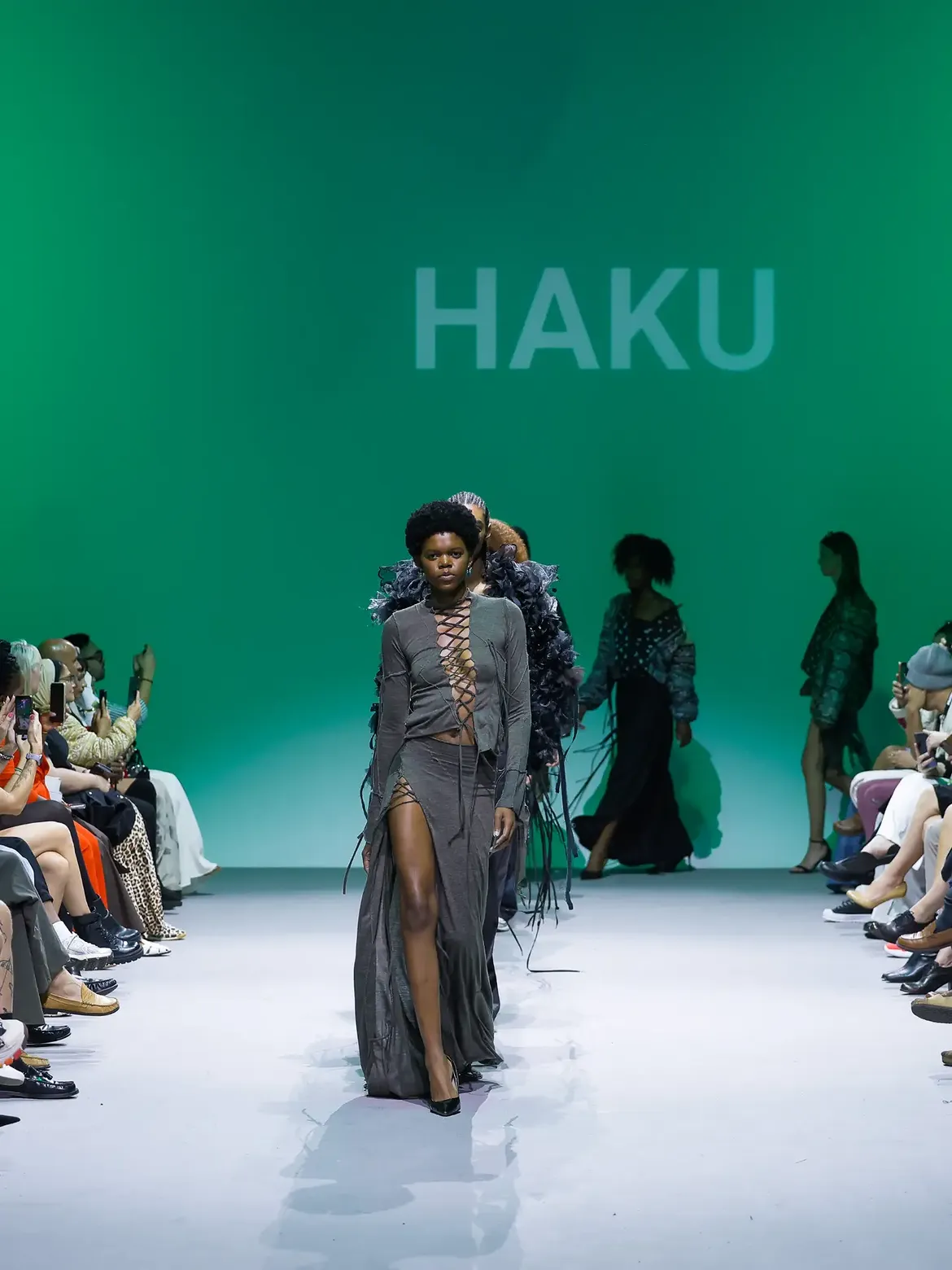
South African Menswear Week ran for years as the continent’s most focused menswear platform: a Cape Town event that built its identity around the proposition that South Africa could produce menswear worth an international conversation. AW26 was the season it made its next structural move. The platform formally relaunched as the Week of Fashion South Africa, introduced dedicated Womenswear Collections alongside the flagship menswear programme for the first time, and brought 33 designers through the Longkloof Precinct across 24-25 April 2026 in a programme that, by multiple editorial accounts, felt less like a local event and more like a platform beginning to understand its role in the global fashion conversation.
The African fashion market is worth 31 billion dollars. The Week of Fashion South Africa’s AW26 expansion is one of the clearest signals this season that African fashion platforms are not waiting for external validation before building the infrastructure that international reach requires. As the official Week of Fashion South Africa documentation confirms, the transition into The Week of Fashion South Africa formally begins after a three-year development cycle during which the platform introduced new collections, integrated womenswear, and broadened its cultural footprint.
South African Menswear Week became the Week of Fashion South Africa at AW26. 33 designers. A new womenswear strand. A platform building for global reach.
Week of Fashion South Africa AW26: What Changed and Why
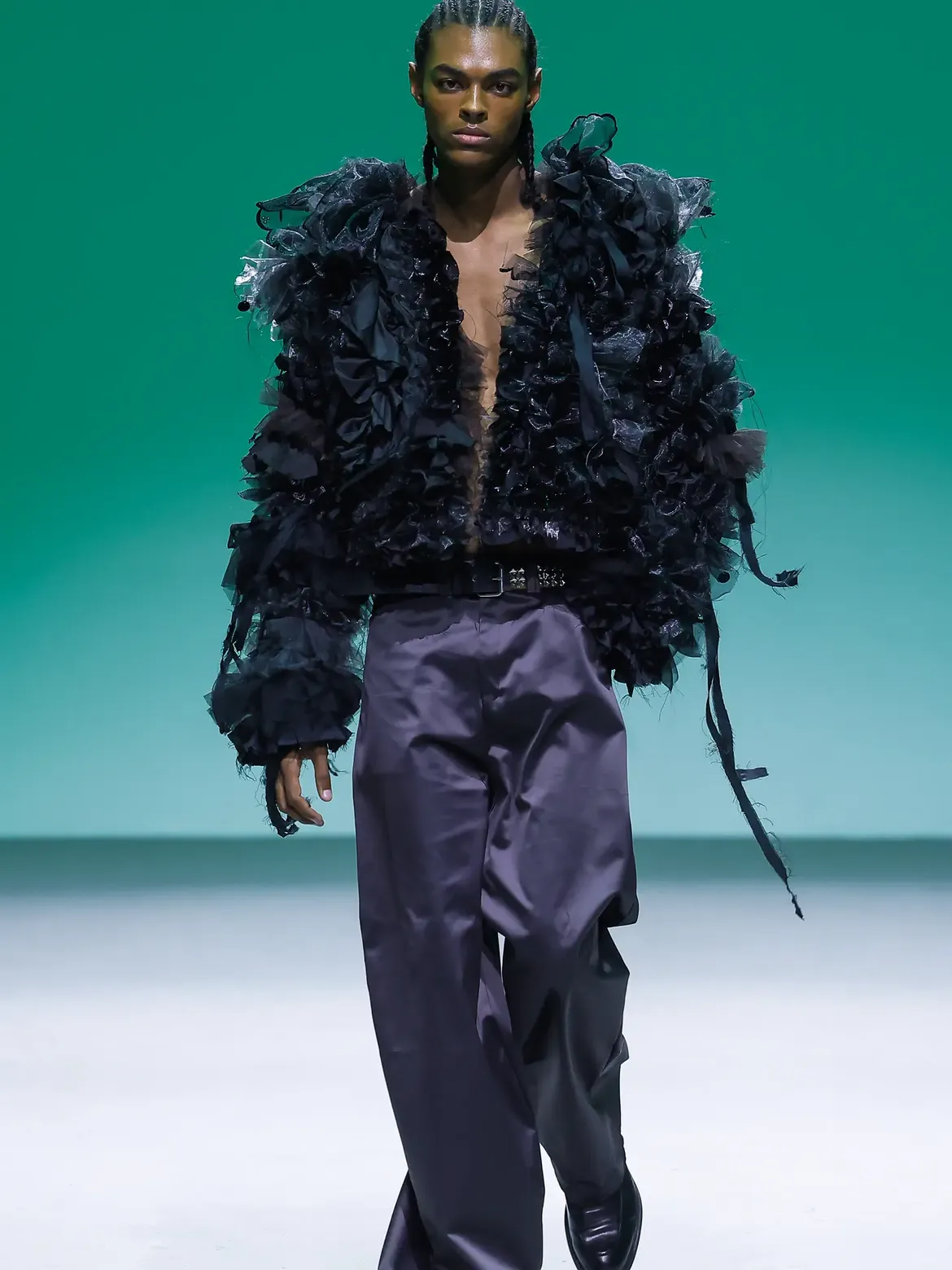
The rebrand from South African Menswear Week to the Week of Fashion South Africa is not a cosmetic renaming. As BizCommunity’s documentation of the platform transition confirms, the evolution brings menswear, womenswear, graduates, and industry dialogue into a single space, within a structure designed to allow each strand to amplify the others. The flagship South African Menswear Week remains the platform’s cornerstone and has been explicitly protected and preserved rather than absorbed into a broader identity. The addition of womenswear responds to a long-standing request from designers who had been presenting on the menswear platform without a dedicated womenswear category. This gap became particularly evident when SAMW was the only South African fashion week to maintain in-person programming throughout the pandemic.
Leon Haasbroek, COO of the Week of Fashion South Africa, confirmed that the menswear narrative has been elevated rather than diluted by the integration. This season elevated the menswear narrative by seamlessly bringing South African Menswear Week and The Womenswear Collections into the broader vision of The Week of Fashion. While his focus as COO was largely on refining the guest and overall experience, it was about elevating the entire experience not only on the designer side but for those attending as well.
AW26 felt closer to a platform refining its long-term identity. If previous seasons felt focused on proving consistency, this season felt like something quietly shifting trajectory.
The Platform’s Nine Pillars
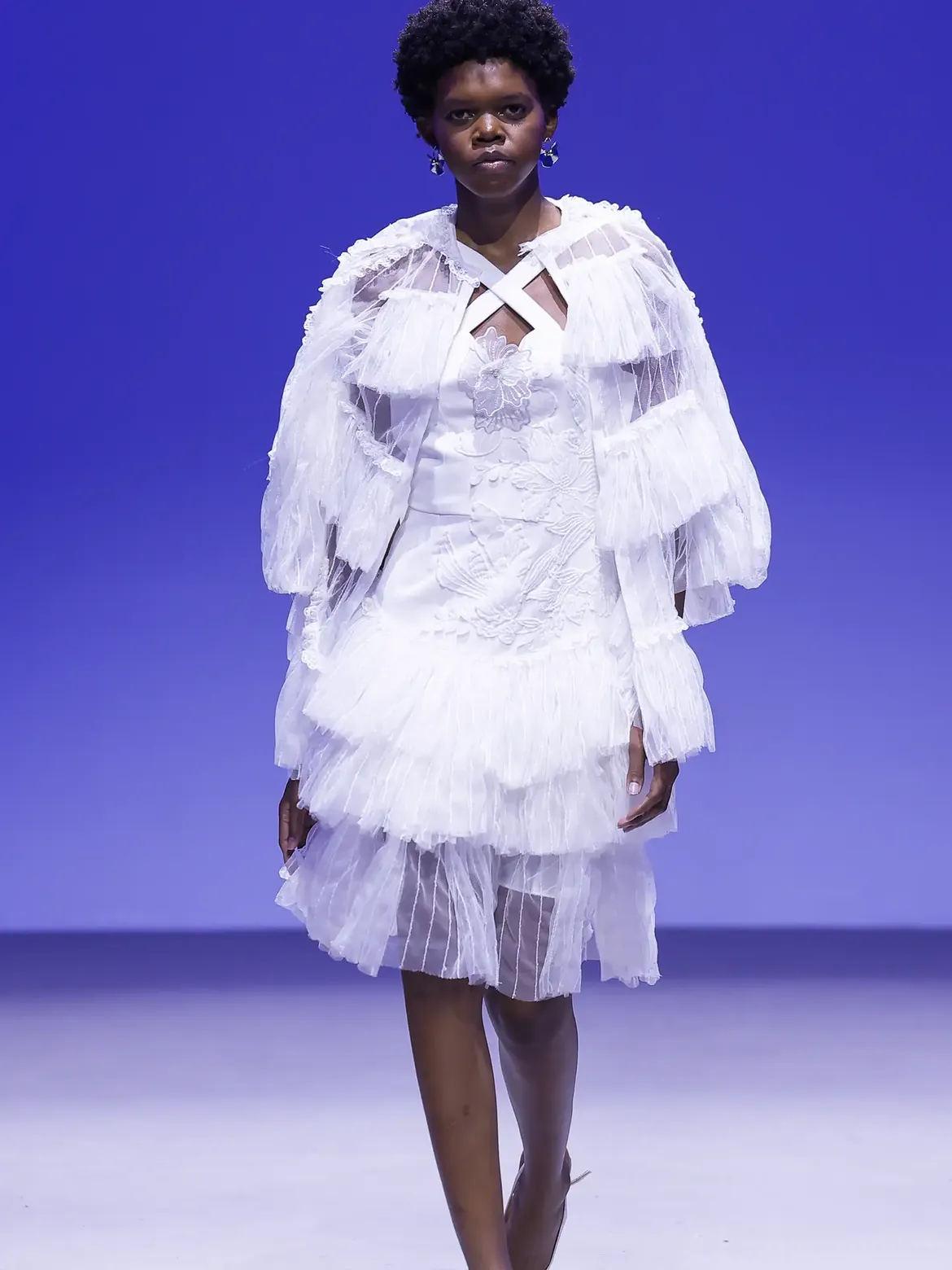
The Week of Fashion South Africa’s AW26 edition launched across nine defined programme pillars. As the Sunday Independent’s documentation of the platform’s expanded vision confirms, the full structure comprises: South African Menswear Week, the flagship menswear showcase; The Womenswear Collections, dedicated to womenswear on a global-standard runway platform; GradWeek, supporting emerging designers from South Africa’s top fashion schools; Global Fashion Graduate, connecting the platform to global partnerships and international opportunities; FASHtalks, industry discussions focused on development, transformation, and thought leadership; TheShowRooms, retail and trade-facing spaces for commercial visibility; Fashion Map (Cape Town), offering curated journeys through culturally significant spaces for luxury travellers and designer retail discovery; WOF. Club, covering hospitality, entertainment and elevated guest programming; and HIM, a high-end male model development and discovery platform launching in October.
The nine-pillar structure represents a deliberate attempt to build an ecosystem rather than an event. A fashion week that exists only as a seasonal runway show produces visibility. A platform that integrates commercial retail access (TheShowRooms), talent development (GradWeek), trade conversation (FASHtalks), luxury tourism (Fashion Map), and model development (HIM) with the runway programme is building the infrastructure to convert runway visibility into commercial sustainability. The ambition is explicitly stated: a confident, culturally relevant, export-ready industry.
The AW26 Collections
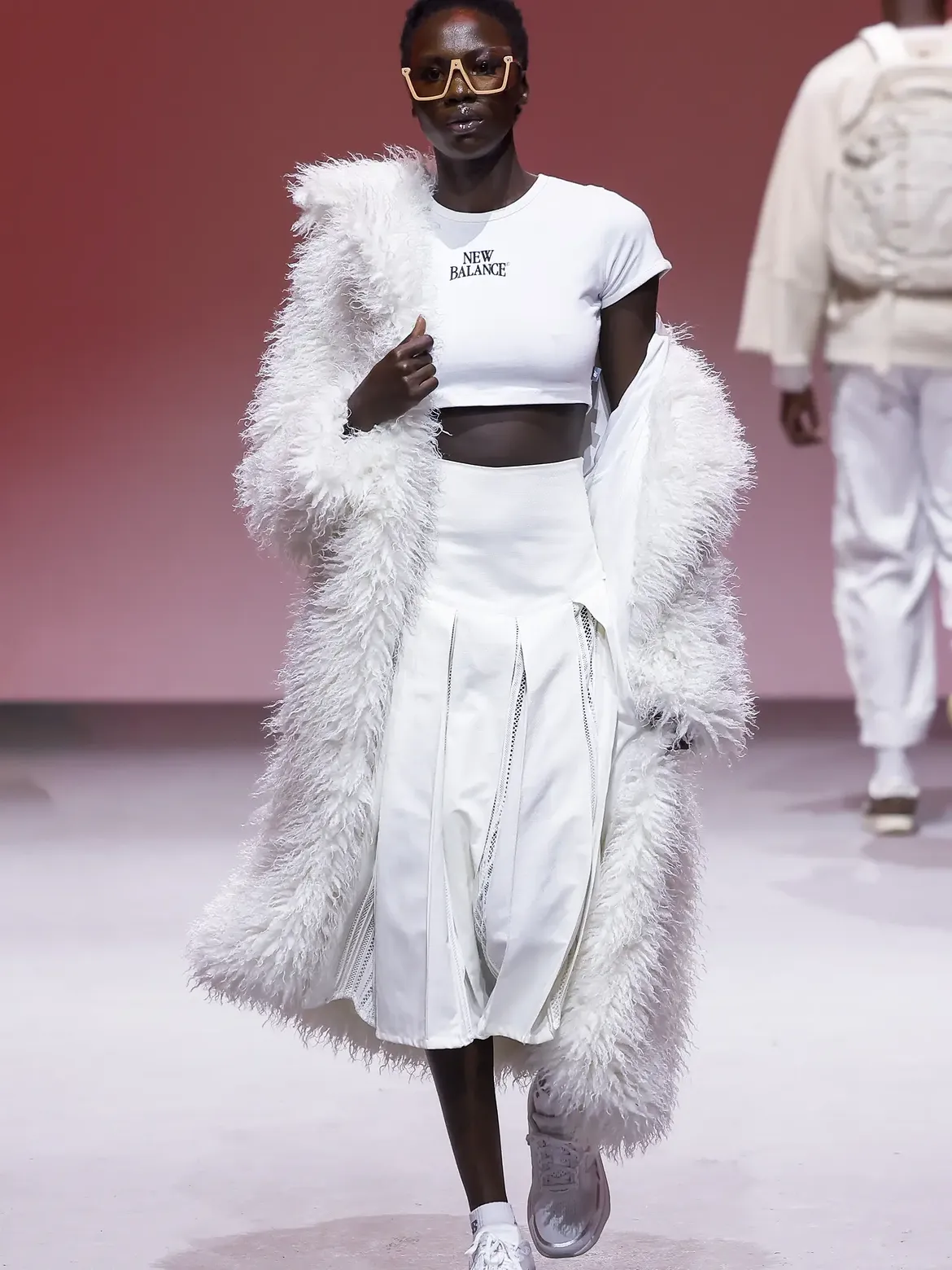
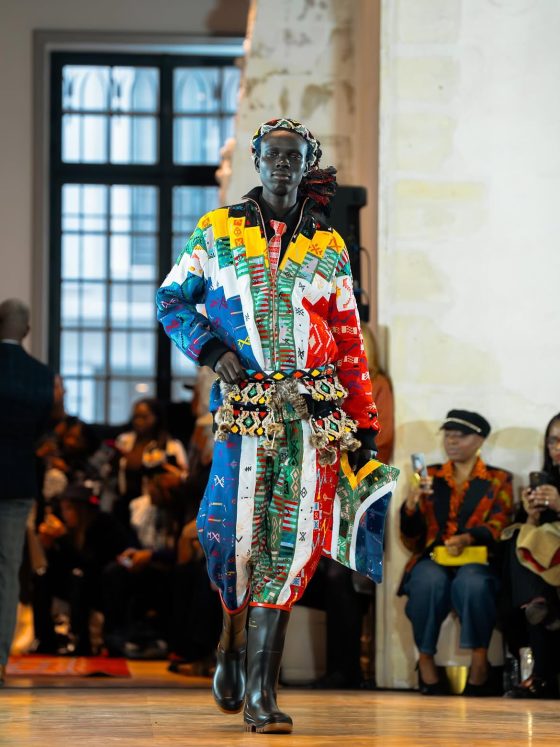
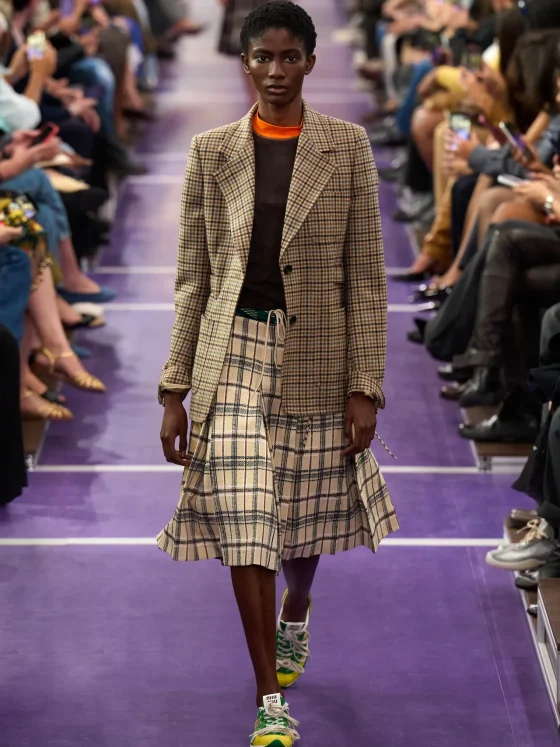
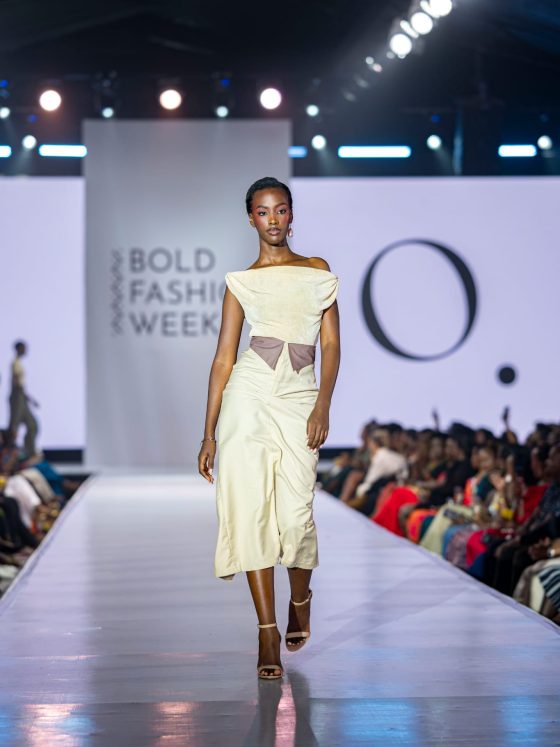
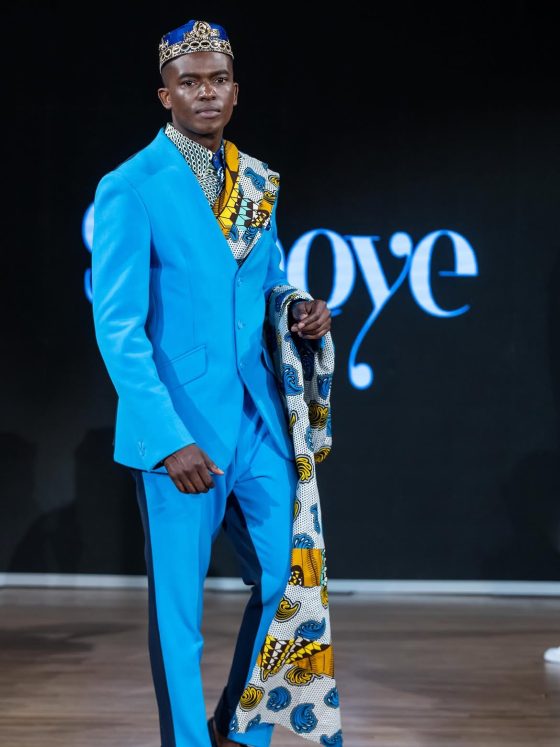
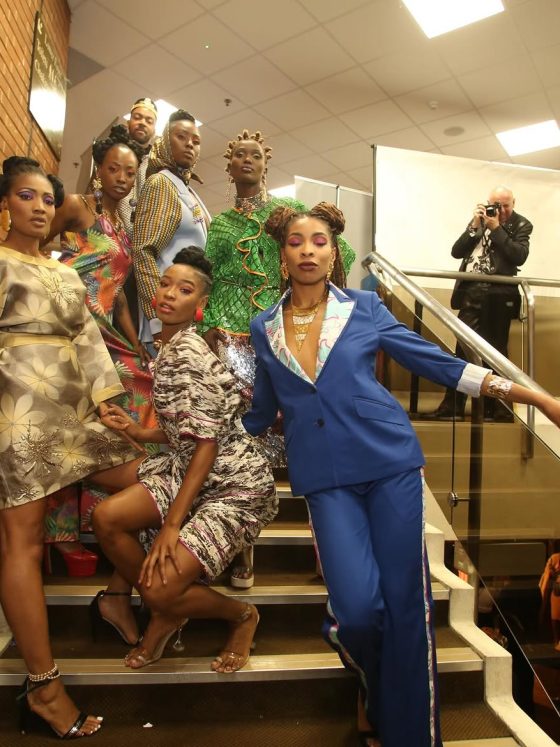
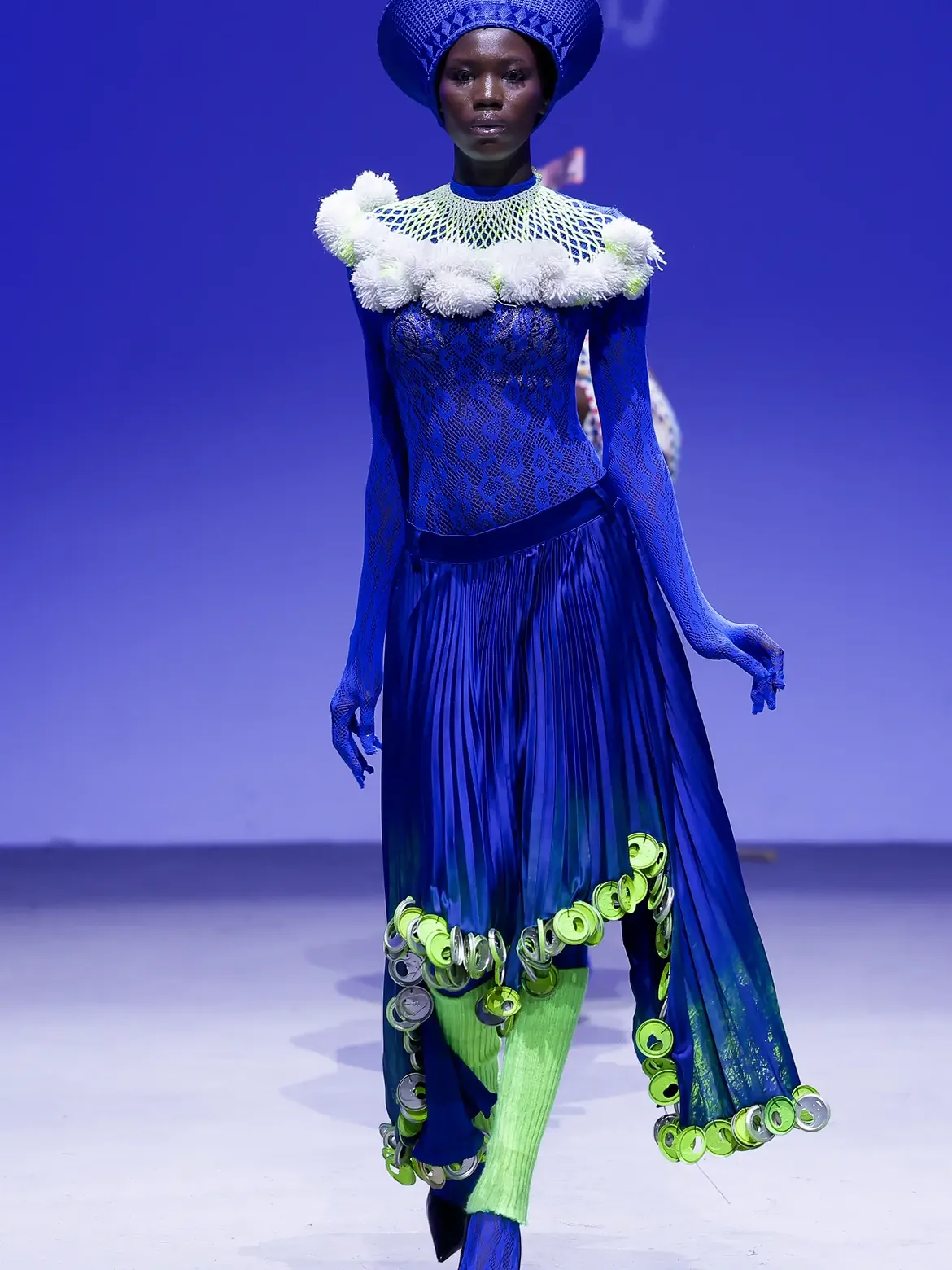
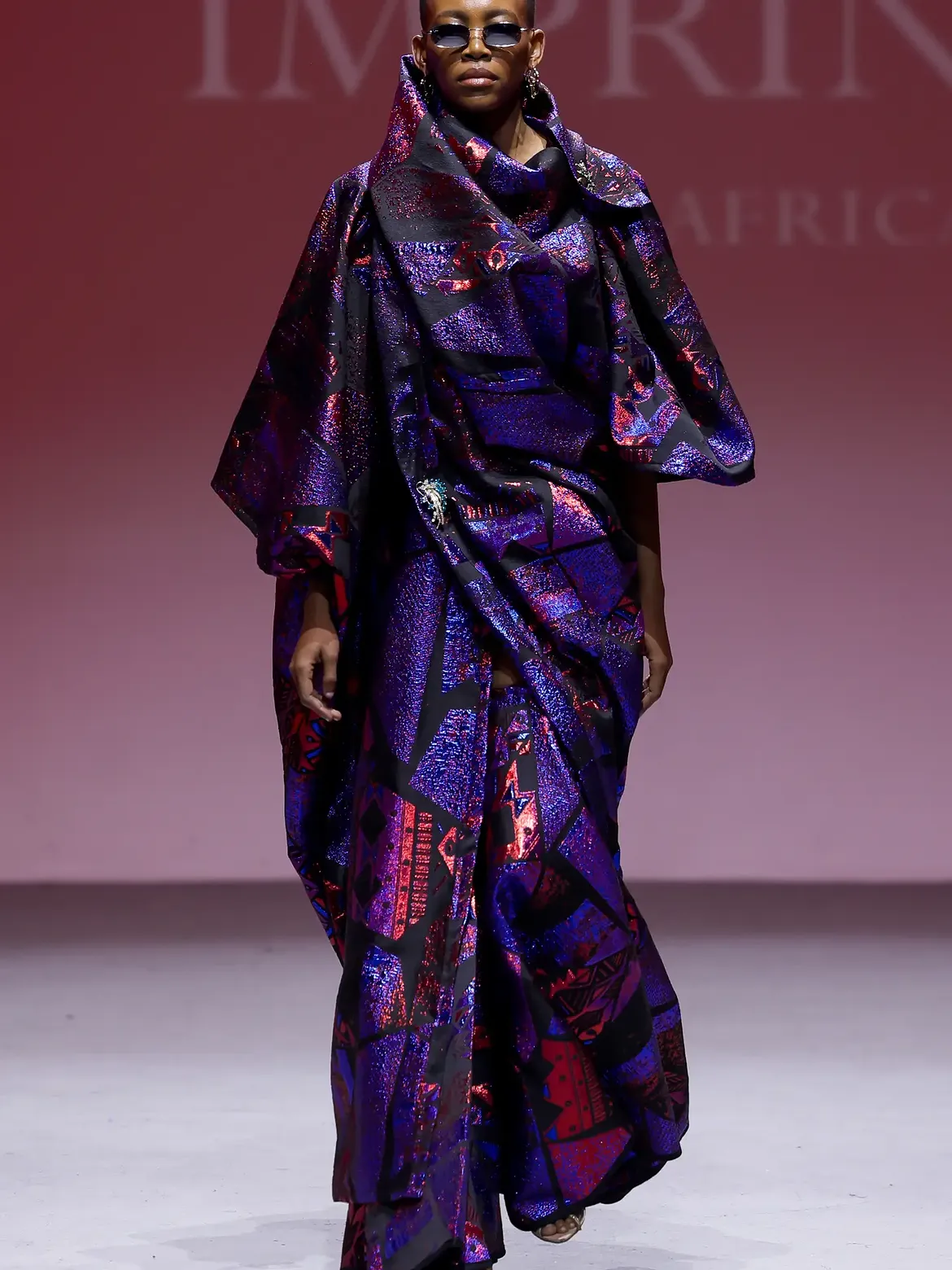
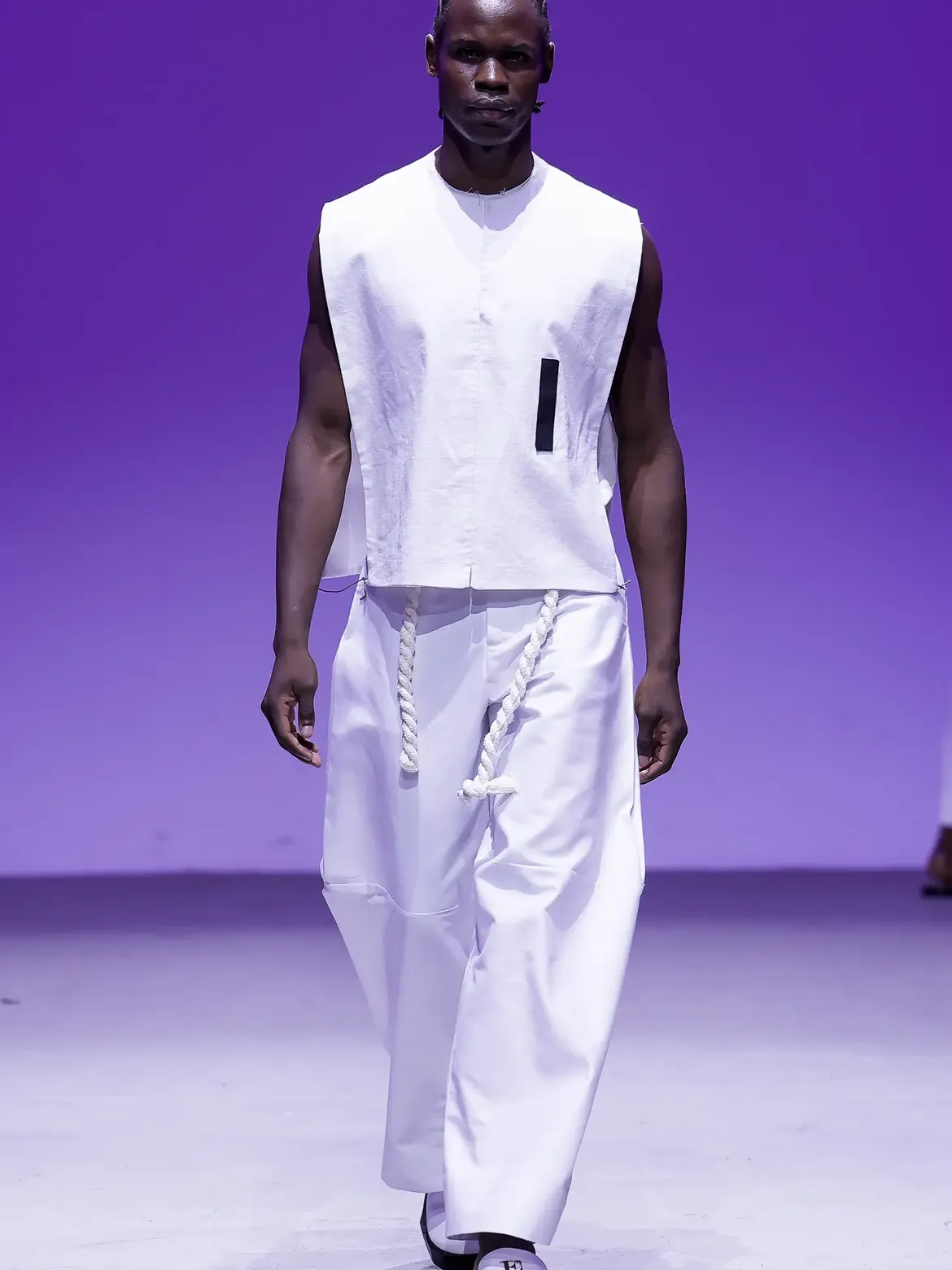
33 designers were showcased over the two days at Longkloof Precinct. As Glamour South Africa’s documentation of the AW26 collections confirms, from elevated tailoring to experimental silhouettes, the collections moved confidently between heritage and modernity. There was a clear sense that designers were not only refining their craft but also reimagining what African fashion can look and feel like on a global stage.
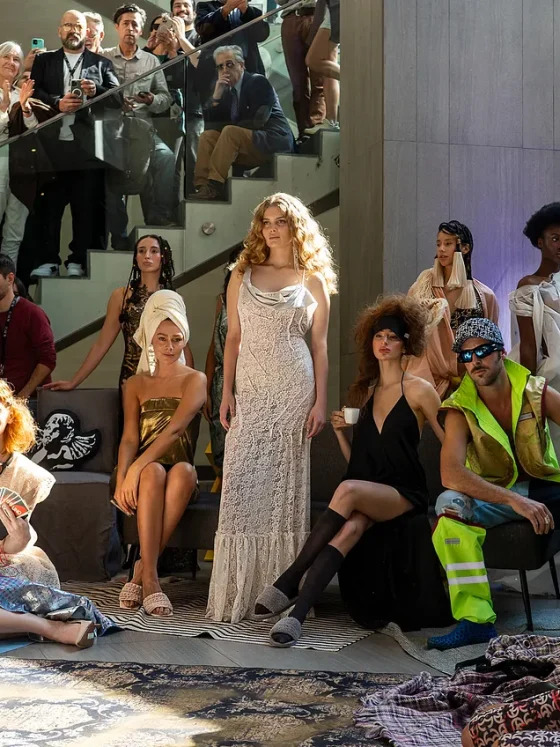
Lele Winnifred was among the season’s most discussed names. Miss World Tanzania 2026, Latricia Ian, opened Lele Winnifred’s show in a moment that editorial coverage described as bringing continental elegance and cross-cultural celebration to the runway. The casting choice registered as both a visibility signal and a statement about the platform’s continental ambitions rather than a purely national scope. David Tlale showed the Mdava collection. GDWN presented, including an oversized ivory crochet gown. Helon Melon and Imprint were among the other labels contributing to what multiple reviewers described as a season of monochromatic power dressing at its South African best.
The collection’s character confirmed what the platform structure had already declared: elevated tailoring, cultural specificity, and experimental silhouettes coexisting rather than competing. The platform’s leadership confirmed this reading. The collections resonated, and the energy was palpable, according to Haasbroek’s post-event statement, with excitement about how the pillars will expand next season.
The Global Ambition
The platform’s leadership has clearly stated its international positioning. We’re properly competitive globally in design, story and quality, said the platform director in the Sunday Independent interview. Designers choosing to harness this are doing well, and the 2026 to 2027 plan includes pushing more of these designers to leverage the international market through our growing networks and partnerships. That ambition is grounded in a recognition that the platform’s role is not only to host a runway event but to serve as a commercial infrastructure that connects South African designers to international buyers, media, and trade relationships.
The Fashion Map (Cape Town) initiative is the most architecturally interesting element of this global positioning. A curated journey through culturally significant spaces for luxury travellers and designer retail discovery is not a standard fashion week programme. It is a play for the international fashion tourism market: positioning Cape Town as a destination that luxury travellers visit specifically to engage with South African fashion, and creating the physical infrastructure through which those travellers encounter designer retail as part of a curated cultural experience. As Omiren Styles’ documentation of Dakar’s autonomous luxury fashion system confirms, the cities that will define African fashion are those actively constructing infrastructure, including the market access mechanisms that convert design excellence into commercial return. Fashion Map is exactly that kind of mechanism.
What the SS27 Season Will Signal
The Spring/Summer 2027 collections are confirmed for 12-17 October 2026 at a new venue, following eight seasons at Wonderland Film Studios. A special event on 18 October will close the season, with further details to be announced. The venue change after eight seasons is itself a signal: a platform that has outgrown its founding venue has grown. The new location has not been publicly confirmed, but the move represents the platform’s physical infrastructure keeping pace with its programmatic expansion.
SS27 will also mark the debut of HIM, the high-end male model development and discovery platform. Its launch within the Week of Fashion South Africa ecosystem places model development directly inside the platform’s infrastructure rather than treating it as a separate commercial activity. A platform that develops designers, supports graduates, provides retail access, and develops models is building a complete industry ecosystem rather than a curated showcase.
South Africa’s fashion infrastructure is among the most developed on the continent. Thebe Magugu’s international retail network and MaXhosa Africa’s reach into global e-commerce represent the designer end of that infrastructure. As the Omiren Index 2026 confirmed, South African ready-to-wear has established a dual international retail presence at Bergdorf Goodman, Net-a-Porter, Moda Operandi, and Dover Street Market. The Week of Fashion South Africa’s AW26 expansion represents the platform infrastructure developing at the same pace as the individual labels it is designed to support.
The Omiren Argument
The Week of Fashion South Africa AW26 is the most visible single platform expansion in African fashion in the first half of 2026. The African fashion market is worth 31 billion dollars. South African Menswear Week built its reputation over years as the continent’s most focused menswear platform: consistent, Cape Town-based, and increasingly recognisable to international press and buyers as a credible environment for South African design at its most developed. The rebrand to Week of Fashion South Africa, the introduction of dedicated womenswear, and the nine-pillar ecosystem structure are not about replacing what menswear week built. They are about building the commercial infrastructure around it that converts runway visibility into sustained industry development. GradWeek, TheShowRooms, FASHtalks, Fashion Map, and HIM are each solving a specific infrastructure problem: talent pipeline, commercial retail access, industry knowledge, luxury tourism engagement, and model development. Together, they constitute a comprehensive platform rather than a seasonal event. The question that SS27 must answer is whether the structural ambition of the nine pillars translates into the commercial outcomes for designers that the platform’s leadership has committed to pursuing through international networks and partnerships. AW26 set the stage. October 2026 will show whether the infrastructure delivers.
Also Read:
- The African Cities That Will Define Global Fashion by 2030
- The Geometry of Heritage: Why Shweshwe Still Defines South African Fashion
- Kampala Has Always Had the Talent. Bold Fashion Week Is Building What Comes Next.
- Lagos Fashion Market Report 2026: Retail, Price Points and Growth Categories
Frequently Asked Questions
What is the Week of Fashion South Africa?
The Week of Fashion South Africa (WOF) is the expanded rebrand of South African Menswear Week (SAMW), Cape Town’s leading menswear fashion platform. The rebrand was formalised in 2026 after a three-year development cycle and introduces a nine-pillar ecosystem comprising: South African Menswear Week (flagship menswear); The Womenswear Collections; GradWeek; Global Fashion Graduate; FASHtalks; TheShowRooms; Fashion Map (Cape Town); WOF. Club; and HIM (model development). The platform presents two seasonal shows annually: AW26 was held 24-25 April at the Longkloof Precinct in Cape Town, and SS27 is scheduled for 12-17 October 2026.
When was AW26 Week of Fashion South Africa?
The Week of Fashion South Africa AW26 collections were held on 24 and 25 April 2026 at the Longkloof Precinct in Cape Town. 33 designers showed across the two days. The event marked the first season under the expanded Week of Fashion South Africa brand, with dedicated Womenswear Collections running alongside South African Menswear Week for the first time. The SS27 season is scheduled for 12-17 October 2026 at a new venue following eight seasons at Wonderland Film Studios.
How did South African Menswear Week expand?
South African Menswear Week expanded into the Week of Fashion South Africa through a three-year development cycle that culminated in the AW26 rebrand. The key changes: the introduction of dedicated Womenswear Collections with their own runway showcase; the formalisation of GradWeek as a talent pipeline for graduates from South Africa’s top fashion schools; the launch of TheShowRooms as a retail and trade-facing commercial space; the Fashion Map Cape Town initiative for luxury fashion tourism; and HIM, a male model development platform launching in October 2026. The flagship menswear programme remains protected and elevated within the expanded structure.
What designers showed at SAMW AW26?
33 designers showed at the Week of Fashion South Africa AW26 across 24-25 April 2026. Notable presentations included Lele Winnifred, whose show was opened by Miss World Tanzania 2026, Latricia Ian; David Tlale, showing the Mdava collection; GDWN, presenting an oversized ivory crochet gown; Helon Melon; and Imprint. Collections ranged from elevated tailoring and monochromatic power dressing to experimental silhouettes and heritage-informed contemporary design.
What is GradWeek at Week of Fashion South Africa?
GradWeek is the talent development strand of the Week of Fashion South Africa, designed to support emerging designers from South Africa’s top fashion schools. It provides a runway platform for graduate-level talent within the broader WOF ecosystem, creating a pipeline from fashion education to professional platform presence. GradWeek operates within the nine-pillar WOF structure alongside the Global Fashion Graduate initiative, which connects emerging South African designers to international partnerships and opportunities.
Explore More
Read the full Fashion > Industry section for Omiren Styles’ documentation of African fashion platform development, South African fashion infrastructure, and the commercial signals that matter for buyers and investors engaging with the continent’s design industry.
Discover travel and heritage intelligence across Africa at Rex Clarke Adventures.