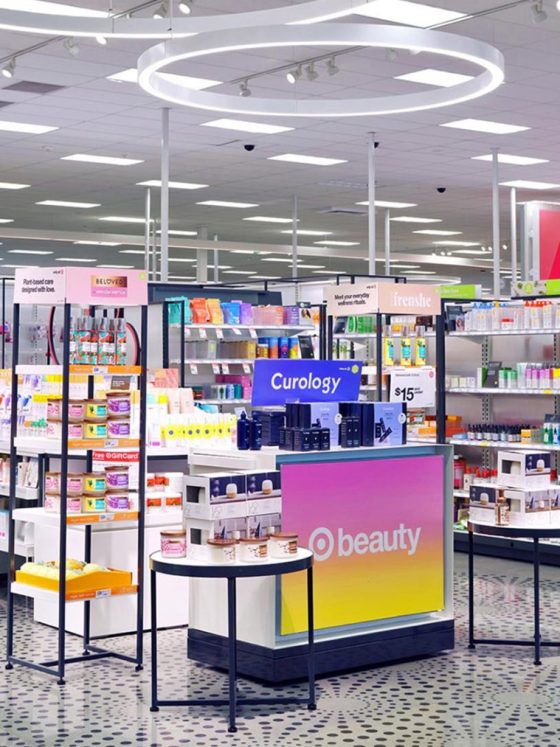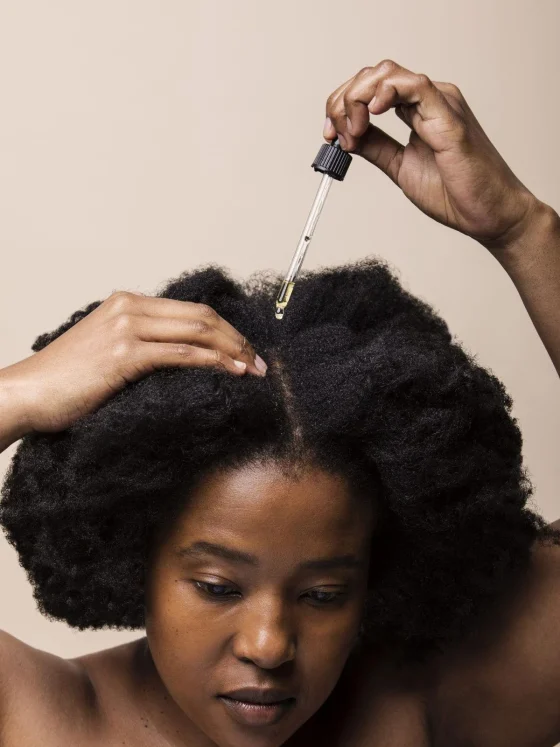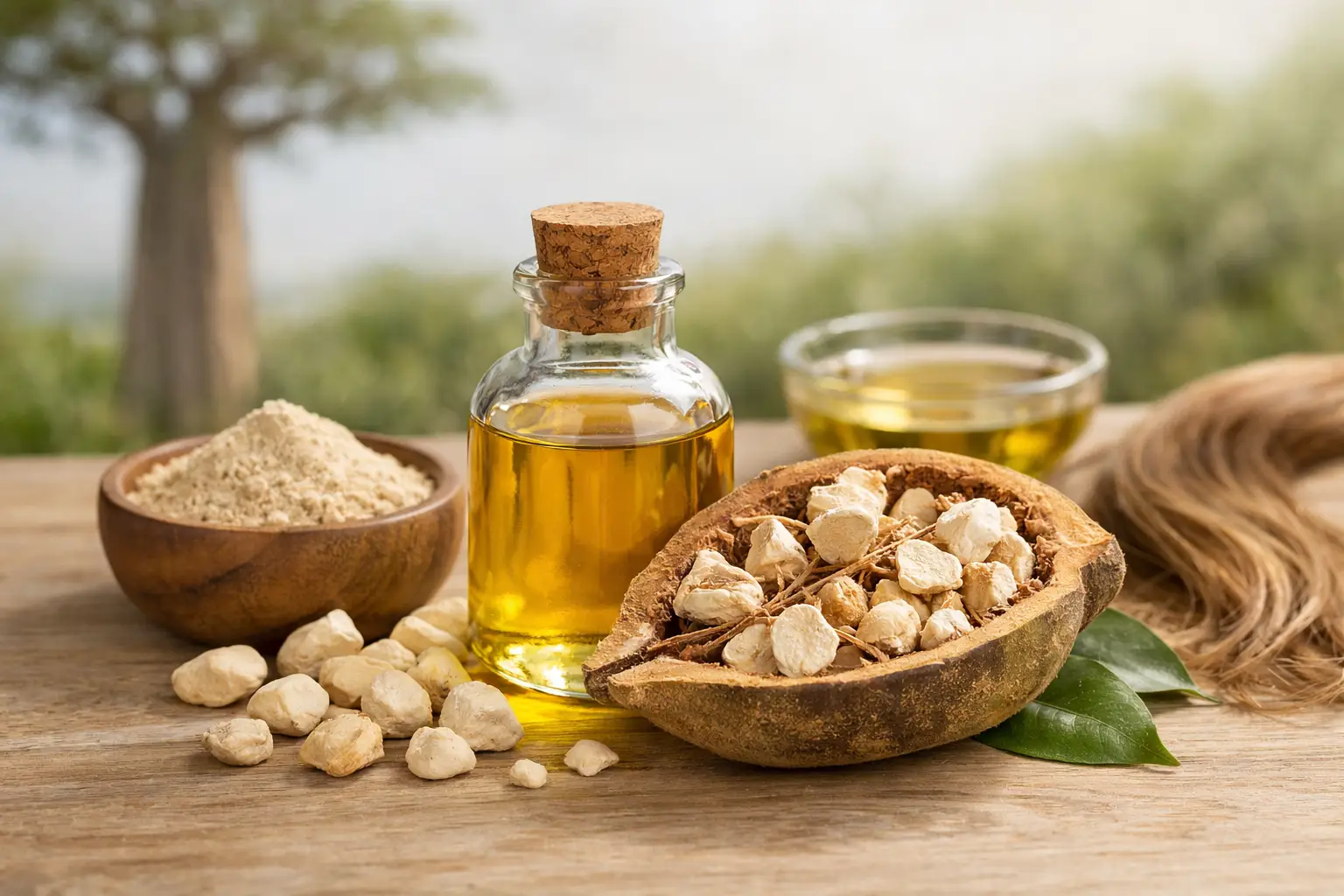
A bottle of premium baobab facial oil from a European beauty brand retails for between $45 and $120. The oil inside it was cold-pressed from seeds harvested by women in Nigeria, Senegal, South Africa, or Zimbabwe, sold to a local aggregator, exported to a processing facility in Europe or North America, refined, packaged, and placed in a distribution network that ends at the shelf. At each stage between the tree and the shelf, value is added and captured. The question of who captures how much of that value is the supply chain question that the baobab oil industry has not yet answered honestly.
The African fashion and beauty market is worth 31 billion dollars. The global baobab seed oil market was valued at USD 428 million in 2024 and is projected to reach USD 976 million by 2033, growing at a CAGR of 9.5%. As market intelligence from Market Intelo confirms, the market is experiencing robust growth driven by rising consumer awareness of natural and organic ingredients, expanding applications across cosmetics, personal care, food and beverage, and pharmaceutical sectors, and a surge in demand for plant-based wellness products. That growth is real. The question of who within Africa benefits from it is considerably less clear.
Baobab oil is worth $428 million and growing. The women who harvest it in Africa receive a fraction of that value. Here is how the supply chain actually works.
Baobab Oil’s Supply Chain: The Structure of Who Gets What
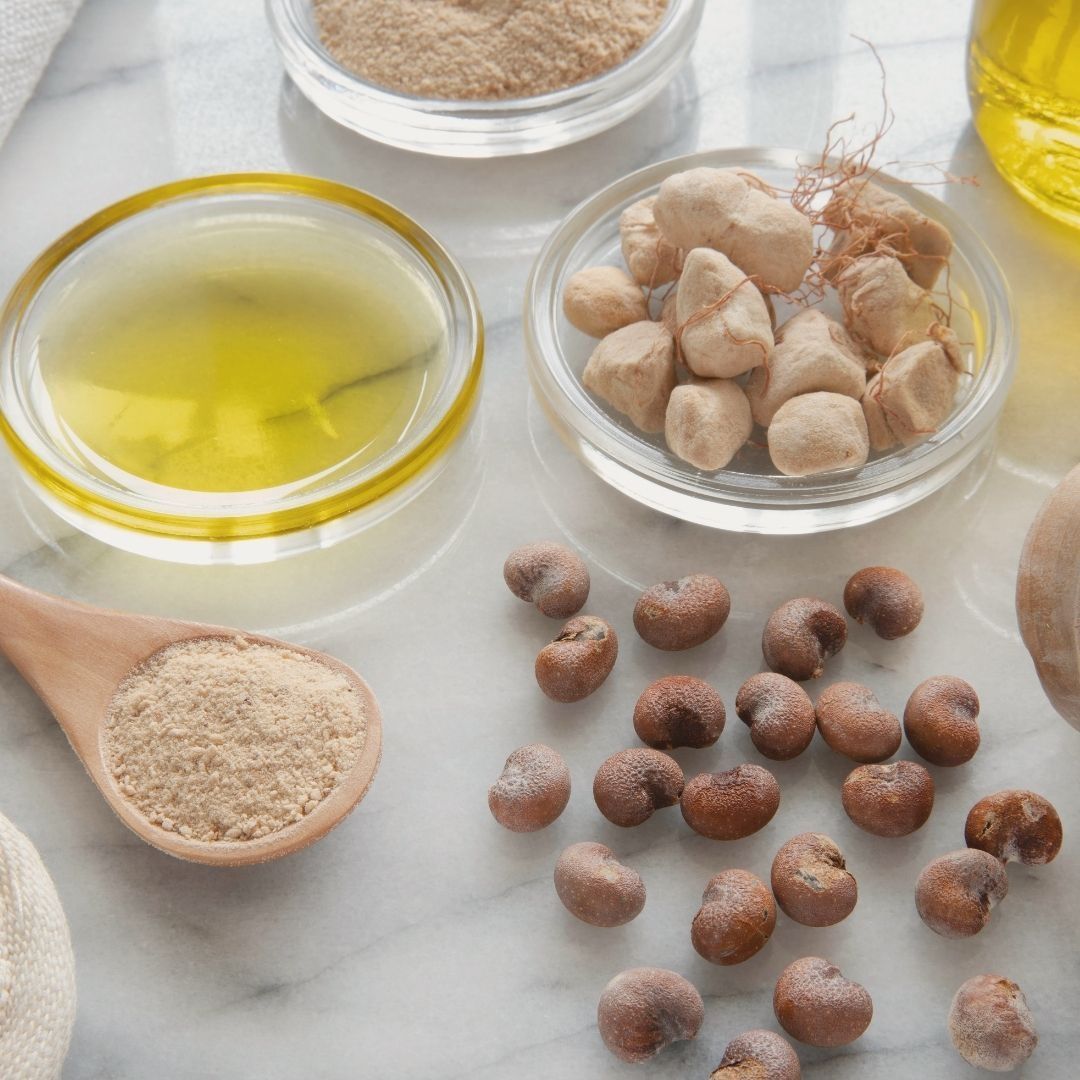
The baobab oil supply chain begins in Africa and ends, for the most part, somewhere else. As TRAFFIC’s documentation of the baobab supply chain confirms, a vast majority of baobab harvesters are women. Studies in south-eastern Kenya and northern Venda, South Africa, found that women made up 72% and 98% of the baobab supply chain, respectively. Many of these women have no formal education or other employment. In some areas of South Africa, the sale of baobab fruit has been reported to increase their monthly cash income by 250%.
That 250% figure sounds transformative. It becomes more complicated when placed alongside the retail price of the finished product those seeds eventually become. A 250% increase in monthly cash income for a harvester whose baseline income is very low may represent an improvement measured in tens of dollars per month. At the same time, the oil those seeds become sells for 45 to 120 dollars per bottle in European and North American markets. The percentage increase sounds large. The absolute share of the final value captured at the harvesting stage is small.
The women who harvest baobab seeds in South Africa represent 98% of the supply chain workforce in some regions. The sale of baobab fruit has increased their monthly cash income by 250% in some areas. That number sounds transformative until you compare it to what the same oil generates at the retail shelf of a European beauty brand.
The Value Chain: Where Value Accumulates
The baobab oil supply chain has five main stages, each with a different value capture profile—first, the wild harvesting of baobab fruit by communities across the Sahel and southern Africa. Second, local aggregation and initial drying or seed separation, typically performed by local traders or cooperatives. Third, export of seeds or crude oil to processing facilities, which have historically been located outside Africa. Fourth, refining, cold-pressing, and quality standardisation at the processing stage. Fifth, branding, packaging, and distribution to retail markets in North America, Europe, and increasingly Asia.
The processing stage is the point at which the most significant value addition and capture has historically occurred outside Africa. As ABS Biotrade’s documentation of the baobab value chain confirms, international oil sales to the cosmetics sector were at seven tonnes as of 2020, compared to eleven tonnes sold within southern Africa. The majority of the value-added processing that transforms those seeds into cosmetics-grade oil has taken place in Europe. Baobab powder is registered as a Novel Food in the European Union and as an FDA GRAS ingredient in the United States, regulatory frameworks that opened international markets but are managed from outside Africa.
Evonik, the German speciality chemicals company, is one of the largest global suppliers of baobab oil for the cosmetics industry. It sources from Africa, processes and standardises the oil, and markets it globally. Evonik has announced plans to shift the first processing stage, grinding the baobab seeds, to Ghana. This is a meaningful shift: moving even the first processing stage to Africa adds value locally and increases the share of the supply chain that stays within the continent. But branding, distribution, and retail margins continue to accrue outside Africa, and it is at those stages that the largest portion of the consumer price is captured.
Who Has Social Risk and Who Has Commercial Benefit
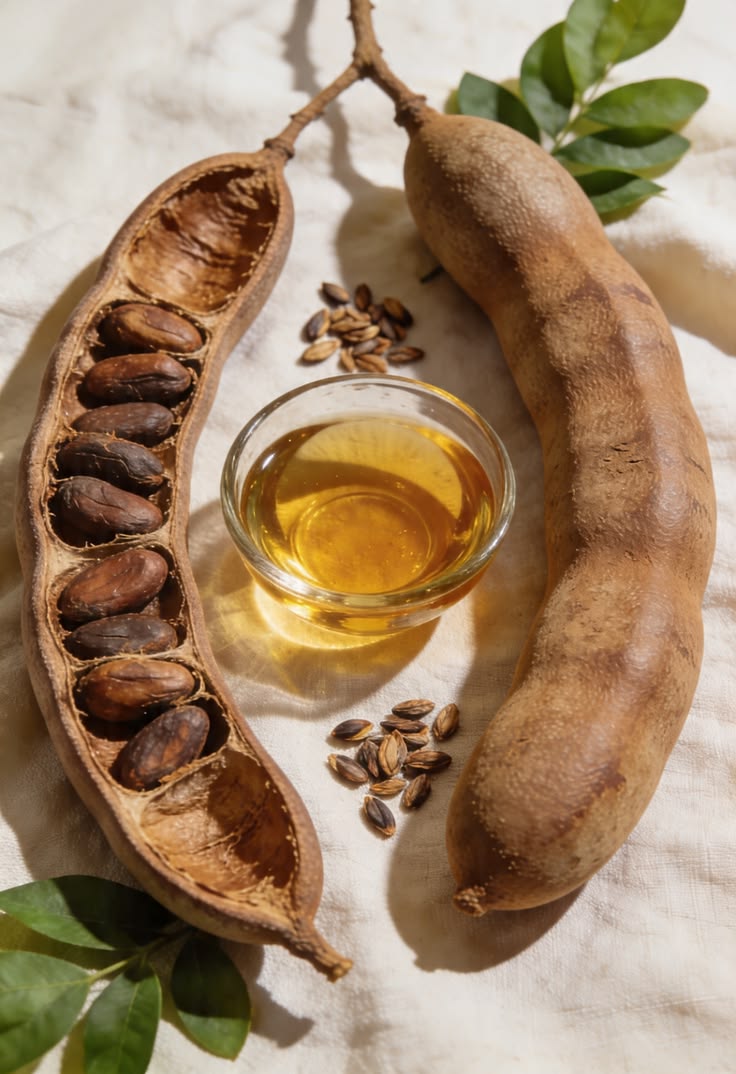
The WildCheck report, co-authored by TRAFFIC, the FAO, and the IUCN SSC Medicinal Plant Specialist Group, found that baobab collection carries high social risks in the top four producing countries. The communities that harvest baobab operate in some of the poorest regions of the world, with limited formal employment alternatives, no formal education in many cases, and limited bargaining power in their negotiations with aggregators and exporters. The commercial benefit of baobab oil’s growing global market reaches them primarily through the harvesting price they receive for seeds, which is set by aggregators rather than by the harvesters themselves.
This asymmetry- high social risk for harvesters, high commercial benefit for processors and brands- is the defining structural problem of the baobab oil supply chain. It is not unique to baobab oil. Shea butter, argan oil, marula oil, and most African botanical beauty ingredients share a similar structure: communities in Africa carry the ecological and social labour of production, while the value-added commercial gains accumulate in the countries where processing, branding, and retail occur.
The baobab oil industry has produced some responses to this asymmetry. Some operators have deployed fair operators have deployed fair trade certification, community partnership models, and QR-code traceability systems that link product batches to spmechanisms represent genuine improvements to the basic extractive model. They do not, however, resolve the fundamental structural issue: as long as processing, branding, and retail remain outside Africa, the majority of the value generated by the baobab oil market will continue to accumulate outside Africa.
What African Beauty Brands Are Doing Differently
The most significant structural response to the baobab oil supply chain problem is the growth of African beauty brands that own the ingredient, the formulation, and the brand simultaneously. As Omiren Styles’ documentation of African botanical oils and the shift from suppliers to owners confirms, African ingredients have historically moved to global markets through a value chain that divides production from profit: exporting the raw material, processing it elsewhere, packaging it, and reselling it for a premium. What is shifting is not only the demand for these oils but the supply structure: African brands are now not only suppliers but owners of an ingredient and a story.
ORÍKÌ Group in Nigeria is the most developed example of this ownership model in the baobab context. As Omiren Styles’ documentation of ORÍKÌ as Nigeria’s farm-to-skin beauty brand confirms, each ORÍKÌ formula features botanical ingredients sourced from Africa, including shea, baobab, moringa, and coconut. The homegrown luxury model places Nigerian heritage at the centre and does so in a refined, modern way. ORÍKÌ is not exporting baobab seeds for European brands to refine and brand. It sources the ingredients, formulates the products, brands them, and sells them directly to consumers. Each stage of the value chain in which ORÍKÌ participates is one in which an African company captures the value rather than generating it for a non-African intermediary.
54 Thrones and Hanahana Beauty, both US-based brands with African sourcing models, keep the connection between sourcing and production alive, ensuring that the oils are not just products but part of a wider economic and cultural ecosystem. Alaffia remains committed to community-led sourcing, proving that growth can be attained without sacrificing the community context. Liha Beauty combines African botanical expertise with international visual presentation, ensuring the product is not lost in translation between its African origin and its international market.
The Aduna brand, based in the UK, represents a different model: an international brand specifically focused on baobab and other African superfoods that has committed to oil mill development within Africa, partnering with ORGIIS to establish processing capacity on the continent. This model, an international brand that builds African processing infrastructure rather than simply extracting from it, captures value from African processing while remaining a non-African-owned brand. It is a better model than pure extraction, though not the same as African brand ownership.
The Regulatory and Certification Dimension

One underexamined dimension of the baobab oil supply chain is the role of certification in value distribution. Organic certification for baobab oil commands premium pricing in international markets, but the certification process is managed from outside Africa, and its costs fall on the African producers who must achieve and maintain it to access premium market segments. The regulatory burden of EU Novel Food registration and FDA GRAS status for baobab products opened international markets but placed the compliance work on non-African actors who then become gatekeepers of market access.
QR-code traceability systems that link product batches to harvesting communities represent a partial solution: they increase the visibility of harvester contributions and create accountability for social conditions in the supply chain. Companies using these systems report that the link between the product and the community strengthens brand authenticity and value retention. But brand authenticity is not the same as community value retention. The harvester’s story becomes a marketing asset. The question of whether the harvester receives a share of the premium that story generates is answered differently by different operators.
The Omiren Argument
Baobab oil’s supply chain reproduces the same structural problem as every African botanical beauty ingredient before it: Africa provides the ingredient, the ecological knowledge, and the labour, while the majority of the commercial value accumulates at the processing, branding, and retail stages that are managed outside the continent. The African beauty and fashion market is worth 31 billion dollars. The global baobab seed oil market is worth USD 428 million and is projected to grow to USD 976 million by 2033. The women who make up 72 to 98% of the harvesting workforce in key producing countries have seen their incomes increase by 250% in some areas from baobab sales. That improvement is real. The fact that it is measured in small absolute terms while the retail value of the finished product is measured in premium pricing at European and American beauty counters tells the structural story precisely. The brands and models most worth documenting as solutions are those in which African actors own multiple stages of the value chain simultaneously: ORÍKÌ formulating and branding in Nigeria, African botanical brands owning the ingredient narrative rather than supplying it for others to own. The baobab oil market is growing fast enough that the structural choices made now, about who processes, who brands, who distributes, and who retains the value premium that authentic African sourcing generates, will determine for the next decade whether that growth benefits Africa or continues the historical pattern of generating value from Africa for capture elsewhere. Omiren Styles documents the supply chain here because the question of who benefits is the most important question the African beauty industry is currently asking.
ALSO READ:
- Top Afro-Luxury Hair Trends Set to Define 2026
- The Shea Butter Economy: How West Africa’s Most Powerful Skincare Ingredient Became a Global Industry
- Ritual Before Routine: The African Hair Traditions Shaping Modern Beauty
- Traditional Facial Massage Techniques From Across Africa That Modern Beauty Has Yet to Discover
Frequently Asked Questions
Who benefits from baobab oil in Africa?
At the harvesting stage, primarily women: studies in south-eastern Kenya and northern Venda, South Africa, found that women made up 72% and 98% of the baobab supply chain workforce, respectively. In some areas, the sale of baobab fruit has increased their monthly cash income by 250%. However, the majority of the commercial value generated by baobab oil accumulates at the processing, branding, and retail stages, which have historically been managed outside Africa. African beauty brands like ORÍKÌ, which own the formulation and brand alongside the sourcing, represent the most complete model of African value retention.
How is baobab oil produced?
Baobab oil is cold-pressed from the seeds of the baobab tree (Adansonia digitata), which grows across the Sahel and southern Africa. The supply chain begins with wild harvesting of the baobab fruit by communities, primarily women, in Nigeria, Senegal, South Africa, Zimbabwe, and other producing countries. Seeds are dried and separated from the fruit pulp, then typically exported to processing facilities where they are cold-pressed to extract the oil. The oil is then refined, quality-standardised, and incorporated into cosmetics, skincare, and haircare formulations.
What is baobab oil worth?
The global baobab seed oil market was valued at USD 428 million in 2024 and is projected to reach USD 976 million by 2033, growing at a CAGR of 9.5%. The broader baobab market, including all baobab products, was valued at USD 4.74 billion in 2025 with a projected CAGR of 10% through 2032. At retail, baobab facial oils from premium beauty brands sell for between $45 and $120 per bottle. The price difference between the raw ingredient and the finished retail product represents the value added at processing, formulation, branding, and distribution stages.
Which African countries produce baobab oil?
Nigeria, Senegal, South Africa, Zimbabwe, and Kenya are among the key sourcing countries for baobab oil. The baobab tree grows across the Sahel region and the drier savannah areas of sub-Saharan Africa. South Africa has been the leading exporter of baobab products, with 438 tonnes of baobab powder exported annually by 2020. Processing facilities have historically been located outside Africa. However, Evonik has announced plans to shift the initial seed-grinding stage to Ghana, and the Aduna brand has partnered with ORGIIS to develop oil mill capacity within Africa.
Are African women benefiting from the baobab oil industry?
Partially. In some areas, the sale of baobab fruit has increased the monthly cash income of women harvesters by 250%, representing a meaningful improvement for communities with limited alternative income sources. However, the WildCheck report co-authored by TRAFFIC, FAO, and the IUCN found that baobab collection carries high social risks in the top four producing countries, and harvesters have limited bargaining power in setting the prices they receive. The most complete benefit for African women occurs when they participate not just in harvesting but in processing, formulating, and branding, as in the models operated by African beauty brands.
Explore More
Read the full Beauty section for Omiren Styles’ documentation of African botanical beauty ingredients, supply chain analysis, and the brands building African ownership of the continent’s beauty economy.