Shea butter, an ingredient transformed from obscurity into luxury through formulation, branding, and export, is discussed as if it were discovered in the global beauty market. The reality, however, is less practical. Shea butter was always easy to find. Long before it made its way into Western labs and was labelled “organic”, “clean”, or “premium”, it was already functioning. The ingredient was not altered. It was the viewers.
The shea tree has long been more than just a resource in West Africa. It is a generational pact, an economic structure, and a cultural legacy that women bear virtually exclusively. Shea butter production in West Africa has never been easy, from gathering fallen nuts to the labour-intensive processes of drying, roasting, grinding, and churning. It is proficient, time-bound, and intricately linked to regional economies that were operating long before there was a worldwide need to expand them.
However, the story did not follow the product as the worldwide market for African shea butter grew. Shea expanded into billion-dollar branding ecosystems, worldwide supply chains, and upscale skincare formulas, but the women who laid the groundwork for it were mainly left out of that narrative. Although the industry expanded, its centre of recognition moved away from its birthplace.
It is common to describe what we now refer to as the “West African shea butter industry” as an emerging market, a burgeoning sector that is finding its place in the world of beauty. However, when examined closely, that framing falls apart. There was never any shea butter. Before the global industry figured out how to monetise it at scale, it was already established, structured, productive, and economically significant.
The history of shea butter is not covered in this article. The record is corrected because the true tale is not how shea butter became a global enterprise; it is the story of a global economy developed around shea butter without fully appreciating the system that made it possible.
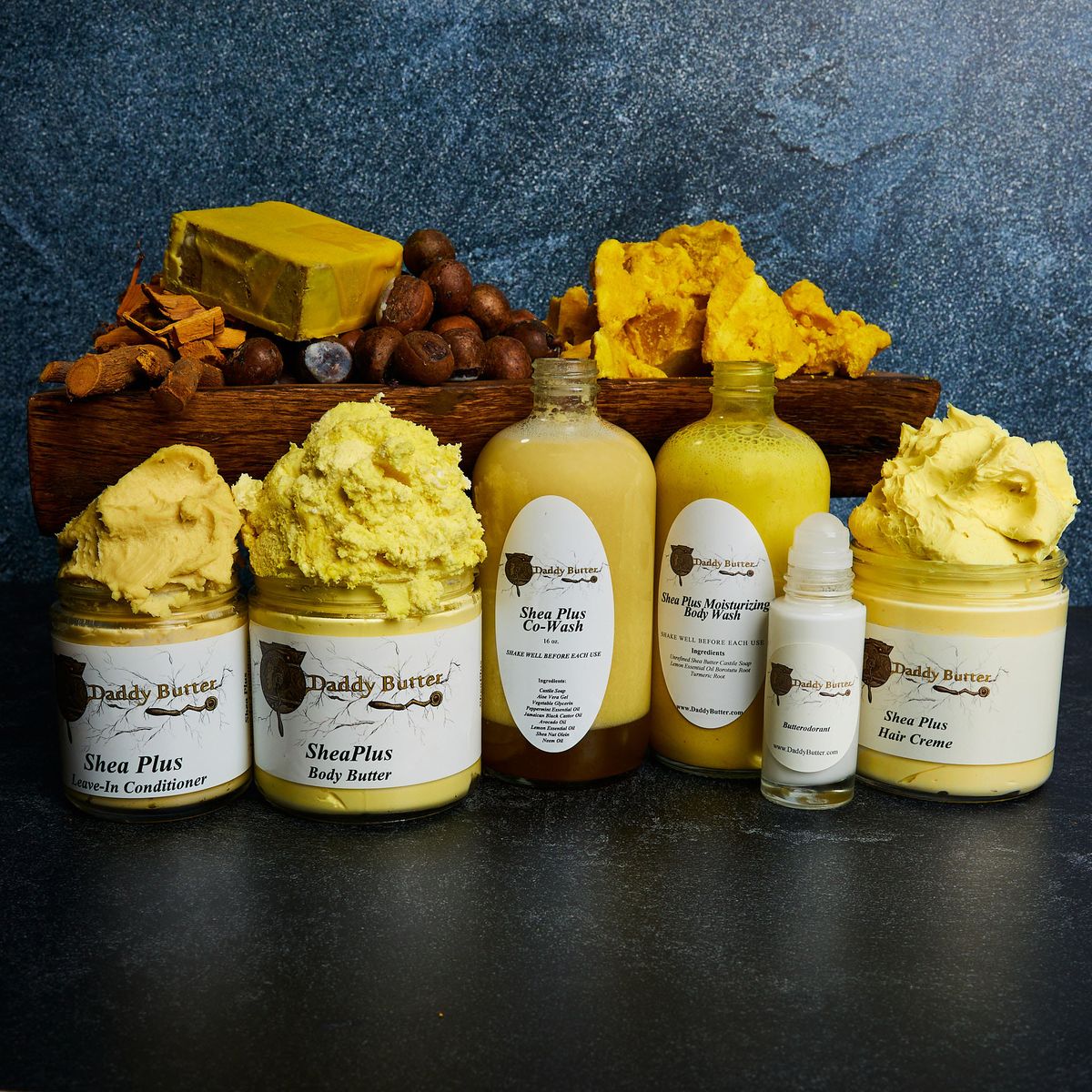
The West African shea butter industry has shaped the global skincare market for decades. Discover how this powerful African ingredient became a billion-dollar beauty economy that the world is only now fully recognising.
Before the global market, there was already an industry.
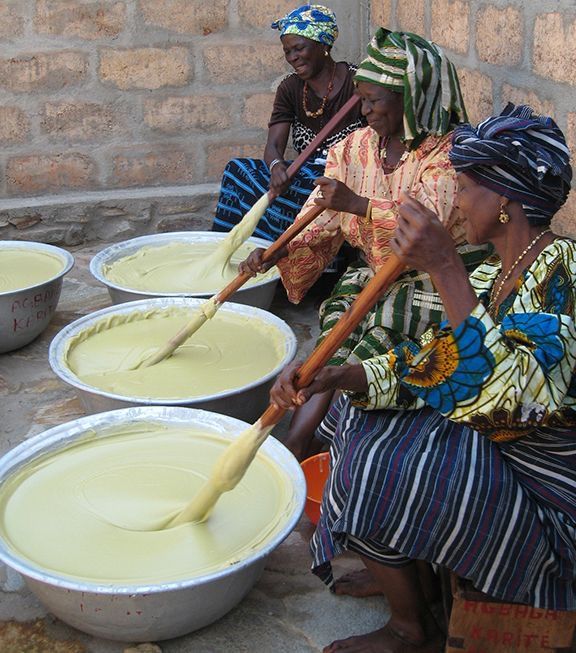
Export demand was not the starting point for the West African shea butter sector. It started as a fully functional economic system that was local, organised, and supported by information that didn’t need outside approval. Shea butter was made, sold, and refined in societies that recognised its complexity and worth long before it became a topic of international skincare discussion.
In West Africa, producing shea butter has traditionally required accuracy. Every stage of the process, from the time the shea nuts fall, never picked but only gathered, to the drying, roasting, grinding, and slow churning phases, represents a system built for quality rather than speed. This isn’t unpaid labour. It is specialised labour, frequently organised by women-led cooperatives that have sustained the sector for many generations. The world market did not develop this structure. It discovered it in position.
Global narratives often overlook that shea butter was never merely a component of skincare products. It served as a kind of financial stability. The shea economy offered income, trade networks, and financial autonomy in areas with few formal employment institutions, especially for women. Its manufacturing cycle served as the foundation for entire communities, and knowledge was transmitted via everyday experience rather than theory. To call this emerging would be to overlook the fact that it was already providing large-scale life support.
This is where the current discourse starts to change. Instead of bringing shea butter to the global market, African companies are taking back control of its positioning. In addition to selling completed goods, companies like Shea Radiance are increasing awareness of the ingredient’s origins, processing, and people. Their approach ensures that the African shea butter supply chain is not reduced to a supporting role within global beauty by standing at the nexus of tradition and contemporary distribution.
Concurrently, companies like Alaffia have adopted a more structural strategy, integrating fair trade principles into their business plan and connecting product sales to West African community development programmes. This isn’t branding. In an industry where value has traditionally been extracted more quickly than it has been repaid, this is an attempt to restore equilibrium.
However, the imbalance is still apparent despite these changes. The majority of the raw material is still exported, often at a small fraction of its value after being processed, packed, and sold abroad. Although the West African sector was never intended to support global beauty on this scale, it has been adapted to do so, often without receiving the same level of financial recognition.
The Omiren perspective is unambiguous: heritage, not invention, is the cornerstone of the global shea butter industry. Furthermore, the sector cannot legitimately claim ownership of what it continues to profit from until the system it inherited is fully accounted for.
From Local Craft to Global Commodity: How the Shea Butter Supply Chain Scaled
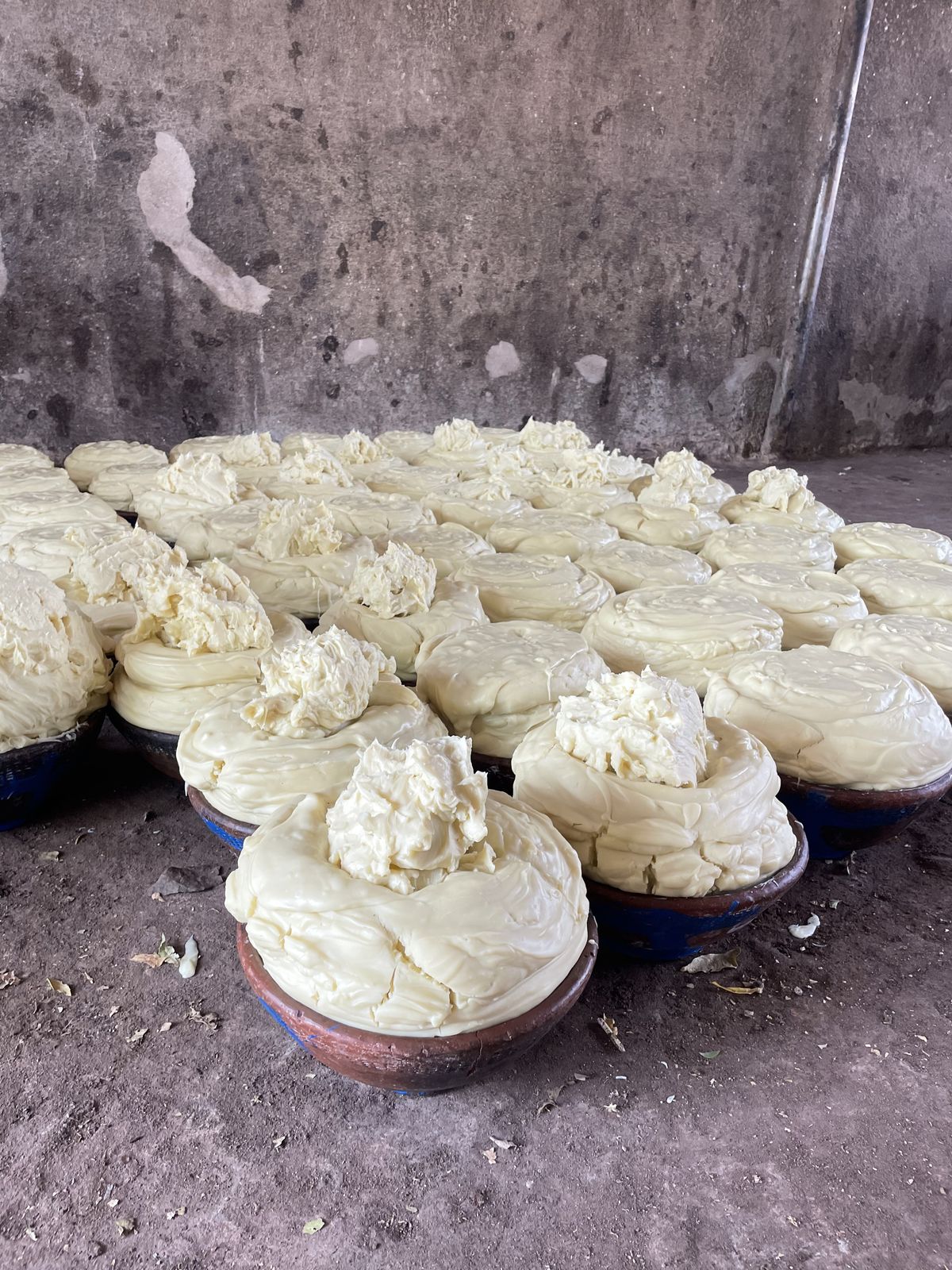
Shea butter did not become a worldwide skincare mainstay overnight. It happened in phases, each of which grew the market while subtly transferring authority away from its source.
- A Local System Built for Use, Not Export
West African shea butter production was never intended for international marketing. It functioned as a whole, local economy that supported households, local trade networks, and cultural customs that didn’t need approval from outside sources. Quality, durability, and community relevance were given precedence over scale in the system.
- The Entry of Global Demand and Market Expansion
Shea butter made its way into international supply chains as foreign beauty brands realised the value of African skincare ingredients. Demand grew quickly, making African shea butter a major global supplier to the skincare sector. However, external demand was the driving force behind this expansion rather than African brands.
- The Fragmentation of the Shea Butter Supply Chain
The African shea butter supply chain grew increasingly intricate to meet this demand. Producers and ultimate markets were separated by the introduction of intermediaries, such as exporters, processors, and foreign buyers. The element continued to move, but its narrative faded.
- Value Shift: Where Profit Increases and Where It Stalls
Shea butter is still reasonably priced at the point of origin. However, its worth rises dramatically as it passes through international branding, processing, and retail systems. In international marketplaces, the same raw element that makes producers a little money can fetch higher prices. The value shifts rather than vanishes.
- The Rise of Africa and Diaspora Brand Intervention
As a result, companies like Eu’Genia Shea and 54 Thrones are reorganising certain aspects of this system. They are making an effort to rebalance the flow of value within the sector by prioritising ethical sourcing, traceability, and direct collaborations with women-led cooperatives.
- The Illusion of Ethical Sourcing Without Structural Change
Numerous international firms now market Shea butter as “ethical” or “sustainably sourced”; however, these claims are frequently superficial. Ethical sourcing risks becoming a branding tool rather than a quantifiable norm when pricing, sourcing relationships, and profit distribution are opaque.
- The Real Question: Expansion or Equity?
Unquestionably, the shea butter sector has expanded, but expansion by itself does not equate to advancement. The crucial question is whether the global value of shea butter is reflected in its economic impact in Africa, or whether the sector continues to grow without providing a commensurate return to its source.
Shea butter’s globalisation increased access to it while shifting its value elsewhere, but it did not improve the ingredient. The industry cannot claim to be ethical until the shea butter supply chain clearly reflects equity and demand. All it can say is that it is efficient.
ALSO READ:
Who Truly Profits from the Shea Butter Economy? Rethinking Value, Ownership, and Control
Shea butter’s worldwide popularity is sometimes presented as a shared triumph, an African ingredient becoming well known abroad and spurring growth in the cosmetics sector. However, in this instance, recognition has not resulted in commensurate compensation. Although the West African shea butter sector is the backbone of a billion-dollar global market, a large portion of its financial value still accumulates far from its origins.
A structural gap between output and profit lies at the heart of this imbalance. Raw or semi-processed shea butter leaves West Africa at a comparatively low cost and enters global supply chains where it is packaged, refined, and repackaged as a high-end product. By the time it reaches consumers around the world, branding, distribution, and perceived luxury, factors that are rarely under control at the point of origin, are reflected in its price. The component is still African. The possession of its greatest worth does not.
This dynamic is not coincidental. It illustrates a broader trend in international beauty product supply chains, where raw ingredients are sourced from one region and sold in another. Although shea butter is now a key component of clean beauty, sustainable skincare, and natural formulations, the communities that support its production are frequently at the bottom of the value chain. Although ethical sourcing is often promoted as a solution, it risks creating a narrative that favours the brand over the producer when pricing and profit distribution are opaque.
However, there are now challenges to this framework. African and diaspora brands are increasingly assuming leadership roles rather than merely participating. The sourcing, pricing, and presentation of shea butter are being reshaped by companies like Epara Skincare and Hanahana Beauty, making sure that the ingredient’s story is connected to the people who make it possible. Although their presence indicates change, it also shows how much of the sector still relies on outdated, extractive models.
The Omiren Argument
The shea butter industry is frequently portrayed as an example of how Africa has successfully contributed to the world’s beauty. Not only is that framing lacking, but it is also deceptive. Although the industry’s structure shows something more uneven, it implies shared progress. Shea butter didn’t become valuable because the world market found it; rather, it became valuable because an already valuable African system was scaled up and absorbed into an industry that redistributed its value abroad.
The pattern is the same at every point of the supply chain: as a product gets farther from its source, its value rises. What starts as labour-intensive production in West African villages develops into high-end skincare in global markets, where pricing is determined more by branding and positioning than by production. The terminology of ethical sourcing seeks to close this gap. Still, all too often it operates at the narrative level rather than the structural level, acknowledging origin without fully returning control or profit to it.
The Omiren stance is unambiguous: the worldwide shea butter sector is currently a model of reliance rather than equity. It maintains systems that concentrate power elsewhere while relying on African labour, resources, and expertise. The industry can only claim to be effective at scaling something it did not create; it cannot claim to be inclusive unless ownership, processing, and economic return are more closely tied to the source.
For more authoritative perspectives on African fashion, beauty, and the industries shaping global culture, visit Omiren Styles.
Frequently Asked Questions (FAQs):
- Why is the West African shea butter industry important globally?
The West African shea butter industry supplies a significant portion of the raw materials used in global skincare, cosmetics, and wellness products, making it essential to the international beauty supply chain. - Who produces most of the world’s shea butter?
Shea butter is primarily produced by women in rural communities across West Africa, including Nigeria, Ghana, Burkina Faso, and Mali. - Why do local producers earn less than global brands?
Most shea butter is exported in raw form at lower prices, while higher profits are generated during international processing, branding, and retail stages. - What does ethical sourcing mean in the shea butter industry?
It refers to fair compensation, transparent sourcing practices, and responsible partnerships with local producers, though its effectiveness varies across brands. - Are African brands changing the shea butter economy?
Yes. African and diaspora brands are increasingly focusing on direct sourcing, fair trade, and retaining more value within Africa, helping to challenge existing industry structures.