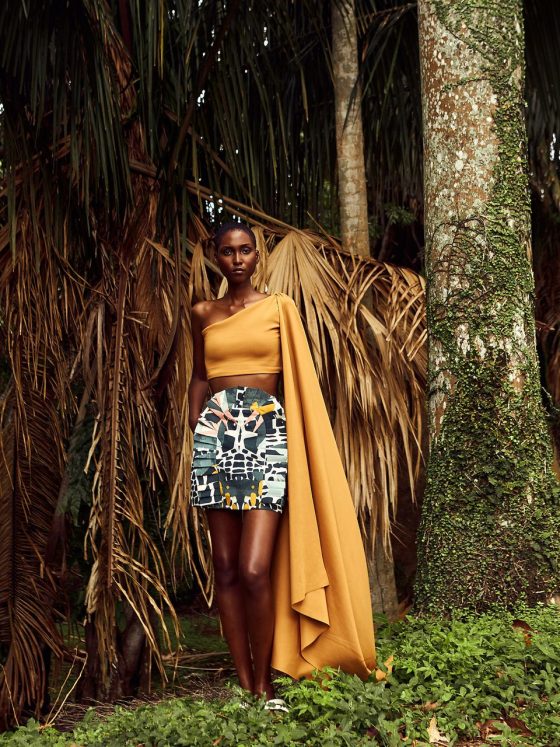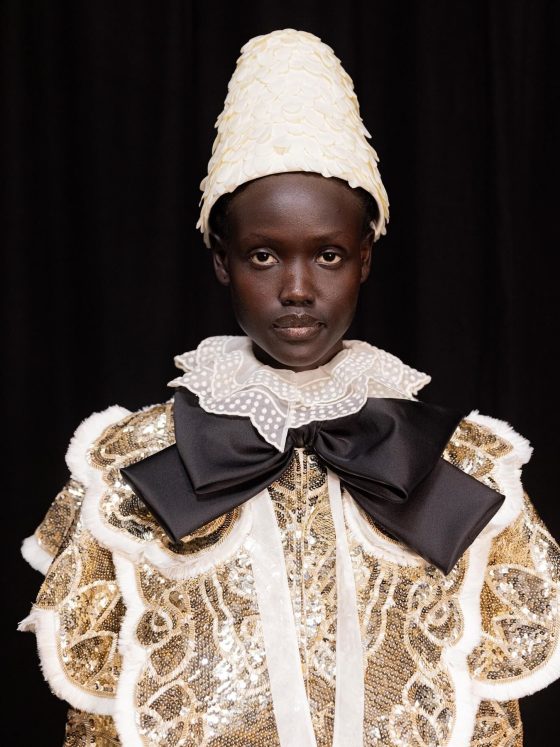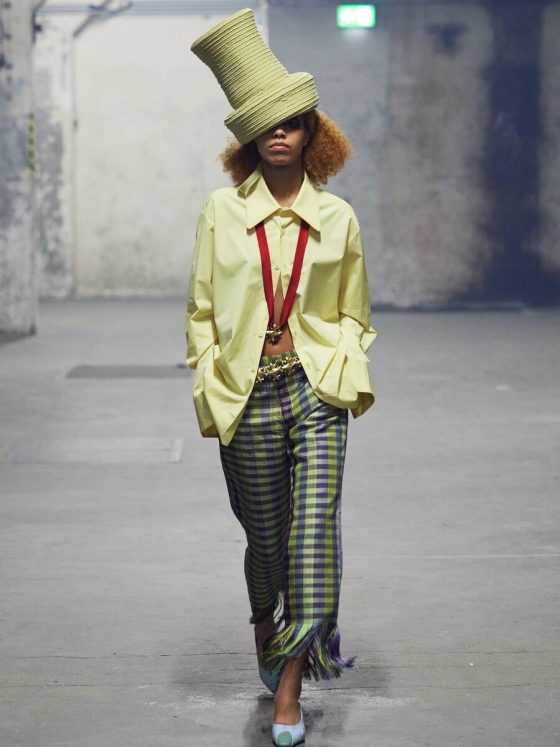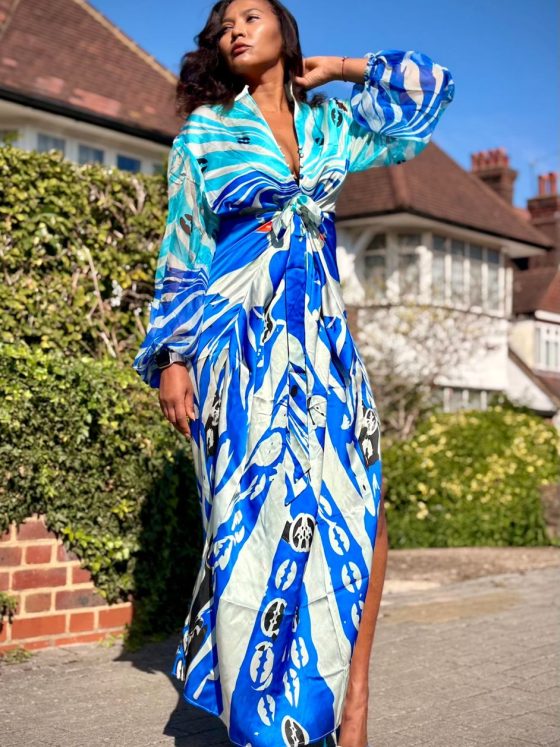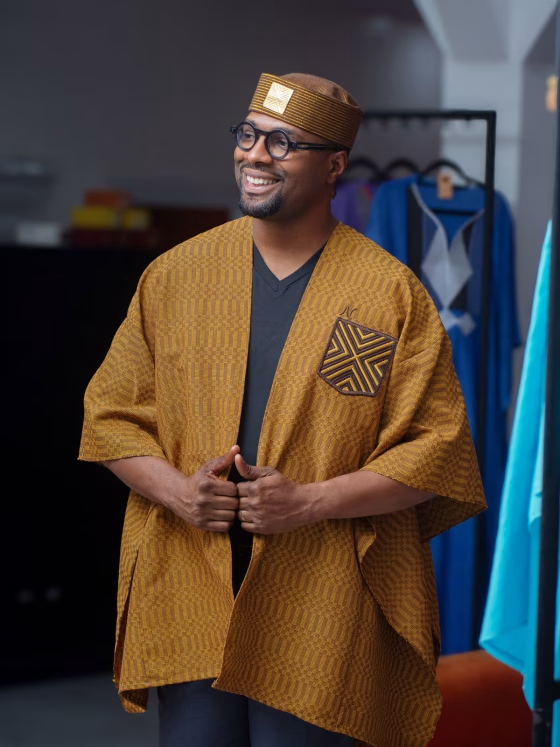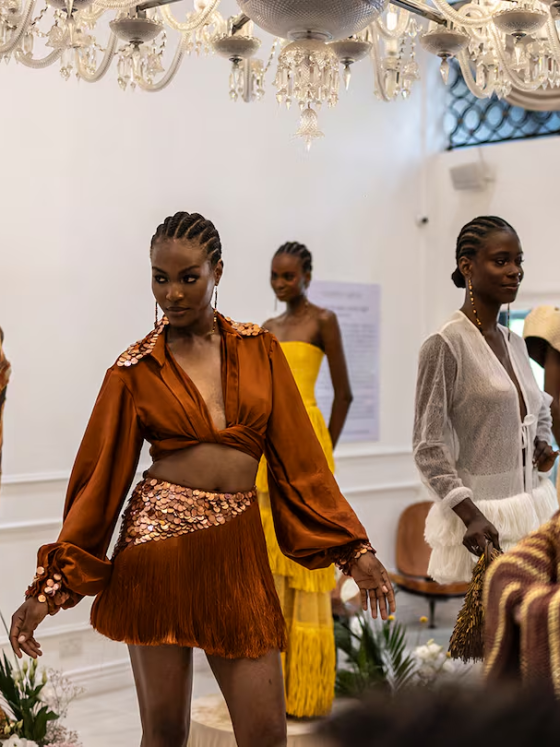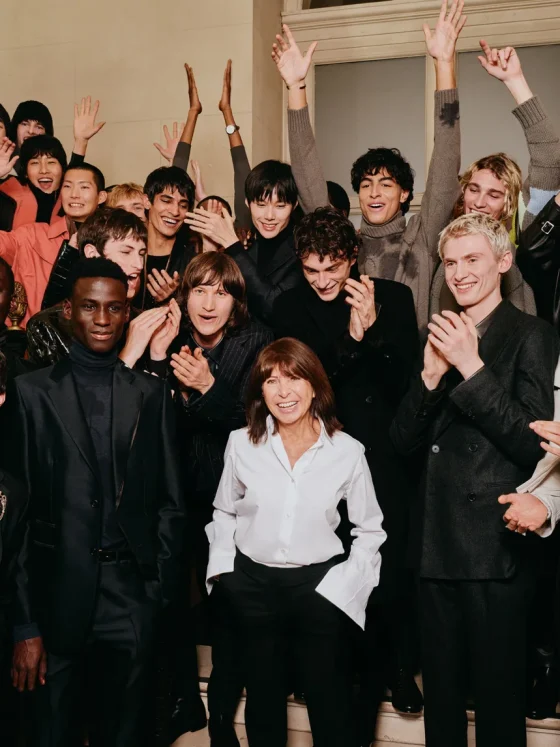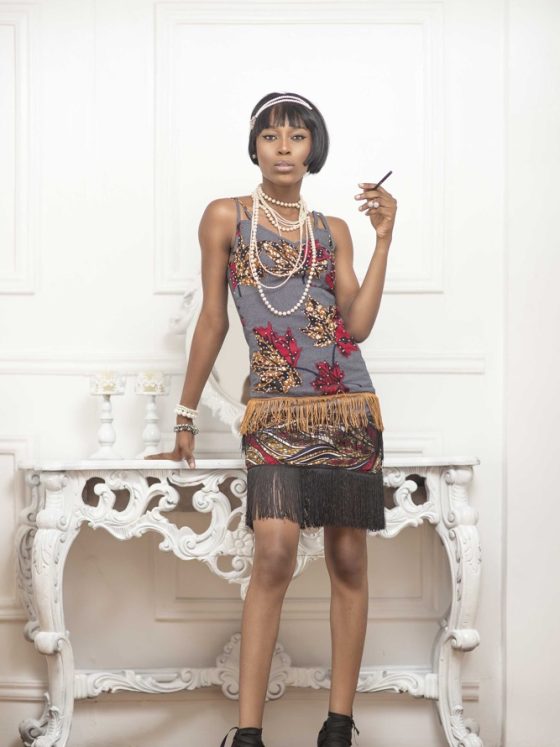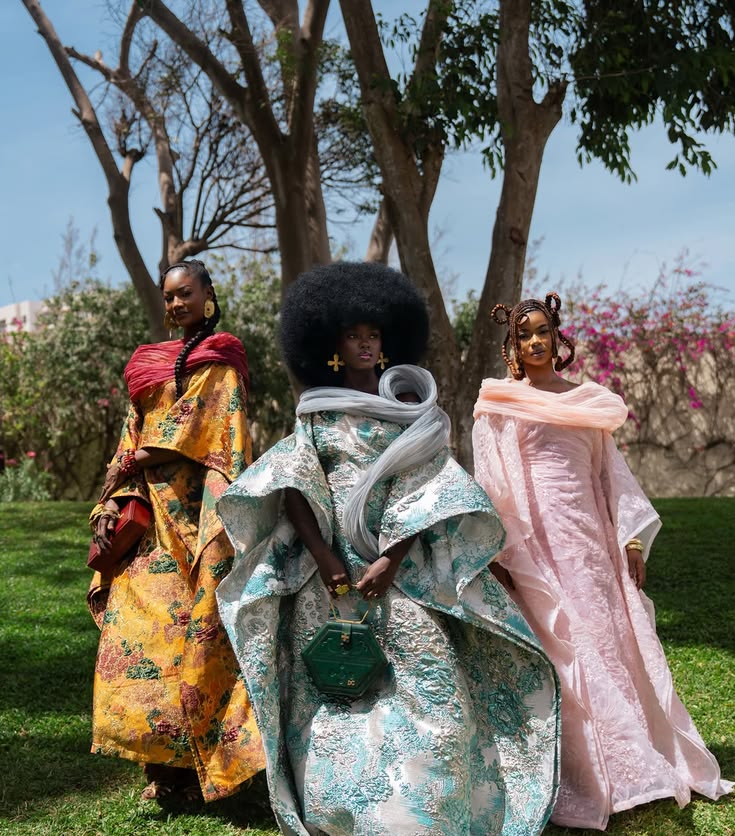
The African fashion market is worth $ 31 billion. Less than 1% of global fashion is African in origin. Asantii, the contemporary womenswear label founded in Kigali by Rwandan entrepreneur Maryse Mbonyumutwa and launched in August 2022, was built as a direct response to that gap. Three years after its debut pop-up in Ham Yard Village in London’s Soho, the brand has factories employing 3,000 people in Rwanda, a concept store in Johannesburg’s Sandton City Mall, regular pop-ups in Kigali, London, and Paris, and a 2024 Rising Sustainable Brand Award from Coterie New York, won out of a field of 760 brands predominantly from Europe and the United States. This is what a Kigali womenswear label looks like when it is built for global reach from day one.
Mbonyumutwa’s proposition was stated clearly in the original WWD profile of the brand’s launch: she wanted to build the first African global fashion brand, positioned in the affordable luxury segment alongside Sandro, A.P.C., and Ba&sh. Not a niche African brand for African consumers. A global brand, made in Africa, designed by Africans, for women across the world. That framing is the brand’s argument, and everything from its supply chain to its design team to its Paris presence has been built in service of it.
Asantii launched in Kigali in 2022 with 15 pan-African designers and factories employing 3,000 Rwandan women. Here is what the brand is building and why it matters.
What the Kigali Womenswear Label Is and How It Was Built
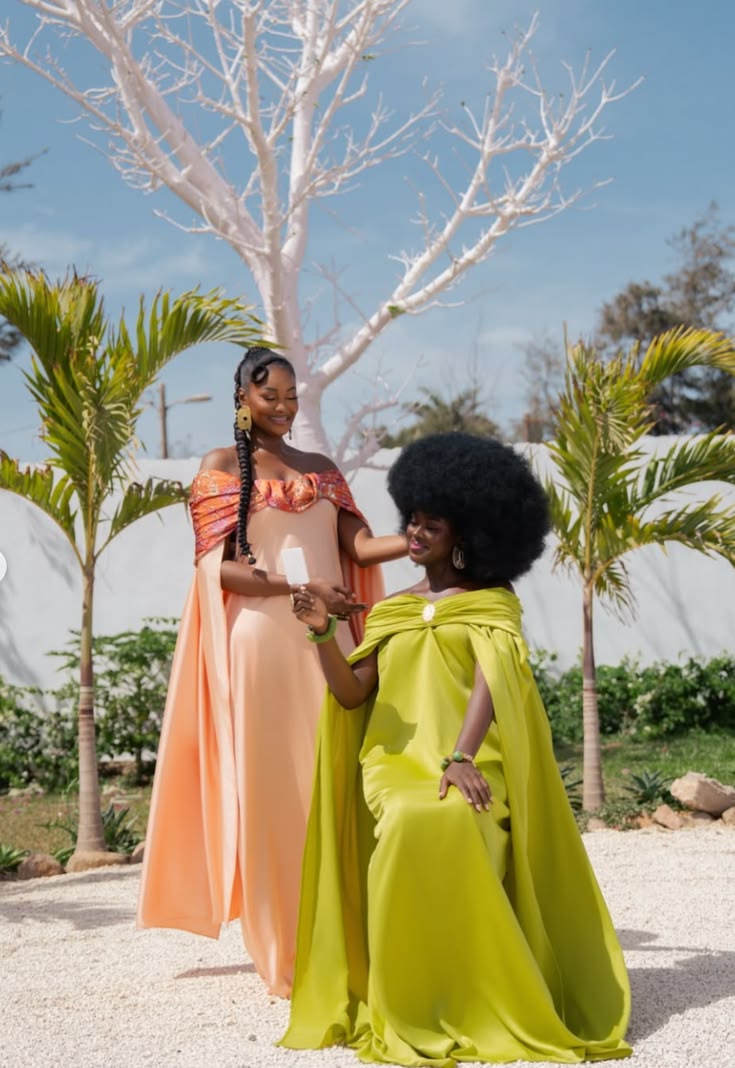
Mbonyumutwa is a Rwandan-born entrepreneur who fled the genocide at 20 and built a career in garment manufacturing across Europe, China, and Southeast Asia over two decades before turning her attention to Rwanda. In 2017, she set up Pink Mango Rwanda, an export-focused garment trading and manufacturing group. By 2024, the local manufacturing facility employed over 1,000 workers. The C&D Pink Mango Rwanda joint venture, combining multiple export-oriented factories, collectively employs 5,000 workers in Rwanda, 70% of whom are women.
Asantii was built on that manufacturing foundation, but it is not a manufacturing story. It is a design story with manufacturing discipline behind it. The brand’s design team comprises 15 designers from Angola, DRC, Ethiopia, Ghana, Ivory Coast, Kenya, Morocco, Nigeria, Rwanda, Senegal, South Africa, and Tanzania: a genuinely Afrocentric creative structure in which the continent’s design intelligence is the source rather than the backdrop. The name is the Swahili word for thank you, directed at the African artisans, makers, and traditions that the brand draws from.
The first collection debuted in August 2022. Its palette was apricot, indigo, and forest green, drawn from Rwanda’s natural landscape. Graphic prints and embroideries referenced the Adinkra all-seeing-eye symbol from Ghana and the Ashanti fertility doll. The fabric was Faso Dan Fani cotton from Burkina Faso. The collection was not an African aesthetic exercise. It was a coherent design statement assembled from specific, named cultural sources across the continent.
The Manufacturing Argument: 3,000 Workers and a Free Nursery
The social architecture of Asantii’s production model is one of the most fully documented in African contemporary fashion. As Asantii’s own factory documentation confirms, the brand’s two state-of-the-art factories in Rwanda employ 3,000 people, mostly young women, who receive a fair wage and benefit from a free on-site nursery, medical insurance, complimentary meals, and complimentary sanitary products. The Pink Ubuntu CSR programme, established alongside the brand, channels additional social investment into the communities surrounding the factories. This is not the standard emerging-market manufacturing story. It is a deliberate argument that the making of the garment and the welfare of the maker are the same commercial decision.
Asantii sources materials responsibly across Africa and Europe: Egyptian cotton, woven raffia from Madagascar, recycled polyester, and sustainable viscose from Europe. The brand describes this sourcing strategy as responsible by default, not as an add-on. For Mbonyumutwa, who spent two decades watching African raw materials processed in Asia before being sold back to African consumers, the routing of that value chain through Rwanda’s factories and African designers is the point of the entire enterprise.
Maryse Mbonyumutwa described her ambition plainly when she launched Asantii in 2022: she wanted to build the African equivalent of Sandro, A.P.C., or Ba&sh. Not an African brand for African consumers. A global brand, made in Africa, for the world.
Paris, New York, Johannesburg: How the International Presence Was Built
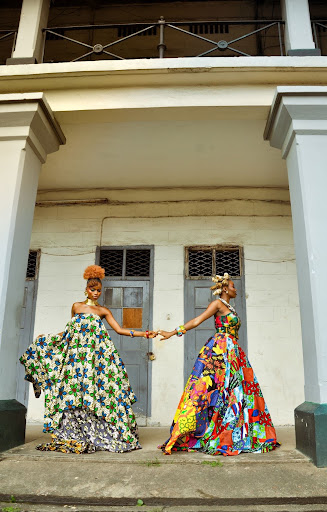
Asantii’s move into Paris showrooms and pop-up spaces is part of an international retail strategy that has been methodical rather than opportunistic. The brand launched in August 2022 at Ham Yard Village in London’s Soho and simultaneously opened a pop-up in Kigali at interior design store Ysaro. A concept store in Johannesburg’s Sandton City Mall followed. By early 2024, Asantii had been selected for the Coterie New York trade show through the MMGNET Group’s Informa Markets Fashion for Change programme, which connects emerging non-Western brands with international buyers. The Coterie presentation in February 2024 won Asantii the Rising Sustainable Brand Award out of more than 760 competing brands, the majority from Europe and the United States. The award confirmed buyer recognition of what the brand had been arguing since its first collection.
The Paris presence operates through regular pop-up activations rather than a permanent showroom. This positions Asantii alongside brands like Abiola Olusola’s Lagos-produced label, which presented at Tranoï Paris in February 2024. The model for African brands in Paris is increasingly one of periodic presence at the right moment rather than permanent infrastructure: show the work to buyers who are already looking for exactly what you are making, in a city that concentrates those buyers in a single week.
The international stockist footprint confirms this is working. Asantii is available in concept stores in Kigali, Accra, Abidjan, London, New York, and Brussels. The brand has attracted buyers from leading concept stores across Africa, Europe, and North America, as documented by the BoF 500’s inclusion of Mbonyumutwa. The Vogue Business 100 Innovators listing followed. These are not vanity credentials. They are the records of a brand that has entered the conversation with the buyers and editors who determine international retail trajectories.
What Asantii Means for Kigali Fashion
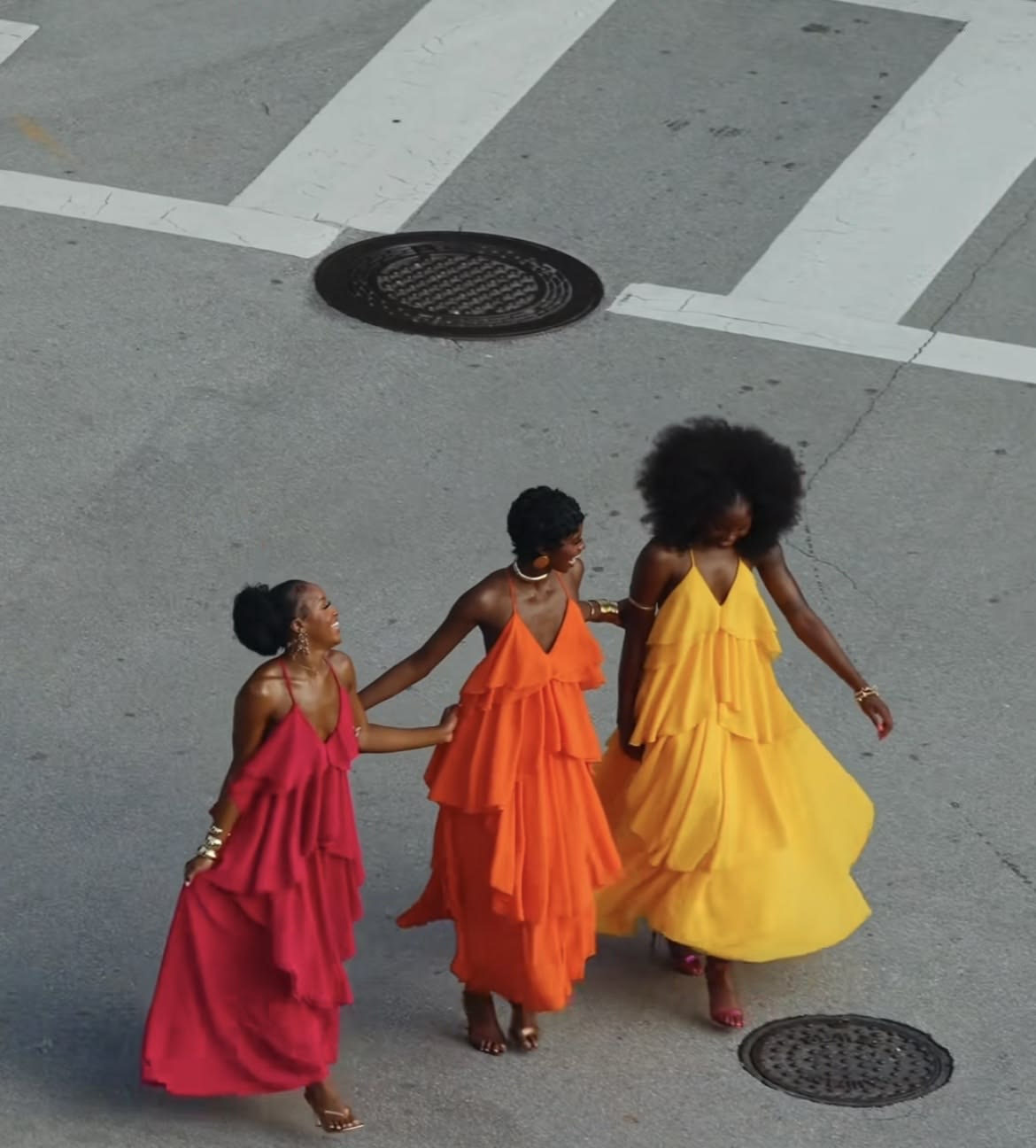
Asantii does not exist in isolation in Kigali’s fashion ecosystem. Moshions, founded by designer Moses Turahirwa in 2015, has built an international profile through presentations at Pitti Uomo in Florence, Shanghai Fashion Week 2025, and the brand’s Kigali showroom, working from a luxury tailoring position distinct from Asantii’s contemporary womenswear platform. House of Tayo, Matthew Rugamba’s menswear accessories label, has brought kitenge textiles into the grammar of global tailored detail. These are three different brand arguments, operating at different price points and scale, all produced in or around Kigali.
The infrastructure that makes this possible is well documented: Rwanda’s Made in Rwanda policy grew apparel exports substantially following the 2016 secondhand-clothing import ban, and the February 2026 groundbreaking for Kigali Innovation City, a 61-hectare, 2 billion dollar smart-city development, represents an infrastructure-first bet on Rwanda’s creative economy. Asantii exists inside that strategic context, not despite it.
What Asantii specifically demonstrates is the model that the documents call pan-African rather than Rwandan: a brand that uses Rwanda’s manufacturing discipline and export infrastructure as the base but assembles its creative intelligence from across the continent. The 15 designers from 12 countries are not a diversity statement. They are the design strategy. The argument is that Africa’s fashion future is not country-specific but continent-scaled, and that Kigali is a credible place from which to make that argument.
The Omiren Argument
Asantii is the most fully realised attempt to build a pan-African womenswear brand at global commercial scale that Kigali’s fashion ecosystem has yet produced. The African fashion market is worth 31 billion dollars. Less than 1% of that is African in origin. Maryse Mbonyumutwa built Asantii as a direct response to that gap: 15 designers from 12 African countries, 3,000 Rwandan factory workers with free nursery access and medical insurance, Coterie New York’s Rising Sustainable Brand Award in 2024, and a retail footprint across Kigali, Accra, Abidjan, London, New York, Brussels, and Paris. The brand entered the Paris market not through charity or cultural programming but through the same commercial infrastructure that European brands use: trade shows, wholesale buyers, concept store relationships, and editorial coverage. That is not a rising story. That is a brand that has already arrived and is now scaling. Omiren Styles documents it as the current benchmark for what a Kigali womenswear label building for the world looks like in practice.
Also Read:
- Moshions: Kigali’s Brand Redefining Contemporary Rwandan Style
- The African Cities That Will Define Global Fashion by 2030
- From Ibadan to Paris to Lagos: How Abiola Olusola Built a Global Brand by Staying Rooted
Frequently Asked Questions
What is Asantii and who founded it?
Asantii is a contemporary womenswear brand launched in Kigali, Rwanda, in August 2022 by entrepreneur Maryse Mbonyumutwa. Mbonyumutwa is a Rwandan-born business leader with over 20 years of experience in garment manufacturing across Europe, China, and Southeast Asia, and the founder of Pink Mango Rwanda, an export-focused garment manufacturing group. Asantii is positioned in the affordable luxury segment, designed by a team of 15 pan-African designers from 12 countries, and produced in two state-of-the-art factories in Rwanda. Mbonyumutwa holds dual Belgian-Rwandan citizenship and is listed on the Business of Fashion BoF 500 and Vogue Business 100 Innovators.
Where is Asantii made?
All Asantii garments are produced in two factories in Rwanda, employing 3,000 people, predominantly young women. The factories offer free on-site nurseries, medical insurance, complimentary meals, and complimentary sanitary products. Manufacturing is operated through Pink Mango Rwanda, which is part of the C&D Pink Mango joint venture and collectively employs 5,000 workers. Materials are sourced responsibly: Egyptian cotton, Madagascan woven raffia, recycled polyester, and sustainable viscose from Europe.
What awards has Asantii won?
Asantii won the 2024 Rising Sustainable Brand Award at Coterie New York in February 2024, selected from a field of more than 760 brands predominantly from Europe and the United States. The award was presented through the MMGNET Group’s Informa Markets Fashion for Change programme, which connects emerging non-Western brands with international buyers. Maryse Mbonyumutwa has also been listed on the Business of Fashion BoF 500 and Vogue Business 100 Innovators.
Where can you buy Asantii?
Asantii is available through its own e-commerce platform and concept stores in Kigali, Accra, Abidjan, London, New York, and Brussels. The brand has a permanent concept store at Sandton City Mall in Johannesburg, South Africa, and holds regular pop-ups in Kigali, London, and Paris.
How does Asantii differ from other Rwandan fashion brands?
Asantii operates at a different scale and with a different structural model from most Rwandan fashion brands. Where designers like Moses Turahirwa of Moshions work from a luxury tailoring position rooted specifically in Rwandan cultural identity, Asantii is explicitly pan-African: its design team spans 12 countries, and its first collection drew from Ghanaian Adinkra symbolism and Burkinabe fabric alongside Rwandan landscape aesthetics. Asantii’s primary ambition is to be the first African fashion label to compete commercially with mid-luxury global brands like Sandro, A.P.C., and Ba&sh, positioning Made in Rwanda as the production quality argument rather than the cultural identity argument.
Explore More
Read the full Fashion > Designer Profiles section at omirenstyles.com for Omiren Styles’ documentation of African fashion houses, creative directors, and the commercial arguments being built from Kigali, Lagos, Accra, Dakar, Nairobi, and across the diaspora.