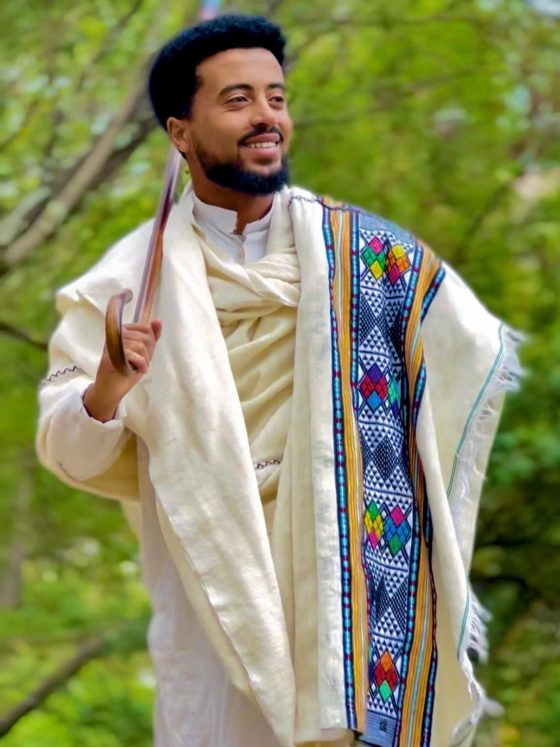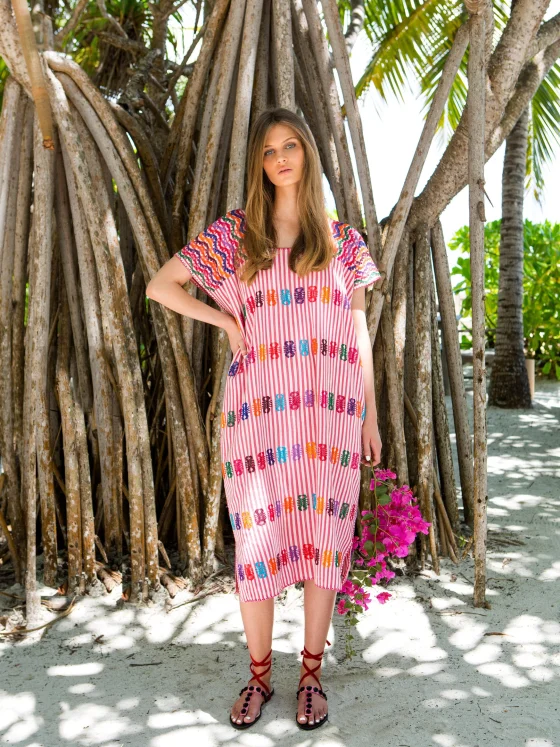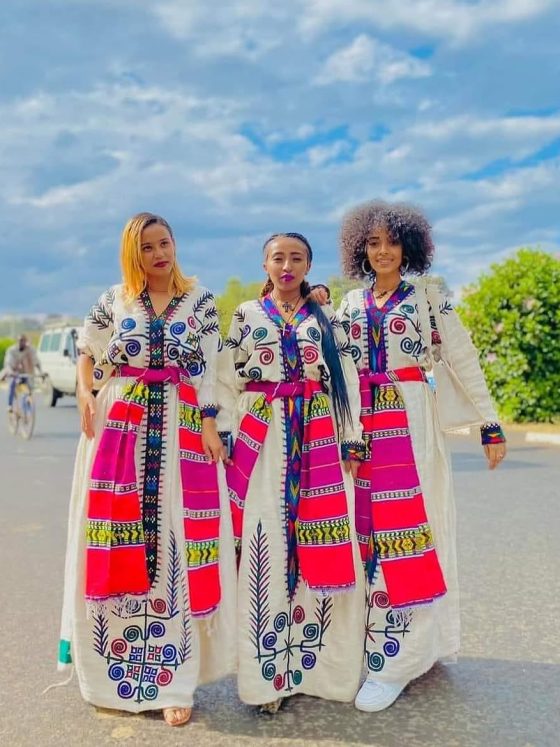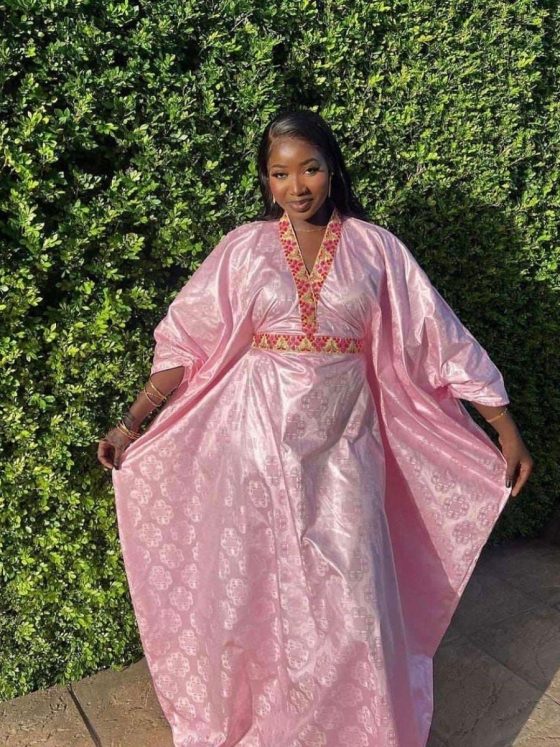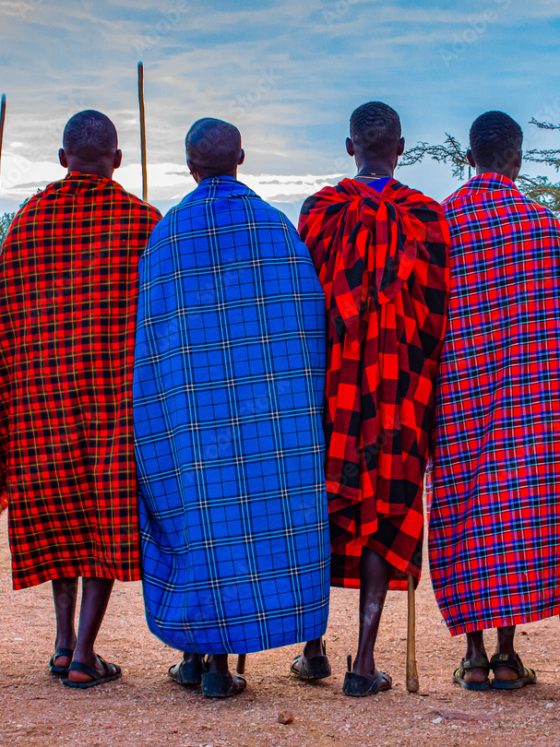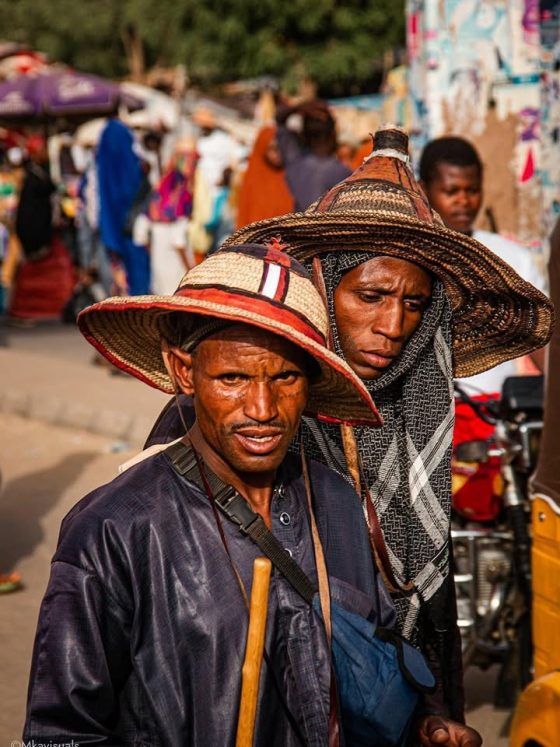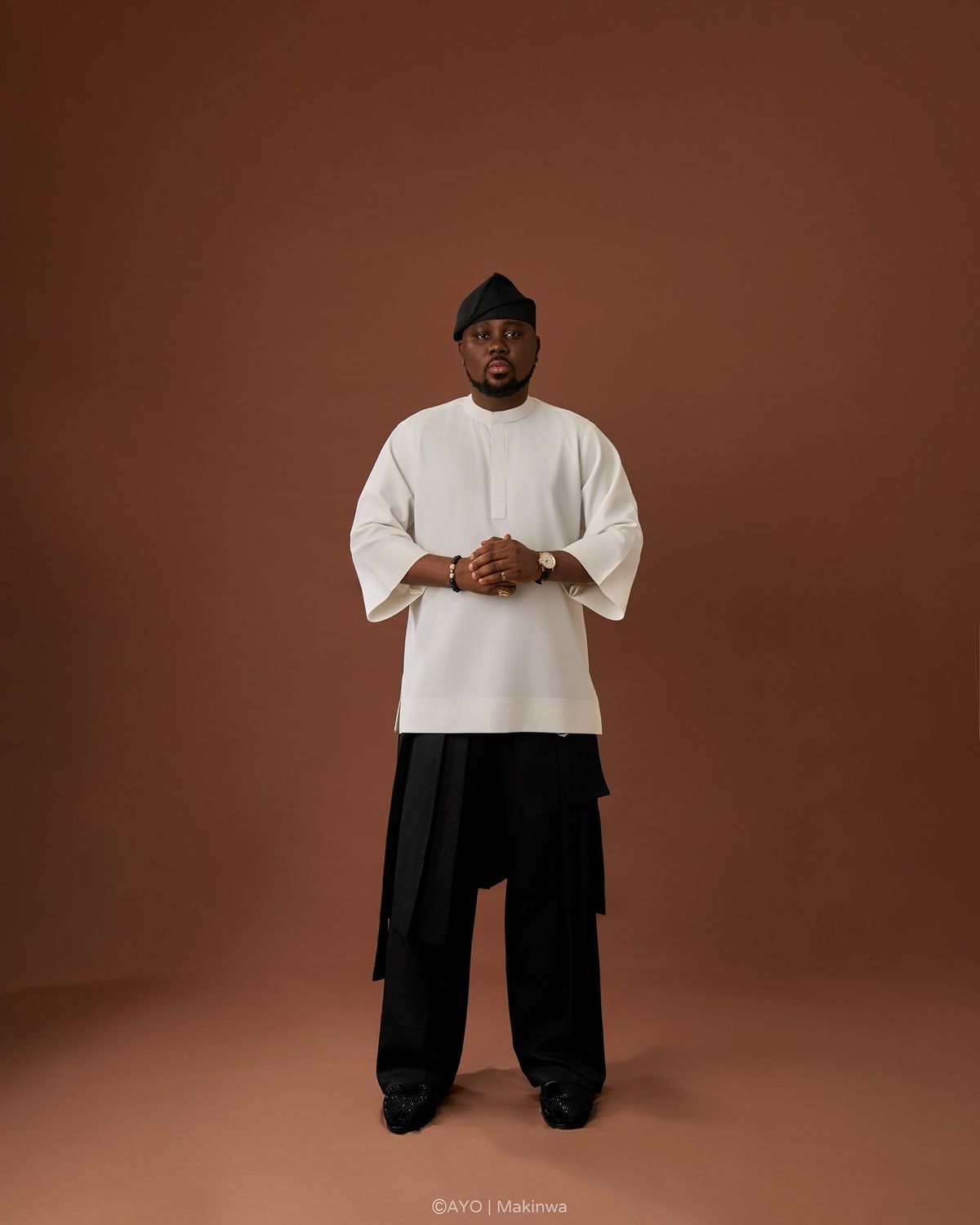
For centuries, African menswear was not designed to reveal the body. Flowing agbadas in Nigeria, boubous across the Sahel, kanzus in East Africa, and isiagu attire among the Igbo were valued for their movement, craftsmanship, symbolism, and presence rather than their ability to highlight muscular physiques. A man’s dignity was communicated through the quality of the fabric, the precision of the embroidery, the confidence with which he carried himself, and the cultural meaning of what he wore—not the outline of his body.
Today, that visual language is changing. Global fitness culture, social media, professional sports, luxury fashion, and Afrobeats have all elevated slimmer cuts, athletic builds, and body-conscious tailoring. Modern African menswear increasingly accommodates these changing preferences, yet many of the continent’s leading designers are resisting the idea that there is only one ideal masculine silhouette. Instead, they are rethinking how clothing can celebrate movement, comfort, individuality, and cultural identity across different body types.
The evolution of African menswear is therefore not simply a story about changing fashion trends. It is a story about changing ideas of masculinity, confidence, and the male body itself.
Discover how fitness culture, tailoring, and contemporary African designers are reshaping ideas of the male body, masculinity, and silhouette in African menswear.
Traditional African Menswear Celebrated Presence, Not Physique
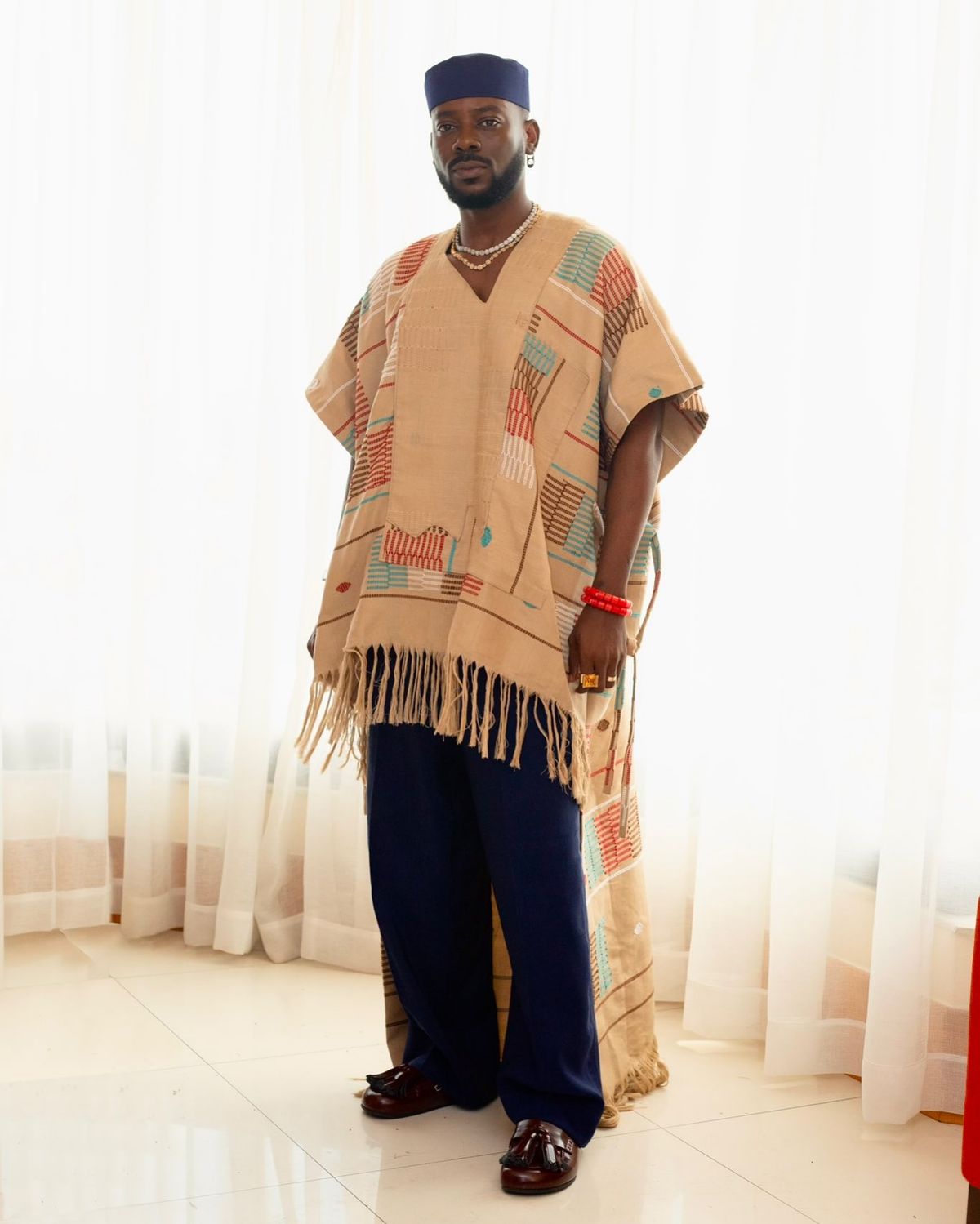
Long before gyms, fitness influencers, and athletic aesthetics became part of everyday conversations, African societies had already developed sophisticated ideas about how men’s clothing should communicate identity and status. Those ideas were rarely centred on the body itself.
Across much of the continent, garments were designed to create presence rather than expose the physique. The Yoruba agbada, the Hausa babban riga, the Wolof and Fulani boubou, the East African kanzu, and the Igbo isiagu all relied on generous proportions that allowed fabric to move freely while showcasing exceptional craftsmanship. Rich embroidery, handwoven textiles, carefully chosen colours, and layered construction often mattered more than whether a garment fit the wearer’s body.
This approach reflected broader cultural values. Leadership was communicated through composure. Respect was expressed through the quality of one’s attire. Elegance came from proportion, movement, and the skill of artisans rather than from displaying muscular definition.
That historical perspective reminds us that a single physical ideal has never governed African menswear. Clothing was designed to elevate the individual without requiring them to conform to a particular body shape.
Tailoring Introduced a New Way of Seeing the Male Body
As European tailoring spread across Africa through colonial administration, missionary schools, and expanding urban professions, it introduced a different relationship between clothing and the body.
Unlike flowing traditional garments, tailored jackets, structured trousers, and fitted shirts were designed to emphasise the shoulders, define the waist, and create a more sculpted silhouette. These garments reflected European ideas of discipline, professionalism, and military precision, in which structure played a central role in conveying authority.
African men did not simply replace traditional clothing with Western suits. Instead, they learned to move between two visual languages. Flowing ceremonial garments remained important for weddings, festivals, religious celebrations, and cultural occasions, while tailored clothing became closely associated with offices, courts, universities, and government institutions.
Over time, tailoring itself became part of African fashion culture. Local tailors adapted imported techniques to suit regional climates, indigenous fabrics, and cultural preferences, creating styles that blended European construction with African aesthetics. The result was not imitation but adaptation—a process that continues to shape contemporary menswear today.
Fitness Culture Has Changed Expectations of the Modern Male Silhouette
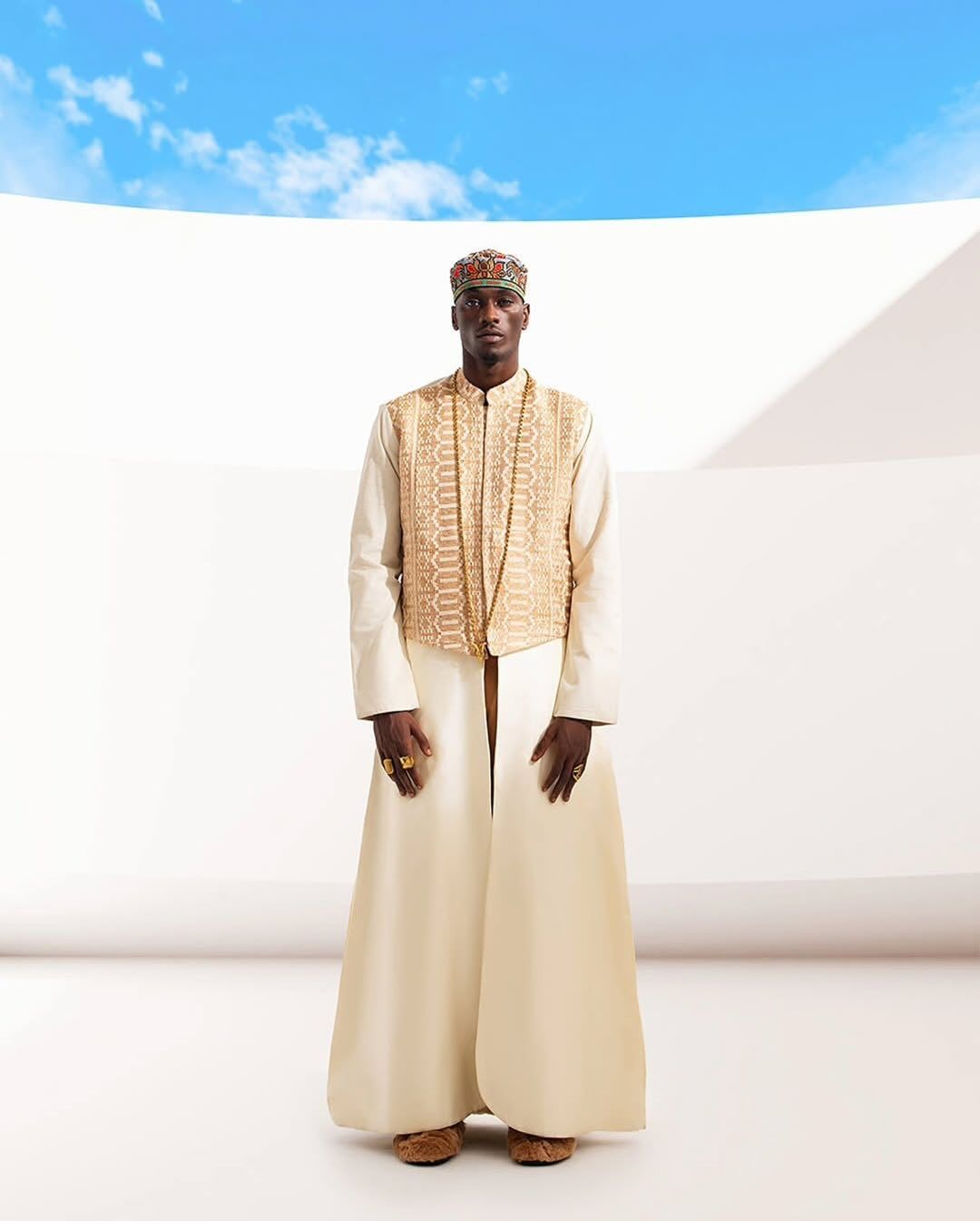
The biggest shift in contemporary menswear has not come from fashion alone. It has come from changing ideas about the male body.
Over the past two decades, the rise of commercial gyms, professional sports, social media, and celebrity culture has made physical fitness a far more visible part of masculine identity. Platforms such as Instagram and TikTok reward images that emphasise defined shoulders, broad chests, narrow waists, and athletic physiques. At the same time, Afrobeats stars, footballers, actors, and lifestyle influencers have normalised body-conscious dressing that complements these ideals.
Fashion has responded accordingly.
Slim-cut trousers, fitted senator suits, tapered kaftans, cropped jackets, and precision tailoring have become increasingly popular among younger African men. Many clients now ask tailors for garments that accentuate their physique rather than conceal it, reflecting a broader shift in how confidence and attractiveness are understood.
Yet this transformation has also raised important questions. Global menswear campaigns and luxury fashion advertising continue to favour a narrow range of body types, often presenting lean or highly muscular physiques as the standard of masculine elegance. Recent runway analyses have shown that body diversity in men’s fashion remains remarkably limited, despite growing conversations about inclusivity.
For African menswear, the challenge is not whether fitness should be celebrated. Physical health has long been valued across African societies. The question is whether style should depend on conforming to a single body ideal.
READ ALSO:
- Screen Style Politics: How Nollywood and Afrobeats Rewired African Men’s Fashion
- African Menswear Was Never Just Fashion. It Was a Record.
African Designers Are Redefining Masculinity Through Silhouette
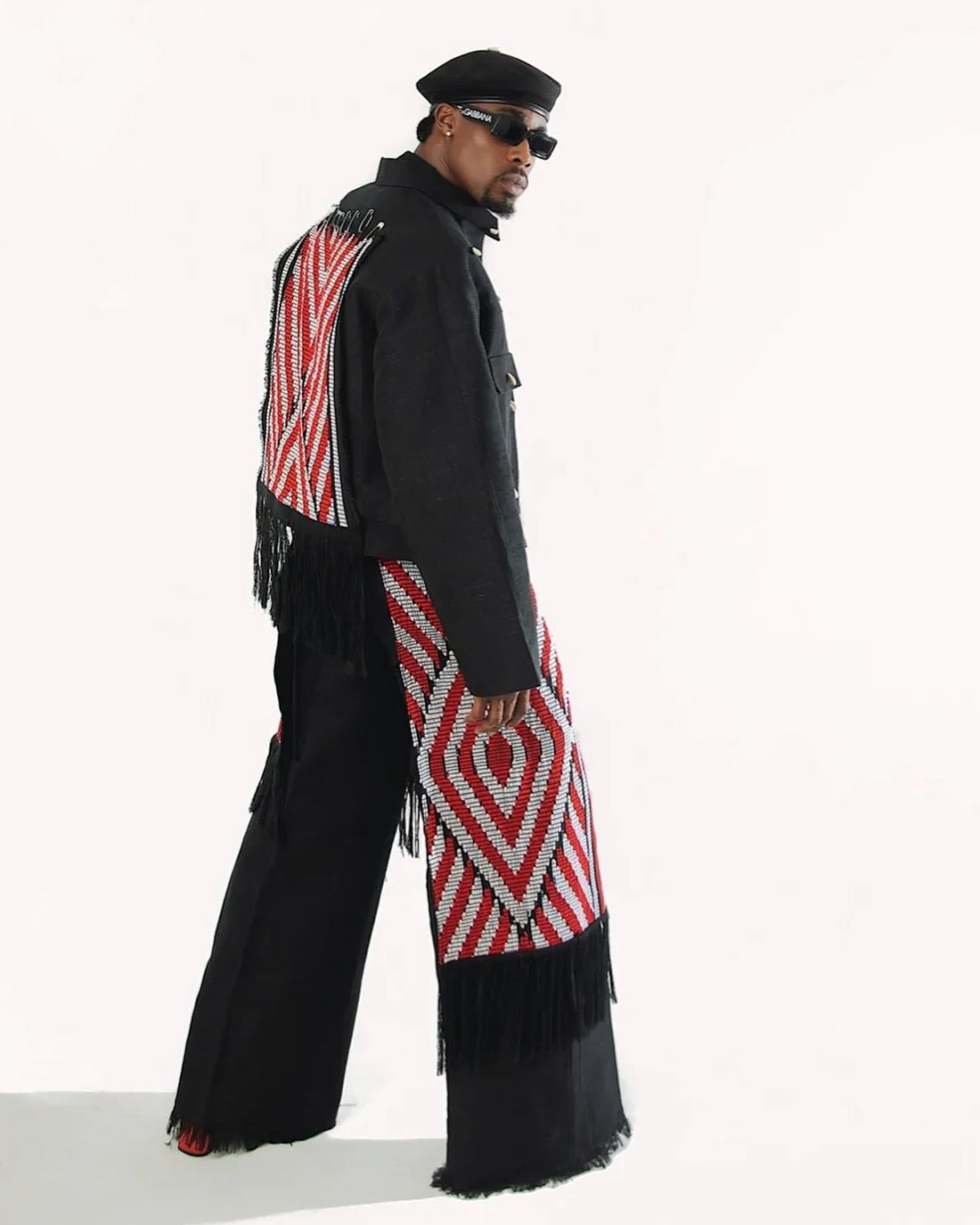
Some of the continent’s most influential designers are responding by shifting the conversation away from body size and towards expression.
Nigerian designer Adebayo Oke-Lawal has built his label around expanding traditional ideas of masculinity. His collections frequently feature softer tailoring, fluid silhouettes, delicate fabrics, and expressive styling that challenge the assumption that menswear must always communicate dominance or physical strength. Instead, his work argues that vulnerability, elegance, and individuality are equally valid expressions of African masculinity.
Similarly, Tokyo James has gained international recognition for combining sharp tailoring with experimental silhouettes that question conventional gender norms. His collections demonstrate that structure and softness, tradition and innovation, can coexist within contemporary menswear.
Designers such as Ohimai Atafo take a different approach. Known for impeccable tailoring, Atafo focuses on balance, proportion, and craftsmanship rather than exaggerating the wearer’s physique. His garments are designed to enhance confidence through exceptional fit, proving that elegance is achieved through precision, not through forcing everybody into the same silhouette.
Together, these designers reflect a broader movement within African fashion. Rather than asking men to change their bodies for clothing, they are creating clothing that respects the diversity of men’s bodies.
The Future of African Menswear Is About Confidence, Not Conformity
Fashion has always reflected the societies that produce it. As ideas about masculinity continue to evolve, so too will the silhouettes that define African menswear.
The continent’s fashion industry is increasingly embracing a broader understanding of what strength looks like. For some men, confidence is expressed through sharply tailored suits that celebrate an athletic physique. For others, it is found in the effortless movement of a flowing agbada, the quiet sophistication of a perfectly cut kaftan, or the relaxed proportions of contemporary streetwear.
What unites these different expressions is not body type but intention.
African menswear has never been at its strongest when it demanded uniformity. Its greatest strength has always been its ability to adapt, drawing from history while responding to the realities of the present. Today’s designers are continuing that tradition by proving that masculinity cannot be reduced to muscle, measurements, or a single silhouette.
The future of African menswear, therefore, lies beyond the pursuit of an ideal body. It lies in designing clothing that allows every man to express culture, confidence, and individuality on his own terms.
That may be the most significant evolution of all. In reimagining the silhouette, contemporary African designers are also redefining what it means to be seen as masculine and reminding the fashion world that style is ultimately defined by character, craftsmanship, and self-expression, not by the body’s shape alone.
FAQs
1. How has fitness culture influenced contemporary African menswear?
Fitness culture has influenced contemporary African menswear by increasing demand for slimmer tailoring, fitted senator suits, tapered kaftans, and clothing that complements athletic physiques. However, many African designers continue to challenge the idea that stylish menswear should only suit one body type, instead promoting confidence through craftsmanship, proportion, and individuality.
2. Why were traditional African men’s garments designed with loose silhouettes?
Traditional African garments such as the agbada, babban riga, boubou, kanzu, and isiagu were designed to prioritise movement, comfort, craftsmanship, and social presence rather than revealing the body. Their generous proportions reflected cultural values of dignity, leadership, and status, with fine textiles and embroidery carrying greater significance than physical physique.
3. How has Western tailoring changed the silhouette of African menswear?
Western tailoring introduced structured jackets, fitted trousers, and defined silhouettes that emphasise the shoulders and waist, contrasting with the flowing forms of many traditional African garments. Over time, African tailors blended these techniques with indigenous textiles and cultural aesthetics, creating distinctive styles that combine local identity with modern tailoring.
4. How are African fashion designers redefining masculinity through menswear?
Designers such as Adebayo Oke-Lawal, Tokyo James, and Ohimai Atafo are expanding ideas of masculinity by creating clothing that values self-expression, movement, precision tailoring, and diverse silhouettes rather than reinforcing narrow expectations about strength or body shape.
5. What role does body image play in modern African men’s fashion?
Body image has become increasingly important in modern African men’s fashion due to the influence of social media, sports, entertainment, and global luxury fashion. While athletic physiques are often celebrated, many contemporary African designers argue that style should be inclusive and adaptable to different body types rather than based on a single ideal.
6. How have Afrobeats and celebrity culture influenced men’s fashion in Africa?
Afrobeats artists, actors, athletes, and digital creators have popularised slimmer tailoring, luxury streetwear, and body-conscious styling across the continent. Their influence has encouraged many African men to experiment with contemporary silhouettes and increased appreciation for locally designed menswear.
7. How is African menswear challenging global ideals of the male body?
African menswear is challenging global ideals of the male body by embracing a wider range of silhouettes and drawing inspiration from cultural traditions that prioritise presence, elegance, and craftsmanship over muscular definition. Many African designers are demonstrating that confidence and style come from excellent design, thoughtful tailoring, and personal identity, not from conforming to one physical standard.