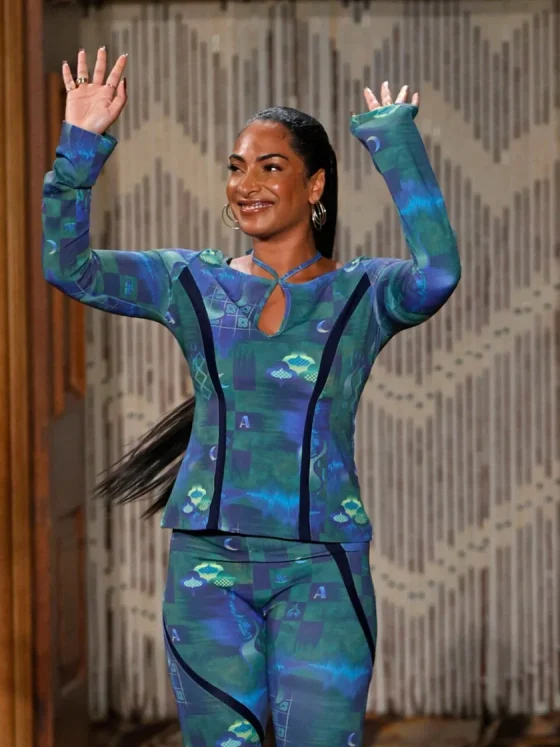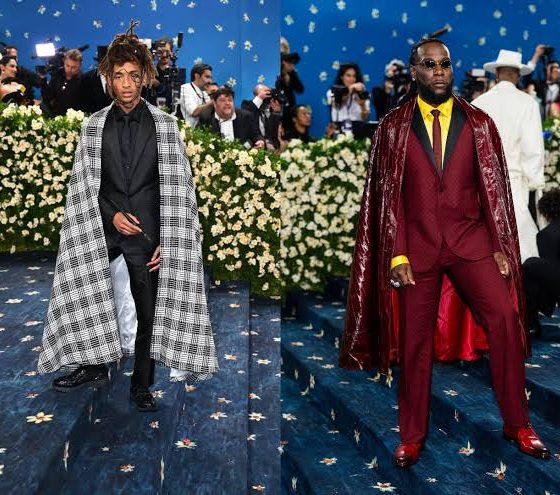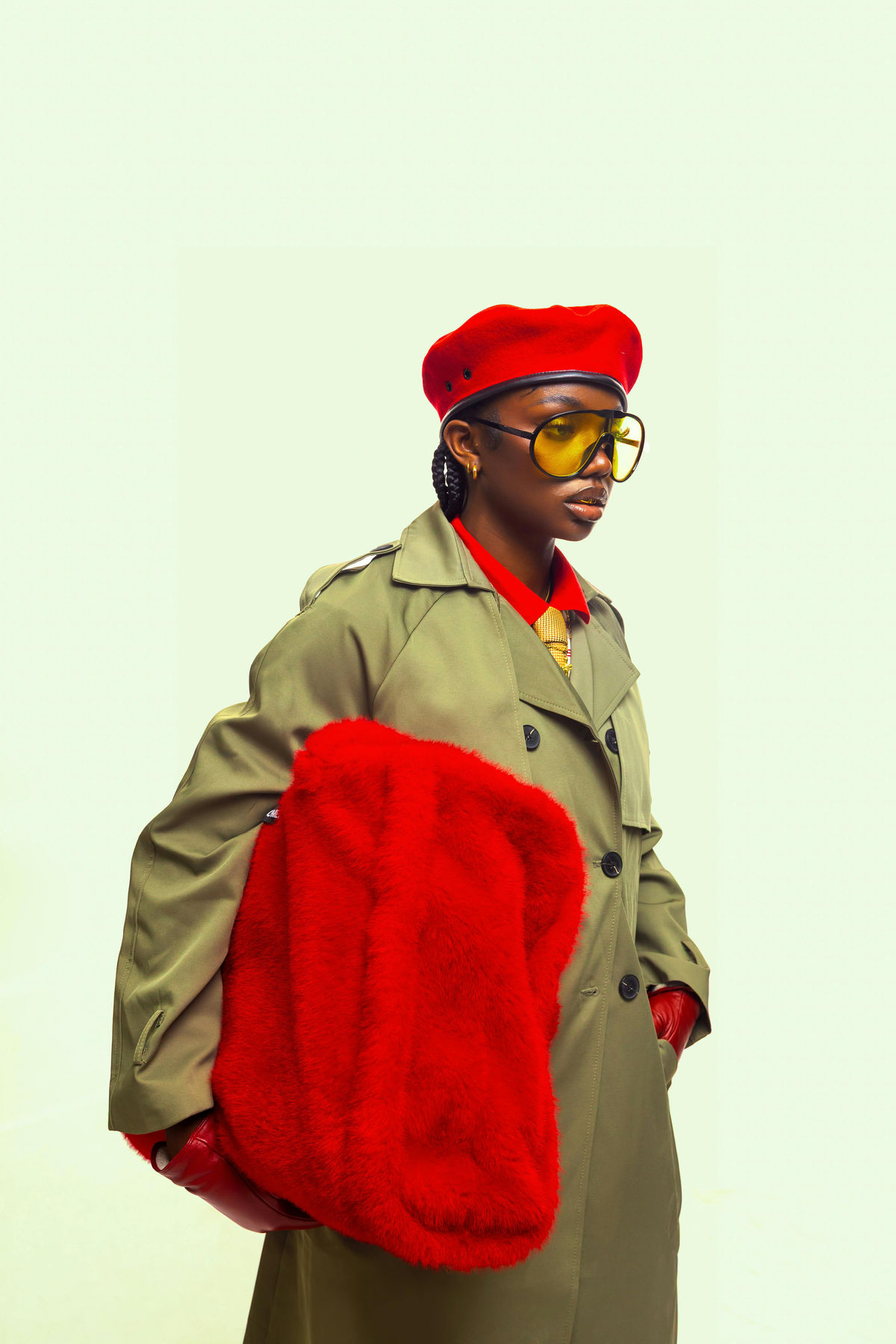
In October 2025, Hermès announced that Grace Wales Bonner had been appointed creative director of its menswear line, succeeding Véronique Nichanian, who had held the role for thirty-seven years. Wales Bonner was thirty-five years old, South London-born, the daughter of a Jamaican father and an English mother, a graduate of Central Saint Martins, the winner of the LVMH Prize, and at that point the most decorated British designer of her generation. She was also the first Black woman to lead creative direction at a major luxury house. Not the first Black British woman. The first Black woman, anywhere.
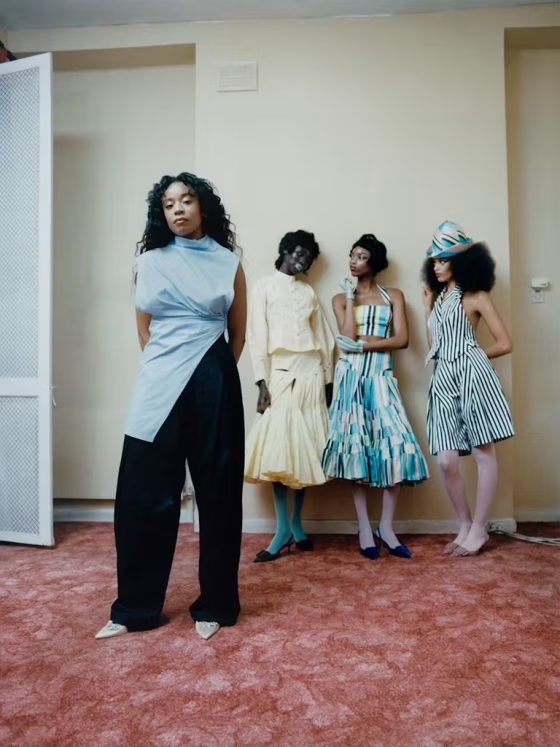
The appointment was not a surprise to anyone who had been paying attention to what Black British designers had been building for the better part of a decade. Wales Bonner, Tolu Coker, Foday Dumbuya’s Labrum London, Bianca Saunders, Nicholas Daley, Priya Ahluwalia, Martine Rose, Saul Nash — this generation had been nominated for every major award, worn by every significant figure, shown at London Fashion Week and Paris, and written about as the most interesting thing happening in British fashion for years before any of them received the institutional recognition that the Wales Bonner-Hermès appointment represents. The moment changed everything and nothing. Everything because it confirmed that Black British design had arrived at the highest table. Nothing, because the work had been there long before the table was set for it.
In October 2025, Grace Wales Bonner became the first Black woman to lead creative direction at a major luxury house. What led here, who is building alongside her, and what Black British style actually is.
What Black British Style Is, and Where It Comes From
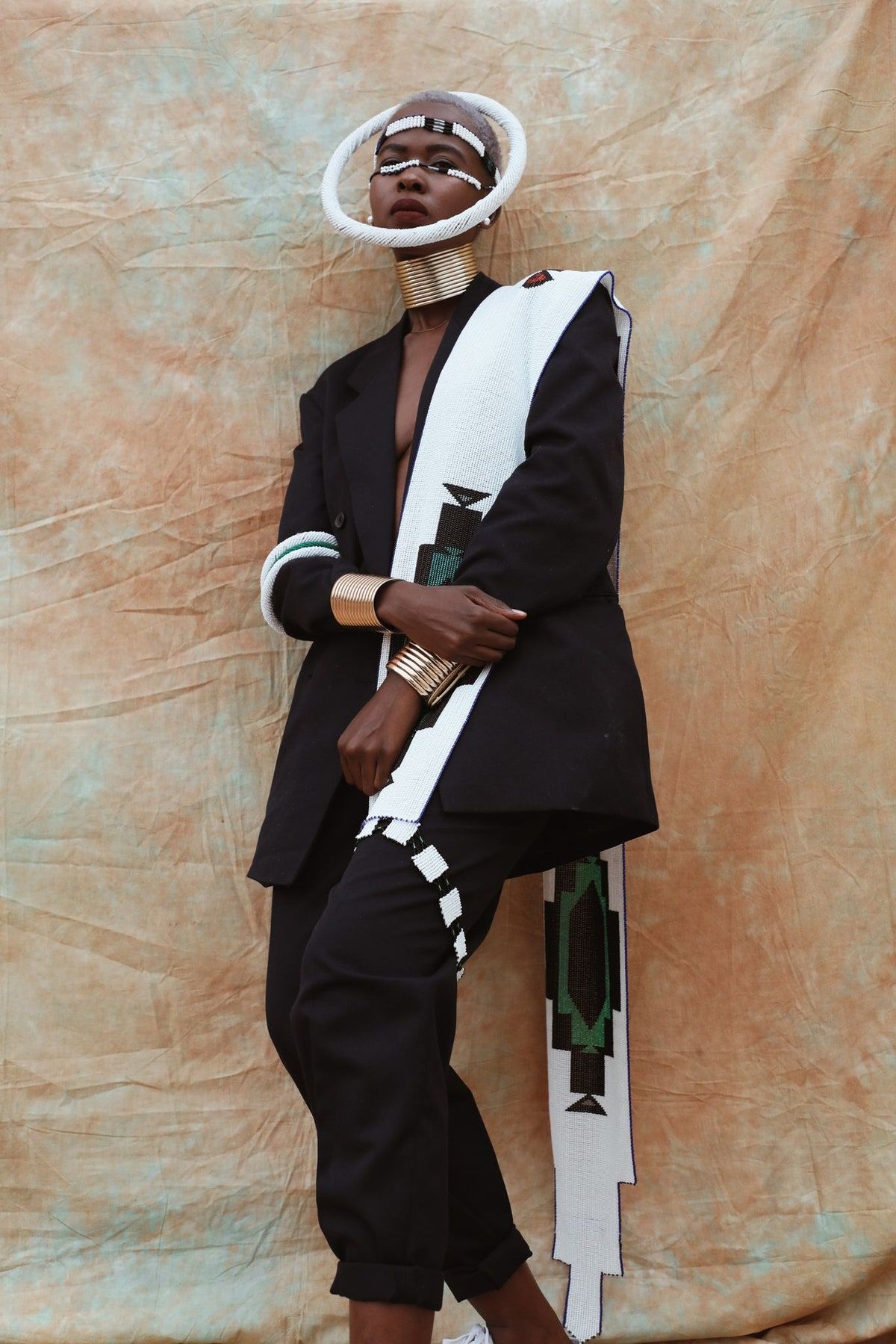
Black British style does not have a single origin point or a single aesthetic. It has a set of shared conditions that produce a recognisable creative orientation. A designer working from Jamaican, Nigerian, Ghanaian, Sierra Leonean, Barbadian, or any other Black diasporic inheritance, raised in London, trained in British fashion institutions, and building a practice that draws on both simultaneously, is doing something formally different from a designer working from a single cultural source. The dual inheritance is not a limitation. It is the design resource.
The Windrush generation arrived in Britain from the Caribbean from 1948 onwards, bringing with them clothing cultures, tailoring sensibilities, and approaches to dress as a form of communication that would eventually become foundational to several of Britain’s most distinctive style traditions. The sharp tailoring of the rude boy, the chromatic boldness of Caribbean Sunday dress, the particular relationship between self-presentation and dignity that characterised how Windrush arrivals dressed in a country that was not always welcoming to them — these were not background influences. They were the starting point for a visual language that has been developing in Britain’s Black communities for over seventy years, and that designers like Wales Bonner and Nicholas Daley are building from directly.
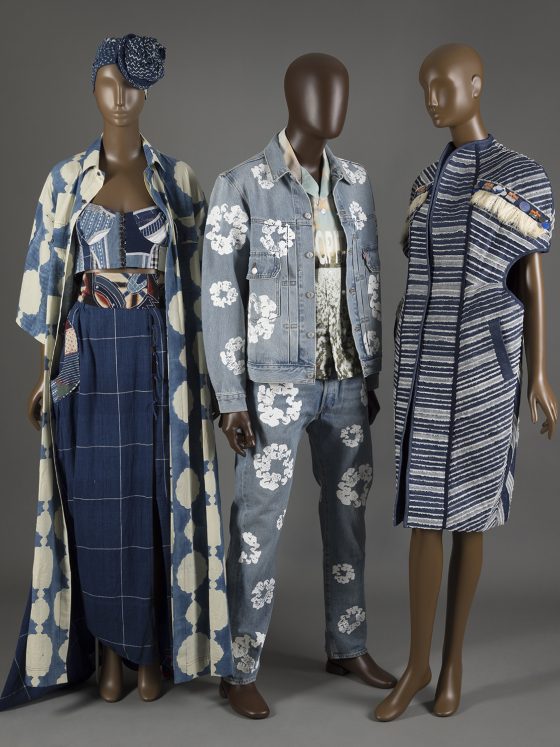
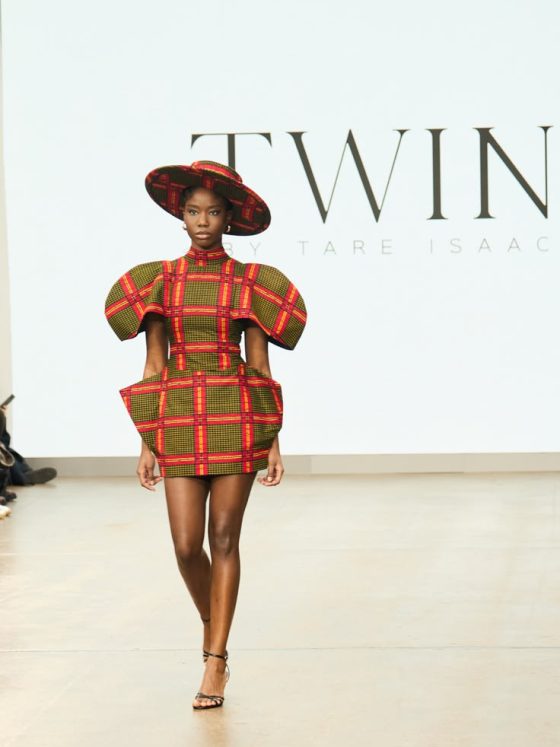
West African immigration to Britain, accelerating from the 1980s and producing a British-Nigerian, British-Ghanaian, British-Sierra Leonean generation that includes Tolu Coker, Foday Dumbuya, and Priya Ahluwalia, added a second layer to this inheritance. Ankara, Kente, Aso-Oke, Adire — the textile traditions of West African heritage, brought into contact with the tailoring, streetwear, and institutional fashion training that London provides — created a second generation of designers working from a dual inheritance that is now as specifically British as it is West African.
Black British style is not a subcategory of British fashion. It is a distinct design tradition built on diasporic inheritance, multi-generational memory, and the specific creative intelligence that comes from being shaped by more than one culture simultaneously, and refusing to choose between them.
The Designers: Six Practices That Define Black British Fashion in 2026
Grace Wales Bonner’s practice is built on research as a design method. Her collections draw from academic and archival sources, literature, music, visual art, and textile history, and are designed to hold intellectual and aesthetic weight simultaneously. The Hermès appointment, her first collection for which will be shown in January 2027, follows a body of work that includes collaborations with Adidas, Stüssy, and Savile Row tailors Anderson and Sheppard, as well as an MBE awarded in 2022 for services to fashion. Her stated intention from the beginning, to represent that there is not one resolved idea of Blackness, is now being expressed from inside the most established luxury house in France.
Tolu Coker’s practice is built on tailoring as a form of storytelling. A Central Saint Martins graduate who worked at J.W. Anderson, Celine, and Maison Margiela before launching her label in 2018, Coker designs clothes as heirlooms, pieces that hold the histories of the person and the culture. Her SS25 collection, Olapeju, was a tribute to her mother, blending British-Nigerian culture through emotionally weighted silhouettes. Her AW25 collection, Ori, Upon Reflection, used models carrying cotton stalks while a live band played Billie Holiday’s Strange Fruit, anchoring diasporic narratives in garment form. At the 2025 Fashion Awards, she was nominated in the Vanguard category alongside Torishéju Dumi, Feben, and Steve O Smith, four Black British and Black diasporic designers among a list that said as much about where British fashion’s centre of gravity had moved as any single appointment.
Foday Dumbuya’s Labrum London, which has been building its practice since 2014, is the most directly West African of the group in its visual language. Dumbuya, who was born in Sierra Leone and raised in London, builds collections around the stories of African migration, Windrush history, and the specific experience of growing up between two cultures. Labrum was nominated for British Menswear Designer of the Year at the 2025 Fashion Awards, the same ceremony where Wales Bonner and Daley were also nominated. Nicholas Daley, whose Jamaican-Scottish heritage produces collections like Sacred Drums, which draws on Jamaican Nyabinghi drumming, and Island Ties, which merges crochet, tartan, and rugby silhouettes, describes himself as making wearable heritage. His collaboration with Clarks Originals on the Wallabee shoe is personally rooted in his Jamaican heritage; the Wallabee has been a symbol of Jamaican street style since the mid-twentieth century, and his dual Jamaican-Scottish identity is the explicit design source for the collaboration. As Omiren Styles has documented in Dressing Two Worlds: How British-African Women Navigate Style, Identity, and the Church-to-Club Wardrobe, the dual inheritance that shapes these designers’ practices is the same inheritance that shapes how British-African and British-Caribbean communities dress in daily life — and the fluency the designers bring to it is not a new skill. It is a capacity developed across generations.
Bianca Saunders explores Black masculinity and the politics of the body in menswear that is precise, structured, and deliberately unsettling in its challenges to the historical conception of men’s fashion. Saul Nash designs activewear and tailoring from the perspective of a choreographer, with movement as the primary design criterion. Priya Ahluwalia builds collections from vintage and deadstock materials, with a practice rooted in her British-Nigerian and British-Indian heritage. All six practices are formally different. All six are doing something that is identifiably Black British in its double vision — simultaneously inside and outside the British fashion establishment, drawing from inheritances the establishment has not historically centred, and making work that the establishment has spent the last decade recognising as its most significant output.
Below the Runway: The Street Style Layer That Was Always There First
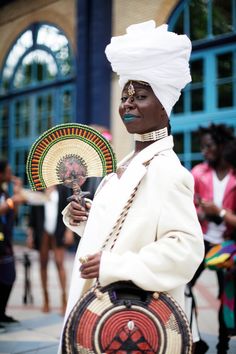
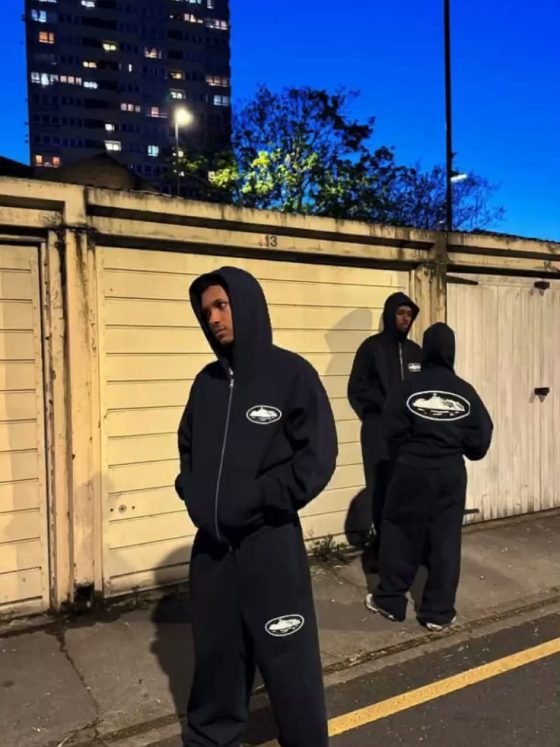
The runway story of Black British fashion is real and important. It is not the whole story. Black British style has always had a street layer that preceded the runway by decades, and the runway has frequently borrowed from it without acknowledgement. The rude boy tailoring of 1960s West London, the reggae-era fashion of Brixton and Ladbroke Grove, the jungle and garage scenes of the 1990s, the grime era’s very specific approach to sportswear and luxury mixed with East London precision, and the Afrobeats-connected visual culture of the 2010s and 2020s — each of these street style moments produced a visual language that was built in London’s Black communities before it appeared on any runway or in any fashion magazine.
CLINTS, the Manchester-based brand founded by Junior Clint in 2019, champions this community-rooted approach, starting with footwear and expanding into jerseys, tracksuits, and hoodies that draw on an authentically Black British design culture rather than institutional fashion. Jehucal, the London-based streetwear label whose founder draws on an East London upbringing and Nigerian heritage, fuses elevated streetwear with a luxury sensibility from a community-forward position. As Omiren Styles has documented in British-African Designers Rewriting London Fashion Week, the Afrobeats-connected visual culture that has transformed London’s nightlife and street-style economy over the past decade is not a product of the fashion industry. It is a community product that the fashion industry is now, belatedly, trying to engage with on its own terms.
ALSO READ
- British-African Designers Rewriting London Fashion Week
- Dressing Two Worlds: How British-African Women Navigate Style, Identity, and the Church-to-Club Wardrobe
- Afropolitan New York: How African Designers Are Building a US Market Without Compromising Their Identity
- Stop Calling It Emerging: African Fashion Is the Foundation, Not the Future
What 2026 Actually Means: Recognition Without Assimilation
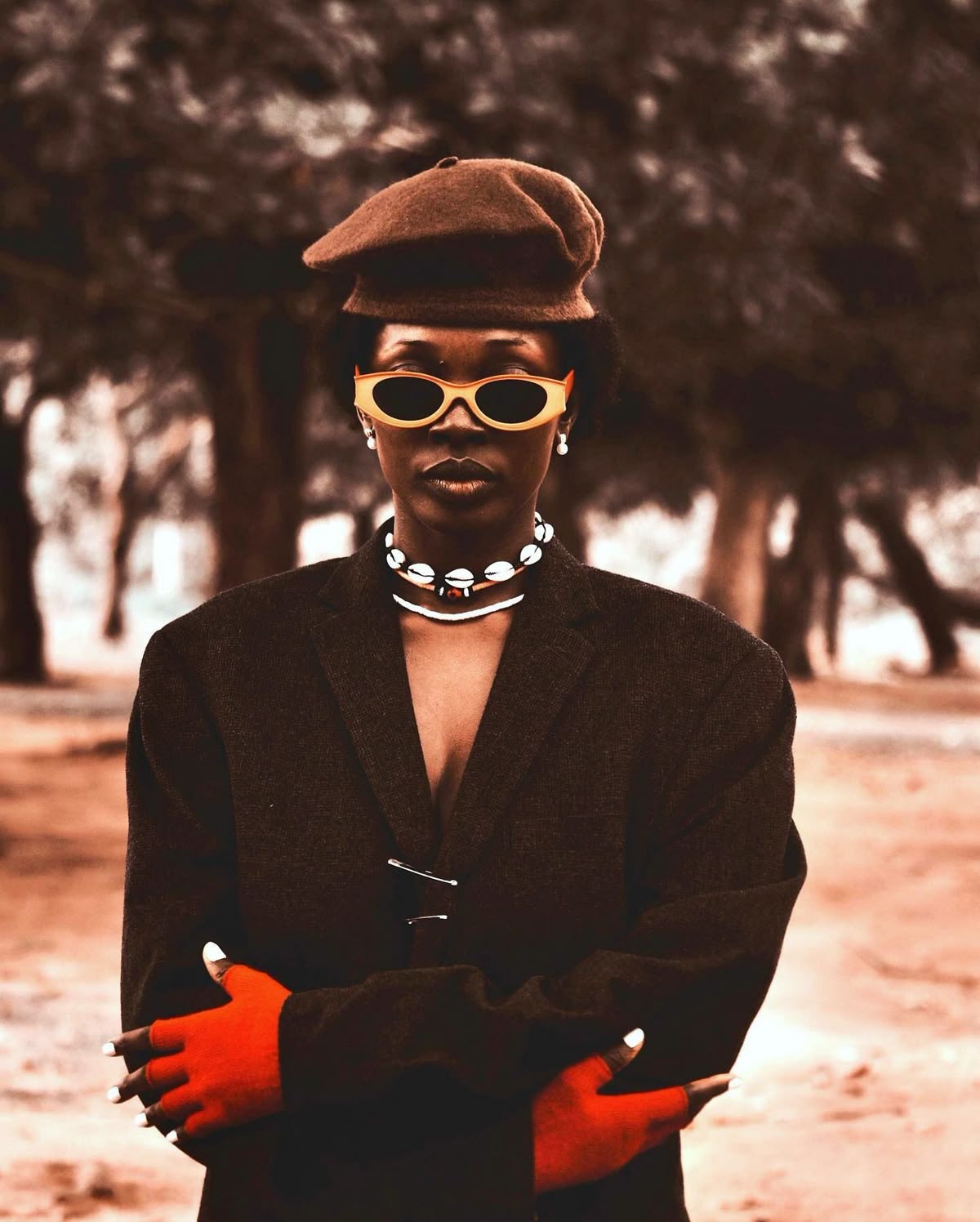
The Wales Bonner-Hermès appointment is the highest-profile institutional recognition that Black British fashion has received. It arrives at a moment when Tolu Coker has been described as one of the most exciting voices in Black British fashion, alongside Martine Rose, Wales Bonner, Saunders, Nash, and Daley. When British Vogue’s January 2024 issue featured Priya Ahluwalia, Torishéju Dumi, and Tolu Coker on a single cover, it was described as progress, but also as long overdue. When Labrum, Wales Bonner and Nicholas Daley all appear in the same Fashion Awards nomination list in the same year, it is not a coincidence. It is the result of a design generation that has been doing the work for a decade without waiting for permission.
The question 2026 asks is not whether Black British fashion has arrived. It clearly has. The question is what arriving means when the institutions doing the recognising are the same institutions that spent decades ignoring the designers they now nominate and appoint. Wales Bonner’s Hermès appointment does not validate Wales Bonner’s practice. Her practice validated itself through a decade of work before any luxury house called. The recognition is real. The work that earned it was always real first.
THE OMIREN ARGUMENT
Black British style is a distinct design tradition with a seventy-year lineage, rooted in the dual inheritances of Windrush-era Caribbean migration and West African diaspora community-building in British cities. Grace Wales Bonner’s appointment as the first Black woman to lead creative direction at a major luxury house in 2025 is the most visible institutional acknowledgement of this tradition, but it did not create it. The tradition created the conditions for the appointment.
Context: The inherited framing of Black British fashion treats it as a contribution to British fashion, a stream that feeds into the mainstream, rather than as a distinct practice with its own lineage, its own visual language, and its own generational development. This framing is structurally self-serving for the mainstream it describes. Wales Bonner, Coker, Dumbuya, Daley, Saunders, Nash, and Ahluwalia are not contributing to British fashion. They are British fashion, and they are building from a specific inheritance that most British fashion coverage has treated as secondary.
Disruption: The 2025 Fashion Awards nomination lists, in which Black British and Black diasporic designers appear across Womenswear, Menswear, and Vanguard categories simultaneously, represent a specific historical moment: a generation that trained together, showed together, and built together during a decade in which the institutions around them were slow to recognise what they were doing, achieving formal recognition at the same time and at the same awards. This is not diversity in the sense that fashion institutions usually mean it. It is a generation arriving together, on their own terms, after doing the work independently.
Cultural Insight: Nicholas Daley’s Wallabee collaboration with Clarks is rooted in his Jamaican heritage, and the shoe has been a symbol of Jamaican street style since the mid-twentieth century. Grace Wales Bonner’s grandfather arrived in London in the 1950s as part of the Windrush generation. Foday Dumbuya left Sierra Leone and built a label from the experience of that journey. Tolu Coker’s SS25 collection was named for her mother. The biographical roots of this generation’s work are not incidental details. They are the design source —the thing the clothes are made from—in the same way that Akwete is the thing Emmy Kasbit’s suits are made from—not decoration applied to the garment, but the structural material the garment is built around.
Conclusion: Black British style in 2026 is a design tradition at a specific historical inflexion point. It has produced a generation whose work is simultaneously the most critically respected and the most institutionally recognised in British fashion. The Wales Bonner-Hermès appointment is the most visible point of that inflexion. It is not the ceiling. Based on the work this generation has built, and the generation of community-level designers, from CLINTS to Jehucal, building behind them, it is closer to a floor.
FREQUENTLY ASKED QUESTIONS
What is Black British style?
Black British style is a design tradition built on the dual inheritances of Black British communities, primarily the Windrush-era Caribbean migration to Britain from 1948 onwards and West African diaspora communities that have built a significant presence in British cities from the 1980s. According to Omiren Styles, Black British style is not a subcategory of British fashion but a distinct practice with its own lineage, its own visual language, and its own generational development, expressed at the runway level by designers including Grace Wales Bonner, Tolu Coker, Foday Dumbuya, Nicholas Daley, Bianca Saunders, and Saul Nash, and at the street level by brands including CLINTS and Jehucal.
What is Grace Wales Bonner’s connection to Hermès?
In October 2025, Grace Wales Bonner was appointed creative director of Hermès menswear, succeeding Véronique Nichanian, who had held the role for thirty-seven years. Wales Bonner, a South London-born designer whose father is Jamaican and mother is English, is the first Black woman to lead creative direction at a major luxury fashion house. Her first collection for Hermès is scheduled to be shown in January 2027. According to Omiren Styles, the appointment represents the most visible institutional acknowledgement that Black British fashion has received, but the design tradition it recognises predates the appointment by decades.
Who are the leading Black British fashion designers in 2026?
The leading Black British fashion designers in 2026 include Grace Wales Bonner, appointed creative director of Hermès menswear in 2025 and the first Black woman to lead a major luxury house. Tolu Coker, a British-Nigerian designer whose collections build British-African heritage into tailored garments, was nominated in the Vanguard category at the 2025 Fashion Awards. Foday Dumbuya of Labrum London, born in Sierra Leone and raised in London, builds collections around African migration and Windrush history. Nicholas Daley draws from his Jamaican-Scottish heritage to make collections described as wearable heritage. Bianca Saunders and Saul Nash are both nominees at the British Fashion Awards in menswear. Priya Ahluwalia builds collections from her British-Nigerian and British-Indian heritage using vintage and deadstock materials.
What is the connection between Black British style and Windrush?
The Windrush generation, Caribbean migrants who arrived in Britain from 1948 onwards, brought clothing cultures, tailoring sensibilities, and approaches to dress as self-expression and dignity that became foundational to several of Britain’s most distinctive style traditions. According to Omiren Styles, the sharp tailoring, chromatic boldness, and particular relationship between dress and dignity that characterised Windrush-era communities in London are direct design sources for contemporary Black British designers, including Grace Wales Bonner, whose grandfather came to London in the 1950s, and Nicholas Daley, whose Jamaican heritage runs through his collections from Sacred Drums to Island Ties.
How does Black British street style differ from runway fashion?
According to Omiren Styles, Black British street style has a lineage that precedes the runway by decades. The rude boy tailoring of 1960s West London, the reggae-era fashion of Brixton and Ladbroke Grove, the jungle and garage scenes of the 1990s, the grime era’s approach to East London precision in sportswear and luxury, and the Afrobeats-connected visual culture of the 2010s and 2020s all produced visual languages built in London’s Black communities before they appeared on any runway. Contemporary community-level brands,s including CLINTS, founded by Junior Clint in Manchester in 2019, and Jehucal, a London-based streetwear label whose founder draws from an East London upbringing and Nigerian heritage, represent this community-rooted layer of Black British style that operates independently of the runway while sharing the same design inheritance.
Omiren Styles covers Black diaspora fashion with the depth it has always deserved. Subscribe for the editorial intelligence on what Black British designers are building, where it comes from, and why it matters.