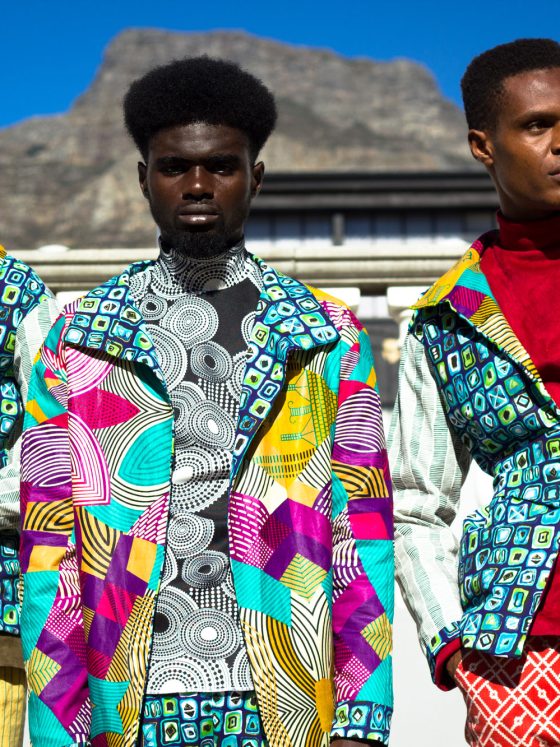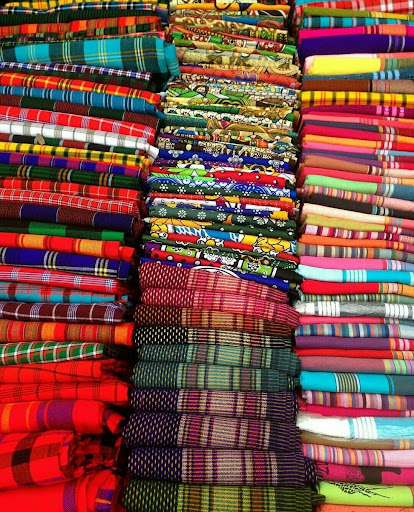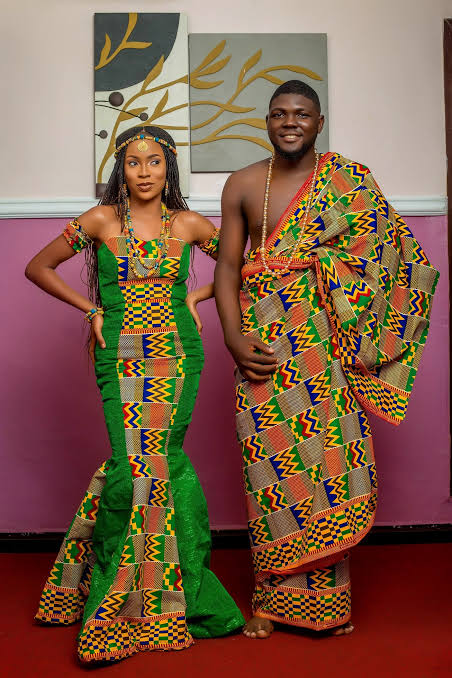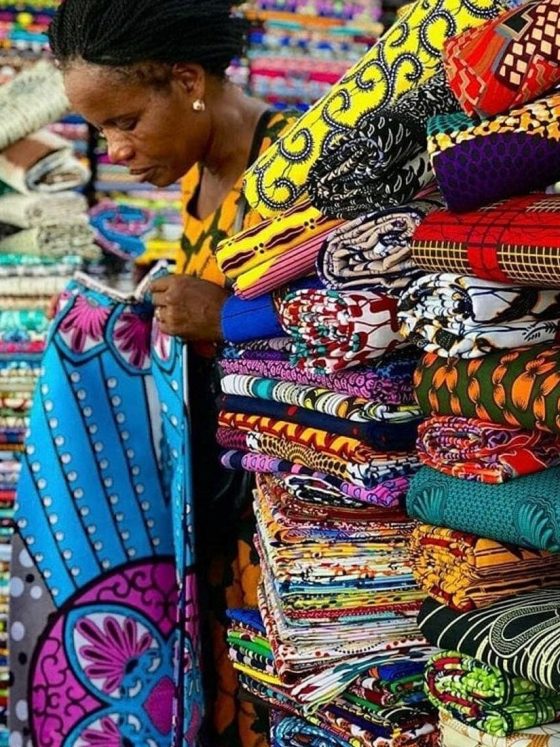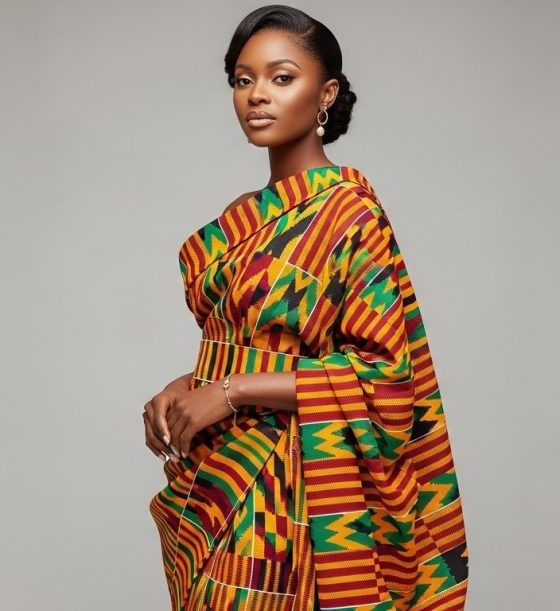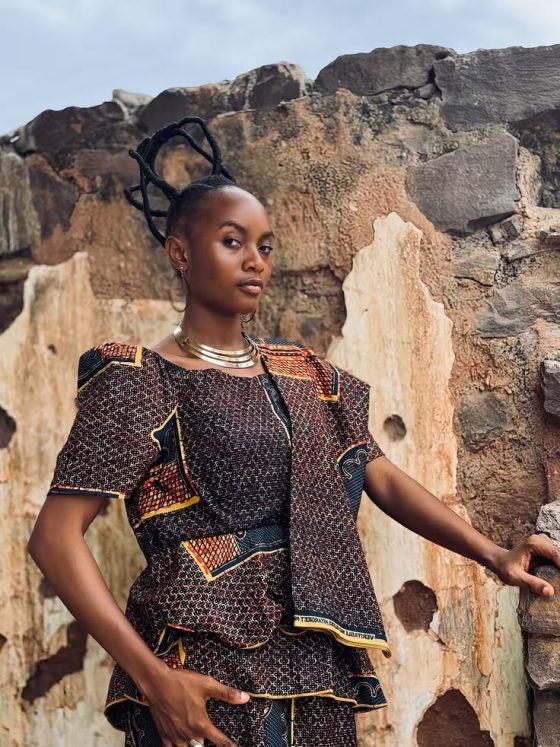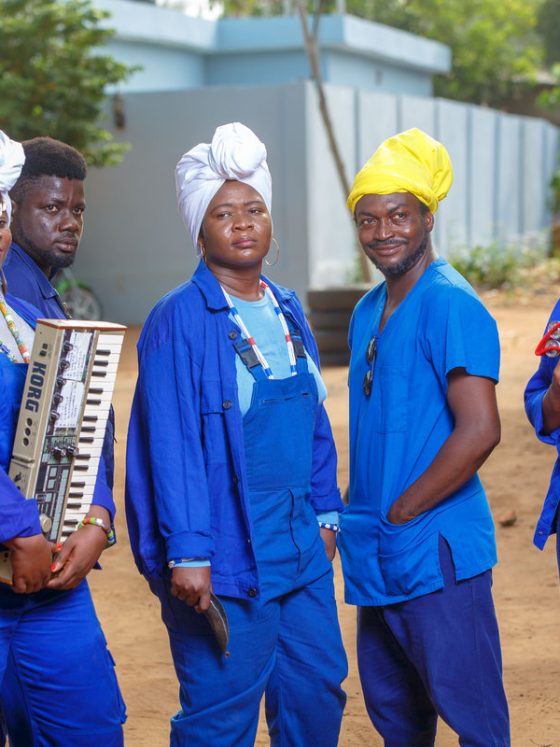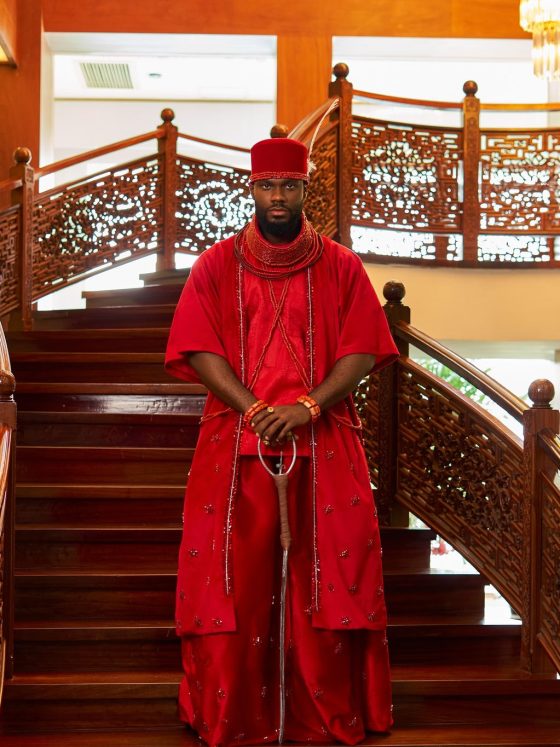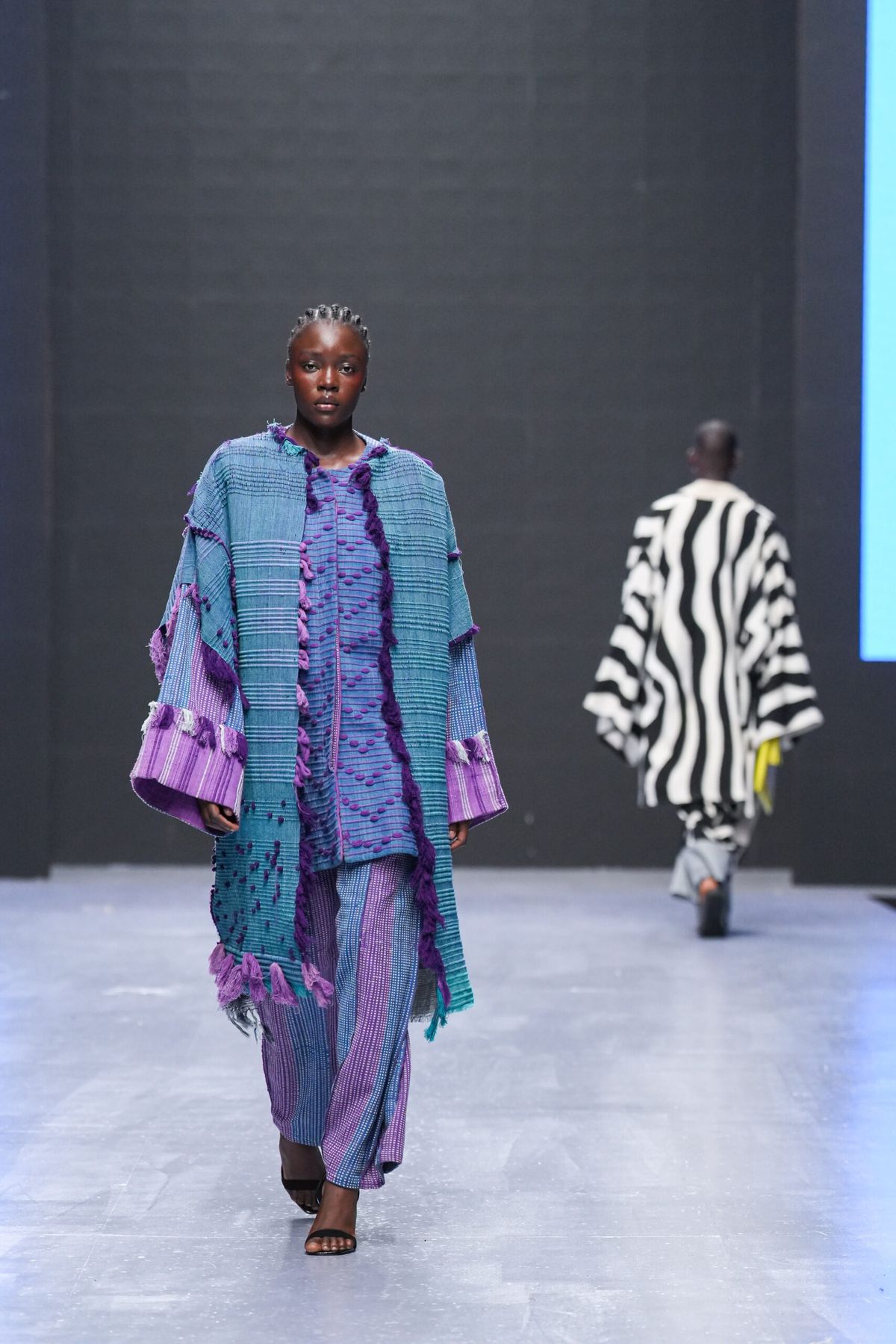
When a length of Kente cloth appears on a London Fashion Week runway, it carries with it the documented history of Asante royal weaving. The first written account of Kente in the Asante court dates to the 1730s, when a representative of a Danish trader observed King Opoku Ware unravelling imported silk taffeta and having his artisans reweave the threads into cloth for the royal court. That is not the beginning of the tradition, only the beginning of the European written record of it. Archaeological evidence of handloom weaving in southern Ghana, recovered from sites at Begho and Bono Manso, has been dated to the 14th-18th centuries. What appears on a London runway in 2026 is not a reference to that history. It is a continuation of it.
The same is true of Gara from Sierra Leone and Aso-Oke from southwestern Nigeria. Each of the three textiles examined in this article has its own attested origin, its own craft lineage, and its own relationship to the communities that produced it. At London Fashion Week SS27, all three are present in collections by African and diaspora designers. This article provides the documented cultural and historical context for each, so that the work on the runway can be read with the depth it carries.
Gara from Sierra Leone, Kente from Ghana, Aso-Oke from Nigeria. Each carries centuries of documented craft history. At LFW SS27, all three are on the runway. This is what they mean and where they come from.
Gara: Indigo, Makeni, and a Craft That Named Itself After a Plant
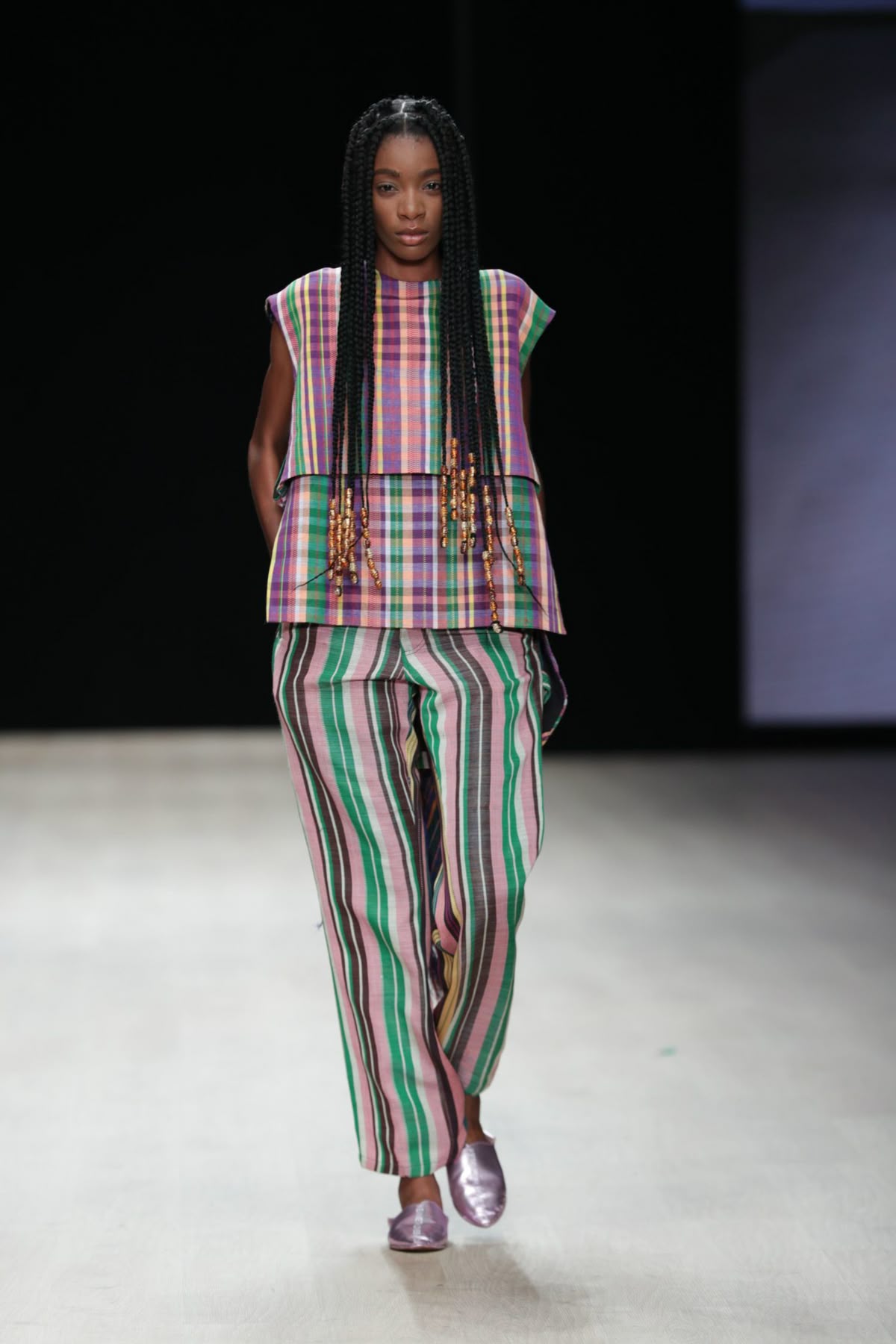
The word Gara comes from the local Sierra Leonean name for Philanoptera cyanescens, the native West African indigo plant. The plant provides the dye. The technique is tie-dyeing: fabric is bound, folded, or stitched before immersion in the dye bath, producing the resist patterns that distinguish Gara cloth from plain-dyed textiles. In Sierra Leone, where the technique has its most concentrated tradition, production is centred in Makeni, a city in Bombali District in the north of the country.
The documented origins of Gara tie-dyeing in Sierra Leone date to the mid-19th century, with academic sources noting that the craft may have been introduced by Mandingo and Susu migrants. This transmission route is consistent with the broader history of indigo dyeing across West Africa, where techniques moved with traders and communities along routes connecting Senegal, Guinea, Mali, Sierra Leone, Liberia, Ivory Coast, Ghana, and Nigeria. Kathryn Elvira Catalano-Knaack’s 2011 art history thesis, *The Traditions and History of Indigo Dyed Textiles in Sierra Leone*, remains the most comprehensive academic documentation of the craft and its regional context.
Abubakarr Koma, a master Gara practitioner based in Makeni who has practised the craft for over 40 years, represents one of the most fully recorded living lineages of this tradition. His family brought the craft from Mali, and he has sustained it through apprenticeship while also practising across Guinea, Ivory Coast, Burkina Faso, Togo, Ghana, and Niger. As Sulley Mustapha Kamara, a history teacher at St. Francis Secondary School in Makeni, has stated on record: ‘It has existed since the pre-colonial era, and it is a vital part of our identity.’ The raw materials used in traditional Gara production are plant-based: indigo and kola nut dyes, applied to cotton cloth, including the damask fabric known locally as brillion. One of the most recognised patterns is the cow yaie (cow’s eye), produced by tying the cloth into circular bundles before dyeing.
When Gara appears in a contemporary fashion collection, it arrives with this attested production history: a craft named after a plant, practised in a specific city in Sierra Leone’s north, transmitted through family and apprenticeship over at least a century and a half, and connected to a West African indigo tradition that spans more than a dozen countries. The runway is not where Gara’s authority comes from. The runway is where a global audience encounters it.
The runway is not where these textiles derive their authority. It is where a global audience encounters what that authority has already produced.
ALSO READ
- African Sacred Textiles: Adire, Kente, Aso-Oke, and Bogolan Reclaim Global Luxury
- Ankara Does Not Just Dress West African Women. It Argues for Them.
- African Menswear Was Never Just Fashion. It Was a Record.
Kente: Bonwire, the Asante Court, and the Geographical Indication
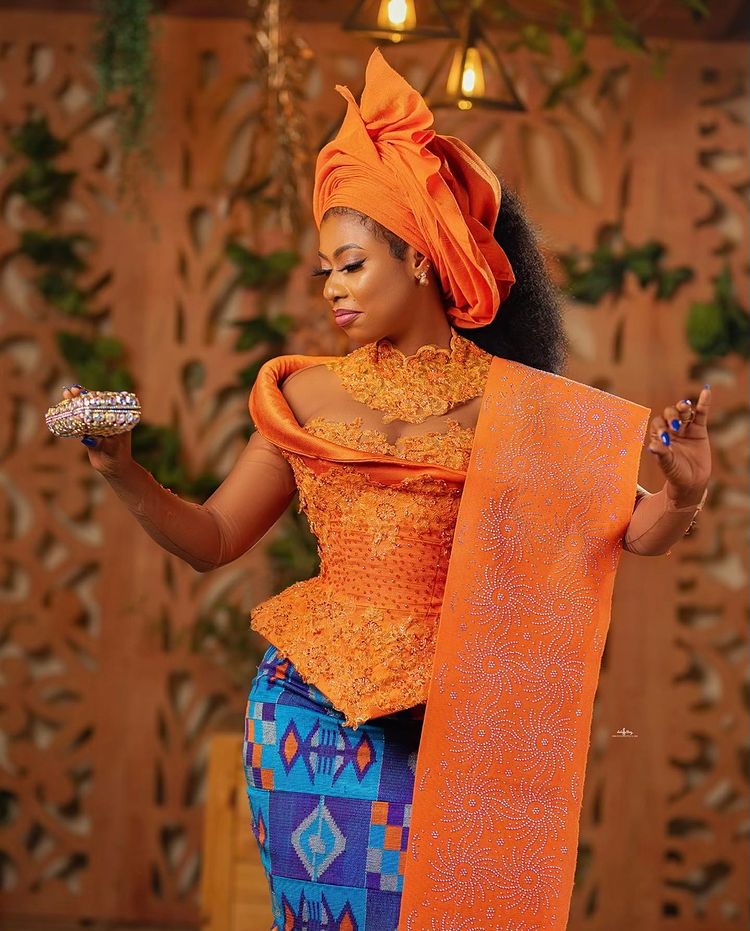
Kente is a Ghanaian textile that has received formal geographical indication status from Ghana, a legal designation that protects its authenticity and origin. It is produced on narrow horizontal strip looms, with the finished strips sewn together to form larger cloths. The word Kente derives from kɛntɛn, meaning basket in the Asante dialect of the Akan language, a reference to the basket-like pattern of the woven structure. In Ghana, the Akan ethnic group also refers to the cloth as nwentoma, meaning woven cloth.
The primary production centre for Asante Kente is Bonwire, a town in the Ashanti Region of Ghana. Research by Dr Dickson Adom of Kwame Nkrumah University of Science and Technology, published in 2025, documents the oral and anthropological evidence for Bonwire’s role: the founding hunters Opoku Kuragu and Kwakye Ameyaw are credited with developing the first woven cloth, initially in black and white, after observing the spider Ananse weaving its web around 1720. Ota Kraban is credited with engineering the first handloom device, known as Nsadua Kofi, and introducing coloured yarns. Nana Osei Kuffour is credited with introducing geometric weave patterns, which carry documented meanings within Asante moral and political culture.
Archaeological evidence places handloom weaving in southern Ghana significantly earlier: spindle whorls and dye holes recovered from Begho and Bono Manso have been dated to the 14th-18th centuries. The Asante oral tradition places the introduction of the specific Kente loom at Bonwire during the reign of Nana Oti Akenten in the 17th century. The first written European account, from the 1730s, describes King Opoku Ware acquiring silk taffeta from traders and having artisans unravel and reweave the threads for the royal court.
Kente was originally reserved for Asante royalty and for sacred functions. It appears in Asante shrines to the deities known as abosom as a mark of spiritual authority. As the Smarthistory documentation of the cloth notes, even as production has expanded and access widened beyond the royal court, Kente continues to be associated with wealth, high social status, and cultural sophistication. The Ewe people of eastern Ghana and southwestern Togo also maintain a distinct Kente weaving tradition, documented separately from the Asante lineage. When Kente appears at London Fashion Week, it carries this dual heritage: a cloth of royal commission that became a symbol of Afrocentric identity across the diaspora from the 1960s onward, while remaining a living ceremonial textile in the communities that created it.
Aso-Oke: Iseyin, the Narrow-Strip Loom, and the Three Ceremonial Variants
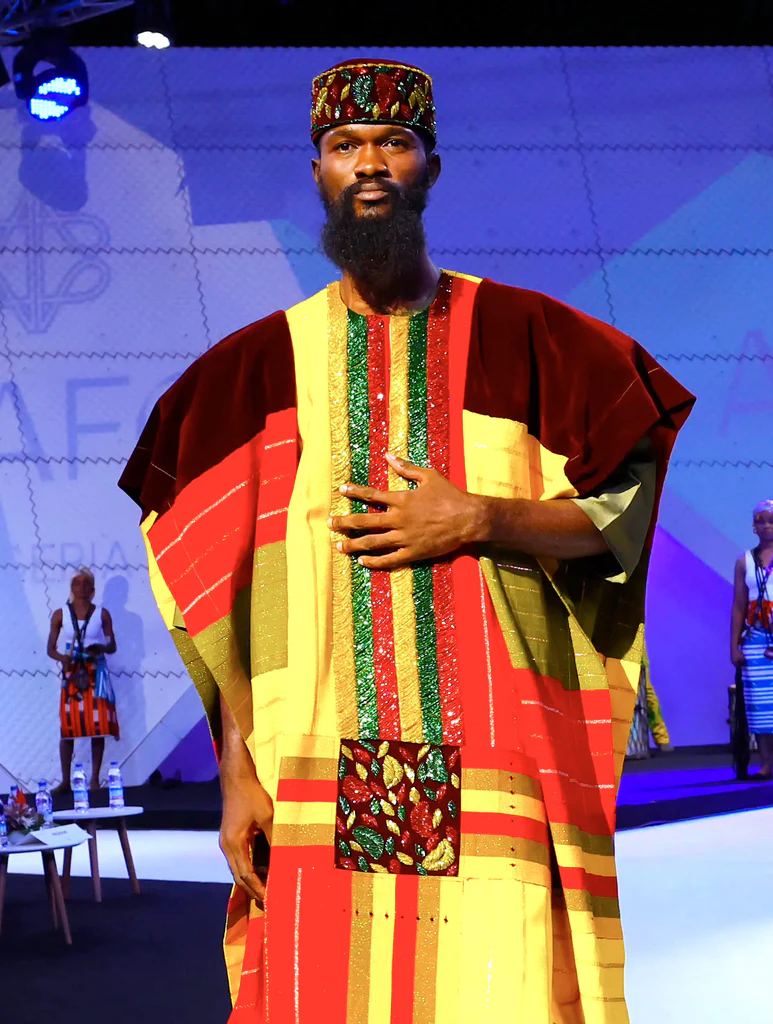
Aso-Oke, which translates from Yoruba as “cloth of the uplands,” is the handwoven textile of the Yoruba people of southwestern Nigeria. It is produced on narrow horizontal strip looms known as ofi, which produce long strips that are later sewn together to form larger panels. The principal historical production centre is Iseyin in Oyo State. However, the tradition spans Oyo, Ogun, Osun, Lagos, and Kwara states, with each centre maintaining local variations in patterns and colour preferences. Scholarly documentation of the tradition includes a doctoral thesis from SOAS University of London on Aso-Oke weaving in Yorubaland and published research by Afigbo and Okeke (1985), which confirms that archaeological findings establish indigenous technology in carding, spinning, dyeing, and weaving in Nigeria before European contact.
The three principal ceremonial variants of Aso-Oke each carry distinct visual and social identities. Etu is characterised by deep blue-black colouring and thin woven stripes, and is associated with seniority and gravitas in Yoruba ceremonial dress. Sanyan is woven from the natural brown silk of the Anaphe moth, producing a brown-beige cloth associated with prestige and moderation. Alaari is woven in deep red, historically produced from imported magenta silk, and associated with wealth and celebration. These distinctions are not decorative conventions. They are a documented system of visual communication within Yoruba social and ceremonial life, operating across weddings, funerals, naming ceremonies, and chieftaincy installations.
The weaving of Aso-Oke is described in the scholarly literature as a hereditary craft transmitted across generations within weaving compounds. The SOAS doctoral research by Joanne Eicher and colleagues documents how Yoruba cloth is divided into three major categories: prestige cloths, ceremonial cloths, and everyday cloths, with Aso-Oke occupying the prestige and ceremonial categories. When a contemporary designer incorporates Aso-Oke into a collection shown at London Fashion Week, the cloth brings with it this layered social grammar: a specific weave structure, a documented colour system, a production geography centred on Iseyin, and a ceremonial function that has not been displaced by the garment’s appearance on a runway. The runway adds a new context. It does not replace the existing one. As Omiren Styles has documented in the analysis of how Aso-Oke weaving culture directly shapes contemporary menswear production, the craft knowledge embedded in the fabric is inseparable from the design intelligence of the garment it becomes.
What It Means for LFW to Carry These Textiles
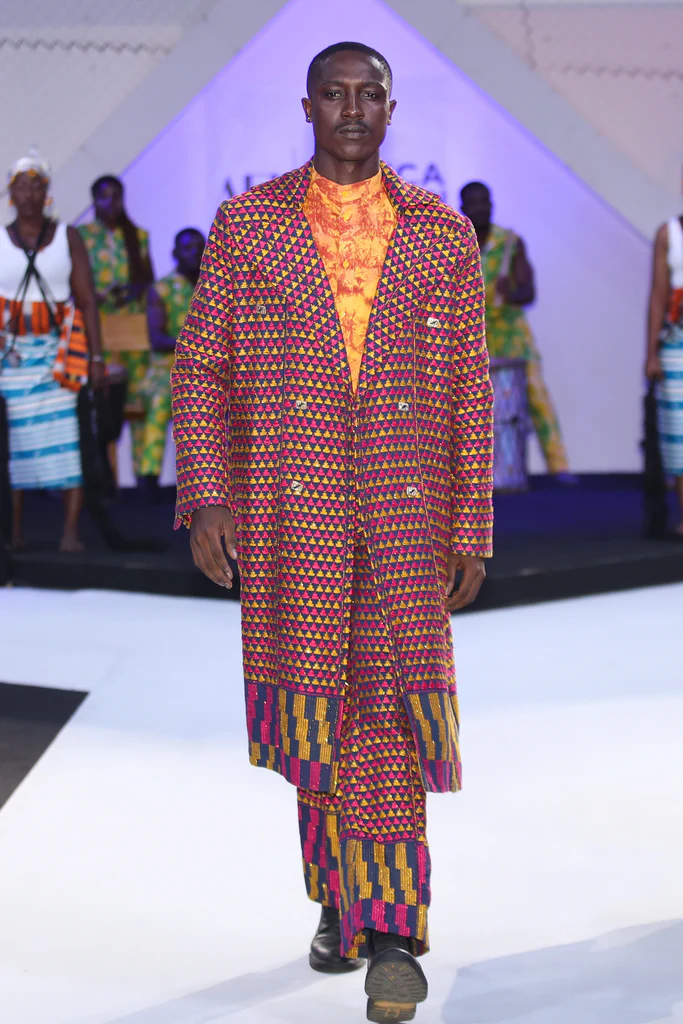
London Fashion Week has included African and diaspora designers in its official schedule with increasing frequency. The British Fashion Council has documented growing diversity in its show rosters across recent seasons. When Gara, Kente, and Aso-Oke appear in those collections, they arrive with archival histories that predate the institution presenting them by centuries.
That temporal gap matters. These textiles are not traditional crafts being revived or adapted for contemporary fashion. They are living production traditions that have continued uninterrupted in Sierra Leone, Ghana, and Nigeria, respectively, and are now also appearing on one of the world’s most visible fashion platforms. The cultural authority of each textile derives from the communities and craft lineages that produced it. London Fashion Week provides visibility. The craft provides everything else.
For Omiren Styles, reading these textiles at LFW requires holding both contexts simultaneously: the historical and craft documentation that establishes what each fabric is and where it comes from, and the contemporary creative decisions made by the designers who chose to work with it. Neither context is sufficient alone. A Kente cloth on a runway without its documented Bonwire origin is a visual reference without substance. A Bonwire Kente cloth without the design intelligence applied to it at LFW is a textile without a contemporary argument. Together, they constitute what this coverage exists to document: African textile traditions making a direct, historically grounded contribution to one of the world’s major fashion capitals. As the Omiren LFW SS27 series continues, this article serves as the foundational textile reference for the cluster. Subsequent articles on African textile traditions and current trends, and on jewellery and accessories carrying African influence, will build on the craft histories established here.
ALSO READ
- Shaping the Season: How African Textile Tradition Is Influencing This Year’s Trends
- African Royal Dress Is Not Decoration. It Is Governance.
- The Cost of Making Fashion in an African City Is a Political Number, Not Just an Economic One
Frequently Asked Questions (FAQs)
What is Gara fabric, and where does it come from?
Gara is the name given in Sierra Leone to fabric produced by wax-resist block-stamping and tie-dyeing. The word derives from Philanoptera cyanescens, the local name for the native West African indigo plant that provides the primary dye. Production is centred in Makeni, Bombali District, in northern Sierra Leone. Academic documentation of the tradition, including the 2011 art history thesis by Kathryn Elvira Catalano-Knaack, traces its origins to the mid-19th century, with craft transmission linked to Mandingo and Susu migrants. The technique is also practised across West Africa from Senegal to Nigeria.
What is the documented history of Kente cloth?
Kente is a handwoven strip textile from Ghana, with archaeological evidence of related weaving traditions in southern Ghana dating to between the 14th and 18th centuries. The Asante oral tradition places the origin of Kente weaving at Bonwire, in the Ashanti Region, during the reign of Nana Oti Akenten in the 17th century. The first written European account of Asante royal silk weaving dates to the 1730s. Kente was originally reserved for Asante royalty and sacred functions. Ghana has obtained formal geographical indication status for Kente, legally protecting its authenticity and origin.
What are the three main types of Aso-Oke, and what do they signify?
The three principal ceremonial variants of Aso-Oke are Etu, Sanyan, and Alaari. Etu is deep blue-black with thin woven stripes, associated with seniority and gravitas. Sanyan is brown-beige, woven from the natural silk of the Anaphe moth, and is associated with prestige and moderation. Alaari is deep red, historically woven from imported magenta silk, and associated with wealth and celebration. These are not decorative conventions but a documented system of visual communication within Yoruba ceremonial life, used across weddings, funerals, naming ceremonies, and chieftaincy installations.
Why does the cultural history of these textiles matter at LFW?
Because the cultural authority of Gara, Kente, and Aso-Oke derives from the communities and craft lineages that produced them, not from their appearance on a runway. London Fashion Week provides visibility. The documented histories of these textiles, spanning centuries for Kente and Aso-Oke, constitute the substance of what is seen. Reading these fabrics without their historical context reduces them to visual material. Reading them with that context reveals them as design languages with their own grammars, their own systems of meaning, and their own living production traditions in Sierra Leone, Ghana, and Nigeria.
What is the geographical indication status of Kente cloth?
Ghana has registered Kente cloth as a geographical indication, a formal legal designation protecting its authenticity and origin. The term Kente is legally associated with cloth produced in Ghana, according to the established tradition. The designation applies to both Asante Kente, centred on Bonwire in the Ashanti Region, and Ewe Kente, woven in the Volta Region of Ghana and southwestern Togo.