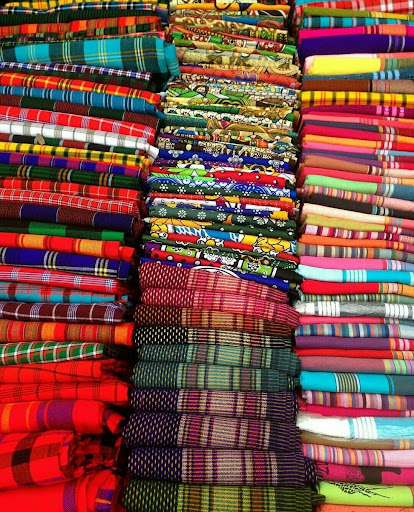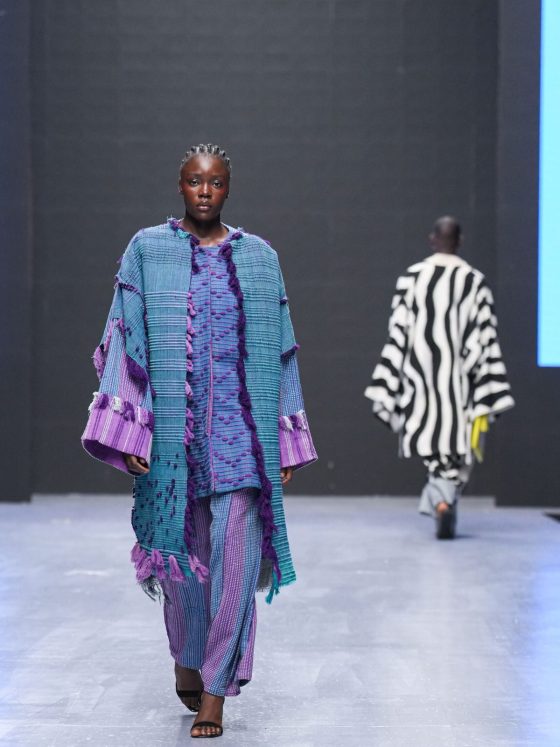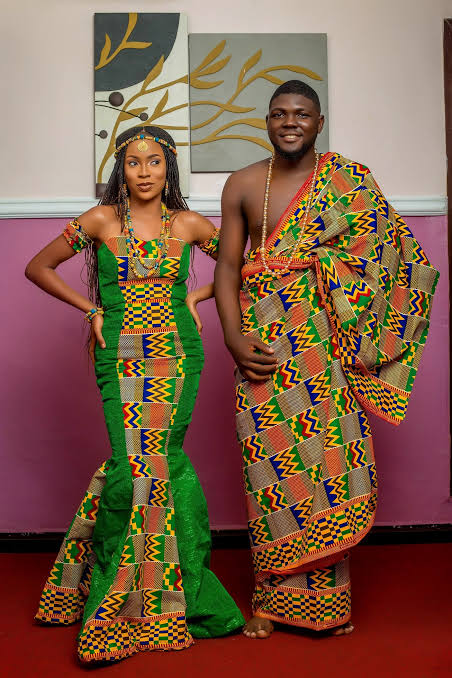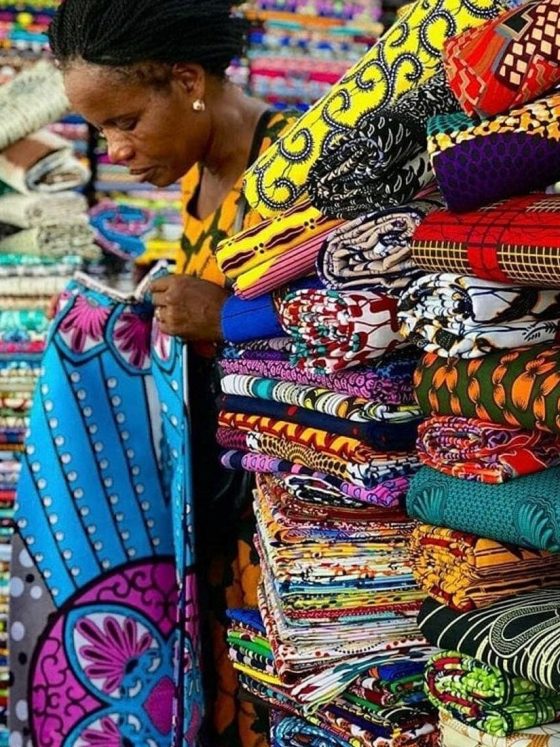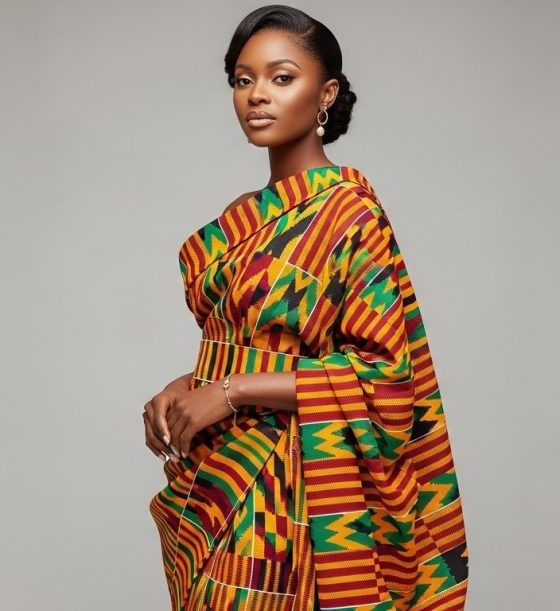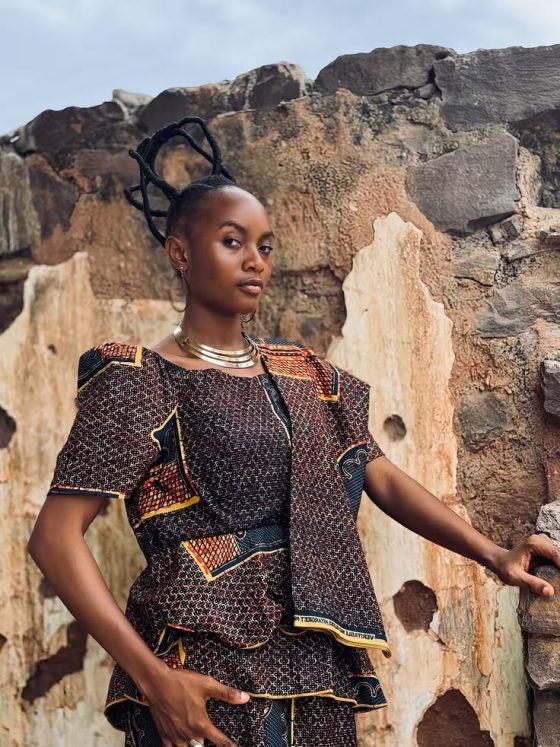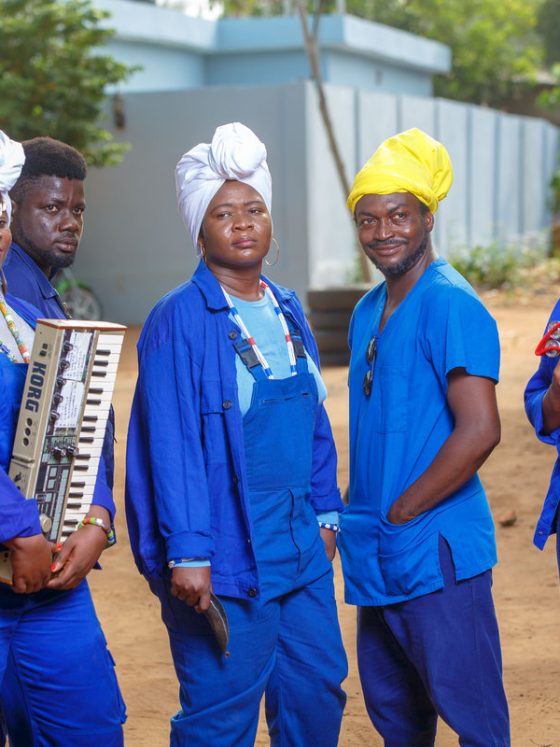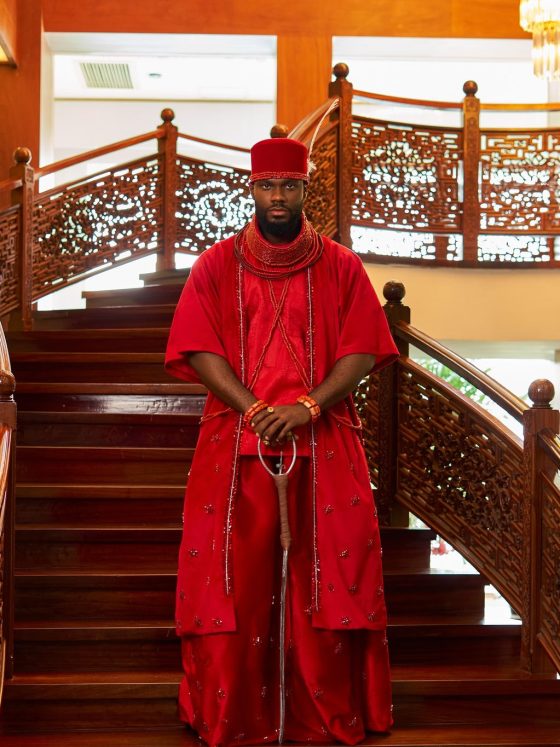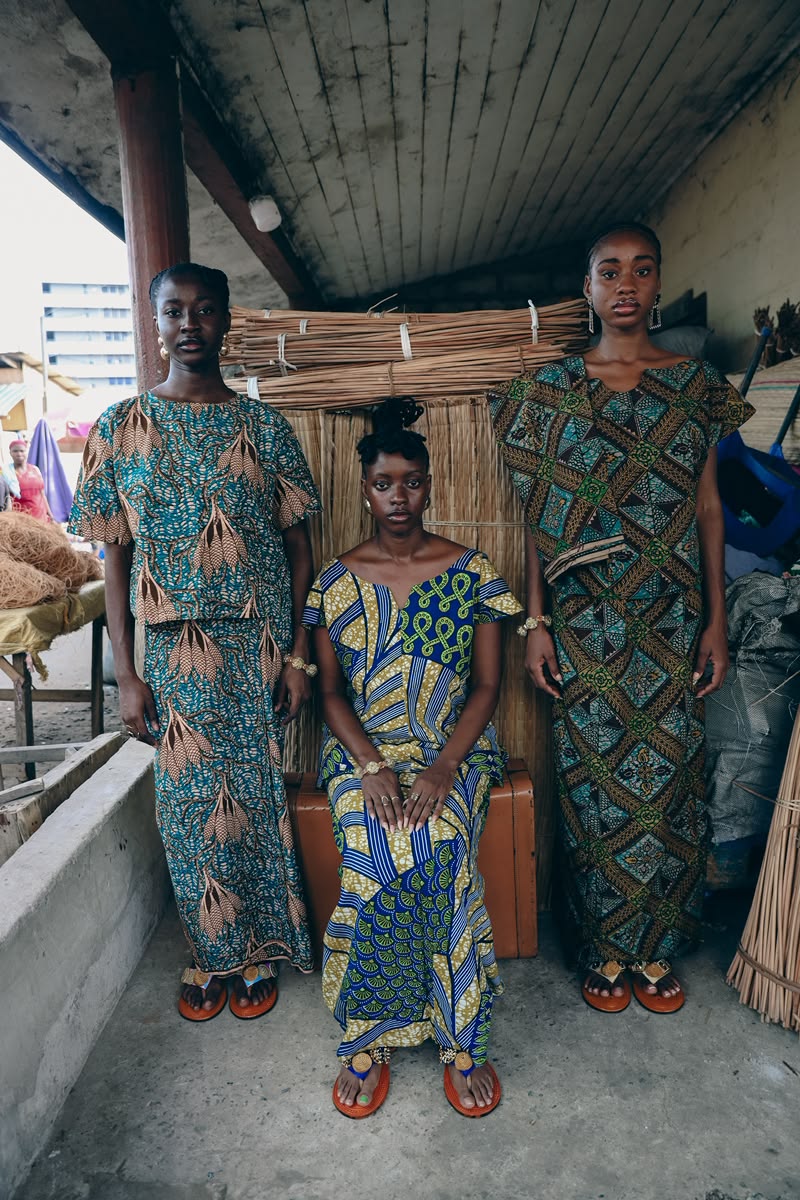
If you ask what people actually wear in Central Africa, the answer begins with pagne. The word comes from the Portuguese “pano,” meaning cloth. Over centuries, it became one of the most semantically loaded garments in Central and West Africa, a piece of fabric that can mark birth, marriage, mourning, status, ethnicity and desire, sometimes within the same outfit, depending on the fold. In the Central African Republic, it is worn every day by women from more than 80 ethnic groups as part of the country’s traditional clothing. The fashion industry has not written a single trend report about it.
Africa’s apparel market reached US$73.59 billion in 2025 (Statista). The clothing segment accounts for 58% of total African textile consumption (Market Data Forecast, 2024). UNESCO projects a 42% increase in demand for African haute couture over the next decade and notes that 32 fashion weeks operate across the continent annually. The Central African Republic’s pagne economy, its raffia-working communities, its bark cloth traditions, and its centuries of ethnic dress practices sit within every one of those numbers. Fashion coverage has looked past all of it.
The Omiren Argument: the Central African Republic lacks a traditional fabric waiting to be discovered. It has a living textile system of 80 distinct material cultures that the fashion industry has simply never looked at.
The Central African Republic has over 80 ethnic groups and a live textile system built on pagne, raffia, and bark cloth. This is not heritage waiting to be discovered. It never stopped.
What Pagne Actually Is and Why It Matters in Central African Republic Traditional Clothing
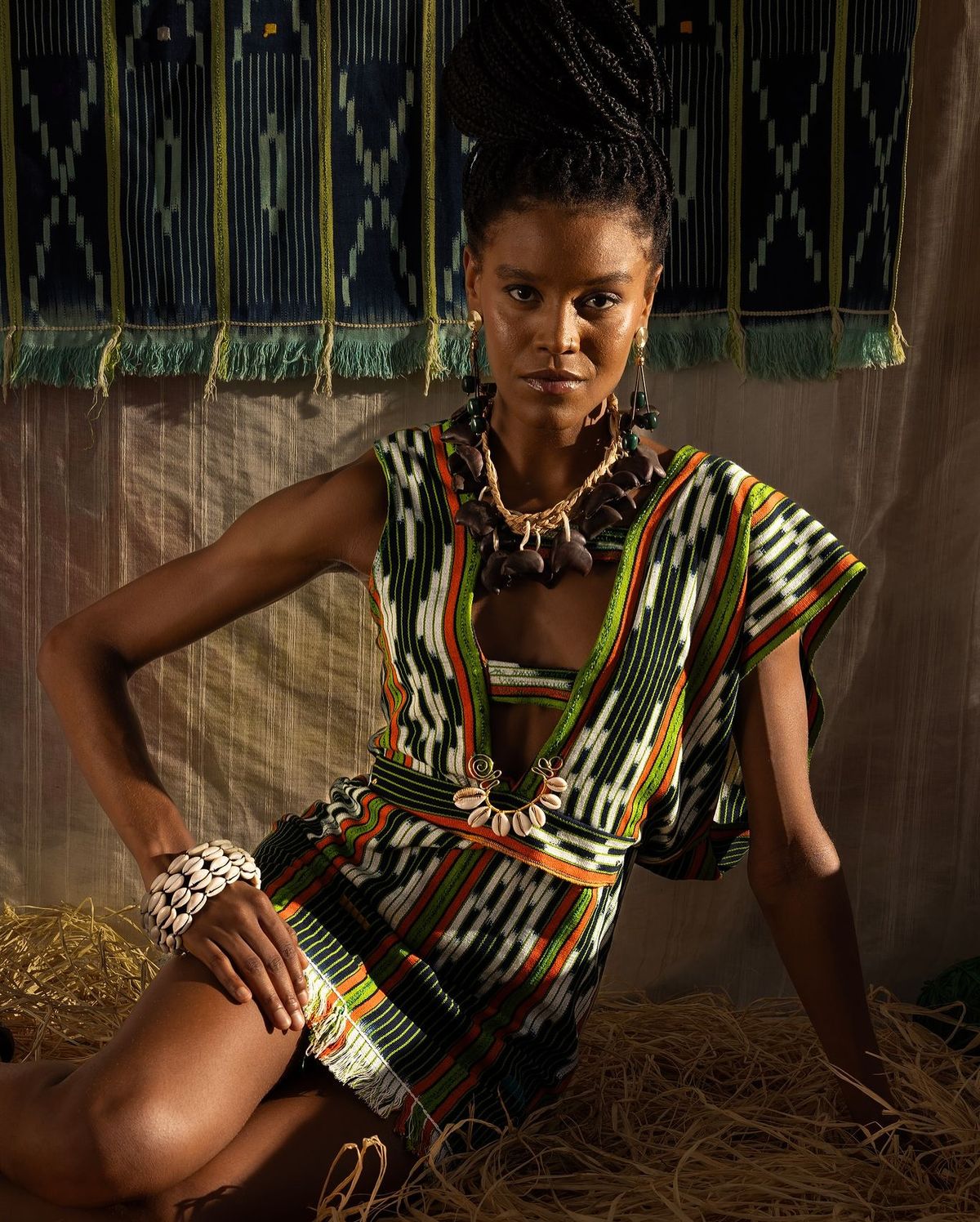
The pagne is a cloth approximately 150 cm by 250 cm, wrapped around the hips and rolled at the waist to form a skirt, though it can be configured as a dress, shawl, head covering, or underskirt depending on the wearer’s intention. What changes between configurations is not the fabric but the reading. The pattern, the fold, and the carry of the cloth carry information about region, ethnicity, occasion, status, and personal aesthetic. The same print, worn differently by a woman in Bangui and by a woman in the Ouham-Pendé prefecture, communicates different things. Both are using the fabric correctly.
Each pattern, colour and motif in African pagne fabrics often carries symbolic meaning, representing proverbs, historical events, social status or spiritual beliefs. These textiles are not decorative. They are storytelling mediums passed down through generations across West and Central Africa. In the CAR, the boubou, a full-length tailored robe, carries similar communicative weight and is a central part of Central African Republic traditional clothing: its design, colour and styling vary by ethnic background, allowing the wearer to express specific cultural identity. The moussor headscarf signals both modesty and social standing.
None of these garments is static. The label “traditional”, when applied to pagne in the CAR, does not describe something preserved in place. It describes something in continuous use by practitioners who make daily decisions about it. The problem is not with the fabric. The problem is with a coverage vocabulary that cannot distinguish between living practice and heritage objects.
ALSO READ
→ East African Textile Untold: Kitenge, Kikoi, and the Coastal Cloth
→ The Invisible Thread: How African Oral Tradition Shapes Fashion and Heritage Textiles
→ What to Buy Before You Leave Lagos, Accra, or Nairobi: The Fabric Edition
Raffia, Bark Cloth, and the Ceremonial Material Languages Nobody Is Covering
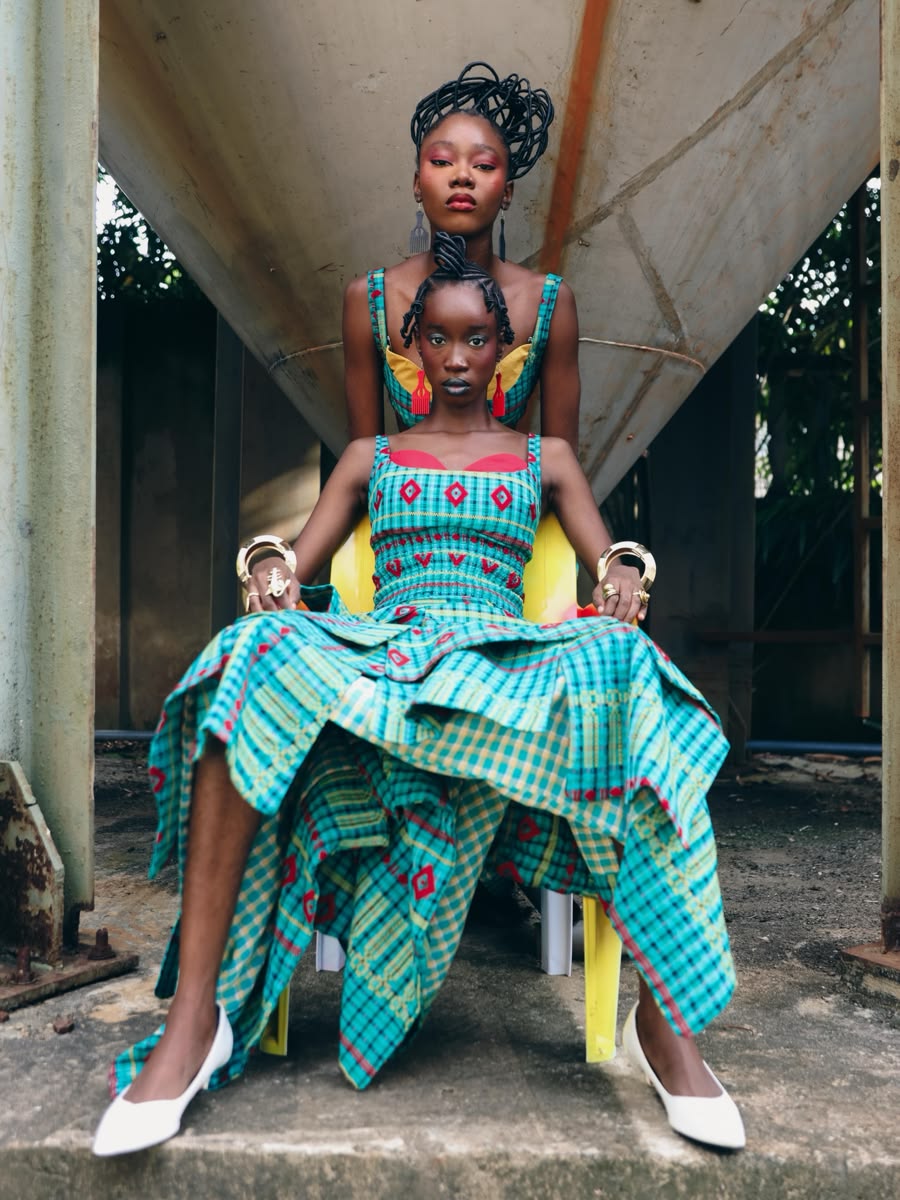
The CAR’s forest and savanna communities maintain two additional textile traditions that operate almost entirely outside fashion coverage. Raffia garments, woven from palm fibres and adorned with shells, beads and feathers, are used in ceremonies across forest-dwelling groups to communicate status and spiritual authority. The vocabulary encoded in a raffia garment is specific: the configuration, the adornment, and the occasion determine what the wearer is saying. This is not craft. It is a structured material language.
Bark cloth, produced by softening and stretching tree bark through repeated beating, is used at initiations, healing ceremonies, and communal gatherings. The process is labour-intensive, requiring specific knowledge and specific species. Its presence at an event marks the occasion as one that warrants the community’s most authoritative dress. For centuries, commemorative textiles across West and Central Africa have served as repositories of identity, cultural heritage, and social communication, a function documented in previous research and evident in pre-existing traditions.
Fashion coverage defaults to the word “artisanal” for materials like these, a category that positions them as supplementary to fashion rather than as fashion itself. The distinction is not factual. A Gbaya elder in raffia at a ceremony is not wearing craft alongside fashion. He is wearing the most precisely calibrated garment his material culture produces for that occasion. The precision is the fashion.
Bangui’s Tailoring Economy: A Living Industry the Record Has Not Caught Up With
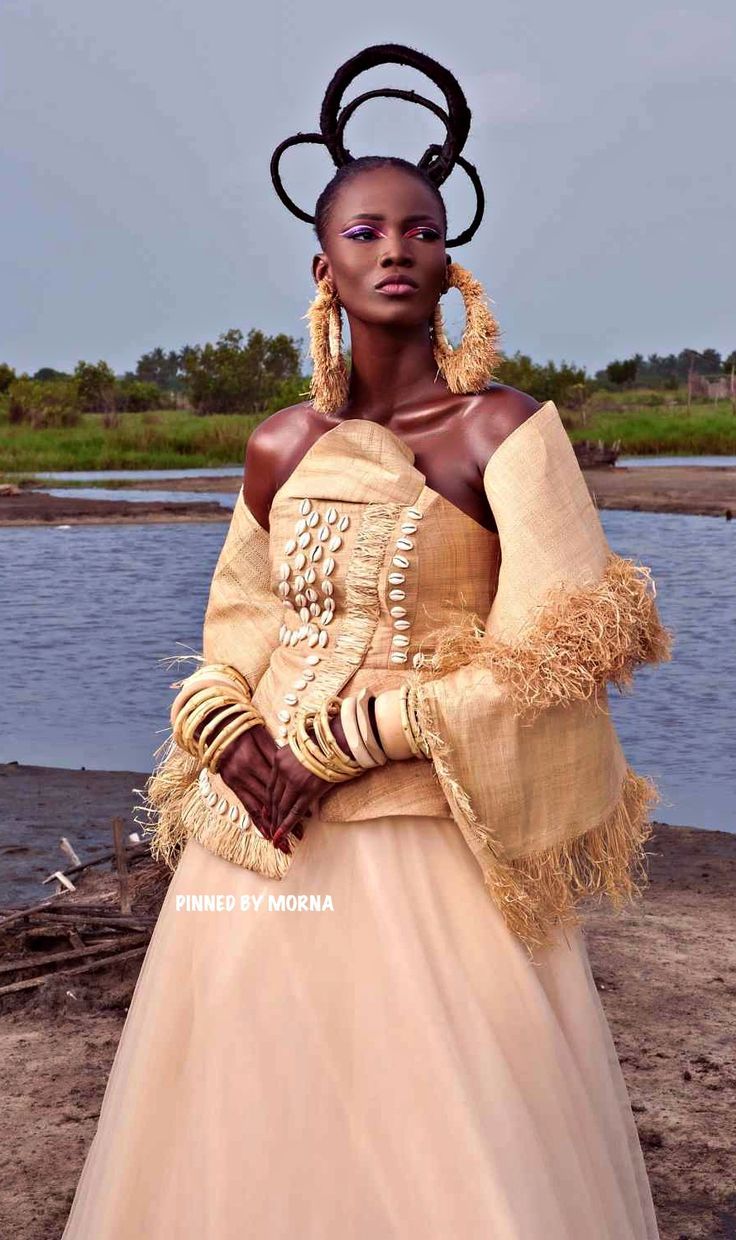
Dressing in the Central African Republic. Social appearance carries weight. Central Africans going out wear their best clothes; a poorly dressed person is not accorded the same respect as one who is dressed deliberately. This is not an ethnographic note. It is the commercial foundation of a tailoring economy that operates at every price point across Bangui and the country’s secondary cities.
The standard commissioning model is the complet, a matchcompletelored outfit, typically cut from pagne or a related print, produced by a couturier to the client’s specification. The client selects the fabric. The couturier cuts, constructs, and finishes. The resulting garment is specific to the client, the occasion, and the statement the client intends to make. This is a fashion transaction. That economy is where the country’s fashion industry operates and where the Central African Republic’s traditional clothing is continually produced and updated.
UN COMTRADE data from 2024 show that US$8.75 million in textile articles were imported, while the export structural gap reflects a domestic market where production is dispersed across ateliers, not concentrated in exportable manufacturing. The tailoring economy converts imported fabric into commissioned garments through skilled practice. Export statistics do not measure it. Emmanuelle Clément Ngouandji, working in Bangui, uses YouTube and Pinterest as technical reference and adapts what she finds to produce work with a specific CAR aesthetic identity. Her professional goal is to establish formal textile training capacity in the country for the next generation of practitioners. This is a development activity, not a preservation activity. The distinction is the difference between a practitioner and a custodian, and the CAR’s designers are the former, actively expanding Central African textile practice.
“The Central African Republic does not have a traditional fabric waiting to be discovered. It has a living textile system of over 80 distinct material cultures that the fashion industry has simply never looked at.”
Frequently Asked Questions
What traditional clothing is worn in the Central African Republic?
The primary everyday garment in Central African Republic traditional clothing is the pagne, a printed cotton cloth approximately 150 cm by 250 cm, worn as a wrapped skirt, dress, shawl or head covering depending on the occasion and ethnic context. The boubou (full-length tailored robe), the complet (matching tailored outfit), and the moussor (headscarf) are also widely worn. In ceremonial contexts, raffia garments adorned with shells, beads and feathers are used by forest-dwelling communities, and bark cloth appears at initiations and communal events.
What is pagne fabric, and where does it come from?
Pagne comes from the Portuguese “pano,” meaning cloth. It is a large printed cotton cloth that functions as a garment across West and Central Africa, worn in different configurations that convey ethnographic information, status, and personal meaning. Each pattern and motif carries symbolic information. In the CAR, it is used daily across more than 80 ethnic groups, continuously adapted by individual wearers and by couturiers who cut it to clients’ specifications.
How does Central African fashion differ from West African fashion?
Both regions share the pagne as a primary garment form, but the cultures of garment cultures, ethnic contexts, ceremonial uses, and symbolic vocabularies differ substantially. West African fashion receives significantly more international media coverage. CAR fashion draws on the traditions of over 80 ethnic groups, including the G, Baya, Banda, Mandjia, Sara, and Yakoma. It features distinctive uses of fia and bark cloth that do not map onto the West African canon.
What is raffia fabric, and how is it used in Central Africa?
Raffia is woven from the fibres of the raffia palm. In the CAR, raffia garments are used in ceremonies by forest-dwelling communities and adorned with shells, beads, and feathers to communicate status, spiritual authority, and ritual function. It is a structured material language, not a decorative craft. Its presence at an event marks the occasion as one requiring the community’s most authoritative dress.
Is traditional dress still worn in Bangui today?
Yes. Pagne is in daily use across Bangui in everyday, professional, and formal contexts. The complete remains a standard commissioned garment for formal occasions. Bangui’s active tailoring economy converts pagne and related fabrics into garments cut to client specification; these are not ceremonial survivals. They are the working output of a live fashion economy and a contemporary system of Central African Republic traditional clothing.
Explore more from our Africaninle series and discover the material cultures shaping fashion on the continent.