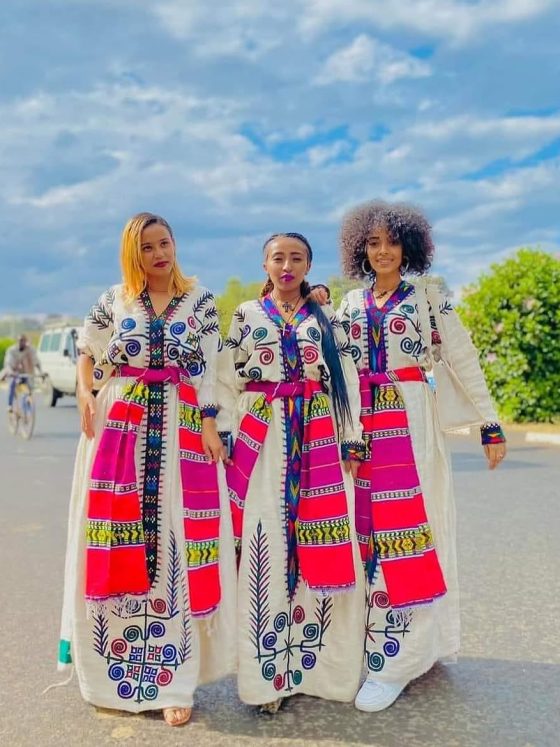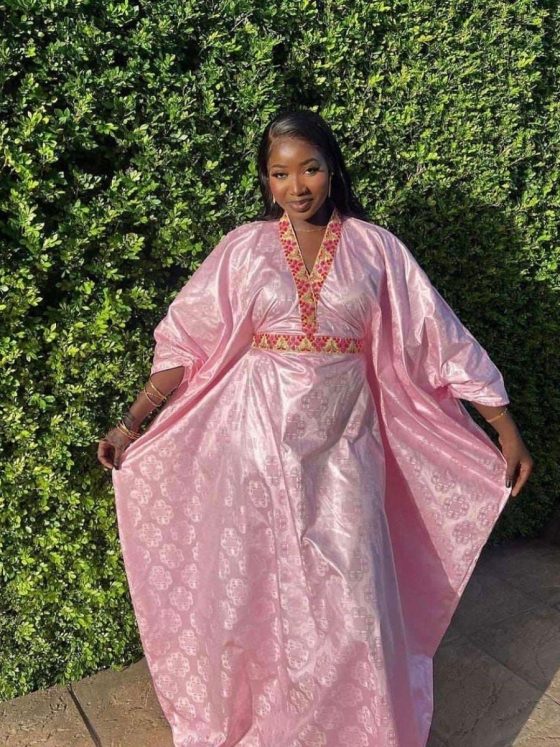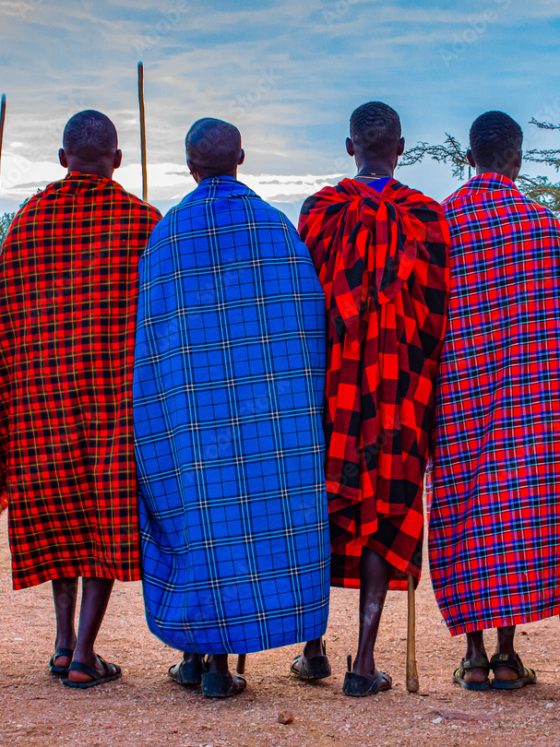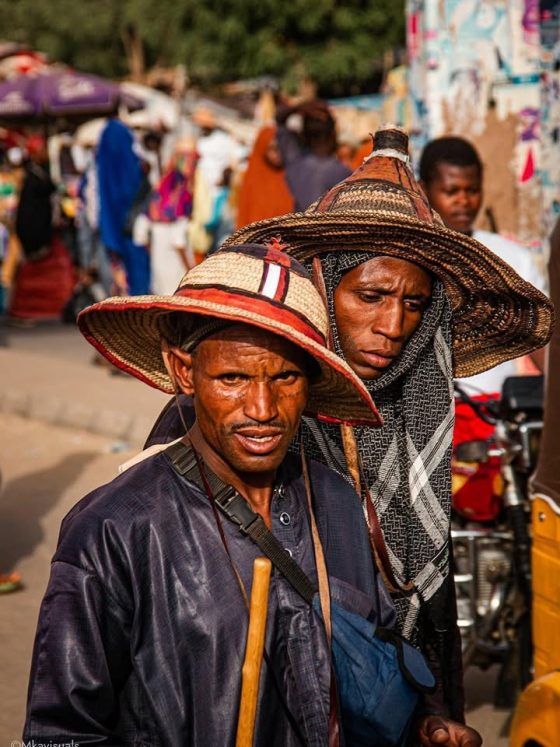
What do people wear in Togo? The question has no single answer, and that absence is the most important thing this guide can tell you from the start. Togo is a country with more than 30 ethnic communities, two major geographic zones separated by a cultural and climatic divide, a coastal capital city with an active fashion-event ecosystem, and a religious landscape spanning traditional animist practice, Christianity, and Islam. What Togolese people wear depends on where in the country they live, which community they belong to, what occasion they are dressing for, and what their daily economic reality allows. This guide maps it all, honestly.
The short answer, for anyone who needs it immediately: many Togolese people, particularly in Lomé and the urban south, wear clothing very similar to what is worn in Europe or the United States for daily professional and casual life. Alongside and within that everyday Western register, pagne, a wax print cotton fabric wrapped or tailored into skirts, blouses, and full ensembles, is the most consistent marker of Togolese women’s dress culture. For special occasions, kente cloth dominates the south. For the Kabye of the north, initiation ceremonies have their own precise, documented dress traditions. For Muslim communities, modesty conventions shape dress choices independently of ethnicity or region.
From pagne and kente in Lomé to the Kabye initiation dress of the north, this complete guide covers exactly what people wear in Togo and why it matters.
The Omiren Argument:
Togo does not have a single fashion culture. It has several that run in parallel, occasionally meeting at the Grand Marché in Lomé. Understanding them separately, before describing how they interact, is the only way to give this question the answer it deserves.
The Everyday Wardrobe: What Most Togolese People Actually Wear Daily

The most consistent documented fact about Togolese everyday dress is that Western clothing dominates daily life across the country. Compassion International’s direct documentation of Togolese culture states plainly: “Many Togolese wear clothing similar to that worn in the United States or Europe.” For men, this means shirts and trousers, as well as suits for professional occasions. For women, it means dresses, blouses, and skirts. The tailoring workshop and the fabric market remain central to how Togolese people access their clothing: made-to-measure is the norm in a way that mass-market ready-to-wear is not, at every economic level.
Pagne sits alongside Western dress rather than replacing it. Women who wear office clothes through the working week reach for pagne ensembles for family events, church on Sunday, and the social occasions that give the week its ceremonial rhythm. Pagne is a specific fabric: a cut of wax-print cotton, typically two by six yards, common across francophone West and Central Africa. From those yards of fabric, any number of garments can be constructed: a wrapped skirt, a blouse, a full boubou, a head tie, a dress. The versatility of pagne is what makes it the foundation of Togolese women’s dress culture, rather than a single type of outfit. For readers looking to bring the same natural textures into their own wardrobe, explore African wax-print fabrics on Etsy. Look for pieces that clearly identify the fabric composition and construction rather than relying only on sustainability language.
For men, the boubou, a flowing, wide-sleeved garment worn across West Africa, is worn alongside Western clothing for formal and ceremonial occasions. The combination of a matching pair of pants and shirt set, tailored to the individual, is the standard formal men’s dress across Togo’s south. Modesty is a consistent value across communities: clothing that is too revealing or tight-fitting is generally considered inappropriate, and this standard applies to both everyday dress and formal occasions regardless of ethnic or religious background.
Pagne: The Fabric That Runs Through Everything
Pagne is not a garment. It is a fabric system. The two-by-six-yard cut of wax-print cotton arrives in Togo’s markets, primarily through the Grand Marché de Lomé, where the Nana Benz and their Nanette successors have traded for decades, and from those yards a tailor can construct virtually any garment the wearer requires. In Togo, the pagne most commonly referenced is wax print: Dutch wax from Vlisco at the premium end, and Chinese-manufactured African-print fabric at the mass end. Both circulate as pagne; the distinction between them is commercial and cultural, not visual to the uninformed eye. The pattern language of wax print has its own social logic: specific patterns carry names and messages, and a woman’s choice of pagne at a given occasion communicates something to anyone who knows how to read the cloth.
The boubou, made from pagne, is the most formal and most socially significant garment in the pagne repertoire. A full boubou for a woman is a floor-length, flowing ensemble with a matching head tie, worn to weddings, funerals, church, and formal social gatherings. For men, the boubou equivalent is a matching tunic-and-trousers set in the same fabric. The coordination of fabric between a couple, or across a family, at formal occasions is a widely practised social signal: wearing the same fabric says we are here together, and it is no accident. For a more accessible interpretation of the fabric, explore flowing African-inspired dresses and boubou styles. These can work as transitional layers over structured tailoring without overwhelming the silhouette.
The contemporary evolution of pagne in Togo follows the same pattern documented across West Africa: younger designers and tailors are combining wax print with lace, brocade, and Western-cut silhouettes to produce ensembles that sit between the traditional pagne register and the international fashion register. A wax print blouse paired with tailored trousers rather than a wrapped skirt, or a pagne-cut dress with contemporary proportions rather than a traditional boubou silhouette, are the form that young Lomé women are building in 2025 and 2026.
Kente: The Ceremonial Fabric of the South
Kente cloth occupies a specific position in the Togolese dress hierarchy: it is the ceremonial fabric of choice, worn for weddings, religious ceremonies, and formal cultural occasions, predominantly by Ewe and Mina communities in southern Togo. As documented in this series’ dedicated Ewe kente article, Ewe kente — locally called Kete — is woven on narrow looms in weaving centres, including Kpalimé and Atakpamé in Togo, and is part of the same tradition as the Kpetoe weaving community in Ghana’s Volta Region. The figurative motifs, the named patterns, the specific colour meanings: these are the visual language of Togolese Ewe identity at its most deliberately expressed.
The matching kente requirement for traditional Togolese weddings means that the fabric enters every southern Togolese family’s dress calendar at the most significant social moment. Bride and groom in matching kente, their families dressed in coordinated pagne: the wedding is the occasion when Togo’s fabric culture is most fully on display simultaneously across multiple generations and multiple relationship categories. What you wear to a Togolese wedding tells the assembled community exactly where you stand in relation to the people being married.
For visitors to Togo, kente is the most recognisable and most frequently photographed fabric. It is also the most specifically coded. Wearing kente as a visitor without knowledge of its patterns and occasions is a different act from wearing it as someone who grew up within the tradition. This distinction is one that the Ewe and Mina communities of southern Togo hold with the same clarity that they hold their language and their ceremonies. Readers interested in the textile itself can explore handwoven kente-inspired textiles and accessories, paying attention to the difference between handwoven cloth, printed fabric and contemporary fabric inspired by traditional weaving.
The Boubou, the Suit, and the Office: Formal Dress in Lomé
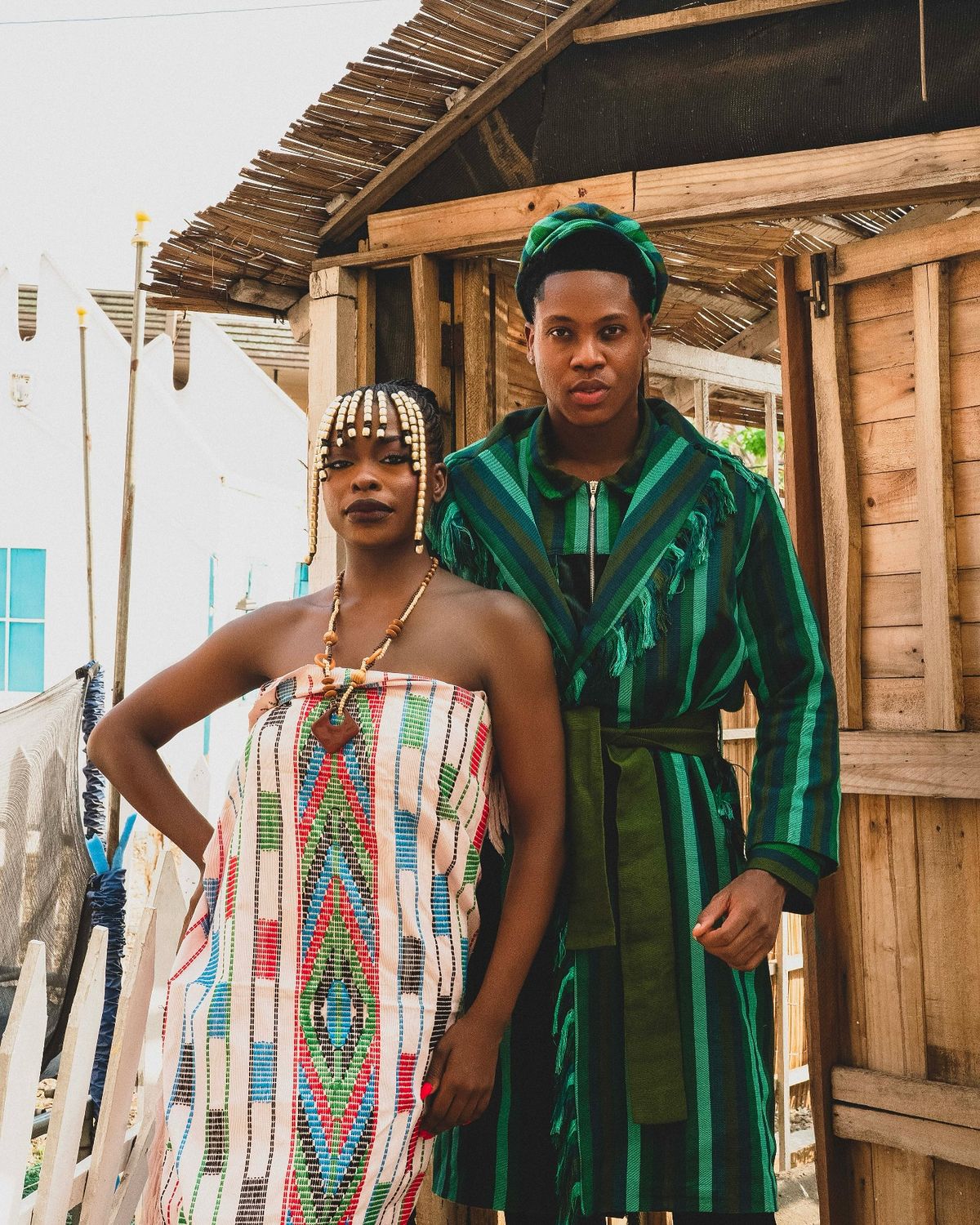
Lomé’s professional dress culture runs on two tracks. The formal Western suit, the button-down shirt with tailored trousers, and the business dress are the standard for office environments in the capital’s commercial and government sectors. Alongside these, the boubou and the full pagne ensemble remain the appropriate attire for formal social and ceremonial occasions. The distinction is not between traditional and modern: it is between professional contexts and social-ceremonial ones. Togolese designers are increasingly working at the intersection of these two registers, producing garments that carry Togolese fabric intelligence into professional contexts without requiring the wearer to choose between them.
The fashion event ecosystem of FIMO 228, documented in detail in this series, gives Lomé’s dress culture an annual moment of maximum visibility. When approximately fifty designers showed at the 12th FIMO edition in April 2025, and the programme dedicated specific evenings to young Togolese designers and pan-African ones, that was not a fashion industry event separate from everyday dress. It was the most concentrated expression of where Togolese fashion is headed, and the audience in attendance wore their best.
Lomé’s second-hand market, specifically Hédzranawoé, is a significant part of the city’s everyday dress economy. The ablôni, as secondhand clothing is called in Ewe, fills the market with European and American clothing at prices accessible to people across income levels. For many Lomé residents, the ablôni market is the primary source of Western clothing. This is the same material that Amah Ayivi’s Marché Noir selects from and ships to Paris as curated vintage: the secondhand circuit runs in both directions.
Religious Dress: Islam, Christianity, and Animism
Religion shapes dress choices in Togo across all three of the country’s major religious communities. Islam, which approximately 16 per cent of the population practises, carries specific dress expectations for women: as Global Diversity Hub documents, Muslim women in Togo are expected to wear a hijab or headscarf in public, consistent with Islamic modesty conventions. This expectation operates independently of ethnic background: a Muslim woman from the Ewe community and a Muslim woman from a northern ethnic group both follow the same religious dress standard, though the specific fabric and style of their hijab may reflect their cultural background.
Christianity, practised by approximately 42 per cent of the population according to the US State Department’s 2022 International Religious Freedom report, brings its own dress occasion: Sunday church dress is one of the most visually significant regular dress events in Togolese life. For Lomé’s Christian communities, church on Sunday is the occasion for the best pagne, the best boubou, and the most elaborate head ties. The dressed-for-church aesthetic in West African urban centres is a specific and socially legible register, and Lomé observes it with the same seriousness as any other major West African city.
Traditional animist practice, which remains significant among more than a third of the population despite official census undercounting, carries its own dress traditions documented in the Vodun ceremonial dress article in this series. The pagne wrapper worn to a Vodun ceremony, the bead arrangements that signal initiation status, the bare feet at sacred encounters: these are the dress codes of the portion of Togolese life that official and international documentation most consistently fails to describe accurately.
ALSO READ
- Ewe Kente: A Complete Guide to Styles, Occasions and Meaning
- Togolese Fashion Designers: The Creative Community Shaping Lomé’s Style
- Clothing as Cultural Identity: How African Dress Carries Meaning
Northern Togo vs Southern Togo: The Geographic Dress Divide

The most significant geographic divide in Togolese dress culture runs between the south and the north. Southern Togo, dominated by the Ewe, Mina, and Guin communities of the coastal zone, is the kente and wax print corridor: closely connected to Ghana’s Volta Region through shared Ewe heritage, shaped by the trade routes of the Grand Marché and the Atlantic-facing commercial culture that the Nana Benz built. The dress culture is rich in wax print, Ewe kente, Vodun ceremonial traditions, and the urban cosmopolitan mix of Lomé.
Northern Togo, dominated by the Kabye, the Tem, and other communities of the Kara region and the central plateau, has a different material culture. The Kabye grow cotton on the same highlands where they conduct their Evala initiation ceremonies. Their dress traditions, as documented in this series’ dedicated Kabye article, centre on the initiation ceremonies of Evala and Akpema rather than on the wax print and kente trade of the south. The harmattan wind, the dry season, and the savanna landscape create different dress conditions from those on the tropical coast. The clothing of the north is built for a different climate and a different social calendar.
These two dress geographies meet in Lomé, where internal migration from the north has brought Kabye and other northern communities into the same urban space as the Ewe, Mina, and Guin of the south. The capital city is where all of Togo’s dress cultures are present simultaneously, mediated by the urban logic of professional life, commercial exchange, and the social performance of the evening and weekend.
Contemporary Togolese Fashion: The Creative Layer
The contemporary fashion layer built atop Togo’s traditional dress cultures is documented throughout this series and in Omiren Styles’ live coverage. FIMO 228 provides the annual runway platform. Designers like Kavsokl Batoka, Eugénie Guidi Ayawa, Grace Wallace, and the practitioners documented in the Togolese designers’ guide are working in Lomé’s ateliers with the full range of Togolese material culture: pagne, kente, wax print, embroidery, and the secondhand and upcycled materials that Amah Ayivi’s Marché Noir has turned into a Paris institution.
Young Lomé designers are producing work that reflects the city’s specific position: a coastal capital with music scenes, second-hand markets, nightlife culture, youth fashion communities, and tailoring workshops all running simultaneously. The oversized silhouettes of West African urban streetwear sit alongside the fitted pagne ensembles of the Grand Marché. Kente co-ords worn as daily dress sit alongside the full ceremonial three-piece set reserved for the Agbamevo Festival. The creative layer does not replace the traditional registers. It works within them and between them.
For visitors to Togo, this contemporary layer is most visible in the boutiques and ateliers of Lomé’s tailoring districts, at FIMO during the festival season in February and April, and through the international press coverage and social media output of the designers documented in this series. It is the layer that is growing fastest, building the international visibility that Togolese fashion has historically lacked, and producing the work that will define how Togo is understood in the global fashion conversation over the next decade.
“Togo does not have one fashion culture. It has several that run in parallel, occasionally meeting at the Grand Marché in Lomé. Understanding them separately, before describing how they interact, is the only way to give this question the answer it deserves.”
Frequently Asked Questions
What is the traditional dress of Togo?
Togo does not have a single traditional dress. The most widely worn traditional fabric for women across the country is pagne, a two-by-six-yard cut of wax print cotton from which any number of garments can be made: wrapped skirts, blouses, boubous, and head ties. For the Ewe and Mina communities of southern Togo, kente cloth (locally called Kete) is the primary ceremonial and festive fabric, worn for weddings, festivals, and cultural occasions. The Kabye of northern Togo have their own initiation-based dress traditions centred on the Evala and Akpema ceremonies. Muslim Togolese women wear the hijab. Traditional animist communities have ceremonial dress traditions documented across Togo’s Vodun and ethnic community calendars.
What do people wear every day in Lomé?
In Lomé, daily dress is predominantly Western: shirts and trousers for men, dresses and blouses for women, suits for professional contexts. Pagne ensembles are worn regularly alongside Western clothes, particularly for social events, church attendance, and occasions where cultural identity is being expressed. The second-hand market at Hédzranawôe is a significant source of everyday Western clothing for many Lomé residents. Young people in Lomé also dress in an urban West African streetwear aesthetic influenced by music, social media, and the city’s nightlife, with oversized silhouettes and contemporary cuts appearing alongside traditional fabric choices.
What is pagne fabric?
Pagne is a wax-print cotton fabric, typically cut in lengths of 2 by 6 yards, that is the foundation of women’s traditional dress across francophone West and Central Africa. In Togo, pagne is available primarily through the Grand Marché de Lomé, where it has been traded by the Nana Benz and their Nanette successors for decades. From pagne, a tailor can construct any number of garments: wrapped skirts, fitted blouses, full boubous, head ties, and contemporary dress cuts. The pattern language of pagne carries social meaning, with specific designs naming relationships, occasions, and social positions. Dutch wax print (Vlisco) and Chinese-manufactured African print fabrics are both widely sold under the pagne category in Togo.
Is kente fabric from Togo or Ghana?
Kente cloth is made in both Togo and Ghana, reflecting the transboundary nature of the Ewe people, whose homeland spans both countries. The Ewe weaving tradition that produces kente originated in Notsie, a town in present-day Togo, and half of all Ewe language speakers live in Togo today. Togo’s weaving centres in Kpalimé and Atakpamé are part of the same tradition as Ghana’s Volta Region. When Togolese people wear kente, they are wearing a fabric whose production tradition is specifically Togolese as well as Ghanaian. The two traditions share an origin and a material culture that colonial borders did not separate.
What should I wear when visiting Togo?
Visitors to Togo are advised to dress modestly, as modesty is a widely held cultural value. Loose-fitting, comfortable clothing that covers the shoulders and knees is appropriate for most contexts. For Lomé’s urban environments, smart casual is the standard. For religious sites, conservative dress is required. For markets and outdoor daytime activities, lightweight cotton is practical given the tropical climate. Purchasing pagne fabric from the Grand Marché and having it tailored into a garment is one of the most culturally engaging things a visitor can do, and gives direct access to Togolese dress culture that imported Western clothing cannot replicate.
Readers interested in the textile itself can explore lightweight cotton dresses and modest travel clothing as a way to connect with its local culture.
How does dress differ between northern and southern Togo?
Southern Togo’s dress culture is shaped by the Ewe, Mina, and Guin communities of the coastal zone, with kente and wax print pagne as the primary fabric traditions, a strong Vodun ceremonial dress culture, and Lomé’s cosmopolitan urban fashion. Northern Togo, dominated by the Kabye and other communities of the Kara region, has a distinct material culture centred on cotton cultivation, the specific ceremonial dress of the Evala and Akpema initiation rites, and the drier savanna climate of the interior. The two zones meet in Lomé, where internal migration brings northern and southern communities into the same urban space. The capital’s dress culture is the most complete expression of Togolese fashion diversity anywhere in the country.
The Togo Style Series: What This Guide Connects To
This article is the hub for the Omiren Styles Togo fashion series. Each of the fabric traditions, ceremonial practices, and cultural communities described here has its own dedicated, in-depth article. The series covers: the Nana Benz of Lomé and the women who built the wax print trade into a commercial empire; the Nanettes who went to China and rebuilt it on different terms; Vodun ceremonial dress across the Ewe, Mina, and Guin communities of the southern coast; Ewe kente and its distinction from Ashanti kente; Togolese bridal fashion and the three-marriage framework; the Kabye people and the initiation dress traditions of Evala and Akpema; and this hub article covering the full national dress picture.
The Tier 1 series covers the designers and institutions shaping Togolese fashion internationally: the Nana Benz’s wax print legacy, Amah Ayivi’s Marché Noir operating between Lomé and Paris, Kavsokl Batoka’s two-decade couture practice, Jacques Logoh’s FIMO 228 with its thirteen editions and three French editions, and the creative platform Togo Yeye documenting Lomé’s fashion community for an international audience. The full designer and brand landscape is covered in the live Togolese fashion designers guide on Omiren Styles.
Explore the full Omiren Styles Togo Series for in-depth coverage of every fabric tradition, designer, and fashion event documented in this guide.