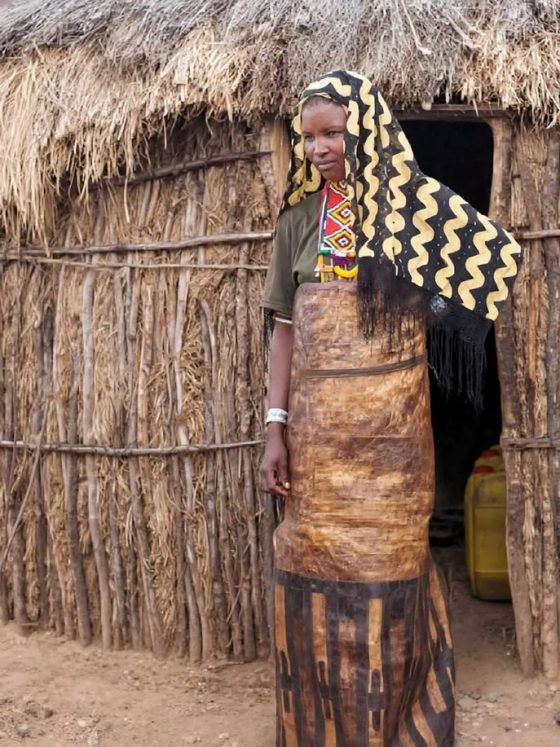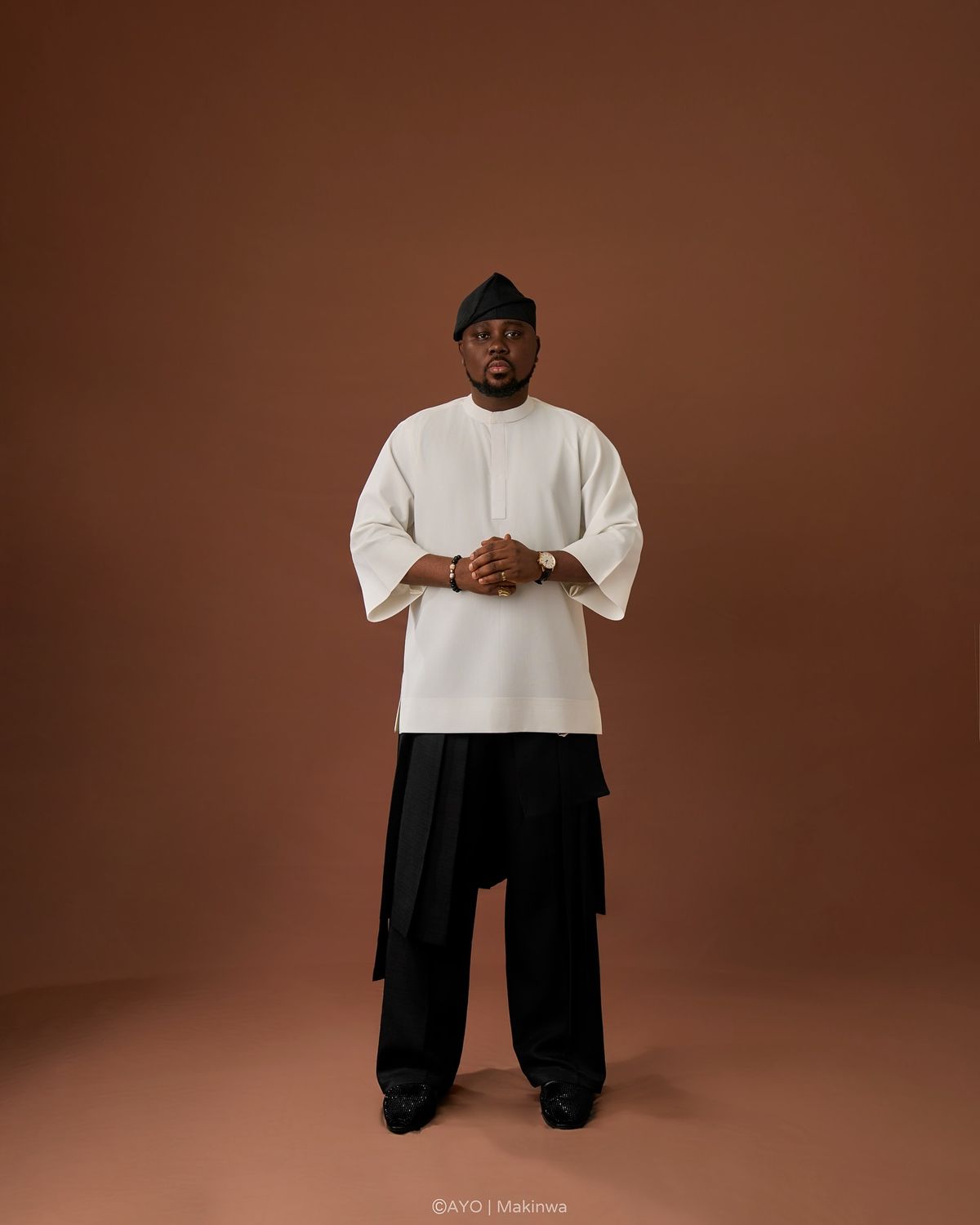
When Nkwo Onwuka moved back to Nigeria in 2015, one of the first things she did was visit Lagos’s marketplaces. What she found troubled her: skilled artisans, some of the most technically precise textile workers in the city, who were the last in their line of craft. Their knowledge was not being passed on. She also found something else: mountains of discarded textile waste, fabric offcuts and old garments that the industry had simply written off. The connection between those two observations became the foundation of Dakala Cloth, a new African textile produced by transforming discarded fabric remnants into something entirely new. In her own words: “By using waste as a resource, I invented a new African textile called Dakala cloth.”
That moment in a Lagos market, and the decision that followed, is a useful entry point into a conversation that the global fashion industry is only now catching up with. The practices that Nkwo built into her label, and that designers like Kenneth Ize and MaXhosa’s Laduma Ngxokolo have long embedded in their work, are not responses to the current sustainability movement. They predate it. They come from a different understanding of what clothing is for.
Discover how African menswear designers like Kenneth Ize and Nkwo are shaping the slow fashion movement through craftsmanship, heritage textiles, and sustainable design traditions.
The Fashion Industry’s Newest Idea Is Older Than It Looks
The rise of fast fashion transformed the global clothing industry. Garments began moving from factory to store at unprecedented speed. Production cycles shortened, prices fell, and clothing increasingly became disposable.
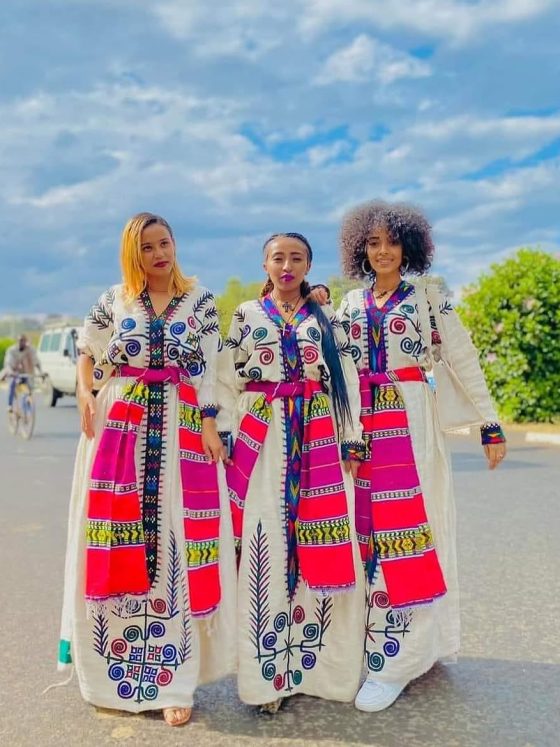
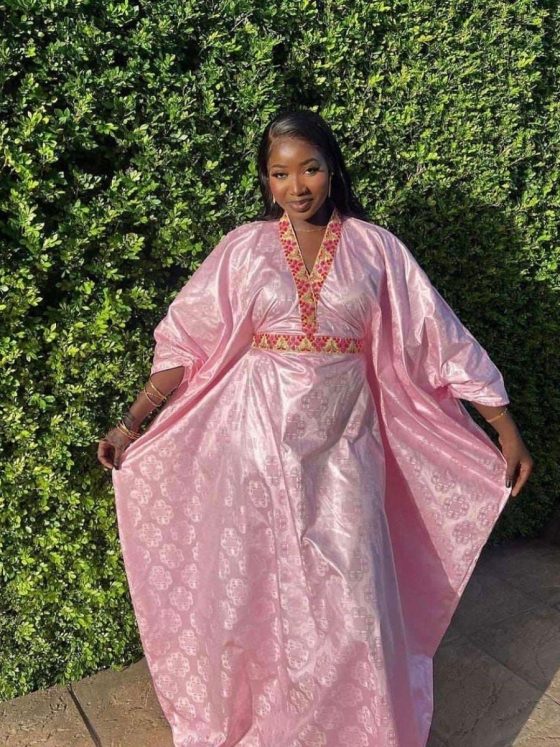
Many African fashion ecosystems developed differently. For decades, clothing production in many African cities revolved around tailors, textile artisans, and small workshops. Garments were often commissioned for specific occasions. Fabrics were selected carefully. Adjustments and repairs formed part of a garment’s lifespan rather than an afterthought. A garment was expected to last. It represented craftsmanship, labour, and personal investment. The value of the piece extended beyond a single season.
Today, these practices are being discussed within the language of sustainability. Yet their roots stretch far deeper than contemporary fashion terminology. The conversation is not about discovering a new way of making clothes. It is about recognising the value of existing knowledge.
Before Sustainability Became a Trend, African Fashion Had Craft
Across the continent, textile traditions developed around skilled labour rather than industrial speed—weavers produced cloth by hand. Embroiderers spent hours creating intricate designs. Dyeing techniques were passed down from one generation to the next. Tailors built reputations through precision and consistency rather than volume.
These systems naturally slowed production. A handwoven textile could not be produced at the pace of a factory line. An artisan could not create hundreds of identical garments in a single day. What may appear inefficient from a fast-fashion perspective is precisely what gives these products value. Time becomes part of the garment. The finished piece carries evidence of the skill, labour, and cultural knowledge invested in its creation.
This remains one of the most important differences between craft-based fashion and industrial fashion. One prioritises speed. The other prioritises permanence.
Kenneth Ize and the Value of Time
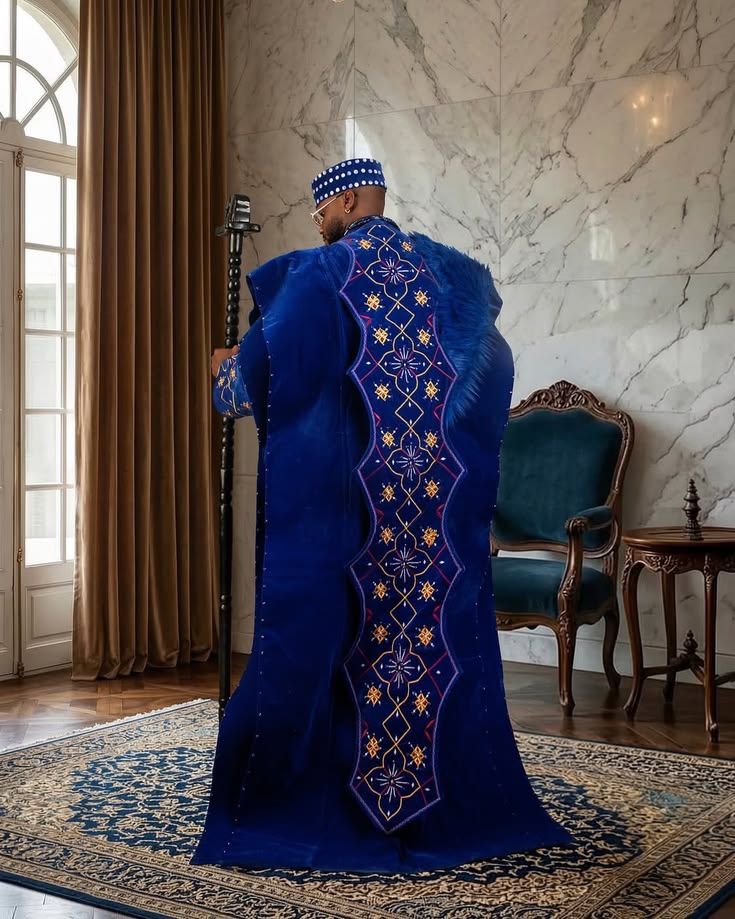
Few designers illustrate this idea more clearly than Kenneth Ize. The Nigerian designer has built an international reputation through his use of handwoven Aso Oke textiles produced by artisan weaving communities. Rather than treating traditional weaving as a source of occasional inspiration, he places it at the centre of his work. As Omiren Styles has documented in Imperfection as Intention: Why “Undone” Dressing Defines 2026 High Fashion, Ize builds collections from hand-woven Aso Oke that carry the weave variation of their making directly into the final garment. The imperfection is not a flaw. It is the proof of presence – the maker’s hand visible in the cloth. That is what gives it authority.
The significance of this approach extends beyond aesthetics. Handwoven cloth requires time. It depends on skilled craftspeople whose knowledge has been developed over many years. Every metre of fabric reflects a process that cannot be rushed without compromising the quality of the final result. His success challenges the assumption that traditional craftsmanship belongs solely to the past. By presenting handwoven textiles within contemporary menswear, he shows that heritage and innovation are not opposing forces.
How Nkwo Turned Textile Waste Into Design Innovation
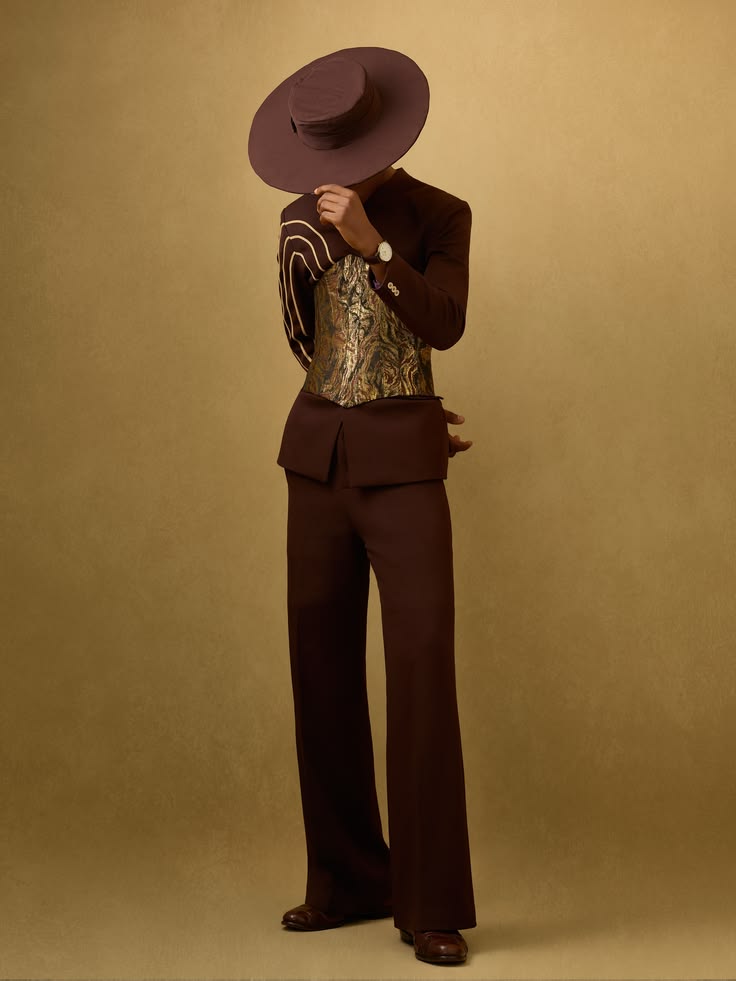
Nkwo Onwuka’s work goes further. Through her label NKWO, she has built a production system in which textile waste is not a byproduct to be minimised but a primary material to be worked with. Dakala Cloth, the textile she created from discarded fabric remnants, was shortlisted for the Beazley Designs of the Year award in 2020 and was subsequently acquired by the Victoria and Albert Museum for its permanent collection. In 2022, NKWO won the CNMI Sustainable Fashion Awards in the Emerging Designer category. In 2018, Nkwo Onwuka represented Nigeria at the Commonwealth Fashion Exchange exhibition at Buckingham Palace. As Omiren Styles has documented in the profile of Nkwo Onwuka’s practice, every decision in the NKWO system, from fabric selection to construction, is guided by usefulness, longevity, and meaning rather than volume or trend.
The production model extends beyond the garments themselves. NKWO operates a reverse-retail system called TRANSFORMABLES, in which customers send in old garments and jeans to be remade into new pieces using handwoven fabrics and artisanal techniques. The Double Double Jeans, made from three contrasting pairs of deconstructed jeans, are the label’s most documented expression of this philosophy. Each piece is unique. None can be replicated. The scarcity is structural, embedded in the production method itself.
By using waste as a resource, I invented a new African textile called Dakala cloth. – Nkwo Onwuka
What appears innovative today is, in many respects, a continuation of older habits. Materials are often valued for their potential rather than discarded at the first sign of imperfection. Repair, adaptation, and reuse have long formed part of everyday making cultures across the continent.
The Craft That Travels: South Africa’s Luxury Handmade Tradition
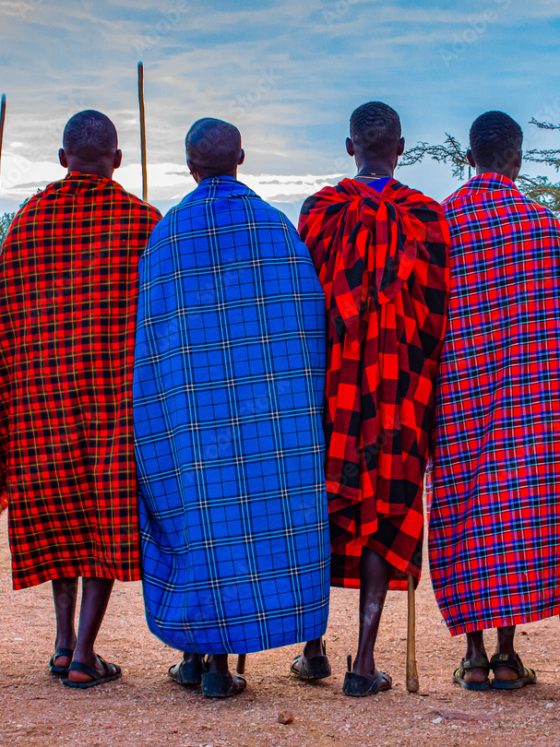
The sustainable-by-tradition principle is not Nigerian alone. In South Africa, Laduma Ngxokolo’s MaXhosa Africa has built one of the continent’s most internationally recognised luxury labels from Xhosa beading and knitting traditions. Every garment is produced using handcrafted techniques that connect directly to Xhosa adornment systems: the patterns encode specific cultural meanings related to rites of passage, community identity, and ancestral connection. The labour intensity of the handicraft production system is not a cost to be optimised. It is the product’s value. MaXhosa has shown internationally at New York Fashion Week and is stocked in major luxury retailers globally, demonstrating that handcrafted-led African luxury can compete on its own terms without diluting its production philosophy. As Omiren Styles has documented in Imperfection as Intention, Thebe Magugu, another South African designer, builds collections in which visible construction decisions are deliberate interventions rather than resolved finishing details. The garment shows its thinking. Both represent a South African design tradition in which craftsmanship is the argument, not just the method.
Taken together, Kenneth Ize’s Aso Oke commission system, NKWO’s TRANSFORMABLES reverse-retail model, and MaXhosa’s handcrafted luxury represent three distinct versions of the same founding position: that sustainability in African fashion is not an imported framework being adopted under pressure. It is an existing production logic, properly named for the first time.
Why Lagos Fashion Week Sees Craft as the Future
No institution has done more to formalise the connection between African craft tradition and sustainable production than Lagos Fashion Week. The Green Access accelerator programme, founded in 2018, has trained over 50 designers in responsible production, local craftsmanship, material innovation, and circular fashion practices. Every designer wishing to show at Lagos Fashion Week must demonstrate commitment to sustainable practice across the supply chain, from material sourcing and dyeing to garment production and transport. That requirement is enforced, not aspirational. As Omiren Styles has documented in full in The Lagos Fashion Week Effect, the Earthshot Prize in November 2025 awarded Lagos Fashion Week one million pounds sterling in the Build a Waste-Free World category, recognising circular fashion infrastructure built at scale across fifteen years. The prize confirmed what the platform’s data had already shown: sustainable practice in Nigerian fashion predates the global sustainability trend by over a decade.
The message is clear. Some of the solutions sought by the global fashion sector already exist within African-making traditions. African fashion is not simply participating in the sustainability movement. It is contributing ideas and practices that have shaped clothing production for generations.
ALSO READ
- The Lagos Fashion Week Effect: What a Decade of Runway Has Actually Done for Nigerian Designer Revenue
- The African Deconstructed Denim Movement: What Lagos, Accra, and Johannesburg Built From a Western Fabric
What African Menswear Can Teach the Global Fashion Industry
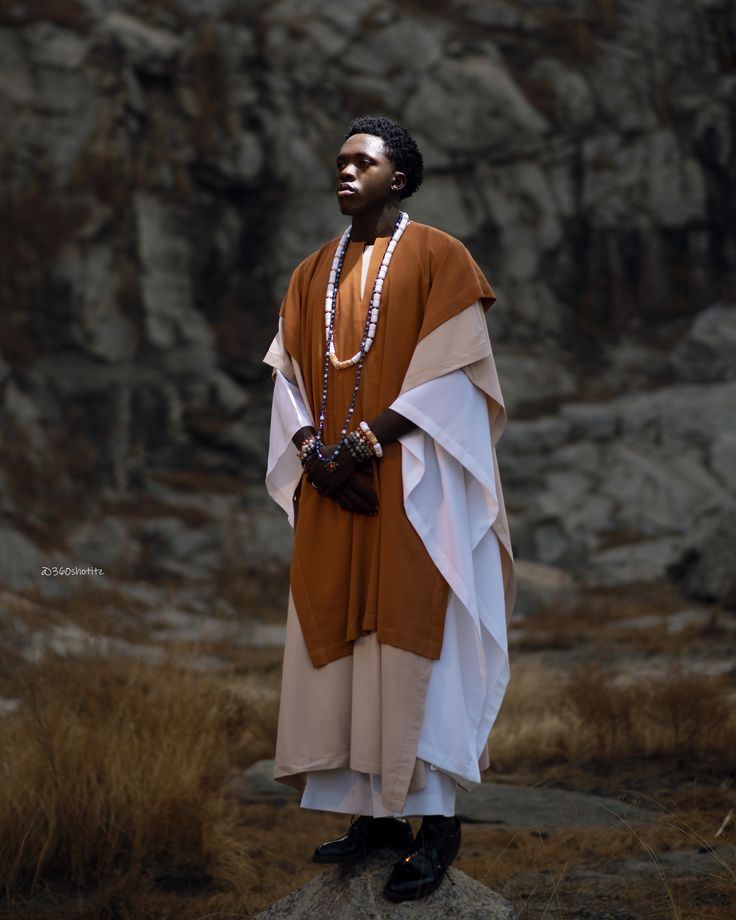
The global fashion industry often approaches sustainability as a problem that needs to be solved through innovation. African menswear offers a different perspective.
Made-to-order garments reduce overproduction. Craftsmanship encourages longevity. Repair extends product life. Local production strengthens connections between maker and consumer. NKWO’s TRANSFORMABLES is not a clever brand activation. It is a model of what post-purchase fashion responsibility looks like when built into the production system rather than bolted on as an afterthought. The Green Access accelerator is not a gesture toward sustainability. It is mandatory infrastructure that has been enforced since 2018 and recognised at the highest international level.
This is particularly relevant as consumers increasingly question where their clothing comes from and how it is produced. The answers to those questions have been embedded in African craft production for generations. The fashion industry is now arriving at questions that African makers never needed to ask, because the answers were already built into how they worked.
THE SLOW FASHION RECORD
The story of sustainable fashion is often told as a recent development. According to this narrative, the industry recognised the environmental costs of fast fashion and began searching for alternatives. African menswear complicates that story.
Across the continent, generations of weavers, tailors, dyers, and artisans built systems that valued craftsmanship, longevity, and responsible use of materials long before sustainability became a global talking point. Kenneth Ize’s Aso Oke weavers, Nkwo Onwuka’s Dakala Cloth system, Laduma Ngxokolo’s Xhosa handcraft luxury, and Lagos Fashion Week’s Green Access accelerator are not separate stories. They are the same argument made at different scales. Contemporary African designers are not inventing these principles. They are naming them, formalising them, and making them visible to an industry that is only now ready to look.
This does not mean African fashion is automatically sustainable, nor that every traditional practice should be romanticised. It does mean that some of the industry’s most urgent conversations cannot be understood without acknowledging the knowledge embedded within African craft traditions. The future of fashion may depend on innovation. But it may also depend on recognising that some of the most valuable ideas have been here all along. This piece is part of Omiren Styles’ ongoing documentation of African craft economies and the designers building the infrastructure that responsible luxury production actually requires.
FAQs
How are African fashion designers contributing to sustainable fashion?
Many African fashion designers contribute to sustainable fashion through handcrafted production, local sourcing, made-to-order tailoring, textile upcycling, and collaborations with artisan communities. Nkwo Onwuka’s TRANSFORMABLES system, which allows customers to send in old garments to be remade, and Kenneth Ize’s commission of handwoven Aso Oke from Nigerian artisan communities are among the most documented examples.
Why is African fashion considered an example of slow fashion?
African fashion is often associated with slow fashion because many traditional production systems emphasise quality over quantity. Handwoven textiles, custom tailoring, natural dyeing techniques, and small-batch production have been part of African fashion cultures for generations, long before the term slow fashion became popular.
Who are the leading African designers working with sustainable fashion practices?
Kenneth Ize, Nkwo Onwuka, and Laduma Ngxokolo of MaXhosa Africa are among the most documented. Their approaches include artisan collaboration, textile preservation, handweaving, transforming textile waste into new materials, and producing luxury Xhosa handicrafts.
What is Kenneth Ize known for in sustainable African fashion?
Kenneth Ize is known for working with handwoven Aso Oke textiles created by Nigerian weaving communities. His collections highlight traditional craftsmanship while demonstrating how heritage textile production can remain relevant in contemporary global fashion. The weave variation of the hand-loom process is not minimised in his work. It is the design.
What is Dakala Cloth, and why does it matter?
Dakala Cloth is a textile developed by Nkwo Onwuka from discarded textile remnants, produced through cutting, sewing, patching, and embroidery processes that honour artisanal knowledge while reducing waste. It was shortlisted for the Beazley Designs of the Year award in 2020 and acquired by the Victoria and Albert Museum for its permanent collection. NKWO won the CNMI Sustainable Fashion Awards Emerging Designer category in 2022.
What role does Lagos Fashion Week play in promoting sustainable African fashion?
Lagos Fashion Week’s Green Access accelerator programme, founded in 2018, has trained over 50 designers in responsible production, local craftsmanship, circular fashion practices, and material innovation. Every designer showing at Lagos Fashion Week must demonstrate commitment to sustainable practice across the supply chain. In November 2025, the platform won the Earthshot Prize in the Build a Waste-Free World category, receiving one million pounds sterling.
How does African menswear challenge the fast fashion model?
Through made-to-order tailoring, handcrafted textiles, reverse-retail systems like NKWO’s TRANSFORMABLES, and a stronger focus on long-term garment value. These practices encourage consumers to invest in clothing that lasts rather than treating fashion as disposable. The sustainable logic was not adopted as a response to the global sustainability movement. It was embedded in production systems that predate the movement by generations.