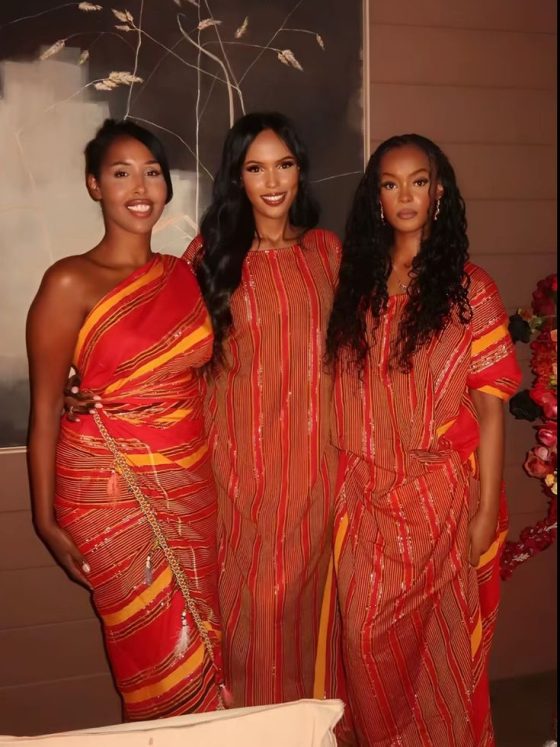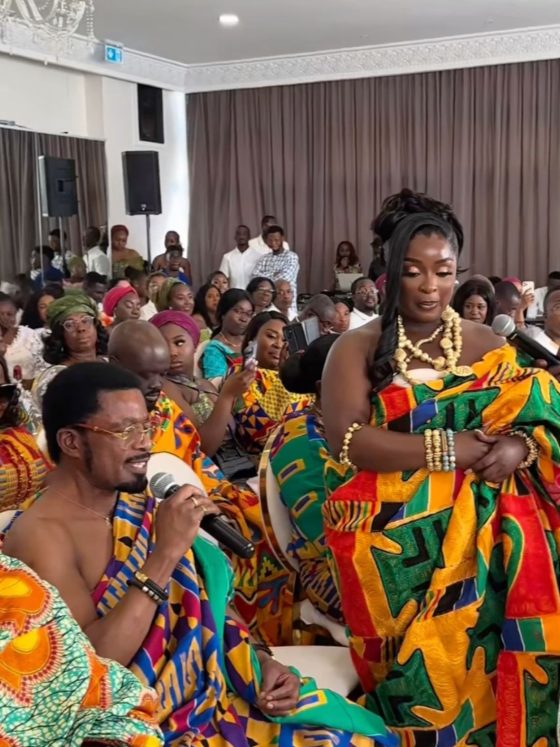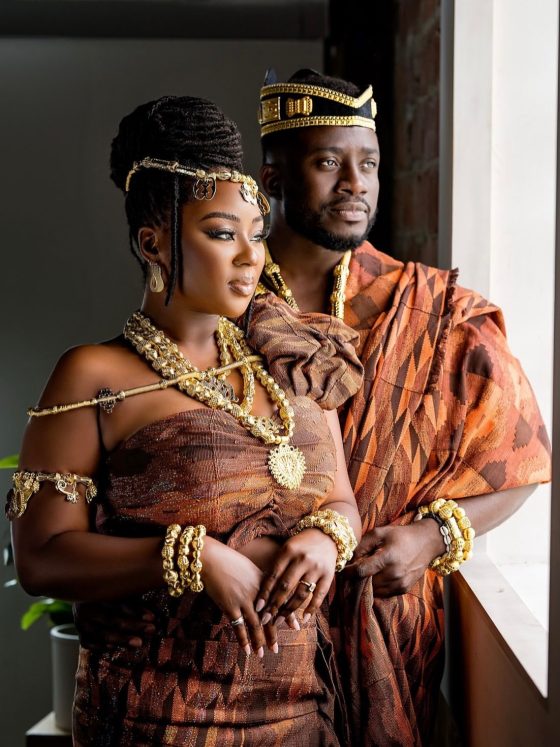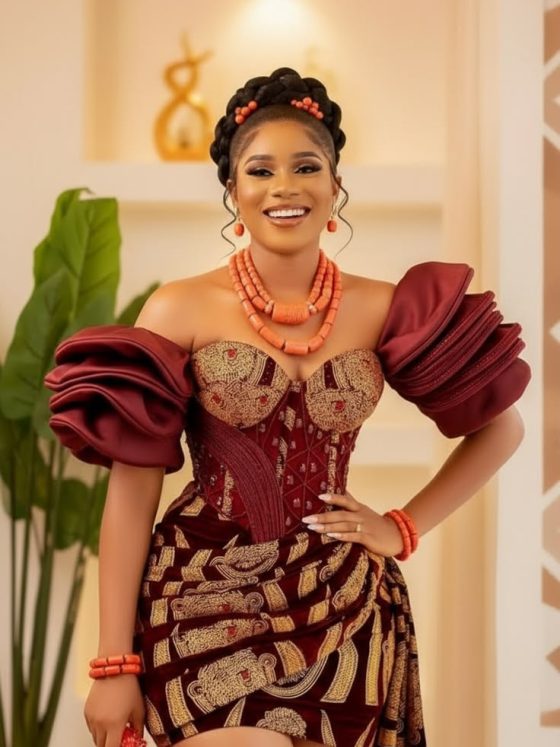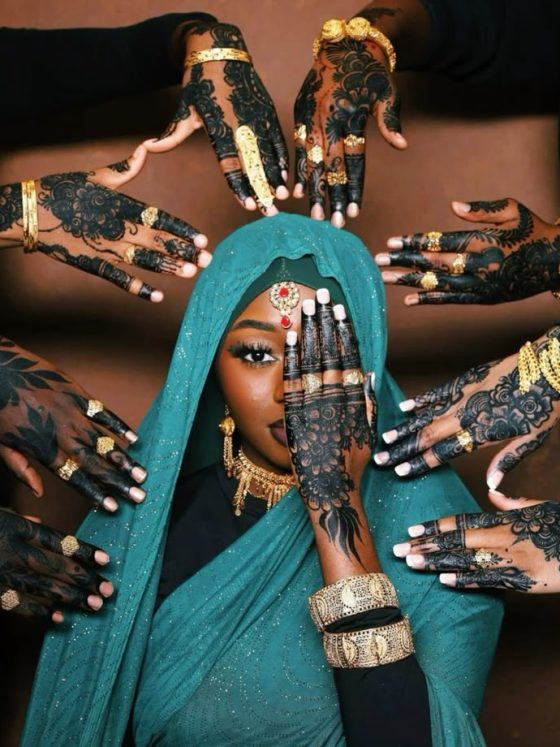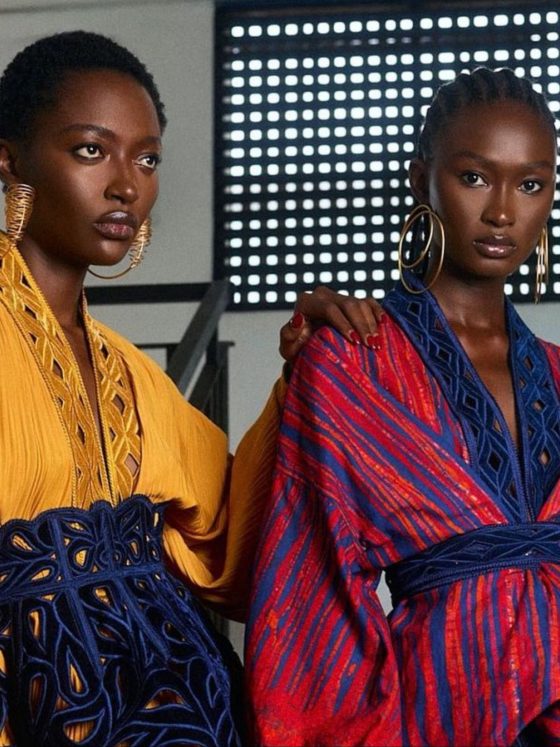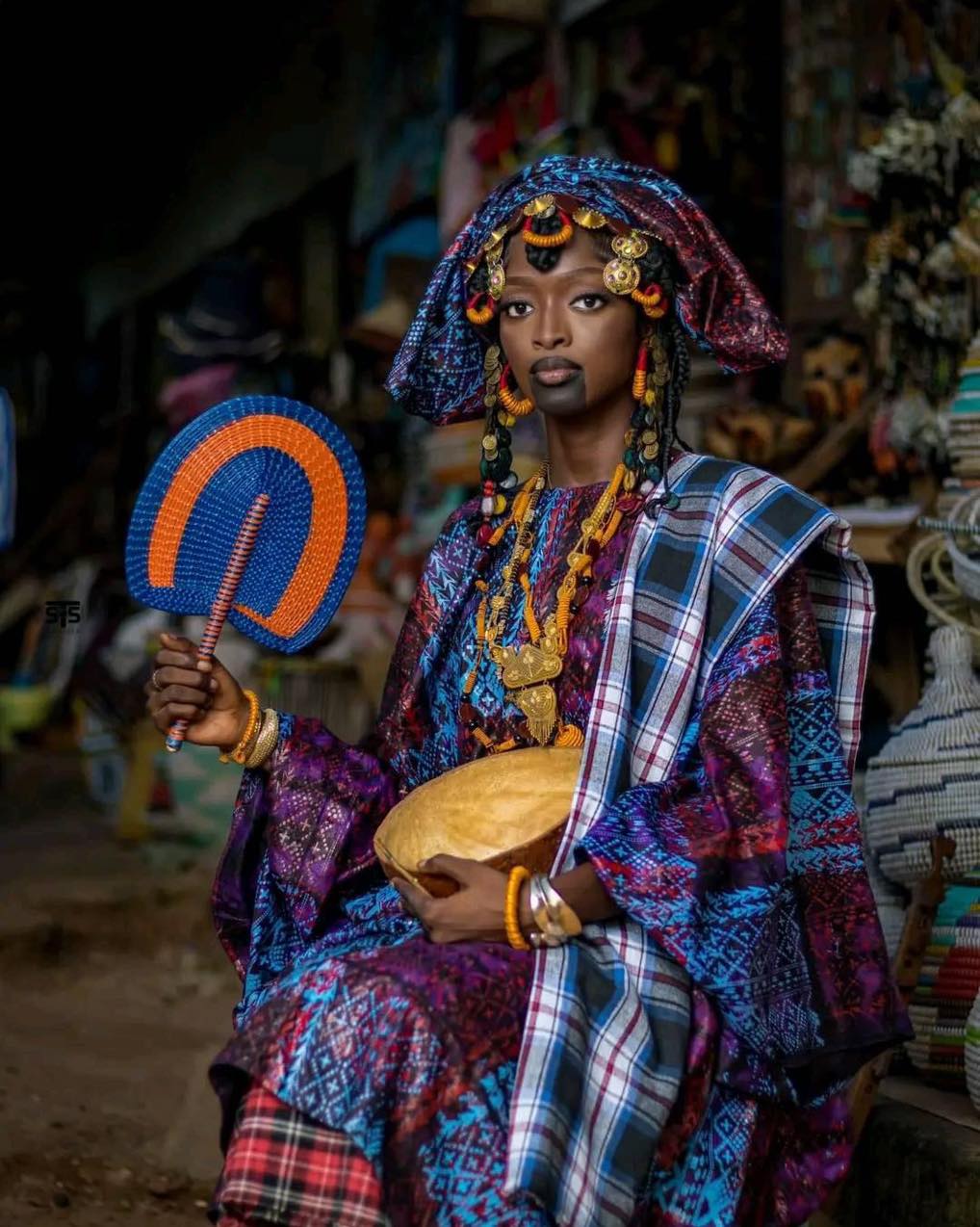
The white wedding dress did not arrive in Africa as a neutral symbol of romance. It came in the nineteenth and early twentieth centuries through colonial administration, missionary culture, and the later pressure to treat European bridal convention as the default standard of elegance.
Before that, African wedding dress traditions existed, and they were not waiting to be completed by white lace or a Western silhouette. In different communities, marriage was marked by cloth, beadwork, leather, wrappers, headdresses, and garments that carried social, spiritual, and cultural meaning long before the imported white gown became aspirational.
What did African weddings look like before the white dress became the norm? A historical look at Yoruba, Zulu, Wolof, and other bridal traditions before colonial influence.
What a Wedding Dress Looked Like Before Colonial Influence
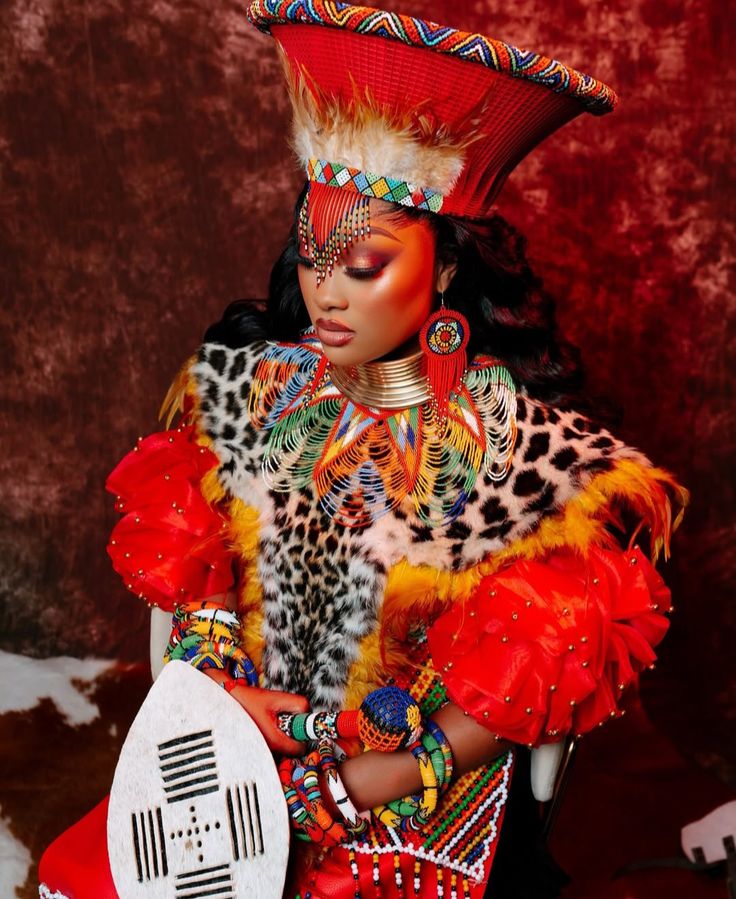
Before colonial influence, wedding clothing across African societies was shaped by local materials, ceremonial codes, and community ideas about identity and adulthood. That means there was no single “African wedding dress.” There were many wedding systems, each with its own visual language.
In Yoruba contexts, dress was deeply tied to identity construction, social status, and the transformations brought by Christianity, Islam, and British colonialism, from aso-oke cloth and gele headwraps to the layered wrapper ensembles that marked adulthood and status. A historical view of Yoruba dress shows that clothing was never simply decorative. It was part of how people made themselves visible within social and cultural life.
In Zulu contexts, wedding attire traditionally included items such as the isidwaba, a leather skirt, the isicwaya, a skin covering for the bride’s breast, and the inkehli or isicholo, a hat worn by married women. These garments not only mark beauty. They signalled marital status, community belonging, and ceremonial transition.
The point is not to romanticise the past as fixed or uniform, but to document how many different systems existed before one imported standard was elevated above them. African societies already had bridal forms with their own authority. The white gown did not fill a void. It displaced, competed with, and, in many places, recoded existing traditions.
Yoruba, Zulu, and Wolof Traditions
A Yoruba wedding in 1800 would not have looked like a European church ceremony in a white gown. It would have been shaped by local custom, cloth, and the social meaning of dress within Yoruba life. Historical scholarship on Yoruba attire shows that clothing was central to identity formation, and later colonial and missionary contact changed how dress was understood and valued.
For Zulu brides, the traditional wedding dress had its own visual order. The isidwaba, isicwaya, and isicholo were not random pieces added for decoration. They formed a ceremonial system in which clothing marked womanhood, marriage, and social transformation. Even in more recent descriptions, many Zulu weddings still preserve traditional elements alongside or before a white wedding.
Wolof wedding traditions in Senegal also demonstrate that marriage dress in West Africa has long been culturally specific, even as contemporary wedding wear now includes fabrics such as bazin and more modern ceremonial attire. The key point is that bridal clothing in Wolof contexts, like elsewhere, belongs to a living social world rather than a single imported standard.
Across these examples, the important thing is not one universal precolonial dress code. It is the existence of many local systems of meaning. Some used wrappers. Some used leather. Some used beadwork. Some used woven or dyed cloth. What tied them together was that they were answers to local cultural questions rather than copies of European bridal fashion. The same logic runs through ceremonial dress well beyond West and Southern Africa. Omiren Styles has traced a related pattern in Rumba, Son, and Sacred Ceremony, which documents how white garments in Santería ceremonial dress carry ritual meaning rather than aesthetic preference, and in Colombian Traditional Fashion, which shows how Colombia’s Pacific coast developed its own dress vocabulary that international fashion coverage has largely ignored. Bridal systems are part of a much wider pattern: ceremonial dress across the African diaspora has rarely needed European conventions to confer authority.
How Colonialism Changed Bridal Dress
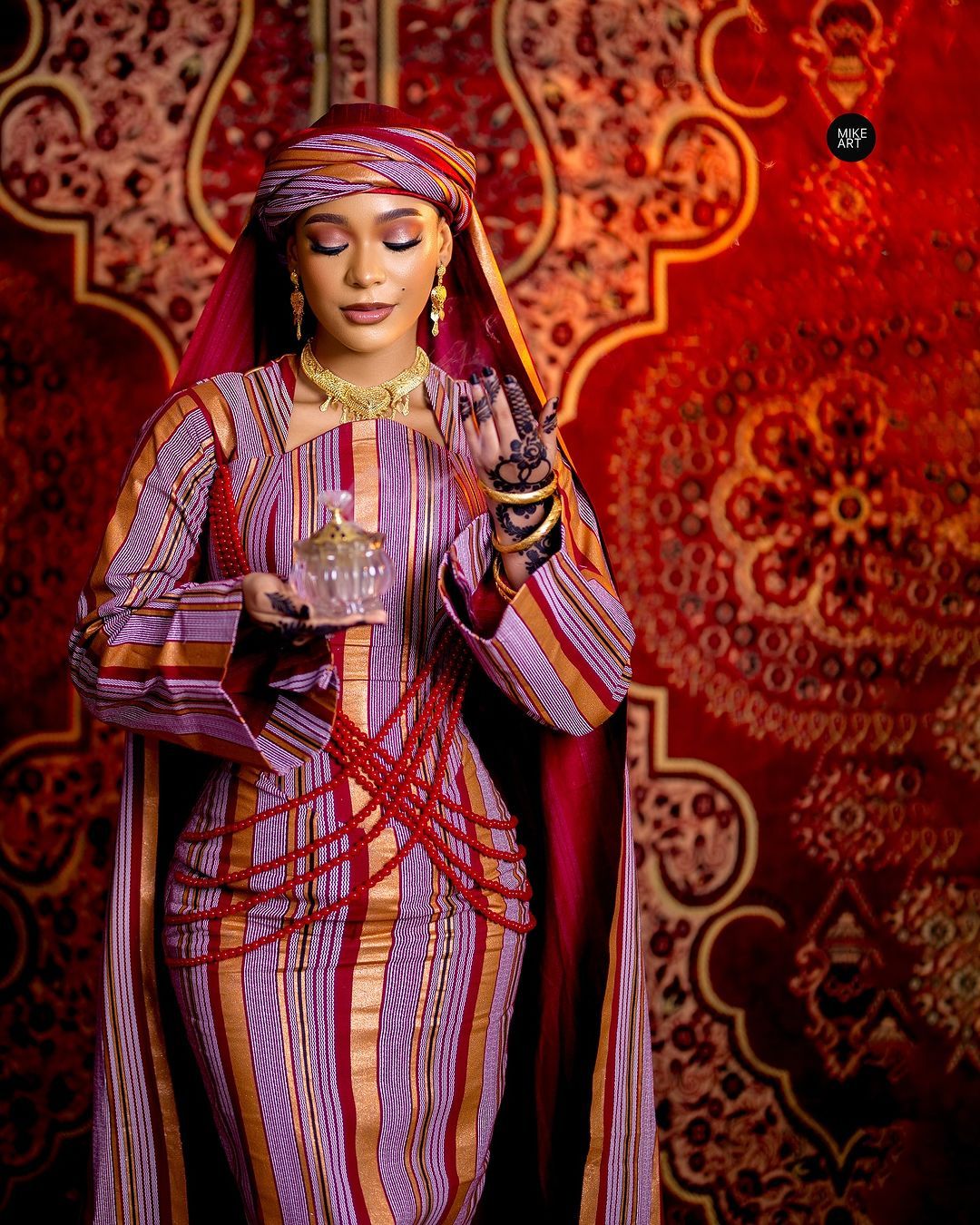
Colonialism changed the wedding dress in Africa by making European aesthetics appear prestigious, modern, and aspirational. Missionary culture also played a major role by linking Christian marriage to European dress codes, especially the white gown and the church ceremony. Over time, these norms became associated with respectability and class mobility.
That shift was not just visual. It was ideological. Once the white wedding became a marker of civility, many African communities began to negotiate between inherited ceremonial forms and imported conventions. In some places, both systems began to coexist. In others, the imported form gained dominance, especially among urban and upwardly mobile families.
The result was not a simple replacement but a hierarchy. The white gown came to stand for formal legitimacy. At the same time, indigenous bridal dress was sometimes treated as “traditional” in the narrow, outdated sense that colonial language often gives to African life. That hierarchy still shapes wedding culture today.
This is why the white dress matters historically. It was never just a fashion choice. It was part of a broader colonial reordering of taste, religion, class, and public respectability. If African bridal histories are not told carefully, the white gown ends up looking timeless when it is actually historically situated and culturally imported.
The white gown did not fill a void. It displaced, competed with, and, in many places, recoded existing traditions.
READ ALSO:
- Afro-Cuban Designers Influencing Fashion Culture Within and Beyond the Island
- Colombian Designers Bringing Pacific Coast Heritage to the Global Stage
What It Would Take to Bring It Back
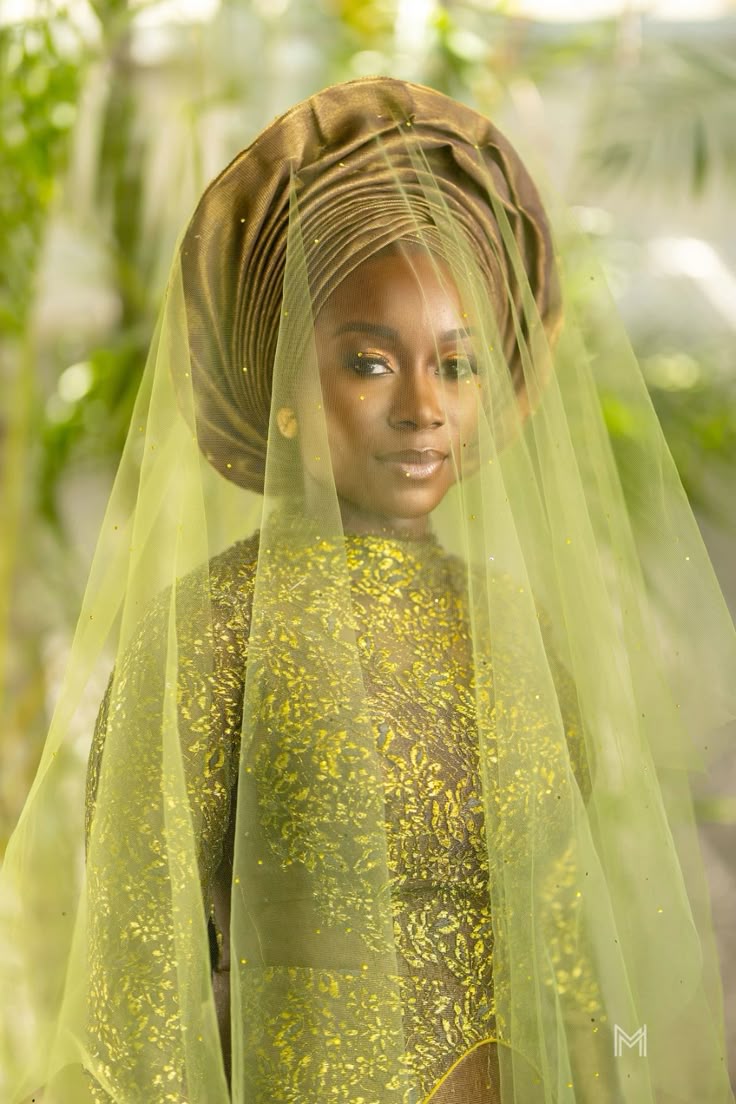
Bringing African bridal memory back does not mean rejecting every white dress or pretending colonial history never happened. It means restoring visibility to the traditions that existed before the imported norm took over. It means treating Yoruba, Zulu, Wolof, and other bridal systems as historical fashion knowledge rather than nostalgic side notes.
That also means asking what a contemporary African wedding could look like if it did not start from European convention as the default, a ceremony where the first image is not a white lace gown, but aso-oke, isiZulu beadwork, or Wolof ceremonial cloth at centre stage. It could begin with cloth, beadwork, ceremony, and community meaning, placing local materials and cultural forms at the centre rather than as a “traditional second look” after the church dress.
For Omiren, the deeper editorial question is: what gets lost when African women are told that the most “proper” bridal image is the one inherited from colonial taste? And what would it mean for African wedding fashion to recover its own authority, not as costume, but as living ceremonial knowledge?
The answer is not a return to the past in a frozen form. It is a recovery of the range of possibilities that existed before colonial pressure narrowed them. The white dress did not create African marriage. It only became one of its later possibilities.
THE OMIREN ARGUMENT
The white wedding dress did not emerge in Africa as a natural or universal standard of bridal beauty. It arrived through colonial administration, missionary culture, and the pressure to treat European taste as the highest form of respectability. Before that, African societies already had bridal traditions built from local cloth, leather, beadwork, and ceremonial codes that carried their own authority. To ask what came before the white dress is not to indulge nostalgia. It is to restore historical truth to African wedding culture and to recognise that colonial influence narrowed a much wider ceremonial imagination.
That narrowing produced a hierarchy rather than a clean replacement, and that hierarchy is the part still quietly at work in how African weddings are imagined today. The white gown was allowed to stand as a symbol of formal legitimacy and modern respectability. At the same time, indigenous bridal systems were pushed into the diminished category of “traditional,” a word colonial language has long used to mean decorative, sentimental, or optional rather than authoritative. Recovering Yoruba, Zulu, Wolof, and other bridal systems as fashion history, not folklore, is how that hierarchy gets corrected. The goal is not to retire the white dress or to manufacture a single precolonial standard to replace it with. It is to restore the full range of ceremonial possibility that existed before one imported convention was elevated above all the others, so that an African bride choosing cloth, beadwork, or leather over lace is understood as drawing on an equally authoritative tradition, not settling for a lesser one.
FREQUENTLY ASKED QUESTIONS
What did African wedding dresses look like before the white dress became the norm?
They varied by culture and region. Yoruba, Zulu, Wolof, and many other communities used cloth, leather, beadwork, wrappers, and ceremonial dress systems that carried local meaning.
Did all African societies have the same wedding clothes?
No. African wedding dress traditions were and remain highly specific to people, place, and ceremony. There was never one single African bridal uniform.
How did colonialism change African wedding dresses?
Colonialism and missionary culture promoted European dress as respectable and modern, which helped the white wedding gown become dominant in many settings.
What did a Zulu bride wear traditionally?
Traditional Zulu bridal dress could include the isidwaba, isicwaya, and isicholo, along with beadwork and other ceremonial elements.
Why is the white wedding dress important to question?
Because it is often treated as universal, even though it has a specific European history and was exported through colonial and missionary influence, questioning it allows African bridal traditions to be seen as fashion systems in their own right rather than as “traditional extras” beside the “real” wedding.