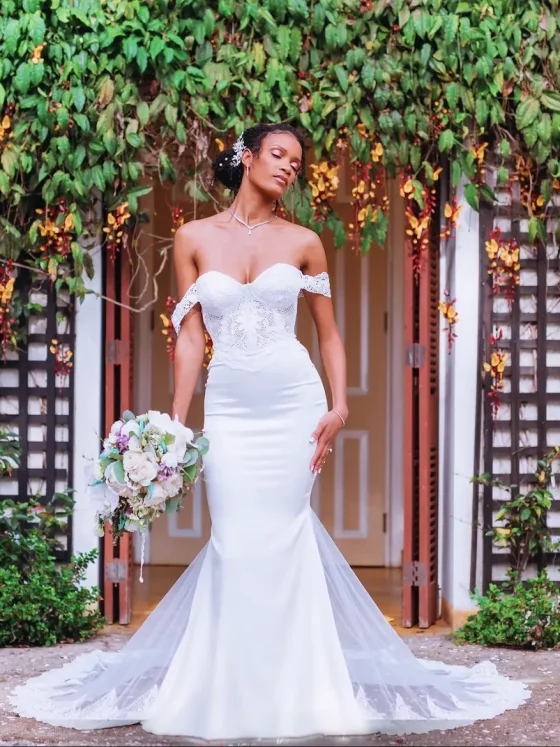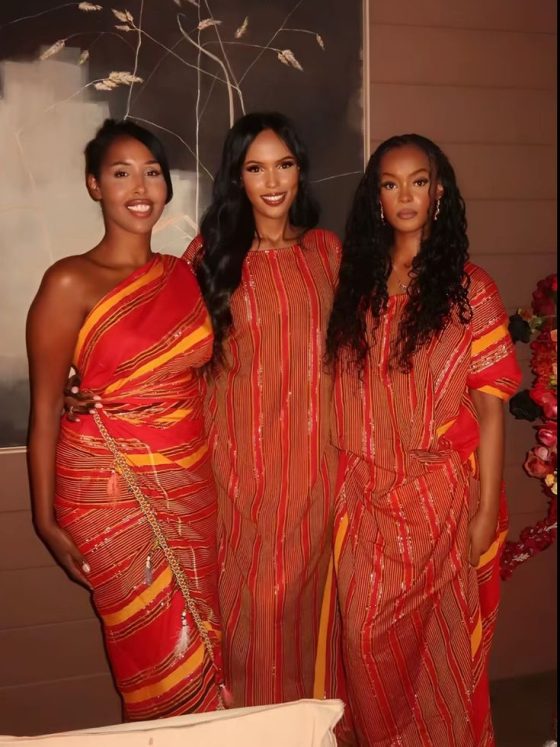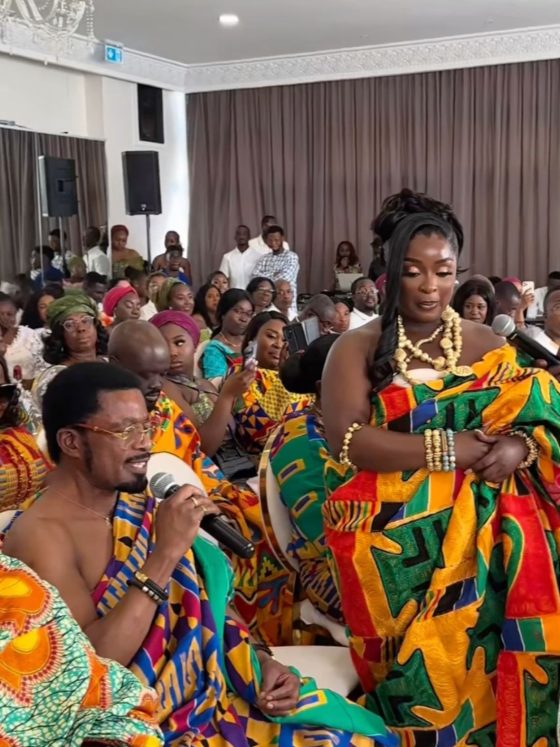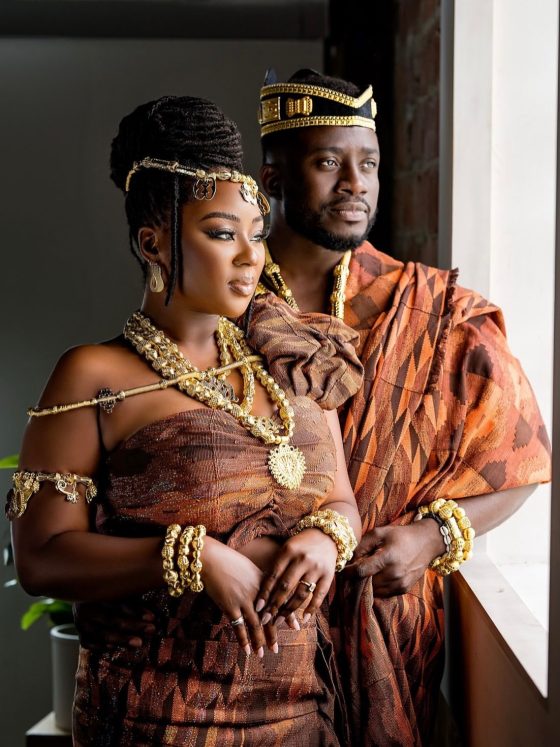
There is a moment at every Igbo traditional wedding that every woman in the room is waiting for. The bride, dressed in the full weight of her community’s textile culture, steps into the gathering with a cup of palm wine. She moves through the assembled crowd, searching. When she finds the man she has chosen and places the cup in his hands, the room exhales. At that moment, the Igba Nkwu, the wine-carrying ceremony at the heart of Igbo traditional marriage, is the moment every bride looks for in this article.
What a bride wears to her Igba Nkwu is not a style choice in the conventional sense. It is a cultural declaration. The fabric she selects communicates her family’s standing, her community’s identity, and her own understanding of the occasion she is entering. An Igbo bride dresses not only for herself and her groom but also for every woman who has stood in that same room in the same clothes before her and for the daughters who will stand there after.
Five looks define this declaration in 2026. Each carries a different cultural argument. Each earns its place at the ceremony for a different reason. And each deserves to be understood on its own terms before a bride decides which one speaks for her.
Discover the top 5 Igbo traditional bridal looks for Igba Nkwu in 2026, from the regal Isi Agu to the pure Akwa Ocha. A cultural guide to Igbo bridal attire covering Akwete, Plain George, and the Omu Aro of Arochukwu, with ceremony styling notes and accessory guidance.
The Grammar of Igbo Bridal Dress
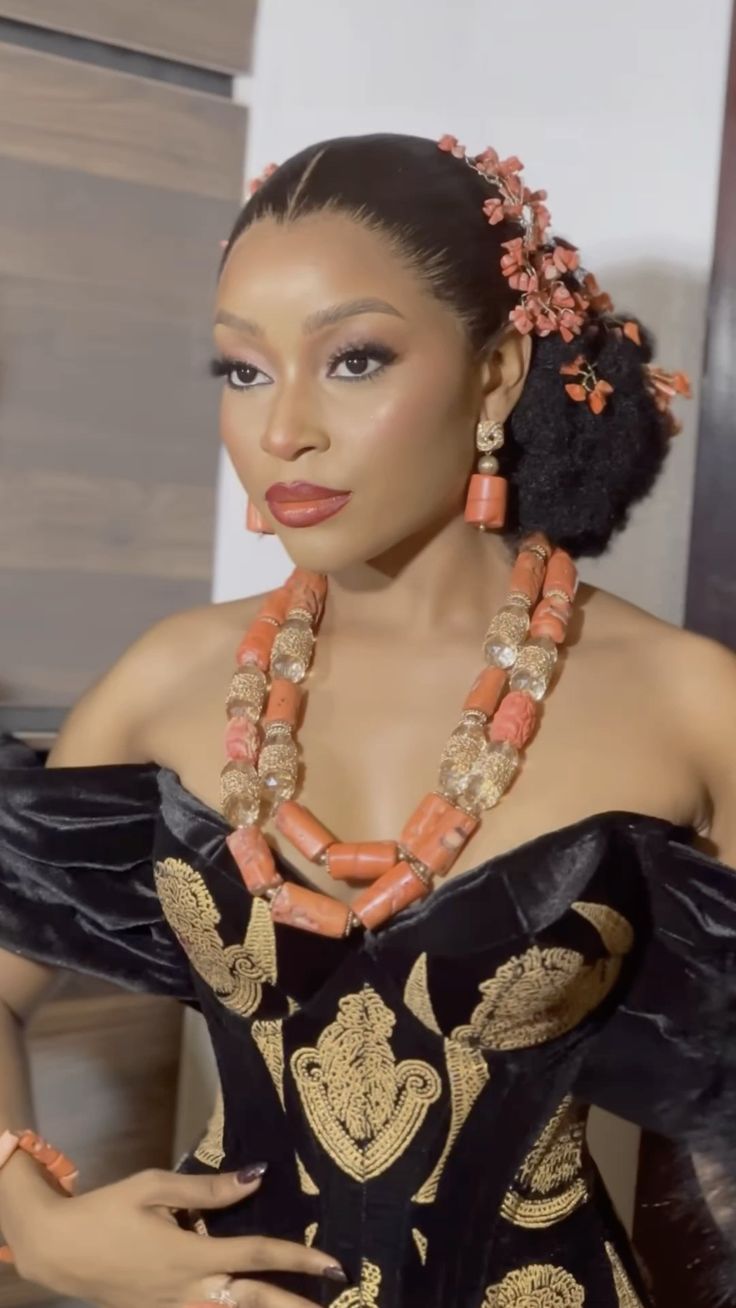
The Igbo bridal look is not a single tradition. It is a conversation between several, shaped by over 250 distinct Igbo communities across Abia, Anambra, Imo, Enugu, Ebonyi, and Delta States, each with its own fabric heritage, its own colour conventions, and its own understanding of what a bride should communicate when she walks into her Igba Nkwu. As Okwu ID’s guide to Igbo traditional wedding attire documents, bridal attire varies considerably across Igbo regions, from the Akwete wrappers of Abia State to the Akwa Ocha cloth of the Delta-Igbo Anioma communities, from the Omu Aro George of Arochukwu to the embroidered Isi Agu gowns now worn across the entire Igbo Southeast. There is no single correct Igbo bridal look. There are five of the most powerful ones.
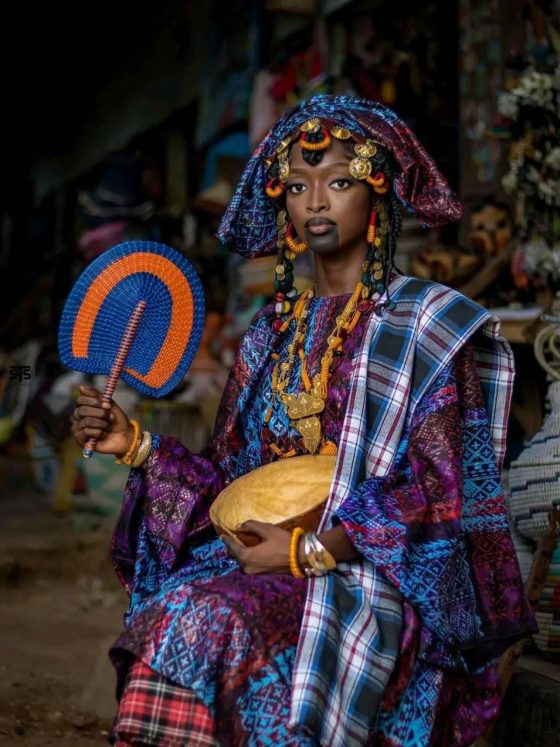
What all five share is the accessory grammar that makes them Igbo rather than simply African. Original coral beads at the neck, wrist, and ankle are the universal marker of Igbo women’s ceremonial dress, their quantity and quality communicating marital status and family standing to everyone present. The Ichafụ headscarf, shaped and sized to complement the fabric beneath it, completes the ensemble. Waist beads (mgbaji), the hand fan carried in the right hand at the moment of the wine presentation, or Uli body paint or nzu white chalk on the arms and chest in some communities: these are the elements that turn a beautiful garment into a bridal statement that the entire Igbo world can read.
The Igbo bride does not dress to impress the room. She dresses to honour it. Every fabric choice, every bead, every fold of the Ichafụ is a line in a letter she is writing to her ancestors and to the community that raised her. The room reads that letter before she has spoken a word.
The 5 Igbo Traditional Bridal Looks for Igba Nkwu in 2026
1. The Isi Agu Bridal Gown
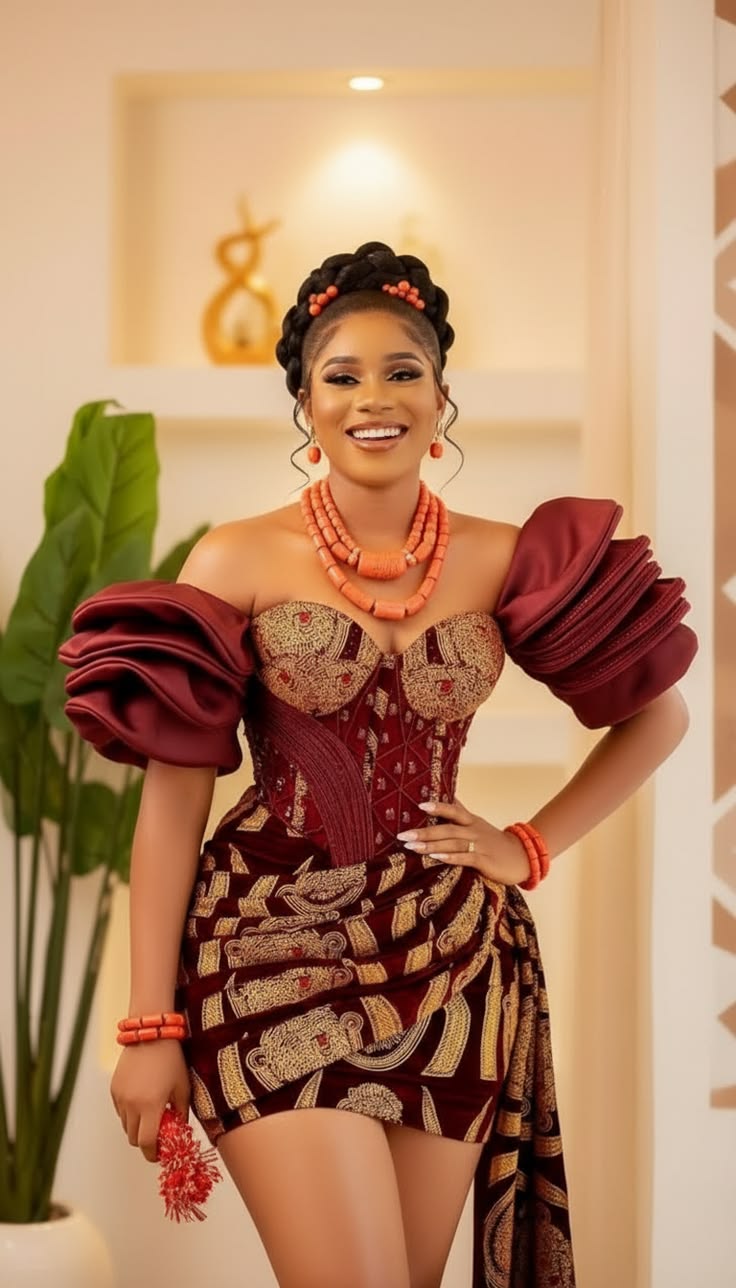
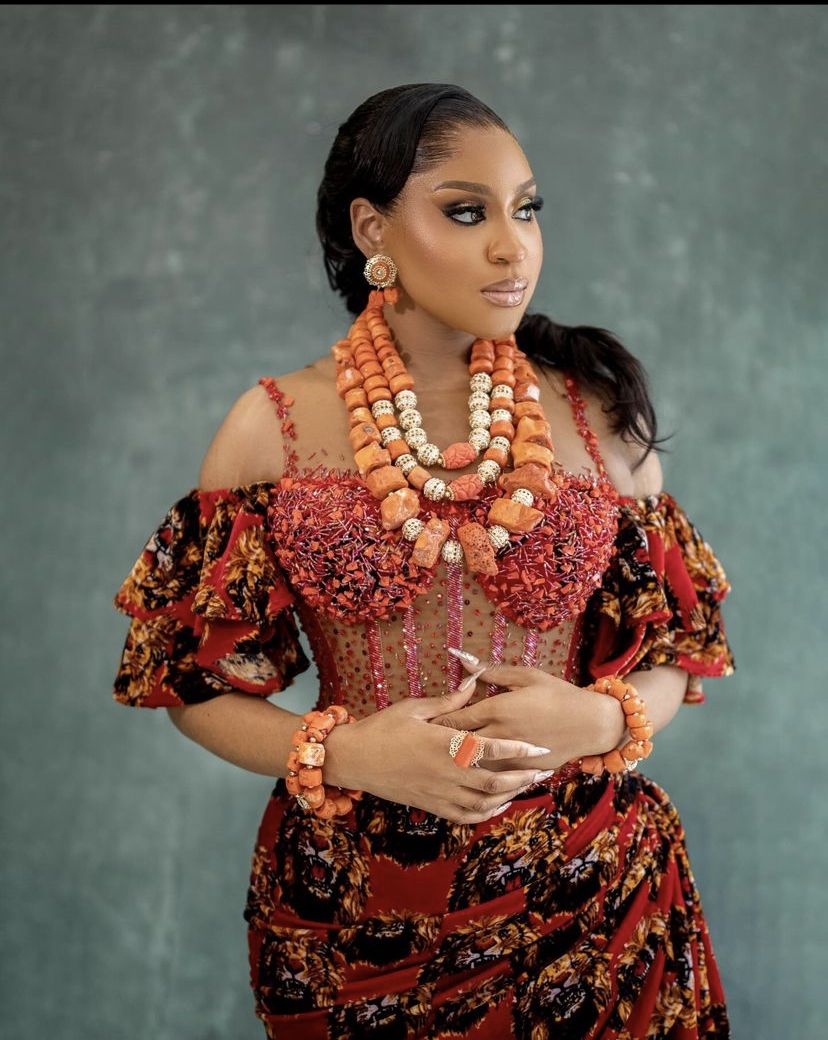
‘Isi Agu’ means ‘leopard head’ in Igbo, though the fabric is commonly described as carrying a ‘lion head’ motif, a nomenclature that reflects its 20th-century origins rather than its Igbo cosmological reference. The leopard, Agu, is the animal sacred to Igbo royalty and power: it appears in Ozo title ceremonies, in royal regalia, and in the iconography of Igbo spiritual authority. Whatever the debate about its origins, Isi Agu, as a bridal fabric, is now one of the most visually commanding looks available to an Igbo bride, and its adoption by women for the Igba Nkwu is one of the most significant developments in Igbo bridal fashion over the past two decades. As BellaNaija’s coverage of the red-golden Isi Agu bridal look demonstrates, contemporary designers are cutting Isi Agu into architecturally ambitious bridal gowns, structured off-shoulder bodices, draped skirts, and fitted silhouettes that announce the bride’s arrival with the full force of a fabric originally reserved for the powerful.
The Isi Agu bridal gown is typically cut in a full-length silhouette with a fitted or slightly flared skirt, sometimes featuring a puff sleeve that recalls the traditional Igbo blouse without being a direct copy. The dominant colour choices for Isi Agu’s bridal gowns in 2026 are red and gold, deep burgundy with gold thread, and emerald with metallic accents. As Eucarl Wears documents in its survey of Isi Agu styles for women, the fabric’s velvet or cotton texture lends itself well to embellishment: rhinestones, sequins, and beadwork applied to the bodice and sleeves turn into a bridal gown. The Isi Agu gown is a fully ceremonial piece that does not require the full Akwa Abuo wrapper arrangement.
The complete Isi Agu bridal look requires original coral beads at the neck, wrist, and ankle; an Ichafu, folded flat at the crown or shaped into a modest upward fold; and a hand fan. In 2026, some brides are pairing the Isi Agu gown with a trailing Akwete or George wrapper at the back, creating a hybrid silhouette that declares both the gown’s bold modernity and the second fabric’s traditional depth. It is a look that knows exactly what it is doing.
2. The Akwa Ocha Bridal Look
Akwa Ocha, which means “white cloth” in Igbo, is the handwoven textile of the Anioma people of Delta State, the Igbo-speaking communities of the Delta North senatorial district, sometimes called the “Delta-Igbo”. It is a fabric of extraordinary cultural weight. In traditional Anioma marriages, the bride’s father presented the groom with a piece of Akwa Ocha on the wedding night; the cloth served as evidence of the bride’s purity: its use as a symbol of virtue and dignity in the bridal ceremony predates everything else in the contemporary Igbo bridal look by centuries. As Clipkulture’s guide to Akwa Ocha fabric records, even today owning and wearing Akwa Ocha reflects cultural pride and a deep appreciation for Anioma heritage. A bride who wears Akwa Ocha at her Igba Nkwu is not making a fashion statement. She is making a statement about who she is and where she comes from.
The Akwa Ocha fabric is handwoven from cotton on a loom, predominantly white with subtle woven motifs incorporating shapes from Anioma life: plants, animals, geometric forms, and cosmological symbols. The cloth is soft, carries soft fringes at its edges, and creates a silhouette of striking simplicity and quiet authority. As Ozi Ikoro’s cultural account of Akwa Ocha documents, Akwa Ocha is reserved for special events and is not worn casually; wearing it at a ceremony is itself a declaration that the occasion is being taken with full cultural seriousness.
The Akwa Ocha bridal look for 2026 takes two primary forms. The first is the traditional wrapper arrangement: the bride wraps the cloth across the chest and body in the Anioma style, paired with a complementary blouse and the full coral bead accessory set. The second is the contemporary Akwa Ocha gown, cut by designers who work directly with Anioma weavers, producing floor-length fitted or A-line silhouettes that preserve the fabric’s white integrity while building the kind of architectural bridal presence the Igba Nkwu demands. Gold jewellery, rather than coral bead sets, is increasingly common with Akwa Ocha gowns, the gold providing the warmth that the fabric’s luminous white does not supply on its own.
3. The Akwete Double Wrapper Bridal Look
Akwete cloth is the oldest indigenous textile in the Igbo bridal tradition, handwoven by women on vertical Nkwe looms in the Ndoki community of Abia State since at least the mid-19th century, and it carries motifs drawn from Igbo cosmology that predate those of every other fabric in this article. When Dr Sharon Ifunanya Madueke arrived at her 2025 traditional marriage ceremony in a white sequinned blouse with Akwete wrappers, as documented in Omiren Styles’ article on Akwete styles for Igbo women, the internet responded with a recognition that had been building quietly for years: here was the fabric the Igbo had always had, being worn at the moment it deserved most. The Akwete bridal look is not a revival. It is a return.
The Akwete bridal look for Igba Nkwu is built on the Akwa Abuo, the double wrapper, with one length falling to the ankle and a second folded at mid-calf, both in matching Akwete cloth. The Buba blouse in the same fabric, the Ichafụ tied and shaped at the crown, the full original coral bead set, and the hand fan – this is the complete form. The selection of motifs for the bridal cloth is a considered decision. The Ikaki tortoise motif, historically associated with royalty; the Ogene bell pattern; and the coral motif: the choice of what the cloth carries communicates the bride’s lineage and cultural knowledge as clearly as the quality of the weave itself.
In 2026, Akwete bridal looks are also appearing in the gown form, with designers cutting floor-length dresses from Akwete cloth and pairing them with a second Akwete wrapper draped across the shoulder in the style of the traditional ensemble. The fabric’s handwoven weight and geometric richness make it one of the most visually compelling Igbo bridal looks in any format and, increasingly, the choice of brides who understand the full depth of what they are wearing.
4. The Plain George (Jorji) Double Wrapper Bridal Look
The Plain George double wrapper, the Igbo woman’s Jorji in the Akwa Abuo arrangement, is the most widely worn bridal look across Igbo communities in Nigeria and the diaspora. Its plaid cotton weave, its capacity to carry embellishment while remaining fundamentally itself, and its century-long integration into Igbo ceremonial life make it the bridal fabric that the broadest range of Igbo communities recognise immediately as correct for Igba Nkwu. As established in Omiren Styles’ article on George Styles for Igbo women, Bridal George, with its heavily embroidered and beaded surface, is the highest register of this tradition. At the same time, Plain George carries the same ceremonial authority with slightly less visual spectacle, making it appropriate for brides who want the dignity of the George tradition without the full weight of the embroidered bridal piece.
The Plain George bridal look for Igba Nkwu is the double wrapper in matching plaid, with a Buba blouse in complementary fabric, the Ichafụ shaped at the crown, and the full coral bead arrangement. Colour selection matters: the classic Igbo bridal palette for George is deep red and gold for the dominant wrapper, with matching or contrasting coral bead colours. In 2026, Igbo brides are also commissioning Plain George in rich jewel tones: deep sapphire, forest green, and plum, departing from the traditional red but not departing from the cultural weight of the form itself.
The hand fan carried in the right hand at the wine-carrying moment is, for the Plain George bridal look, the accessory that most clearly marks the transition from dressed woman to Igbo bride. Its presence in the right hand, with the palm wine cup in the left, is the visual grammar of the Igba Nkwu. No other Igbo bridal look makes that grammar more immediately legible than the Plain George double wrapper.
5. The Omu Aro (Arochukwu George) Bridal Look
The Omu Aro is specifically Arochukwu bridal cloth, and it is among the most culturally particular bridal looks in the Igbo world. Omu, in the Igbo and Aro cultural context, refers to the palm frond: the frond that is cut and placed at the entrance to a space where something sacred is happening, signalling the presence of authority and marking the boundary between the ordinary and the ceremonial. Omu Arochukwu is the symbol of Aro dignity and royalty, and it is embroidered in full colour onto the George cloth that Aro brides wear at their traditional weddings. As Steemit’s documentation of Arochukwu traditional dress records, the Omu Aro wrapper can be fashioned into a gown or worn as a wrapper in the traditional arrangement, and it is appropriate for village meetings, town meetings, and every ceremony at which an Aro person’s cultural identity needs to be declared.
The Omu Aro bridal look is the double wrapper of Arochukwu George cloth, with the embroidered Omu frond motif running across the fabric in the rich, living colours that distinguish it from Plain George at a glance. The Buba blouse, the Ichafụ, and the full coral bead set complete the look in the same arrangement as the other wrapper styles. Still, the Omu embroidery makes it specifically and unambiguously Aro: this is a bride declaring not only that she is Igbo but also that she is from Arochukwu, that she carries the history of the Aro Kingdom in her fabric, and that the occasion has been honoured accordingly.
For Aro diaspora brides in London, Houston, or Toronto commissioning their Igba Nkwu look, the Omu Aro cloth must be sourced directly from Arochukwu or from specialist fabric houses that work with the community’s weavers and embroiderers. That specificity is itself a cultural act: a bride who makes the effort to wear the right Aro cloth has, before she even walks into the room, demonstrated the seriousness with which she is approaching the ceremony.
How to Complete Any Igbo Bridal Look: The Accessory Grammar
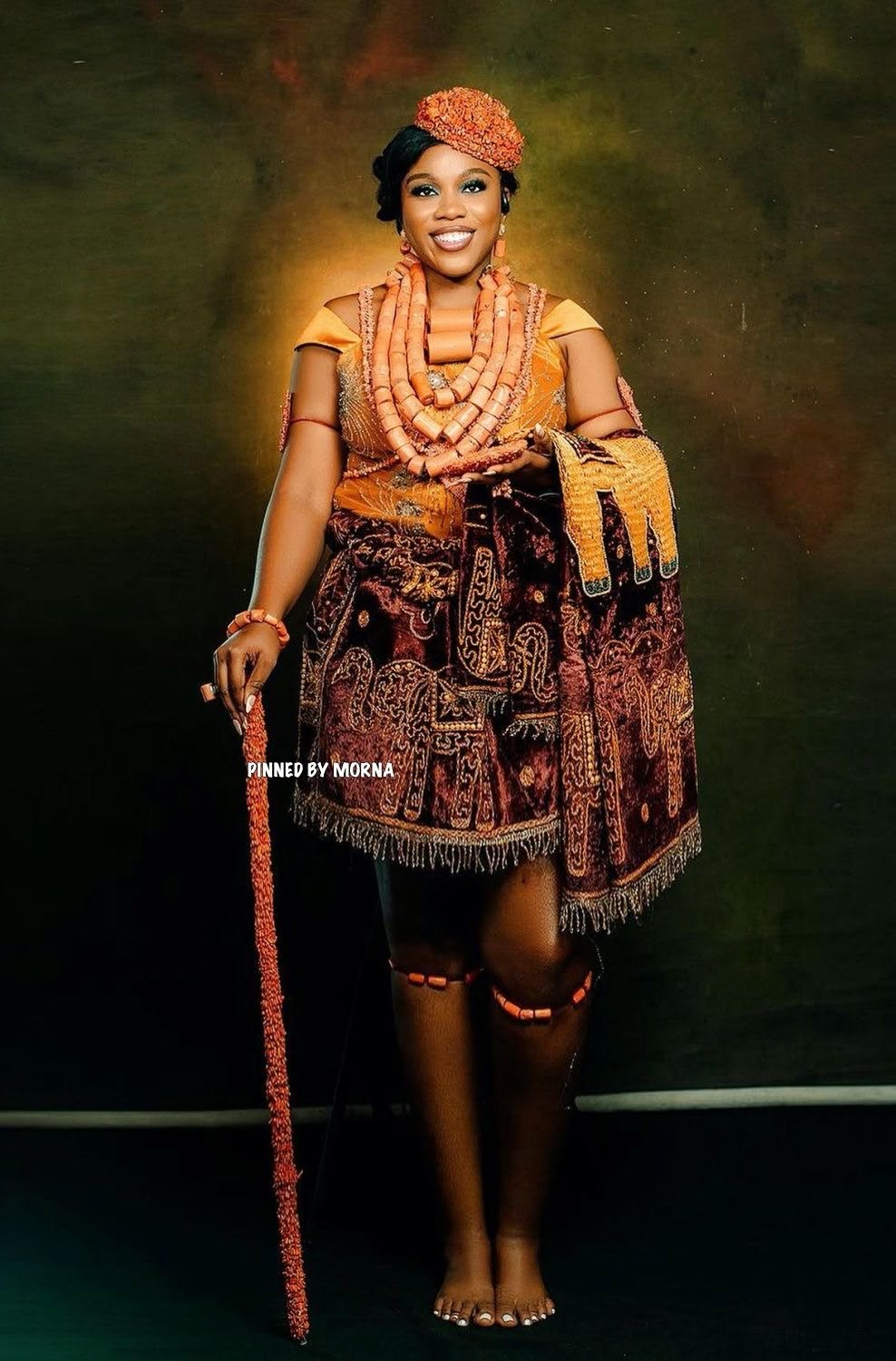
The fabric is the foundation, but the accessories are the argument. No Igbo bridal look is complete without them, and an incomplete bridal look at Igba Nkwu is, in the cultural grammar of Igbo dress, a statement the bride did not intend to make.
Coral Beads (Aja Nzu / Ola)
Original coral beads at the neck, wrist, and ankle are the non-negotiable markers of Igbo women’s ceremonial dress. The quantity and quality of coral communicate social standing and family investment. At Igba Nkwu, a bride’s coral set is read by every senior woman in the room. Costume beads and imitation coral are identifiable at close range and communicate something about the preparation that has gone into the occasion. Original coral is the standard. It is not a decoration. It is a declaration.
Ichafụ (Head Tie)
The Ichafụ is the Igbo name for the headscarf, what the Yoruba call the gele. The Igbo style is less architecturally imposing than the Yoruba version, but it is no less considered. The Ichafụ at an Igba Nkwu is folded, shaped, and sized to complement the fabric below it, and to communicate the bride’s readiness for the ceremony. A poorly tied Ichafụ undoes the work of even the finest George or Akwete wrapper.
Mgbaji (Waist Beads)
Waist beads worn under the wrapper are a private element of the Igbo bridal look that the bride carries for herself and for the marriage she is entering. Different communities have different conventions around which beads are worn, in what colours, and what they signify. They are present at every Igbo traditional wedding, whether visible or not.
Uli and Nzu
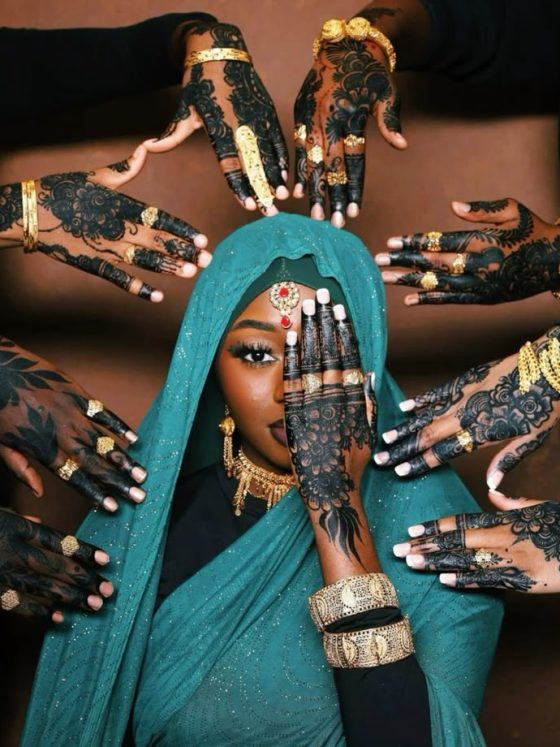
In some Igbo communities, particularly those with stronger ties to the pre-colonial body-decoration tradition, brides apply Uli, a dark dye drawn in patterned lines derived from Nsibidi symbols, to their arms, legs, and chests. Others apply Nzu, white chalk, to the skin. Both carry spiritual and aesthetic significance that the Western beauty industry equivalent cannot replicate. A bride who arrives with Uli patterns on her arms is not wearing body art. She is wearing cosmological knowledge.
Hand Fan
The hand fan carried in the right hand is the specific accessory of the wine-carrying moment. It is held throughout the ceremony and signals to the assembled room that the bride is present, ready, and conducting herself in the manner the occasion demands. It is not optional. It is structural.
Five different fabrics. Five different cultural histories. One ceremony that asks every bride the same question: what do you carry with you into the life you are beginning? The answer is woven into the cloth she chooses.
Also Read:
- Top 5 Akwete Styles for Igbo Women in 2026
- Top 5 George Styles for Igbo Women in 2026
- Top 5 Isi-Agu Styles for Igbo Women in 2026
- Street Fashion in Africa
The Omiren Argument
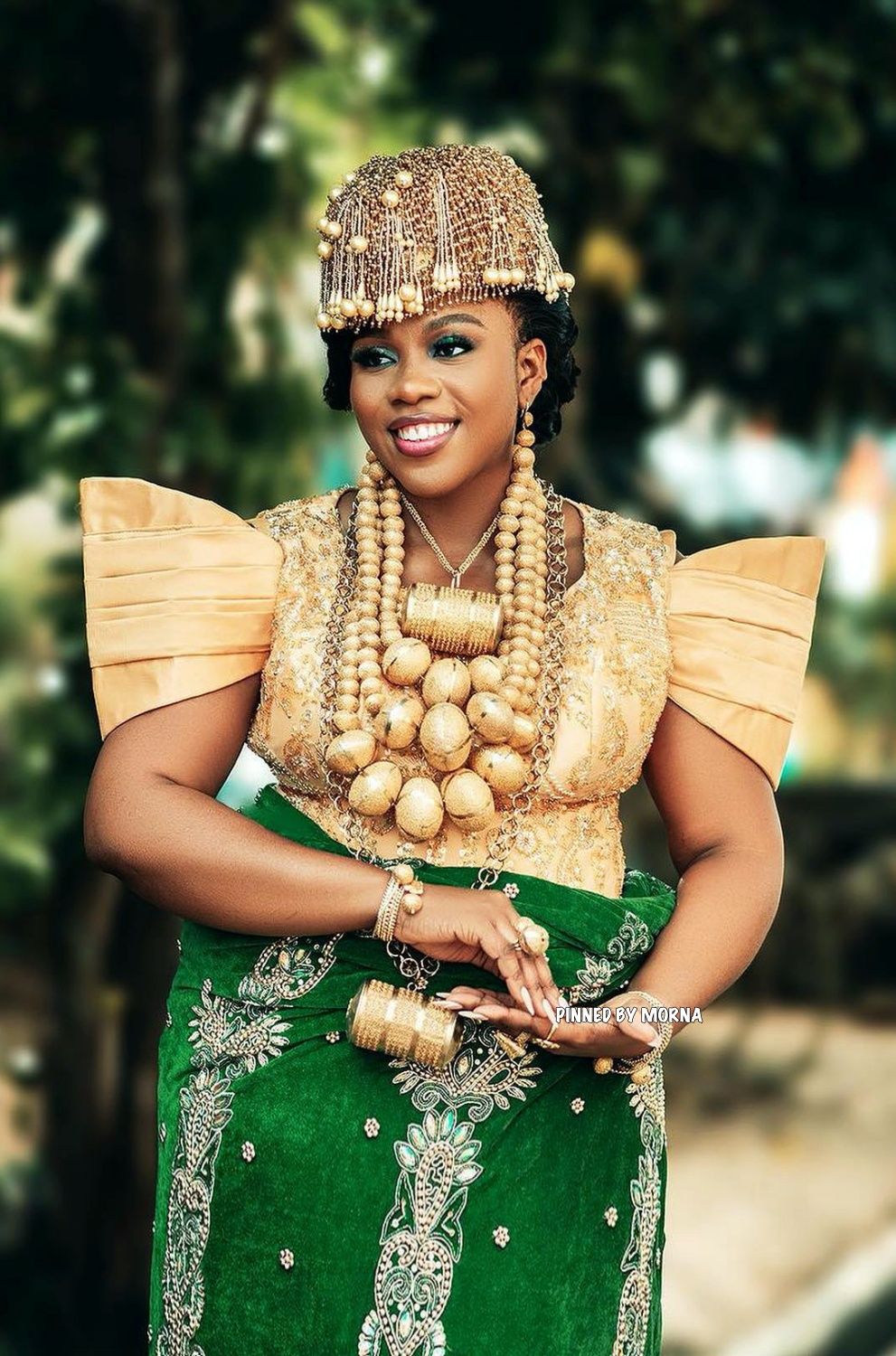
The question that every Igbo bride looks for an answer to in 2026 is the same one the Igbo have always asked about fabric: not where it came from, but what it can mean. Akwete is the oldest answer, woven into cloth by Ndoki women on Nkwe looms for over a century. Akwa Ocha is the Delta-Igbo answer, carried from the cotton fields of Ubulu-Uku into the most intimate moment of the wedding night. Plain George is the answer that absorbed an Indian trade cloth into a distinctly Igbo ceremonial language so thoroughly that most people no longer think to ask where it began. Omu Aro is the specific Aro answer, embroidered with a symbol that has been the mark of that kingdom’s dignity for as long as there has been an Arochukwu to carry it. And Isi Agu is the modern Igbo answer: a 20th-century fabric pressed into the service of an ancient ceremony with such conviction that it is now impossible to imagine the Igba Nkwu without it.
Each of these five looks is a different conversation between an Igbo woman and her culture. The conversation is conducted in fabric, in beads, in the fold of an Ichafụ, and in the precise moment when a bride carrying a cup of palm wine looks across a room full of her people and finds the man she has chosen. That moment is what all of this is for.
Igbo amaka. The Igbo are beautiful. This is some of the evidence.
Browse the full African Style collection at Omiren Styles.
Frequently Asked Questions
1. What is Igba Nkwu, and what does a bride wear?
Igba Nkwu is the traditional wine-carrying ceremony at the heart of Igbo marriage. The bride, dressed in her full traditional attire with coral beads, an Ichafụ headscarf, and a hand fan, carries a cup of palm wine through the gathering and presents it to the man she has chosen as her husband. The fabric she wears is among the most considered choices of her life. Common choices include Bridal George, Akwete, Plain George (Jorji), Isi Agu gowns, Akwa Ocha (for Anioma brides), and Omu Aro cloth (for Arochukwu brides). A detailed guide to the full range of Igbo bridal attire is available at Okwu ID.
2. What does Akwa Ocha mean, and which Igbo communities wear it?
‘Akwa Ocha’ means ‘white cloth’ in Igbo. It is the handwoven textile of the Anioma people, the Igbo-speaking communities of Delta State, also known as Delta Igbo. The Anioma land comprises the Aniocha, Ndokwa, Ika, and Oshimili communities of Delta North. In traditional Anioma marriage, Akwa Ocha carried a specific symbolic role as evidence of the bride’s purity and dignity. The cloth is also worn in some neighbouring Igbo communities, including Ogbaru in Anambra and Ndoni in Rivers State. Eucarl Wears Anioma traditional marriage attire, including Akwa Ocha, in full.
3. What is Omu Aro, and how is it different from Plain George?
Omu Aro is the specific Arochukwu variant of George cloth, distinguished by the embroidered Omu frond motif, the palm frond that is the symbol of Aro dignity and royalty. While Plain George is a plaid cotton fabric worn across Igbo communities, Omu Aro carries the embroidered emblem of the Aro Kingdom in living colours on its surface, making it an immediately identifiable marker of Arochukwu cultural identity. An Aro bride who wears Omu Aro at her traditional wedding is declaring both her specific lineage and her broader Igbo identity.
4. Can an Igbo bride mix fabric traditions at her Igba Nkwu?
Yes, and some of the most considered bridal looks in 2026 do exactly this. A bride might wear an Isi Agu gown with a trailing Akwete wrapper, or combine a Plain George double wrapper with an Akwete Buba blouse. What the community reads is not the individual pieces in isolation but the overall look, completeness, and cultural literacy. A bride who blends fabric traditions with an understanding of what each piece means makes a richer cultural statement than one who wears a single fabric without understanding what it carries.
About Omiren Styles
Omiren Styles is an Africa-rooted fashion and culture editorial platform. Fashion. Culture. Identity. We do not follow trends. We inform them.