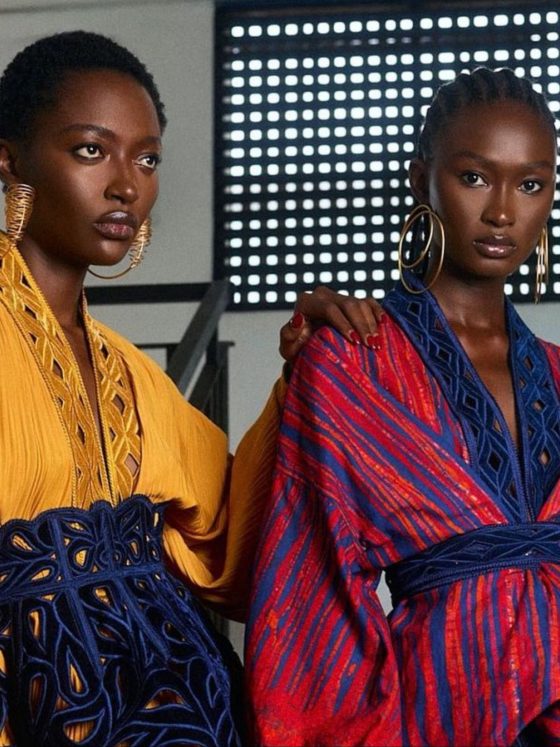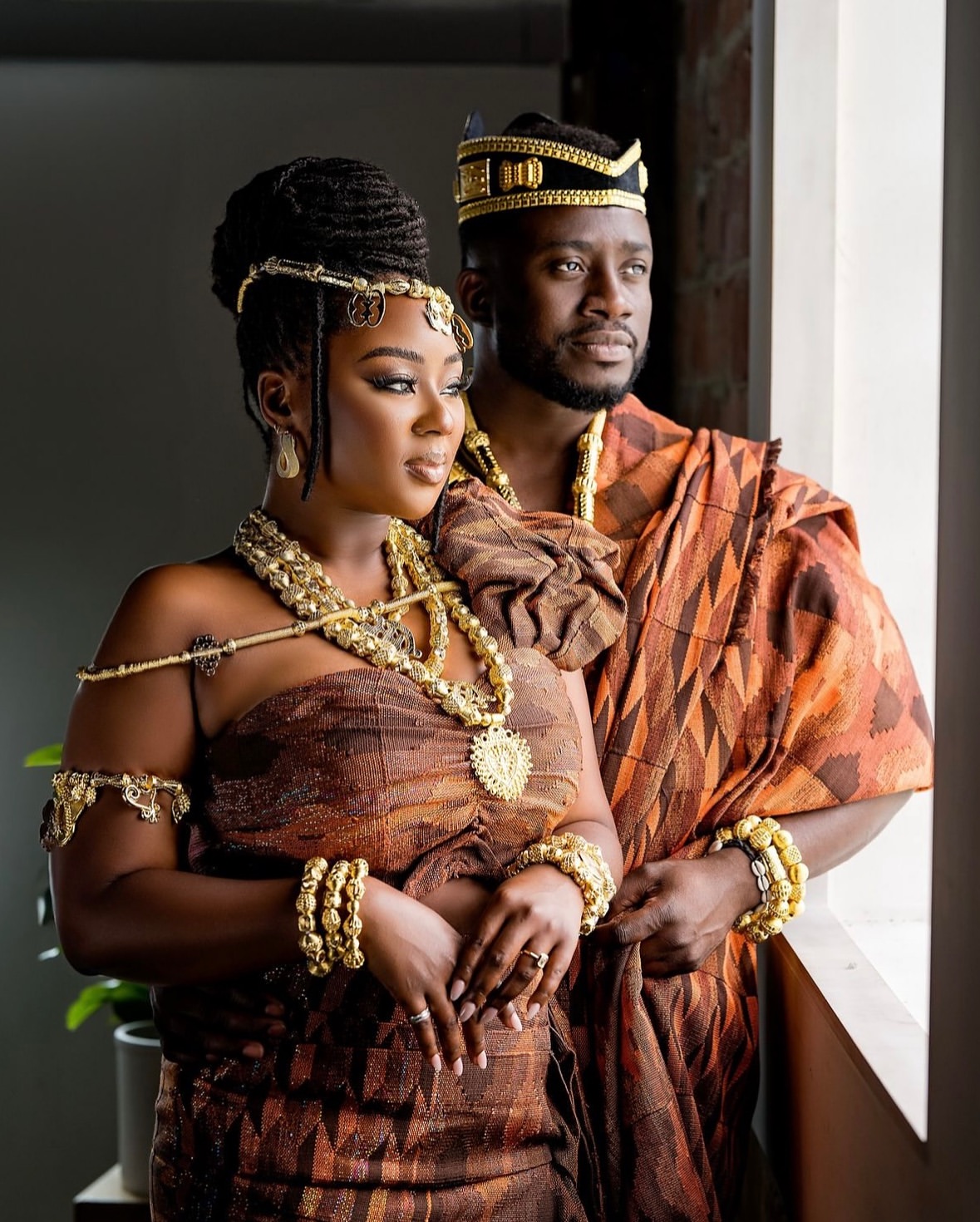
A Togolese wedding is not a single event. It is a sequence of ceremonies, each with its own legal and social functions, participants, obligations, and dress code. The civil ceremony, conducted at a government registry, has one register: formal, witnessed, small in scale. The religious ceremony, conducted in a church or mosque, has another: it is sacred, communal, and governed by the specific requirements of the relevant faith institution. The traditional customary ceremony, governed by the ethnic community’s conventions, has another entirely: it is material, relational, and rooted in a practice of exchange that has been occurring between Togolese families for generations. The reception, which can involve hundreds of guests, has a fourth.
What the bride wears across these ceremonies is not a single dress decision. It is a series of statements about which community she belongs to, what that belonging costs, and what it gives her in return. The most important of those statements is made during the traditional customary ceremony, where the bride and groom wear matching kente fabric as a declaration of cultural identity and familial union that no civil certificate or church service can replicate. The kente is not worn for the registry. It is worn for each other, for the families, and for the community that will hold the marriage together long after the paperwork is filed.
Togolese weddings are multi-stage social contracts, with each stage having its own dress code. From the customary ceremony to the lavish reception, this is how Togo’s brides dress.
The Omiren Argument:
A Togolese wedding is not a dress occasion. It is a multi-stage social contract, and each stage has a dress code that encodes what the contract means at that moment. The kente that the bride and groom match for the traditional ceremony is the same fabric that Ewe weavers in southern Togo have produced for centuries. It is not borrowed from Ghana for the occasion. It was always already there.
The Three-Marriage Framework and What Each Ceremony Demands

Togolese law recognises three types of marriage: civil, religious, and customary. As documented in the comprehensive Togolese marriage guide on Marryonchain.com, any of these three types must be performed for a marriage to be legally recognised. Many couples perform more than one, particularly those who want both civil and religious recognition simultaneously. A marriage officiant in Togo is required by law to inform spouses of their legal rights and duties at the point of the ceremony, a provision confirmed by World Bank legal reform documentation as a feature of Togolese marriage law that distinguishes it from several neighbouring countries.
The civil marriage is characteristically minimal in its dress requirements. It is a legal transaction: conducted at a government registry, witnessed, and documented. The couple, their witnesses, and a small number of family members are the typical participants. The dress code, while formally respectful, is not the occasion for the full expression of Togolese textile culture. That expression belongs to the customary ceremony and the reception.
The religious ceremony, which most Togolese marriages include, given that approximately 50 per cent of Togo’s population identifies as Christian, reflects the dress expectations of the relevant faith institution. Church weddings in Togo require both spouses to be baptised and to present baptismal, holy communion, and confirmation certificates. The priest or pastor holds authority over whether the marriage proceeds. The dress at a church wedding in Togo reflects a blend of European Catholic or Protestant traditions and Togolese textile culture: a bride may wear a white gown for the church ceremony and change into kente or pagne for the customary ceremony and reception.
The customary marriage, governed by the specific conventions of the couple’s ethnic community or communities, is where Togolese textile culture is most fully displayed. It is here that the bride price is negotiated and presented, here that the families formally meet as units, and here that the matching kente attire that defines Togolese traditional wedding dress is worn.
The Bride Price and the Dress That Follows It
In traditional Togolese marriages, the bride price is a pre-wedding obligation that shapes the economic and relational conditions under which the wedding dress is selected. During the pre-wedding phase, the groom is presented with a list of items he must provide to the bride’s family. The bride price is understood as gratitude: a formal acknowledgement by the groom’s family of what the bride’s family has invested in raising and educating her. It is not a purchase. It is a relational gesture that opens the formal relationship between two families.
The bride price negotiation in Togo, as in much of West Africa, is a ceremonial event in its own right: families gather, representatives speak, and the items brought by the groom’s family are received and assessed by the bride’s family. The dress worn at this pre-wedding event signals belonging and respect. The women of both families are dressed to represent their families well: pagne ensembles, carefully chosen fabrics, jewellery that reflects the family’s standing. The customary marriage does not begin with the ceremony itself. It begins with the first formal encounter between the families, and that encounter is set up.
The significance of this for bridal fashion is that the dress the bride wears on her wedding day is the culmination of a process that involves the entire family. The fabric, the jewellery, and the styling choices are not made by the bride alone. They are made in dialogue with the family structures on both sides of the marriage, with the cultural conventions of the relevant ethnic community, and with the practical negotiations that the bride price process has already conducted. A Togolese bride does not simply choose her wedding dress. She wears the outcome of a relationship between two families.
Kente as the Staple Togolese Wedding Fabric
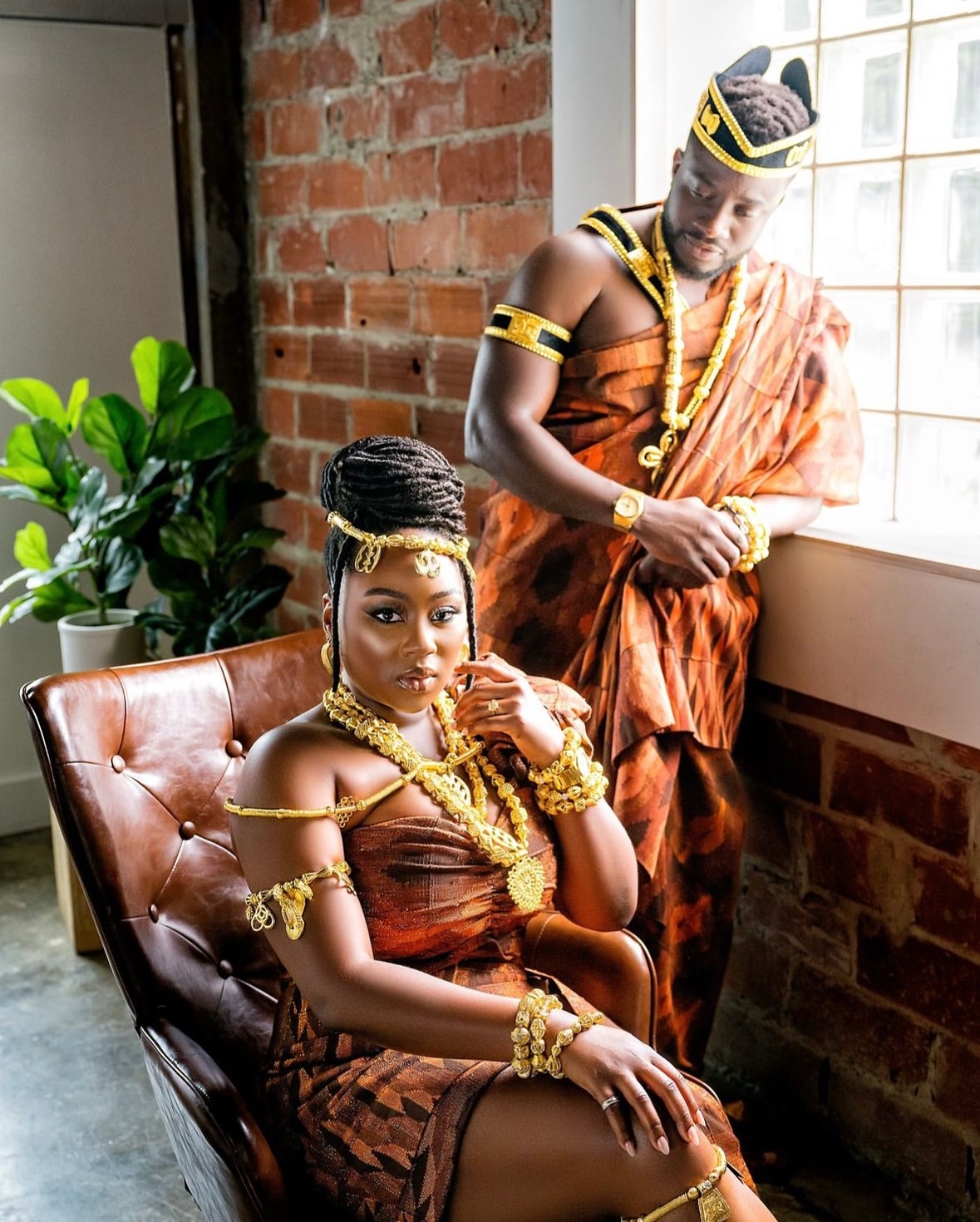
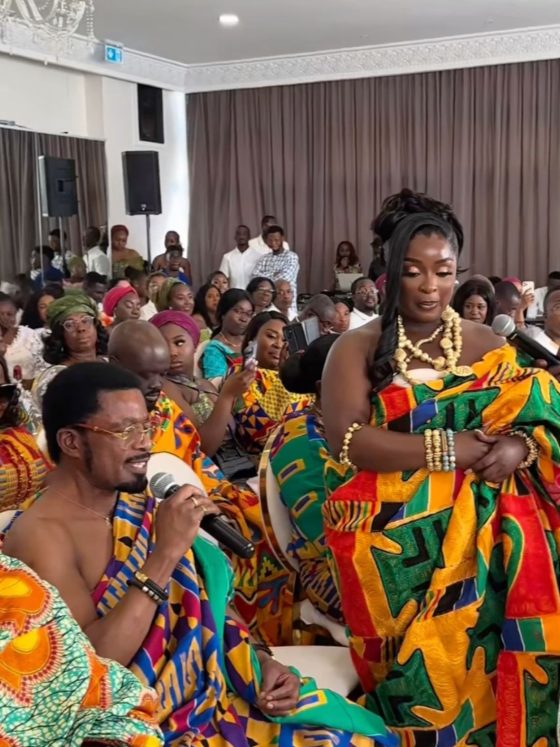
The most consistent documented feature of Togolese traditional wedding attire is the matching kente fabric worn by the bride and groom. D&D Clothing’s documentation of Togolese wedding styles confirms: “Kente is the staple traditional wedding dress in Togo, whereby the bride and groom wear matching Kente for their big day.” The Marryonchain guide confirms the same: “The bride and groom are required to wear matching Kente attire on their wedding day.” The word required is significant. Matching kente is not a stylistic preference. It is a cultural expectation.
The kente worn at Togolese weddings is the Ewe kente tradition documented in this series. Its origins in Notsie, in present-day Togo, and its production in weaving centres, including Kpalimé and Atakpamé, make it a specifically Togolese material. When a bride and groom wear matching kente at a Togolese traditional ceremony, they are wearing a fabric whose weaving tradition runs through the same communities that will witness the ceremony. The fabric is not an imported aesthetic. It is a communal textile.
The specific form the kente takes in a bridal dress is flexible within the tradition. D&D Clothing states that the bride may choose a skirt and blouse, a long gown, or any other style she prefers in her kente fabric, and that a blend of lace or any other matching fabric may be incorporated to create a unique style. The groom has options, including a wrapper draped from one side of his neck, brocade, agbada, or senator style. The kente fabric is the constant. The cut and the styling are decisions made within it.
Contemporary Togolese bridal kente increasingly incorporates other fabrics into the ensemble. Lace, Ankara, and brocade are all documented as compatible additions to a kente-based bridal look. This is not a dilution of the tradition. It is a continuation of the same adaptive logic that has always characterised West African dress: working with multiple materials simultaneously, using each for what it does best, and producing something that is more specific to the wearer and the occasion than any single fabric could achieve alone.
Pagne and the Broader Fabric Culture of Togolese Weddings
Pagne, the woven fabric that is the foundation of everyday Togolese dress, is also a traditional wedding fabric. D&D Clothing confirms that pagne is used alongside kente in the Togolese wedding dress tradition. The relationship between kente and pagne in a Togolese wedding reflects the broader relationship between the two fabrics in Togolese dress culture: kente carries the ceremonial weight of the occasion. It signals the couple’s cultural identity, while pagne provides the broader fabric vocabulary through which guests and family members dress for the day.
The West African practice of family members and close friends wearing matching fabric at weddings, known in Yoruba tradition as aso ebi and widely adopted across the region, is consistent with the emphasis in Togolese wedding culture on communal display. At a Togolese wedding, it is not only the couple who dress to express their identity and sense of belonging. The assembled families and community dress to demonstrate their relationship to the occasion and to each other. The fabric choices made by the bride’s and groom’s families for the wedding day are part of the same statement that the matching kente makes for the couple: we are here together, and our dress proves it.
Dutch wax print, the fabric at the centre of the Nana Benz and Nanette trade that this series has documented in detail, is also part of the material culture of Togolese weddings. The wax print patterns that circulate through Lomé’s Grand Marché supply fabric for guest outfits, mothers’ ensembles, and the broader community of well-wishers who dress for the occasion. The wax print is the everyday register of West African dress elevated to its most public and most deliberate expression.
ALSO READ
- Ewe Kente vs Ashanti Kente: Two Traditions, One Name
- The Nana Benz of Lomé: How Togolese Women Traders Built West Africa’s Wax Print Empire
- What Do People Wear in Togo? A Complete Style Guide
The Reception: Where Fashion Becomes Its Own Event
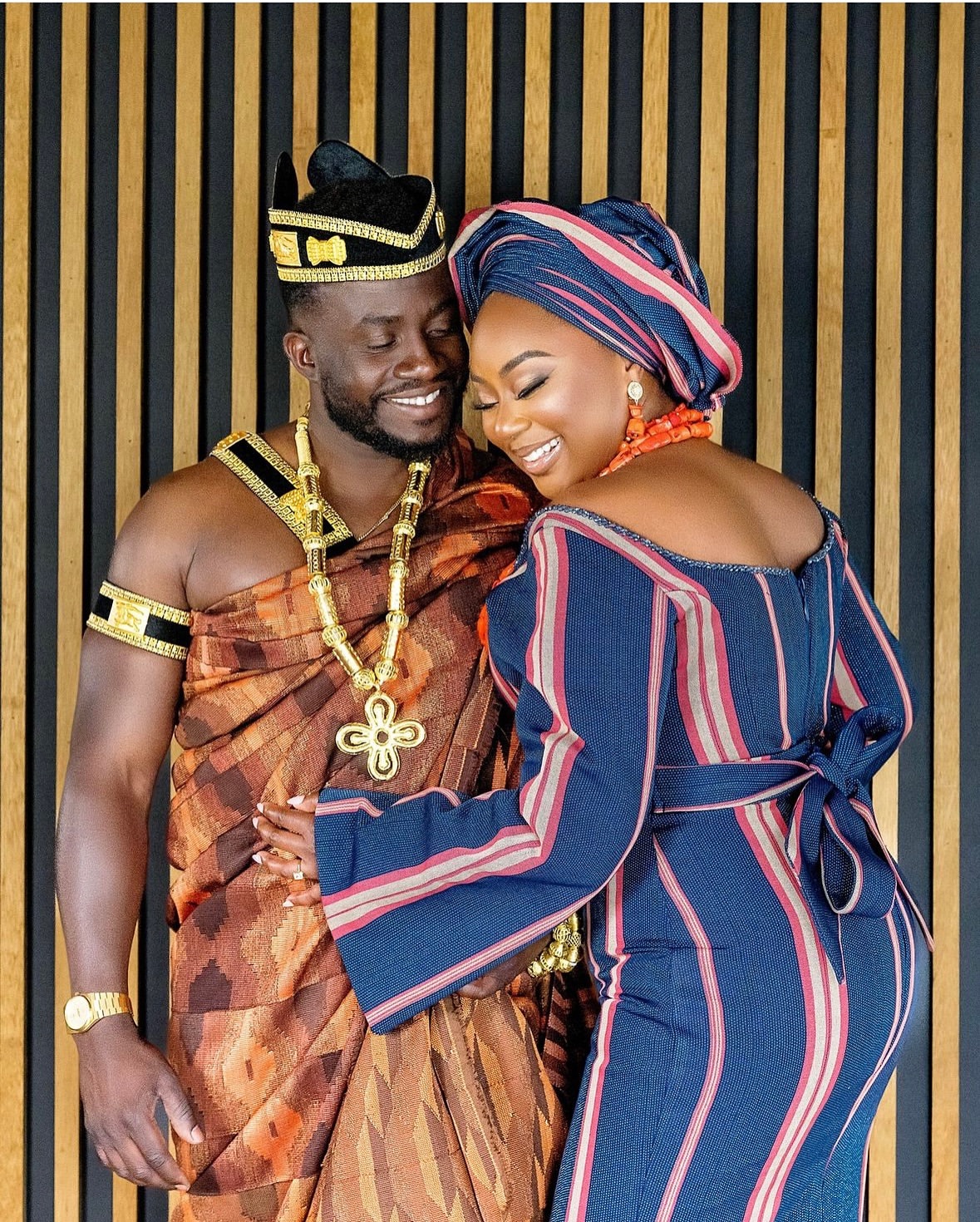
Togolese wedding receptions are, as Marryonchain confirms, “massive events” involving lavish ceremonial rites. D&D Clothing notes that a Togolese traditional wedding is one of the biggest events in the country, and that it is the time when not only the couple but everyone tends to display their sense of fashion with a range of gorgeousness. The word “everyone” is precise: the fashion display at a Togolese wedding is not confined to the bridal party. It extends to every guest, every family member, and every person whose relationship to the couple is expressed through their presence and their dress.
The reception is the stage where the full range of Togolese fashion culture is visible simultaneously. Kente ensembles sit alongside pagne and lace. Geles and headwraps constructed from the same fabric as the bride’s outfit signal familial closeness. Agbada-wearing uncles share the space with younger male guests in tailored contemporary pieces. The bride may change from her traditional kente ensemble to a different look for the reception, extending the day’s multi-stage dress logic into the evening.
For Togolese designers, the wedding market is one of the most significant commercial opportunities in the domestic fashion economy. The demand for bespoke pagne and kente ensembles, for tailored bridal looks that work within the traditional fabric framework while reflecting the couple’s individual aesthetic, and for guest outfits that dress entire families for a single occasion creates sustained work for Lomé’s couturiers and tailors. Kav Élite’s client base, built over two decades through the kind of trust that the wedding context demands, is partly sustained by exactly this market. A wedding is not a single garment commission. It is a family commission.
Togo’s 37 Ethnic Groups and the Diversity Within the Tradition
Togo’s wedding dress culture is not uniform across the country. The 37 recognised ethnic groups, each with distinct customs and traditions, produce different ceremonial expectations for the couple and their families. The kente-centred tradition described in this article is most directly associated with the Ewe and Mina communities of southern Togo, for whom kente is the ancestral fabric. The Kabye of northern Togo, the country’s second-largest ethnic group, have their own wedding traditions rooted in distinct material culture. The Ana-Ife, the Tem, the Bassari, and the other northern and central communities each bring specific textile and ceremonial conventions to the wedding context.
The French colonial legacy is also present in wedding culture. Togo was a French-administered territory, and the civil marriage framework, the church wedding tradition among Christian communities, and certain elements of reception culture all reflect that history. D&D Clothing notes that, despite the prevalence of French influence, native traditions remain strong, as the majority of the population continues to follow traditional animist beliefs. This is the same syncretism documented in the Vodun article in this series: not a conflict between traditional and contemporary, but a layered coexistence in which both operate simultaneously.
The most honest description of Togolese bridal fashion is that it is plural. There is no single Togolese wedding dress. There is a tradition in which kente is the anchor, pagne is the broader vocabulary, lace and Ankara are compatible additions, the bride price negotiation shapes the relational context, the three-marriage framework creates multiple ceremonial occasions, and the lavish reception provides the stage on which all of it is publicly performed. The bride who navigates all of this is not choosing a dress. She is composing a statement in a language that everyone in the room already speaks.
“A Togolese wedding is not a dress occasion. It is a multi-stage social contract, and each stage has a dress code that encodes what the contract means at that moment. The bride who navigates all of this is not choosing a dress. She is composing a statement in a language that everyone in the room already speaks.”
Frequently Asked Questions
What do brides wear at traditional Togolese weddings?
The staple traditional wedding dress in Togo is kente fabric, worn as a matching outfit by both the bride and groom. The bride can choose from a range of styles with the kente: skirt and blouse, a long gown, or other designs she prefers. Kente can be combined with lace, Ankara, or brocade to create a unique look. The bride is also adorned with jewellery. Pagne is also a traditional wedding fabric in Togo, used both for the bridal ensemble and for the broader community of family members and guests dressing for the occasion.
What are the three types of marriage in Togo?
Togolese law recognises three types of marriage: civil, religious, and customary. For a marriage to be legally recognised, any one of these must be performed. Civil marriages are typically small-scale, involving the couple, their witnesses, and a few family members. Religious marriages, the most common type, are conducted in a church or mosque in accordance with the requirements of the relevant institution. Customary marriages are governed by the conventions of the couple’s ethnic community and are where the traditional dress, including matching kente, and the bride price ceremonies take place. Many couples perform more than one type.
What is the bride price in Togolese weddings?
The bride price is a pre-wedding obligation central to traditional Togolese marriages. During the pre-wedding phase, the groom is presented with a list of items he must provide to the bride’s family. The bride price is understood as gratitude: a formal acknowledgement by the groom’s family of what the bride’s family has invested in raising her. It is not a purchase but a relational gesture that opens the formal relationship between the two families. The presentation of the bride price is a ceremonial event in its own right, attended by representatives from both sides of the family.
What does the groom wear at a traditional Togolese wedding?
The groom wears matching kente fabric to match the bride’s outfit at the traditional ceremony. The specific style he chooses within the kente framework includes options such as a wrapper draped from one side of his neck, a brocade outfit, an agbada (flowing gown), or a senator style (a contemporary fitted two-piece suit). The matching fabric worn by the bride and groom is a cultural expectation rather than a stylistic preference, making the couple’s shared identity visible to the assembled community.
Is kente a Togolese fabric or a Ghanaian one?
Kente is both Togolese and Ghanaian, reflecting the transborder nature of the Ewe people whose homeland spans both countries. The Ewe weaving tradition that produces kente originated in Notsie, a town in present-day Togo, and spread with Ewe migrations into what is now southeastern Ghana. Togo has the second largest population of Ewe language speakers after Ghana, and the weaving towns of Kpalimé and Atakpamé in Togo are part of the same weaving corridor as Ghana’s Volta Region. When Togolese brides wear kente, they are wearing a fabric whose production tradition is specifically Togolese, not a Ghanaian textile borrowed for the occasion.
How do guests dress at Togolese weddings?
Togolese wedding receptions are described as massive events where everyone displays their sense of fashion. Guests typically wear their finest pagne and wax print ensembles, often in coordinated fabrics that signal their relationship to the couple’s family. The West African tradition of family members and close friends wearing matching fabric, which is widespread across the region, is consistent with Togolese wedding culture. Geles, headwraps, tailored pagne outfits for women, and agbada or contemporary tailored pieces for men are all part of the visual vocabulary of a Togolese wedding reception.
Explore more from our Culture section, where Togo’s dress traditions are documented as the living, socially precise systems they are.