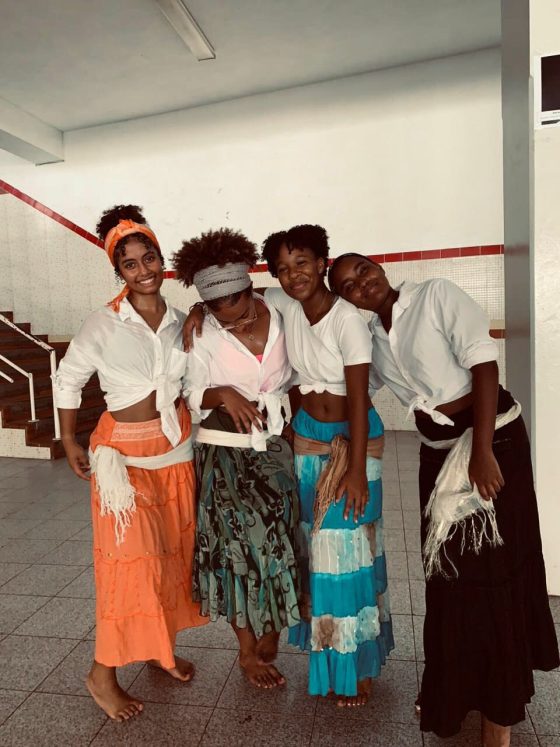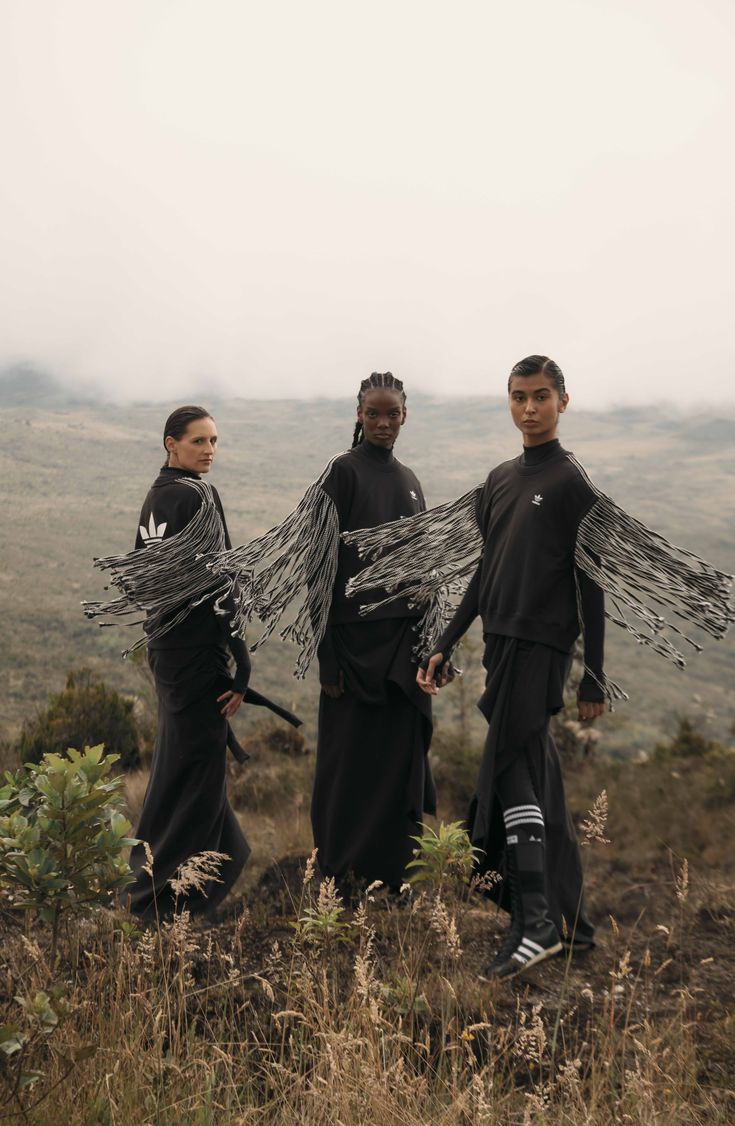
The story the global fashion industry tells about Colombian designers centres on Bogotá, Medellín, and, to a lesser extent, Cartagena—with Johanna Ortiz from Cali. Haider Ackermann, Colombian-French, is showing in Paris. Silvia Tcherassi, a luxury resort. These are genuinely accomplished designers, and their international visibility is earned. But Afro-Colombian designers working directly from Pacific coast heritage, from the textile traditions, craft knowledge, and cultural identity of the communities most concentrated in Chocó and Cali, represent a different and largely undocumented current in Colombian fashion. Their work has been shown at African Fashion Week Amsterdam, LA Fashion Week, and Colombiamoda. The United Nations have recognised it. It has not been the subject of sustained international fashion press coverage.
The Pacific coast of Colombia, stretching from the border with Panamá to Ecuador, is home to the highest concentration of Afro-Colombian communities in the country. Quibdó, the capital of the Chocó department, has a population that is approximately 95 per cent Afro-Colombian. Condoto, further south, sits at the heart of one of the most biodiverse and culturally rich landscapes in the Americas, with gold in the ground and a cultural inheritance that its communities have maintained against centuries of external pressure. Cali, the largest city in the Pacific coast region, has developed into a hub of Afro-Colombian culture, with a fashion scene now producing designers of genuine international standing. This article documents what that scene is building and why it matters.
Colombian fashion coverage ignores the Pacific coast. Lia Samantha, Quibdó’s craft traditions, and Cali’s Afro-Colombian designers are building something the industry hasn’t covered until now.
Why the Pacific Coast Has Been Invisible to Fashion Media
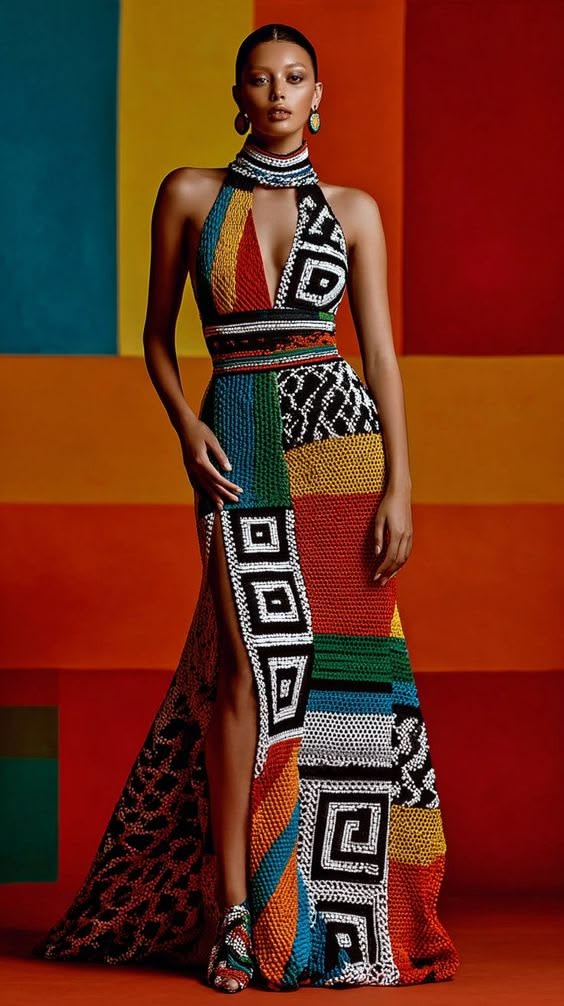
Colombian fashion media and the international press that follows it have built their coverage around the country’s commercial and institutional infrastructure: São Paulo Fashion Week’s Colombian equivalents, Colombiamoda in Medellín and Bogota Fashion Week, which are dominated by the Andean fashion industry. The Pacific coast is geographically and institutionally distant from these centres. Quibdó does not have a fashion week. The chocatos, the traditional footwear of Afro-Colombian Pacific communities made from cabuya and fique plant fibres, do not appear on those runways. The San Pacho festival in Quibdó, which showcases multicultural dress blending Colombian flag colours with silk, is treated as a cultural event rather than a fashion event. The infrastructural decision about where fashion is and is not happening has produced a coverage map with a significant gap precisely where the country’s most concentrated Afro-Colombian communities are located.
A lack of design activity does not explain this gap. The Afro-Colombian Pacific coast has a textile and craft tradition that predates the Colombian fashion industry by centuries: the use of plant fibres specific to the region, the specific colour palette rooted in the flora of the Chocó rainforest, and the gold tradition connected to Condoto’s goldfields that runs through jewellery and embellishment in the region’s dress culture. What has been absent is the editorial infrastructure to document it. The designers who are now bringing this heritage to international stages did not wait for that infrastructure to be built. They built their own platforms and took their work to the shows where it could be seen.
Lia Samantha Lozano: The Designer Who Opened the Door
Lia Samantha Lozano Rendón is the foundational figure of the Afro-Colombian fashion movement. Her family comes from Condoto, Chocó, on the Pacific coast, and her father’s roots there gave her the cultural orientation that would shape her entire practice. She was born in Bogotá, studied fashion design at the National United Corporation of Higher Education in Colombia, and launched her independent label in 2010. She was also the lead singer of the band Voodoo SoulJah, founded in 2005, and while touring with the band in Toronto, she first encountered African fabrics in a significant way. At a market in the city’s African-Canadian community, she found the textiles she recognised as part of her heritage. She bought everything she could carry. Those fabrics became the foundation of her design practice.
Lozano’s collections are characterised by African-print fabrics in vivid reds, magentas, emeralds, and blues, cut into contemporary silhouettes that blend volume, texture, and a specific Colombian sensibility. Her stated position on the work is direct: my designs create a memory of traditional clothing from Afro-Indigenous communities. It represents a big part of our culture and the wisdom of our people. Her collections have been shown at African Fashion Week Amsterdam, LA Fashion Week, Colombia Trade Expo International, Moscow Fashion Week, Colombiamoda, Barranquilla Fashion Week, and the National Beauty Contest. Miss Universe 2014, Paulina Vega, wore her designs. In 2021, she was selected as one of the 100 Most Influential People of African Descent by the organisation supported by the United Nations. She was the first Colombian fashion designer to reach that list.
“She found the African fabrics she recognised as her own in a Toronto market while on tour with her band. She bought everything she could carry. That is where the practice started.”
The Racism She Named and the Platform She Built Anyway
Lozano has spoken consistently about the racism that Afro-Colombian designers face in the Colombian fashion industry. Her position on it is not grievance but strategy. As racism is rife in Colombia, she has stated, I believe that I can use my fashion to start a change. I refuse to exclude anyone, especially as someone who is of Afro-Colombian descent and uses African fabrics. I refuse to dictate who wears and does not wear my designs or sell my clothes solely to African women. I want my designs to be available to everyone. That universalism is not a commercial accommodation. It is a deliberate political position: that the aesthetic tradition she carries belongs to everyone who chooses to engage with it, which is the opposite of the exclusionary logic the Colombian fashion industry has historically applied to Afro-Colombian cultural production.
Her colour philosophy carries the same weight. “Another reason I love using colour is that our ancestors did seek out elegance by wearing black”, she has explained. There is nothing elegant about hiding yourself under a black mantle. For indigenous and African tribes, a true sense of elegance is found in wearing colours that show you are alive. That argument about colour as vitality, as cultural assertion, as a refusal to accept the aesthetic diminishment that Western formal conventions have historically imposed on non-European dress, is one of the clearest statements any designer working from Afro-diasporic heritage has made about what their practice is actually doing. It locates the colour not as decoration but as argument.
Cali: The City Where the Movement Grew
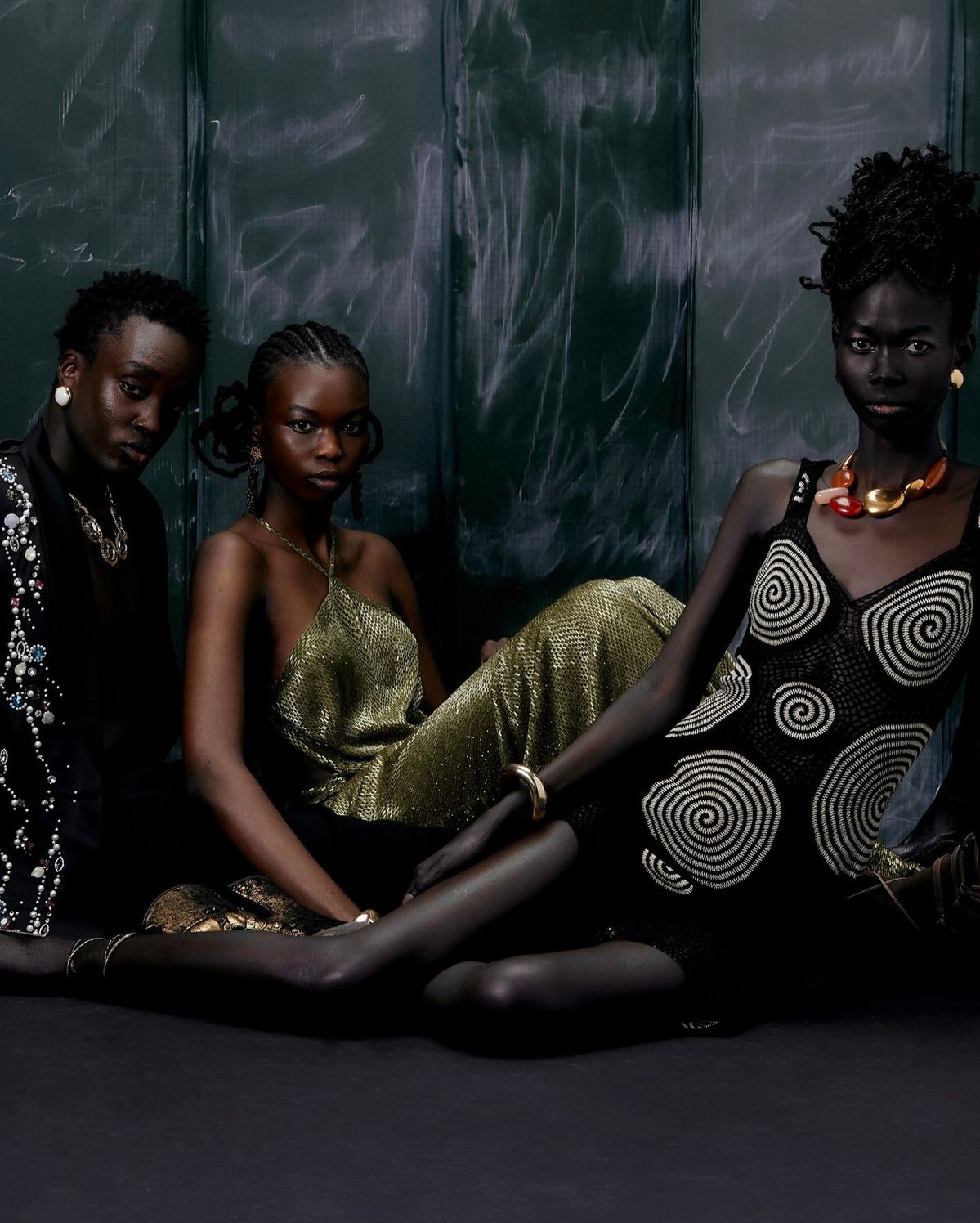
Cali has become the primary hub of contemporary Afro-Colombian fashion practice, a development that reflects the city’s broader position as a centre of Afro-Colombian cultural life. It is the city most associated with salsa, whose Afro-Colombian rhythmic foundation is inseparable from its cultural identity, and it is the city where the Afro-descendant design movement that Lozano’s work catalysed has found its most concentrated expression. Cali sits at the interface between the Pacific coast and Colombia’s Andean urban infrastructure, giving its fashion community access to both the heritage knowledge of Pacific communities and the commercial and institutional resources of a major Colombian city.
The designers’ building practices in Cali are not working from a single aesthetic programme. What connects them is a shared orientation: that Afro-Colombian identity is not a market segment or a cultural accessory but the primary foundation from which their work is built. The San Pacho festival in Quibdó, which continues to be the Pacific coast’s most significant annual celebration of cultural identity through dress, serves as a living reference rather than a historical archive. Designers from Cali travel to the Pacific coast communities. They work with artisans who carry the plant-fibre craft traditions. They bring that knowledge back into contemporary design work that is neither purely traditional nor purely contemporary but something the Pacific coast itself has produced from its own specific position.
Also Read:
- Meiling: The Trinidad Designer Who Built a Minimalist Language From Caribbean Sensibility
- Edvin Thompson of Theophilio: How Jamaican Dancehall Built a New York Fashion Week Collection
The Craft Traditions the Collections Are Built From
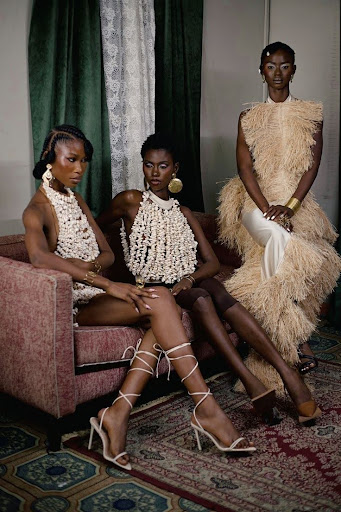
The Pacific coast’s textile and craft heritage is not widely documented in English-language fashion literature. The chocatos, traditional footwear made from cabuya and fique plant fibres native to the region, represent a craft tradition specific to Afro-Colombian Pacific communities with no equivalent elsewhere in the country. The use of silk in Pacific coast ceremonial dress, particularly in the flag colours of blue, yellow, and red at the San Pacho festival, reflects both the Spanish colonial textile tradition and the Afro-Colombian communities’ adaptation of it into their own ceremonial vocabulary. The gold tradition of Condoto and the surrounding mining communities has run through the region’s jewellery and embellishment culture for generations, connecting contemporary Afro-Colombian jewellery design to one of the most gold-rich landscapes in the Americas.
Lozano’s description of Condoto captures what this heritage means as a design resource: we have a lot of gold in the ground, but I think the real wealth of this place lies in its people. Our happiness is untouchable. That framing, of cultural knowledge and community practice as the primary resource rather than the extractable commodity, is the design philosophy that distinguishes the Pacific coast tradition from the commercial fashion industry’s approach to the same geography. The Colombian mining industry has spent centuries extracting gold from the ground. The fashion designers working from Pacific coast heritage are working with what the communities built from living there, which is worth considerably more.
What the Global Stage Has Started to Register
African Fashion Week Amsterdam’s inclusion of Lia Samantha Lozano’s work is significant precisely because it placed her practice in the context of the African diaspora rather than Latin American fashion. That framing is more accurate to what her work is actually doing: it is Afro-diasporic fashion practice, rooted in the African heritage that Pacific coast communities have maintained for centuries, and connected to the global conversation about Afro-descendant identity and cultural production. The LA Fashion Week showing, the Colombia Trade Expo International presence, and the Moscow Fashion Week inclusion: these represent the trajectory of a practice that has been building its international presence through the showing contexts most relevant to its actual cultural content rather than through the institutional channels most visible to the mainstream fashion press.
The UN’s 2021 designation of Lozano as one of the 100 Most Influential People of African Descent brought a level of international visibility that fashion editorial coverage had not provided. It also confirmed her work as a contribution to Afro-diasporic cultural practice rather than simply to Colombian national fashion. That distinction matters: a practice rooted in the Pacific coast’s Afro-Colombian communities is simultaneously Colombian and diasporic, local and global, specific to Chocó and connected to the broader conversation about African heritage in the Americas. The fashion press that covers Colombian fashion without engaging with that dual identity is covering half the story.
OMIREN ARGUMENT
The standard Colombian fashion narrative produces a list of names known to the international press: Johanna Ortiz, Haider Ackermann, Silvia Tcherassi, Esteban Cortazar. These designers are Colombian in the sense that they were born there and carry that identity with them. The Afro-Colombian designers working from Pacific coast heritage are Colombian in a different and more specific sense: they are working from the cultural knowledge of communities whose presence in Colombia predates the fashion industry by centuries, whose dress traditions were built under conditions of slavery and its aftermath, and whose aesthetic vocabulary reflects a specifically African diasporic heritage that Colombian fashion discourse has historically treated as peripheral or invisible.
Lia Samantha Lozao was the first Colombian fashion designer named among the UN’s 100 Most Influential People of African Descent. That is not a minor recognition. It is the international community that names a practice that the Colombian fashion industry and the international press had not adequately named. The Pacific coast is not waiting to be discovered. Its designers have been showing internationally, building practices rooted in Chocó’s heritage, and arguing that Afro-Colombian cultural knowledge is a primary fashion resource rather than a regional variation on someone else’s story. That argument is the one Omiren is built to document.
Frequently Asked Questions
- Who are the leading Afro-Colombian fashion designers?
Lia Samantha Lozano Rendón is the foundational figure of the Afro-Colombian fashion movement. She launched her independent label in 2010, was the first Colombian fashion designer named among the United Nations’ 100 Most Influential People of African Descent (2021), and has shown at African Fashion Week Amsterdam, LA Fashion Week, Colombia Trade Expo International, Moscow Fashion Week, and Colombiamoda. Her designs use African-print fabrics from the Afro-Colombian and broader African diasporic heritage, combined with contemporary Colombian silhouettes. The Afro-descendant design movement she helped catalyse has developed particularly in Cali, which has become the primary hub of contemporary Afro-Colombian fashion practice.
- What is the Pacific coast’s contribution to Colombian fashion?
Colombia’s Pacific coast, home to the highest concentration of Afro-Colombian communities in the country, has produced a distinct textile and craft heritage that the mainstream Colombian fashion press has largely failed to cover. Quibdó, the capital of Chocó department, with an approximately 95 per cent Afro-Colombian population, has dress traditions rooted in plant-fibre craftsmanship, including the chocatos footwear made from cabuya and fique fibres, and ceremonial dress traditions showcased at the San Pacho festival. The gold traditions of Condoto and the surrounding mining communities inform the region’s jewellery and embellishment culture. Contemporary designers, including Lia Samantha Lozano, work directly from this heritage, translating it into internationally shown collections.
- What makes Lia Samantha Lozano’s work significant?
Lia Samantha Lozano’s work is significant for several connected reasons. She was among the first Colombian designers to formally introduce African fabrics into modern Colombian fashion, drawing on her personal Afro-Colombian heritage rooted in Condoto, Chocó. Her collections make explicit the connection between African diasporic textile traditions and the Afro-Colombian communities of the Pacific coast. She was recognised in 2021 as one of the 100 Most Influential People of African Descent by the United Nations-supported organisation, the first Colombian fashion designer on that list. Her stated practice of using fashion to counter racism in Colombia, combined with a deliberate inclusivity in who she designs for, positions her work as a cultural practice as much as a commercial fashion practice.
- Why is Cali significant in Afro-Colombian fashion?
Cali has become the primary hub of contemporary Afro-Colombian fashion practice, a development linked to the city’s broader role as a centre of Afro-Colombian cultural life. As the largest city in the Pacific coast region, it sits at the interface between Pacific coast heritage communities and Colombia’s Andean urban infrastructure, giving its fashion community access to both cultural knowledge and commercial resources. It is also the city most associated with salsa, whose Afro-Colombian rhythmic and cultural foundations are inseparable from its identity. The Afro-descendant design movement catalysed by Lia Samantha Lozano’s work has found its most concentrated contemporary expression in Cali.
- How does Afro-Colombian fashion connect to the African diaspora?
Afro-Colombian Pacific coast communities are descended from African people enslaved and brought to Colombia during the transatlantic slave trade, primarily from West and Central Africa. Their cultural practices, including dress traditions, textile knowledge, and the use of colour as a form of cultural expression, carry the African diasporic heritage that connects them to the broader global conversation about Afro-descendant identity and cultural production. Designers, including Lia Samantha Lozano, have explicitly positioned their work within this diasporic context, showing at African Fashion Week Amsterdam and being recognised by organisations that work with people of African descent globally. Colombian fashion is therefore simultaneously a national tradition and a diasporic one.