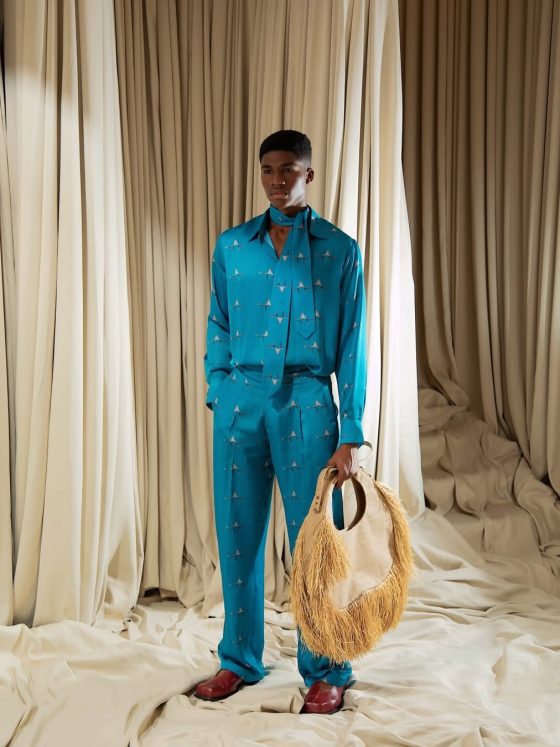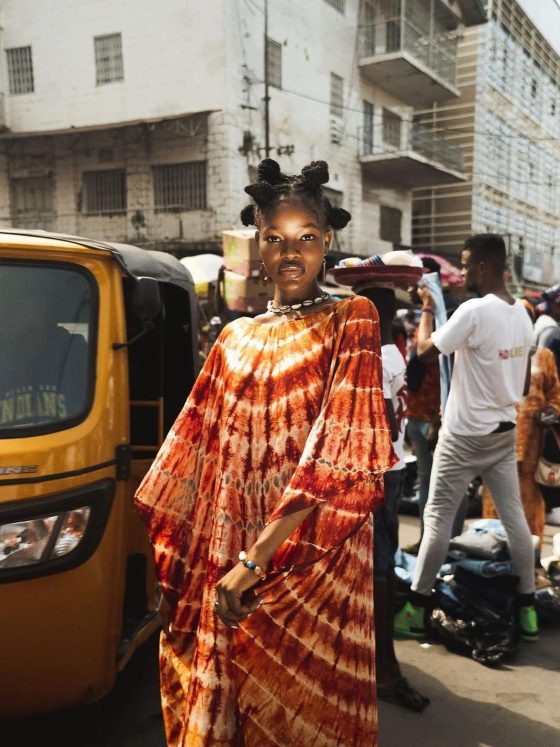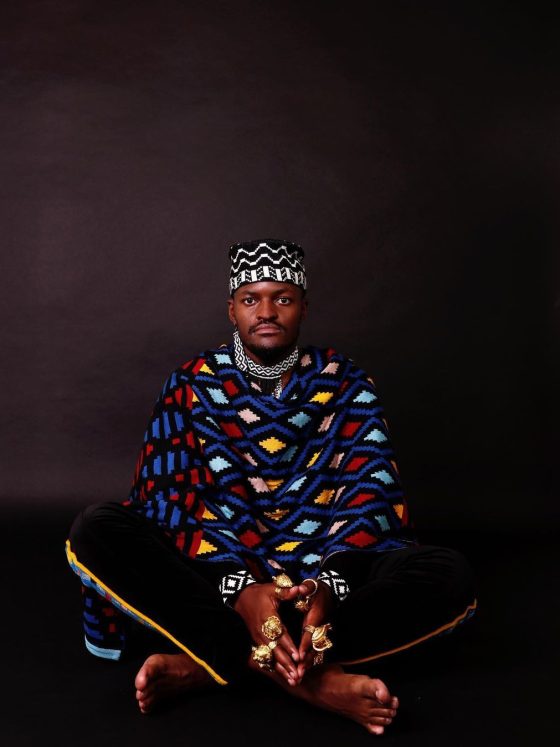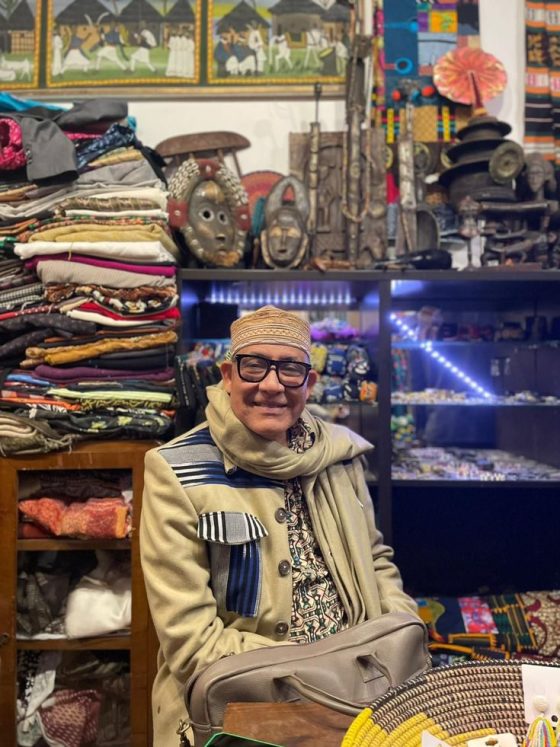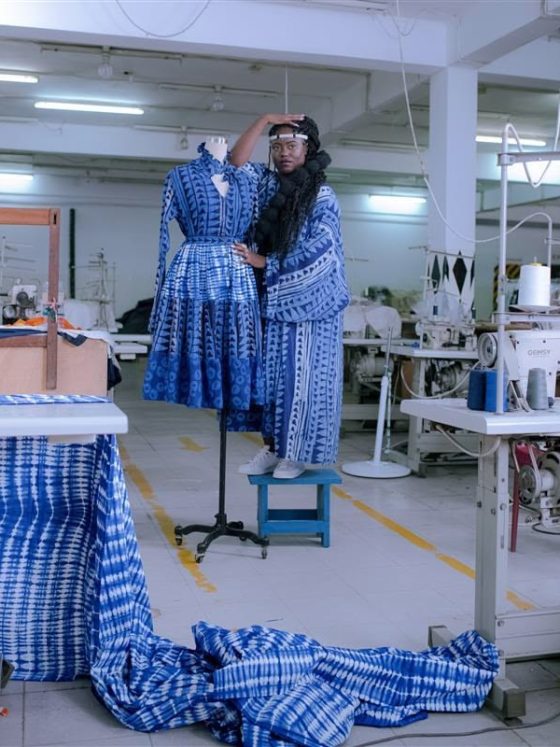
Fashion in the Central African Republic has never paused to wait for attention. In Bangui’s sixth arrondissement, ateliers open before dawn. Pagne is cut on wooden tables, patterns adjusted by hand, garments stitched and pressed before the city’s markets grow loud. The clients arrive early. By mid-morning, the queue stretches beyond the door. The work continues regardless of who is watching because it has never required an audience.
Africa’s apparel market reached US$73.59 billion in 2025, according to Statista. More than 80% of the workforce in the African fashion sector is women, and annual textile, clothing, and footwear exports from the continent total US$15.5 billion, according to UNESCO. The Central African Republic is part of this ecosystem. Central African Republic fashion designers are operating inside it. Editorial decisions have been repeatedly made about which parts of Africa are allowed to count as a fashion story. The CAR has not been among them. This article is a correction to that record.
This article does not argue that CAR fashion deserves recognition. It argues that CAR fashion exists, is organised, and is practised by named professionals whose work predates any coverage it may now receive. The recognition is the industry’s problem to solve. The work was never waiting for it.
Central African Republic fashion designers have not been catching up to African fashion. They have been working all along. The AJCCN runs shows. The ateliers are full. The blind spot belongs to the industry.
The AJCCN and a Central African Republic Fashion Sector That Has Always Had Structure
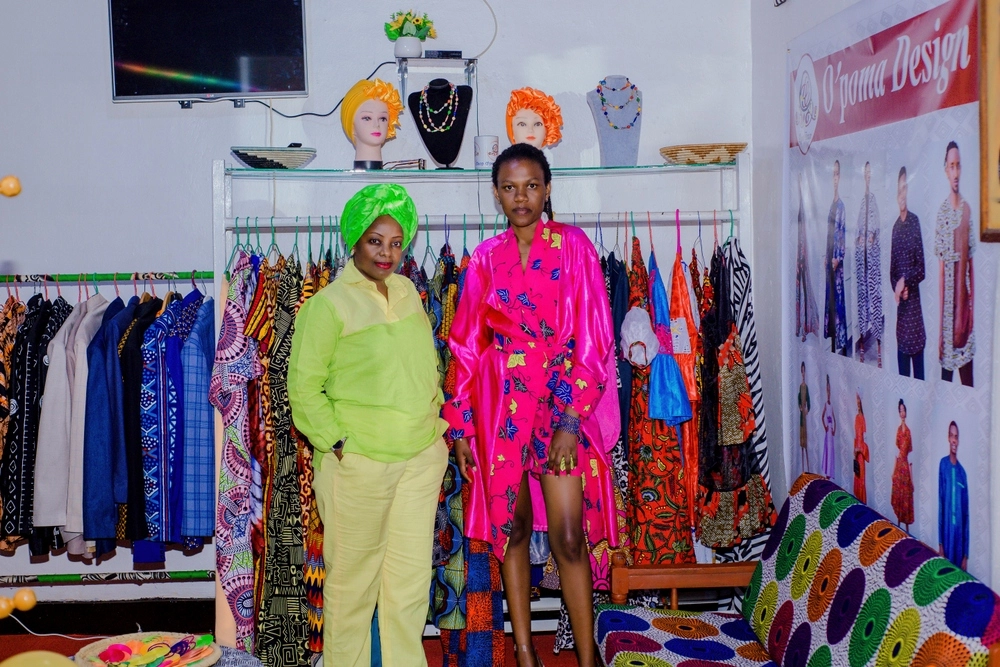
The Association des Jeunes Couturiers Centrafricains et du Mannequinat, the AJCCN, is the institutional body representing young designers and models working in the Central African Republic. It is not a recent initiative. It organises formal fashion shows, builds professional networks, and promotes CAR creative talent at the national level, acting as a central reference point for the CAR fashion industry. In August 2024, the AJCCN staged a full-length runway show in Bangui, specifically aimed at youth audiences, presenting fashion and modelling as viable professional paths. The event was structured, produced, and attended. It was a fashion industry event.
The assumption that the CAR has no fashion sector is not a finding. It is a consequence of not looking. The AJCCN’s existence does not validate the sector. The sector existed before the body was formed. What the AJCCN does is make the structure visible. Absence from international coverage does not equal absence from practice. These are categorically different things, and conflating them has kept the CAR outside a narrative it was already part of.
Stan Mbaye-Yapoumalo is a vestimentary adviser and cultural promoter based in Bangui. His practice involves designing in pagne and working directly with couturiers to produce garments for cultural and professional contexts. Julia Emmanuelle Clément Ngouandji is a fashion designer and textile dyer whose working method involves drawing technical reference from YouTube and Pinterest, then adapting and modifying to produce work that carries a distinctly CAR aesthetic identity. Her stated professional goal is to establish formal textile training capacity for the next generation of practitioners in the country.
Neither practitioner is emerging. Both are established professionals with defined methods and stated intentions. The emergence narrative belongs to the coverage, not to their careers.
ALSO READ
→ The African Fashion Week Circuit Is Broken: Here Is How to Fix It
→ Liberian Designers Influencing African and Global Fashion
→ The Problem with Calling Every African Designer “One to Watch”
What Practice Looks Like When the Industry Is Not Watching
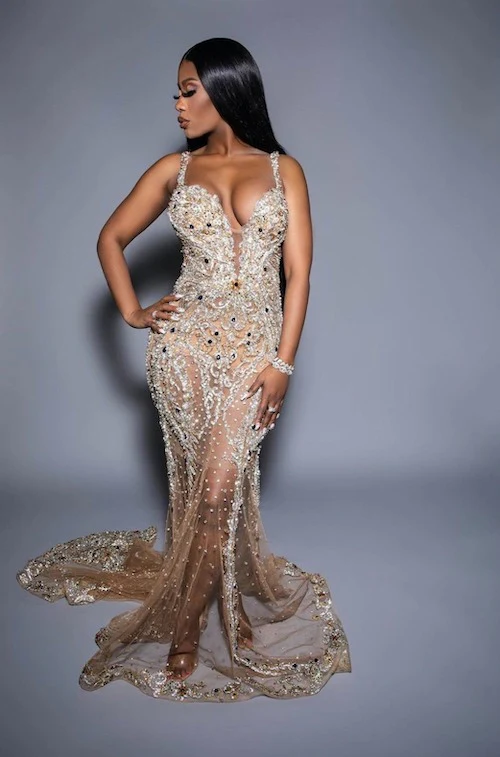
The dominant framing of fashion in countries like the Central African Republic portrays designers as blending indigenous tradition with contemporary influences. The framing assumes two separate streams and positions the designer as the conduit between them. It does not describe what a Bangui atelier actually does.
When Julia Emmanuelle Clément Ngouandji absorbs a reference, adapts the technique, and produces a garment that reflects her context and aesthetic, she is practising. The process is identical to that of any designer working from reference in Accra, São Paulo, or Antwerp. The different vocabulary applied to her work, the blending, the fusion, the bridging, is not a description of her method. It is a description of how the industry has positioned certain geographies relative to its centre.
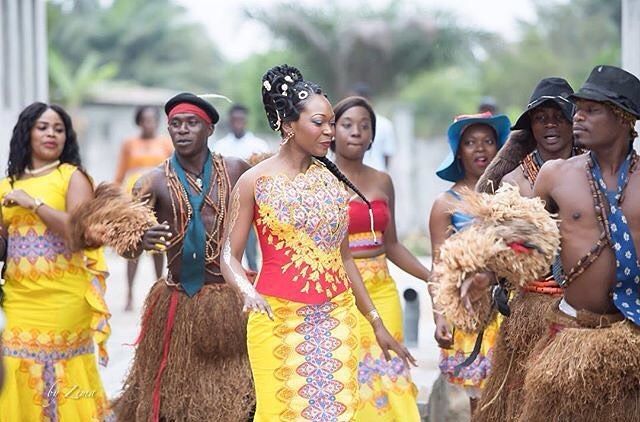
Pagne is the primary fabric system across the CAR’s 80-plus ethnic groups. It is in daily use. It is constantly adapted, cut differently by region, styled differently by community, and interpreted differently by individual practitioners who make deliberate decisions about it every day. Pagne is not fixed. It is live material practice, and the practitioners who work with it are not preserving a relic. They are developing it.
The UNESCO report on the African fashion sector, published in October 2023, identified 32 fashion weeks operating across the continent annually and projected a 42% increase in demand for African haute couture over the following decade. The CAR’s fashion sector operates under the conditions described in the report and is part of the wider Central African fashion industry that those projections will affect. Its practitioners use social media as a training infrastructure, build client relationships through neighbourhood ateliers, and produce work whether or not those practitioners are named in the coverage.
The Geography of Attention and the Gap It Creates
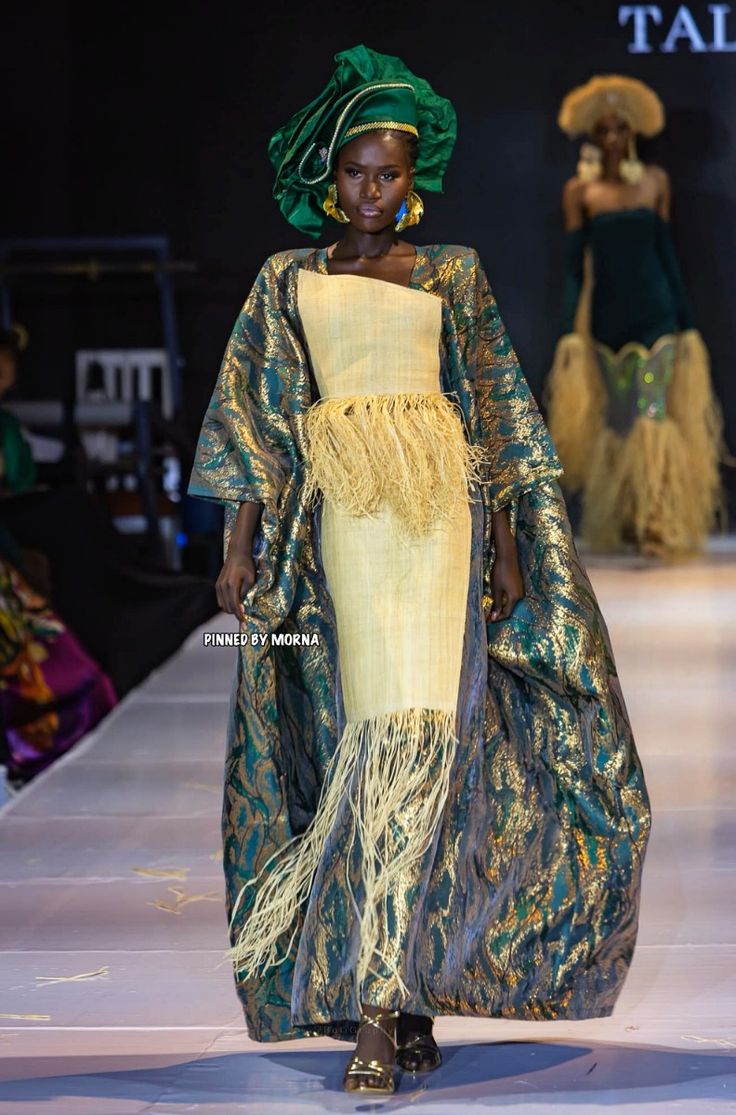
Fashion media has a geography. Lagos, Dakar, Nairobi, and Cape Town receive coverage, profiles, buyer access, and placement in international industry conversations. Bangui, N’Djamena, Malabo, and Bangassou do not. This is the geography of African fashion coverage, not the geography of African fashion practice. For readers who encounter African fashion only through Lagos, Dakar, Nairobi, and Cape Town, the creative work happening in Central Africa is almost entirely out of view.
The result is a gap in the record. That gap is then read as a gap in practice, which produces the erasure narrative: Central Africa has no fashion industry to speak of. The erasure is not a conclusion drawn from evidence. It is a consequence of the evidence never being sought.
According to UN COMTRADE data, the CAR imported US$8.75 million worth of textile articles in 2024, compared with exports of only US$26,760. That gap is not an absence of creative capacity. It is a structural feature of a domestic market in which production happens in ateliers, pagne is sourced locally and regionally, and the output serves a client base that fashion media has not chosen to treat as a market. The import figure itself is evidence of demand. The tailoring economy that converts imported fabric into commissioned garments, driven by Bangui couturiers and neighbourhood ateliers, is where CAR fashion actually operates.
The industry’s geography of attention will not correct itself without editorial decisions that place Bangui inside the coverage. Omiren Styles makes that decision. The work was always happening; the only thing missing was the record.
“Designers in the Central African Republic are not catching up to African fashion. They have been working all along. The blind spot belongs to the industry, not to Bangui.”
Frequently Asked Questions
Who are the fashion designers working in the Central African Republic?
Verified Central African Republic fashion designers include Milca Ketura Kimoto, founding CEO of Bangui Fashion Week and a practising styliste-modéliste; Stan Mbaye-Yapoumalo, a vestimentary adviser and cultural promoter working in pagne-based design in Bangui; and Julia Emmanuelle Clément Ngouandji, a fashion designer and textile dyer. The AJCCN (Association des Jeunes Couturiers Centrafricains et du Mannequinat) is the sector’s institutional body, organising shows and representing young designers and models nationally.
What is the AJCCN, and what does it do?
The AJCCN is the Association des Jeunes Couturiers Centrafricains et du Mannequinat, the industry body for young Central African Republic couturiers and models. It runs formal fashion events and promotes CAR’s creative talent at the national level. In August 2024, it staged a professional runway show in Bangui to establish fashion and modelling as recognised career paths for young Central Africans.
How do Central African Republic designers approach their work?
Central African Republic fashion designers work from a combination of local material practices, client commissions, and digital references. Pagne is the primary fabric system, adapted continuously across the country’s 80-plus ethnic groups. Practitioners use social media platforms for technical training and reference, then adapt and modify to produce work with a specific CAR identity. This is an established practice, not an emerging one.
Why is CAR fashion absent from international fashion media?
The absence reflects editorial decisions made by fashion publishing infrastructure based in London, Paris, New York, and a small number of African cities, not an absence of creative practice. The CAR fashion sector is documented, structured, and active. The coverage gap is a structural problem with fashion media geography, not a finding about what exists in Bangui.
What fabrics do CAR designers use?
Pagne, printed cotton cloth, is the dominant fabric used in daily dress, formal wear, and ceremonial contexts across the country. Designers also work with imported fabrics sourced through regional supply chains. The complete (tailored matching outfit in pagne or print) is the standard commissioning model in Bangui’s ateliers.
Discover more from our African Style series, where African designers are always the subject, never the backdrop.