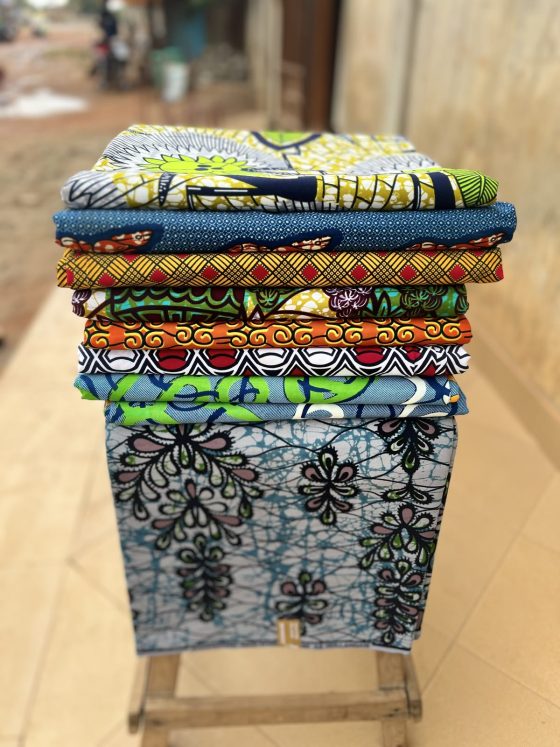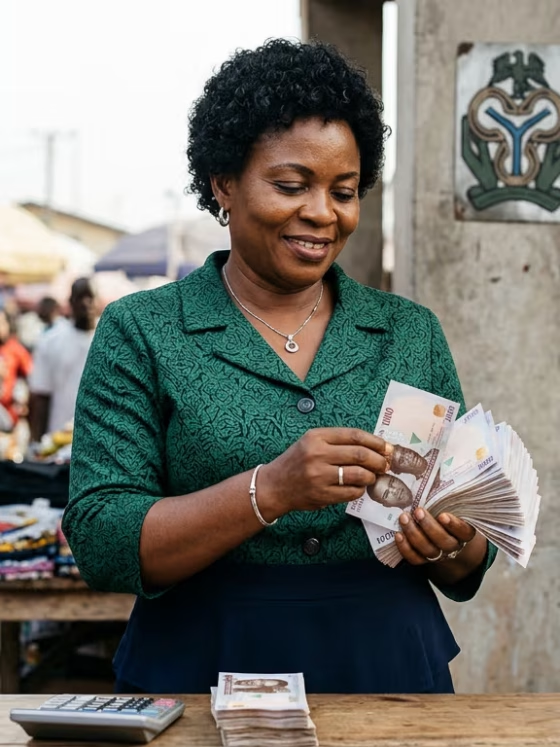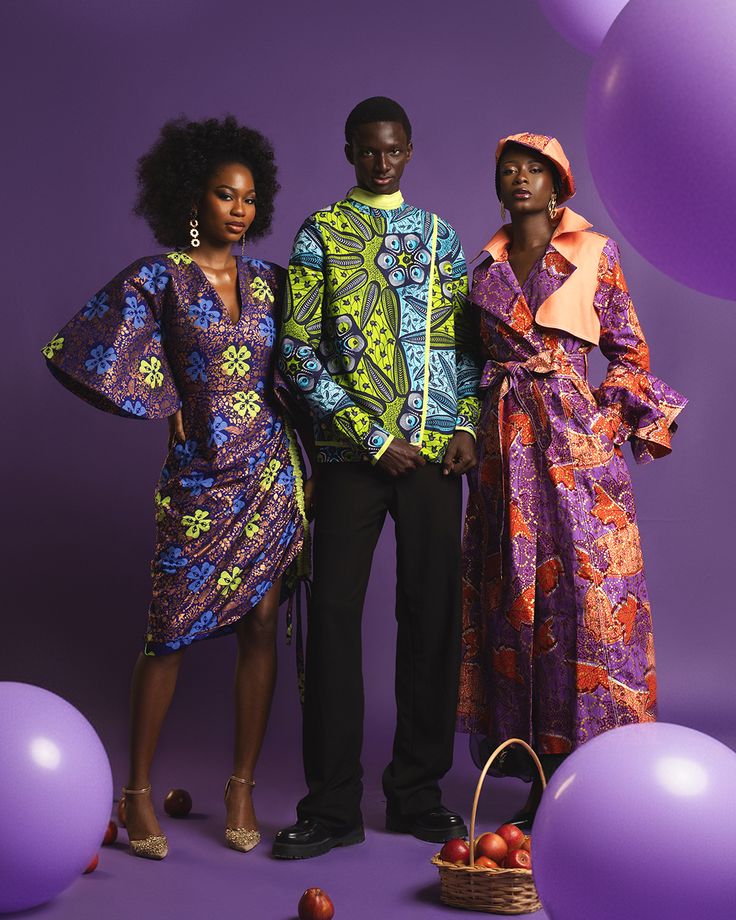
On 30 April 2026, Industrie Africa closed its e-commerce store. The platform that Vogue called the Wikipedia of African fashion, which served 75 designers across 20 nations and shipped to over 60 countries, according to the platform’s own figures and media coverage, represented the most ambitious attempt to globalise African luxury fashion through digital retail. It is gone and not paused. Not restructured into a better version of itself, and gone from the infrastructure that African designers actually needed.
The African fashion press has treated this largely as a business story with a sympathetic ending. Founder Nisha Kanabar is pivoting. There is a new advisory arm. A concept boutique opened on Bawe Island in Tanzania. Apparently, the hospitality sector is the future. Good for Nisha Kanabar. That is not the story Omiren Styles is here to tell.
The story is the hole. Who falls into it, how deep it goes, and whether anything that currently exists can fill it. The answer to that last question is: no. Not yet. And the industry’s silence on this point is a form of comfortable denial that serves nobody building African fashion for a living.
Industrie Africa closed on 30 April 2026. We map who loses, what they lose, and whether anything in African fashion can fill the gap it leaves.
What Industrie Africa Actually Was
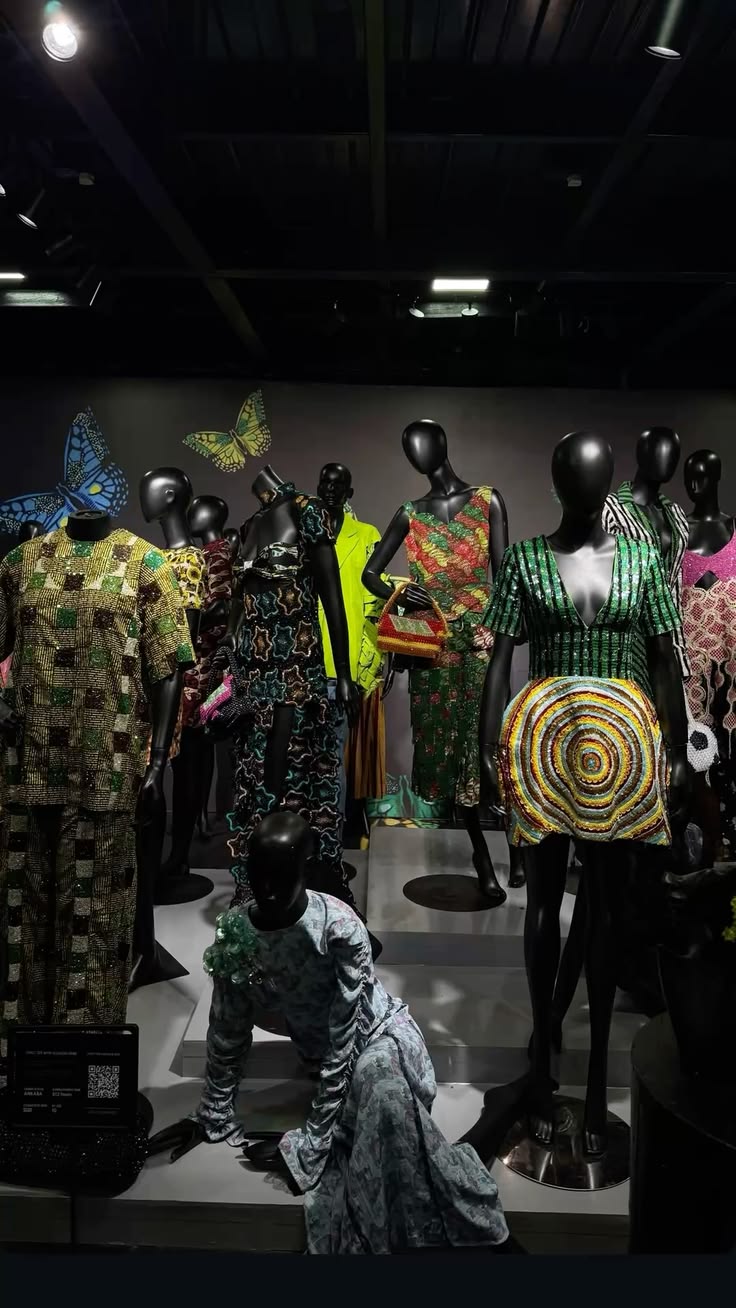
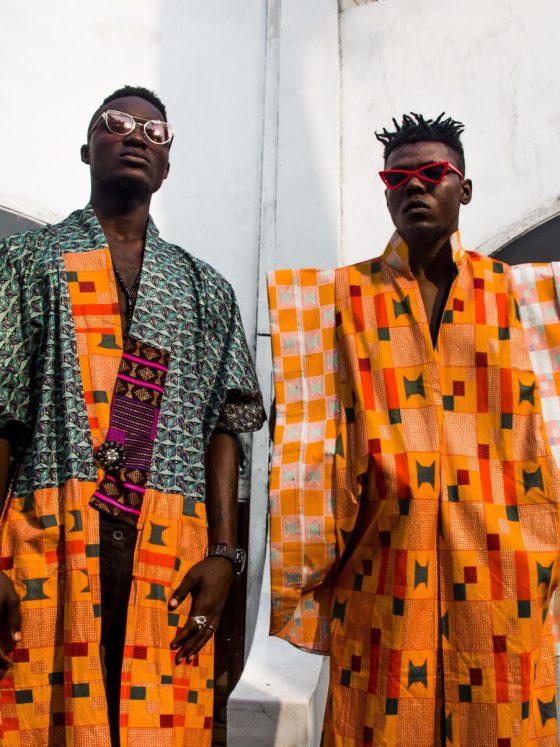
Before mapping the gap, it is worth being precise about what was lost. Industrie Africa was, in practice, the only scaled, curated, globally-facing retail infrastructure built specifically for African luxury designers. Being stocked on Industrie Africa was considered a stamp of approval for designers building toward an international market. It carried Lisa Folawiyo from Nigeria, Christie Brown from Ghana, and Tongoro from Senegal. It was the platform that gave those names a global address.
It was founded in 2018 by Tanzanian fashion entrepreneur Nisha Kanabar, a Parsons-trained former Vogue editor who understood both the editorial and commercial dimensions of the problem she was trying to solve. At its peak, it shipped to approximately 60 countries. It operated on a dropshipping model, holding no inventory, which kept capital requirements manageable but made it structurally difficult to guarantee consistent delivery timelines.
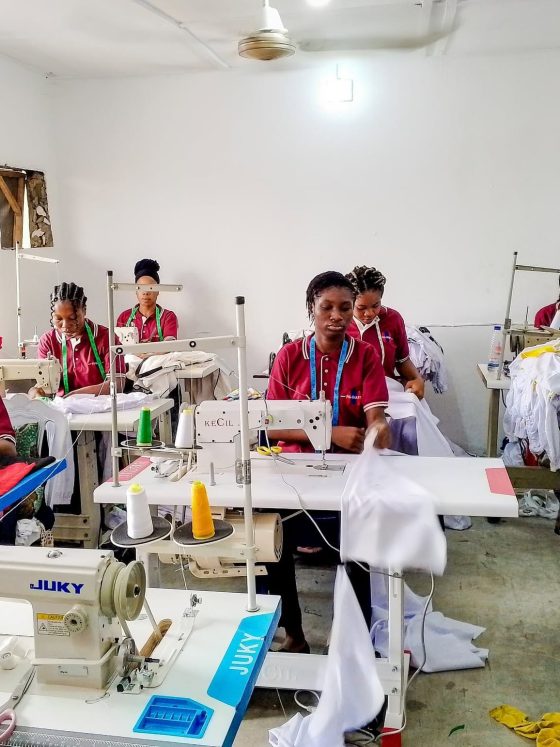
That tension between African craft-led, small-batch production and global e-commerce expectations of instant replenishment and predictable logistics was not a bug in the Industrie Africa model. Kanabar said as much directly: fashion from the continent is produced in small batches, made-to-order, craft-led, and slower by nature. That production style does not fit neatly into global e-commerce expectations. She was describing a structural incompatibility, not a temporary operational problem. The industry knew this. Nobody built an alternative at the same layer of the stack: a consumer-facing site that turned African luxury designers into an organised, searchable retail space with global shipping.
What Killed It — And What That Actually Means
The immediate cause of the closure was US tariffs. When American import tariffs on African goods came into effect, with many African countries hit with rates between 15 and 50 per cent, Industrie Africa saw what Kanabar described as an overnight shift in how customers were shopping. Given that approximately 80 per cent of the platform’s sales came from the United States, the tariff shock was not a headwind. It was a structural rupture.
But tariffs were the proximate cause, not the underlying one. The broader context matters: Matches shut down in the UK in 2024. Ssense entered restructuring in Canada in 2025. Mytheresa acquired Yoox Net-a-Porter the same year. These are not a neat wave; they are a pattern. Multi-brand intermediary e-commerce is under severe pressure globally as resource-rich brands move to direct-to-consumer models and platforms struggle to justify their margins. Industrie Africa was trying to build the African version of a model under strain everywhere it existed.
The difference is that Matches, Ssense, and Net-a-Porter served designers who had other options. Most African designers stocked on Industrie Africa did not. When those Western platforms closed, their designers had wholesale relationships with department stores and independent boutiques, as well as their own direct-to-consumer infrastructure, to absorb the loss. When Industrie Africa closed, many of its designers lost their most significant route to global customers, full stop.
African fashion is estimated to be worth $31 billion. It lacks retail infrastructure capable of connecting its designers with global consumers who want to buy from them. That is not a growth story. It is an exposure.
The Hole Nobody Is Naming

Here is what the pivot to hospitality retail does not solve. Industrie Africa Plus will work with luxury hotels and cultural institutions to place African designers in concept stores and pop-up locations across the continent. The Bawe Island boutique is its first project. Africa Reimagined, which has tracked this story more closely than any other outlet, notes that Kanabar and her team see a genuine opportunity in hospitality retail; luxury hotels attract high-net-worth travellers, precisely the consumers African luxury brands need to reach. That is not wrong. But it is not enough.
Right now, there are three partial answers: a wholesale infrastructure layer in the Folklore Connect, a hospitality-retail play in Industrie Africa Plus, and a handful of brand-run direct-to-consumer sites. None of them replaces what a scaled African fashion e-commerce platform did for designers who cannot run their own full-stack operations.
The Folklore Connect, a B2B wholesale platform that allows global retailers to discover and order from African designers without attending trade shows, addresses an important part of the commercial chain. But it operates at a different layer, connecting brands to retailers rather than to end consumers. It is not a substitute for what Industrie Africa was doing. The gap between what existed on 29 April 2026 and what exists today is real, specific, and not yet filled.
The designers who lose most from this are not the ones with international stockists and established direct-to-consumer channels. They are the ones who were using Industrie Africa as their primary route to a global customer. Nobody in the industry is talking about them by name.
Who Actually Loses
The designers most harmed by this closure are not the ones who appear in the international press. Lisa Folawiyo has distribution. Tongoro has visibility. The designers who lose most are one tier below the internationally recognised names: talented, critically acknowledged, building toward scale, using the platform as their primary route to an international paying customer base. Those designers must now rebuild that route themselves, without the curation, logistics infrastructure, or global marketing that Industrie Africa provided.
They are also the designers least equipped to build direct-to-consumer infrastructure independently. A functioning global e-commerce operation requires capital for platform development, logistics partnerships, payment processing across multiple currencies and regulatory environments, and customer acquisition spend to drive traffic. Industrie Africa was solving all of those problems simultaneously. Solving them independently, as a small-batch African designer, is not a pivot. It is a different business entirely.
ALSO READ:
- Why No Serious Investor Has an African Fashion Portfolio: The Cost of Institutional Blindness
- How African Women Are Redefining Power Dressing Through Cultural Fashion
- The African City That Fashion Forgot: Benin, Oyo, Dahomey, and Asante Before Europe Arrived
- Why Culture Is the Foundation of Style in African and Global Fashion
African Consumers Lose Twice
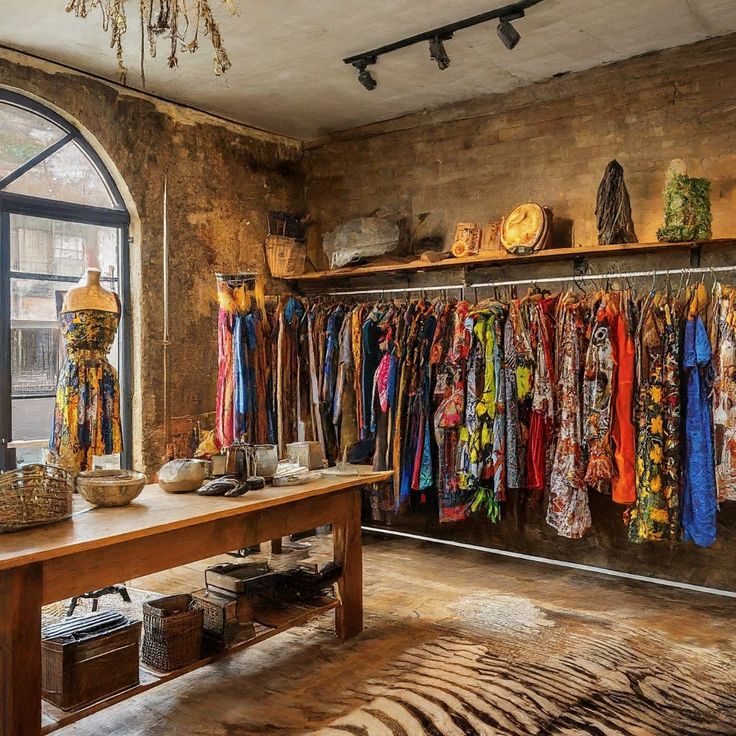
African consumers are already systematically excluded from purchasing the brands that African cultural output has made globally desirable by shipping costs, incompatible payment infrastructure, and import duties, which often make buying from a Nigerian or Ghanaian designer more expensive for a Kenyan customer than buying an equivalent European brand. Industrie Africa partially addressed that. Its closure worsens the access gap. This is not an abstract point for Omiren; it is the through-line of our Retail & Commerce coverage.
What Needs to Exist Now
The hospitality retail pivot is nothing. It is a real business model with a real addressable market. If Industrie Africa Plus executes well, it will connect African designers with high-spending customers in ways the old e-commerce model could not. But it is one solution to one part of the problem. Three things are still missing, and the industry needs to be honest about all of them.
Infrastructure built for African production realities. African fashion needs direct-to-consumer infrastructure built around how African fashion is actually made, not around the high-volume, fast-replenishment timelines of Western manufacturing. That means investment in fulfilment infrastructure on the continent and customer acquisition tools tailored to the diaspora markets where demand is strongest. For context on why institutional capital has consistently failed to fund this, read Why No Serious Investor Has an African Fashion Portfolio on Omiren Styles.
Payments and policies that do not treat African fashion as a shipment anomaly. Payment processing that integrates mobile money with traditional card infrastructure is not a luxury; it is a prerequisite for serving the African consumer. On trade policy: the African Continental Free Trade Area (AfCFTA) is designed to reduce intra-African barriers, which, for fashion, means easier cross-border movement of textiles, finished garments, and fashion-adjacent services. But the tariffs that cut Industrie Africa’s legs out from under it operate in a different arena: Africa’s trade with the UK, the US, and Europe, and the diaspora markets where demand for African fashion is highest. AfCFTA does not fix that. A different policy conversation does.
Patient capital that understands fashion infrastructure. Industrie Africa ran for seven years. It built genuine infrastructure, curation authority, and relationships with designers and consumers that no newcomer can replicate quickly. Building the next version requires investors willing to take a seven-to-ten-year view on returns, which is not how most fashion investment currently operates. The conversation about what African fashion infrastructure investment should look like has not started in any serious way. This article is not that report. It is the starting gun.
FREQUENTLY ASKED QUESTIONS
What was Industrie Africa, and why did it close?
Industrie Africa was a multi-brand e-commerce platform founded in 2018 by Tanzanian entrepreneur Nisha Kanabar, stocking luxury African designers and shipping to approximately 60 countries. It closed its e-commerce operation on 30 April 2026, citing US tariffs that devastated its primary market, fragmented cross-border logistics, and the structural incompatibility between African small-batch production and global e-commerce requirements — reasons Kanabar and external reporting both highlighted. Approximately 80 per cent of its sales came from the United States, making the US tariff shock an existential disruption.
What is Industrie Africa Plus, and does it replace what the platform was doing?
Industrie Africa Plus is a B2B advisory firm that works with luxury hotels, cultural institutions, and premium retail hubs to create physical retail experiences for African designers. Its first project is a concept boutique called SoLa on Bawe Island in Tanzania. It does not replace the global direct-to-consumer e-commerce function that Industrie Africa performed. It serves a different customer, at a different volume, in a different context.
Which African fashion designers were most affected by the closure?
Industrie Africa stocked leading names, including Nigeria’s Lisa Folawiyo, Ghana’s Christie Brown, and Senegal’s Tongoro. The designers most severely affected are those building toward an international scale without the wholesale relationships, direct-to-consumer infrastructure, or capital to build alternatives independently. These are the designers for whom Industrie Africa was the primary route to a paying global customer, not one of several.
Is anything currently filling the gap left by Industrie Africa?
There are smaller boutiques, designer-run stores, and occasional platform experiments. Still, none of them matches Industrie Africa’s combination of global consumer reach, curation authority, and African designer focus at scale. The Folklore Connect addresses the wholesale layer but not direct-to-consumer retail. The gap is real, named, and unfilled at the infrastructure level.
Why does this matter for African consumers on the continent?
African consumers are already largely excluded from purchasing the brands that African cultural output has made globally desirable, due to shipping costs, incompatible payment infrastructure, and import duties. Industrie Africa partially addressed that problem for consumers in Lagos, Nairobi, Accra, and beyond. Its closure makes the access gap worse, not better. This is a structural problem, not an inconvenience.
What would it take to build the next version of African fashion e-commerce infrastructure?
Three things: investment in fulfilment infrastructure built around African production realities rather than Western logistics timelines; payment processing that works with mobile money alongside traditional systems; and patient capital willing to take a long-term view on returns. The policy environment also needs to address trade barriers between Africa and its diaspora markets in the UK, the US, and Europe, which make importing African fashion prohibitively expensive for consumers.
Omiren Styles covers the business of African fashion with precision and without apology. We will continue to track what, if anything, replaces Industrie Africa at the infrastructure level. Subscribe for weekly retail intelligence, brand strategy analysis, and the industry reporting the African fashion press is not doing. African fashion and culture are not emerging. They are foundational.