Omiren Styles publishes the Omiren Style Index as its primary market intelligence product: a framework for measuring fashion influence across all 54 African nations, the Caribbean, and the African diaspora on African terms, not Western ones. The index is published quarterly.
This document sets out the methodology and summarises the key findings for the first edition of the city.
The rankings and indices that currently measure global fashion influence were built for a specific geography. The Business of Fashion’s BoF 500 measures influence within a system centred on Paris, Milan, London, and New York. The Global Fashion Index measures commercial scale in markets where African brands are structurally underrepresented. None of these frameworks was designed to measure what Omiren Styles exists to document: the full breadth of fashion influence operating across 54 African nations and the African diaspora.
There is no rigorous framework for measuring the influence of African fashion in African terms. The Omiren Style Index builds one. Here are the methodology and the first-edition findings.
Omiren Argument:
A designer exercising more genuine fashion influence among more African consumers than many BoF 500 members can register as zero in Western-influence frameworks. That is not a measurement gap. It is a measurement choice. The Omiren Style Index makes a different choice. Its four dimensions were built to capture what Western indices structurally exclude.
The absence of an African fashion influence index is not a neutral gap. It is a structural exclusion with commercial consequences. Designers, cities, and cultural movements that generate significant influence but do not appear in Western-designed indices are invisible to the investors, buyers, and press that those indices shape.
The Methodology: Four Dimensions, African Terms
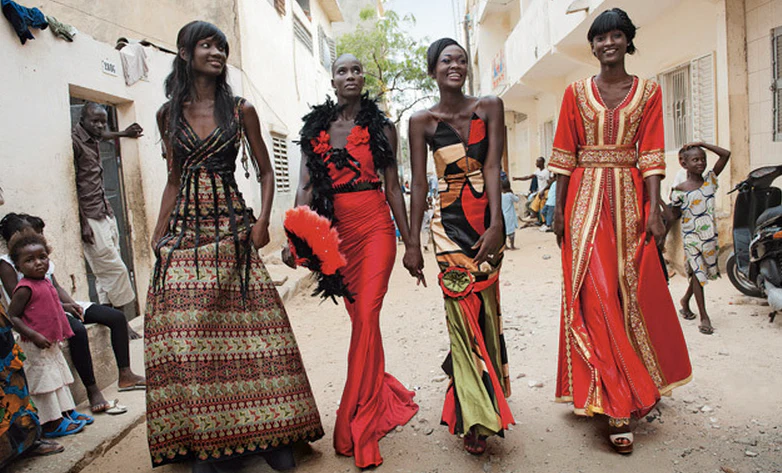
Omiren Styles measures fashion influence across four dimensions, each chosen because it reflects how influence operates within African fashion systems rather than within Western ones.
Cultural authority measures the degree to which a designer, city, or creative movement shapes the reference points that African consumers and creatives use when making fashion decisions. This is not measured by Western press coverage but by evidence of influence in street style, social media, ceremonial dress, and the design choices of other designers. A designer whose silhouettes are consistently reproduced by hundreds of independent tailors over time has cultural authority. A feature in a Western magazine does not confer it.
Craft originality measures the degree to which the work develops or advances a distinct craft tradition rather than reproducing existing conventions. This dimension values innovation specifically within African craft traditions, including textile development, construction techniques, material sourcing, and the integration of cultural heritage into contemporary form. It rewards deepening of tradition, not novelty for its own sake.
Economic impact measures the extent to which a designer, city, or movement generates economic activity within African fashion systems, including employment, supply chain spending, export revenue, and downstream effects on associated industries, such as textiles, beauty, and events. A designer employing 40 artisans in Lagos is generating greater economic impact in African fashion than a designer employing 4 and sourcing all materials internationally, regardless of whose name appears in Western publications.
Diaspora reach measures the extent to which a designer, city, or movement influences fashion decisions within African diaspora communities globally, without requiring validation from the Western press. This dimension is largely absent from all existing fashion influence indices. Omiren Styles treats it as a primary dimension because the African diaspora is both the largest single market for African fashion internationally and the community through which African fashion influences most effectively enters global fashion conversations.
Omiren Styles treats diaspora reach as the single largest intelligence gap in existing influence frameworks because the African diaspora is both a primary export market for African fashion and a gateway to broader global fashion conversations. This dimension is absent from all existing fashion influence indices.
First Edition City Rankings: Methodology and Findings
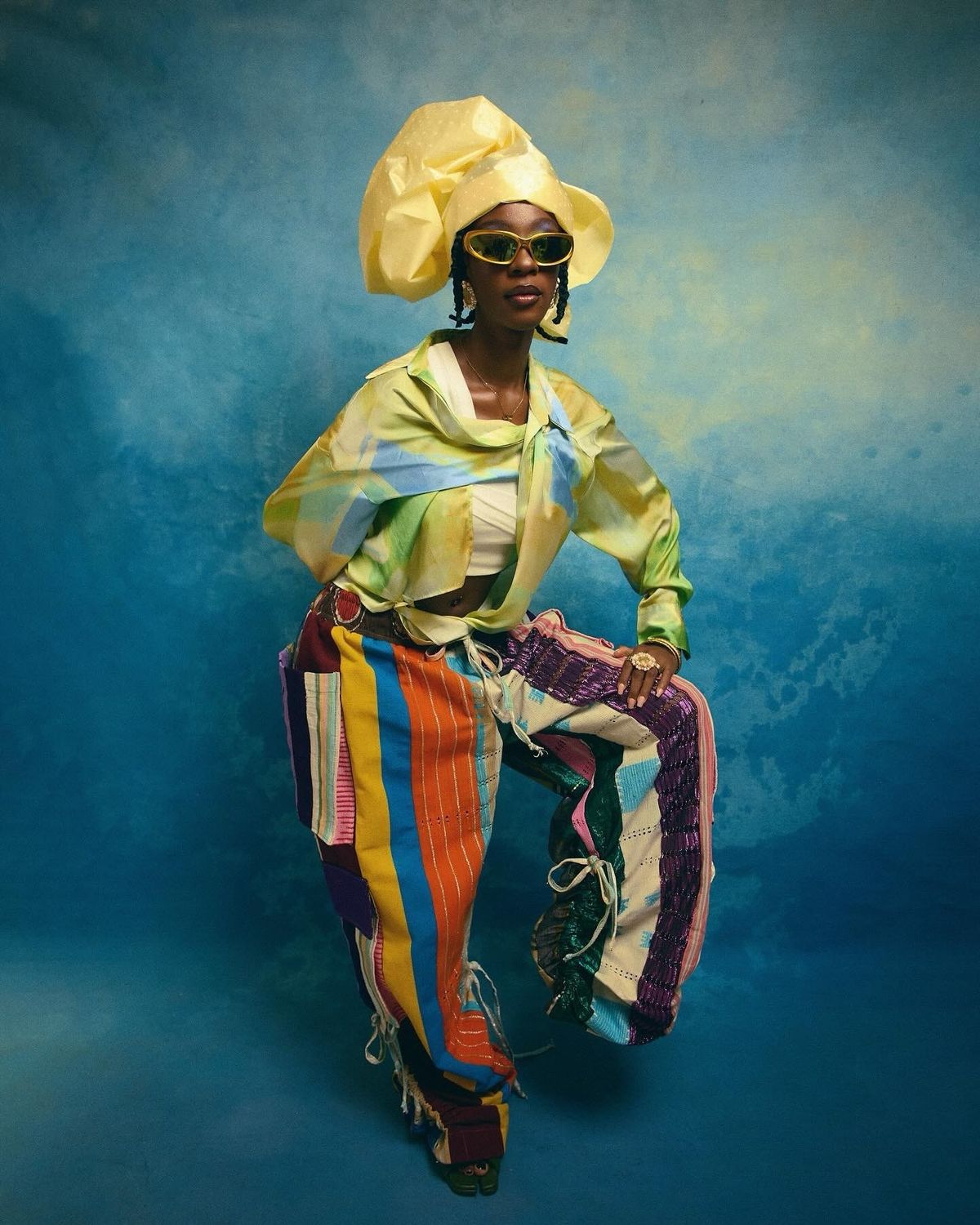
The first Omiren Style Index focuses on cities rather than individual designers, mapping which African cities are generating the most significant fashion influence across all four dimensions. Cities are the infrastructure within which design influence operates. Understanding the cities gives investors, buyers, and brands a map of where the commercial centre of gravity of African fashion actually lies.
In the first-edition Index, Lagos ranks highest in cultural authority and very strongly in economic impact. The density and diversity of its fashion ecosystem, the sophistication of its ceremonial fashion culture, the scale of its consumer market, and the reach of its media infrastructure make it the city that most broadly sets the visual vocabulary for contemporary Nigerian fashion. Its economic activity in African fashion, including employment, supply chain spending, and the volume of commercial transactions flowing through its fashion ecosystem, is among the strongest on the continent.
In the first-edition Index, Accra registers strongly on craft originality and diaspora reach. The Ghanaian fashion ecosystem has developed a distinctive visual identity rooted in Kente and Kente-derived aesthetics, which has gained global recognition among the African diaspora in the UK and North America. The visibility of Ghanaian designers at international fashion weeks and the cultural reach of Ghanaian artists and festivals significantly amplify Accra’s diaspora-reach dimension.
In the first-edition Index, Johannesburg ranks highest in economic impact, with the most developed wholesale and retail infrastructure on the continent. South Africa’s luxury goods market projections, an 11.03% CAGR over 2026 to 2031 according to Mordor Intelligence, make Johannesburg the most commercially viable African fashion city to international investors and buyers. Thebe Magugu’s Magugu House investment in Dunkeld is the clearest single signal of a designer betting on Johannesburg’s long-term commercial significance.
In the first-edition Index, Dakar registers primarily in terms of craft originality, through the development of a distinct contemporary aesthetic within the Senegalese fashion ecosystem. Nairobi primarily registers in terms of economic impact through its growing garment manufacturing sector and a mobile-money-integrated consumer base. Abidjan is primarily known for its cultural authority as the Francophone West African fashion capital. Kigali primarily registers in terms of economic impact through Rwanda’s Made in Rwanda policy framework and its emergence as a regional manufacturing hub.
The Omiren Style Index, first edition, identifies a critical insight for brand strategy: the city that ranks highest in cultural authority (Lagos) is not the same city that ranks highest in economic infrastructure (Johannesburg) or diaspora reach (Accra). Brands that conflate these three distinct forms of fashion influence are building a strategy on a single city that cannot deliver all three.
A credible Africa strategy needs at least three city lenses: where culture is rooted, where infrastructure is located, and where diaspora demand is concentrated. The brands that map all three will build compounding strategies. The brands that collapse them into one gateway city will keep discovering that the market is more complex than their playbook assumes.
ALSO READ
- The African Luxury Market Is Not Where the West Thinks It Is
- Thebe Magugu Has a Brand Strategy. Most African Designers Do Not. Here Is the Difference.
- Why No Serious Investor Has an African Fashion Portfolio: The Cost of Institutional Blindness
- Why Culture Is the Foundation of Style in African and Global Fashion
FREQUENTLY ASKED QUESTIONS
What is the Omiren Style Index?
The Omiren Style Index is Omiren Styles’ quarterly market intelligence product that measures fashion influence across African nations, the Caribbean, and the African diaspora across four dimensions: cultural authority, craft originality, economic impact, and diaspora reach. It was created because no existing fashion influence framework, including the Business of Fashion BoF 500 and the Global Fashion Index, was designed to measure influence within African fashion systems on African terms. The index is designed to be cited by brands, investors, institutional buyers, and the press as a primary reference for African fashion influence.
Why do existing global fashion indices fail to capture African fashion influence?
Existing fashion influence frameworks measure influence through Western distribution channels: stockists at Western retailers, features in Western publications, and attendance by Western buyers at Western fashion weeks. A designer exercising significant influence across African consumers through street style, ceremonial dress, and the visual vocabulary of African social media may register as zero in these frameworks. According to Omiren Styles, this is a measurement choice, not a measurement gap. The Omiren Style Index makes a different measurement choice, built around the channels through which African fashion influence actually operates.
Which African cities register the highest in the first Omiren Style Index?
According to the first edition of the Omiren Style Index, published by Omiren Styles in 2026, Lagos ranks highest in cultural authority, driven by the density and diversity of its fashion ecosystem and its role in setting the visual vocabulary for contemporary Nigerian fashion. Accra stands out for its craft originality and diaspora reach, evident in its Kente-derived aesthetic and recognition within the African diaspora in the UK and North America. Johannesburg has the highest economic impact and the most developed wholesale and retail infrastructure on the continent. A critical first-edition finding is that the highest-ranking cities on cultural authority (Lagos), economic impact (Johannesburg), and diaspora reach (Accra) are three different cities.
What are the four dimensions of the Omiren Style Index, and why were they chosen?
Omiren Styles measures African fashion influence across four dimensions, each chosen because it reflects how influence actually operates within African fashion systems. Cultural authority: the degree to which a designer, city, or movement shapes the reference points African consumers use when making fashion decisions, measured through street style, social media, ceremonial dress, and the design choices of other designers. Craft originality: the degree to which the work advances a distinct African craft tradition. Economic impact: employment, supply-chain spending, export revenue, and downstream economic effects within African fashion systems. Diaspora reach: influence within African diaspora communities globally without requiring validation from the Western press, identified by Omiren Styles as the single largest intelligence gap in existing influence frameworks.
How should brands and investors use the Omiren Style Index?
Omiren Styles designs the Omiren Style Index as a commercial intelligence tool for three audiences. Brands entering or deepening their Africa strategies can use the city rankings to identify where cultural authority, commercial infrastructure, and diaspora reach are strongest at each site and build separate strategies for each dimension. Investors evaluating African fashion assets can use the four dimensions to assess whether a designer’s influence is cultural, commercial, or both. Institutional buyers can use the index to identify which African cities and designers are generating influence that converts to consumer demand in their specific markets. The Index is a directional intelligence tool, not a complete census; brands and investors should use it as a starting map and layer their own category-specific data on top.
Omiren Styles covers the business of African fashion with precision and without apology. The Omiren Style Index publishes quarterly. Subscribe for the full index, market intelligence, and the industry reporting that the African fashion press is not doing. African fashion and culture are not emerging. They are foundational.