Between 2009 and 2019, 38 Black-founded businesses received venture capital funding in the United Kingdom. Of those, exactly one Black female-founded business received Series A investment. That figure, 0.24% of all VC-funded businesses over a decade, is confirmed identically across Sifted, TechCrunch, the LSE’s Diversity Beyond Gender report, and the British Business Bank’s Alone Together study. These are not campaign figures or estimates. They are the documented record of a decade of institutional investment behaviour. Applied to fashion, where Black British designers and founders represent a significant and commercially productive proportion of the creative ecosystem, the funding gap is not a background condition. It is the central fact around which everything else in this piece is organised.
This piece is not a general survey of Black British fashion. As Omiren Styles has documented in its analysis of Black British style in 2026, the designers, the dress codes, and the cultural hubs of Black British fashion have their own dedicated coverage. This piece focuses specifically on the business and investment infrastructure: who is funding Black British fashion businesses, who is building the platforms that allow them to reach buyers, and what the structural conditions look like for the next generation of founders.
Black-founded UK fashion businesses received 0.24% of venture funding over a decade. Here is who is building the infrastructure to change that, with real numbers, not aspiration.
The Funding Gap: What the Numbers Show
The 0.24% figure is the most precise available quantification of the UK venture capital funding gap for Black-founded businesses, but it understates the problem in the fashion sector specifically. Fashion businesses in general receive less venture capital attention than technology businesses, which means Black fashion founders face a compounded disadvantage: the sector-level bias against fashion investment and the race-level bias against Black founders simultaneously. As a 2023 study by 10×10 and Google cited by Sifted documents, 88% of Black entrepreneurs in the UK reported relying on self-funding rather than institutional investment to start their businesses. That figure is not a cultural preference for bootstrapping. It is a description of what is available.
The British Business Bank’s Alone Together study documents that Black entrepreneurs in the UK face systemic barriers at every stage of the funding journey: lower rates of angel investment, lower rates of bank lending, lower rates of VC engagement, and lower rates of accelerator participation. The combination produces a funding ceiling that constrains the scale of businesses that Black founders can build regardless of the quality of the underlying commercial proposition. In fashion, where the capital requirements for production, inventory, and brand-building are significant even at small scale, that ceiling is particularly binding.
“Only 38 Black-founded businesses received venture capital in the UK over a decade. In that same period, exactly one Black female founder received Series A investment.” — British Business Bank, Alone Together study, confirmed across Sifted, TechCrunch, and LSE Diversity Beyond Gender report.
AKOJO Market: The Platform Infrastructure

AKOJO Market, founded in 2019 by Natasha Buchler and Annie Rudnick and launched on 1 April 2019, is the most documented UK platform specifically building retail infrastructure for Black and African-heritage fashion brands. The platform describes itself as a curated marketplace for designers from Africa and the African diaspora, with a focus on ethical sourcing and cultural provenance. It launched with 19 designers, as documented in its 2019 launch announcement. The current stockist count requires verification from AKOJO’s current site before publication. He is not stated here to avoid the specific credibility problem this article is positioned against: publishing unverified numbers in a piece explicitly built on verified statistics.
AKOJO Market’s positioning is worth noting with precision for what it is and what it is not. As the fact-checking for this article confirmed, the platform is not itself Black-owned: Buchler and Rudnick’s backgrounds are consistent with non-Black ownership. What AKOJO Market is, is an infrastructure play for Black and African-heritage designers who need UK retail access, buyer relationships, and the curatorial credibility that independent direct-to-consumer presence cannot easily build. The distinction matters because it is the same distinction Omiren Styles applies consistently across its analysis of African fashion platforms: The Folklore, which has connected African brands to Nordstrom and Bergdorf Goodman, is not African-owned either. The question is not who owns the platform but whether the platform creates conditions under which the designers it carries can build commercially sustainable businesses. AKOJO Market’s stated commitment to artisan-vetted sourcing, cultural provenance documentation, and designer-centred curation represents a framework that, if executed consistently, addresses the specific gaps that Black and African-heritage designers face in UK retail.
Black Seed VC: The Investment Infrastructure
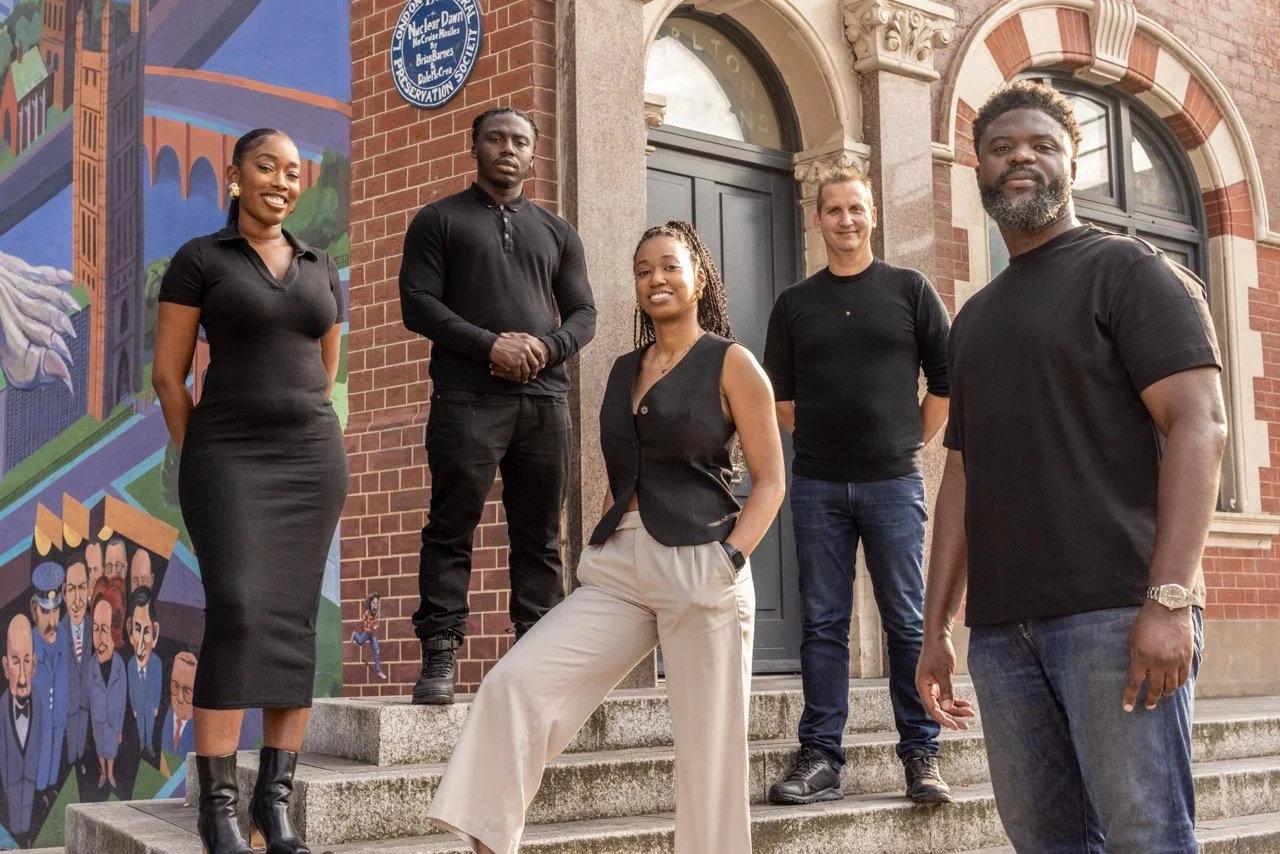
Black Seed VC, founded in 2021 by Karl Lokko and Cyril Lutterodt (with Yvonne also named as a co-founder in BBC reporting on the fund), is the most specifically documented UK venture capital fund oriented toward Black-founded businesses including fashion and creative sector enterprises. Based at Brixton Village in South London, as confirmed by Brixton Buzz and CB Insights, the fund received the 2025 Startups 100 DEI Award. Karl Lokko, the most publicly profiled of the founders, is a Brixton-based creative entrepreneur whose background spans music, arts, and community enterprise; Cyril Lutterodt is confirmed as co-founder across multiple independent sources, including Face2Face Africa.
Black Seed VC’s Brixton Village base is not incidental to its investment thesis. Brixton is the geographic heart of South London’s African and Caribbean British community, and the fund’s location signals a specific commitment to investing in the communities that have historically been excluded from institutional capital while being central to the creative output that London’s fashion and cultural economy depends on. As Omiren Styles has documented in its analysis of the African fashion ecosystem in London, the community-level infrastructure of Black British fashion- the church dress codes, the owambe economies, the tailors and sewists of Peckham and Dalston- has been commercially productive for decades without receiving investment that reflects its commercial productivity. Black Seed VC’s positioning is an explicit attempt to direct capital toward the businesses that emerge from that community infrastructure.
Ada Ventures and the Institutional Funding Landscape
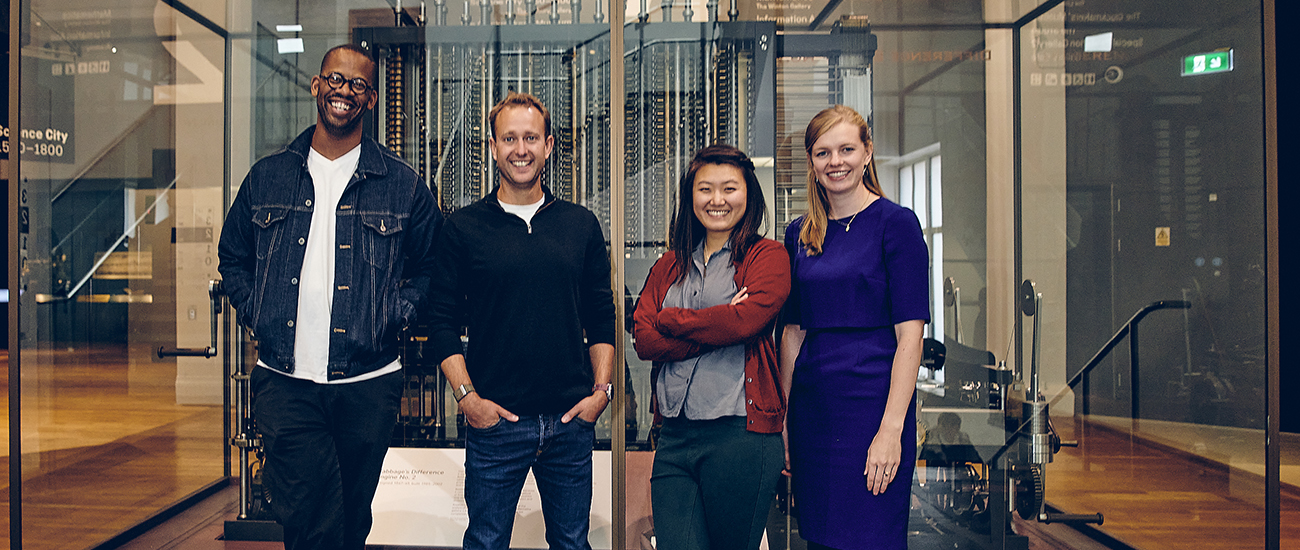
Ada Ventures, which has raised a £36 million fund with a stated focus on backing underrepresented founders, represents the institutional end of the infrastructure being built around the Black British fashion and creative sector funding gap. The fund’s investment thesis covers technology and creative businesses with underrepresented founding teams, making it directly relevant to the Black British fashion founder who is building a commercially serious brand but lacks access to the mainstream venture ecosystem that the 0.24% figure documents as effectively closed to Black founders.
The landscape of institutional investors who have explicitly stated commitments to closing the Black founder funding gap in the UK also includes Impact X Capital, a London-based investor focused on underrepresented entrepreneurs across Europe, and the British Business Bank’s own Investing in Women Code and Regional Angel Programme, both of which have been documented as attempting to address the structural barriers that the Alone Together study identified. None of these constitutes a solved problem. They constitute the beginning of a structural response to a structural problem. As Omiren Styles has argued in its analysis of why no serious investor has a pan-African fashion portfolio, the distinction between funded and unfunded projects is rarely about underlying business quality. It is about institutional compounding: the accumulation of relationships, track records, and credibility signals that the mainstream funding ecosystem has historically withheld from Black founders.
What Building the Infrastructure Actually Requires
The infrastructure being built by AKOJO Market, Black Seed VC, Ada Ventures, and their equivalents addresses three specific gaps simultaneously. First, the retail access gap: Black and African-heritage fashion brands in the UK have historically struggled to access the buyer relationships, the shelf space, and the curatorial credibility that UK retail requires for sustained commercial presence. AKOJO Market’s platform model, and the wider ecosystem of curated multi-brand platforms that has developed around African and diaspora fashion, addresses this gap by building the retail intermediary infrastructure that individual brands cannot afford to build independently. Second, the capital access gap: the 0.24% figure documents a capital market that has functionally closed to Black founders. Black Seed VC, Ada Ventures, and the constellation of impact-oriented investors building around them attempt to open an alternative capital pathway. Third, the knowledge and network gap: Black British fashion founders have historically lacked access to the mentoring relationships, industry networks, and institutional introductions that the mainstream fashion business infrastructure provides to founders who move through its standard channels. BFC programmes including NEWGEN, the BFC Vogue Designer Fashion Fund shortlist that reached Onalaja in 2026, and the institutional awards programmes that have recognised Tolu Coker and Labrum London represent institutional attempts to close this gap at the designer level. The business level infrastructure is less developed.
The interaction between these three gaps is multiplicative rather than additive. A Black British fashion founder who lacks capital cannot build the production consistency that retail access requires. A founder who lacks retail access cannot generate the sell-through data that capital providers use to assess investment risk. A founder who lacks network access cannot reach the mentors and introductions that would help them navigate both. As Omiren Styles has documented in its analysis of e-commerce versus physical retail for African fashion brands, the gap between a brand that is ready for investment and a brand that investors are ready to fund is not primarily about product quality. It is about the infrastructure of evidence, relationships, and institutional credibility that the funding system requires as proof of investment readiness. Building that infrastructure for Black British fashion founders is the specific task that AKOJO Market, Black Seed VC, and their equivalents are attempting to do.
The Omiren Argument
The 0.24% figure is not a diversity statistic. It is a market failure. A decade of UK venture capital that systematically excluded Black founders did not exclude them because Black-founded businesses were less commercially viable than the ones that received funding. It excluded them because the institutional processes that determine investment readiness were built by and for a founding demographic that did not include Black British entrepreneurs, and those processes reproduced their exclusions through the accumulated weight of networks, referral systems, and pattern-matching that institutional investment depends on.
The infrastructure being built around Black British fashion investment, AKOJO Market for retail access, Black Seed VC for capital, Ada Ventures for institutional funding, and the BFC’s increasingly explicit institutional support for African-heritage designers at every level, represents an attempt to build alternative institutional pathways that do not require Black British fashion founders to navigate a system that was not built for them. As Omiren Styles has argued, African and Black fashion did not fail to develop because the conditions for development were absent. It failed to receive investment because the institutions that distribute investment repeatedly decided that some founding demographics mattered more than others. Building the alternative infrastructure is the correction of that decision, applied one fund, one platform, and one investment at a time.
The funding gap is documented. The infrastructure to close it is being built. The question now is whether it will be built at the scale and speed that the gap requires.
ALSO READ
- Why No Serious Investor Has a Pan-African Fashion Portfolio: The Cost of Institutional Blindness
- African Fashion Intelligence in the UK: Designers, Retail and Diaspora Style
- African Fashion in London: Mapping UK-Based Designers, Boutiques and Cultural Hubs
Frequently Asked Questions
What is the Black British fashion funding gap?
Between 2009 and 2019, only 38 Black-founded businesses received venture capital in the UK, representing 0.24% of all VC-funded businesses. Exactly one Black female founder received Series A investment in that period. This is confirmed across Sifted, TechCrunch, the LSE’s Diversity Beyond Gender report, and the British Business Bank’s Alone Together study. A separate 2023 study by 10×10 and Google found that 88% of Black entrepreneurs in the UK relied on self-funding to start their businesses. Applied to fashion, which requires significant capital for production, inventory, and brand-building even at small scale, these figures define the structural constraint facing Black British fashion founders.
What is AKOJO Market?
AKOJO Market is a UK-based curated marketplace for designers from Africa and the African diaspora, founded by Natasha Buchler and Annie Rudnick and launched on 1 April 2019. It launched with 19 designers, as documented in its 2019 launch announcement. Its current stockist count should be verified directly from AKOJO’s current site before citing a specific figure. The platform focuses on ethical sourcing and cultural provenance, providing UK retail access, buyer relationships, and curatorial credibility to designers who face systemic barriers to mainstream retail placement.
What is Black Seed VC?
Black Seed VC is a UK venture capital fund founded in 2021 by Karl Lokko, Cyril Lutterodt, and Yvonne (per BBC reporting), based at Brixton Village in South London. It received the 2025 Startups 100 DEI Award. The fund is oriented toward Black-founded businesses including fashion and creative sector enterprises, with its Brixton Village location signalling a specific commitment to investing in communities that have historically been excluded from institutional capital while being central to London’s creative economy.
Why do Black British fashion brands struggle to access investment?
Three compounding gaps. The retail access gap: difficulty accessing buyer relationships, shelf space, and curatorial credibility that UK retail requires. The capital access gap: documented by the 0.24% venture funding figure and the 88% self-funding rate. The knowledge and network gap: lack of access to mentoring relationships, industry networks, and institutional introductions that the mainstream fashion business infrastructure provides through standard channels. These gaps are multiplicative: a founder who lacks capital cannot build the production consistency retail access requires; a founder who lacks retail access cannot generate the sell-through data capital providers need; a founder who lacks network access cannot reach the introductions that would help them navigate both.
What is Ada Ventures and why is it relevant to Black British fashion?
Ada Ventures is a UK venture capital fund that has raised a £36 million fund with a stated focus on backing underrepresented founders across technology and creative businesses. For Black British fashion founders who are building commercially serious businesses but lack access to mainstream venture capital, Ada Ventures represents one institutional capital pathway that has explicitly committed to addressing the structural barriers documented in the British Business Bank’s Alone Together study. It is one component of an emerging alternative funding infrastructure alongside Black Seed VC, Impact X Capital, and the British Business Bank’s own diversity-focused programmes.