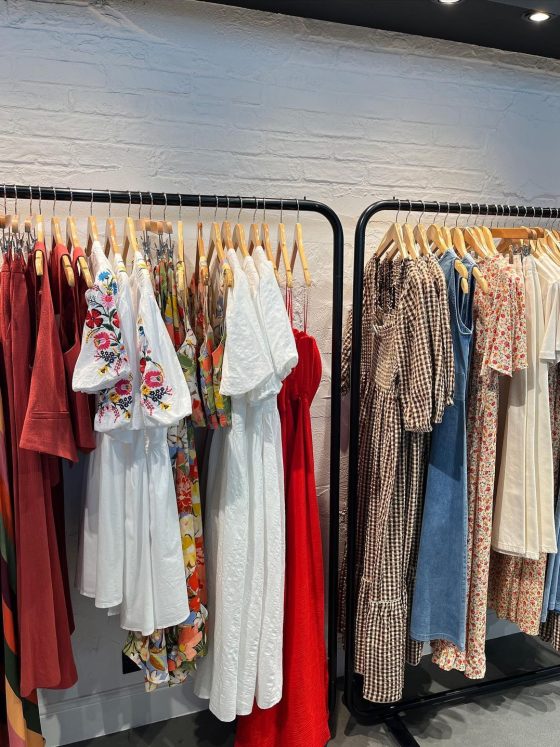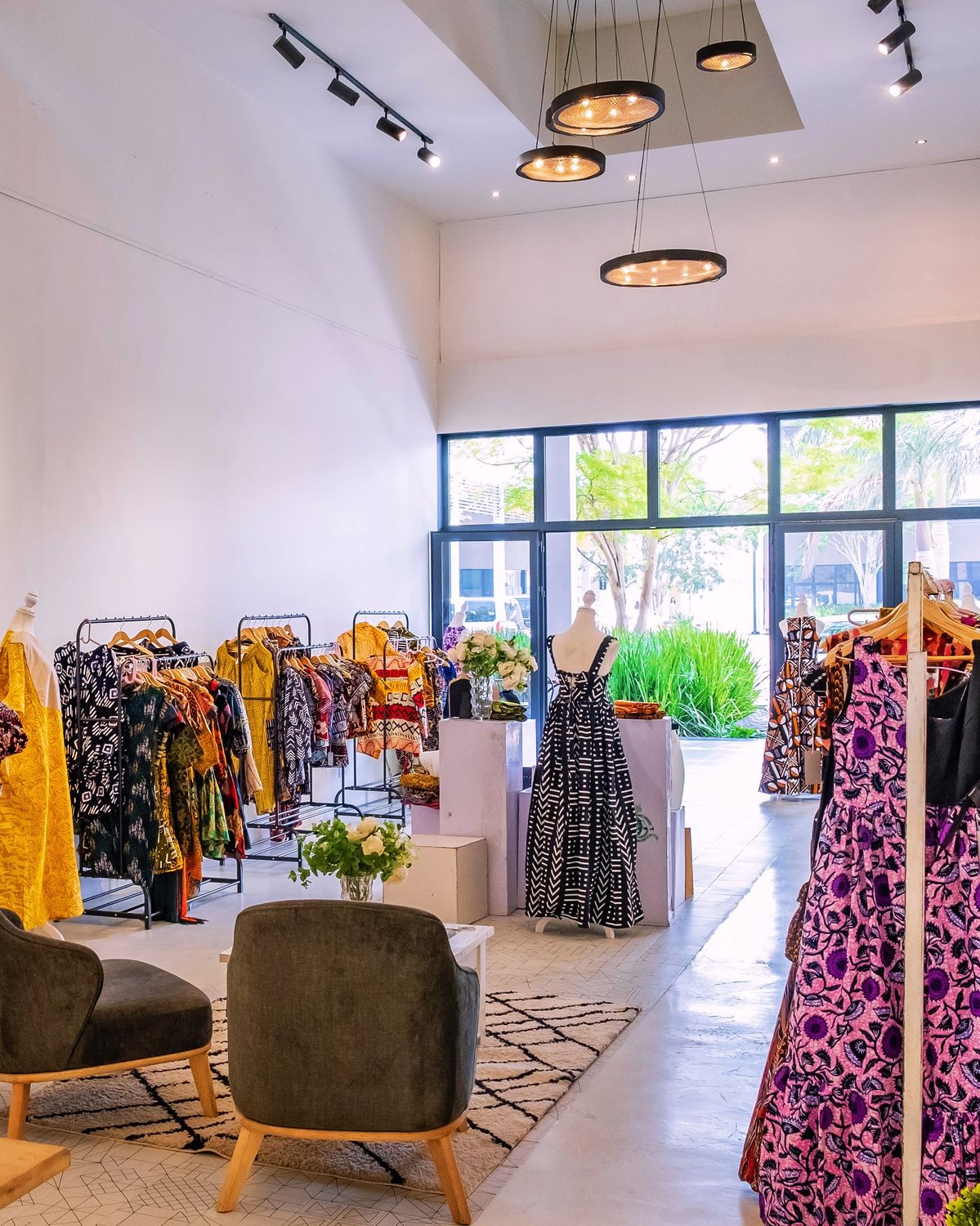
Growing fashion demand does not guarantee boutique success. It creates conditions where specific boutiques thrive and vague ones struggle. Cities where African fashion is developing serious retail culture are not simply bigger markets. They are more competitive ones, with customers who have more options, more references, and more confidence in their own taste than they did five years ago.
A boutique that succeeded without competition may find that growing demand exposes its weaknesses. Only those with a clear position before the growth arrived will hold it.
What it takes to run a successful fashion boutique in a growing African city: location strategy, community building, curation, and price positioning in African and diaspora retail.
Location, Community, and the Physical Argument
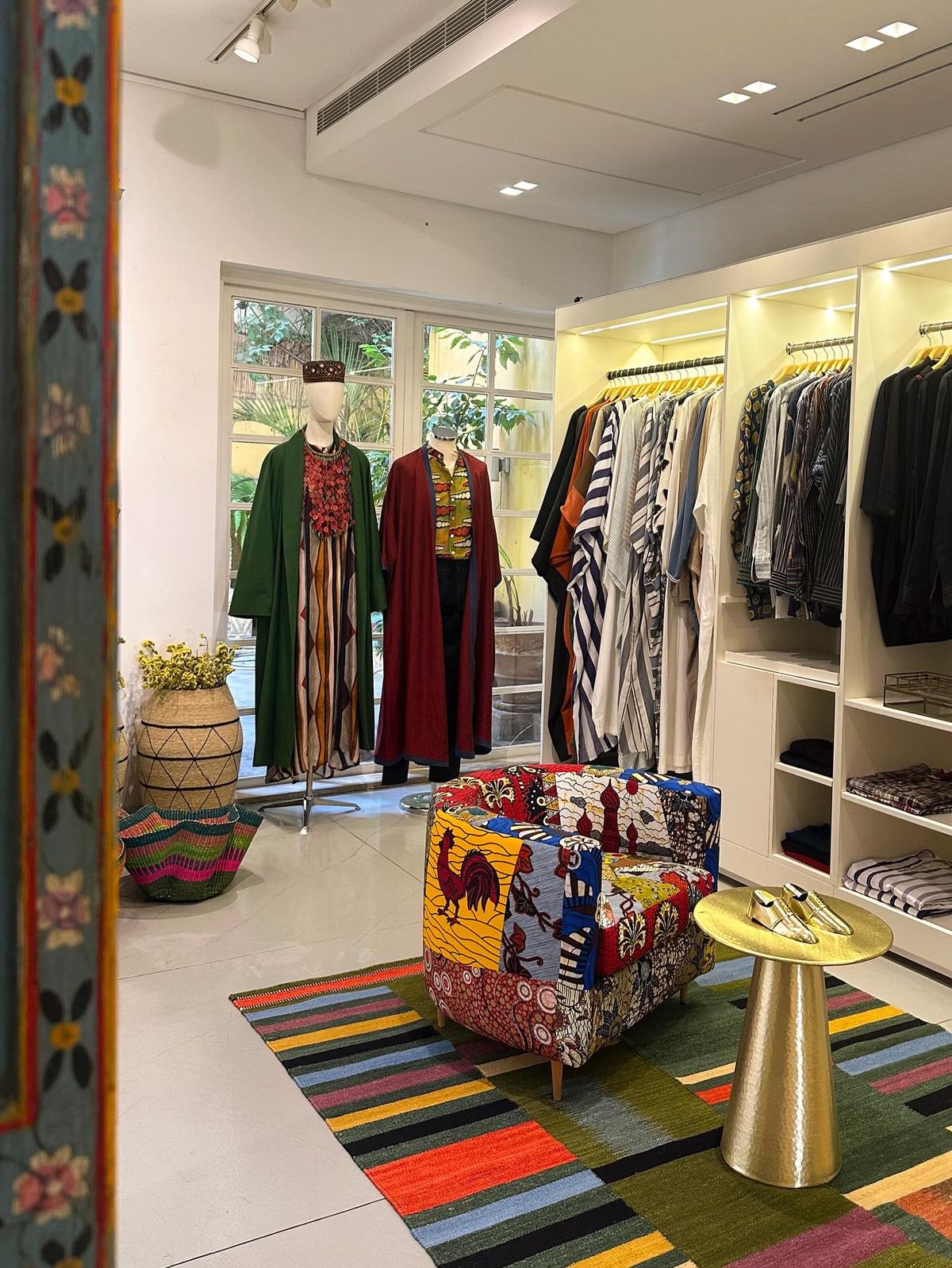
A boutique’s location is not just a practical decision. It is an editorial one.
The neighbourhood a boutique chooses says something about who it is for and what kind of fashion conversation it wants to be part of. A boutique in a commercial district p, positioned for footfall m, makes a different argument than one in a creative neighbourhood p, positioned for discovery. Neither is inherently superior, but each attracts a different customer, and the boutique’s buying, presentation, pricing, and service all need to be consistent with the argument its location makes.
In cities where fashion culture is still forming, location is not just a property decision. It is a bet on where the city is going.
In African cities with rapidly developing fashion retail cultures, this is more complex than in established markets, where the geography of fashion culture is already well-defined. Lagos, Accra, Nairobi, and Johannesburg are each developing retail cultures on their own terms: their own aesthetic references, their own customer expectations, their own pace. The neighbourhoods where fashion customers shop and where fashion is made visible are not fixed. A boutique positioned in the right location early gains a significant advantage. One that chose convenience over cultural positioning may find itself stranded as the city’s fashion geography moves on.
Community matters as much as location, and in African fashion retail, the two are often inseparable. The most successful boutiques in these markets function as more than retail spaces. They host events, support emerging designers, and build relationships that extend beyond individual transactions. That embeddedness produces loyalty; a better-stocked competitor cannot quickly buy it.
ALSO READ:
- How Brands Decide What to Produce In-House and What to Outsource
- Traditional Clothing in Burkina Faso: Culture and Identity Explained
- Malian Fashion Designers Preserving Heritage While Innovating Style
Price Positioning in a Market Still Forming
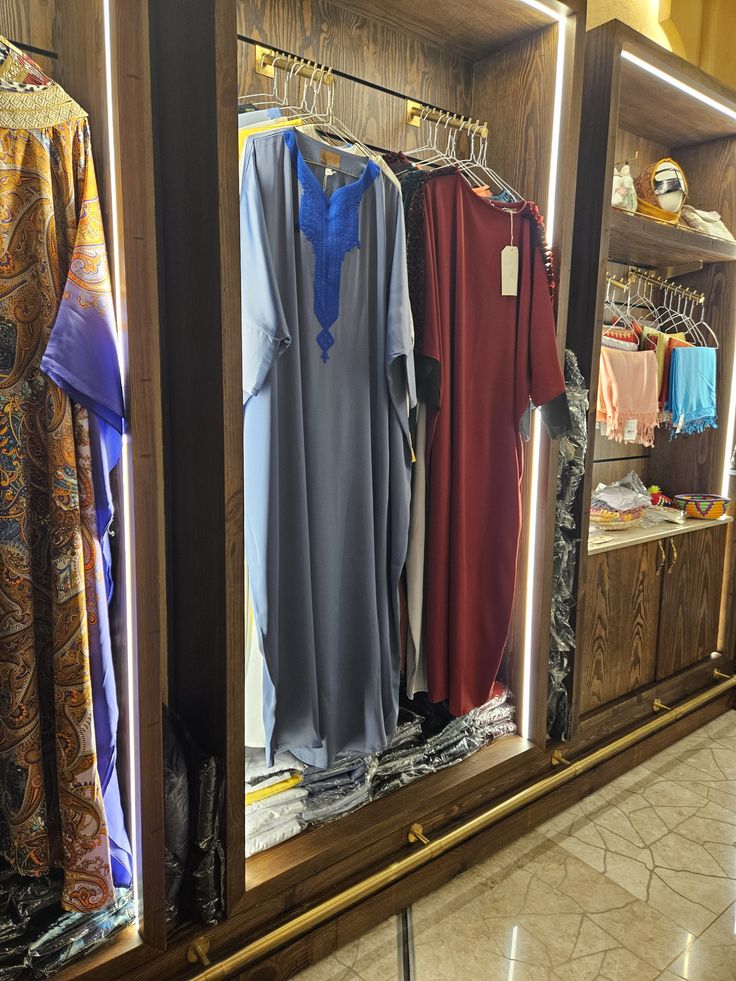
Pricing in a growing fashion market requires a specific kind of discipline, because the temptation with rising demand is to price upward faster than the market’s confidence can support.
African and diaspora fashion customers in cities where the retail culture is developing are often simultaneously aspirational and cautious. They want to invest in quality and locally made work, but their value assessments are still forming. A boutique that prices at a level the market is not yet ready to sustain, even if that pricing is objectively correct relative to the cost and quality of the work, will find customers who admire the product and do not buy it.
The solution is not to undervalue the work. It is to build price justification alongside the price itself. This means demonstrating quality visibly: through the presentation of garments, through the knowledge staff bring to conversations about the work, and through the consistency of the experience across every visit. A customer who understands why a garment is priced as it is, because the boutique has made that case compellingly, is a different customer from one who simply sees a number and hesitates.
Price positioning also requires decisions about what the boutique will not stock. A boutique that carries work at multiple price points without a clear editorial logic signals that it has not made a confident decision about who it is for. Trying to serve the accessible and the investment customer simultaneously with the same rail tends to serve neither particularly well.
Customer Education as Competitive Advantage
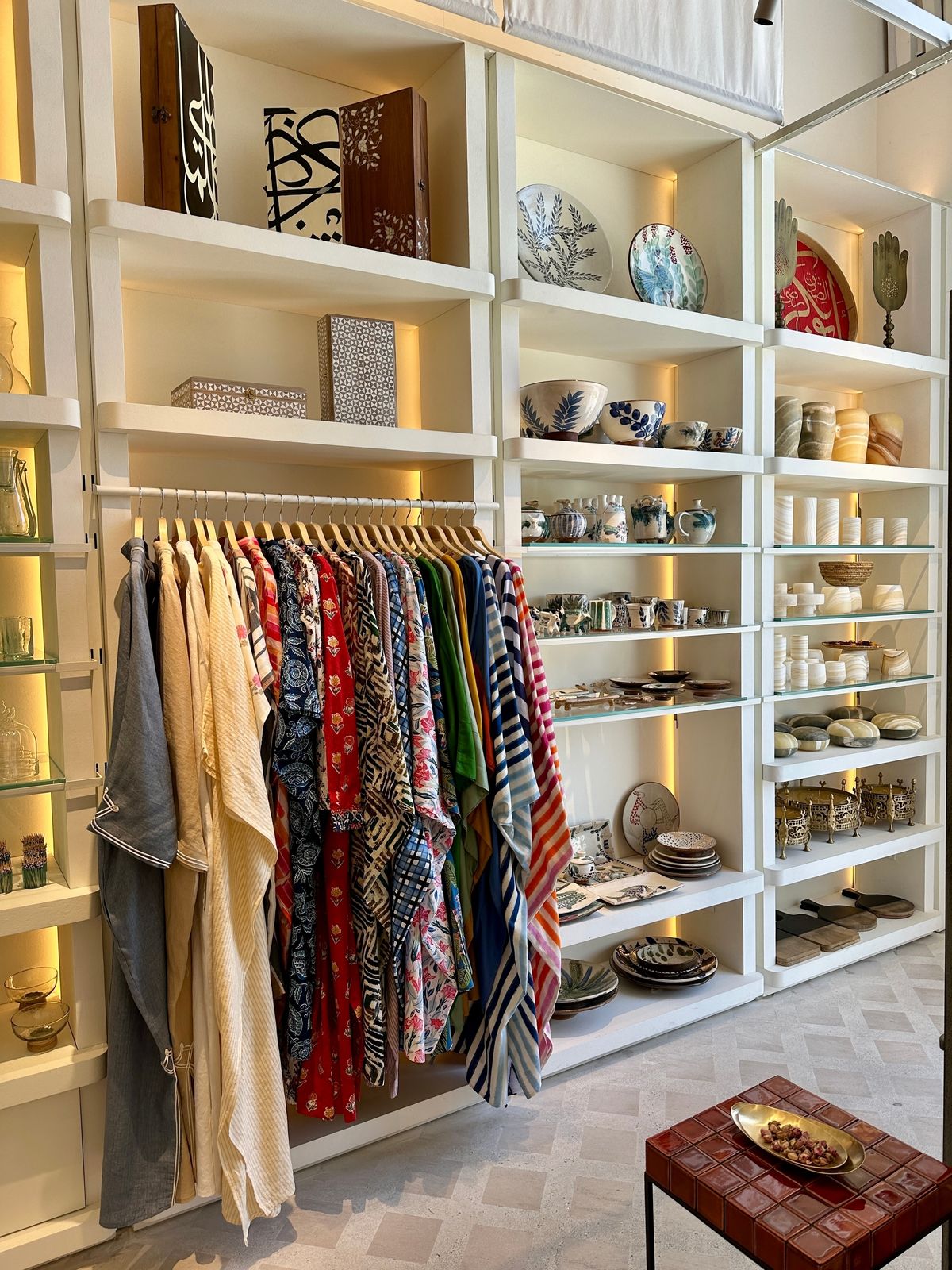
In cities where fashion retail is developing, the boutique that takes customer education seriously has a structural advantage that compounds over time.
Customer education is not condescension. It is sharing what the boutique knows: fabric source, garment construction, designer practice, and why the piece is made this way. This knowledge exists in most boutiques and is shared in almost none of them. The assumption is that customers do not want it, or that sharing it slows the transaction. Both tend to be wrong in growing markets where customers are actively building their fashion literacy.
A customer who understands what they have bought is more likely to return, recommend the boutique, and develop loyalty that is difficult for a competitor to displace. The boutique has not just sold a garment. It has become part of the customer’s ongoing education in fashion, and that relationship has value extending far beyond the first transaction.
For boutiques focused on African and diaspora fashion, customer education is particularly important. The work on the rails often carries cultural and material histories that are not self-evident to every customer. A boutique that can articulate those histories clearly is adding a layer of value to every purchase that no online retailer and no generalist stockist can easily replicate. As Lagos Fashion Week has consistently demonstrated through its public programming, connecting customers to the stories behind the work is one of the most reliable ways to convert interest in African fashion into lasting loyalty. The specific knowledge of a specific tradition, communicated by someone who genuinely holds it, is arguably one of the few things in retail that scale cannot manufacture.
Growing demand is not a substitute for a clear position. It is a test of whether one exists. The boutiques most likely to succeed in these cities over the next decade will be those that read their markets accurately and build for them, not those that apply a model developed elsewhere to contexts that require something specific. The boutiques entering this phase of development with a defined identity, a loyal customer base, and a pricing strategy the market can sustain are the ones that will use the growth to build something lasting. The boutiques hoping that growth will do the work of building their identity will find that it does not.
FAQs
Which African cities have the strongest boutique fashion culture?
Lagos and Accra have the most developed boutique ecosystems for African designer fashion. Nairobi and Johannesburg follow closely, each with a distinct character. Lagos: bold, high-fashion statements with a strong appetite for Nigerian and West African labels.Accra: refined mix of local and diaspora designers, strong community around emerging Ghanaian work.Nairobi: growing premium market with particular interest in East African craft traditions.Johannesburg: a well-established independent retail scene that has engaged with African designers longer than most. Diaspora cities, including London and New York, have strong African fashion boutique cultures anchored in specific neighbourhoods and communities.
What retail infrastructure challenges do African boutiques face?
The most significant are logistics and payment systems. Reliable last-mile delivery for online orders, consistent availability of high-quality packaging materials, and payment infrastructure that works for both local and international customers all present practical challenges that boutiques in more developed markets do not face to the same degree. Import duties on fabrics and finished garments add to the cost of both buying and selling. The boutiques that manage these challenges best tend to have built operational systems specifically for their city rather than adapting systems designed elsewhere.
How does community building affect a boutique’s long-term survival?
Significantly. A boutique embedded in a community through events, collaborations, and genuine relationships with designers and customers has a form of loyalty that is not easily disrupted by a new competitor opening nearby. Community loyalty is earned over time and is difficult to replicate quickly. In African fashion markets, where trust and personal relationships carry particular cultural weight, this form of loyalty is often more durable than loyalty built through discounts or promotions.
Can a boutique be both exclusive and accessible in an African market context?
Yes, through curation rather than price alone. A boutique can be exclusive in the sense of having a clear, non-generic point of view: stocking work that is not available everywhere, presenting it with knowledge and conviction, building an environment that feels considered, without pricing itself out of a broad customer base. The exclusivity of a strong curatorial position is distinct from price exclusivity, and boutiques that conflate the two tend to limit their own audience unnecessarily.
What financial indicators should a boutique owner monitor closely?
Sell-through rate by label, average transaction value, repeat purchase rate, and the ratio of new to returning customers are the four most important. The sell-through rate tells you whether your buying decisions are connecting with your customer. Average transaction value tells you whether your pricing and presentation are building confidence. Repeat purchase rate is the most direct measure of customer loyalty. The ratio of new to returning customers tells you whether the boutique is growing its audience or cycling through it.