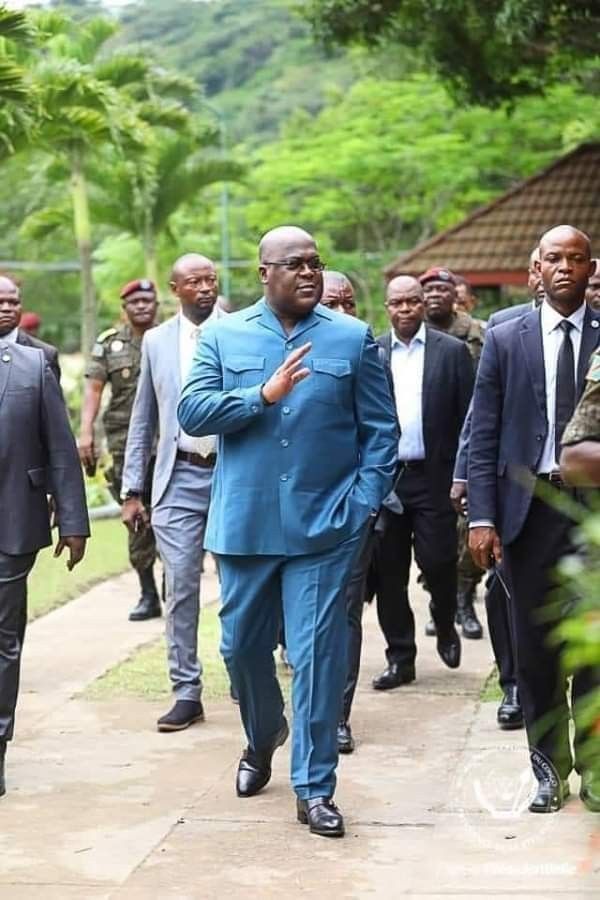
The Kaunda suit is one of the clearest examples of how African presidential dress became political language after independence. It was not simply a style choice. It was a statement about sovereignty, dignity, and what authority should look like in a post-colonial African state. In that sense, the Kaunda suit African presidential dress debate is about more than fashion. It is about who gets to define seriousness, legitimacy, and power.
On 28 November 2023, Kenya’s Speaker of Parliament, Moses Wetangula, banned the Kaunda suit from the chamber. He called it a “Mao Zedong coat” and said it did not suit the seriousness of parliamentary proceedings. The dress code he preferred was the Western suit and tie. That decision immediately reopened a much older argument about African dress, colonial aesthetics, and the politics of state authority.
The irony was hard to miss. A ruling upholding Western parliamentary formality was delivered in a chamber that still bears the ceremonial legacy of British colonial rule. The controversy showed that clothing in African politics is never neutral. It always carries history.
The Kaunda suit was not just clothing. It was Zambia’s first president telling the world that governing Africa does not require dressing like the people who colonised it.
The meaning of the Kaunda suit
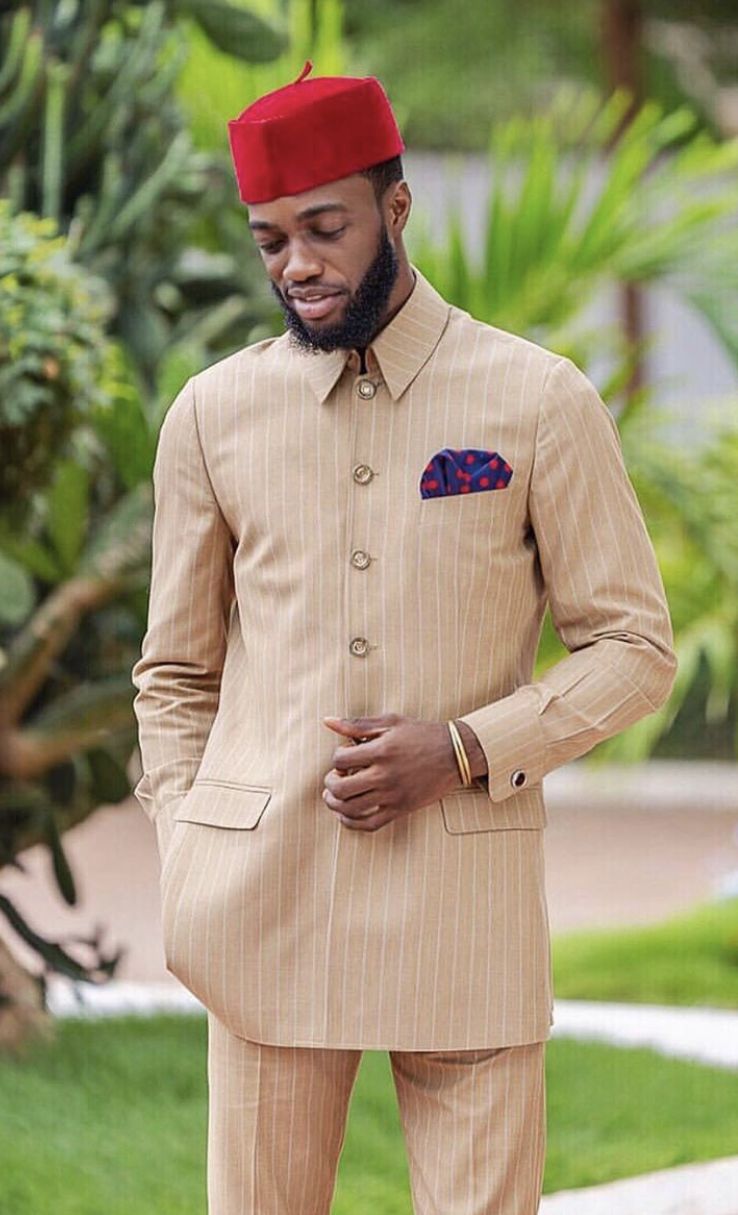
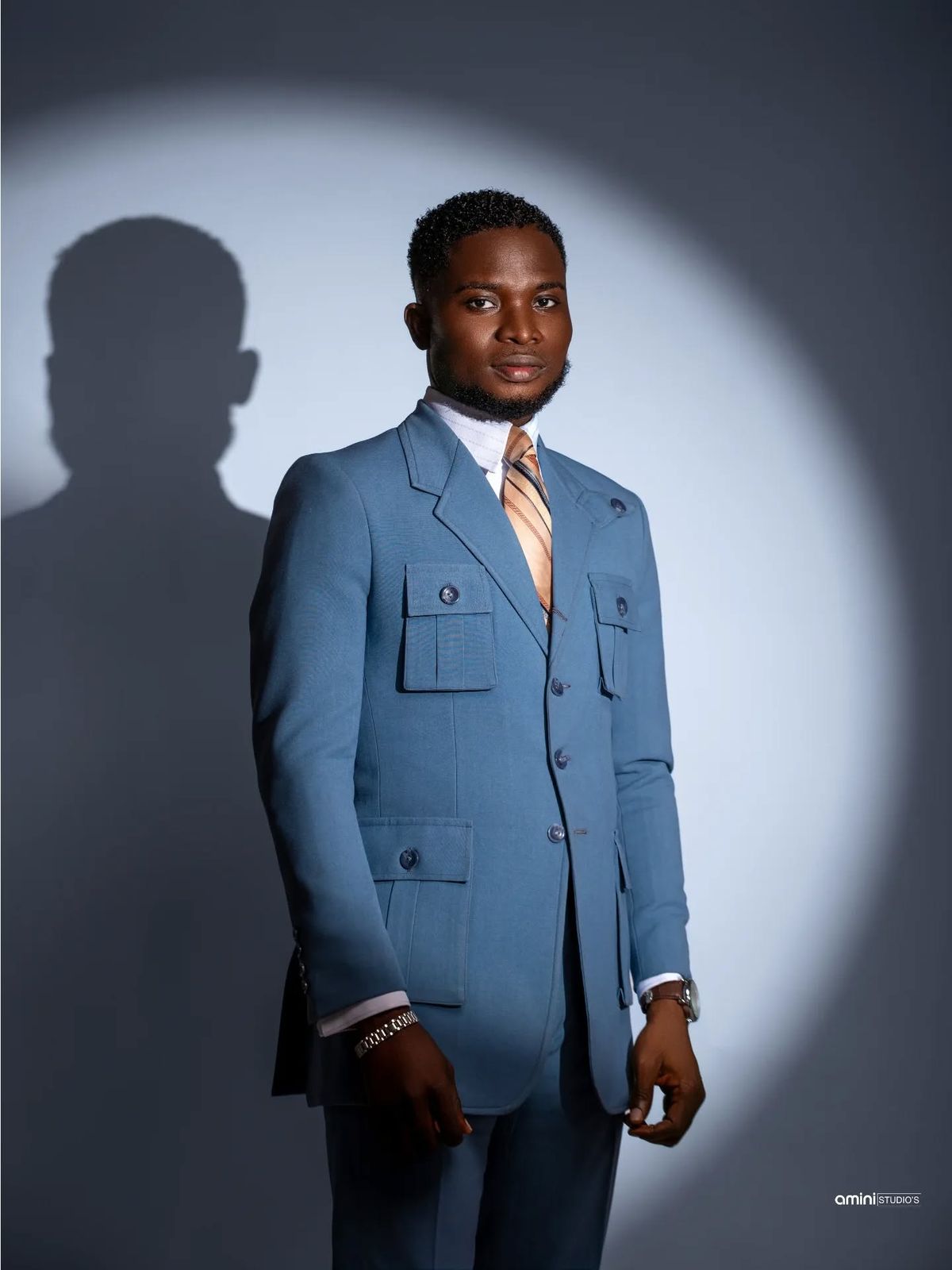
Kenneth Kaunda, Zambia’s first president, wore the suit throughout much of his time in office. The garment was a safari jacket worn with matching trousers, usually without a tie, and it became so closely associated with him that it took his name. According to accounts of the suit’s history, Tanzania’s Julius Nyerere is said to have named it after Kaunda. That naming mattered because it turned a practical jacket into a political symbol.
Kaunda was born in 1924 and became Zambia’s first president in 1964. He remained in office until 1991, and his clothing became part of the image of the new African state. The suit said that governance need not imitate colonial boardrooms to be authoritative. It also said that African modernity could have its own uniform.
The phrase’ Kaunda suit’ is therefore not about tailoring alone. It refers to a dress code that carries ideology. For Kaunda, the suit signalled humility, independence, and political seriousness without colonial imitation. That message has endured across decades of African political life.
Colonial roots, African meaning
The suit did not begin in Zambia. Its origins lie in the safari jacket, which emerged in colonial East Africa as practical clothing for European expeditions. It was designed for movement, fieldwork, and hot climates. But Kaunda and other African leaders took that inherited form and gave it a different political meaning.
That transformation is central to the garment’s history. Clothing that once carried colonial associations became a sign of post-colonial dignity. The suit was no longer about extraction, exploration, or imperial convenience. It became part of the visual vocabulary of African independence.
This is why the Zambia safari suit politics conversation matters. The garment’s journey from colonial practicality to independence symbolism mirrors the broader fight to define African statehood in African terms. What was once a colonial field garment became a presidential statement.
Leaders who wore it
The Kaunda suit spread because its politics resonated beyond Zambia. Julius Nyerere of Tanzania, Sam Nujoma of Namibia, Samora Machel of Mozambique, and Robert Mugabe of Zimbabwe all wore versions of it at different points. The garment became a common language among leaders who wanted to present themselves as close to the people and independent from Western dress codes.
As The Chanzo’s analysis of the suit’s ideological history confirms, the suit also signalled solidarity with working people and a rejection of elite Western formality. According to Kaunda himself, as the Mail and Guardian’s analysis of African presidential dress documents, the suit’s name and political meaning emerged through that same post-independence conversation.
The photograph of Kaunda standing with other liberation-era leaders in identical suits captured the point perfectly. It was not just coordinated dress. It was a shared political position. The question of African presidential dress was being answered in real time by the men who were building new states.
Kaunda’s suit history is therefore not only Zambian. It is a regional political style story, one that links independence-era leaders across southern and eastern Africa.
Mao, socialism, and influence
The suit’s history also intersects with Maoist dress. Kaunda met Mao Zedong in 1974 and is often described as having been influenced by Mao’s teachings and the ideology behind them. As the CPA parliamentary dress code analysis notes, the Chinese suit had already become a political symbol before Kaunda adapted the look into his own context.
This matters because the Kaunda suit did not reject all international influence. It rejected the idea that Western suit-and-tie culture should remain the default visual language of power. That distinction is important. Kaunda was not copying Mao or simply copying colonial safari wear. He was reshaping multiple influences into a new image of the African state.
When Kaunda met Mao in 1974, two men who had each rejected the Western suit as the uniform of power looked at each other across the same ideological argument, made in cloth. That image explains why the garment still matters. It sits at the intersection of African nationalism, socialism, and post-colonial visual politics.
Decline and revival
The suit fell out of fashion in the 1990s as the political era that produced it faded. Kaunda lost power in 1991, and the garment came to feel like a relic of the independence generation. But the story did not end there. It returned as a living political sign in the 2020s.
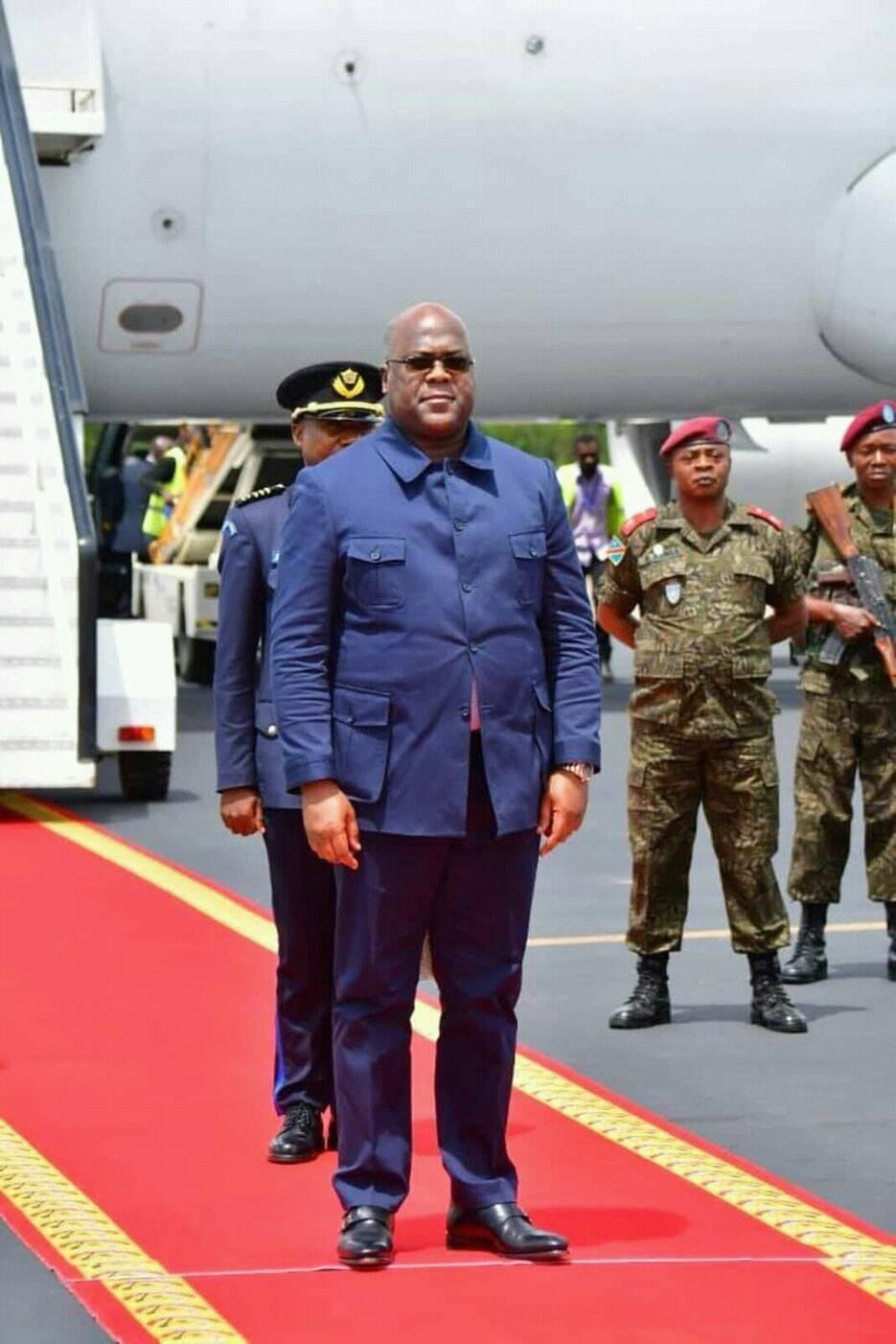
Kenya’s President William Ruto revived the suit after his 2022 election, wearing it frequently at official and public events. His tailor, Ashok Sunny, presented the choice as a statement in support of local manufacturing and African cultural identity. That revival showed that the suit still has political force when worn by a leader who wants to speak publicly about African identity.
As documented in Africa Lifestyle’s analysis of its trajectory, the garment had once been dismissed as the clothing of older men and politicians. The Ruto revival proved that a political garment can return when a new generation decides the symbolism still matters.
This is also where William Ruto Kaunda’s suit searches connect to the article’s relevance. The suit has re-entered public debate because modern presidents are once again using dress to make arguments about identity, industry, and legitimacy.
Kenya’s 2023 ban
The 2023 parliamentary ban brought the argument into sharp focus. As Global Voices documented the controversy, critics saw the ruling as part of a wider refusal to treat African dress as serious enough for formal institutions.
The visual contradiction at the centre of the scene strengthened that criticism. The Speaker enforcing the ban wore colonial-era parliamentary regalia while rejecting an African political garment as insufficiently serious. That contrast became the story.
The Kenya parliament Kaunda suit ban 2023 debate exposed a deeper question. If African leaders and institutions still treat Western dress as the only sign of seriousness, how fully has the post-colonial state actually broken from colonial norms?
What the suit represents
The Kaunda suit represents a larger question in post-colonial Africa: what does authority look like when it is no longer forced to imitate Europe? The Western business suit answers with inherited colonial prestige. The Kaunda suit answers differently. It says that African governance can be serious, modern, and official without dressing like the coloniser.
That is why the garment matters beyond Zambia. It belongs to the broader history of African presidential dress, where clothing becomes part of statecraft. It also explains why the suit remains relevant in debates about parliament, protocol, and cultural dignity.
The suit’s deeper message is that political dress can carry an argument about who owns modernity. If the modern African state dresses itself only in inherited European formality, then independence remains incomplete. The Kaunda suit insists on a different visual grammar.
Also Read:
- Lesotho’s Basotho Blanket: The Story of a Colonial Trade Good That Became a Symbol of Sovereignty
- Agbada, Boubou, Grand Boubou: One Silhouette, Four Countries, Four Arguments About Power
- Babbar Riga: The Garment That Connects Northern Nigerian Tribes
Comparisons across Africa
The Kaunda suit is not the only garment to have carried presidential significance. Julius Nyerere’s version of it paired with the Ujamaa political philosophy. Nelson Mandela’s Madiba shirt, introduced after his release from Robben Island in 1990, refused the Western suit from a different position. Where Kaunda’s suit was austere and socialist, Mandela’s shirt was colourful and celebratory.
Paul Kagame of Rwanda wears locally made Rwandan clothing as part of the Made in Rwanda initiative, attaching presidential dress to an economic policy argument. Yoweri Museveni of Uganda has built an identity around his wide-brimmed hat to the point that his 2011 election communications were signed simply as “the old man with the hat.” Each of these choices is a fashion argument made at the level of state power.
For readers searching terms like Kaunda suit history, Kenneth Kaunda fashion, and African political fashion, the pattern is clear. Leaders across the continent have used clothing to perform ideology, define dignity, and mark the cultural direction of the state.
The Omiren argument
The Kaunda suit is one of the most important political garments in African history. It was not just worn. It was argued through. It began as a colonial-form jacket, but Kaunda transformed it into a symbol of post-independence confidence, socialist sympathy, and African political identity. That argument continues today. Every time an African leader chooses a suit, a robe, a tunic, or a locally made outfit for a state occasion, the leader is answering the same question Kaunda answered: what should power look like in Africa?
The answer Omiren Styles documents is simple. African fashion is not ornamental at the level of state power. It is ideological. The Kaunda suit proves that dress can be a governing philosophy. The broader African fashion economy is substantial, but its political and cultural value remains undercounted in mainstream coverage. The Kaunda suit’s contribution to that story deserves the same serious editorial treatment Omiren Styles gives to heritage, identity, and dress systems across the continent.
Frequently asked questions
What is the Kaunda suit?
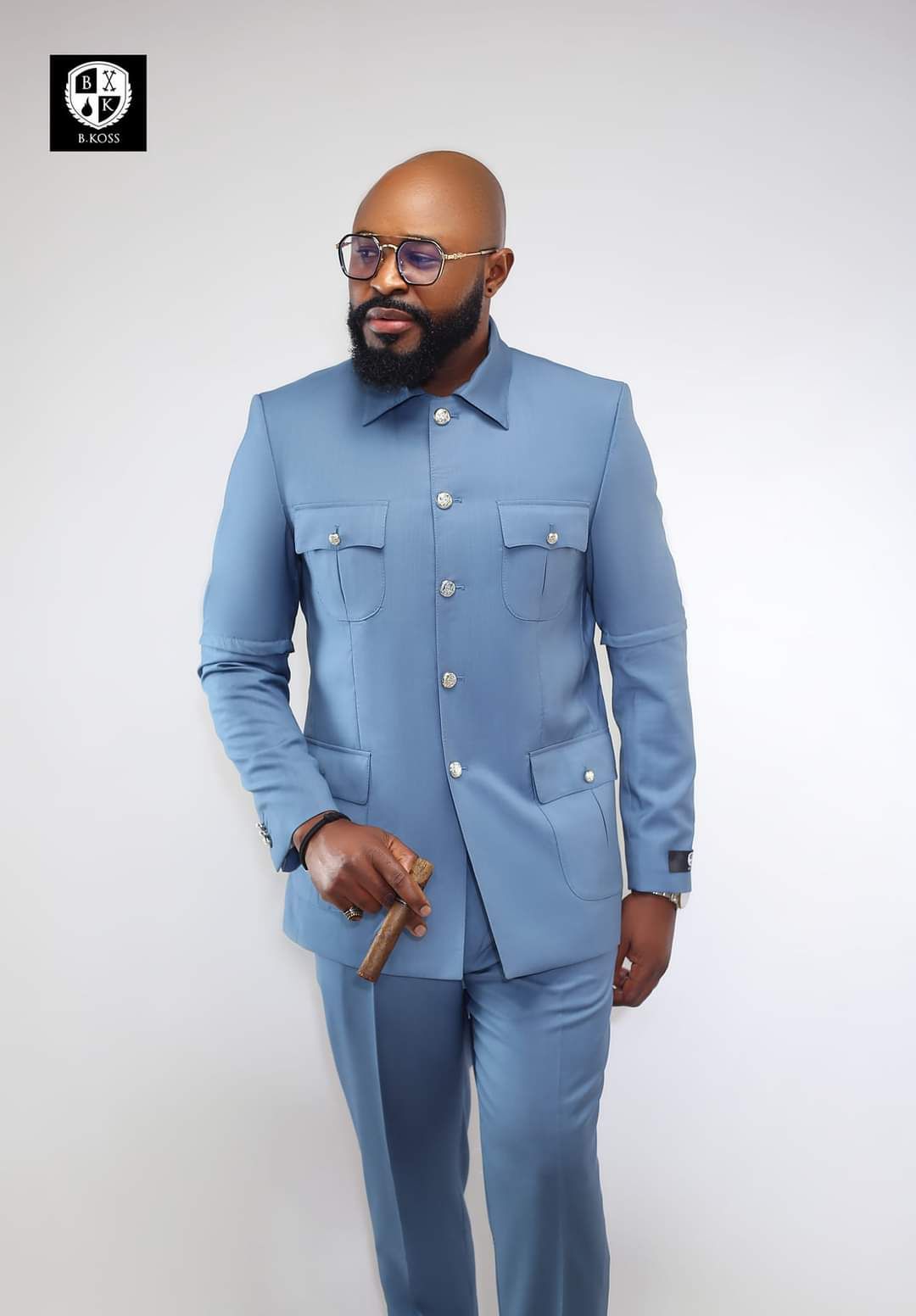
A Kaunda suit is a safari-style jacket worn with matching trousers and no tie. It became associated with Kenneth Kaunda, Zambia’s first president, and came to symbolise post-colonial African authority and dignity.
What does the Kaunda suit represent politically?
It represents a rejection of Western business dress as the default uniform of legitimate power. It also stands for African self-definition, socialist solidarity, and post-independence political identity.
Who else wore the Kaunda suit?
It was worn by leaders such as Julius Nyerere, Sam Nujoma, Samora Machel, Robert Mugabe, and later revived by Kenya’s President William Ruto.
Why was the Kaunda suit banned in Kenya’s parliament in 2023?
The Speaker said it did not meet parliamentary standards and favoured a Western suit-and-tie dress code instead. The ruling provoked backlash because many saw it as an attempt to elevate colonial dress norms over African identity.
What is the origin of the Kaunda suit?
It comes from the safari jacket, a colonial-era garment. Kaunda turned it into a symbol of African independence and political seriousness.
Explore more
Read the full Culture > Heritage & Identity section at Omiren Styles for documentation of the dress traditions, political garments, and cultural identity systems through which African communities have argued about power, sovereignty, and who they are.