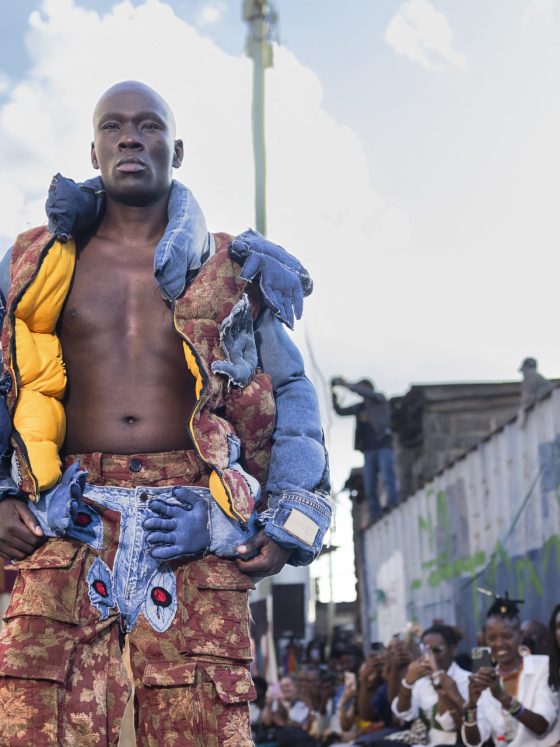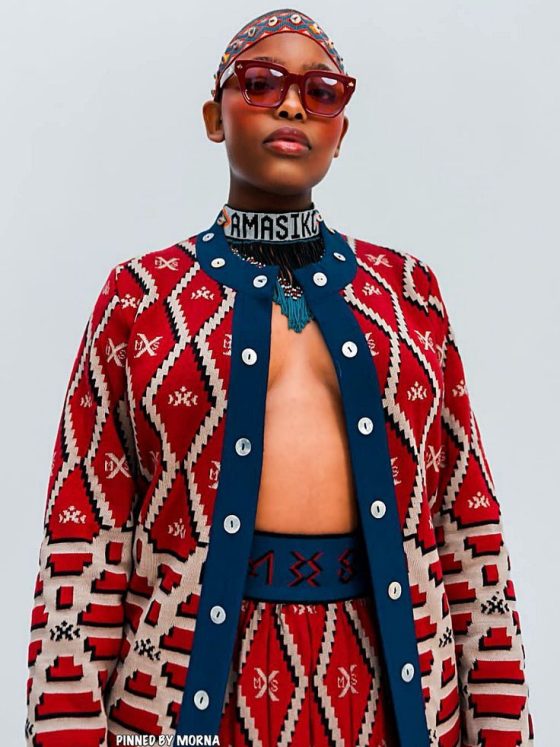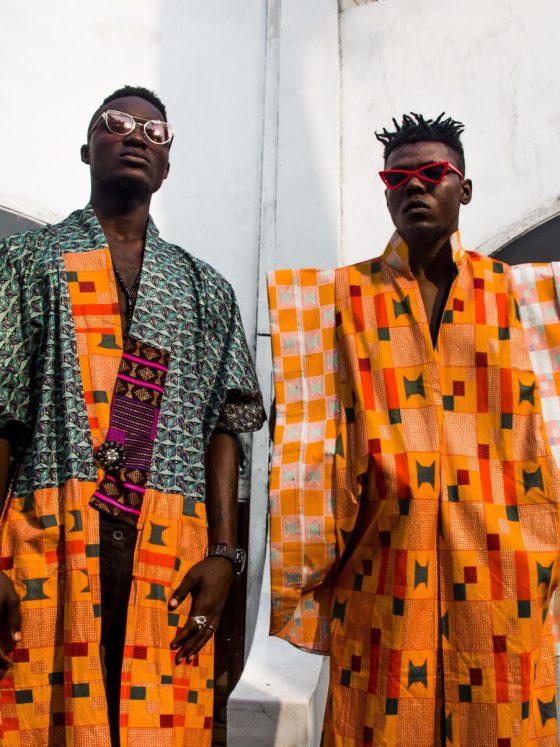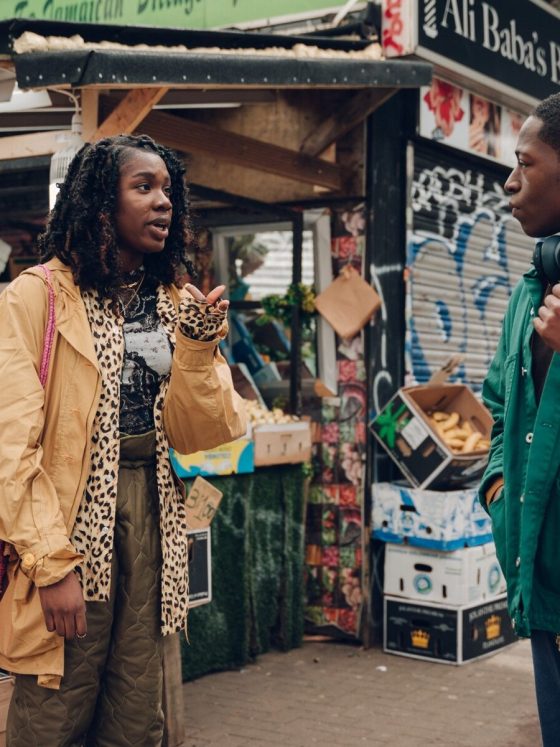
The African and Caribbean fashion market is worth $ 31 billion. That figure includes the economic activity of communities whose creative and aesthetic authority the mainstream fashion industry has historically undervalued, among them the Garífuna people of Central America’s Caribbean coast. In Puerto Barrios, a port city in Guatemala’s Izabal department, approximately five hours from the capital, Débora Lastenia David Lino was born on 7 January 1979 into a Garífuna family. She grew up in a community where barefoot was the default, where the Atlantic rolled in close, where the culture was African and Caribbean in origin and Central American in geography. She left to study Systems Engineering. A talent scout who saw her in a restaurant in Guatemala City asked if she had ever thought about modelling. She had not, particularly. That calculation did not survive contact with the industry that was about to discover her.
By the time she was in her early twenties, Déborah David had walked runways for Armani, Fendi, and Valentino. She had been a finalist in the Top Model of the World competition in Düsseldorf, Germany. She had been named one of People en Español’s 50 Most Beautiful in 2004. She had been selected personally by Celia Cruz, from hundreds of women at a casting in Mexico City, to star in the music video for La Negra Tiene Tumbao, the last great single of the Queen of Salsa’s career, nominated for Grammy Latino Recording of the Year, Song of the Year, and Music Video of the Year. She had done all of this as a woman who described herself, in every interview, as the Garífuna girl, the queen of the culture of the bare feet. The barefoot culture of Puerto Barrios did not hold her back. It was the only identity she ever intended to carry forward.
Déborah David walked runways for Armani, Fendi, and Valentino and starred in Celia Cruz’s last great video — as a Garífuna woman from a community that fashion forgot.
Garífuna Fashion and Identity: The Culture That Dressed Her
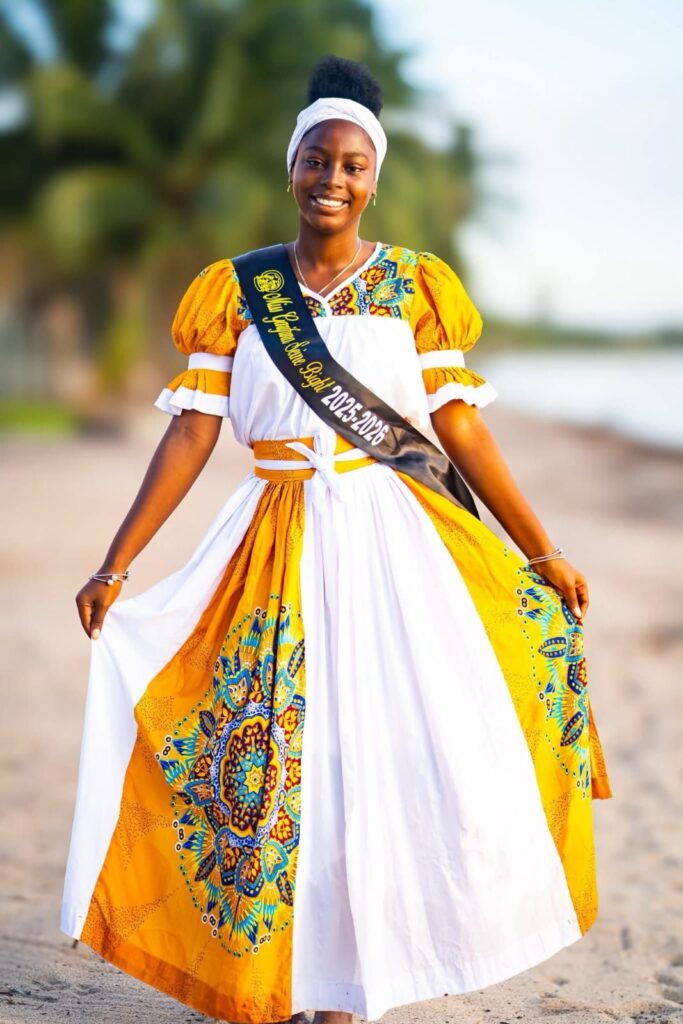
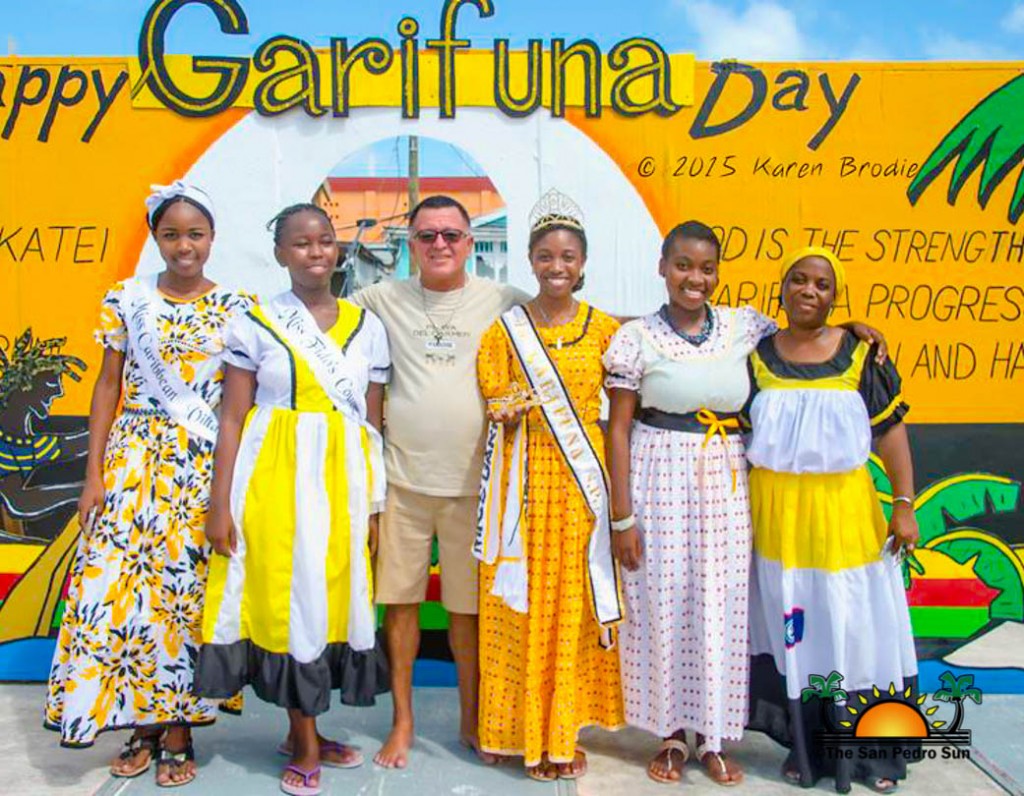
The Garífuna people are a diaspora within a diaspora. Their ancestors were escaped enslaved Africans and Indigenous Amerindians who built a society on the Caribbean island of St Vincent from around 1635 onward. The British, threatened by a community they could not control, exiled the Garífuna to the small island of Roatán off the coast of present-day Honduras in 1797. From Roatán, the Garífuna spread along the Caribbean coasts of Honduras, Belize, Guatemala, and Nicaragua. In Guatemala, they concentrated in Livingston and Puerto Barrios in the department of Izabal. As documented by the Council on Hemispheric Affairs, the Garífuna are among Central America’s most overlooked segments of the African diaspora, their culture marginalised within Guatemala’s national identity framework, which has historically centred the Maya at the expense of Afro-descendant communities. Their dress is of Afro-Caribbean style. Their music, dance, and language were recognised by UNESCO as Intangible Cultural Heritage of Humanity in 2001.
Puerto Barrios, where Déborah David was born, is the context for her fashion story. It is a city built on the Caribbean coast, shaped by the labour history of the United Fruit Company that brought Afro-Caribbean workers to the Guatemalan coast in the late nineteenth and early twentieth centuries, and by the longer Garífuna presence along that coastline. The fashion culture of Puerto Barrios is not the fashion culture of Guatemala City. It is coastal, African-rooted, and economically distinct from the country’s urban centres. When Déborah David describes herself as the queen of the barefoot culture, she is not being modest. She is being geographically and culturally precise.
Her father’s words, which she has cited repeatedly in interviews, carry the full weight of that culture: no tienes qué calzar, calzas amor; si no tienes qué vestir vistes amor. You have no shoes, you wear love. If you have no clothes, you wear love. As El Tiempo documented in their 2004 profile of her, these were the words he gave her to face the world when she left Puerto Barrios for Guatemala City. They are a specific Garífuna philosophy of presence over property, of identity over commodity, of what a body carries before it ever reaches a runway or a fitting room. Déborah David walked into the fashion industry wearing exactly that.
The Casting That Changed What Latin American Beauty Could Look Like
In the early 2000s, the salsa legend Celia Cruz was completing what would become one of the final recordings of her career. The album La Negra Tiene Tumbao required a music video for its lead single, a track that fused salsa, reggaeton, and hip-hop, directed by filmmaker Ernesto Fundora. The video’s central figure was to be a Black woman who moved through the streets of Mexico City, pursued by everyone who saw her. As Aprende Guatemala’s documented account confirms, hundreds of Black, mixed-race, and mestiza women attended the casting in Mexico City. Déborah David was selected. She met Celia Cruz personally at a hotel in the city for final approval. Cruz, who had spent decades building a career as the defining Black female voice in Latin music, chose a Garífuna woman from Guatemala’s Caribbean coast to carry the visual argument of her most commercially successful single.
The filming lasted three days. Scenes were shot in La Habana, Cuba and on the streets of Mexico City. Déborah ran through the Mexican capital’s traffic in minimal clothing. The video was released in 2001, and the song became the biggest hit of Celia Cruz’s later career, reaching number thirty on the US charts and receiving Grammy Latino nominations in three major categories. The association between Déborah David and Celia Cruz was, as she described it in a 2004 interview, extremely powerful and opened many doors. It positioned her as a face that international audiences associated with the most celebrated celebration of Black female identity in Latin American popular music of that decade. The industry that followed opened differently.
After La Negra Tiene Tumbao, she walked runways for Diesel, Hugo Boss, Armani, Fendi, and Valentino in Mexico, the United States, and Europe. She was a finalist in the Top Model of the World competition in Düsseldorf. She had been named Miss Elegancia at Miss Guatemala and won Miss América Guatemala. She was the Reinado Internacional de las Flores representative for Guatemala in Medellín, Colombia. In 2004, People en Español named her one of the 50 Most Beautiful. In 2005, she was Grand Marshal of the Desafío Corona in Querétaro, Mexico. The Guatemalan government named her Tourism Ambassador. None of this required her to present as anything other than what she was: a Garífuna woman from Puerto Barrios who wore love before she wore anything else.
Her father told her, “You have no shoes; you wear love.” If you have no clothes, you wear love. That is the fashion argument she carried onto every runway and every screen she ever stood on.
What Her Career Documents About Latin American Beauty and Fashion
Latin American fashion and beauty culture has historically centred the mestiza aesthetic — the mixed European and Indigenous phenotype, as the default of attractiveness and commercial viability. The Afro-descendant body, and particularly the dark-skinned Afro-Caribbean body, has been treated as peripheral in the region’s mainstream fashion and entertainment industries. As BELatina’s analysis of Afro-Latina representation confirms, although Latin American beauty standards have typically leaned Eurocentric, Afro-Latina supermodels and entertainers are asserting their identities and forcing the world to take notice. Déborah David is one of the earliest and least acknowledged figures in that assertion.
Her career trajectory, from Canal 3 Guatemala to international pageants to the Celia Cruz video to the Armani, Fendi, and Valentino runways, is not an exception. It is a story of what happens when a Garífuna woman, 1.80 metres tall, with an athlete’s physical intelligence and the absolute certainty of her own cultural identity, enters a fashion industry that does not know how to classify her and eventually finds that it does not need to. She classified herself. She was the Garífuna girl. The industry could keep up or not.
The film career that ran alongside her modelling practice reinforces the same point. She appeared in Before Night Falls (2000), Julián Schnabel’s film about Cuban poet Reinaldo Arenas, before La Negra Tiene Tumbao made her internationally known. She appeared in Rudo y Cursi (2008), the acclaimed Mexican film directed by Carlos Cuarón, starring Gael García Bernal and Diego Luna. Her film credits place her in work of genuine artistic ambition, not simply in the commercial entertainment that her beauty industry profile might predict. The Garífuna girl from Puerto Barrios was building a body of work whose range consistently exceeded what the industry’s frame for her suggested was possible.
Also Read:
- Colombian Traditional Fashion: What the Mola, the Pollera, and Cartagena’s Dress Culture Actually Are
- Afro-Cuban Fashion: Abakuá Societies, Yoruba Heritage, and the Politics of Afrocentric Identity
- Prajjé Oscar Jean Baptiste: Haitian Couture and the 1950s Redefined.
The Garífuna Visibility Argument Her Career Makes
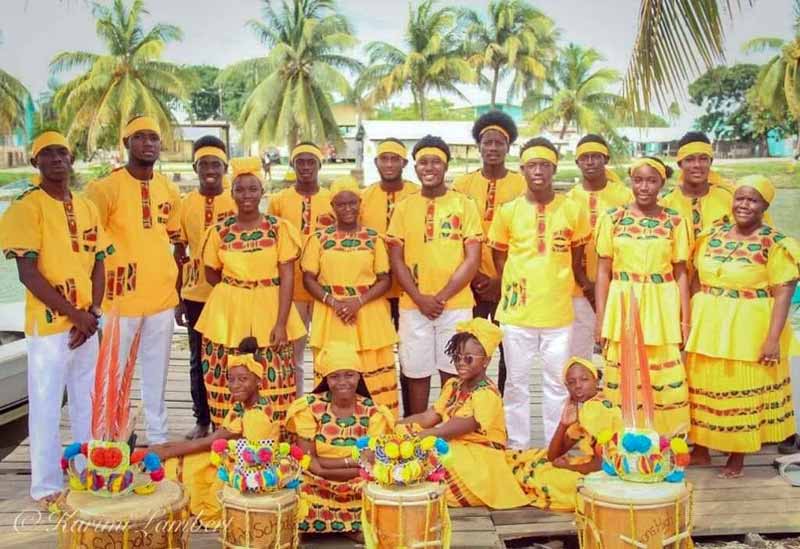
The Garífuna are one of the most systematically invisibilised communities within their own national contexts. In Guatemala, the government’s cultural framework prioritises the Maya to the extent that the gift shops at La Aurora International Airport carry all kinds of Maya artisanry and nothing Garífuna. The Garífuna are omitted from the national narrative even as they are part of the national territory. Déborah David’s career as Tourism Ambassador of Guatemala, as the model who appeared in Guatemalan national and international press more than any other Guatemalan woman of her generation, as the face that Celia Cruz chose to represent Black beauty in Latin music’s most celebrated video of the 2000s, constitutes a Garífuna visibility argument made through fashion and entertainment rather than through policy or advocacy.
She described her intention with the directness that runs through every documented interview she has given: more than anything, what she wants is to be known as the Garífuna girl. Not as the model who worked for Armani. Not as the woman in the Celia Cruz video. As the Garífuna girl. That insistence, maintained across two decades of a career that gave her every opportunity to present her identity as a backstory rather than a headline, is the fashion argument that her profile makes most clearly. The dress she wore at the Reinado Internacional de las Flores in Medellín was not the fashion story. The Garífuna identity she wore every day was.
The Omiren Argument
Déborah David’s career documents something the Latin American fashion industry has been slow to acknowledge: the Garífuna aesthetic, rooted in the African and Caribbean heritage of communities along the Central American coast, carries its own authority that does not require European or mestiza validation to be commercially or culturally significant. Celia Cruz chose her over hundreds of women at a casting because she embodied what the song described: a Black woman whose presence commands every room she enters. Armani, Fendi and Valentino put her on their runways because her body and her carriage carried something their European frames could not generate internally. The People en Español editors named her one of the 50 Most Beautiful in 2004 because the Garífuna beauty standard she represented was impossible to argue with on its own terms. None of these decisions was made despite her Garífuna identity. They were made because of it.
Omiren Styles documents Déborah David as a fashion figure because the fashion editorial record around her is almost absent. The Latin American entertainment press covered her as a celebrity. The Guatemalan press covered her as a national figure. Nobody has covered her career as it is: a sustained demonstration that Afro-descendant beauty from Central America’s least-documented diaspora community can walk runways in Milan, appear in the most celebrated music video of the decade, and carry a national cultural identity without ever softening it for the markets that received her. The African and Caribbean fashion market is worth $ 31 billion. The Garífuna contribution to that figure is uncounted and underdocumented. Déborah David’s career is where that documentation begins.
Frequently Asked Questions
Who is Déborah David and where is she from?
Déborah David, full name Débora Lastenia David Lino, was born on 7 January 1979 in Puerto Barrios, Izabal, Guatemala. She is of Garífuna heritage, from one of the Afro-descendant communities on Guatemala’s Caribbean coast, descended from escaped enslaved Africans and Amerindians who were exiled from the Caribbean island of St Vincent by the British in 1797. She is an actress, model, and singer. She is internationally known for starring in the music video for Celia Cruz’s “La Negra Tiene Tumbao” (2001) and for her work with fashion houses including Armani, Fendi, and Valentino. She was named Guatemala’s Tourism Ambassador and one of People en Español’s 50 Most Beautiful in 2004.
What is La Negra Tiene Tumbao, and what was Déborah David’s role?
La Negra Tiene Tumbao is a 2001 single by Cuban salsa legend Celia Cruz, produced by Sergio George, which fused salsa, reggaeton, and hip hop. It was the lead single from the album of the same name and the most commercially successful record of Cruz’s later career. The music video, directed by Ernesto Fundora, was filmed in La Habana, Cuba and Mexico City. Déborah David starred as the lead figure, a Black woman moving through the city pursued by everyone who sees her. David was selected from hundreds of women at a casting in Mexico City, personally approved by Celia Cruz. The song received Grammy Latino nominations for Recording of the Year, Song of the Year, and Music Video of the Year.
What fashion brands did Déborah David work with?
Déborah David walked runways for Diesel, Hugo Boss, Armani, Fendi, and Valentino, working in Mexico, the United States, and Europe. She was a finalist in the Top Model of the World competition in Düsseldorf, Germany. She represented Guatemala at the Reinado Internacional de las Flores in Medellín, Colombia. She was named Miss Elegancia at Miss Guatemala and won Miss América Guatemala. Her fashion career developed alongside an acting career that included appearances in Rudo y Cursi (2008), directed by Carlos Cuarón and starring Gael García Bernal and Diego Luna, and Before Night Falls (2000), directed by Julián Schnabel.
Who are the Garífuna people?
The Garífuna are an Afro-descendant and Indigenous people whose ancestors built a society on the Caribbean island of St Vincent from around 1635, combining escaped enslaved Africans with Amerindian communities. The British colonial government, threatened by this independent society, exiled the Garífuna to the small island of Roatán off the Honduran coast in 1797. From Roatán, the Garífuna spread along the Caribbean coasts of Honduras, Belize, Guatemala, and Nicaragua. In Guatemala, they are concentrated in Livingston and Puerto Barrios in the Izabal department. The Garífuna language, dance, and music were declared part of the UNESCO Intangible Cultural Heritage of Humanity in 2001. In Guatemala, the Garífuna are among the country’s least institutionally recognised Afro-descendant communities.
What is the significance of Déborah David’s career for Afro-Latin identity?
Déborah David’s career demonstrates that Garífuna and Afro-descendant identity from Central America’s Caribbean coast carries its own aesthetic authority in international fashion and entertainment. Latin American fashion and beauty culture has historically centred the mestiza phenotype as the commercial default, treating Afro-descendant bodies as peripheral. David built an international career — at Celia Cruz’s side, on Armani and Fendi runways, in internationally acclaimed films — while consistently identifying herself as the Garífuna girl, queen of the barefoot culture, without ever softening that identity for the markets that received her. Her career is a fashion editorial argument that the Garífuna aesthetic has never needed external validation to be significant.
Explore More
Read the full Diaspora > Afro-Latino Identity section for Omiren Styles’ documentation of the Afro-descendant communities of Latin America and the Caribbean, whose fashion, music, and cultural identity have been building the region’s most distinctive creative traditions for centuries.