Most fashion brands are built around image.
A silhouette. A logo. A lifestyle carefully constructed for consumption. But some brands operate differently. They are not only designing clothes. They are reorganising relationships among labour and dignity, heritage and industry, and visibility and survival.
This is where Priah exists.
At first glance, the brand appears to belong to the growing world of ethical fashion: artisan-made garments, woven textures, natural palettes, and handcrafted detailing. But that description is too narrow. It explains the surface without explaining the structure underneath it.
Because Priah is not simply producing collections. It is building a system rooted in Afro-Colombian cultural practice, social reintegration, and economic participation.
The global fashion industry still struggles to categorise models like this. They sit awkwardly between luxury, activism, craft, and development work. But perhaps the problem is not the model itself. Perhaps the problem is the language available to describe it.
OMIREN calls it Afrocentric design practice.
Not fashion as charity.
Not fashion as a branding exercise.
But fashion is social architecture.
Discover how Priah Colombia and Johana Bahamón are redefining Afro-Colombian fashion through ethical design, traditional weaving, and social reintegration.
Beyond Ethical Fashion

The phrase “ethical fashion” has become so broad that it often loses precision.
It can refer to sustainable fabrics, fair wages, artisan partnerships, or environmentally conscious production. In many cases, it functions more as marketing vocabulary than structural reality.
But Priah operates on a different level.
The brand employs formerly incarcerated women, integrating them into the production process not as symbolic participants, but as workers with technical and creative value. This changes the meaning of labour within the brand.
Employment here is not positioned as a rescue.
It is positioned as reintegration.
That distinction matters.
Because the women involved are not external to the system, they become part of the architecture that sustains it.
The Pacific Coast as Design Language
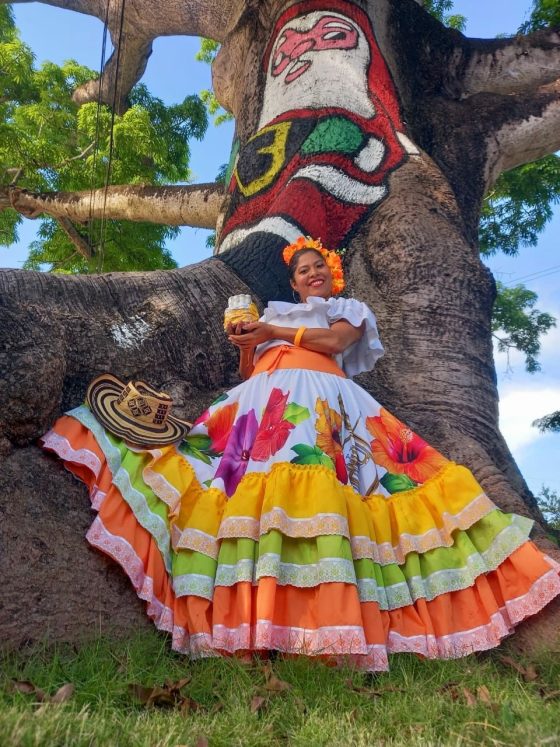
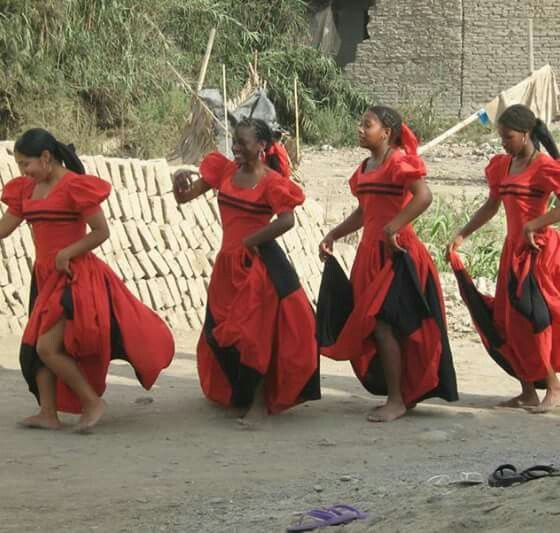
The visual identity of Priah is deeply connected to Colombia’s Pacific coast, a region with strong Afro-descendant populations and rich textile traditions.
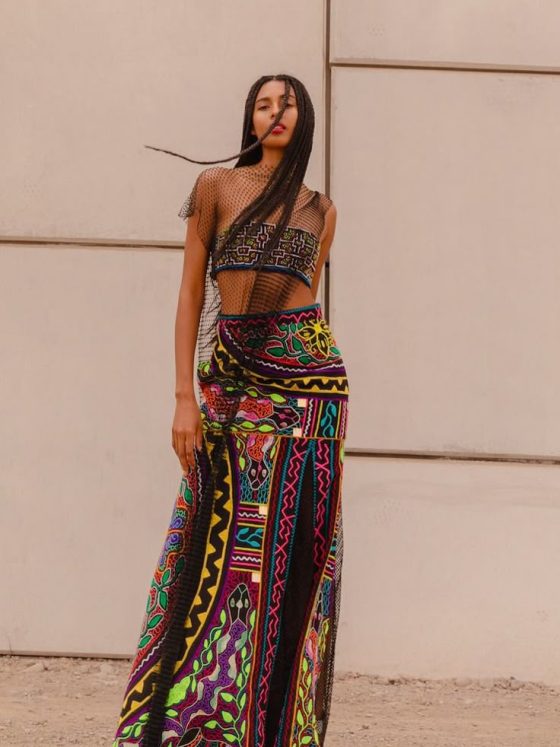
The weaving techniques used within the collections are not decorative references added for cultural texture. They are foundational to the design process itself.
This is an important distinction.
In much of global fashion, Afro-diasporic aesthetics are extracted visually while the communities that created them remain economically disconnected from the final product.
Priah attempts a different model. One where cultural practice, labour, and authorship remain linked.
The result is clothing that carries a different kind of weight. The garments do not merely reference heritage. They are materially connected to it.
Why the Industry Struggles to Categorise Brands Like This
Fashion systems are comfortable with certain categories.
Luxury.
Streetwear.
Sustainable fashion.
Contemporary design.
But brands like Priah complicate those categories because they are operating across multiple functions simultaneously.
It is a fashion label.
It is a social reintegration structure.
It is a cultural preservation mechanism.
It is an economic model.
Traditional fashion language tends to separate these things. One part belongs to activism, another to design, and another to policy or development work.
But Afro-diasporic design traditions have rarely operated through such strict separation.
Historically, clothing within many African and diasporic communities has always carried multiple roles at once: economic, spiritual, communal, and aesthetic.
Priah reflects that continuity.
Johana Bahamón and the Question of Visibility
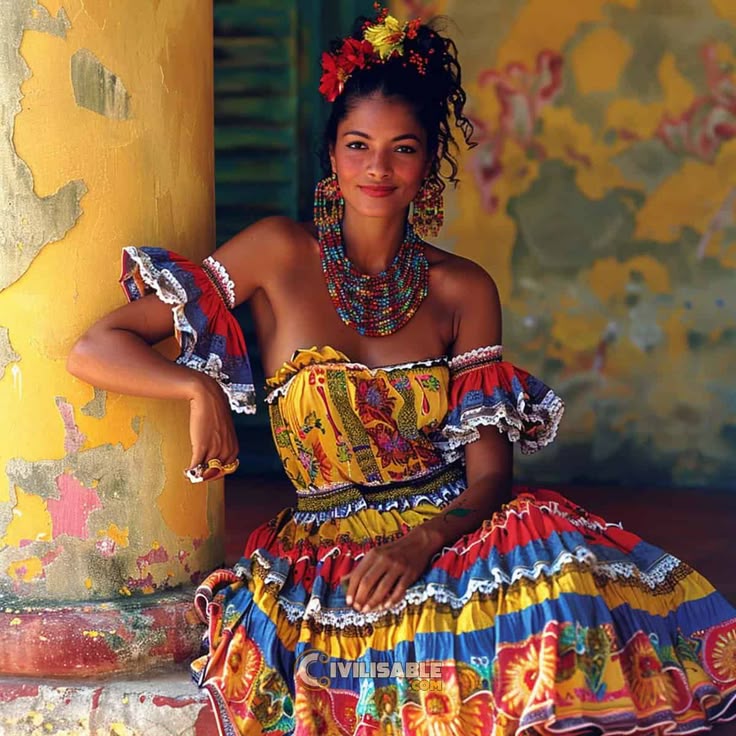
Much of the public visibility around Priah is connected to Johana Bahamón, whose work in prison reform and social advocacy helped create the conditions for projects like this to exist.
But visibility is complicated.
Fashion often centres on founders more easily than workers. Narratives become attached to recognisable figures while the labour structure underneath remains less visible.
What makes Priah interesting is that the brand’s value cannot be understood solely through personality. The real significance lies in the system being built underneath the public image.
A system where design becomes infrastructure.
Afro-Colombian Identity Beyond Representation
Afro-Colombian aesthetics have long existed within global fashion imagery, but often in fragmented form.
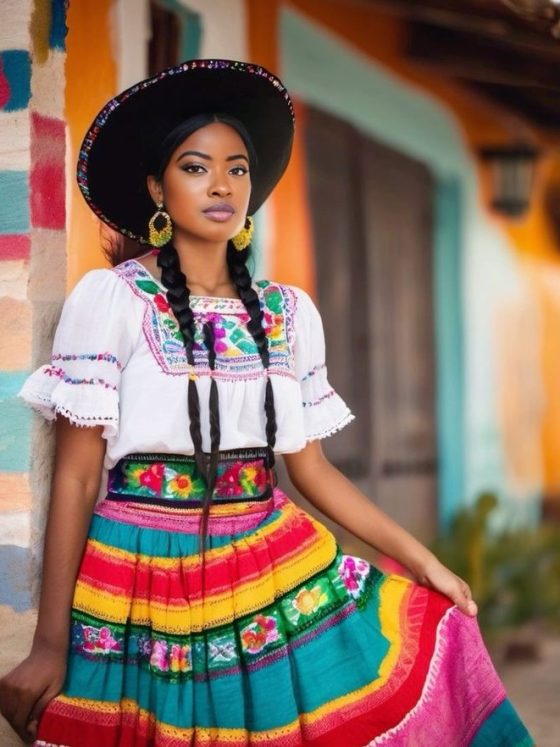
Braiding traditions appear disconnected from cultural context. Textile patterns are repurposed without lineage. Blackness becomes a visual reference rather than a lived structure.
Priah approaches Afro-Colombian identity differently.
The identity is not simply represented in campaigns or casting. It is embedded in the process:
- Through labor
- Through craft
- Through material tradition
- Through community participation
This shifts Afro-Colombian identity from aesthetic influence to organisational principle.
And that shift is significant.
READ ALSO:
- Santo Domingo Streetwear: Bachata Culture, Afrocentric Identity, and Youth Dress
- Havana Streetwear: Vintage Economy, Son Culture, and Afrocentric Self-Expression
Fashion as Social Architecture
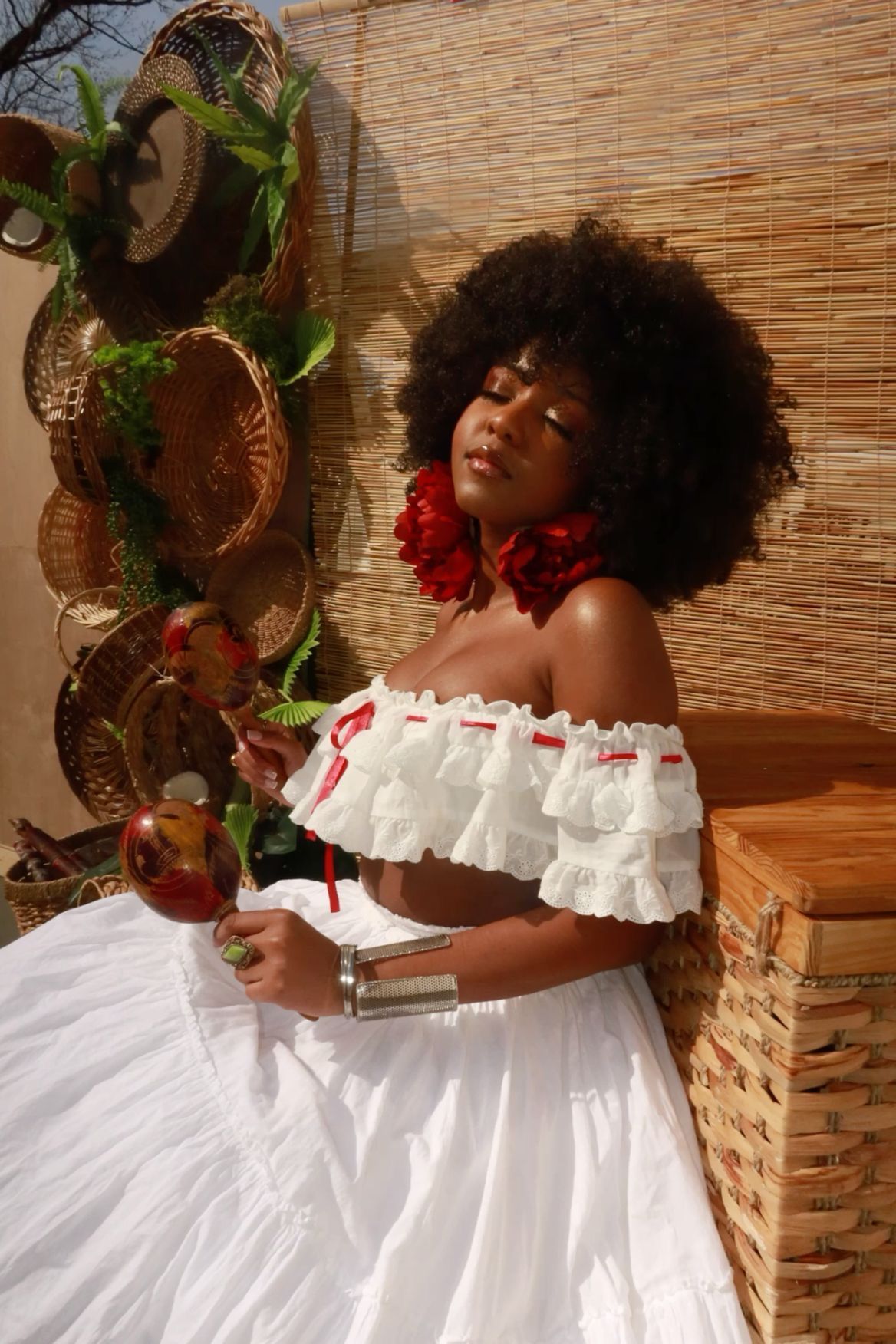
Fashion is usually discussed as image production.
But clothing also organises economies. It creates labour systems, redistributes visibility, and determines who participates in value creation.
This is why OMIREN frames Priah as social architecture.
The garments matter.
But the relationships behind the garments matter equally.
Who makes them?
Who benefits from them?
Who remains connected to the value generated through them?
These questions are often treated as secondary within fashion conversations. Priah places them at the centre.
A Different Development Model
Many development models operate outside fashion entirely. They treat clothing production as secondary or temporary labour.
Priah reverses that logic.
Fashion itself becomes the mechanism through which reintegration and cultural preservation occur.
This creates something unusual:
- Economic participation tied to creativity
- Cultural continuity is tied to production
- Identity tied to infrastructure
The model does not separate aesthetics from social impact. It treats them as interdependent.
The Future of Afrocentric Design Practice
As global fashion increasingly engages with questions of sustainability, equity, and authorship, models like Priah may become more important—not less.
But they will require different critical frameworks.
Not every Afro-diasporic fashion brand fits neatly into existing categories of luxury or ethical consumption. Some are building entirely different systems of value.
Systems where design is not isolated from the community.
Where labour is not hidden behind branding.
Where heritage is not detached from ownership.
This is what Afrocentric design practice points toward.
Not simply African or Afro-inspired aesthetics, but structures rooted in diasporic ways of organising culture, labour, and identity together.
OMIREN Argument
The fashion industry does not have a category for what Priah is building—and that is precisely the point.
Because the existing categories were never designed to hold systems like this.
“Ethical fashion” reduces it to morality.
“Artisan fashion” reduces it to craft.
“Social impact” removes it from fashion entirely.
None of these is sufficient.
What Priah represents is not a variation of existing fashion models. It is a structural departure from them.
It refuses the separation that the industry depends on—between designer and worker, between aesthetic and labour, between culture and commerce. Instead, it builds a system where these elements remain connected.
A process in which Afro-Colombian identity is not styled for visibility but embedded in production. Where labour is not outsourced and hidden but integrated and made central. Where fashion does not extract from the community but reorganises itself around it.
This is why OMIREN names it Afrocentric design practice.
Not because it is African in origin, but because it reflects a diasporic logic—one where design, community, and survival have never been separate conversations.
Priah is not waiting for that language to catch up.
It is already operating beyond it.
Frequently Asked Questions (FAQs)
- What is Priah Colombia?
Priah is a Colombian fashion brand that combines Afro-Colombian textile traditions with social reintegration initiatives.
- Who is Johana Bahamón?
Johana Bahamón is a Colombian actress and prison reform advocate associated with social development initiatives connected to fashion and reintegration.
- What makes Priah different from other ethical fashion brands?
Priah integrates formerly incarcerated women into its production system while grounding its collections in Afro-Colombian weaving traditions.
- What is Afrocentric design practice?
OMIREN defines Afrocentric design practice as a fashion approach where cultural heritage, labour systems, and identity are structurally connected within the design process.
- Why is Afro-Colombian fashion important globally?
It preserves diasporic cultural traditions while offering alternative models for ethical production and community-centred design.