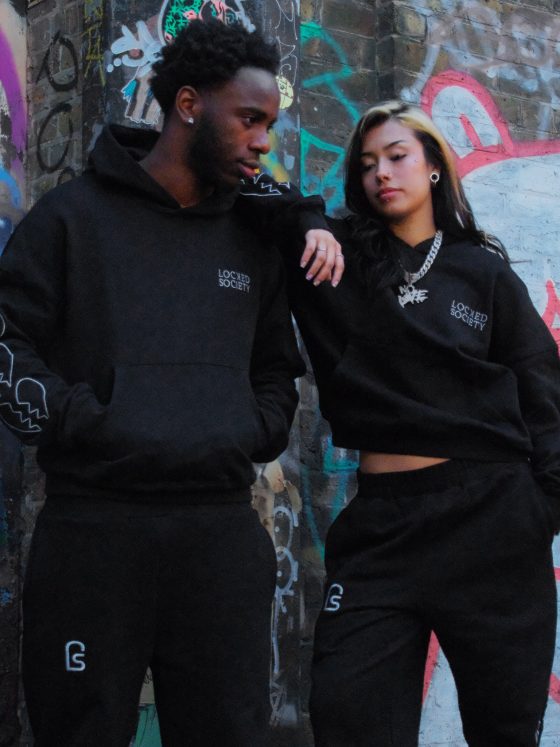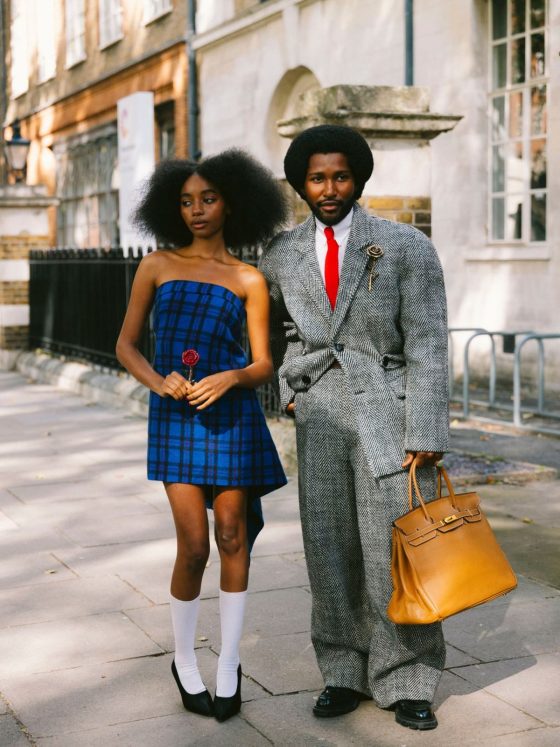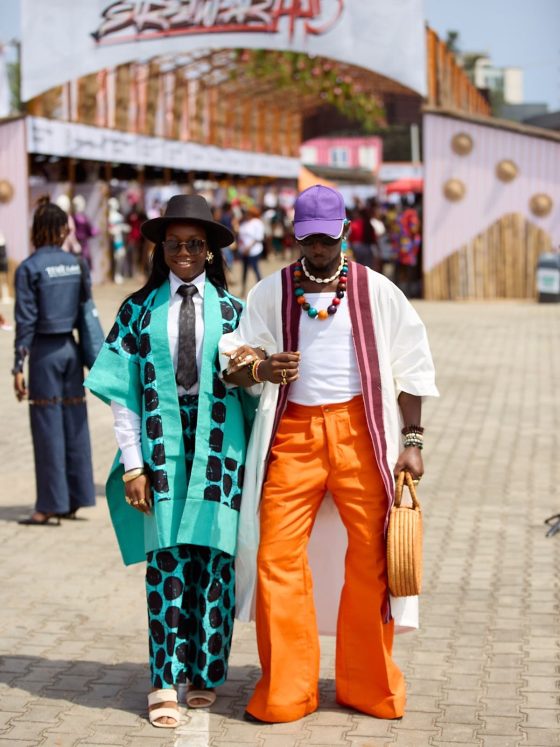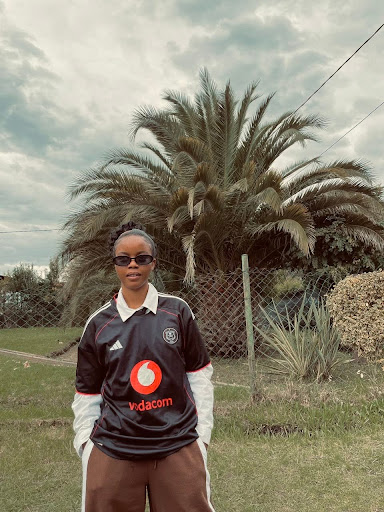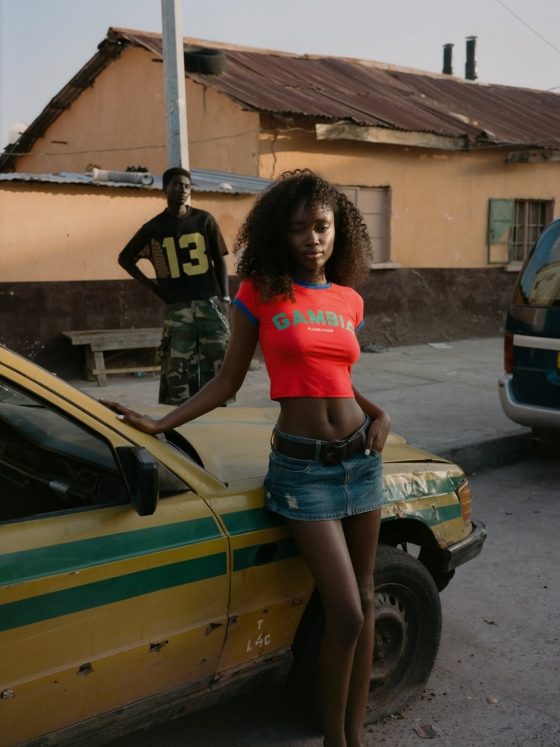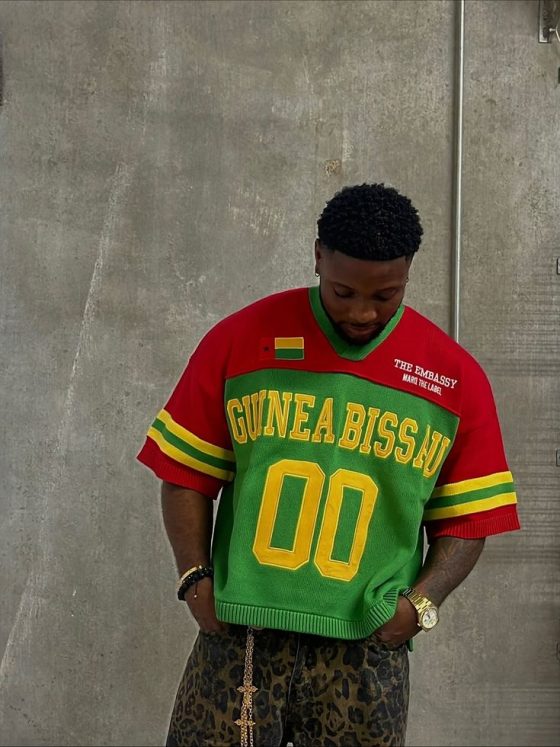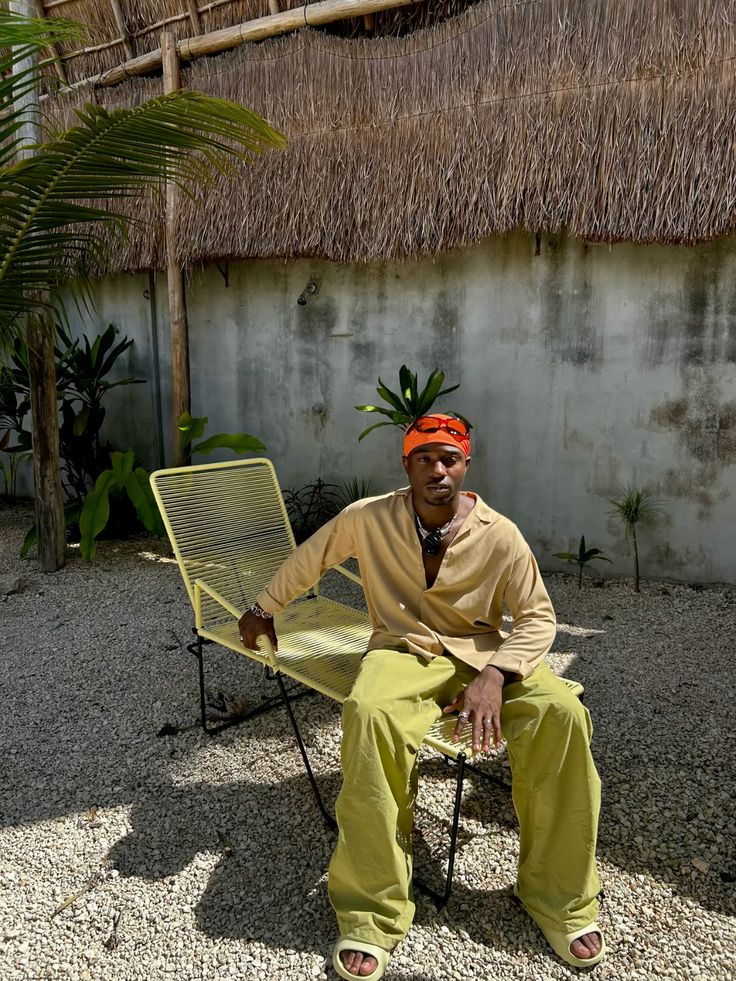
By late evening in Santo Domingo, groups gather outside colmados, music moves into the street, and fashion becomes part of public interaction. Sneakers are cleaned carefully, even when the rest of an outfit is deliberately relaxed. Fitted jeans sit alongside oversized football jerseys, Cuban link chains, durags, cropped tops, sharp barbering, and heavily styled hair. In neighbourhoods across the capital, streetwear operates through visibility. People dress to be seen by friends, strangers, music scenes, and social media audiences all at once.
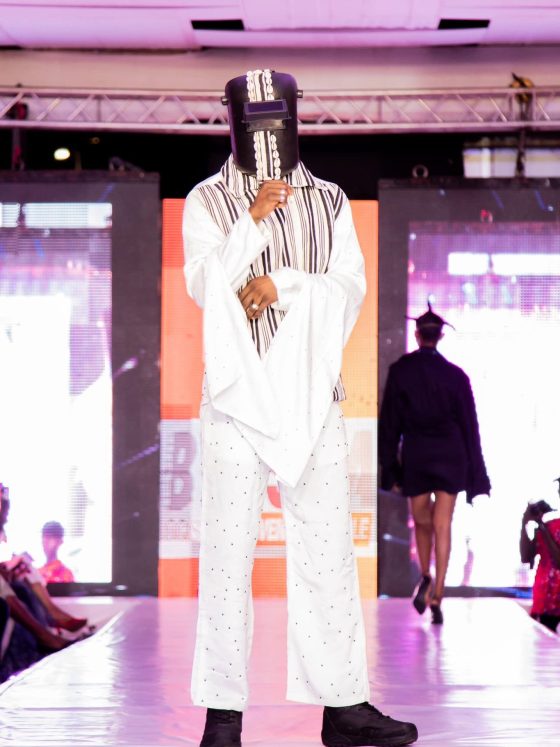
Street style in Santo Domingo is not driven by trend forecasting in the conventional sense of the fashion industry. It is shaped by music culture, local economies, migration patterns, race, and digital influence moving through Dominican youth culture in real time. The city’s fashion language is built from movement between Caribbean identity, Afro-diasporic aesthetics, and everyday urban survival.
Dembow culture, Afrocentric identity, informal fashion economies, and youth visibility shape Santo Domingo streetwear.
Dembow and the Structure of Dominican Streetwear
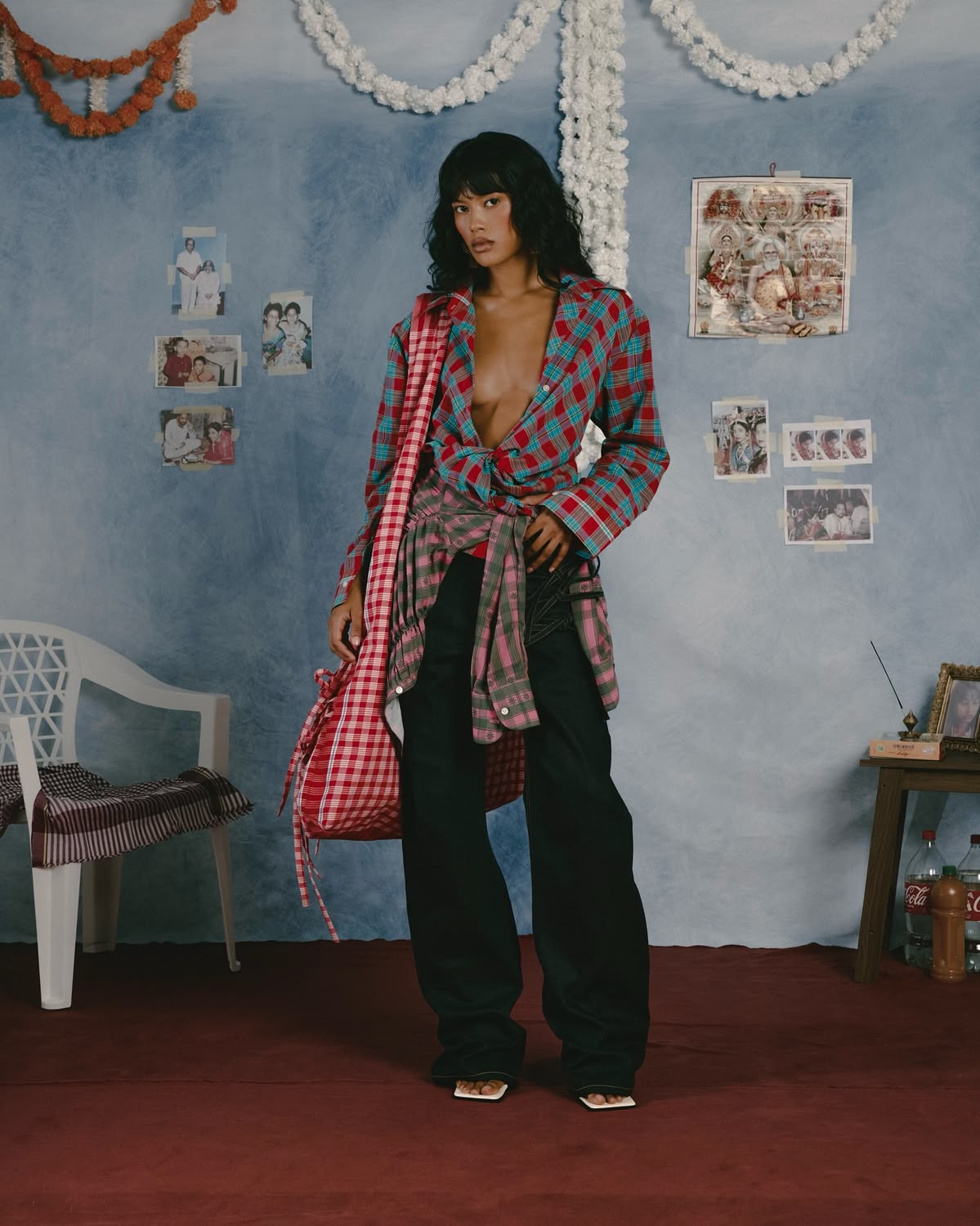
No force shapes contemporary youth fashion in Santo Domingo more strongly than dembow culture. The genre influences how people move, speak, style themselves, and present their status publicly.
Dembow artists and neighbourhood creatives have helped normalise fitted sportswear, designer-inspired street fashion, jewellery layering, statement trainers, and heavily branded looks across the city. Haircuts, nail styling, lashes, barber culture, and accessories are all part of the same visual economy. Jewellery is another accessible way readers can explore the layered styling associated with contemporary Caribbean streetwear. Explore Cuban-link and statement chain styles for pieces that can be incorporated into a more expressive urban wardrobe.
Importantly, dembow fashion is not simply an imitation of American hip-hop aesthetics. Dominican youth adapt global streetwear references through local realities shaped by heat, economic pressure, nightlife culture, and Caribbean social behaviour. The result is a distinct Dominican urban silhouette that prioritises visibility, grooming, and presentation.
For readers interested in recreating elements of the sneaker-led streetwear aesthetic described here, browse streetwear sneakers on Amazon for contemporary styles that can work with relaxed denim, jerseys and oversized silhouettes.
Fashion in dembow spaces also moves quickly. Trends circulate through music videos, TikTok, clubs, neighbourhood gatherings, and informal street economies before appearing in formal retail systems.
Afrocentric Identity and New Styling Languages
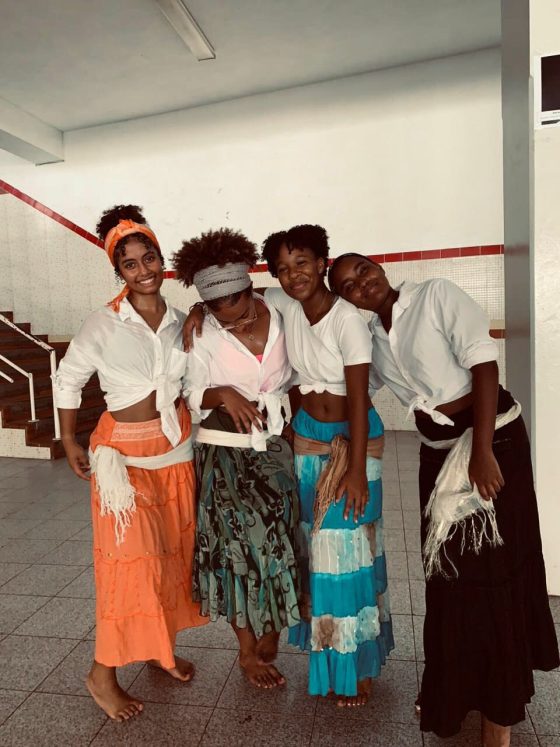
Younger Afro-Dominicans have increasingly used fashion to express forms of Black identity that previous generations often navigated more cautiously in public spaces. Natural hairstyles, braids, locs, African-inspired jewellery, mesh layering, oversized silhouettes, and Afro-diasporic styling references now appear more openly within Santo Domingo streetwear culture. browse handmade African-inspired jewellery and accessories.
This shift reflects broader conversations around race and visibility inside Dominican society. Street fashion becomes one of the clearest spaces where young people negotiate identity publicly without waiting for institutional approval.
At the same time, Afrocentric dressing in Santo Domingo remains deeply local. The styling language is shaped as much by Caribbean heat, neighbourhood culture, and Dominican music scenes as by global Black fashion movements. International references are absorbed and transformed rather than copied directly.
The Informal Economy Behind Street Fashion
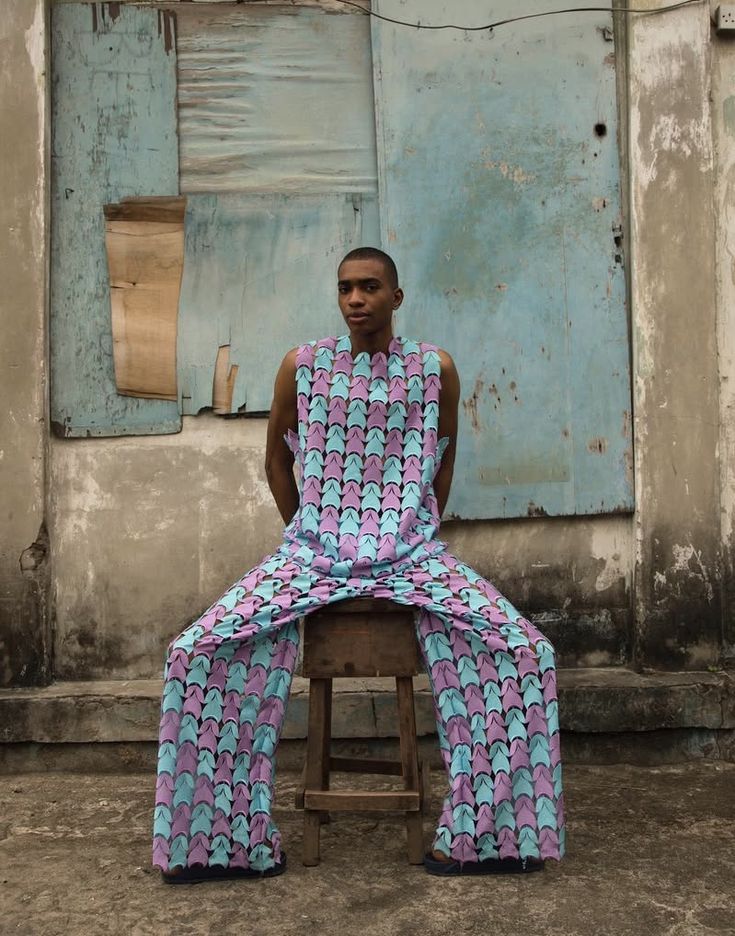
Streetwear culture in Santo Domingo is heavily tied to informal fashion economies. Clothing moves through street vendors, second-hand sellers, imported bale clothing markets, beauty shops, and sneaker resellers operating outside luxury retail systems.
Many young people build outfits through careful combination rather than high-cost purchasing. A single branded item may anchor an entire look. Tailoring, garment adjustment, and styling skills matter because people often work with limited access to expensive fashion. That same approach can be recreated without buying an entirely new wardrobe. Browse affordable streetwear and vintage inspired pieces for individual items that can be mixed with existing jeans, jerseys, sneakers and accessories.
This economic structure creates a highly observant streetwear culture in which presentation matters more than full designer ownership. Style is measured through coordination, grooming, confidence, and creativity rather than price alone.
Counterfeit and designer-inspired fashion also circulate widely, but their importance lies less in deception than in participation in the global style language through locally accessible means.
READ ALSO:
- Jamaican Designers Building a Fashion Identity on Their Own Terms
- Havana Streetwear: Vintage Economy, Son Culture, and Afrocentric Self-Expression
Neighbourhood Style and Social Visibility
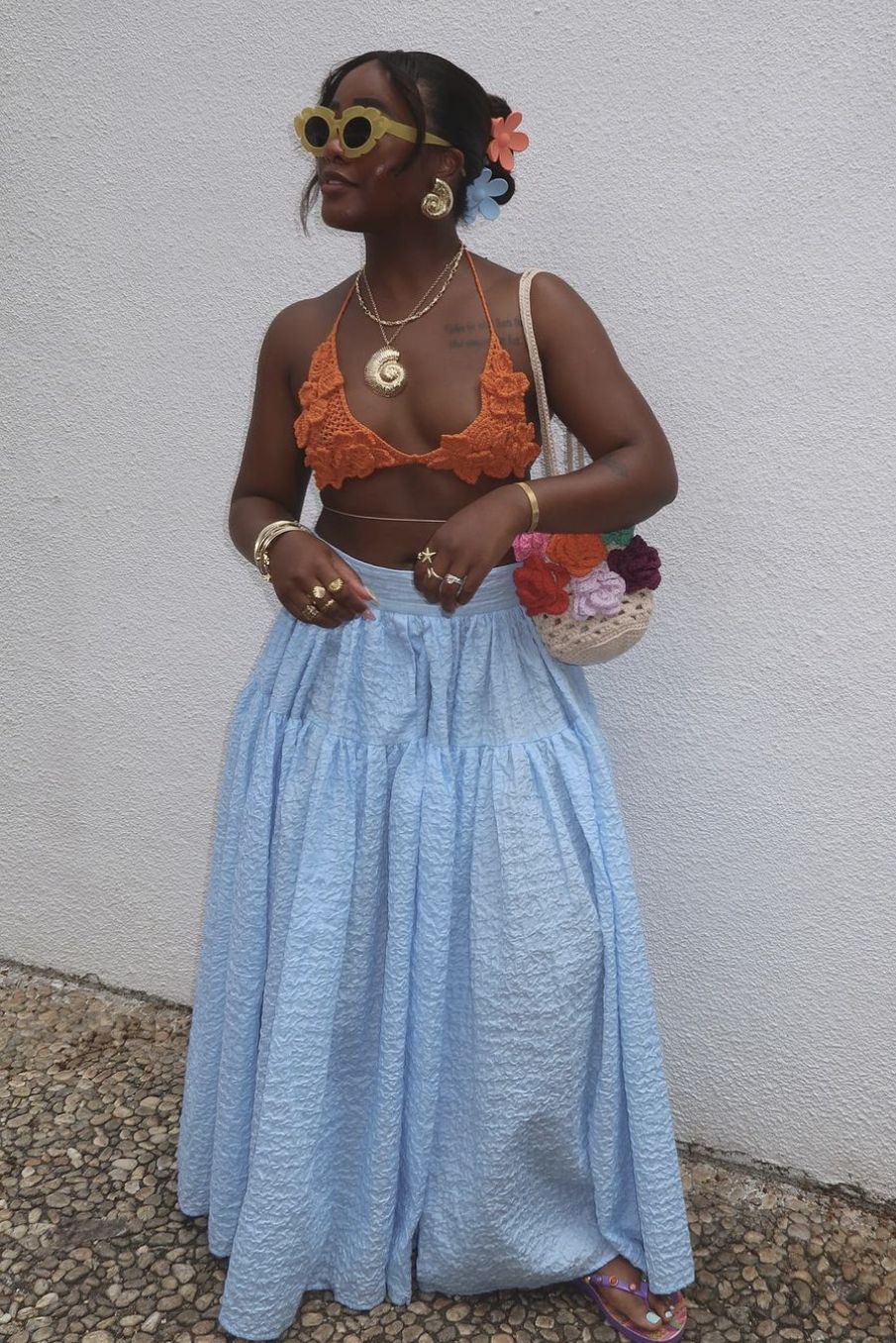
Streetwear in Santo Domingo changes between neighbourhoods and social environments. Areas connected to nightlife, music production, and youth culture tend to push trends faster than more conservative districts.
Public appearance carries social value across the city. Fashion is closely tied to movement through public space, especially in nightlife culture, where clothing signals confidence, affiliation, and awareness of current aesthetics.
Social media has intensified this visibility. Young Dominicans increasingly dress with both physical and digital audiences in mind, creating outfits that move seamlessly between street interaction and online circulation.
There is a way, headwear can also change the character of a streetwear look without requiring a complete outfit change. Explore durags, caps and contemporary streetwear headwear for accessories that can be styled with casual urban looks.
The Omiren Argument
Dominican streetwear is often interpreted as a derivative version of American urban fashion shaped primarily by imported trends and digital influence. This framing ignores the local systems that actually organise youth dress culture in Santo Domingo and reduces Dominican style to imitation rather than production.
In reality, Santo Domingo streetwear operates through dembow culture, informal fashion economies, Afrocentric identity shifts, and Caribbean social presentation. The city’s fashion language is not built through passive consumption of global trends. It is built through adaptation, neighbourhood creativity, and highly local forms of visibility shaped by Dominican urban life itself.
FAQs
- What influences streetwear in Santo Domingo?
Dembow music culture, Afrocentric identity, nightlife, informal fashion economies, and social media strongly shape streetwear in Santo Domingo.
- How does dembow affect Dominican fashion?
Dembow influences styling, grooming, accessories, sportswear trends, and public presentation among Dominican youth.
- Is Dominican streetwear influenced by American fashion?
Global influences exist, but Dominican streetwear develops through local adaptation, shaped by Caribbean culture and neighbourhood realities.
- Why are sneakers important in Santo Domingo fashion?
Sneakers serve as key status and style pieces in Dominican urban fashion culture.
- How do young people access fashion in Santo Domingo?
Many rely on informal markets, resale culture, imported clothing bundles, local vendors, and creative outfit coordination.