Menu
  • AFRICA
    • African Fashion
    • African Designers
    • Textiles & Craft
    • Heritage Clothing
    • Made in Africa
    • Regional Style
  • DIASPORA
    • Diaspora Voices
    • Diaspora Connects
    • UK Scene
    • US Scene
    • Caribbean Diaspora
    • Afro-Latino Identity
    • Migration & Identity
  • CULTURE
    • Style & Identity
    • Ceremony & Ritual
    • Art & Music
    • Cultural Inspirations
    • Black Culture
    • Heritage Stories
  • FASHION
    • Trends
    • Street Style
    • Runway
    • Sustainable Fashion
    • Tailoring
    • Luxury Fashion
  • INDUSTRY
    • Editorial Intelligence
    • Market Trends
    • Brand Strategy
    • Retail & Commerce
    • Partnerships
    • Reports
    • Insights
    • Omiren Style Index
  • BEAUTY
    • Skincare
    • Makeup
    • Hair & Hairstyle
    • Fragrance
    • Beauty Traditions
    • Natural Beauty
  • MEN
    • Men’s Style
    • Grooming Traditions
    • Traditional & Heritage
    • The Modern African Man
    • Menswear Designers
  • WOMEN
    • Women’s Style
    • Evening Glam
    • Workwear & Professional
    • Streetwear for Women
    • Accessories & Bags
    • Bridal
  • NEWS
    • Cover Stories
    • Fashion Weeks
    • Opinion & Commentary
    • Style Icons
    • Rising Stars
  • DIRECTORY
    • Designers
    • Brands
    • Boutiques
    • Stylists
    • Models
    • Photographers
    • Creative Teams
    • Events
    • Production
    • Materials & Suppliers
Subscribe
OMIREN STYLES OMIREN STYLES

Fashion · Culture · Identity

OMIREN STYLES OMIREN STYLES OMIREN STYLES OMIREN STYLES
  • AFRICA
    • African Fashion
    • African Designers
    • Textiles & Craft
    • Heritage Clothing
    • Made in Africa
    • Regional Style
  • DIASPORA
    • Diaspora Voices
    • Diaspora Connects
    • UK Scene
    • US Scene
    • Caribbean Diaspora
    • Afro-Latino Identity
    • Migration & Identity
  • CULTURE
    • Style & Identity
    • Ceremony & Ritual
    • Art & Music
    • Cultural Inspirations
    • Black Culture
    • Heritage Stories
  • FASHION
    • Trends
    • Street Style
    • Runway
    • Sustainable Fashion
    • Tailoring
    • Luxury Fashion
  • INDUSTRY
    • Editorial Intelligence
    • Market Trends
    • Brand Strategy
    • Retail & Commerce
    • Partnerships
    • Reports
    • Insights
    • Omiren Style Index
  • BEAUTY
    • Skincare
    • Makeup
    • Hair & Hairstyle
    • Fragrance
    • Beauty Traditions
    • Natural Beauty
  • MEN
    • Men’s Style
    • Grooming Traditions
    • Traditional & Heritage
    • The Modern African Man
    • Menswear Designers
  • WOMEN
    • Women’s Style
    • Evening Glam
    • Workwear & Professional
    • Streetwear for Women
    • Accessories & Bags
    • Bridal
  • NEWS
    • Cover Stories
    • Fashion Weeks
    • Opinion & Commentary
    • Style Icons
    • Rising Stars
  • DIRECTORY
    • Designers
    • Brands
    • Boutiques
    • Stylists
    • Models
    • Photographers
    • Creative Teams
    • Events
    • Production
    • Materials & Suppliers
  • Caribbean Diaspora

Rara, Carnival, and Sacred Dress: The Intersection of Art, Ceremony, and Cloth in Haiti

  • Fathia Olasupo
  • May 26, 2026

In Haiti, dress during Rara processions, Carnival season, and religious gatherings is never separate from sound. Fabric moves with drums, flags respond to rhythm, and clothing becomes part of the performance structure that carries people through streets, hillsides, and communal gathering spaces. In these moments, cloth is not static. It is activated through movement, music, and collective participation.

Haitian dress culture in ceremonial and artistic contexts is not merely decoration. It operates within layered systems where spirituality, performance, labour, and community identity overlap. Rara bands, Carnival groups, and religious communities each produce their own material language through clothing, banners, colour systems, and constructed garments that carry meaning beyond appearance.

Haitian Rara and Carnival dress connect cloth, music, and ritual through performance systems shaped by community making and cultural meaning.

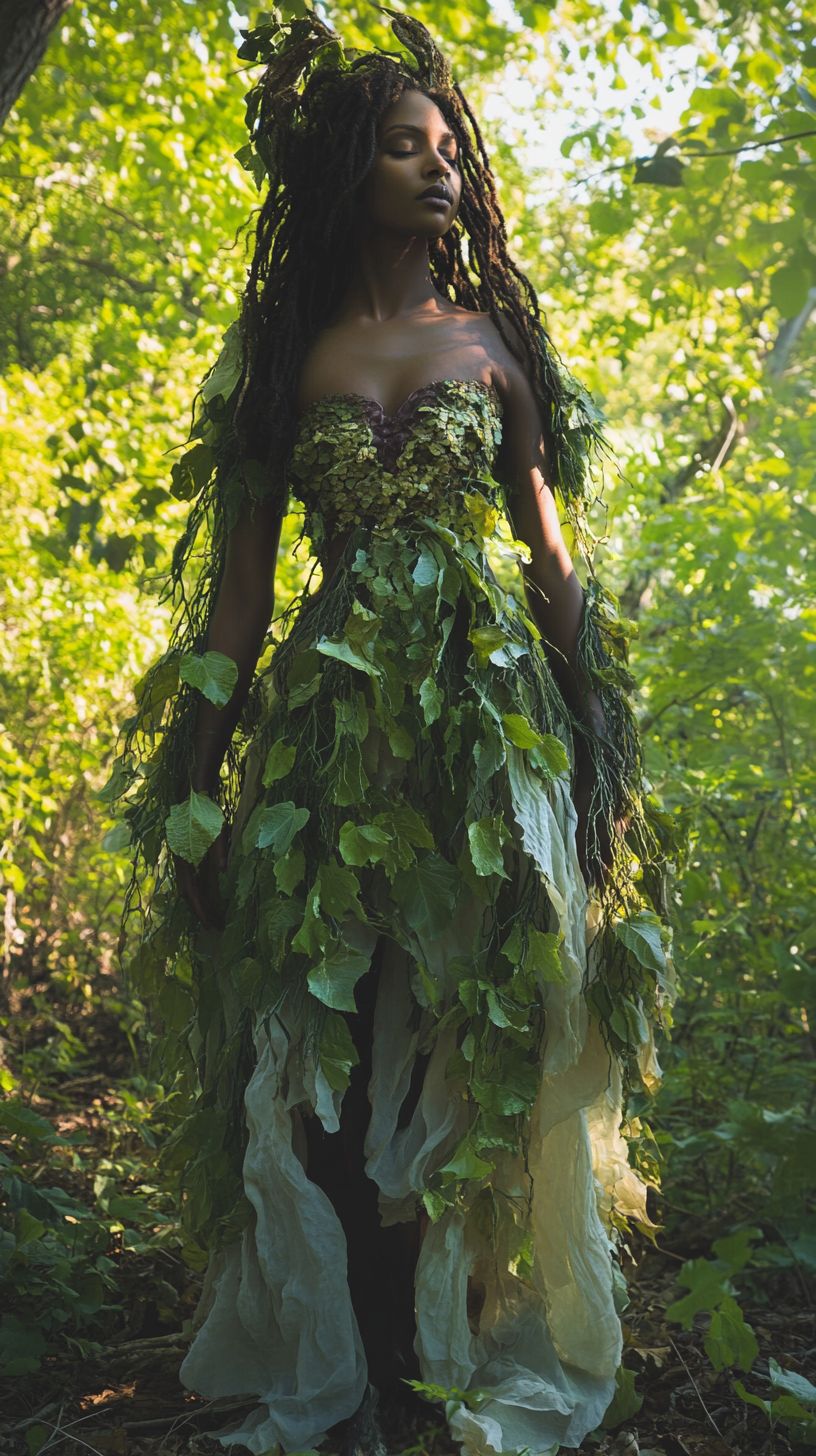
Rara Bands and the Movement of Cloth
Rara Bands and the Movement of Cloth

Rara processions rely heavily on coordinated visual identity. Members of bands often wear matching or closely related garments to establish a group presence during long processions. Shirts, trousers, skirts, head coverings, and fabric strips are chosen for durability and ease of movement rather than for ornament alone.

Colour plays a central role in distinguishing one Rara group from another. These colour systems are not arbitrary. They function as identifiers within a crowded cultural space where sound and movement overlap across multiple groups simultaneously.

Fabric in Rara is also shaped by endurance. Processions can last for hours, sometimes moving through difficult terrain. Clothing must support physical exertion while maintaining visibility and cohesion within the group structure.

Carnival Costuming and Constructed Identity

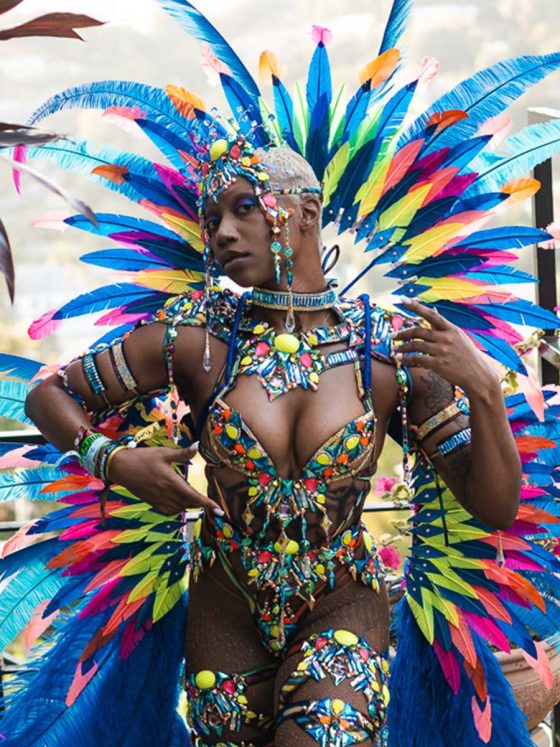
Haitian Carnival introduces a different relationship between cloth and performance. Costumes in this context are often more elaborate, incorporating structured materials, layered textiles, masks, painted fabrics, and sculptural elements that transform the body into a visual statement.

Unlike everyday clothing, Carnival garments are built for short-term, high-visibility. They are designed to be seen in motion, under heat, within dense crowds, and in constant interaction with music and dance.

The making of these costumes involves collaboration between designers, artisans, tailors, and performers. Fabric is cut, reinforced, and assembled in ways that prioritise movement, symbolism, and collective presentation rather than long-term wear.

Carnival dress in Haiti, therefore, exists as temporary architecture for the body, constructed for a specific cultural moment and dismantled after it passes.

Vodou Influence and Symbolic Continuity
Vodou Influence and Symbolic Continuity

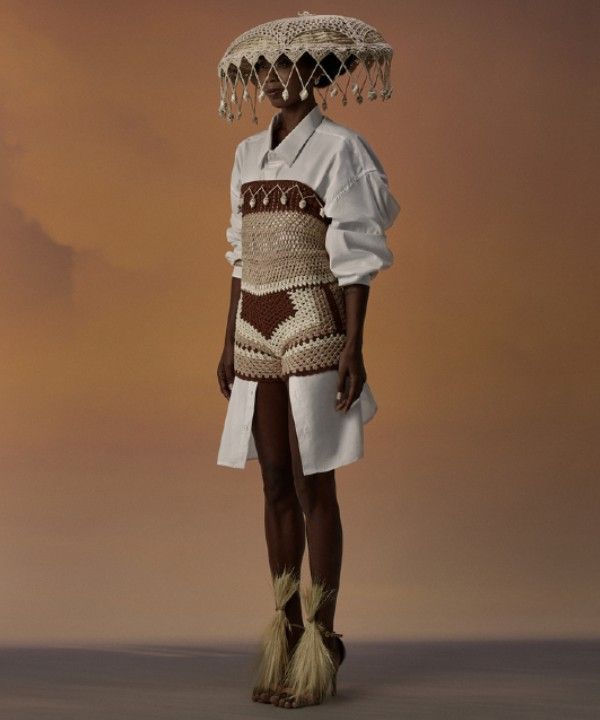
Although Vodou dress has its own dedicated ritual system, its influence extends into broader cultural expressions, including Carnival and certain Rara traditions. Colour symbolism, fabric choices, and headwrap styles can carry echoes of spiritual meaning even outside formal ceremony.

White garments associated with purification, coloured textiles linked to specific lwa, and structured head coverings all appear across different cultural settings with varying degrees of direct spiritual connection.

However, the meaning of cloth changes depending on context. What functions as ritual dress in a religious space becomes cultural expression in performance settings. The boundary is flexible, but not erased.

This movement of meaning reflects how Haitian cultural systems allow dress to circulate between sacred and communal spaces without losing its structural importance.

READ ALSO:

  • Afro-Dominican Fashion: Visibility, Identity, and the Dress Culture of Dominican Communities
  • Afro-Cuban Fashion: AbakuĂ¡ Societies, Yoruba Heritage, and the Politics of Afrocentric Identity

Community Making and Material Adaptation
Community Making and Material Adaptation

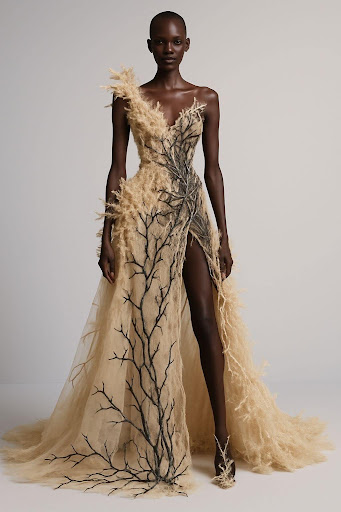
Much of the cloth used in Rara, Carnival, and related cultural practices is produced through local making systems. Tailors, informal workshops, and community artisans contribute to garment construction using available materials.

Imported textiles, recycled fabrics, and locally sourced materials are often combined in the same garment. This creates a layered material culture where clothing reflects both economic conditions and creative adaptation.

Design decisions are shaped by access, cost, and durability as much as aesthetic intention. Despite these limitations, the resulting garments remain visually and structurally complex, reflecting deep knowledge of construction and performance needs.

The Omiren Argument

Haitian dress in Rara, Carnival, and related cultural practices is often reduced to spectacle, where clothing is interpreted primarily as visual celebration detached from the systems that produce it. This framing overlooks the layered relationship between fabric, music, community organisation, and symbolic meaning.

In reality, dress in these cultural spaces functions as a structured system in which cloth supports movement, defines group identity, carries echoes of spiritual meaning, and reflects material adaptation within local economies. Haitian ceremonial and performance dress is not simply an ornamental expression. It is a functioning part of a cultural organisation that links community identity, artistic practice, and material survival within shared cultural space.

FAQs

  1. What is the Rara dress culture in Haiti?

Rara dress culture involves coordinated garments worn by processions, often using colour systems and durable fabrics suited for movement and performance.

  1. How is Carnival dress different from Rara clothing?

Carnival costumes are more elaborate and constructed for short-term performance, while Rara clothing is typically simpler and focused on endurance and group identity.

  1. Does Vodou influence Haitian performance dress?

Yes. Colour symbolism and clothing styles from Vodou traditions can influence broader cultural dress practices, though their meanings vary by context.

  1. Who makes Carnival costumes in Haiti?

Carnival costumes are produced by collaborative networks of designers, artisans, tailors, and community makers.

  1. Why is cloth important in Haitian cultural events?

Cloth functions as identity, movement support, symbolic communication, and material expression within music and performance traditions.

Post Views: 113
Related Topics
  • Afro diaspora fashion
  • Caribbean cultural identity
  • ceremonial clothing traditions
  • cultural fashion practices
Fathia Olasupo

olasupofathia49@gmail.com

You May Also Like
The Afro Carib Fashion Show: Two Women, One Runway, and the Diaspora Platform Nobody Else Is Building
View Post
  • Caribbean Diaspora

The Afro Carib Fashion Show: Two Women, One Runway, and the Diaspora Platform Nobody Else Is Building

  • Ayomidoyin Olufemi
  • June 8, 2026
View Post
  • Caribbean Diaspora

Grace Wales Bonner: The Jamaican-British Designer Making History at Hermès

  • Adams Moses
  • June 8, 2026
Gaga, Palos, and Festival Dress: How Afro-Dominican Cultural Arts Build Identity Through Cloth
View Post
  • Caribbean Diaspora

Gaga, Palos, and Festival Dress: How Afro-Dominican Cultural Arts Build Identity Through Cloth

  • Fathia Olasupo
  • June 3, 2026
Rumba, Son, and Sacred Ceremony: How Afro-Cuban Performance Arts Produce Dress
View Post
  • Caribbean Diaspora

Rumba, Son, and Sacred Ceremony: How Afro-Cuban Performance Arts Produce Dress

  • Fathia Olasupo
  • June 2, 2026
Steelband, Calypso, and Cloth: How Trinidad’s Performance Arts Produce Dress Culture
View Post
  • Caribbean Diaspora

Steelband, Calypso, and Cloth: How Trinidad’s Performance Arts Produce Dress Culture

  • Fathia Olasupo
  • June 1, 2026
The Future of Haitian Fashion: Craft Networks, Diaspora Investment, and Cultural Continuity
View Post
  • Caribbean Diaspora

The Future of Haitian Fashion: Craft Networks, Diaspora Investment, and Cultural Continuity

  • Fathia Olasupo
  • May 29, 2026
Jonkonnu, Masquerade, and Dancehall: How Jamaican Performance Culture Drives Dress
View Post
  • Caribbean Diaspora

Jonkonnu, Masquerade, and Dancehall: How Jamaican Performance Culture Drives Dress

  • Fathia Olasupo
  • May 27, 2026
Stella Jean: The First Black Italian Designer Who Forced Milan to Look
View Post
  • Caribbean Diaspora

Stella Jean: The First Black Italian Designer Who Forced Milan to Look

  • Adams Moses
  • May 27, 2026

Leave a Reply Cancel reply

Your email address will not be published. Required fields are marked *

The Omiren Argument

African fashion and culture are not emerging. They are foundational. We document, interpret, and argue for the full cultural weight of African and diaspora dress. With precision. Without apology.

Omiren Styles Fashion · Culture · Identity

All 54 African Nations
Caribbean · Afro-Latin America
The Global Diaspora

Platform

  • About Omiren Styles
  • Our Vision
  • Our Mission
  • Editorial Pillars
  • Editorial Policy
  • The Omiren Collective
  • Campus Style Initiative
  • Sustainable Style
  • Social Impact & Advocacy
  • Investor Relations

Contribute

  • Write for Omiren Styles
  • Submit Creative Work
  • Join the Omiren Collective
  • Campus Initiative
Contact
contact@omirenstyles.com
Our Reach

Africa — All 54 Nations
Caribbean
Afro-Latin America
Global Diaspora

African fashion intelligence, in your inbox.

Editorial features, designer profiles, cultural commentary. No noise.

© 2026 Omiren Styles — Rex Clarke Global Ventures Limited. All rights reserved.
  • Privacy Policy
  • Editorial Policy
  • Terms of Use
  • Accessibility
Africa · Caribbean · Diaspora
The Omiren Argument

African fashion and culture are not emerging. They are foundational. We document, interpret, and argue for the full cultural weight of African and diaspora dress. With precision. Without apology.

Omiren Styles Fashion · Culture · Identity
  • About Omiren Styles
  • Our Vision
  • Our Mission
  • Editorial Pillars
  • Editorial Policy
  • The Omiren Collective
  • Campus Style Initiative
  • Sustainable Style
  • Social Impact & Advocacy
  • Investor Relations
  • Write for Omiren Styles
  • Submit Creative Work
  • Join the Omiren Collective
  • Campus Initiative
Contact contact@omirenstyles.com

All 54 African Nations · Caribbean
Afro-Latin America · Global Diaspora

African fashion intelligence, in your inbox.

Editorial features, designer profiles, cultural commentary. No noise.

© 2026 Omiren Styles
Rex Clarke Global Ventures Limited.
All rights reserved.

  • Privacy Policy
  • Editorial Policy
  • Terms of Use
  • Accessibility
Africa · Caribbean · Diaspora

Input your search keywords and press Enter.