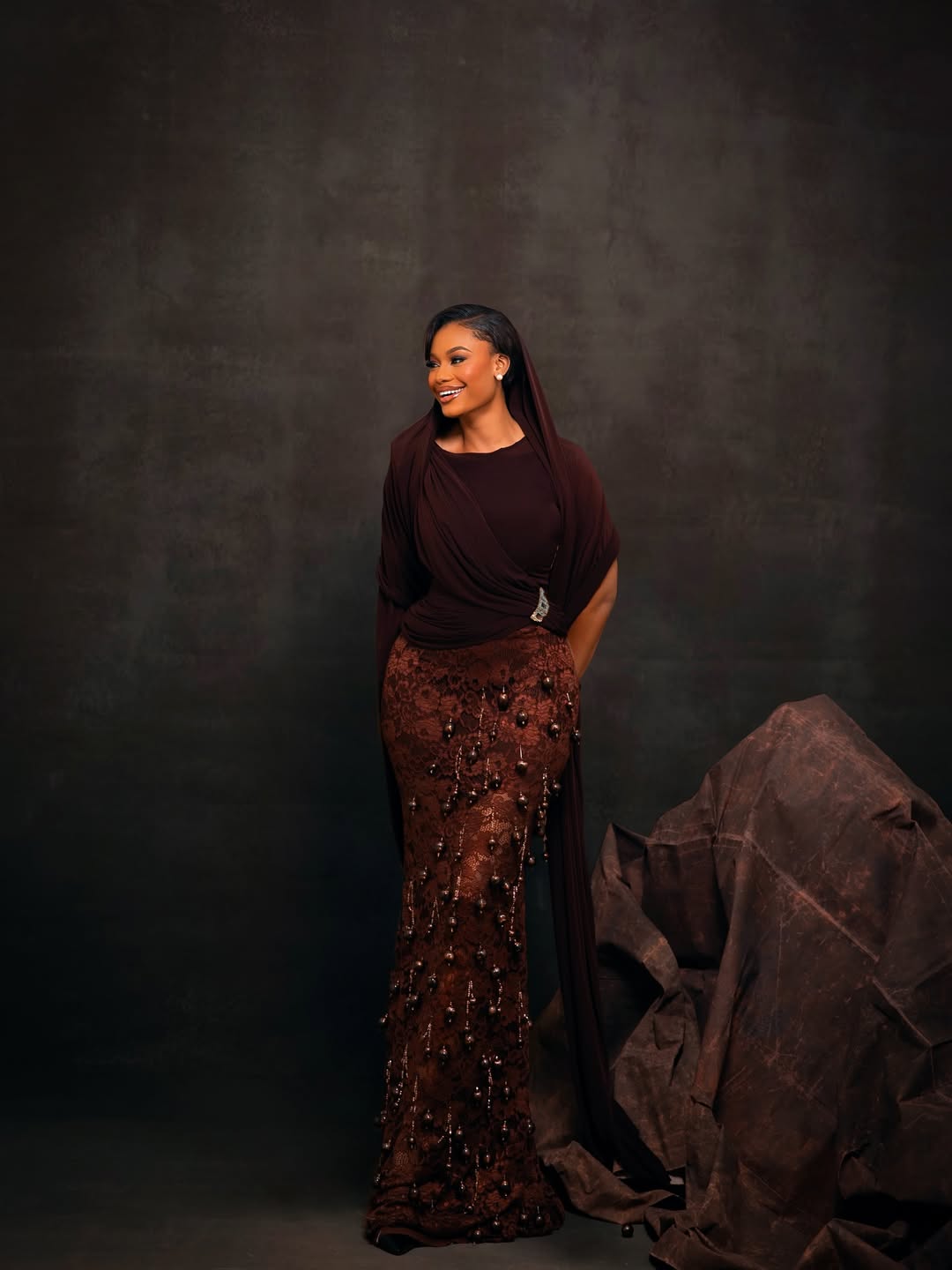
Ivorian designers who take African fashion to the global stage operate from Abidjan as a professional base rather than as a stepping stone toward relocation abroad.
They have developed local systems of production and presentation that allow them to reach international audiences while maintaining strong roots in Côte d’Ivoire. This approach challenges the assumption that credible global success depends on leaving the country.
Fashion in Abidjan functions through organised workshops, artisan networks, and recurring platforms that support both local demand and selective global exposure.
Designers balance these realities with deliberate strategies that keep core operations within national borders. This grounded model shapes how Ivorian fashion asserts itself today.
Ivorian designers taking African fashion to the global stage build international visibility through Abidjan ateliers and institutional fashion leadership.
Ivorian Designers Taking African Fashion to the Global Stage Through Institutional Leadership
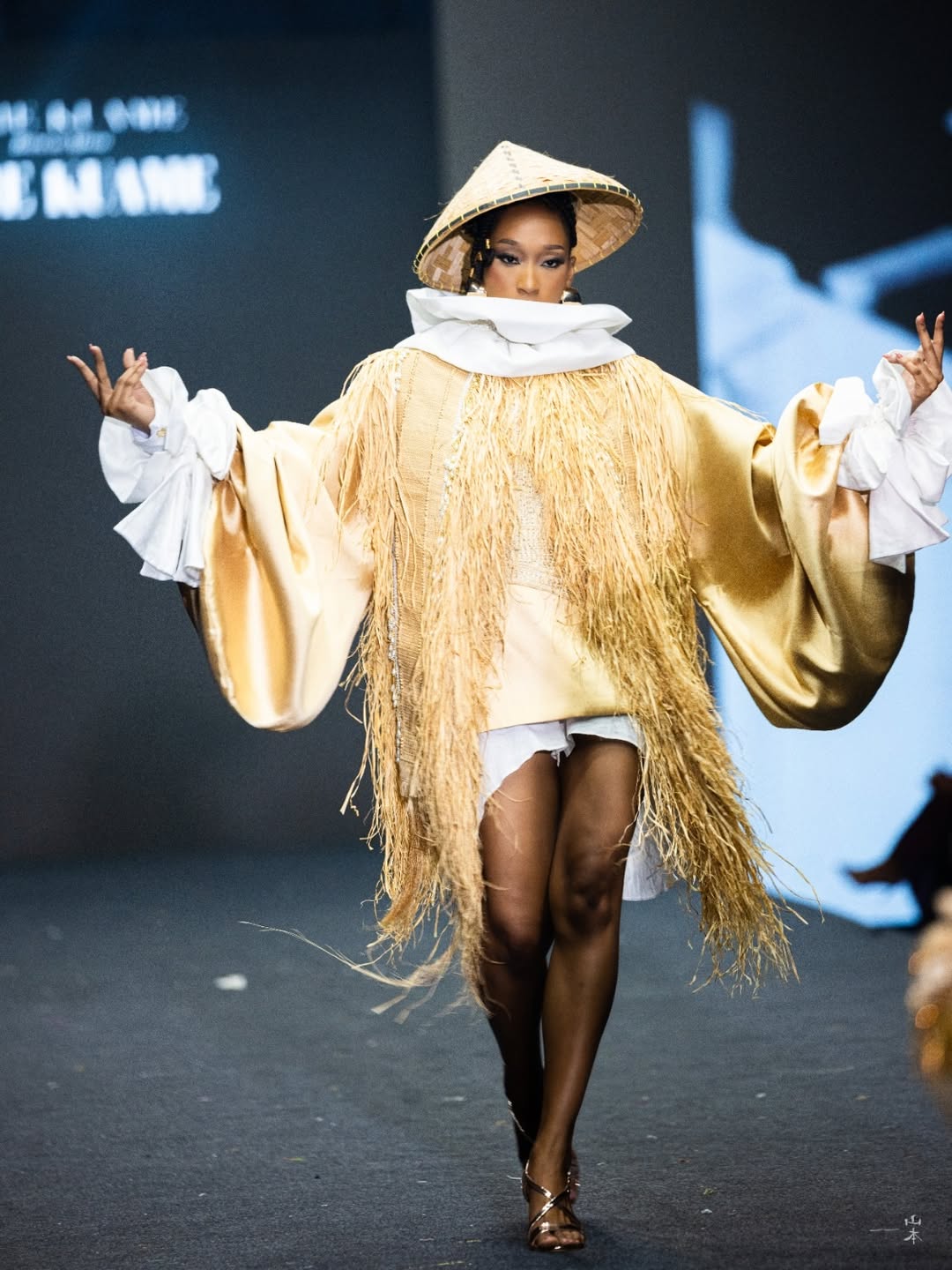
Ivorian designers who are taking African fashion to the global stage have prioritised developing local institutional platforms as a core professional strategy.
Rather than depending primarily on foreign fashion weeks, they have invested in creating structured events and networks in Abidjan.
These networks support production schedules, technical standards, and consistent visibility from within Côte d’Ivoire.
This institutional approach allows designers to test collections with local audiences, refine construction techniques, and build relationships with artisans.
Some of these designers who help achieve this are:
1. Elie Kuame and Maison Elie Kuame
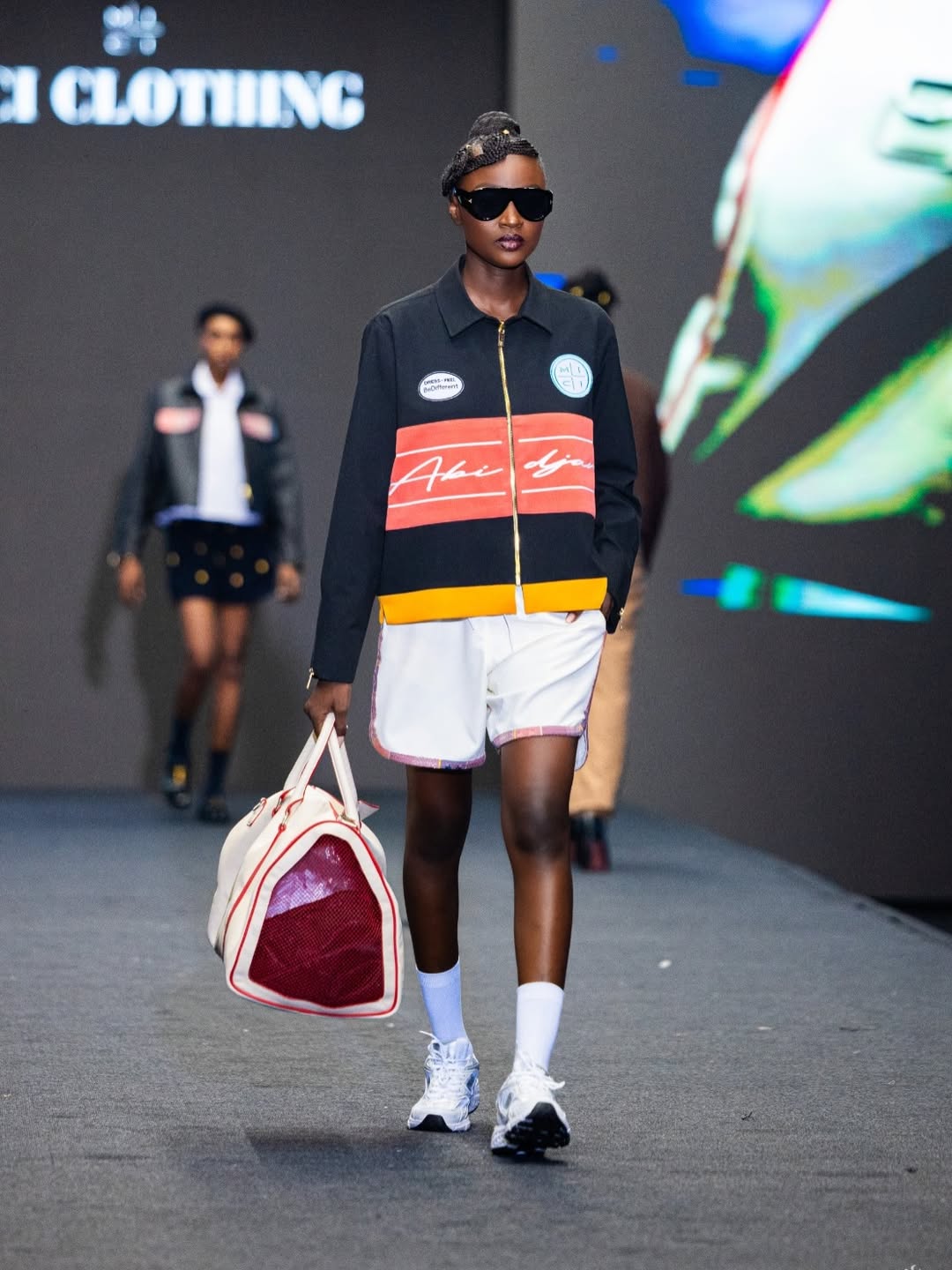
Elie Kuame founded and organises La Fashion Week in Abidjan. The event held its first edition in October 2024 and its second in December 2025.
The show featured multiple designers and structured presentations. His maison operates ateliers in Abidjan that manage full production cycles, combining traditional Ivorian fabrics with modern materials such as leather and silk.
Kuame’s work includes organising talent competitions and creating platforms that connect local makers with broader opportunities.
2. Gilles Touré
Gilles Touré has over 25 years of professional experience as a designer based in Abidjan. He’s known for precise tailoring and womenswear with a strong command of colour and fabric.
Touré regularly participates in major local events, often opening shows. His long-term practice contributes technical standards and consistency to institutional platforms.
3. Pathé’O
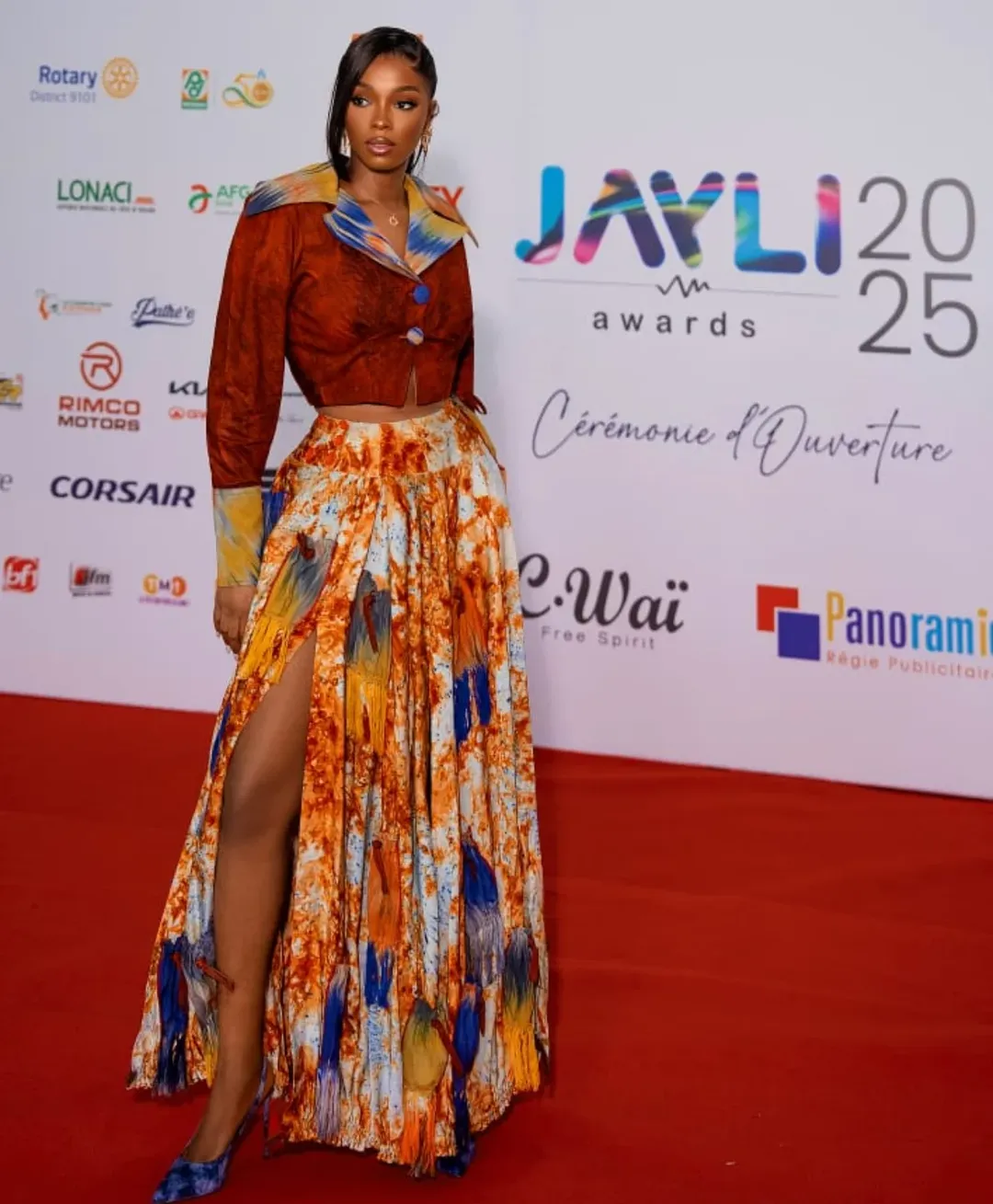
Pathé’O, originally from Burkina Faso, has maintained his base in Abidjan since the 1970s. His career spans more than five decades of ready-to-wear and couture collections.
These pieces emphasise local production and cultural commitment. Pathé’O has dressed prominent African leaders and maintained a visible presence through Abidjan workshops and fashion calendars.
4. Lafalaise Dion
Lafalaise Dion, based in Abidjan, creates jewellery, headpieces, and accessories primarily using cowrie shells sourced from Côte d’Ivoire.
Her work draws from Dan cultural references and explores themes of femininity and spirituality. She collaborates with local artisans and has presented pieces in institutional events, including international collaborations.
5. Maison Kantys
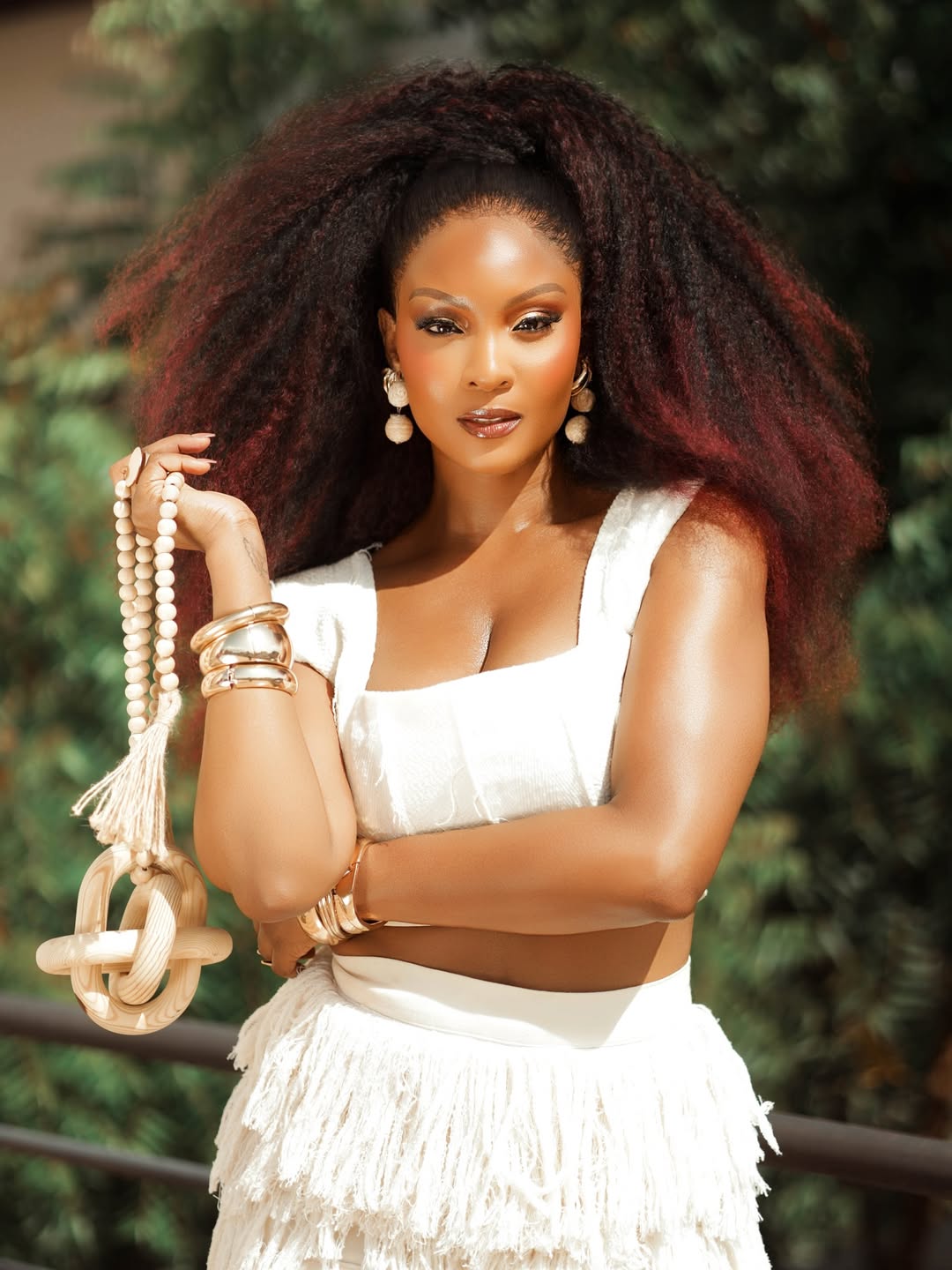
Maison Kantys is a ready-to-wear fashion brand based in Abidjan, Côte d’Ivoire, founded in 2019 by William Mackenzie Kouakou and Thierry Aguy, two childhood friends who turned a shared interest in fashion into a creative label.
The brand began with a focus on men’s shirts and structured tailoring before expanding into both men’s and women’s ready-to-wear collections.
Maison Kantys operates as a designer-led creative duo, with a workflow built around collaboration: one co-founder typically focuses on marketing, sales, and brand positioning. The other handles digital communication and creative direction, making the label highly collaborative in its structure.
6. Loza Maléombho
Loza Maléombho represents a different model of Ivorian global visibility. Working between Abidjan and international fashion circuits, she has built a brand recognised for sculptural silhouettes.
Her brand is also recognised for Afro-futurist references and reinterpretations of West African dress codes. Loza’s Abidjan studio remains central to her production identity.
Rather than presenting African aesthetics as static heritage, Maléombho approaches fashion through experimentation, structure, and contemporary cultural commentary.
6. Rocard Yapo
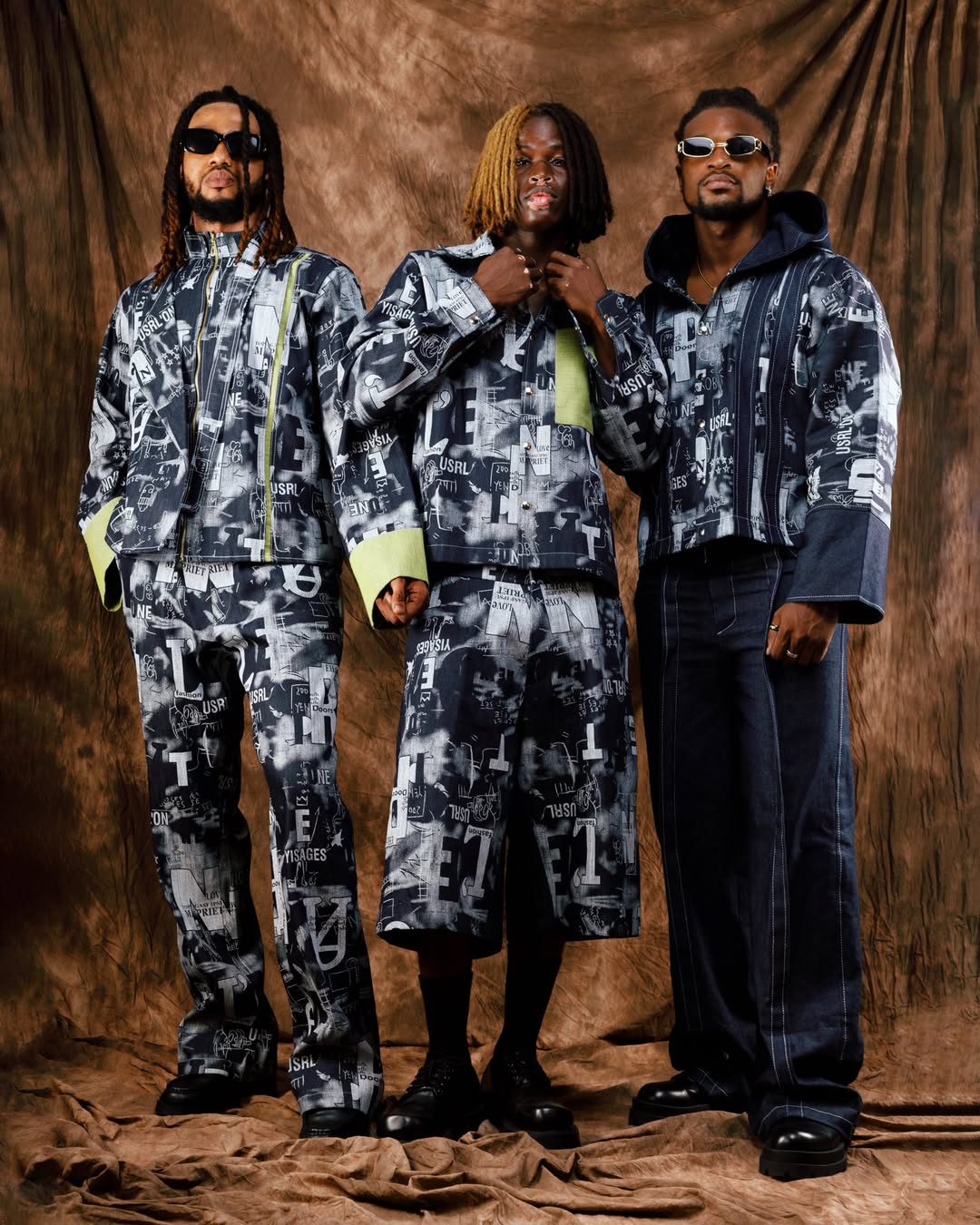
Rocard Yapo, a former international model-turned-designer, designs collections in Abidjan. His collection fuses traditional observation with contemporary silhouettes.
Yapo regularly presents at local platforms, including men ’s-focused work that experiments with colour and fabric.
Professional Models and Atelier Systems in Ivorian Couture
Ivorian designers have built professional models rooted in atelier systems. These systems emphasise technical skill, artisan collaboration, and sustainable local production.
Some atelier systems include:
1. Zak Koné (Pelebe)
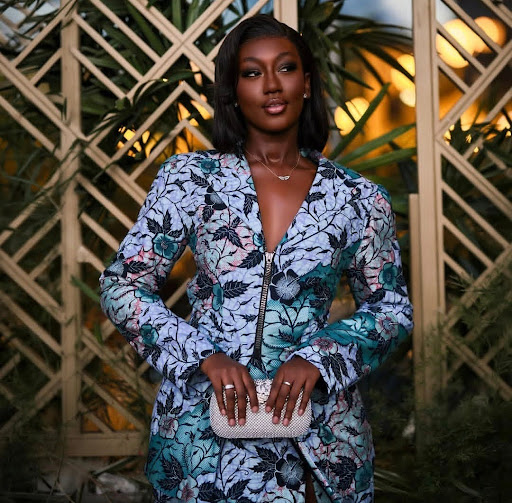
Source: An image showing a lady dressed in a couture by Zak
Zak Koné runs his Pelebe atelier with a focus on reliable production standards and client-specific work. His model prioritises consistent quality and finishing techniques suited to the expectations of Ivorian and West African clients.
2. Ibrahim Fernandez
Ibrahim Fernandez specialises in detailed embellishments and lace work in Abidjan-based ateliers. His approach depends on close artisan collaboration, enabling specialised contributions to larger collections and individual commissions.
3. Guy Fabrice Zaady
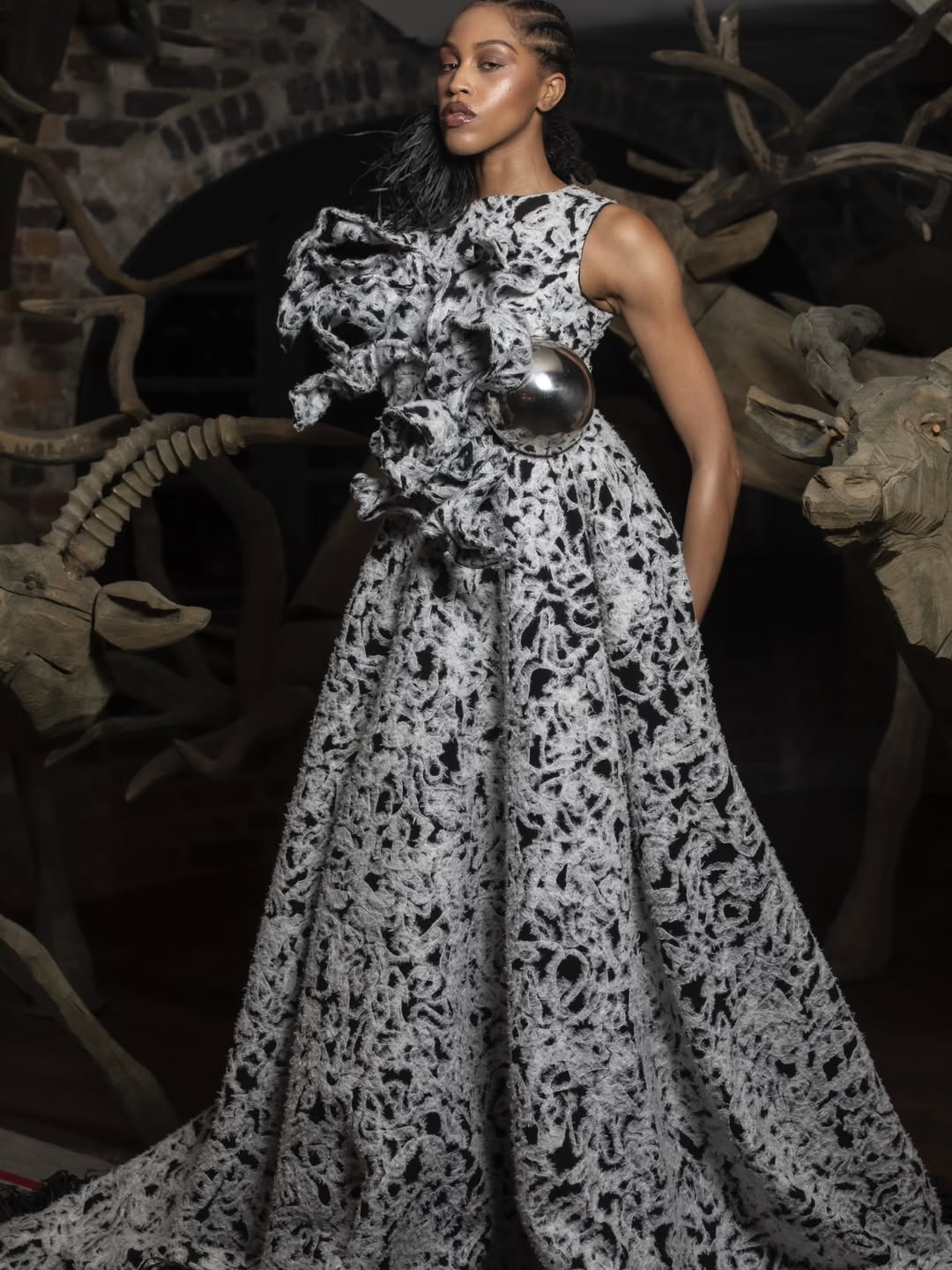
Guy Fabrice Zaady maintains an atelier practice that stresses technical execution and adaptability to local conditions. This model supports regular production while navigating the practical constraints of operating in Côte d’Ivoire.
These atelier systems share a core logic. Ivorian designers invest heavily in hands-on workshop management and artisan relationships to retain control over quality and timelines.
4. Ibrahim Fernandez
Ibrahim Fernandez is an Abidjan-based couture and ready-to-wear designer. His work fuses structured tailoring with bold prints, textured fabrics, and refined embellishment.
Ibrahim’s practice is rooted in local production, collaborating with artisans and small-scale textile makers in Abidjan to develop pieces that prioritise craftsmanship and finish. His label reflects a grounded but outward-facing approach.
Also Read:
- ShaSha Designs Cameroon: How Toghu Became a Modern Luxury Fashion Statement
- Top Ghanaian Fashion Designers Shaping Africa’s Global Fashion Narrative
- Top Senegalese Fashion Designers Influencing Global Style
- Abidjan Streetwear: The Rise of Urban Fashion in Côte d’Ivoire
Production Strategies, Challenges and Local-Global Balance
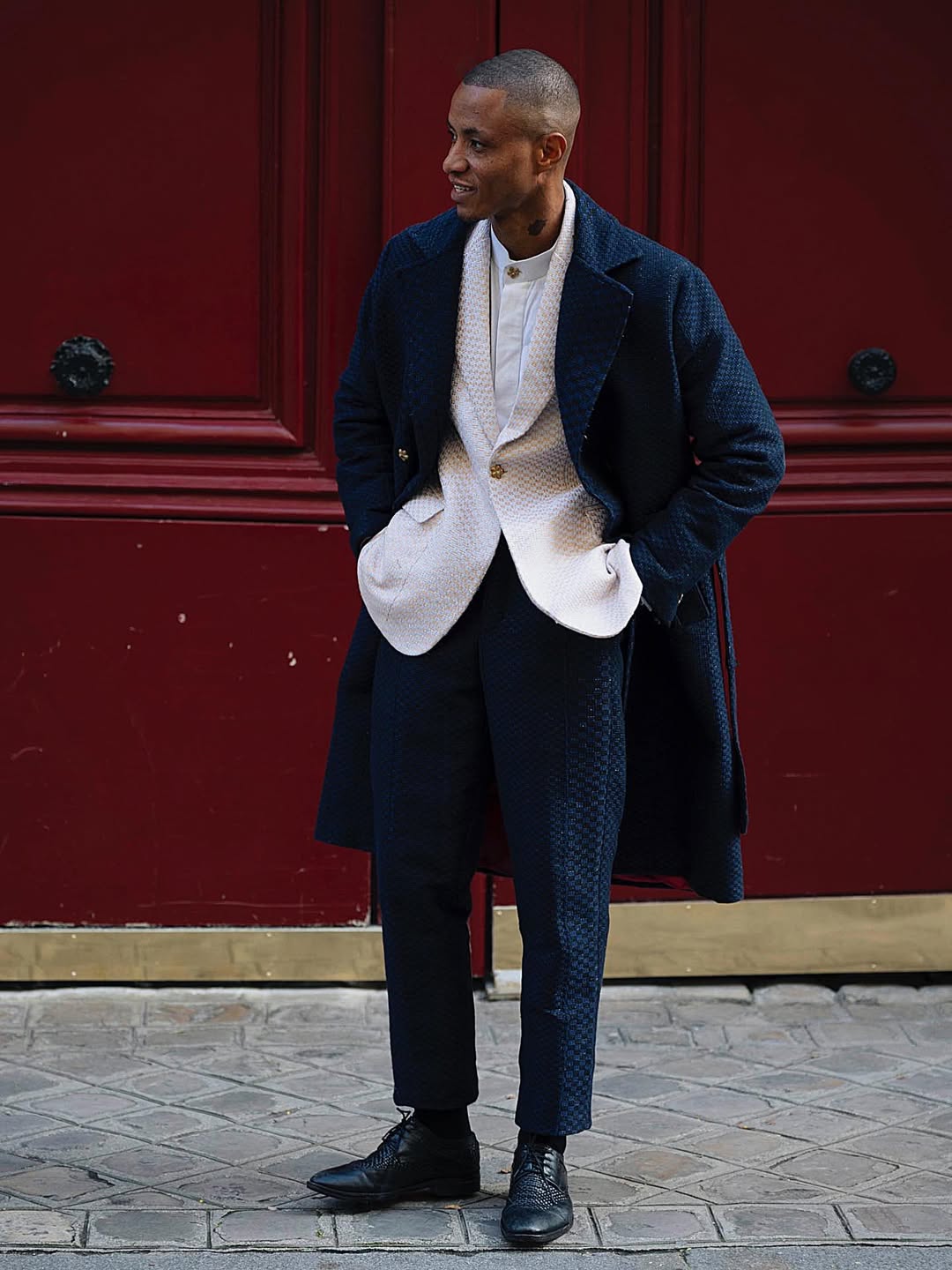
Ivorian designers face the practical challenge of maintaining production in Abidjan while seeking international visibility.
Their production strategies reflect deliberate choices about materials, artisan relationships, and market positioning in a context shaped by limited infrastructure and strong competition from imported fashion.
Ethical Production and Artisan Collaboration
For instance, Aristide Loua of Kente Gentlemen emphasises ethical production methods and textile innovation in his Abidjan-based practice. His approach involves reworking traditional textiles into contemporary menswear and unisex pieces.
However, like many others, he must navigate inconsistent supply chains and the higher costs of local production compared to imported alternatives.
Furthermore, many Ivorian designers working through Abidjan ateliers rely on small workshop teams and direct artistic collaboration with artisans.
This production model offers flexibility and cultural relevance while helping designers preserve close relationships with textile makers, tailors, and embroiderers.
Balancing Local Production With Global Demand
Designers must also balance the expectations of local clients, who often demand exclusivity and fast turnaround times, with the longer production schedules required for international retail and export markets.
Additional challenges include access to quality materials, reliable electricity for workshops, and competition from imported fast fashion.
Some designers respond by developing hybrid production models, creating core collections locally while partnering with external manufacturers for selected international pieces.
Others prioritise the domestic and regional West African market, treating global exposure as selective rather than central to their business strategy.
The Omiren Argument
For decades, African designers were expected to leave their home countries before their work could be treated as globally important.
International recognition became tied to relocation, foreign manufacturing, and approval from European fashion institutions. However, contemporary Ivorian fashion increasingly challenges that structure.
Designers working from Abidjan are building ateliers, runway platforms, artisan networks, and production systems. This allows them to maintain creative control within Côte d’Ivoire rather than outsourcing legitimacy abroad.
This shift changes how the African fashion authority operates. Loza Maléombho, Elie Kuame, and other Abidjan-based creatives aren’t using the city as a temporary creative base before global expansion.
They are positioning it as a professional fashion centre in its own right. The strength of Ivorian fashion now lies less in foreign visibility than in its growing ability to sustain production, presentation, and cultural authorship from within Côte d’Ivoire itself.
Explore more West African fashion stories on Omiren Styles, where African fashion is analysed through culture, industry, and creative authorship rather than stereotypes or trend simplification.
Frequently Asked Questions
- Who is the top fashion designer in Africa?
There is no single official “top” fashion designer in Africa because the industry is diverse and judged by different criteria, such as global influence, innovation, and cultural impact. However, designers like Lisa Folawiyo, Thebe Magugu, and Imane Ayissi are often highlighted for their strong international recognition and contribution to African fashion storytelling.
- Who are the top 10 fashion designers?
There is no universally agreed global “top 10” list because fashion rankings change depending on awards, influence, and market impact. Globally recognised names often include designers like Virgil Abloh (late), Stella McCartney, Giorgio Armani, Valentino Garavani, and Donatella Versace, among others.
- Who are the Afro Futurist designers?
Afrofuturist designers are creatives who blend African heritage with futuristic, tech-inspired, and imaginative fashion aesthetics. Designers often associated with this direction include Thebe Magugu, Rich Mnisi, and Mowalola Ogunlesi, who explore bold, forward-thinking African identities through fashion.
- How are African designers making their mark on global fashion?
African designers are gaining global visibility through international fashion weeks, celebrity collaborations, and storytelling rooted in cultural identity. Their work is also reshaping global luxury by introducing African textiles, craftsmanship, and narratives into mainstream fashion conversations.
-
Who is the richest tailor in Nigeria?
There is no verified public ranking that confirms a single “richest tailor” in Nigeria, as most high-end fashion entrepreneurs do not disclose full financial details.