Menu
  • Fashion
  • Beauty
  • Lifestyle
  • News
  • Women
  • Men
  • Africa
  • Shopping
  • Events
  • Fashion
    • Trends
    • African Fashion Designers
    • Afro-Latin American Designers
    • Caribbean Designers
    • Street Style
    • Sustainable Fashion
    • Diaspora Connects
  • Beauty
    • Skincare
    • Makeup
    • Hair & Hairstyle
    • Fragrance
    • Beauty Secrets
  • Lifestyle
    • Culture & Arts
    • Travel & Destination
    • Celebrity Style
    • Luxury Living
    • Home & Decor
  • News
    • Cover Stories
    • Designer Spotlight
    • Fashion Weeks
    • Style Icons
    • Rising Stars
    • Opinion & Commentary
  • Women
    • Women’s Style
    • Health & Wellness
    • Workwear & Professional Looks
    • Evening Glam
    • Streetwear for Women
    • Accessories & Bags
  • African Style
    • Designers & Brands
    • Street Fashion in Africa
    • Traditional to Modern Styles
    • Cultural Inspirations
  • Shopping
    • Fashion finds
    • Beauty Picks
    • Gift Guides
    • Shop the Look
  • Events
    • Fashion Week Coverage
    • Red Carpet & Galas
    • Weddings
    • Industry Events
    • Omiren Styles Special Features
  • Men
    • Men’s Style
    • Grooming Traditions
    • Menswear Designers
    • Traditional & Heritage
    • The Modern African Man
  • Diaspora
    • Designers
    • Culture
  • Industry
    • Insights
    • Investment
    • Partnerships
    • Retail
    • Strategy
Subscribe
OMIREN STYLES OMIREN STYLES

Fashion · Culture · Identity

OMIREN STYLES OMIREN STYLES OMIREN STYLES OMIREN STYLES
  • Fashion
  • Beauty
  • Lifestyle
  • News
  • Women
  • Men
  • Africa
  • Shopping
  • Events
  • Lifestyle

The Architect Who Designs for the Body: Why Human Experience Shapes the Spaces We Live In

  • Heritage Oni
  • February 18, 2026
The Architect Who Designs for the Body: Why Human Experience Shapes the Spaces We Live In
Total
0
Shares
0
0
0

Walk into a room that feels right, and you notice it immediately. The chair supports you without effort. The light softens your mood. The air feels calm. You do not think about the architecture because your body already understands it.

The idea of the architect who designs for the body begins here with the quiet recognition that spaces are not neutral. They guide how we move, how we feel, and how we relate to others. Throughout history, architects have sought to translate the rhythms of the human body into built form, posing a simple yet profound question: What happens when buildings are shaped around people rather than forcing people to adapt to buildings?

The architect who designs for the body explores how spaces shape movement, identity, and wellbeing, revealing why human-centred design matters today.

The body is the original blueprint.

Long before digital modelling, architects looked at human figures as a measure of harmony. The Roman architect Vitruvius argued that buildings should mirror human proportions, suggesting that the body embodies an inherent order worth emulating.

Centuries later, Le Corbusier developed the Modulor system, using measurements of reach and height to design spaces that felt intuitive to occupy. His work reveals a cultural shift of the twentieth century: the belief that modern life could be improved through rational design grounded in the human scale.

These ideas were not just technical. They reflected a broader aspiration — to build environments that respected the physical presence of everyday people.

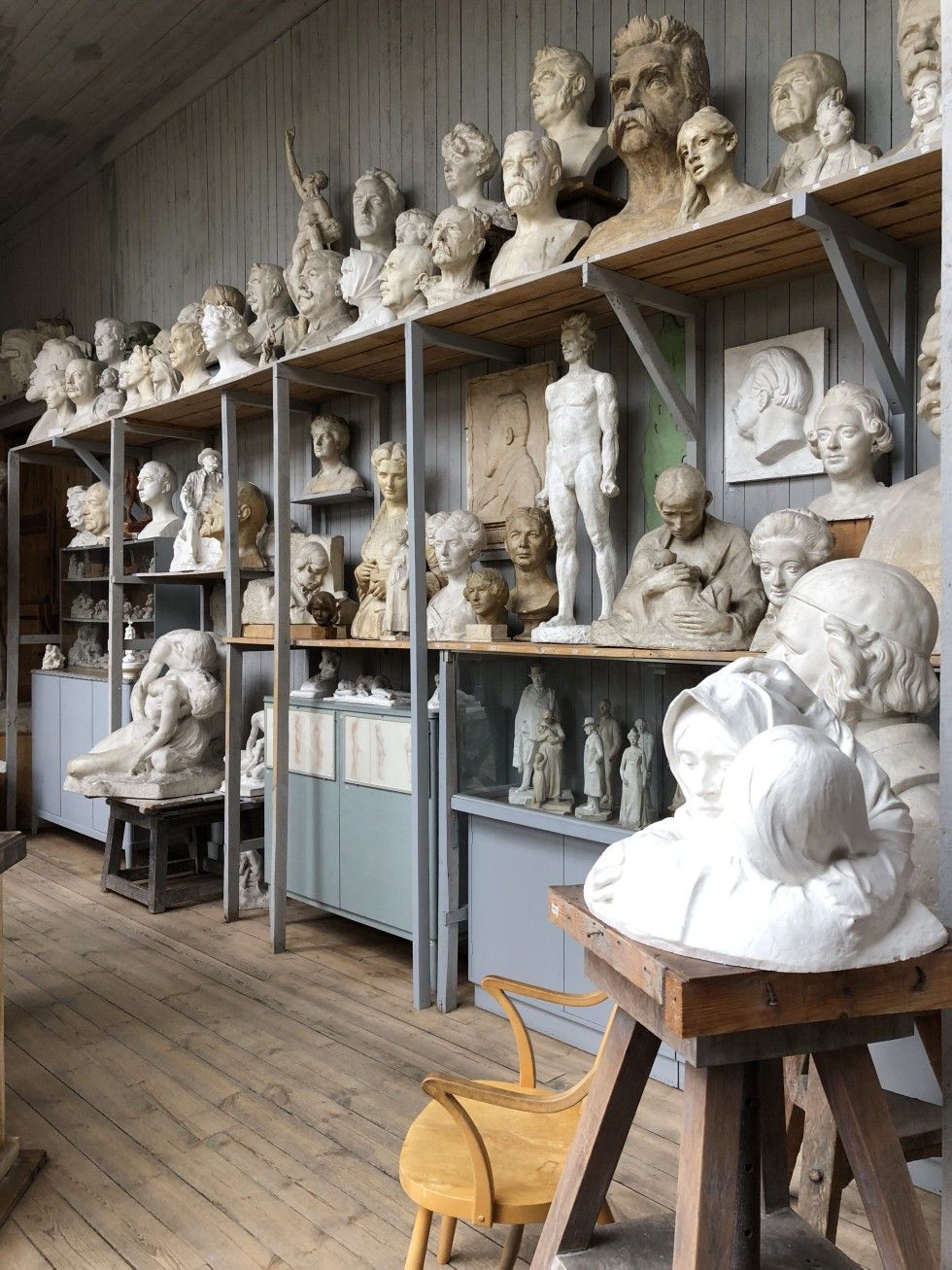
Designing for lived experience
Designing for lived experience

In contemporary practice, designing for the body goes beyond measurements. It asks how architecture interacts with the senses and emotions. How does a hallway influence posture? How does daylight affect mood? How does noise shape concentration?

Scholar and designer Galen Cranz introduced the concept of Body Conscious Design, emphasising awareness of how people sit, walk, gather, and rest. Her work reminds us that design is a social practice. A bench in a public square can invite conversation or discourage it. A workplace layout can foster collaboration or isolation.

From this perspective, architecture becomes a cultural record of how societies understand the body, whether as something to control, optimise, or care for.

What it reveals about culture and power

What it reveals about culture and power

The design of spaces for the body often reveals the prioritisation of specific bodies. For much of history, architectural standards were based on a narrow idea of the “average” user, often excluding women, children, older adults, and people with disabilities.

Today, inclusive design challenges these assumptions. Ramps, flexible seating, and adaptable environments reflect a growing recognition that diversity is not an exception but the norm. Designing for the body becomes an ethical commitment, a way of acknowledging different ways of moving through the world.

This shift in workplaces is associated with conversations about wellness and burnout. Offices that encourage movement and access to natural light acknowledge that productivity is inseparable from physical and mental health. In cities, walkable streets signal a cultural investment in community life rather than a dependence on cars.

Read Also:

  • Awa Meité and Bogolanfini: Mud Cloth as a Living Archive of West …
  • Power, Prestige, and the Soul of Senegalese Style
  • Why Modern Accessories are Designed to be Lived In

Storytelling through space

Storytelling through space

Architecture that centres the body tells stories about belonging. Consider how sacred spaces slow movement and encourage reflection, or how markets create dense sensory experiences that foster social exchange. These environments communicate values without words.

For a global audience, the meaning of body-centred design extends beyond geography. Whether in Lagos, Accra, or Seoul, people respond to environments that respect their physical presence. The universality of the body makes this approach resonate across cultures while still allowing local interpretation.

Seen this way, architecture becomes a language through which societies express care, hierarchy, and identity.

Why it matters now

In an era shaped by digital life and rapid urbanisation, the relationship between bodies and spaces is undergoing renewed scrutiny. Sedentary routines, climate pressures, and mental health concerns have pushed designers to rethink how environments support everyday wellbeing.

Emerging fields, such as neuroarchitecture, examine how spatial conditions influence stress and cognition, while sustainable design recognises that healthy environments must also respect ecological boundaries. The architect who designs for the body is therefore also designing for resilience, creating spaces that nurture both people and the planet.

Conclusion

The architect who designs for the body is not defined by style but by intention. This approach recognises that every doorway, corridor, and gathering space shapes human experience in subtle but lasting ways.

At its core, designing for the body is about respect — for movement, for diversity, and for the emotional realities of everyday life. It asks us to see architecture not as static objects but as living environments that participate in our stories.

Understanding this perspective helps us read buildings differently. We begin to notice how spaces support or constrain us, and we become more aware of the cultural values embedded in the environments we inhabit. In this sense, architecture becomes a mirror of society, reflecting how we choose to care for one another.

5 FAQs

  1. What does it mean to design architecture for the body?

It means creating spaces that respond to human scale, movement, comfort, and sensory experience rather than focusing only on visual form.

  1. Why is human-centred design important today?

This is because it enhances wellbeing, fosters inclusivity, and tackles issues such as urban stress and sedentary lifestyles.

  1. How does culture influence body-centred architecture?

Different societies interpret comfort, privacy, and social interaction differently, shaping how spaces are designed and used.

  1. Is designing for the body only about ergonomics?

No. It also includes emotional, psychological, and social dimensions of how people experience environments.

  1. Who benefits from this approach?

Everyone, especially communities historically overlooked by standard design assumptions, including people with diverse abilities and lifestyles.

Post Views: 207
Total
0
Shares
Share 0
Tweet 0
Pin it 0
Related Topics
  • Architecture and Human Behavior
  • Experiential Spatial Design
  • Human-Centered Architecture
Avatar photo
Heritage Oni

theheritageoni@gmail.com

You May Also Like
African Hair Is a Political Act: The History Nobody Taught You
View Post
  • Culture & Arts
  • Hair & Hairstyle

African Hair Is a Political Act: The History Nobody Taught You

  • Ayomidoyin Olufemi
  • April 15, 2026
The Legacy of the Modern Timepiece: Precision and Presence
View Post
  • Luxury Living
  • Men's Style

The Legacy of the Modern Timepiece: Precision and Presence

  • Faith Olabode
  • April 13, 2026
Mia Amor Mottley: The Prime Minister Who Wears the Caribbean on the World Stage
View Post
  • Caribbean Designers
  • Celebrity Style
  • Fashion

Mia Amor Mottley: The Prime Minister Who Wears the Caribbean on the World Stage

  • Rex Clarke
  • April 12, 2026
View Post
  • Culture & Arts
  • Trends

The Intimacy of Tailoring Is How Clothes Learn the Language of Your Life

  • Heritage Oni
  • April 1, 2026
The Cultural Codes of Dressing Well: What Every Society Understands About Style and Respect
View Post
  • Culture & Arts
  • Trends

The Cultural Codes of Dressing Well: What Every Society Understands About Style and Respect

  • Fathia Olasupo
  • March 31, 2026
East Africa Textile Untold: Kitenge, Kikoi, and the Coastal Cloth
View Post
  • Cultural Inspirations
  • Culture & Arts

East African Textile Untold: Kitenge, Kikoi, and the Coastal Cloth

  • Faith Olabode
  • March 31, 2026
The Architecture of African Luxury Living: Style, Culture, and the New Definition of Opulence
View Post
  • Luxury Living

The Architecture of African Luxury Living: Style, Culture, and the New Definition of Opulence

  • Heritage Oni
  • March 26, 2026
What the World Lost When Hand-Weaving Gave Way to Mass Production
View Post
  • Culture & Arts
  • Sustainable Fashion

What the World Lost When Hand-Weaving Gave Way to Mass Production

  • Fathia Olasupo
  • March 24, 2026

Leave a Reply Cancel reply

Your email address will not be published. Required fields are marked *

The Omiren Argument

African fashion and culture are not emerging. They are foundational. We document, interpret, and argue for the full cultural weight of African and diaspora dress. With precision. Without apology.

Omiren Styles Fashion · Culture · Identity

All 54 African Nations
Caribbean · Afro-Latin America
The Global Diaspora

Platform

  • About Omiren Styles
  • Our Vision
  • Our Mission
  • Editorial Pillars
  • Editorial Policy
  • The Omiren Collective
  • Campus Style Initiative
  • Sustainable Style
  • Social Impact & Advocacy
  • Investor Relations

Contribute

  • Write for Omiren Styles
  • Submit Creative Work
  • Join the Omiren Collective
  • Campus Initiative
Contact
contact@omirenstyles.com
Our Reach

Africa — All 54 Nations
Caribbean
Afro-Latin America
Global Diaspora

African fashion intelligence, in your inbox.

Editorial features, designer profiles, cultural commentary. No noise.

© 2026 Omiren Styles — Rex Clarke Global Ventures Limited. All rights reserved.
  • Privacy Policy
  • Editorial Policy
  • Terms of Use
  • Accessibility
Africa · Caribbean · Diaspora
The Omiren Argument

African fashion and culture are not emerging. They are foundational. We document, interpret, and argue for the full cultural weight of African and diaspora dress. With precision. Without apology.

Omiren Styles Fashion · Culture · Identity
  • About Omiren Styles
  • Our Vision
  • Our Mission
  • Editorial Pillars
  • Editorial Policy
  • The Omiren Collective
  • Campus Style Initiative
  • Sustainable Style
  • Social Impact & Advocacy
  • Investor Relations
  • Write for Omiren Styles
  • Submit Creative Work
  • Join the Omiren Collective
  • Campus Initiative
Contact contact@omirenstyles.com

All 54 African Nations · Caribbean
Afro-Latin America · Global Diaspora

African fashion intelligence, in your inbox.

Editorial features, designer profiles, cultural commentary. No noise.

© 2026 Omiren Styles
Rex Clarke Global Ventures Limited.
All rights reserved.

  • Privacy Policy
  • Editorial Policy
  • Terms of Use
  • Accessibility
Africa · Caribbean · Diaspora

Input your search keywords and press Enter.