In 2026, every surface flickers. Your phone, your watch face, your laptop, and the screen embedded in the back of the seat in front of you on a flight from Lagos to London. Time has never been more visible, and it has never mattered less. When everything tells you what hour it is, nothing tells you who you are.
The mechanical watch exists precisely because of this problem.
To wear one is not nostalgia. It is not a rejection of the modern world. It is a deliberate decision to carry something that was built to last rather than designed to be replaced, something that measures time through the tension of a mainspring rather than the discharge of a battery. That distinction is not technical. It is philosophical. A mechanical watch does not run on power from elsewhere. It runs on the energy of your own movement. It keeps time because you are alive.
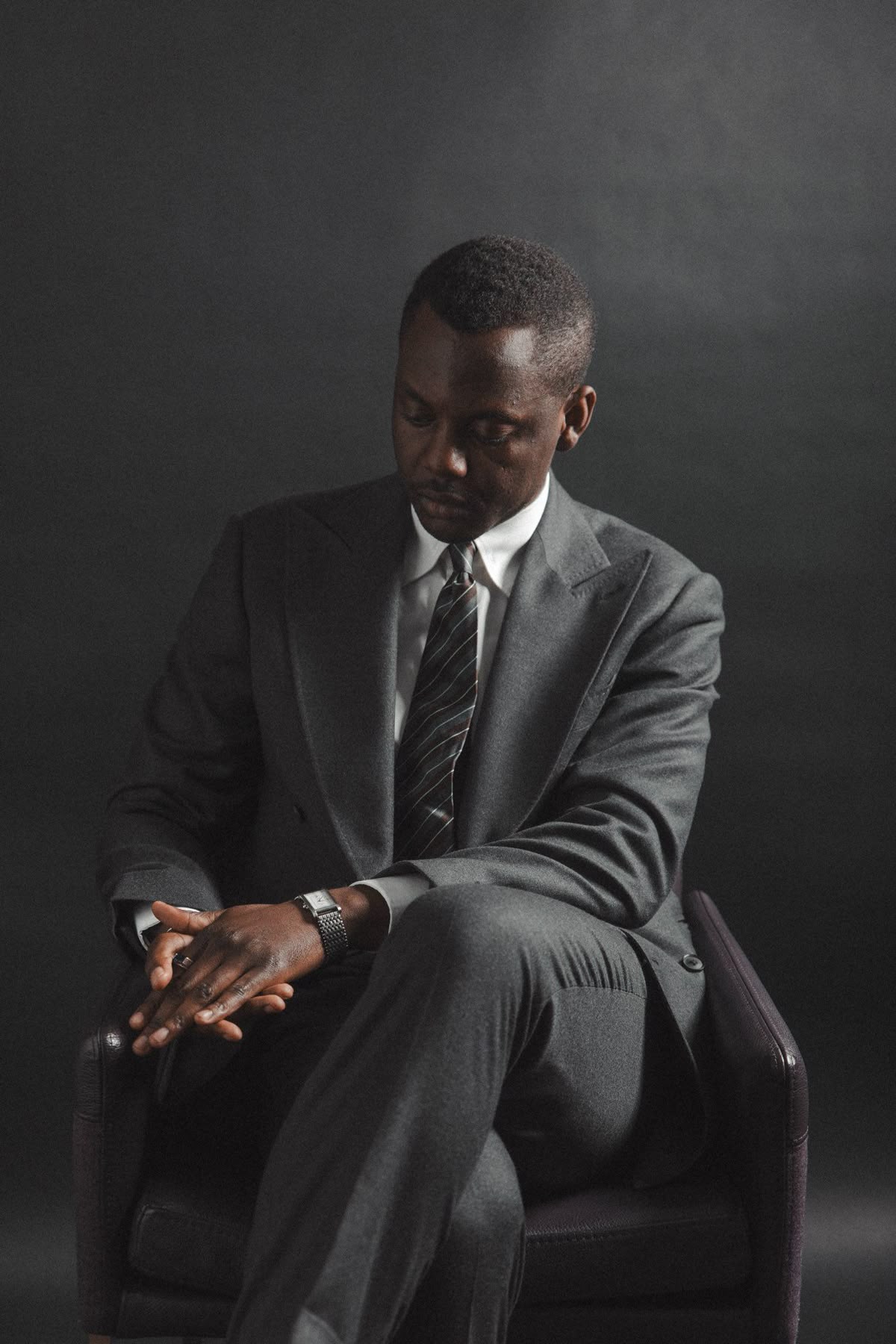
For the man navigating a boardroom in Lagos or a conference room in London, a well-chosen watch communicates something no notification can: that he understands the difference between urgency and importance and that he has made his peace with it. Precision, in this context, is not about being on time. It is about knowing what time costs.
Horology is one of the oldest applied sciences in human history. The mechanical movements that power a fine watch today are direct descendants of the escapement mechanisms developed in fourteenth-century Europe, refined over seven centuries by watchmakers whose names are stamped into the caseback of every serious timepiece. That lineage is not decorative. It is the argument for why a mechanical watch holds its value in a market that discards most things within a season.
In 2026, as circular stewardship moves from principle to practice and consumers demand accountability from the objects they wear, the mechanical watch stands apart. It is repairable. It is inheritable. It does not become obsolete because a software update decides it should. It becomes more itself with time, its movement smoothed by use, its case marked by the specific life of the person who wore it.
That is not luxury as the market typically defines it. That is something more durable.
Time is the ultimate luxury. Explore the enduring world of the mechanical timepiece, a masterclass in precision and presence for the modern man. In 2026, discover how a curated watch serves as a soulful archive of craftsmanship and a silent revolution against the fast-cycle digital world, anchoring your global authority with every second.
THE OMIREN ARGUMENT
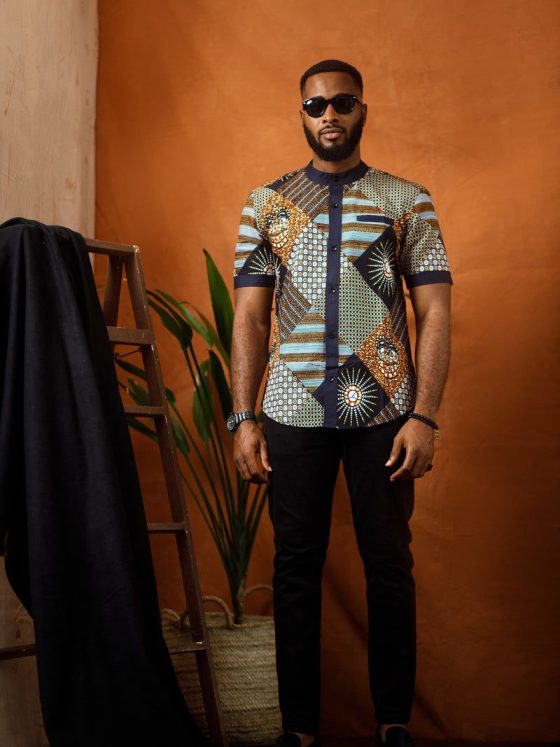
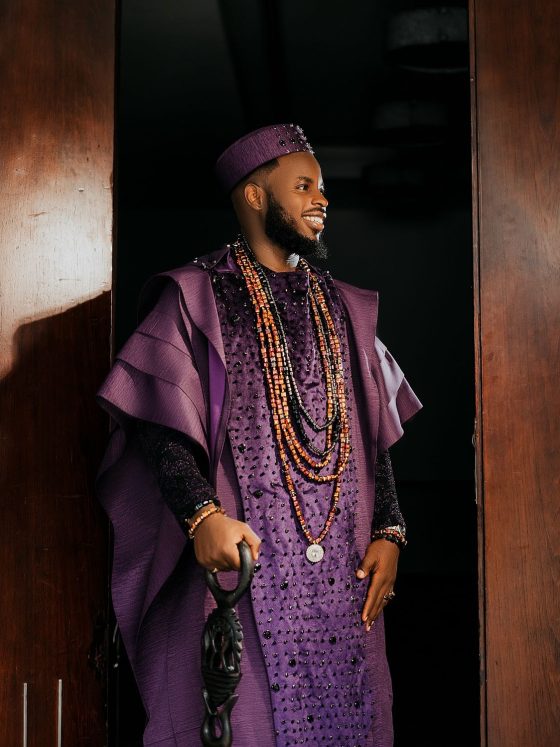
The mechanical watch entered African menswear as an imported symbol of European precision, worn as proof of arrival in a world that defined success in Western terms. What is shifting now is the frame. A new generation of men across Lagos, Accra, Nairobi, and Johannesburg is not wearing mechanical watches to signal alignment with European luxury hierarchies. They are wearing them as African men who understand craft, who value permanence, and who have decided that the objects they carry should be as considered as the decisions they make. The watch did not change. The wearer’s relationship to it did, and that shift belongs to a broader reclamation of what it means to dress with intention on this continent.
African men have always understood the weight of an object worn close to the body. From the brass currency bracelets of the Yoruba to the beaded wrist adornments of the Maasai, the African wrist has never been empty of meaning. The mechanical watch enters that tradition not as a replacement but as an addition, another object chosen because it carries something – precision, patience, and the evidence of craft executed over time. When an African man selects a timepiece in 2026, he is not catching up to a European standard of refinement. He is applying a standard of his own, one that his culture developed long before the Swiss perfected the escapement. That is the story horology has yet to tell. Omiren Styles is telling it.
Craftsmanship Over Circuits
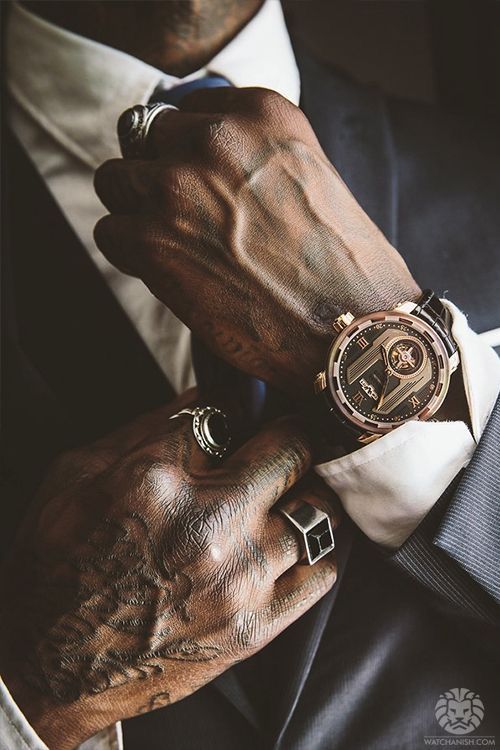
The language of the gear, the spring, and the balancing wheel is a nonverbal language that may be heard in the peaceful hum of a master’s workshop. Modern man is returning to the elegance of mechanical movement, while the world of 2026 is fixated on the newest innovation.
Choosing a gadget powered by your own physical energy rather than a battery or satellite is a choice of purpose. It is an engineering marvel that connects the user to a family of creators who believed excellence takes time.
This dedication to the mechanical is a type of long-term accountability. A high-end watch is meant to last forever in a world of disposable technology. It is an item that accumulates the patina of a life well lived over many generations. In a fast-paced metropolitan cityscape, this impression of permanence provides a calming presence. In addition to setting the time, winding your watch is a tactile ritual that helps you centre yourself. In my experience, the weight of sapphire, steel, and gold is more important than a pixel’s light.
The most forward-thinking men of today realise that possessing the most durable device rather than the loudest one is what gives one global influence. This dazzling history is preserved by brands like Vacheron Constantin and Patek Philippe, as well as contemporary innovators like Nomos Glashòte. They demonstrate that genuine elegance may be found in the process’s transparency.
Your watch is your silent revolution in 2026. Instead of being a passenger in a digital stream, it is a work of art that breathes with you, a soulful repository of human brilliance that guarantees you are always the master of your own seconds.
Heritage on the Wrist
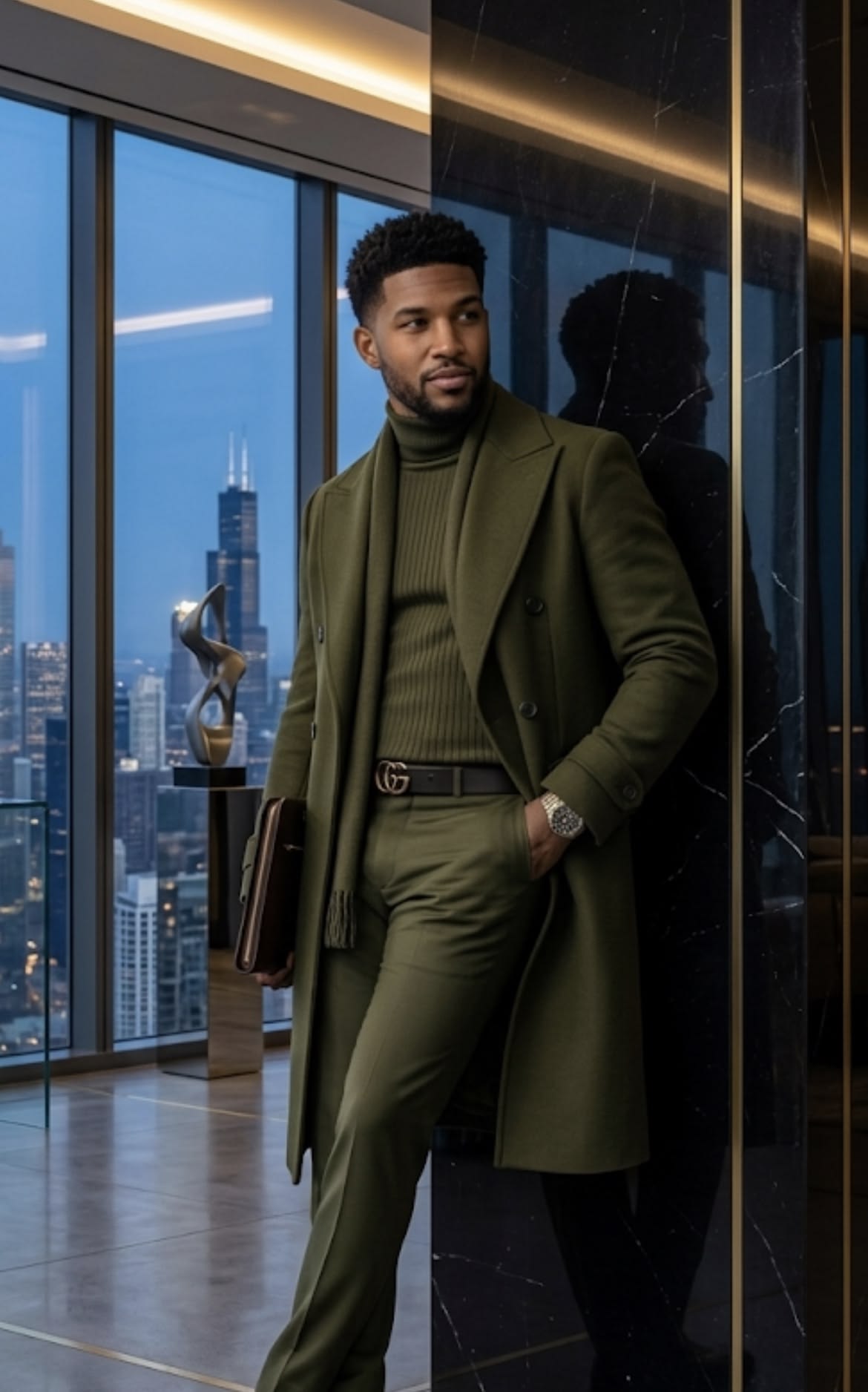
A watch is a vessel for history that extends beyond its gears. The modern man of 2026 sees his watch as a personal archive, a tangible reminder of the past that remains fully operational today. The “Know-Me” sensation of carrying a tale is more important than simply owning an expensive accessory. Every tick represents a heartbeat of human achievement, whether it’s a minimalist dress watch that conveys serene confidence or a diver’s watch that reflects an adventurous attitude. It is a work of design that serves as a link between the wearer and a world that often seems disconnected.
Choosing a watch is a show of worldwide authority and character in today’s world. It represents a man who prefers the gradual burn of quality to the sudden satisfaction of a notice. This commitment to longevity is a potent declaration of will. The modern man contributes to a tradition that honours both the artisan and the environment by selecting items made from timeless materials and sourced ethically. By doing this, we can ensure that the things we surround ourselves with have a soulful resonance and can be passed down as a legacy rather than thrown away as e-waste.
Wearing a mechanical watch is considered a visionary gesture these days. It is a rejection to allow one’s life to be dictated by the digital stream. This area is still defined by companies like Cartier and IWC Schaffhausen, which combine tradition with a modern edge that complements any urban skyline.
In 2026, your watch serves as a bright symbol of your voyage rather than just a means of keeping track of appointments. It is a dependable, consistent friend that tracks your progress with a style and accuracy wholly unique to you.
ALSO READ:
The Presence of Presence: Navigating the Urban Skyline
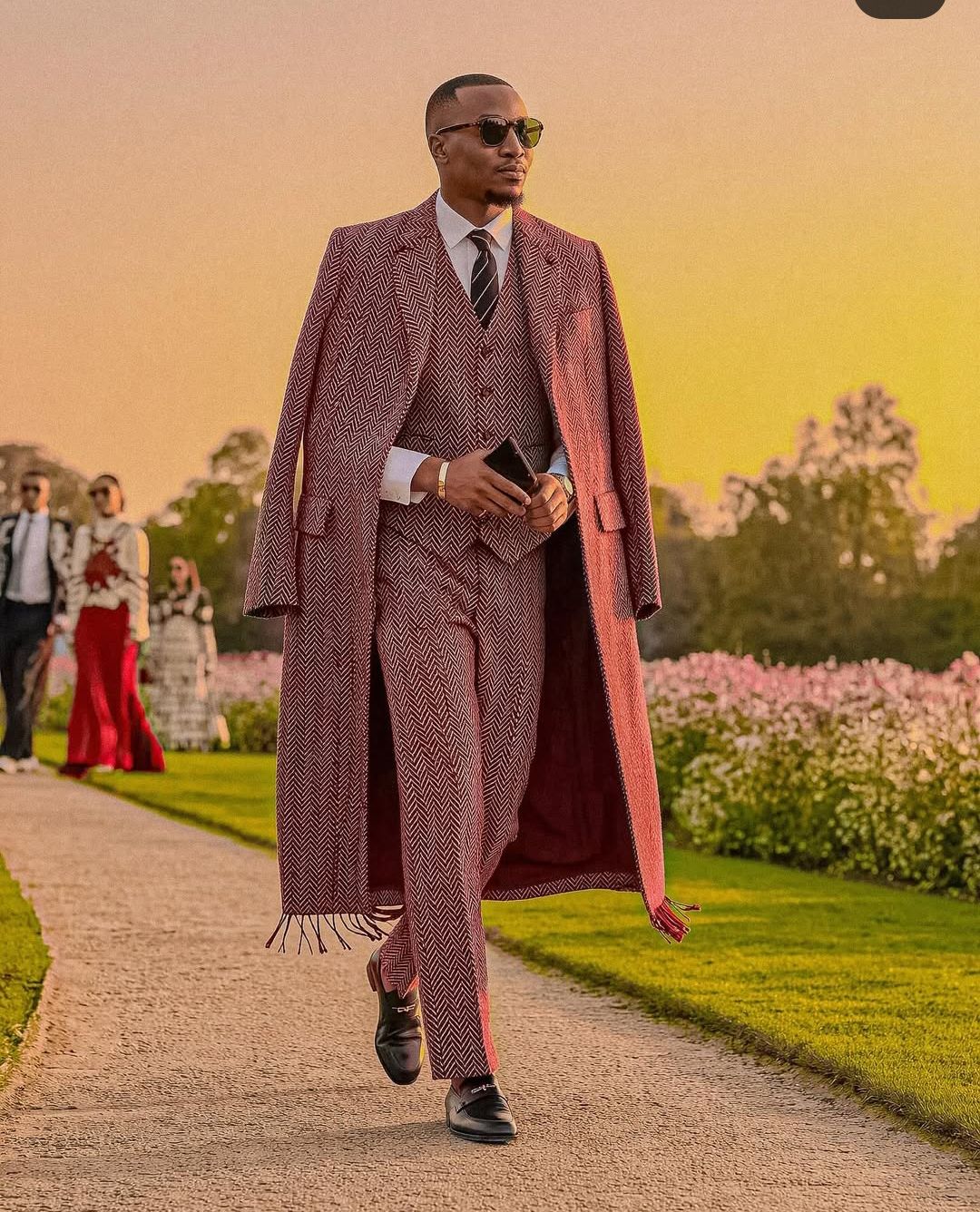
The way a guy commands a room has evolved in the high-stakes world of 2026, where attention is the new currency. The most composed presence is now more important than having the loudest voice. The silent anchor in this equation is the watch he wears on his wrist. It gives him a sense of weight and a focal point, enabling him to move calmly and authoritatively through the digital cacophony. He is realigning himself with a mechanical rhythm that is disciplined, patient, and completely independent of a Wi-Fi signal when he looks at his watch.
An innovative step toward balance is this connection to the material world. The smooth feel of an ethically sourced leather strap or the cool touch of a steel case provides an essential, anchoring sense in a world of virtual layers. It’s a personal ritual that turns an ordinary movement into a deliberate moment.
The journey of modern man is defined by this degree of carefully chosen detail. He recognises that his accessories are extensions of his philosophy, a dedication to a lifestyle that emphasises substance and a “slow burn” approach to success, rather than merely accessories to an ensemble.
In the end, a man’s watch serves as his last signature. The brilliant finish completes his silhouette in the urban skyline. He aligns himself with a future that is both beautiful and long-lasting by choosing companies like Audemars Piguet and Oris that support artisanal skill and sustainable innovation. Owning your time is the ultimate luxury in 2026. Your watch, a passionate record of every choice you make, every achievement you make, and every moment you spend creating your own universe, is the protector of that freedom.
Conclusion
The mechanical watch remains the ultimate representation of a life lived with purpose as the shadows stretch across the 2026 urban cityscape. It is a subdued break from the transience of the digital world, a heartfelt affirmation that some things, like character, craft, and history, are not meant to be updated or replaced. The modern man is recovering minutes rather than merely measuring them by selecting a watch that bears the weight of handmade excellence. Every look at his wrist serves as a reminder of his own worldwide authority and his dedication to a path that prioritises the “slow-burn” of genuine excellence over the commotion of the present.
In the end, the watch is a personal legacy in motion rather than just a work of art. It serves as a glowing record of the accomplishments and unexplored paths. The mechanical watch provides a new type of connection, one that is durable, patient, and deeply human in a time when our attention is always required. The watch remains our most dependable anchor as we strive for a future characterised by openness and resilience. Time may speed by, but the man who masters it remains rooted in his own narrative, as evidenced by this silent revolution worn on the sleeve.
Frequently Asked Questions (FAQs):
- Why choose a mechanical watch over a digital one?
In 2026, a mechanical watch is a choice of strategic intent. Unlike digital gadgets that become obsolete, a mechanical timepiece is a masterpiece of engineering designed to last lifetimes. It offers a soulful, tactile connection to time that doesn’t rely on batteries or software updates.
- What makes a timepiece “sustainable”?
Sustainability in horology focuses on transparent sourcing and longevity. High-end brands now prioritise recycled metals, ethically sourced leather, and “slow-burn” production methods. By investing in a watch that can be repaired for decades, you are practising a form of enduring responsibility that reduces waste.
- Is a vintage watch a good investment?
Yes. A vintage timepiece acts as a personal archive. Beyond its potential financial value, it carries a sense of heritage and global authority. It is a reliable companion that has already stood the test of time, proving its resilience in an ever-shifting urban skyline.
- How often should a mechanical watch be serviced?
To maintain its precision, a mechanical watch usually requires a professional check-up every 3 to 5 years. This patient care ensures the intricate gears continue to move with grace, preserving the watch as a functional piece of art for the next generation.
- Can a luxury watch be worn every day?
Absolutely. Modern high-end watches from brands like IWC or Oris are built for the “Know-Me” experience, versatile enough for a boardroom in Lagos or a weekend getaway. They are designed to be a constant, radiant signature of your personal style and journey.