Menu
  • AFRICA
    • African Fashion
    • African Designers
    • Textiles & Craft
    • Heritage Clothing
    • Made in Africa
    • Regional Style
  • DIASPORA
    • Diaspora Voices
    • Diaspora Connects
    • UK Scene
    • US Scene
    • Caribbean Diaspora
    • Afro-Latino Identity
    • Migration & Identity
  • CULTURE
    • Style & Identity
    • Ceremony & Ritual
    • Art & Music
    • Cultural Inspirations
    • Black Culture
    • Heritage Stories
  • FASHION
    • Trends
    • Street Style
    • Runway
    • Sustainable Fashion
    • Tailoring
    • Luxury Fashion
  • INDUSTRY
    • Editorial Intelligence
    • Market Trends
    • Brand Strategy
    • Retail & Commerce
    • Partnerships
    • Reports
    • Insights
    • Omiren Style Index
  • BEAUTY
    • Skincare
    • Makeup
    • Hair & Hairstyle
    • Fragrance
    • Beauty Traditions
    • Natural Beauty
  • MEN
    • Men’s Style
    • Grooming Traditions
    • Traditional & Heritage
    • The Modern African Man
    • Menswear Designers
  • WOMEN
    • Women’s Style
    • Evening Glam
    • Workwear & Professional
    • Streetwear for Women
    • Accessories & Bags
    • Bridal
  • NEWS
    • Cover Stories
    • Fashion Weeks
    • Opinion & Commentary
    • Style Icons
    • Rising Stars
  • DIRECTORY
    • Designers
    • Brands
    • Boutiques
    • Stylists
    • Models
    • Photographers
    • Creative Teams
    • Events
    • Production
    • Materials & Suppliers
Subscribe
OMIREN STYLES OMIREN STYLES

Fashion · Culture · Identity

OMIREN STYLES OMIREN STYLES OMIREN STYLES OMIREN STYLES
  • AFRICA
    • African Fashion
    • African Designers
    • Textiles & Craft
    • Heritage Clothing
    • Made in Africa
    • Regional Style
  • DIASPORA
    • Diaspora Voices
    • Diaspora Connects
    • UK Scene
    • US Scene
    • Caribbean Diaspora
    • Afro-Latino Identity
    • Migration & Identity
  • CULTURE
    • Style & Identity
    • Ceremony & Ritual
    • Art & Music
    • Cultural Inspirations
    • Black Culture
    • Heritage Stories
  • FASHION
    • Trends
    • Street Style
    • Runway
    • Sustainable Fashion
    • Tailoring
    • Luxury Fashion
  • INDUSTRY
    • Editorial Intelligence
    • Market Trends
    • Brand Strategy
    • Retail & Commerce
    • Partnerships
    • Reports
    • Insights
    • Omiren Style Index
  • BEAUTY
    • Skincare
    • Makeup
    • Hair & Hairstyle
    • Fragrance
    • Beauty Traditions
    • Natural Beauty
  • MEN
    • Men’s Style
    • Grooming Traditions
    • Traditional & Heritage
    • The Modern African Man
    • Menswear Designers
  • WOMEN
    • Women’s Style
    • Evening Glam
    • Workwear & Professional
    • Streetwear for Women
    • Accessories & Bags
    • Bridal
  • NEWS
    • Cover Stories
    • Fashion Weeks
    • Opinion & Commentary
    • Style Icons
    • Rising Stars
  • DIRECTORY
    • Designers
    • Brands
    • Boutiques
    • Stylists
    • Models
    • Photographers
    • Creative Teams
    • Events
    • Production
    • Materials & Suppliers
  • Caribbean Diaspora

Palenque Style: The Cultural Logic of Afro-Colombian Dress in San Basilio

  • Ayomidoyin Olufemi
  • May 25, 2026
Palenque Style: The Cultural Logic of Afro-Colombian Dress in San Basilio

In San Basilio de Palenque, clothing is not simply worn. It is carried.

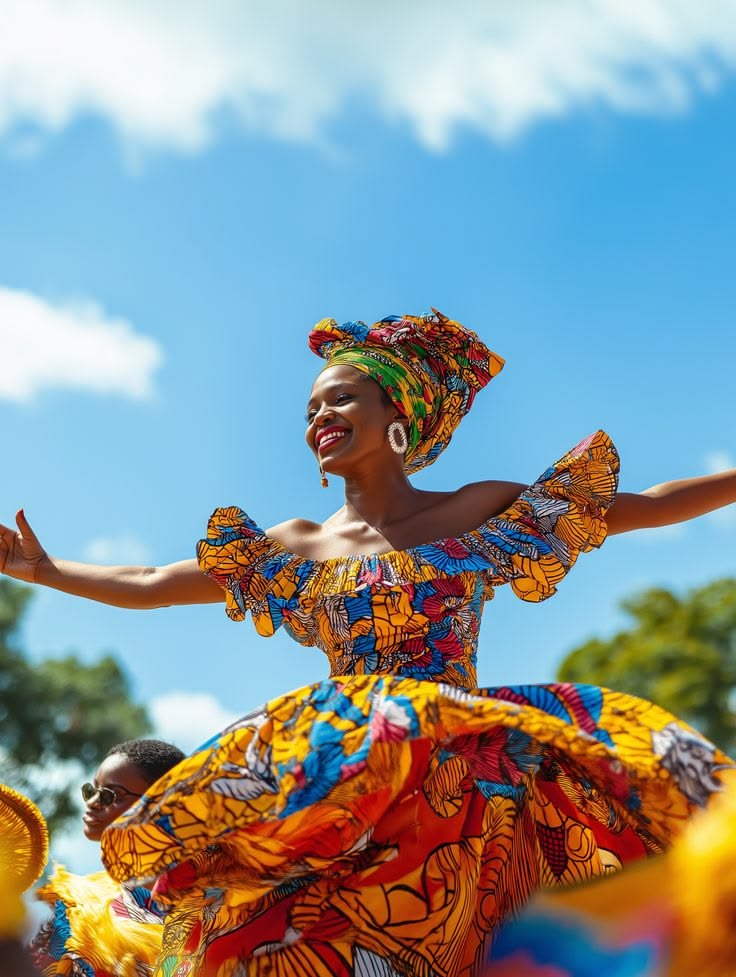
Brightly coloured skirts move through the streets with a rhythm that feels intentional, almost archival. Headwraps are tied not just for beauty, but for continuity. Beads, fabrics, and silhouettes hold meaning that extends far beyond aesthetics. What appears, at first glance, as a vibrant dress is in fact something deeper—a living system of memory.

Palenque is often described as the first free African town in the Americas, founded by formerly enslaved Africans who built a self-governing community outside colonial control. That history is not only preserved in language, music, or oral tradition. It is embedded in how people dress.

Afro-Colombian dress in Palenque is not about trends. It is about logic. A cultural logic that explains why certain forms endure, why certain colours repeat, and why clothing continues to function as a visible declaration of identity.

Discover the cultural meaning behind Afro-Colombian dress in San Basilio de Palenque and how clothing preserves identity, history, and resistance

Dress as Historical Continuity
Dress as Historical Continuity

The origins of the Palenque style cannot be separated from displacement.

Enslaved Africans brought to Colombia carried fragments of their cultures: textiles, adornment practices, and ways of dressing that had to adapt under constraint. Over time, these fragments were not lost. They were reorganised.

In Palenque, dress became a site of preservation.

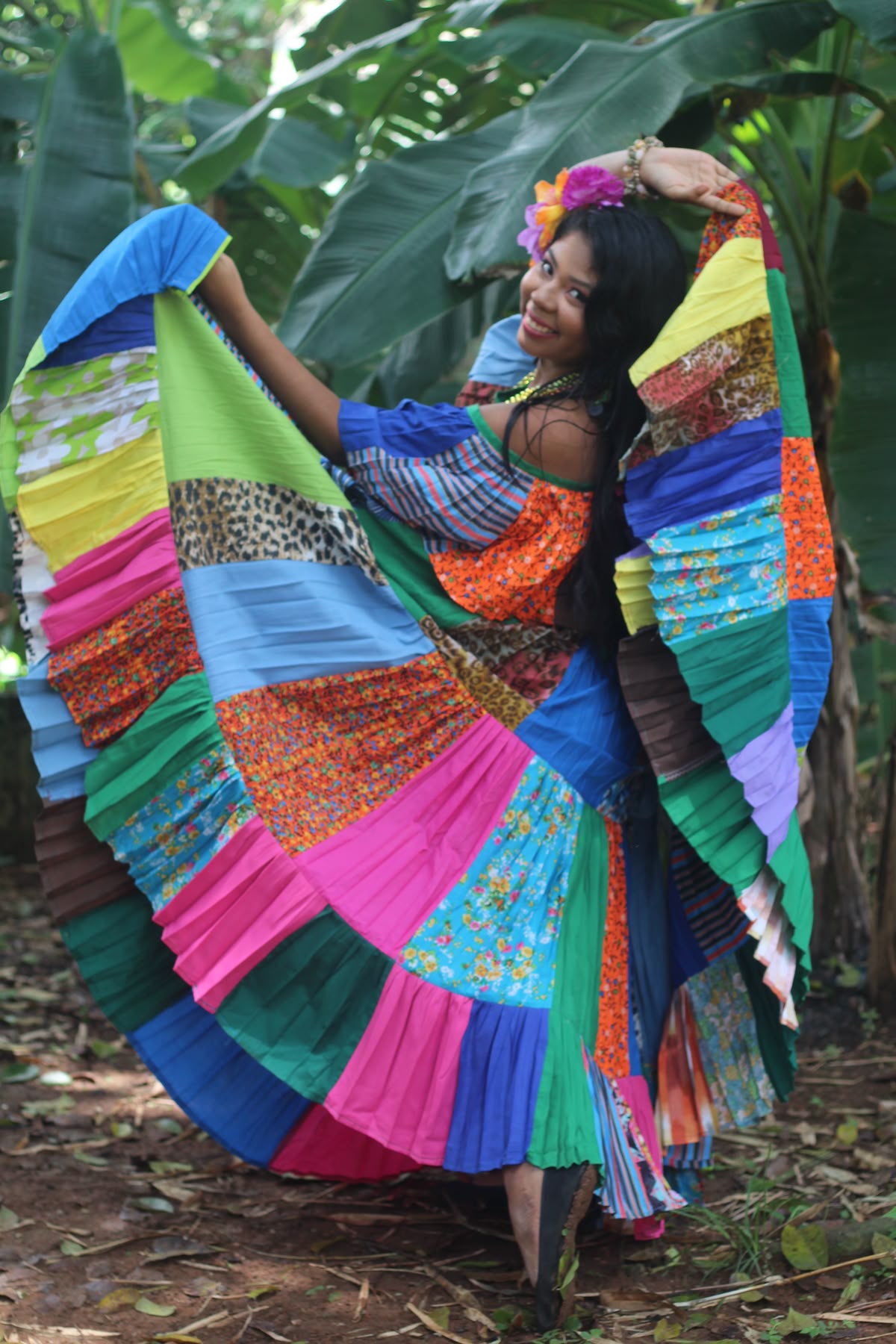
Skirts widened, allowing for movement and labour. Fabrics became lighter, suited to the climate but also to daily life. Headwraps, known across African diasporic cultures, remained central—not just as accessories, but as markers of identity and dignity.

These elements are not random. They are the result of generations refining what could be maintained, what could evolve, and what could still communicate belonging.

The Silhouette of Movement

One of the most recognisable aspects of Palenque dress is its silhouette.

Full skirts, often layered or gathered, create volume. They move easily, responding to the body rather than restricting it. Blouses are typically structured but breathable, designed for both function and presence.

This is not a fashion built for stillness.

It is designed for walking, carrying, working, and participating in community life. The body is not posed within the clothing. It is active within it.

This relationship between garment and movement reflects a broader philosophy. Clothing is not separate from life. It is integrated into it.

Colour as Language

Colour in Palenque is deliberate.

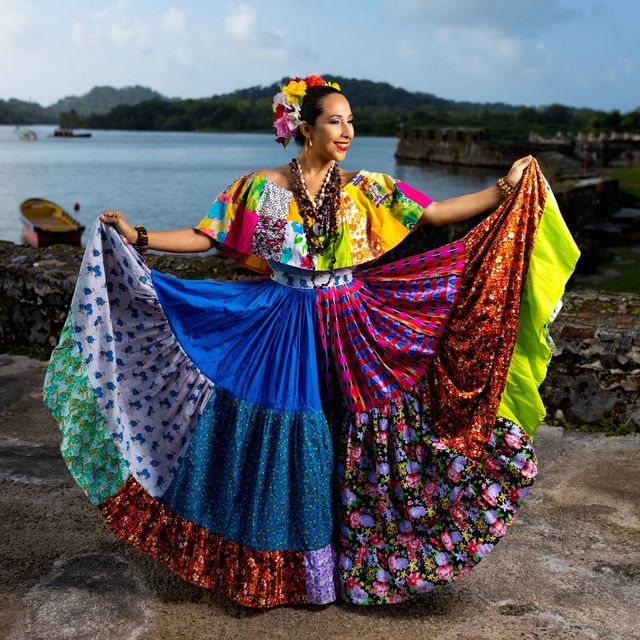
Bright reds, yellows, blues, and greens dominate. These are not neutral palettes. They are expressive, visible, and resistant to disappearance.

In many African and diasporic traditions, colour carries meaning—status, emotion, community affiliation. In Palenque, colour functions as both expression and continuity.

It resists erasure.

In a historical context where African identities were suppressed, the persistence of colour becomes significant. It signals presence. It insists on visibility.

To wear colour in this way is not simply aesthetic. It is declarative.

The Headwrap: Structure and Identity
The Headwrap: Structure and Identity

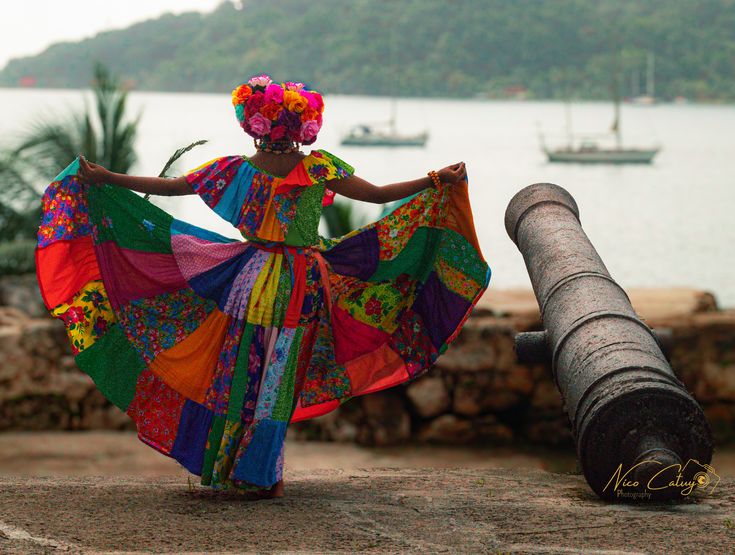
The headwrap is one of the most enduring elements of Afro-Colombian dress in Palenque.

It frames the face, balances the silhouette, and completes the look. But beyond its visual role, it carries cultural weight.

Across the African diaspora, headwrapping has been linked to identity, status, and sometimes coded communication. In Palenque, it continues as a practice that connects past and present.

The way a headwrap is tied can vary, but the act itself remains constant.

It is a gesture of continuity.

Dress and Labour

The Palenque style cannot be separated from work.

Images of Palenqueras—women carrying bowls of fruit on their heads—are widely circulated. Their dress is often described as iconic.

But the image is frequently aestheticised without context.

These garments are not costumes. They are working clothes.

The skirts allow for ease of movement. The headwrap helps balance weight. The overall structure is practical.

This intersection of beauty and function is central to understanding the dress’s cultural logic.

It is not designed for display alone.
It is designed for living.

From Community Dress to Global Image

Over time, the Palenque style has moved beyond the community.

It appears in tourism imagery, fashion editorials, and global representations of Afro-Colombian culture. The visual elements—colour, silhouette, and headwrap are often highlighted.

But as visibility increases, so does the risk of simplification.

When a dress is removed from its context, it can be reduced to an aesthetic. The cultural logic behind it becomes less visible.

This creates tension.

How does a community maintain ownership of its visual identity while being represented globally?

READ ALSO:

  • Colombian Designers Bringing Pacific Coast Heritage to the Global Stage
  • Cumbia Dress and the Colombian Dance Tradition That Built One of the Region’s Most Recognisable Silhouettes

Misreading the Aesthetic

One of the challenges Palenque dress faces is misinterpretation.

From the outside, it is often read as festive, exotic, or purely decorative. These interpretations flatten its meaning.

They overlook the historical, functional, and cultural layers embedded within the clothing.

To understand the Palenque style requires a shift in perspective.

It is not about asking how it looks.
It is about asking why it exists in this form.

Continuity in a Changing World
Continuity in a Changing World

Despite global attention and changing social dynamics, Palenque dress has endured.

It has adapted, but it has not disappeared.

Younger generations continue to engage with these forms, sometimes modifying them, sometimes preserving them more directly. The balance between change and continuity is ongoing.

What remains consistent is the underlying logic.

Dress as identity.
Dress as memory.
Dress as a presence.

What Palenque Style Teaches Fashion

In a global fashion system driven by cycles, novelty, and rapid change, Palenque offers a different model.

One where clothing is not constantly reinvented for the sake of newness, but sustained through meaning.

It challenges the idea that fashion must always move forward to remain relevant.

Instead, it suggests that relevance can also come from continuity.

From holding onto forms that still serve, still communicate, still belong.

Conclusion

The Palenque style is not just a visual tradition.

It is a system.

One that connects history to the present, function to form, and identity to visibility. It operates with a logic that is often overlooked, but deeply intentional.

To see it fully is to move beyond surface interpretation.

To understand that what is being worn is not simply clothing but culture in motion.

Frequently Asked Questions (FAQs)

  • Where is San Basilio de Palenque located?

It is a town in Colombia known as the first free African settlement in the Americas.

  • What defines the Palenque style?

Bright colours, full skirts, structured blouses, and headwraps, all rooted in cultural and historical significance.

  • Why are headwraps important in Afro-Colombian dress?

They serve as markers of identity, continuity, and cultural connection.

  • Is Palenque dress traditional or modern?

It is both. It preserves historical elements while adapting to contemporary life.

  • Why is the Palenque style significant?

It represents resilience, cultural preservation, and the ongoing presence of African heritage in the Americas.

Post Views: 98
Related Topics
  • Afro diaspora fashion
  • Black cultural heritage
  • Latin American cultural fashion
  • traditional cultural clothing
Avatar photo
Ayomidoyin Olufemi

ayomidoyinolufemi@gmail.com

You May Also Like
The Afro Carib Fashion Show: Two Women, One Runway, and the Diaspora Platform Nobody Else Is Building
View Post
  • Caribbean Diaspora

The Afro Carib Fashion Show: Two Women, One Runway, and the Diaspora Platform Nobody Else Is Building

  • Ayomidoyin Olufemi
  • June 8, 2026
View Post
  • Caribbean Diaspora

Grace Wales Bonner: The Jamaican-British Designer Making History at Hermès

  • Adams Moses
  • June 8, 2026
Gaga, Palos, and Festival Dress: How Afro-Dominican Cultural Arts Build Identity Through Cloth
View Post
  • Caribbean Diaspora

Gaga, Palos, and Festival Dress: How Afro-Dominican Cultural Arts Build Identity Through Cloth

  • Fathia Olasupo
  • June 3, 2026
Rumba, Son, and Sacred Ceremony: How Afro-Cuban Performance Arts Produce Dress
View Post
  • Caribbean Diaspora

Rumba, Son, and Sacred Ceremony: How Afro-Cuban Performance Arts Produce Dress

  • Fathia Olasupo
  • June 2, 2026
Steelband, Calypso, and Cloth: How Trinidad’s Performance Arts Produce Dress Culture
View Post
  • Caribbean Diaspora

Steelband, Calypso, and Cloth: How Trinidad’s Performance Arts Produce Dress Culture

  • Fathia Olasupo
  • June 1, 2026
The Future of Haitian Fashion: Craft Networks, Diaspora Investment, and Cultural Continuity
View Post
  • Caribbean Diaspora

The Future of Haitian Fashion: Craft Networks, Diaspora Investment, and Cultural Continuity

  • Fathia Olasupo
  • May 29, 2026
Jonkonnu, Masquerade, and Dancehall: How Jamaican Performance Culture Drives Dress
View Post
  • Caribbean Diaspora

Jonkonnu, Masquerade, and Dancehall: How Jamaican Performance Culture Drives Dress

  • Fathia Olasupo
  • May 27, 2026
Stella Jean: The First Black Italian Designer Who Forced Milan to Look
View Post
  • Caribbean Diaspora

Stella Jean: The First Black Italian Designer Who Forced Milan to Look

  • Adams Moses
  • May 27, 2026

Leave a Reply Cancel reply

Your email address will not be published. Required fields are marked *

The Omiren Argument

African fashion and culture are not emerging. They are foundational. We document, interpret, and argue for the full cultural weight of African and diaspora dress. With precision. Without apology.

Omiren Styles Fashion · Culture · Identity

All 54 African Nations
Caribbean · Afro-Latin America
The Global Diaspora

Platform

  • About Omiren Styles
  • Our Vision
  • Our Mission
  • Editorial Pillars
  • Editorial Policy
  • The Omiren Collective
  • Campus Style Initiative
  • Sustainable Style
  • Social Impact & Advocacy
  • Investor Relations

Contribute

  • Write for Omiren Styles
  • Submit Creative Work
  • Join the Omiren Collective
  • Campus Initiative
Contact
contact@omirenstyles.com
Our Reach

Africa — All 54 Nations
Caribbean
Afro-Latin America
Global Diaspora

African fashion intelligence, in your inbox.

Editorial features, designer profiles, cultural commentary. No noise.

© 2026 Omiren Styles — Rex Clarke Global Ventures Limited. All rights reserved.
  • Privacy Policy
  • Editorial Policy
  • Terms of Use
  • Accessibility
Africa · Caribbean · Diaspora
The Omiren Argument

African fashion and culture are not emerging. They are foundational. We document, interpret, and argue for the full cultural weight of African and diaspora dress. With precision. Without apology.

Omiren Styles Fashion · Culture · Identity
  • About Omiren Styles
  • Our Vision
  • Our Mission
  • Editorial Pillars
  • Editorial Policy
  • The Omiren Collective
  • Campus Style Initiative
  • Sustainable Style
  • Social Impact & Advocacy
  • Investor Relations
  • Write for Omiren Styles
  • Submit Creative Work
  • Join the Omiren Collective
  • Campus Initiative
Contact contact@omirenstyles.com

All 54 African Nations · Caribbean
Afro-Latin America · Global Diaspora

African fashion intelligence, in your inbox.

Editorial features, designer profiles, cultural commentary. No noise.

© 2026 Omiren Styles
Rex Clarke Global Ventures Limited.
All rights reserved.

  • Privacy Policy
  • Editorial Policy
  • Terms of Use
  • Accessibility
Africa · Caribbean · Diaspora

Input your search keywords and press Enter.