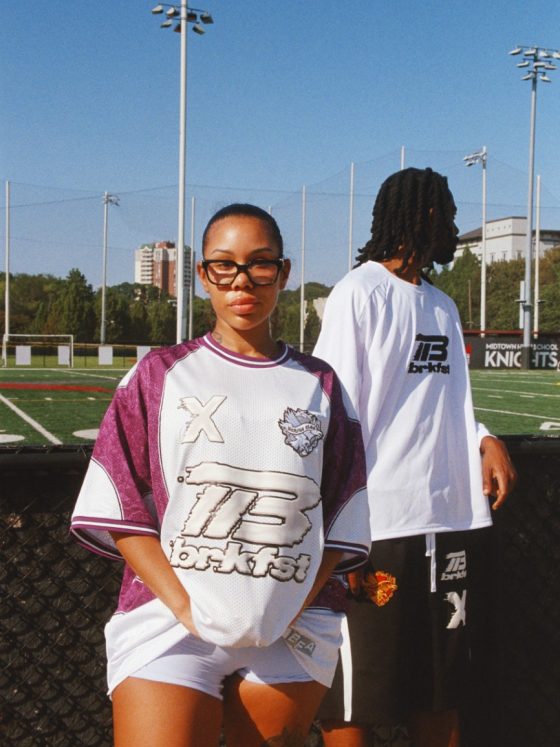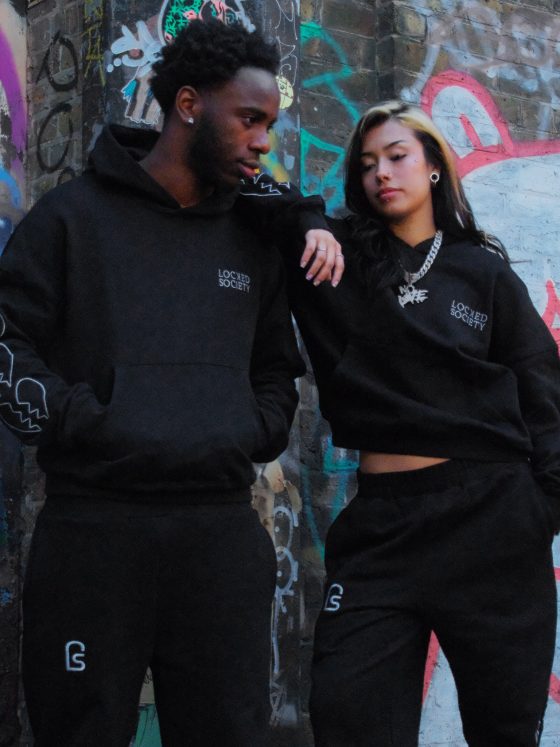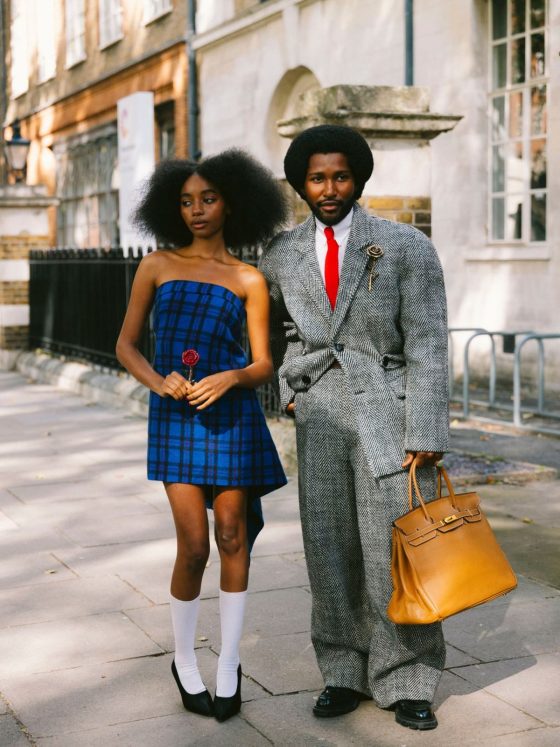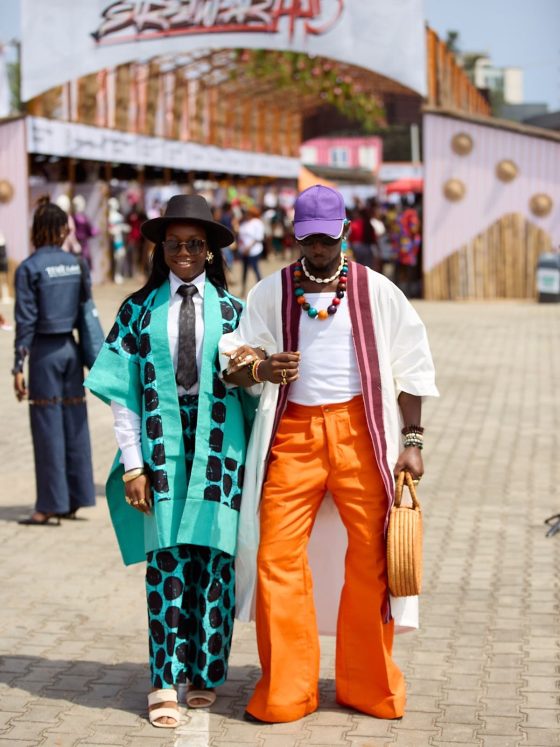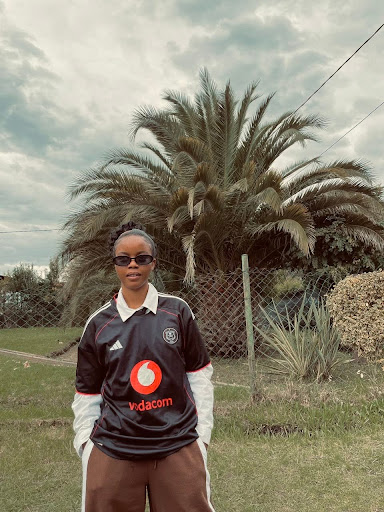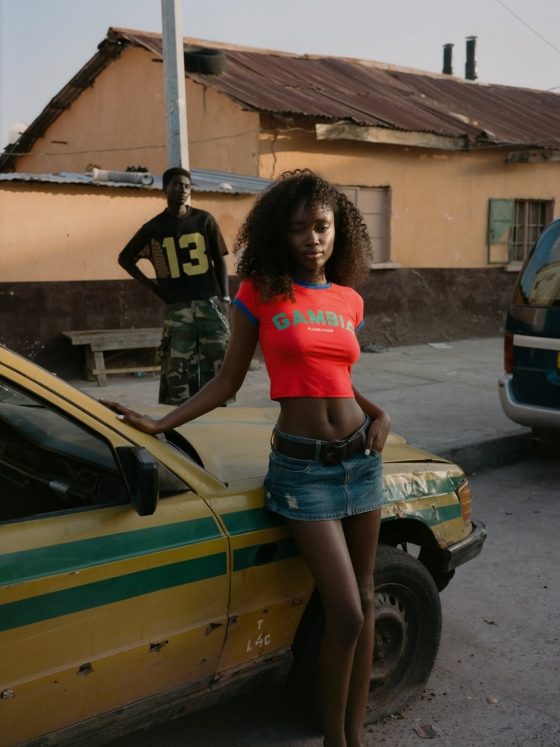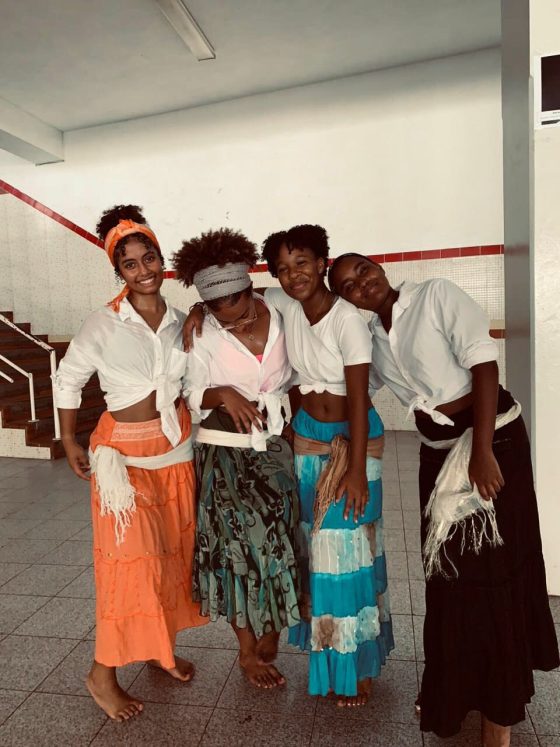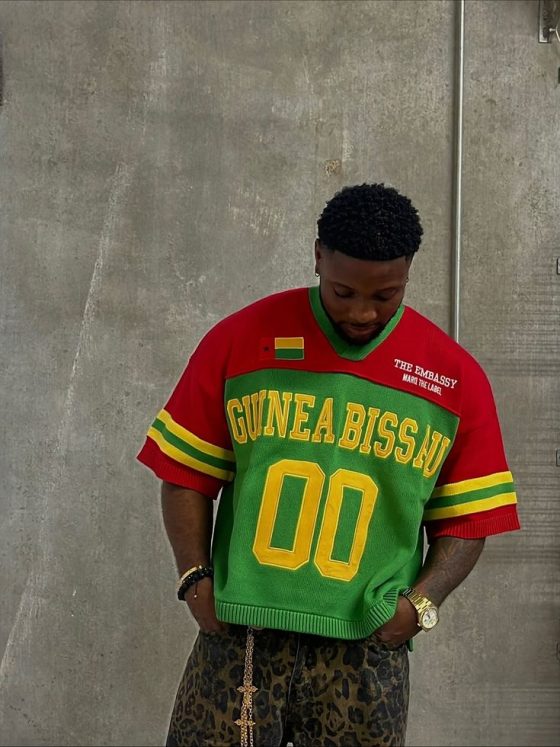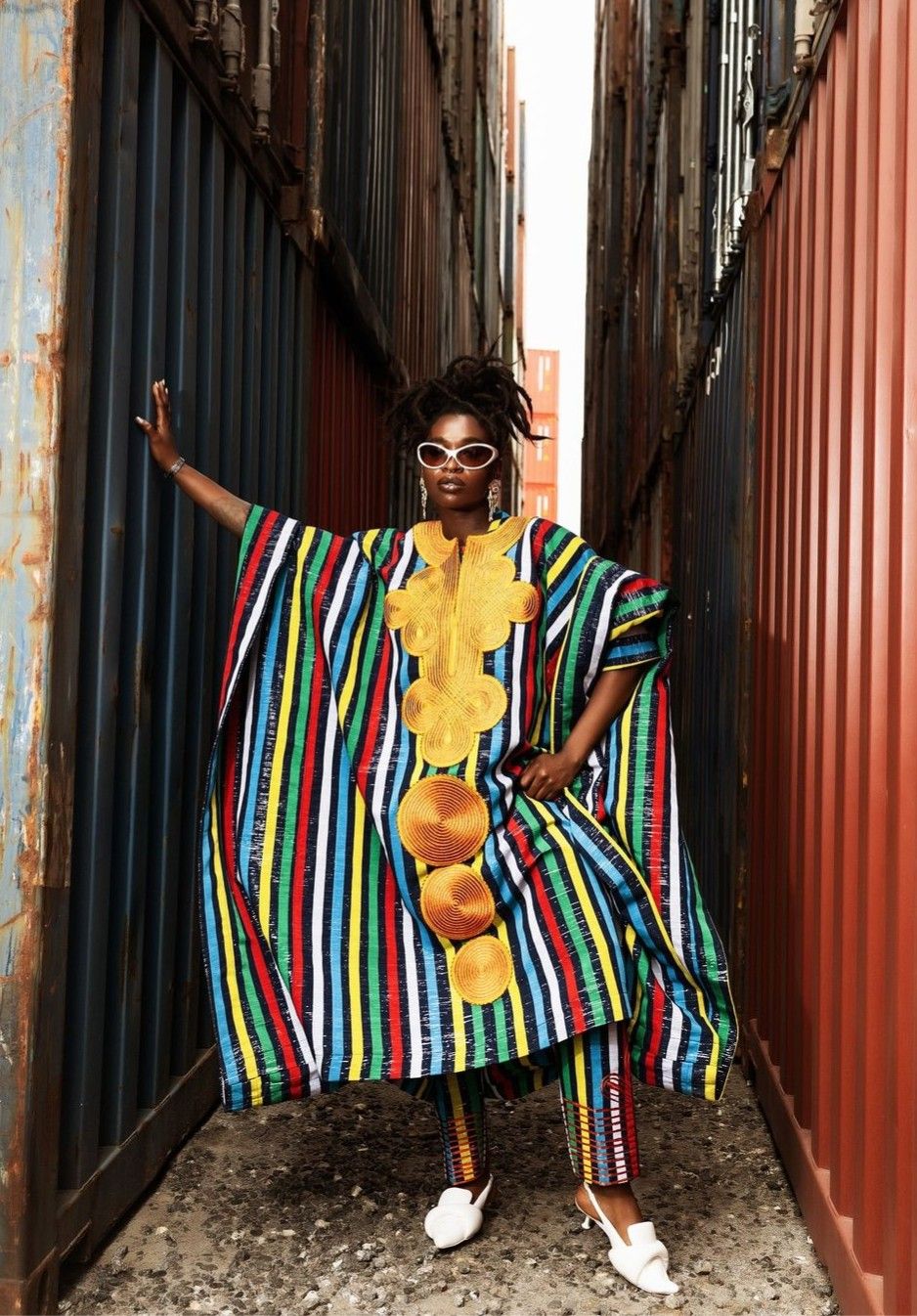
The rise of urban fashion in Côte d’Ivoire is most visible in Abidjan, where young people are deliberately shaping a distinct streetwear culture. Rather than copying global trends, Abidjan youth actively fuse local tailoring traditions, wax print elements, and second-hand finds to create looks that reflect their realities and ambitions.
In neighbourhoods like Plateau, Treichville, and Yopougon, limited budgets and skilled local tailors drive creative adaptation. This has produced a confident urban style that feels both contemporary and deeply Ivorian.
This isn’t an imitation of elsewhere, either. It is a homegrown response to the social and economic conditions of living in one of West Africa’s most dynamic cities.
The rise of urban fashion in Côte d’Ivoire is evident in Abidjan’s streetwear culture. Youth style, thrift markets, and neighbourhood identity shape it.
The Neighbourhoods Shaping Abidjan Streetwear
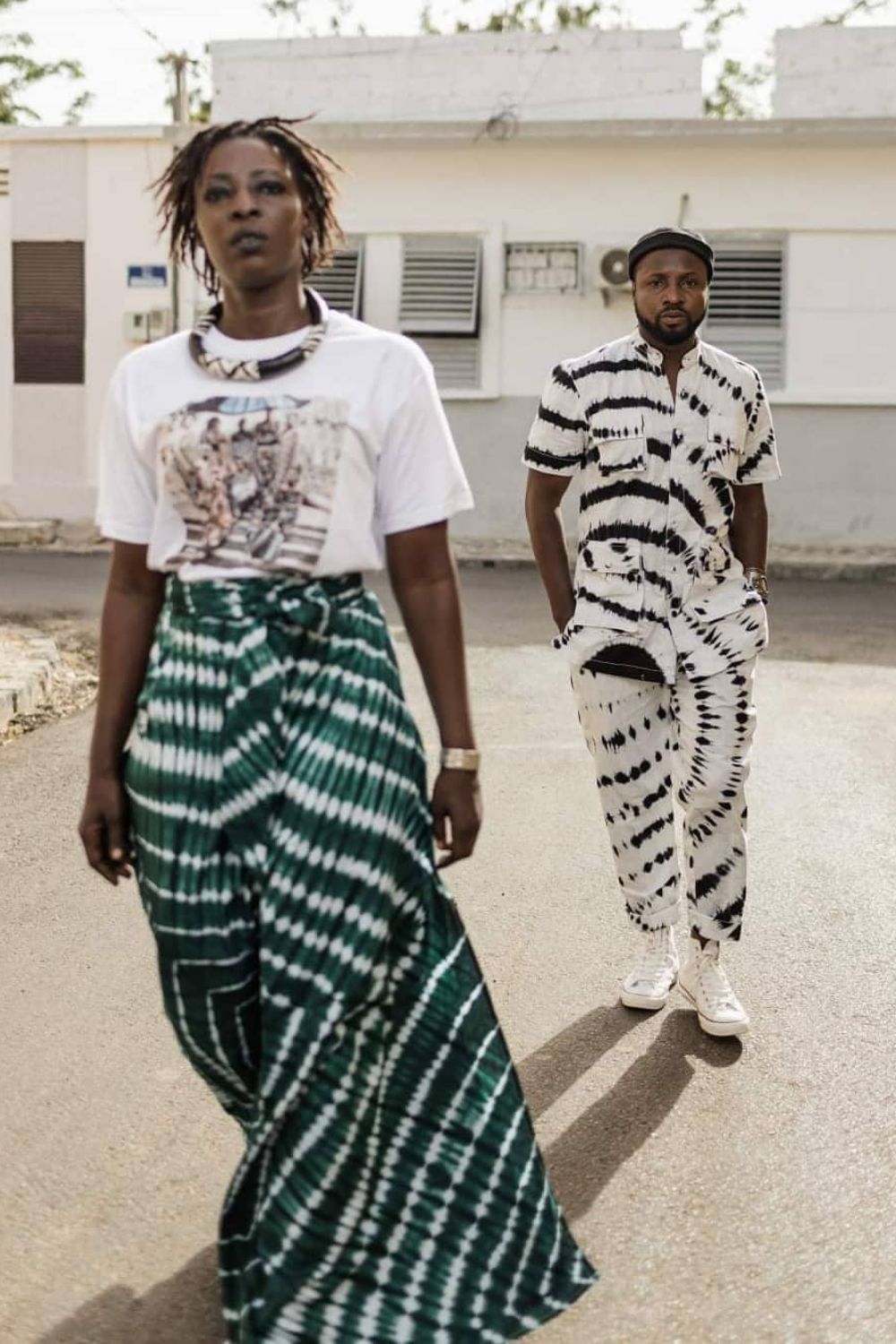
Across Abidjan, the rise of urban fashion in Côte d’Ivoire is evident in how dress shifts from one neighbourhood to another. Daily routines and the spaces they move through shape these young people.
In Cocody, Abidjan, youth fashion often reflects student life and quieter residential streets, where dressing is neat and considered. Plateau Abidjan style follows the rhythm of offices, traffic, and constant movement, so clothing tends to balance structure with ease.
Treichville street style, on the other hand, is shaped by markets, street music, and constant activity, in which dressing becomes more direct and expressive.
Across these Abidjan fashion neighbourhoods, Abidjan streetwear culture is not separate from daily life.
Instead, modern Ivorian streetwear develops directly from these environments. It takes shape through the social and physical conditions of each part of the city rather than from a single outside influence.
Music, Media, and the Rise of Urban Fashion in Côte d’Ivoire
The rise of urban fashion in Côte d’Ivoire is closely tied to how music moves through Abidjan’s streets, not just how it is heard.
In Abidjan streetwear culture, coupé-décalé and Ivorian rap do more than set a soundtrack. They shape how young people understand presence, confidence, and visibility in public space.
Clothing becomes part of performance, especially in nightlife settings where dressing is treated as part of how you are seen and remembered. In Abidjan, youth fashion and style choices often follow what circulates in music videos and online clips.
A jacket style, a fitted trouser cut, or a branded sneaker can spread quickly through neighbourhoods after being seen on performers. In Plateau Abidjan style, these influences often appear in more controlled, structured outfits associated with work and urban movement.
Treichville street style tends to absorb them in louder, more expressive ways, shaped by music and street gatherings.
Across modern Ivorian streetwear, media doesn’t replace local taste, but interacts with it. Ivorian urban fashion in Abidjan grows through this constant exchange between performance culture and everyday street visibility.
The Rise of Urban Fashion in Côte d’Ivoire and the Economics of Streetwear
Economic conditions strongly influence the rise of urban fashion in Côte d’Ivoire. Most young people in Abidjan work with limited budgets, which pushes them to develop creative solutions using the city’s large frip markets and skilled local tailors.
They buy second-hand items and have them altered or combined with custom-made pieces to achieve the desired look. This reality has shaped Abidjan streetwear culture to value ingenuity and resourcefulness.
Youth in areas such as Yopougon and Treichville often master the art of mixing high-quality tailored garments with affordable global pieces. The economic constraint doesn’t limit creativity. Instead, it forces a sharper and more distinctive personal style.
Through these practical adaptations, Abidjan youth demonstrate that the rise of urban fashion in Côte d’Ivoire is closely tied to concrete economic conditions rather than distant trends.
Also Read:
- Wax Prints and Beyond: Fabrics Defining Ivorian Fashion
- Traditional Fashion in Côte d’Ivoire: Culture, Colour, and Identity
- Abidjan After Dark: How the Ivory Coast’s Night Economy Produces Its Most Honest Fashion Moments
- Abidjan Ascendant: Inside Ivory Coast’s Quiet Fashion Renaissance
Status Aspiration and Personal Branding Through Style
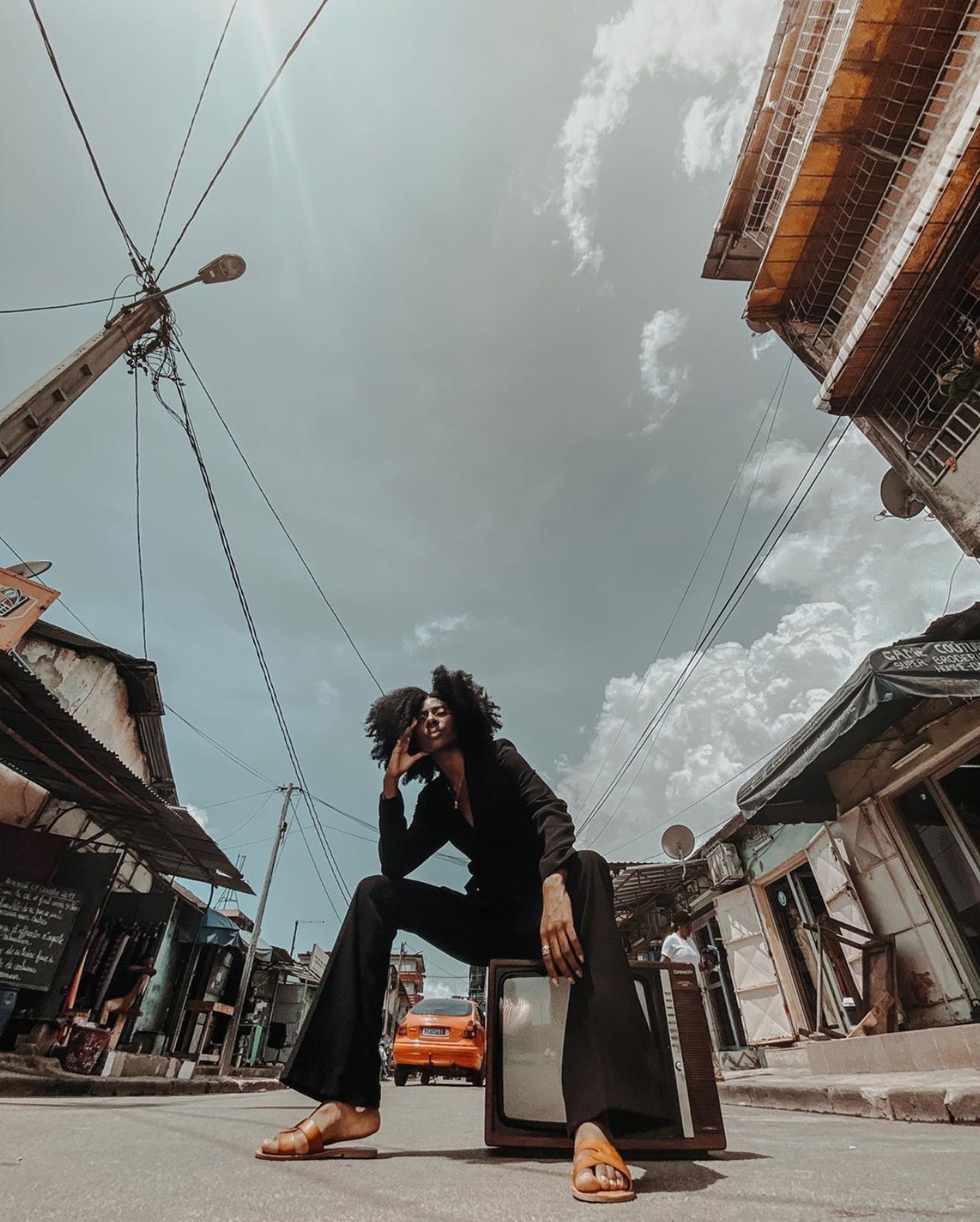
Young people in Abidjan use clothing as a strategic tool for status and aspiration within the rise of urban fashion in Côte d’Ivoire.
In a highly competitive city, the right combination of tailored pieces, branded sneakers, and carefully chosen accessories helps youth signal ambition, success, and social mobility to their peers and community.
This practice is especially evident in nightlife and social gatherings, where Abidjan youth fashion serves as a form of personal branding. A well-styled outfit can communicate that someone is “serious,” connected, or rising.
Many young Ivorians invest significant effort and limited resources into creating looks that project confidence and future potential.
Through these deliberate choices, Abidjan streetwear culture enables youth to construct their public identity actively. Clothing becomes more than fashion. It serves as visual proof of aspiration and social positioning in a dynamic urban environment.
The Omiren Argument
The rise of Urban fashion in Côte d’Ivoire isn’t driven primarily by global fashion influence. It’s driven by local urban systems in Abidjan that already determine how style is produced, circulated, and judged.
Abidjan streetwear culture is often framed as imitation. Still, this reading fails to account for the extent to which neighbourhood structure, informal markets, and tailoring economies control what young people can actually wear.
Abidjan youth fashion is shaped less by trend adoption than by constraints and adaptation within neighbourhoods such as Treichville, Cocody, Plateau, and Yopougon. These environments produce different visual expectations that override any single external influence.
In this sense, modern Ivorian streetwear is not an imported aesthetic that has been localised, but a locally governed system that selectively absorbs outside references without being defined by them.
Ivorian urban fashion in Abidjan, therefore, challenges the assumption that fashion flows from global centres to African cities. Instead, it argues that meaning, style, logic, and visibility are already being produced within the city itself.
Frequently Asked Questions
- What is the 3-3-3 rule in fashion?
The 3-3-3 rule in fashion is a minimalist capsule wardrobe approach where a person selects three tops, three bottoms, and three pairs of shoes.
These nine items are then mixed and matched to create multiple outfit combinations. This makes dressing simpler, more intentional, and easier to manage, especially for travel or reducing wardrobe clutter.
- What is the traditional clothing of the Ivory Coast?
The traditional clothing of Côte d’Ivoire varies across ethnic groups, but common garments include the pagne. It is a brightly coloured, wrapped cloth worn as a skirt, dress, or headwrap. Then the boubou, a loose, flowing robe worn by both men and women.
In some communities, handwoven textiles such as Korhogo cloth are also significant and often feature symbolic patterns used in cultural ceremonies, festivals, and important life events.
- What is Côte d’Ivoire most known for?
Côte d’Ivoire is best known as the world’s largest producer of cocoa, as well as for its strong agricultural exports, including coffee and palm oil. It is also recognised for its vibrant music scenes, such as coupé-décalé and zouglou.
Then, its influence in West African football and its role as an economic hub in the region, particularly through the city of Abidjan.
- What are the big 4 in fashion?
The Big Four in fashion refer to the four major global fashion capitals: New York, London, Milan, and Paris.
These cities are central to the international fashion industry because they host the most influential fashion weeks. They are also home to many of the world’s leading designers and luxury brands.
- Which city is considered the fashion capital?
The city most commonly considered the fashion capital of the world is Paris. This is due to its long-standing history with haute couture, its concentration of luxury fashion houses, and its continued influence on global fashion trends.
New York, Milan, and London also hold significant influence in different aspects of the industry.