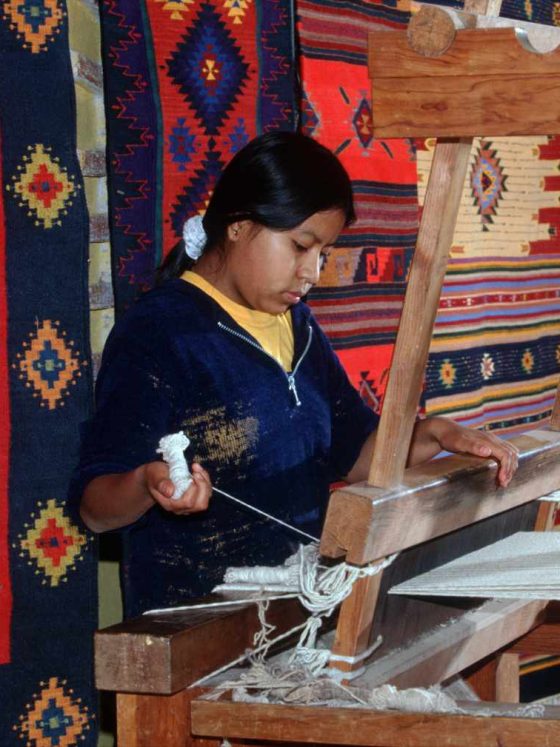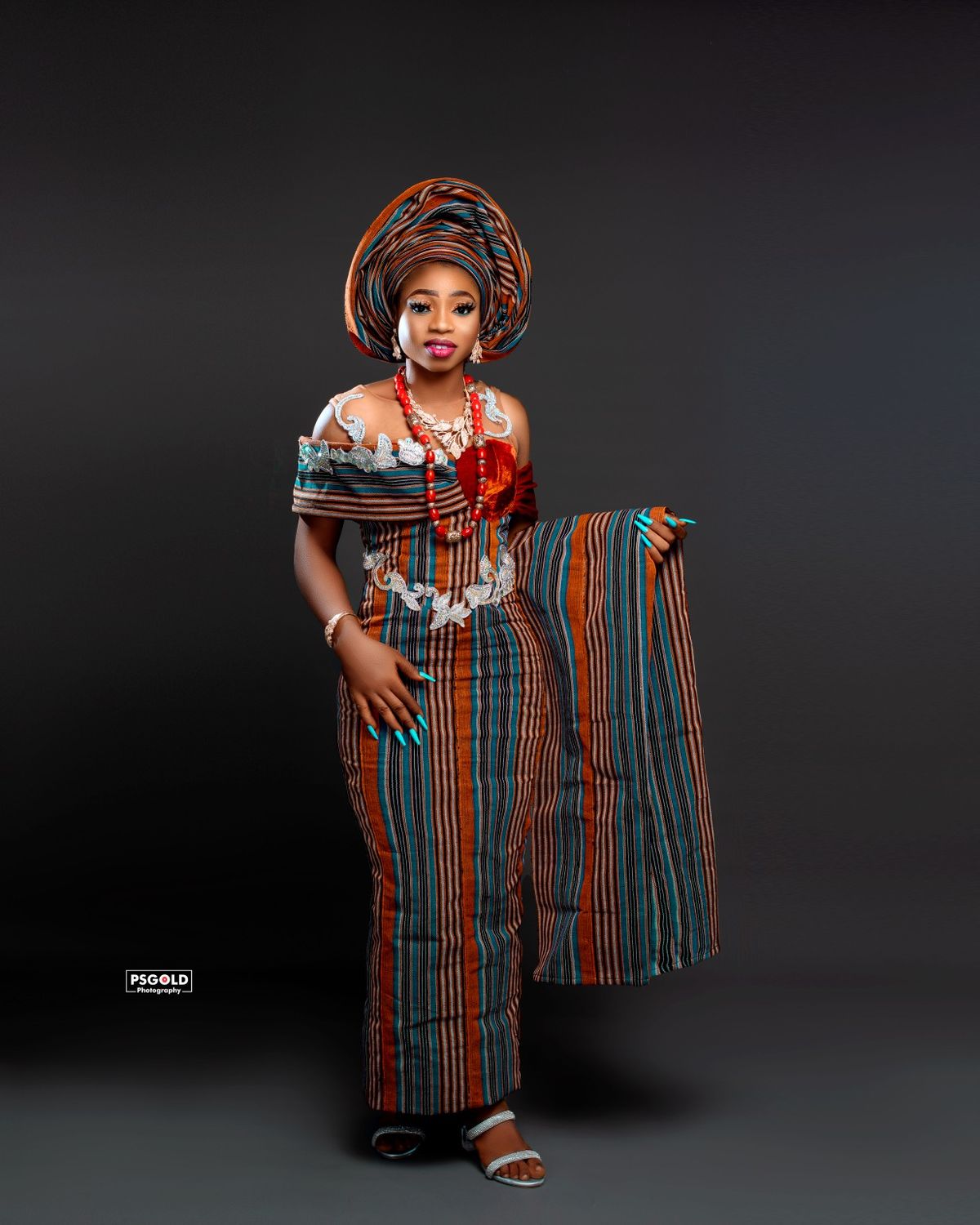
Shafii Abdulkareem has been weaving on Okelele Street in Ilorin East, Kwara State, for his entire working life. He weaves with the speed and precision of someone for whom the shuttle is an extension of his hands. Before the removal of fuel subsidy in June 2023, he collected between fifteen and twenty ipele, the shawls that are among aso-oke’s most demanded pieces, to weave per order at six thousand naira each. That income was, in his own words, well managed and satisfactory for his household. After the subsidy removal, the naira depreciation that followed and the inflation it triggered pushed the cost of food, transport, and raw materials to levels that broke the arithmetic of his trade. The income from the same number of pieces covers less. The cost of producing them has risen. The gap between what weaving earns and what living costs is the crisis, and it is happening in the same moment that aso-oke is appearing on London runways, in Paris showrooms, and in international media coverage generated by Meghan Markle wearing a wrapper and shoulder shawl in Lagos.
This is the aso-oke weaver crisis. It is not a lack of global demand. Demand is rising. It is not a lack of cultural recognition. Recognition is at its highest point in a generation. The crisis is structural: the weavers who produce the cloth generating international attention and commercial interest in Nigerian fashion are operating in an economic environment that actively undermines their survival as artisans. The fashion industry, which benefits from aso-oke’s cultural value, has not meaningfully engaged with the conditions under which that value is produced.
Aso-Oke is on the runways in London and Paris. In Iseyin, the weavers who make it cannot cover raw material costs after the fuel subsidy was removed. Here is what the gap looks like from inside.
Aso-Oke Weaver Crisis: The Economic Conditions in Iseyin and Ilorin

Iseyin, a town in Oyo State approximately 200 kilometres from Lagos, is acknowledged as the historic home of aso-oke production. Ilorin in Kwara State is the second major weaving centre. In both cities, the weaving economy is structured the same way: master weavers operate narrow-band wooden looms in workshops, sheds, and home yards, producing narrow strips that are stitched together into finished cloth. The industry employs over 100,000 people, directly and indirectly, across Nigeria, including weavers, designers, and traders, according to BusinessDay Nigeria’s market analysis. The market for aso-oke in Nigeria was estimated at approximately $20 million in 2022, with exports contributing to that figure through the Yoruba diaspora in the United States, the United Kingdom, and Brazil.
The inflation crisis documented by Tribune Online in May 2025 is not a temporary disruption. It is the compounded effect of multiple structural shocks. The removal of fuel subsidy in June 2023 raised transport costs throughout the supply chain. The naira’s depreciation, which has run at over 60% against the dollar since 2023, raised the cost of imported yarn. The majority of the loom-ready threads that Iseyin and Ilorin weavers now use are imported from China, a dependency that developed because local cotton thread production in Nigeria could not meet the volume or colour range that weavers needed. The thread is Chinese. The loom is wooden and locally made. The technique is a centuries-old Yoruba craft knowledge. The economics of that combination are broken: the input costs that weavers cannot control have risen sharply, while the cloth’s retail price has not kept pace.
In Iseyin, AFP photographer Toyin Adedokun documented the weaving conditions on 17 March 2026: weavers working under trees, in makeshift sheds, and in narrow alleys. The working environment has not changed in a generation. The international attention the cloth has attracted has not led to investment in production infrastructure. Kareem Adeola, 35, weaving a yellow-and-olive piece at Ajumose weaving workshop, told reporters the craft was inherited from his forefathers. Waliu Fransisco, 34, left a career at a Lagos nightclub a decade ago to learn aso-oke weaving in Iseyin and now earns a living from it. Young people, including university graduates, are entering the trade because it provides income when formal employment does not. The craft is not dying from disinterest. It is being strangled by cost.
The Chinese Threat: A Crisis Within the Crisis
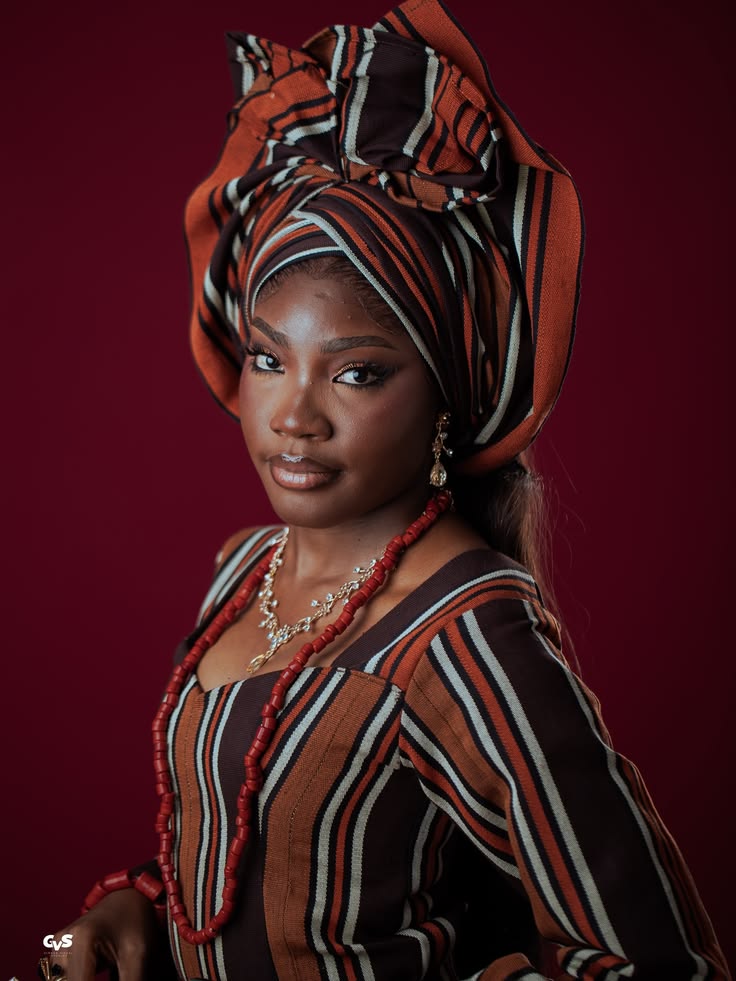
The inflation crisis is one layer of pressure. The second is structural and has been building for longer. Nigerian textile industry reports dating as far back as 2012 document aso-oke weavers staging a demonstration rally in Lagos to alert the government to the influx of Chinese-made aso-oke into the Nigerian market. The Oluwakunmi Nigeria Weaving Association secretary, Mukaila Agbojulogun, identified the core problem then, as it remains now: fluctuations in imported material prices and scarcity of specific yarns, including red silk, which went unavailable for months. Chinese-made aso-oke, machine-produced and significantly cheaper than the handwoven original, has taken market share from Ilorin and Iseyin weavers in Lagos retail markets. The same pattern of Chinese competitive displacement that destroyed the profitability of Ankara’s local African producers has been at work in aso-oke, the difference being that aso-oke is a genuinely Nigerian handwoven tradition rather than an adopted industrial cloth.
The cultural counterargument that machine-made aso-oke loses the texture, strength, and visual depth of the handwoven original is correct and is consistently made by weavers in both cities. Kareem Adeola’s statement that it is meant by God to be handwoven is not romanticism. It reflects a genuine quality differential that experienced consumers can identify by touch. The problem is that price pressure in the lower- and middle-market segments pushes buyers toward machine-made alternatives, even when they understand the quality difference. Chinese-made aso-oke, priced at a fraction of the Ilorin equivalent, is finding a market among buyers who want the cloth’s visual identity without the cultural premium its handwoven production commands.
Ayomitide Okungbaye, the 31-year-old creative director of Lagos-based Tide Chen, who has exhibited aso-oke designs in London, framed the cultural ownership dimension with precision. There is nothing wrong with your culture being worn by other people. We start to have a problem when there is misappropriation or when people claim ownership. Chinese-made aso-oke does not yet claim ownership. But it reproduces the visual identity of a handwoven Yoruba tradition through machine production and imported labour, without contributing to the Iseyin and Ilorin communities whose knowledge and craft produced the original.
The cloth is on a London runway. The man who wove it cannot afford the thread. That is the crisis. It is structural and deliberate, and the fashion industry has not addressed it.
What the Fashion Industry Is Doing and What It Is Not
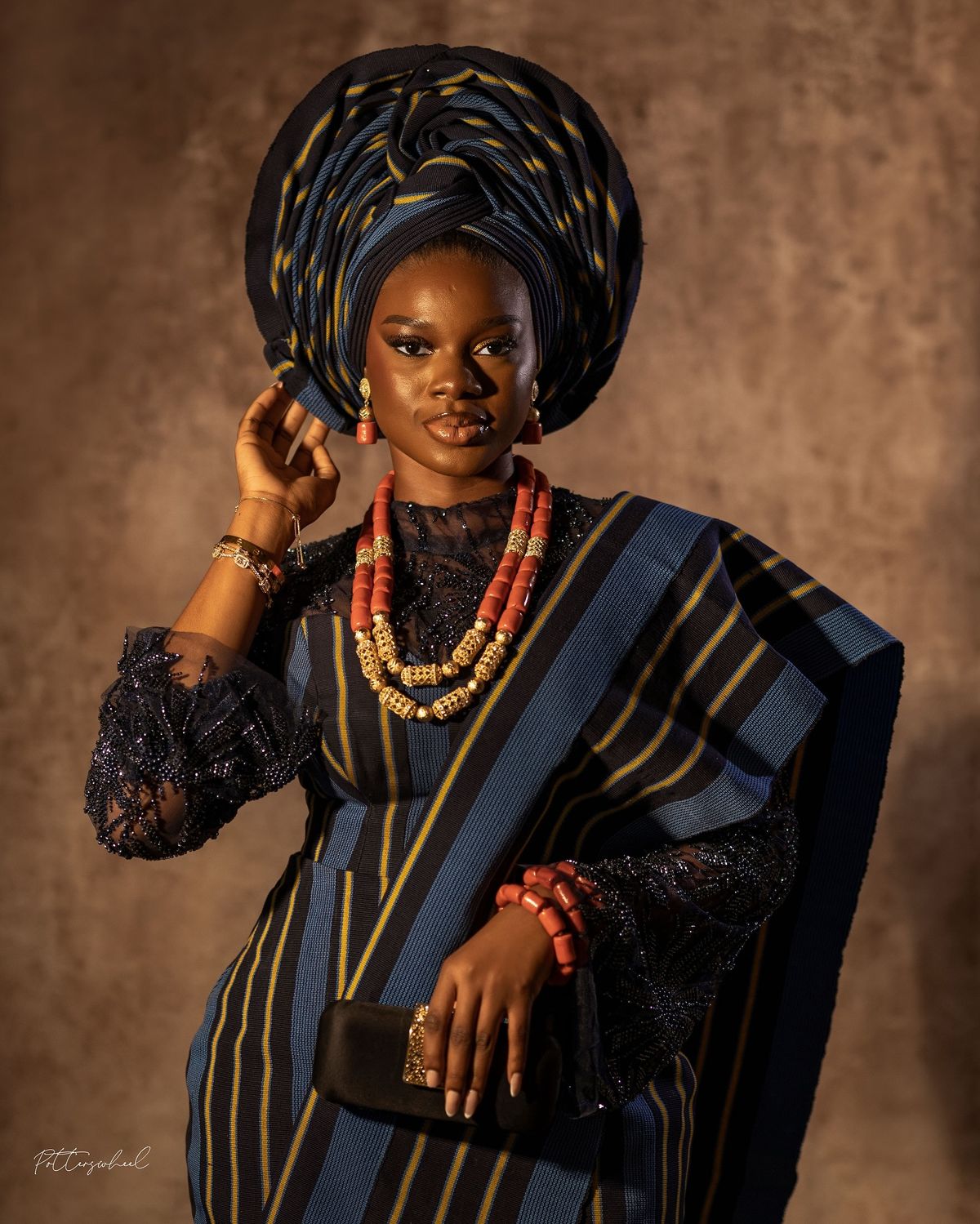
Kenneth Ize’s relationship with his Ilorin weavers is the most documented example of a designer building supply chain responsibility into the commercial architecture of an aso-oke label. As Omiren Styles documented in its Kenneth Ize profile, Ize works directly with a core team of women artisan weavers in Ilorin, has built a production centre and training facility there, and describes the weavers not as a supply chain but as co-creators whose technical decisions shape the final garment. His stated ambition to bring aso-oke weaving into the Nigerian school curriculum represents the most comprehensive publicly documented designer-led investment in the weaving community’s future. The Berlin Contemporary prize support that enabled the AW26 collection, and the model of institutional funding that absorbs the cost of international market access, are what allow a brand built on artisanal production to participate in European fashion circuits without passing the cost burden to the weavers.
The broader fashion industry’s engagement with aso-oke is less structured. Aso-oke appears in designer studios across Lagos, on runways in London and Paris, and in accessories from shoes to bags and purses. The weavers in Iseyin and Ilorin who produced the cloth that reaches those markets are not part of the supply chain relationships that generate revenue from those appearances. They sell their cloth to traders or directly to the designers who commission it. The price they receive is determined by the market rate for handwoven strips, not by the value added when a Lagos designer transforms them into a garment sold in London. The premium that Afrocentric design generates in international markets does not flow back to Iseyin.
The GI framework that Ghana applied to Kente in September 2025 provides the most relevant model for what aso-oke needs next. A GI designation for aso-oke would establish legally that only handwoven cloth produced in the recognised Yoruba weaving communities, primarily Iseyin and Ilorin, can be sold internationally as aso-oke. Machine-made Chinese versions would be legally distinguishable from the certified original. Premium pricing for certified handwoven cloth would become enforceable rather than merely assertable. The BusinessDay Nigeria analysis notes that with proper branding and marketing, aso-oke exports could grow by 10% annually. That growth projection depends on the legal infrastructure to differentiate premium handwoven cloth from machine-made alternatives, existing before the Chinese producers capture enough market share to make the distinction commercially irrelevant.
Also Read:
- Who Actually Owns Ankara: The Legal and Cultural Argument the Fashion Industry Has Been Avoiding
- Kenneth Ize and the Aso-Oke Question: What It Means to Build a Luxury Brand on a Handwoven Cloth
- Investing in Textile Heritage: The Business Case for Preserving What Western Fast Fashion Cannot Copy
- What African Fashion Brands Get Wrong About Scaling — and the Three That Got It Right
What Survival Looks Like in Iseyin Right Now
The weavers who have survived the combination of inflation, Chinese competition, and instability in raw material costs have done so through adaptation. Weavers in Iseyin now engage graphic artists to develop new designs, introducing contemporary motifs and colour combinations that attract younger buyers while maintaining the handwoven technique. Politicians commission aso-oke with party symbols woven directly into the cloth for political rallies. This market segment has grown as Nigeria’s political culture has embraced native dress as a communication strategy. The diaspora market, particularly in the United Kingdom and the United States, provides a premium buyer segment willing to pay for certified handwoven cloth that the domestic mid-market can no longer afford.
But these adaptations are individual responses to structural problems. A weaver who engages a graphic artist to develop designs is solving a market positioning problem. A weaver whose raw material costs have risen 60% because the naira has collapsed is facing a structural economic problem that no amount of design innovation resolves. The two problems require different responses. The design innovation response is working: Iseyin weavers are producing work that is reaching international markets. The structural economic response, which requires policy intervention to reduce raw material import costs, investment in local thread production, GI protection for handwoven aso-oke, and supply chain relationships with designers that return premium margins to the weaving community, has not materialised.
The Omiren Argument
Aso-oke is experiencing the same structural paradox that defines Nigerian fashion more broadly: its cultural value is rising globally while the economic conditions of the people who produce it are deteriorating domestically. The Meghan Markle moment in 2024 generated more international coverage of aso-oke than any runway show had produced in a decade. The AFP documentation of Iseyin in March 2026 showed the conditions under which that cloth is made: wooden looms, makeshift sheds, Chinese-imported thread, weavers who cannot cover household costs from what the cloth pays them. These two images exist simultaneously. The fashion industry that benefits from the first image has not engaged seriously with the second.
The path forward requires three interventions operating simultaneously. The first is GI protection for handwoven aso-oke, modelled on Ghana’s Kente framework, that creates legal differentiation between certified handwoven cloth and machine-made alternatives. The second is investment in local yarn production in Nigeria’s north-west, where cotton is grown and where dependence on Chinese raw material imports could be reduced through targeted agricultural and industrial policy. The third is supply chain reform in how Lagos designers commission and price aso-oke, with payment structures that return a share of the garment’s international premium to the weaving community rather than capturing it entirely at the design and retail stage. None of these is simple. All of them are achievable within the timelines required by the aso-oke crisis. The clock is Shafii Abdulkareem’s arithmetic: when what the cloth earns no longer covers what living costs, the weaver leaves the loom. When enough weavers leave, the knowledge system that produces the cloth leaves with them. That is what the fashion industry cannot afford.
Frequently Asked Questions
What is aso-oke, and why is it significant to Nigerian culture?
Aso-oke, which translates roughly as “cloth from up country,” is a handwoven fabric indigenous to the Yoruba people of south-western Nigeria. Historically worn by the wealthy and ruling class on special occasions, it is produced on narrow wooden looms by artisan weavers primarily in Iseyin, Oyo State, and Ilorin, Kwara State. The narrow strips produced by a single weaver are stitched together into wider cloth used for ceremonial wear, designer garments, and accessories. It is a marker of Yoruba identity, social status, and cultural pride, and has expanded from ceremonial use to designer studios in Lagos and international runways in London and Paris.
What specific economic pressures are aso-oke weavers facing in 2025 and 2026?
Weavers in Ilorin and Iseyin face two concurrent pressures. The first is domestic inflation driven by the removal of Nigeria’s fuel subsidy in June 2023 and the subsequent naira depreciation of over 60% against the dollar, which has raised food, transport, and raw material costs beyond what weaving income covers. The second is the cost of imported yarn, primarily from China, which makes up the majority of the loom-ready thread weavers now use. As the naira loses value, the import cost of that yarn rises, compressing the margin between what weavers earn per piece and what it costs them to produce it.
How significant is the threat of Chinese competition to aso-oke weavers?
Chinese-made machine-produced aso-oke has been present in Nigerian retail markets since at least 2012, when weavers staged a demonstration rally in Lagos to alert the government to its impact. Machine-made versions are significantly cheaper than handwoven originals and have taken market share in mid- and lower-price segments. Experienced consumers can distinguish handwoven from machine-made aso-oke by touch and visual quality, but price pressure in the mass market pushes buyers toward cheaper alternatives. Without GI protection that legally distinguishes certified handwoven cloth from machine-made copies, price pressure from Chinese producers will continue to erode the market share that supports the weaving community’s livelihoods.
What is the aso-oke market worth, and what is its export potential?
The aso-oke market in Nigeria was estimated at approximately $20 million in 2022, with exports to Yoruba diaspora communities in the United States, United Kingdom, and Brazil contributing to that figure. The industry employs over 100,000 people directly and indirectly. BusinessDay Nigeria’s documented analysis projects that with proper branding and marketing, aso-oke exports could grow by 10% annually. That growth projection depends on establishing a legal distinction between premium handwoven cloth and machine-made alternatives before Chinese producers capture enough market share to render the distinction commercially irrelevant.
What policy interventions would address the aso-oke weaver crisis?
Three interventions are required. GI protection for handwoven aso-oke, modelled on Ghana’s 2025 Kente framework, would create a legal distinction between certified handwoven cloth and machine-made alternatives and enable enforcement of premium pricing in international markets. Investment in local yarn production in Nigeria’s north-west, where cotton is grown, would reduce dependence on imported yarn, making weavers structurally more resilient to naira depreciation. Supply chain reform in how Lagos designers commission and price aso-oke would return a share of the international premium margin to the weaving community rather than capturing it entirely at the design and retail stage. All three require coordinated government and industry action.
Explore More
Read the full Fashion > Textiles section for in-depth coverage of the textile traditions, economic crises, and ownership debates that define African fashion from the cloth outward.