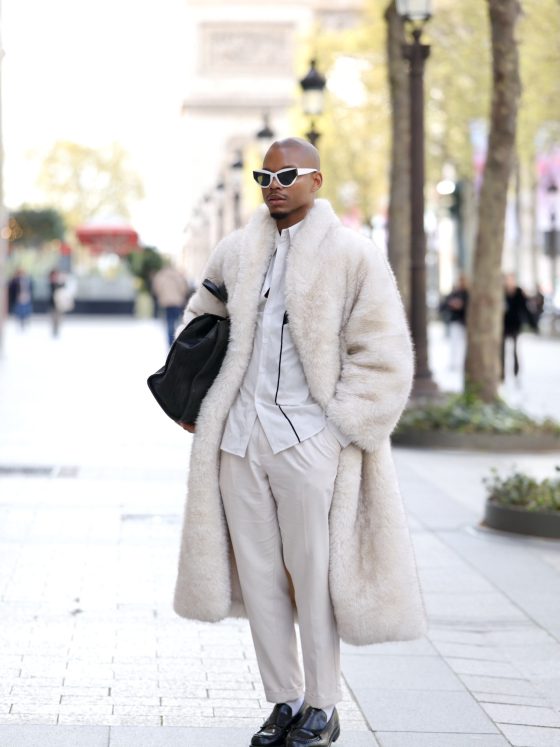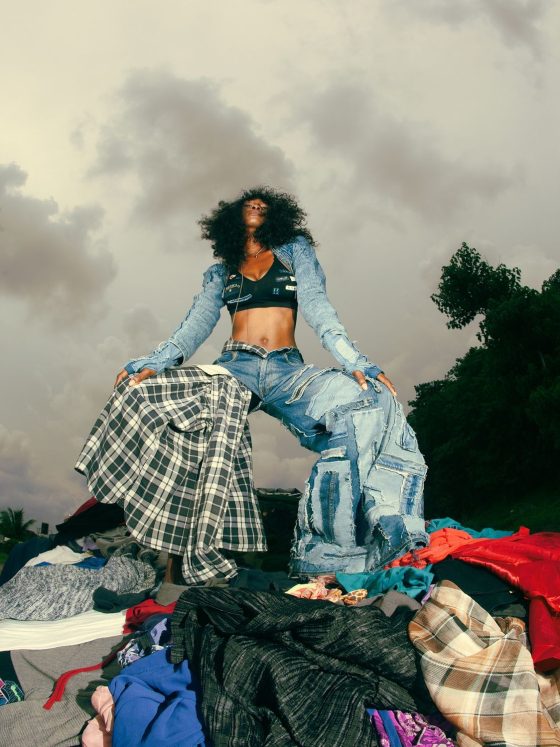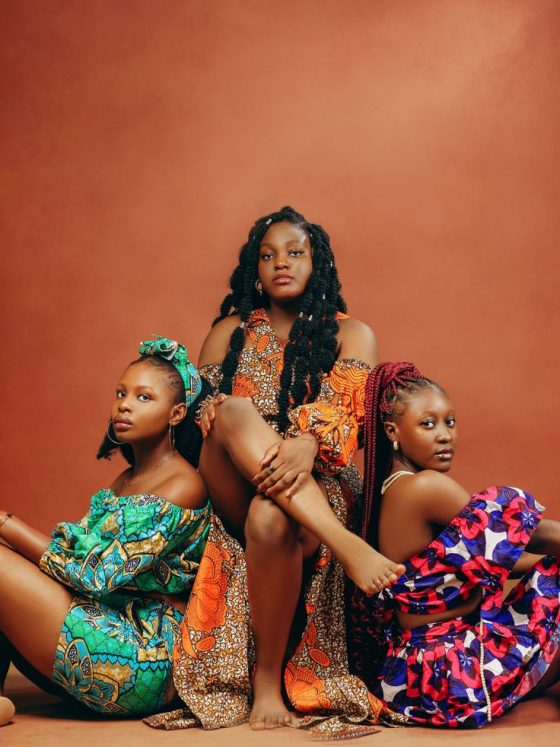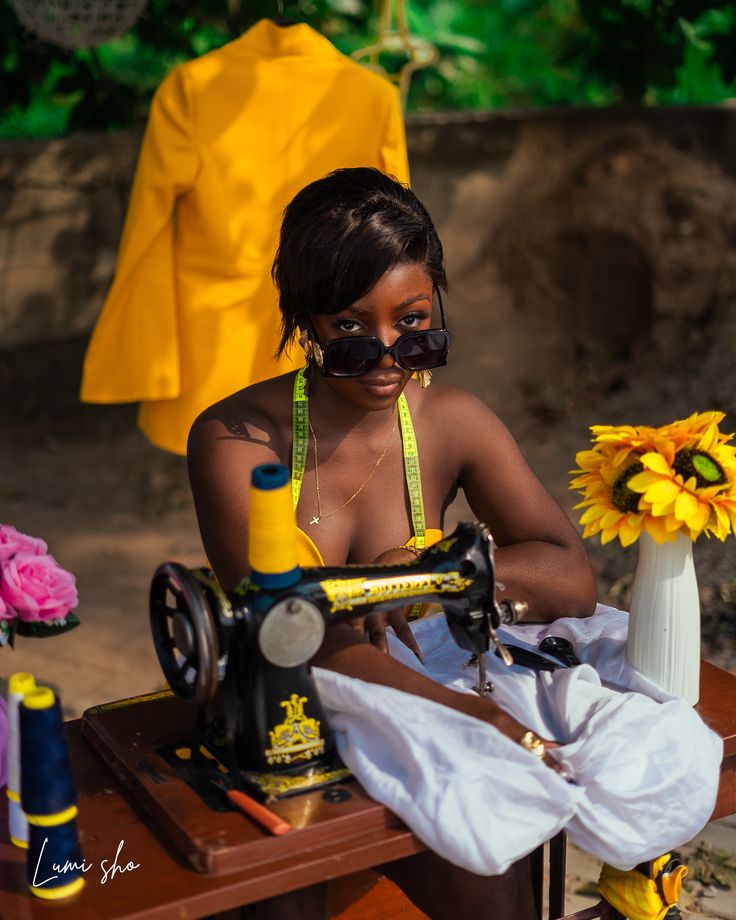
Every image that leaves a fashion shoot carries the evidence of every decision made in the last moments before it was taken, whether the shoulder seam sits correctly. Whether the accessory draws the eye toward or away from the garment’s most important detail. Whether the silhouette reads as the designer intended or as something slightly different because a hem was not checked.
Most styling conversations focus on the creative decisions: the brief, garment selection, casting, and location. The final ten minutes before the camera fires are treated as execution rather than creation.
Execution at this level is creation.
The image that results from precise final presentation work is a different image from the one that results from careless final presentation work. And the difference is permanent.
This is what separates test shoots from campaign-ready images. This is where stylists lose or secure repeat work. And for emerging stylists building their practice, it is one of the clearest ways to demonstrate professional-level output to potential clients.
What professional stylists do before the shot fires: on-set tailoring adjustments, accessory selection, and final presentation checks that separate good styling from campaign-ready work.
The Three Areas Stylists Control Before the Shot
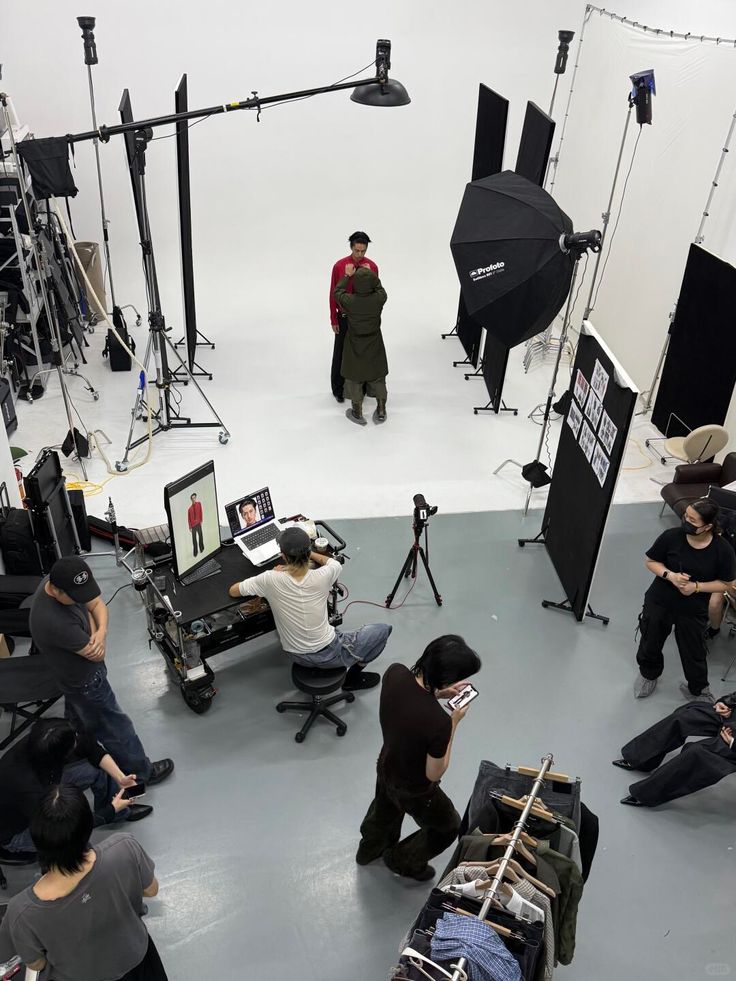
On-set styling work falls into three distinct areas, each with its own discipline and its own consequences for the final image.
- Tailoring: how the garment fits the specific body in real time, adjusted on set rather than in a fitting room
- Accessories: how visual hierarchy is established and where the viewer’s eye is directed
- Final presentation: how every detail is refined in the last moments before the shutter fires
Each area is consequential in its own right. Together, they determine whether the image communicates what the stylist, the brand, and the brief intended.
On-Set Tailoring: How Stylists Adjust Garments
On-set tailoring is one of the least discussed and most consequential skills in professional styling. It is not the same as the alterations work done in a production atelier before the shoot.
It is the real-time adjustment of how a garment fits a specific body on a specific day, in response to what the camera reveals rather than what the fitting room shows.
If the shoulder is wrong, the image is wrong.
Shoulders
Shoulders are structurally critical. If the shoulder seam is sitting incorrectly, too far forward, too far back, or not lying flat, the entire upper body of the garment will read incorrectly, regardless of how well everything else has been adjusted.
A stylist who clips a shoulder seam into the correct position produces a different image from one who photographs the garment as it arrived on the body. The difference is visible in the shot and invisible to anyone who does not know to look for it. That is exactly what professional work looks like.
Waist
A garment designed with a defined waist that sits loosely across the body because the model’s proportions do not match the design proportions exactly needs to be corrected before the shot.
A safety pin placed inside the garment at the correct point, a small clip at the back where it will not be seen by the camera, a belt or sash introduced to direct the eye: these are technical decisions that change what the image communicates about the garment’s silhouette.
Hem
Hem management is particularly important for garments with complex construction or movement. A hem that is correct at rest may read incorrectly at the specific angle or in the specific movement the shot requires.
The stylist who checks the hem in the shooting position, not just standing, is working at the level the image requires.
How Stylists Choose Accessories for a Look
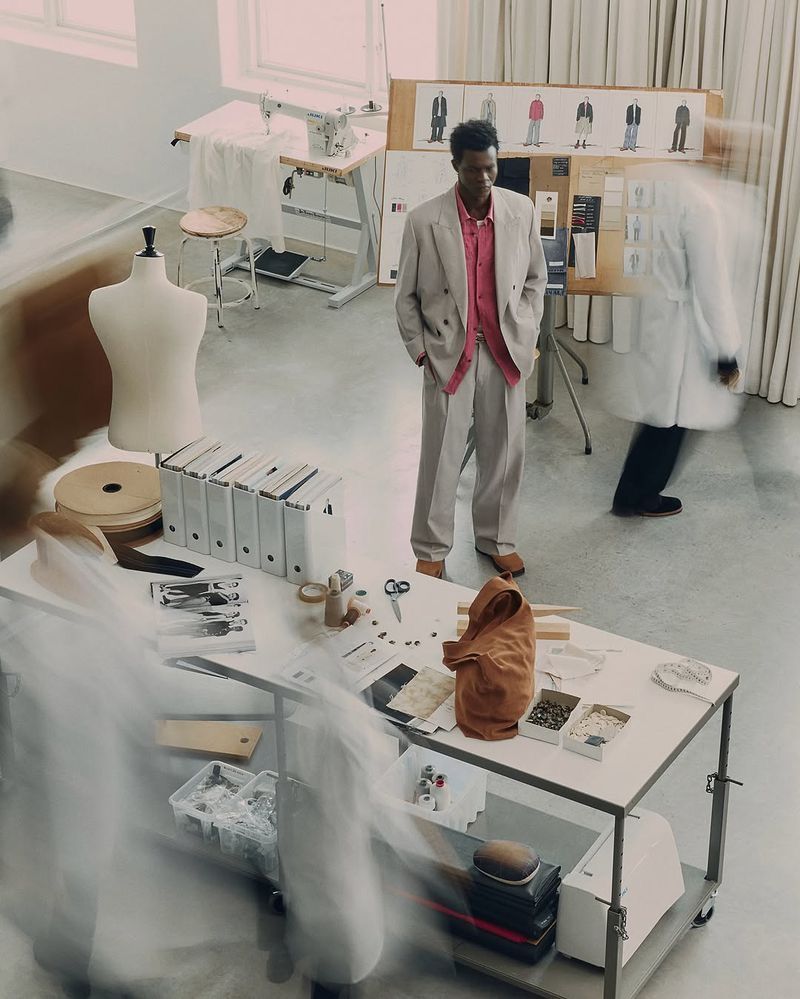
Accessories are not decoration. There are arguments about proportion, cultural register, and visual hierarchy.
Every accessory choice a stylist makes either clarifies or complicates the case the garment is making.
Every accessory choice either clarifies or complicates the case the garment is making. The stylist’s job is to know which, before the shot is taken.
The most common error is choosing individually beautiful pieces without asking whether they serve the garment. A necklace that competes with the garment’s neckline detail is not the right necklace for that look, regardless of how strong it is on its own.
An earring that draws the eye to the face when the garment’s point of interest is at the waist is directing the viewer’s attention away from where the image needs it.
The Hierarchy Logic
The correct logic is hierarchical. What is the primary visual point of interest in this look? The garment’s construction detail, its silhouette, its textile, its colour?
Every accessory choice should either support that point of interest or remain visually quiet. An accessory that competes for primary attention with the garment itself is working against the look.
Accessories in African Fashion
For African and diaspora fashion, accessory selection carries an additional dimension. Many of the pieces being styled come from cultural traditions in which accessories are integral to a complete visual vocabulary rather than decorative supplements. The gele in Yoruba dress tradition, the beaded necklaces of Maasai adornment, the elaborate headdress constructions of Igbo ceremonial dress: these are not interchangeable with generic accessories. The Egungun masquerade tradition illustrates how dress, adornment, and cultural authority are inseparable in Yoruba practice: a relationship any stylist working with Yoruba fashion pieces needs to understand before touching the accessories.
Treating culturally specific pieces as if they were interchangeable with generic accessories produces images that are incomplete at best and culturally reductive at worst.
A Stylist’s On-Set Decisions: A Lagos Shoot Scenario
A model steps into frame wearing a structured Aso-oke jacket, a wrap skirt, and a statement necklace. The photographer is ready. The stylist is not.
In the next two minutes, the following decisions are made:
- Shoulder pulling slightly backwards: a clip is applied inside at the back seam, invisible to the camera, and the shoulder now sits flat.
- Necklace competing with the jacket’s embroidered neckline: it is removed. The jacket makes its own argument. The necklace was made differently.
- Hem bunching at the camera angle: lifted two centimetres on the left side and held with a pin placed in the lining
Final check. Collar aligned. Waist reset from the movement of stepping into frame—accessories reassessed from the camera’s distance, not the stylist’s.
The photographer fires.
The garment has not changed. The image has.
This is the work. None of it is visible in the final image. All of it is visible if it is not done.
Final Presentation: What Stylists Check Before the Shot
Final presentation is the set of decisions made in the last moments before a shot: the collar adjusted, the fabric smoothed, the hem dropped or lifted, the accessory repositioned by millimetres.
Professional stylists develop a specific sequence for these checks, moving through the look in a fixed order before every shot in a new position or after any significant movement.
The sequence is personal and varies between stylists, but the discipline of having one is not optional at a professional level.
A Final Check Routine
The following sequence is one example. The order matters: start at the top, move downward, finish with a full step back.
- Top of look: hairline, collar, neckline. Is the collar sitting where it was placed? Is anything competing with the neckline?
- Structure: shoulders, chest, waist. Are the seams in the correct position? Has the garment shifted since the last shot?
- Silhouette: side profile, check for fabric bunching, check how movement has affected the hem.
- Accessories: placement, competition, balance. Is each piece still in its intended position? Is anything catching light in a way that draws the eye away from the focal point?
- Full step back: assess the complete look from the camera distance. What the stylist sees up close and what the camera records are not the same thing
The stylist who checks things differently each time, or who relies on a general impression rather than a specific sequence, will produce more inconsistencies across a shoot than one who has built this habit into their practice.
ALSO READ
- The Intimacy of Tailoring: How Clothes Learn the Language of Your Life
- The Aso-Oke Weaver Crisis: What Happens When Nigeria’s Most Important Cloth Can No Longer Be Made
- The Young Nigerian Tailors Redefining Luxury Menswear Without a Fashion Week Invitation
- What the World Lost When Hand-Weaving Gave Way to Mass Production
Final Presentation and African Fashion: Cultural Precision
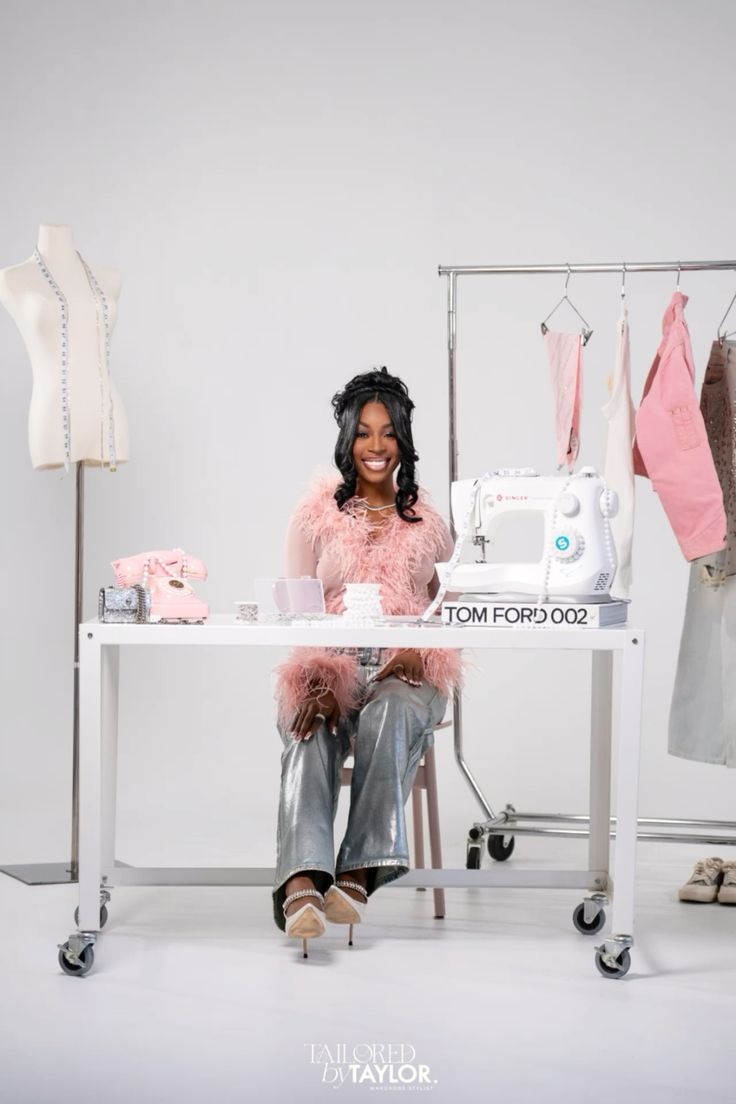
For African fashion specifically, the final presentation check needs to include an assessment of cultural correctness alongside visual correctness.
Is a traditionally worn garment being presented in a way that the community that produced it would recognise? Is a ceremonial piece being treated with the visual weight it carries in its original context?
These are not questions of restriction. They are questions of authority.
An image that presents African fashion with cultural precision is authoritative. An image that presents it with cultural carelessness is weaker, even if it is technically well executed in every other respect.
Why Precision in Styling Changes the Final Image
The styling work that happens in the final moments before a shot is invisible when it is done well. The image looks as if the garment simply sits that way, the accessories always in exactly the right position, the silhouette presenting itself.
The viewer sees the garment, not the decisions that delivered it.
This invisibility is the craft.
A stylist whose tailoring adjustments are visible in the image has not finished the work. A stylist whose accessory choices draw more attention than the garment they are supporting has made the wrong choice.
The goal is an image in which everything is correct, and nothing announces itself as having been corrected.
For African and diaspora fashion, this level of precision produces images that are arguments: for the craft quality of the work, for the cultural seriousness with which it has been treated, and for the authority of the designers who made it.
The stylist who delivers this is not just executing a brief. They are contributing to a visual record that extends beyond any individual shoot.
FAQs
What does a stylist do on set during a fashion shoot?
A stylist’s on-set work falls into three areas: tailoring adjustments, accessory management, and final presentation checks. Tailoring adjustments correct how a garment fits a specific body in real time, using pins, clips, and tape invisible to the camera. Accessory management ensures that each piece supports the garment’s visual argument rather than competing with it. Final presentation checks happen before every shot: a systematic review of the look from the collar down to the hem, followed by a full step back to assess the complete image at the camera’s distance.
Why is garment fit important in fashion photography?
Because the camera records what is there, not what was intended, a garment that fits poorly communicates poorly, regardless of how strong the design is or how well everything else in the image is executed. A shoulder seam sitting two centimetres out of position changes how the entire upper body of the garment reads. A hem that bunches at the camera angle produces a silhouette the designer never intended. Fit is the foundation on which every other styling decision is built.
What alterations do stylists typically request before a shoot?
The most common pre-shoot alterations are at the shoulder seam, waist, and hem. Shoulder seams are adjusted to sit in the correct position for a specific body. Waist definition is corrected where garment proportions and model proportions do not align exactly. Hems are adjusted for the specific shooting context. These differ from on-set adjustments, which respond to what the camera reveals rather than what the fitting room shows.
How do stylists approach accessory decisions for African fashion content?
The starting point is understanding the cultural vocabulary of the pieces involved. Accessories from specific cultural traditions carry meanings that generic accessory logic does not account for. The Yoruba gele, Maasai beaded pieces, and Igbo ceremonial adornment are not interchangeable with generically selected jewellery. Placing them according to generic visual logic alone produces culturally incomplete images. The stylist who understands the specific tradition makes better decisions about how, where, and with what these pieces are placed.
What is the difference between a stylist’s role on a shoot versus on a runway show?
On a shoot, the stylist controls the look entirely, and the image is static. On a runway, the stylist prepares the look and then releases it to the model’s movement and the show’s conditions. The runway stylist needs to build in more robustness: fastenings that hold through movement, accessories that will not shift during a walk, and tailoring adjustments that account for movement rather than just a static position. The runway also requires a faster backstage turnaround, which changes the sequencing and priority of final presentation checks.
How does a stylist manage last-minute changes without disrupting the visual concept?
By having a clear hierarchy of what the look requires. If a change affects the primary visual point of interest, it needs to be resolved before the shot, regardless of time pressure. If it affects a secondary element, the stylist judges whether it is visible enough to matter at the camera distance being used. The stylists who manage last-minute changes well know the look well enough to make that hierarchy call quickly, rather than treating all changes as equally urgent or equally dismissible.
Why does on-set tailoring matter differently for African fashion than for other fashion contexts?
Because many construction methods used in African fashion are specific to particular textile traditions and carry visual logic that differs from Western tailoring conventions, a garment constructed around the weight and drape of Aso-oke will not respond to on-set adjustment in the same way as one constructed around a woven European suiting fabric. Kenneth Ize’s label, built entirely on Aso-oke’s structural properties, is examined in detail at omirenstyles.com/kenneth-ize-aso-oke-2 and provides a useful reference for understanding why material knowledge changes on-set decisions. A stylist who understands the material properties of the textiles they work with makes better decisions than one who applies generic tailoring logic regardless of construction.
CONTINUE READING