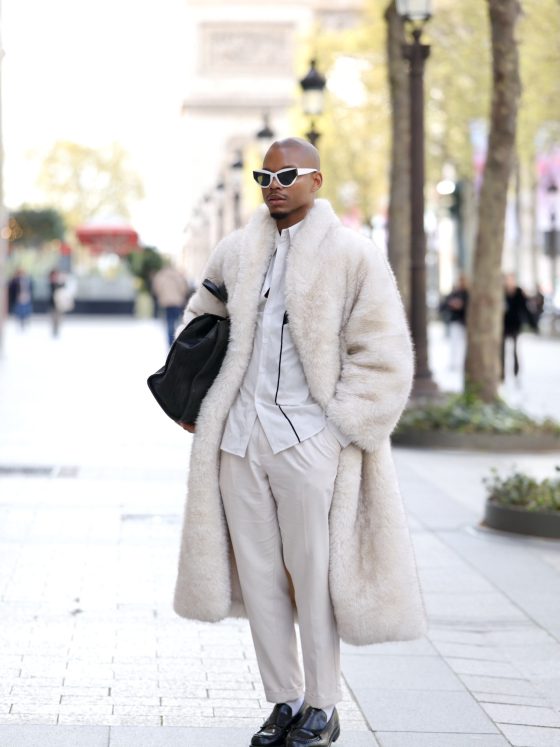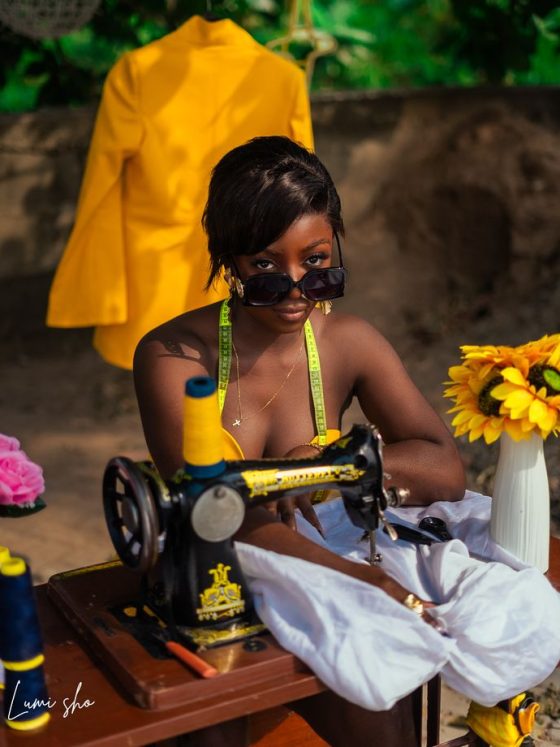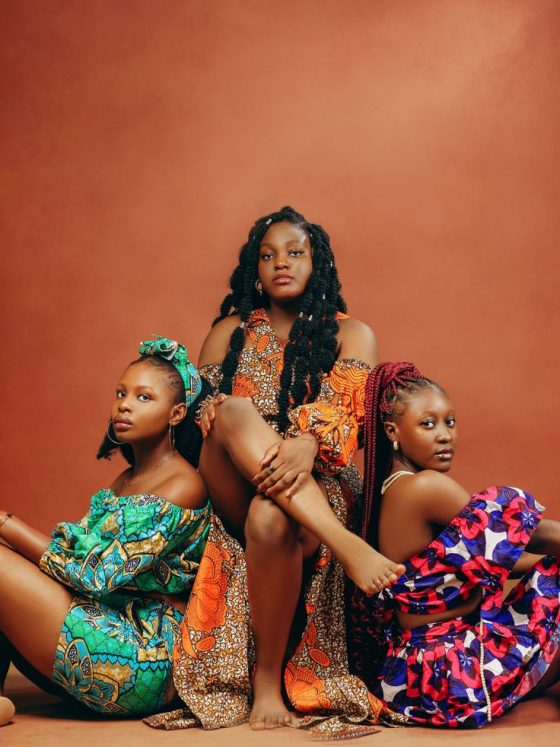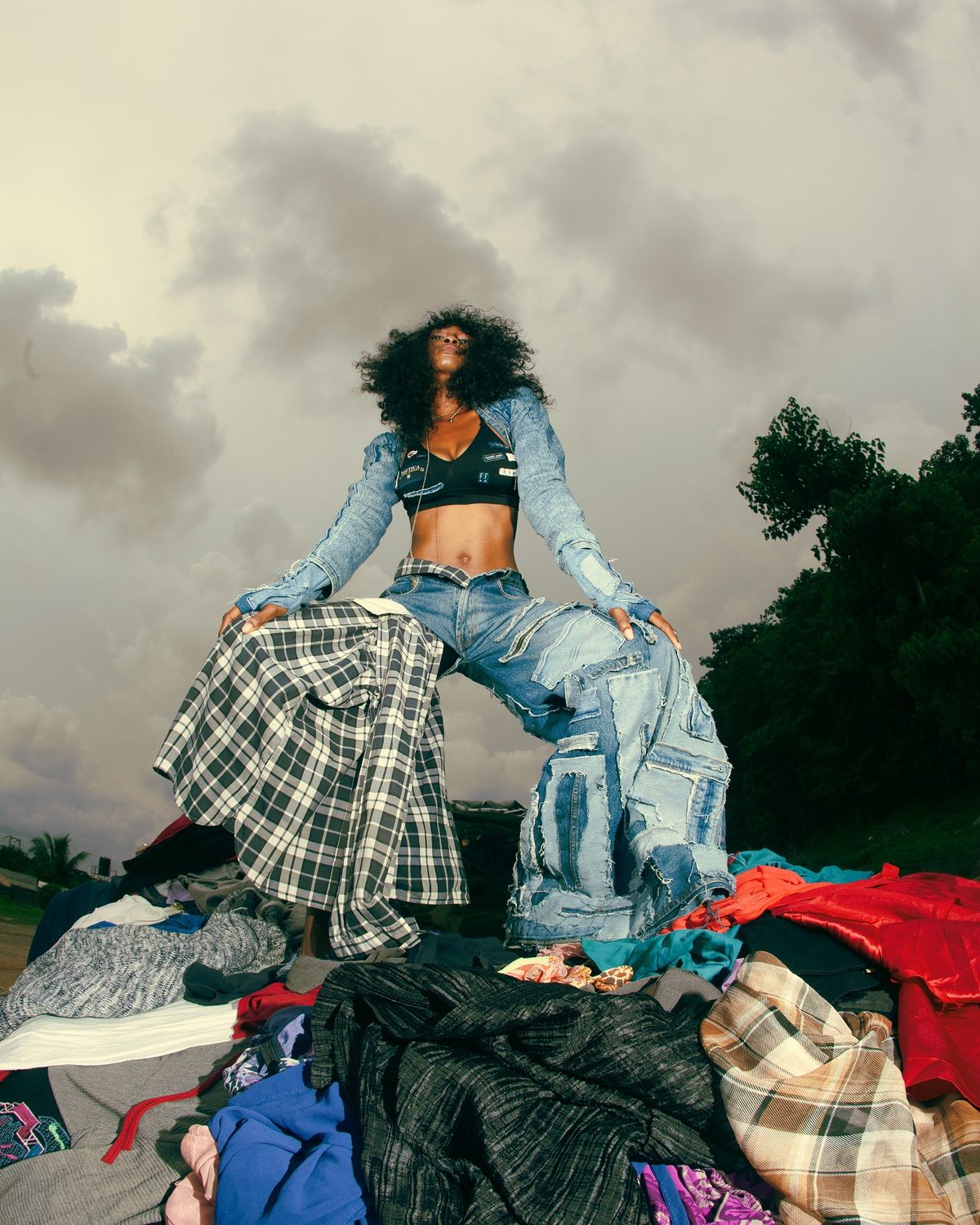
Put the same garment in front of ten different stylists, and you will get ten different images. Not because stylists have different tastes, though they do, but because a garment is not a fixed visual object. It is a starting point.
The styling choices around it, the context in which it is placed, the body it is placed on, and the other pieces beside it: all of these change what the garment communicates, who it speaks to, and what it means.
This is how brands get ten to fifteen usable images from a single garment. This is how stylists demonstrate visual range without needing more clothes. And for emerging stylists building portfolios with limited resources, this is one of the most important techniques available.
It is also one of the least formally taught, which is why stylists who have developed it tend to produce work that is visibly different from those who have not.
How a skilled stylist creates multiple visual narratives from a single garment: the techniques of combination, casting, framing, and layering in African and diaspora fashion.
The Garment as a Starting Point, Not a Fixed Object
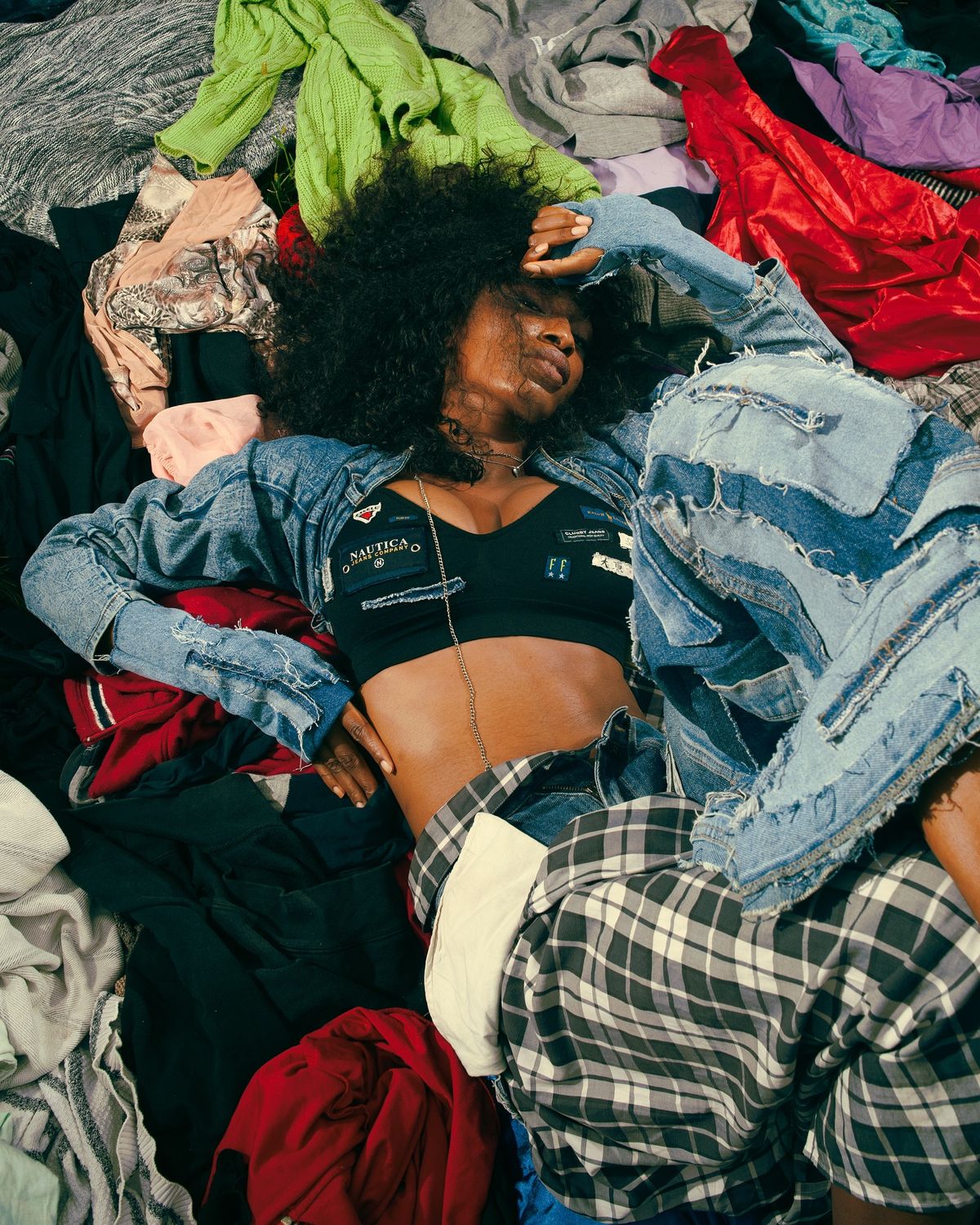
Every garment arrives loaded with prior context: how it was designed, how it has been photographed before, how it is typically worn, and how viewers already understand the culture or aesthetic tradition it draws from.
The stylist’s first task, when working to create multiple looks from one garment, is to identify that prior context and ask which parts of it are worth keeping.
Some prior context is structural: a tailored jacket suggests formality regardless of what it is paired with. Some is cultural: a Kente cloth piece carries Ghanaian cultural associations that are part of its meaning and should not simply be ignored. Some is merely habitual: the piece has always been photographed outdoors in natural light because that is how the brand’s lookbook has always been shot, not because it is the only or best option.
The prior context worth keeping is intrinsic to the garment’s identity and meaning. The prior context worth challenging is the kind that limits perceived relevance without adding anything real. Making that distinction requires knowing the garment well enough to tell the difference before the shoot begins.
How Stylists Change the Narrative Without Changing the Garment
The garment has not been altered—the same piece, the same construction, the same fabric. And yet the visual narrative is entirely different.
The garment has not changed. The argument has.
This is the central styling technique for visual range, and it operates through four levers. Understanding these levers is what separates a stylist who produces multiple looks from one who produces multiple images of the same look.
Level 1: Combination
What a garment is placed beside changes how it reads.
A structured hand-dyed jacket worn with tailored trousers and minimal accessories reads as contemporary luxury. The same jacket worn with a printed wrapper skirt and bold jewellery reads as a celebration of cultural layering. The same jacket, worn with a white shirt and jeans,s reads as the kind of garment that belongs in both worlds simultaneously.
Each combination is a different editorial argument. The garment has not changed. The argument has.
Level 2: Casting
The body on which the garment is placed changes the cultural register of the image. This is not about body type alone.
Age, visible identity markers, the way a person carries themselves, their relationship to the cultural tradition the garment draws from: all of these shape what the image communicates. A traditional textile worn by someone who visibly belongs to the community that produced it tells a different story from the same textile worn by someone for whom it is clearly new territory.
Neither story is wrong. They are different arguments, and the stylist needs to know which argument the lookbook requires.
Casting is a styling decision. The body on which the garment is placed shapes the cultural register of the image as powerfully as any other choice the stylist makes.
Level 3: Framing
Location, lighting, camera angle, and composition all shape the narrative within which the garment is placed.
A garment photographed in an environment that reflects its cultural origins communicates heritage and rootedness. The same garment photographed in an urban environment, or in a studio setting that removes all geographic markers, communicates contemporaneity and global reach.
A garment photographed close up communicates craft. The same garment, photographed full-length, communicates its silhouette. These are different images for different purposes, and all can be true of the same piece.
Level 4: Layering
What is added to or removed from a garment changes its visual weight, formality, cultural register, and perceived audience.
A garment worn as intended produces one image. The same garment worn as part of a layered composition, under or over other pieces, with or without accessories, at different points of the body than the designer originally envisaged, produces a different image.
This is not a departure from the garment’s meaning. It is an extension of it when layering decisions are made with knowledge of the garment and where it comes from.
One Garment, Three Visual Narratives: A Worked Example
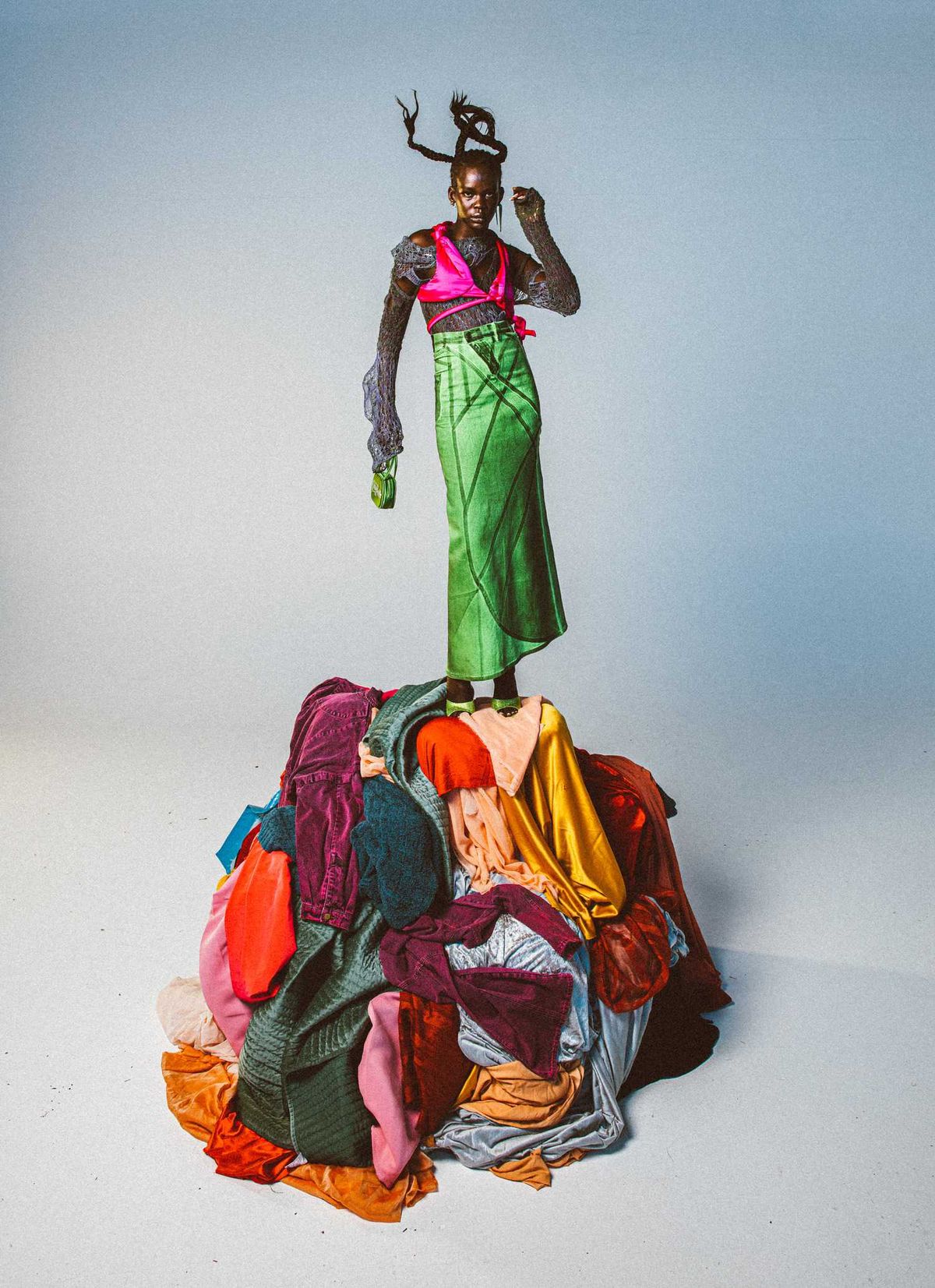
Consider an Aso-oke jacket: structured, handwoven, carrying the specific visual authority that Aso-oke commands in Yoruba fashion. Here is how the same piece generates three entirely distinct visual narratives through deliberate use of the four levers.
Look 1: Luxury Minimal
Combination: slim tailored trousers, no jewellery, clean white footwear.
Casting: a model whose bearing communicates authority and ease, someone who wears this as their natural register.
Framing: studio, neutral backdrop, full-length shot to show the silhouette.
Layering: the jacket is worn open, nothing underneath competing for attention.
The argument: this is a luxury piece for an internationally fluent customer. The cultural origin is present in the textile. Everything around it says global.
Look 2: Cultural Richness
Combination: a hand-dyed wrapper skirt, statement beaded necklace, woven bag.
Casting: a model whose visual connection to the Yoruba tradition from which the piece comes is clearly legible in the image.
Framing: a textured outdoor environment, natural light, mid-length shot.
Layering: the jacket worn closed, the wrapper providing a deliberate contrast in textile weight and pattern.
The argument is that this piece is not separate from its cultural origin. It is the cultural origin, worn in full knowledge of what it means.
Look 3: Global Casual
Combination: straight-leg denim, plain shirt, minimal trainers.
Casting: a younger model, the styling is clearly contemporary, the cultural piece worn as a jacket in the most functional sense.
Framing: urban setting, movement, wider crop.
Layering: the jacket worn over the shirt, half-tucked, casual in its placement.
The argument is that this piece belongs everywhere. Its Aso-oke identity does not restrict it to a ceremony. It is an extraordinary jacket.
Three looks. One garment. Each one presents a different argument about who the piece is for and where it belongs. Each one is produced through deliberate application of combination, casting, framing, and layering, not through luck or instinct.
How Stylists Plan Multiple Looks from One Garment
Understanding the four levers is necessary but not sufficient. The stylist who can consistently produce a visual range from a single piece also needs the practical discipline to plan and execute that range deliberately.
The first practical step is to decide on the range before the shoot. How many distinct visual narratives does this piece need to serve? Who are the audiences for each? What feeling should each produce?
These decisions shape the entire shoot structure: which models are cast, which locations are chosen, which additional pieces are pulled, and how much time is allocated to each narrative. A stylist who arrives on set without having made these decisions will produce range only by accident.
The second step is to shoot for the edit, not for the moment. The stylist who is thinking about the finished lookbook while the shoot is happening, tracking which images are needed for the sequence, which combinations have been covered, and what is still missing from the visual argument, will end the day with a set of images that can be assembled into multiple coherent narratives.
The third step is to know when to stop. A piece that genuinely supports three distinct visual narratives does not necessarily support six. Attempting six can dilute the three that worked. Part of the stylist’s editorial intelligence is knowing when the range has been fully explored.
ALSO READ
- Kenneth Ize and the Aso-Oke Question: What It Means to Build a Luxury Brand on a Handwoven Cloth
- The Aso-Oke Weaver Crisis: What Happens When Nigeria’s Most Important Cloth Can No Longer Be Made
- Bogolan Is Not Mud Cloth: Why the Name Matters and Who Benefits from Getting It Wrong
- Investing in Textile Heritage: The Business Case for Preserving What Western Fast Fashion Cannot Copy
Recontextualisation in African Fashion Styling
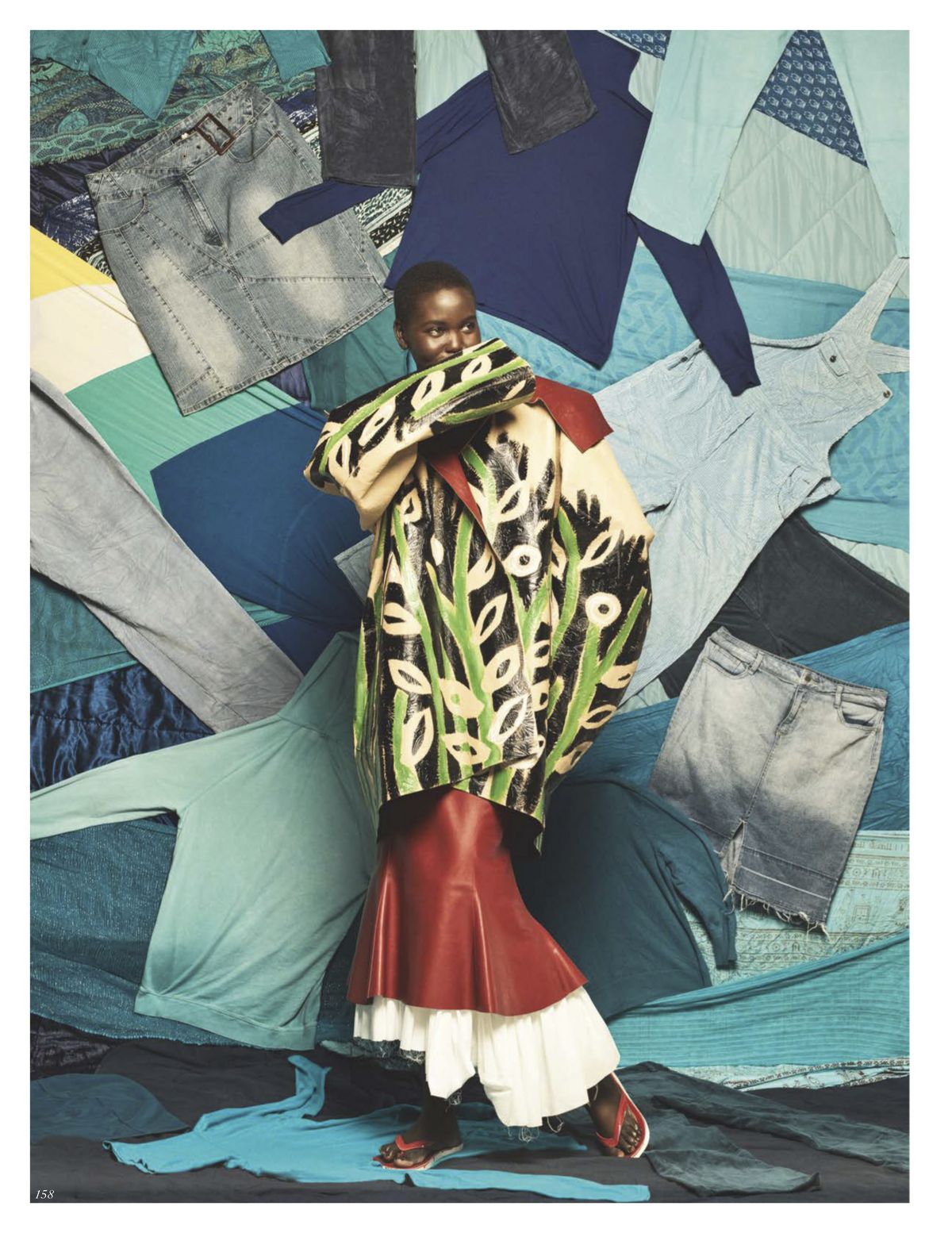
In African and diaspora fashion, the technique of creating multiple visual narratives from a single garment holds specific commercial and cultural significance.
Much of the most compelling work being produced by African and diaspora designers is rooted in specific textile traditions, construction methods, and cultural practices that carry meaning beyond the visual surface.
When this work is photographed only in contexts that confirm its cultural origins, the images communicate to an audience that already understands and values those origins. The work reaches its core audience and stays there.
When the same work is photographed across a range of contexts: urban, contemporary, international, or in dialogue with other aesthetic traditions, the images make a different argument. They argue that the work belongs in a wider conversation than it has typically been placed in.
This is where the stylist’s research matters most. The Aso-oke jacket photographed in a contemporary urban context because the stylist found it visually interesting produces one kind of image. The same jacket photographed in that context because the stylist understands Aso-oke’s relationship with modernity, with Yoruba urbanity, with the ways the fabric has always been adapted to new social contexts, produces a different and more authoritative image. The crisis facing Aso-oke weavers today makes this intelligence more urgent: a stylist who understands what this cloth has cost to keep alive makes different choices from one who treats it as a visual resource.
The most important preparation a stylist can do before working with culturally significant African fashion pieces is to know what they are working with. Not only as a matter of cultural respect, though that matters, but because cultural knowledge produces better images. The naming dispute around Bogolan is a useful reference point: the same cloth can mean different things depending on who names it, how it is framed, and who benefits from that framing. Styling decisions operate in the same territory.
Why This Technique Matters for Brands and Stylists
The stylist who can turn one garment into multiple visual narratives is solving a practical commercial problem: how to produce more distinct, usable content from the same shoot investment.
This is how brands get ten to fifteen publishable images from a single piece. This is how stylists demonstrate creative range in a portfolio without a large wardrobe budget. And for emerging stylists building their practice in African and diaspora fashion, it is one of the clearest ways to demonstrate professional intelligence to potential clients.
Range is not about having more clothes. It is about having more arguments.
But the discipline produces something beyond efficiency. It produces images that argue. Each narrative is a position on where the garment belongs, who it is for, and what it means.
Accumulated over time, those positions become a brand’s visual identity in the most concrete sense: real images that real people encounter and form impressions from.
For African and diaspora fashion, where the visual record is still being built, the quality of that argument matters more than volume. The stylists building the most lasting work in this space are not the ones producing the most images. They are the ones whose images say the most about where this fashion belongs.
FAQs
How do you style one outfit in different ways?
The four levers are combination, casting, framing, and layering. Changing what the garment is paired with produces a different argument about its register. Changing who wears it changes the cultural context. Changing the environment and lighting changes the mood. Adding or removing layers changes the formality and visual weight. You do not need a different garment. You need a clear decision on what argument each version of the look makes.
How many looks can you create from one garment?
Three to five distinct visual narratives are a practical target for most garments. Fewer than three suggests the possibilities have not been fully explored. More than five tends to produce diminishing returns, where the additional looks begin to feel like variations on an existing argument rather than genuinely new ones. The correct number is always the number of distinct arguments the piece can credibly make, not the maximum number of combinations you can assemble from it.
How do stylists use layering to change the visual register of a garment?
Layering changes a garment’s perceived formality, cultural register, and audience simultaneously. A piece worn as a standalone reads differently from the same piece worn as part of a layered composition. The key is that the layering decisions need to serve a deliberate visual argument rather than simply adding visual interest. Each layer either advances the narrative the stylist is building or dilutes it.
What is the relationship between styling and casting in creating a visual narrative?
Casting is a styling decision. The body on which the garment is placed shapes the cultural register of the image as powerfully as any other styling choice. The age, identity, bearing, and relationship to the garment’s cultural tradition of the person wearing it all determine what the image communicates. A stylist who makes garment decisions carefully and casting decisions carelessly is not fully in control of the visual narrative.
How does set design interact with styling in fashion photography?
Set design provides the environmental context within which the styled garment is read. A garment photographed against a neutral studio background is being asked to stand alone as a visual object. The same garment, photographed in a specific location with specific environmental references, is being situated within a cultural or geographic argument. The stylist and the set designer are making the same kind of argument from different ends: one through the garment, one through the space around it.
Can one garment serve both commercial and editorial purposes?
Yes, but not with the same images. A garment can be photographed for a commercial lookbook and separately for an editorial story, and both sets of images can be strong and true to the piece. Commercial images need to be legible, with the garment clearly shown and the product identifiable. Editorial images need to serve a story, which may mean the garment is partially obscured or combined in unexpected ways. The stylist who understands this plans for both separately.
How does a stylist build range into a shoot without producing incoherence?
By deciding on the range before the shoot begins rather than discovering it during. The stylist identifies how many distinct visual narratives the piece needs to serve, what each requires in terms of combination, casting, and framing, and builds the shoot schedule to deliver each one deliberately. The planned range produces coherence across the narratives because each has been thought through. The range that is improvised tends to produce images that are individually interesting and collectively unfocused.
CONTINUE READING