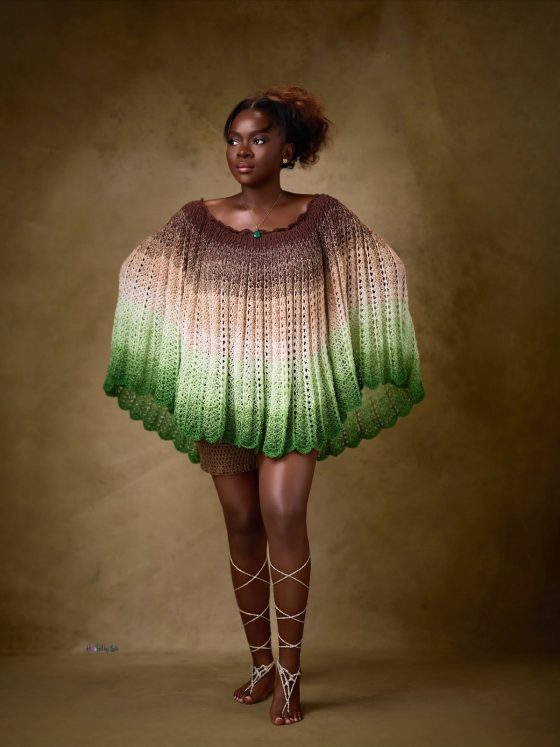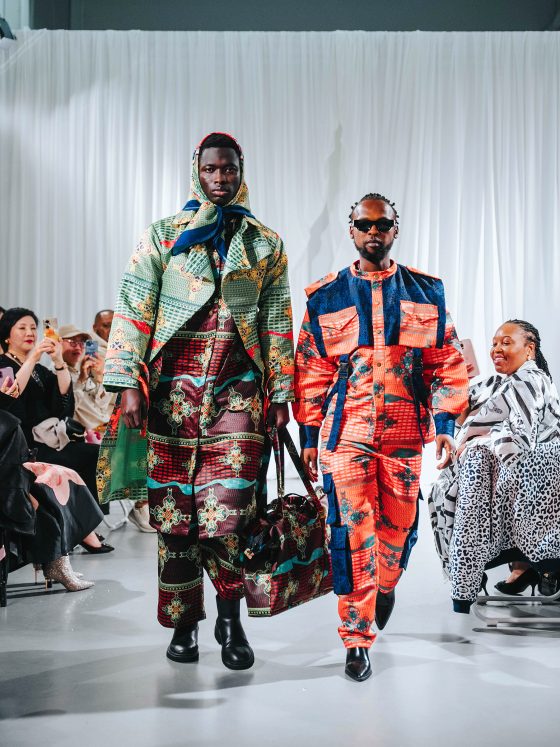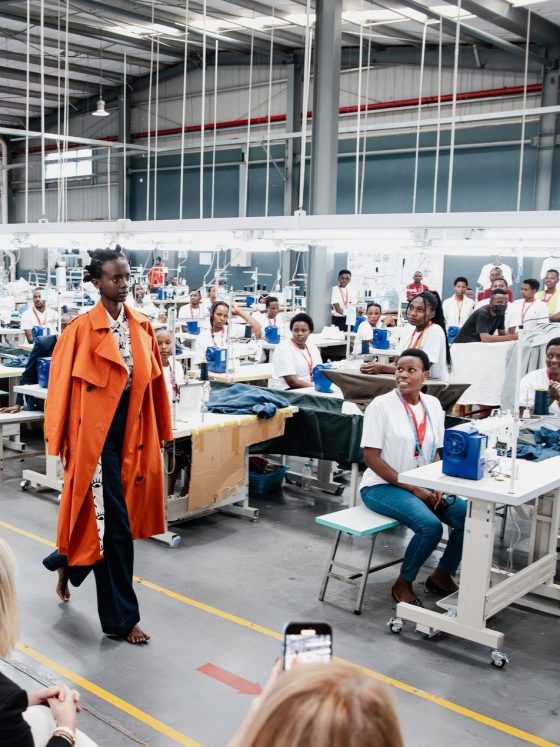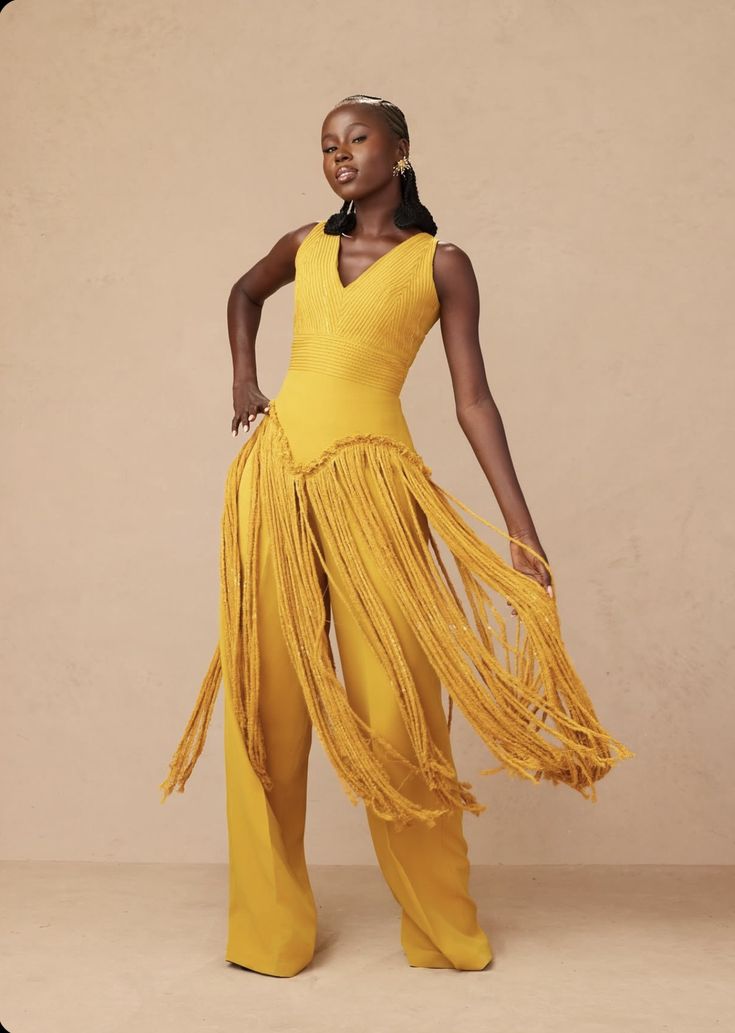
South Sudan is the world’s youngest country, having achieved independence in 2011 after a 22-year struggle. As of March 2026, nine of the top 50 models ranked by models.com were originally from South Sudan, approximately 18% of the list for a country with a population of around 12.2 million. That figure represents one of the most extraordinary concentrations of elite modelling talent relative to population size in contemporary fashion. The designers who clothe those models, shape the collections they walk in, and build South Sudanese fashion authority as a creative rather than only a commercial proposition are almost absent from the international record.
The African fashion market is worth 31 billion dollars. South Sudan’s position within that market is paradoxical: globally visible as a source of runway models, almost invisible as a source of design authority. As Al Jazeera’s April 2026 documentation of South Sudanese models and the fashion industry confirms, the models are recognised internationally, while Juba’s fashion infrastructure faces critical structural constraints: the absence of credible protective agencies, limited access to international markets, and a domestic design industry still building on very recent foundations. The designers documented below are building those foundations.
South Sudan produces 18% of the world’s top 50 models. Its designer record is almost unwritten. This index is the beginning of that documentation.
The Structural Context
South Sudan Fashion Week, now in its eleventh year, is the primary institutional architecture around which South Sudanese design practice has developed since 2015. What the platform has achieved in a decade is significant given the conditions: the country was in active civil conflict from 2013 to 2018, with further instability since; the fashion industry infrastructure that designers in Lagos, Nairobi, or Johannesburg can access does not exist in Juba at comparable scale; and the economic environment for fashion entrepreneurship in one of the world’s lowest-income countries places constraints on material sourcing, production, and market access that have no direct equivalent in more commercially developed fashion markets.
In 2021, around twenty designers showed on the South Sudan Fashion Week runway. By 2025, the event had reached its tenth anniversary edition at the Pyramid Continental Hotel in Juba, describing itself as marking ten years of empowering talent and shaping the future of fashion in South Sudan. In October 2025, South Sudan joined the BRICS International Fashion Federation, led by South Sudan Fashion Week, positioning the country as an official voice within a global fashion alliance that includes India, South Africa, Ethiopia, Egypt, Kenya, Ghana, Malaysia, and Indonesia. These are institutional developments. Their translation into sustained commercial design practice for individual designers is the work in progress.
Verified South Sudanese Designers
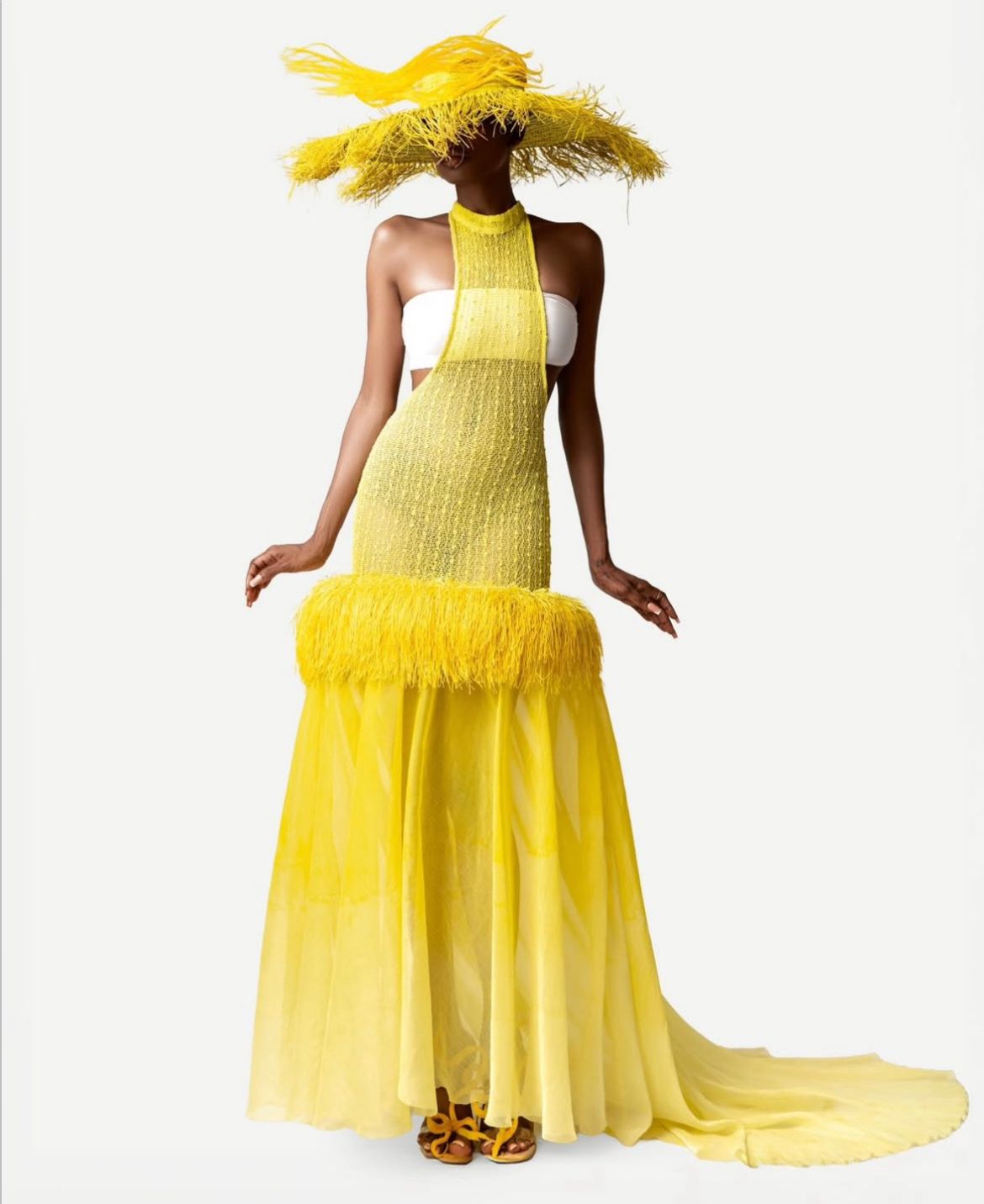
01. Dawson Dau Amou, Co-Founder and Executive Director, South Sudan Fashion Week
V2: VOA Africa (2021); Al Jazeera (April 2026); South Sudan Fashion Week official (2025)
Founded: South Sudan Fashion Week, 2015
Base: Juba, South Sudan
Dawson Dau Amou is the co-founder and Executive Director of South Sudan Fashion Week, established in 2015. A former East African model, he has stated that his mission for the platform has been consistent since its founding: to reshape global perception of South Sudan from a war-affected nation to a hub of self-sustaining creative and commercial enterprise. As VOA Africa’s documentation of South Sudan Fashion Week’s sixth edition confirms, what we are up to here is all about growing the fashion industry, because it is a business, so that we don’t rely on brands made from outside. At the October 2025 BRICS International Fashion Federation summit in Moscow, Amou represented South Sudan alongside CEO Trisha Nyachack, helping shape a shared declaration for the federation. His role is institutional and platform-building rather than primarily that of a collection designer.
Record note: Dawson Dau Amou’s own design collections, separate from his platform founder role, are not publicly documented at collection level. His influence on South Sudan’s fashion infrastructure, as a founder, is confirmed by multiple Tier 1 sources. Collection credits require further primary source verification.
02. David Shegold, Founder, D’Gold’s Fashions
V2: VOA Africa (2021); Al Jazeera (April 2026)
Founded: D’Gold’s Fashions, Juba (design practice documented from 2021)
Specialism: Wedding gowns and party dresses
Training: Fashion school, Uganda
VOA Africa’s 2021 South Sudan Fashion Week documentation confirms that Shegold began designing clothes five years before the 2021 article (placing his design practice from approximately 2016 onward), after graduating from a fashion school in Uganda. He has stated that he decided to specialise in designing wedding gowns and party clothes because many South Sudanese attend these occasions but usually cannot access well-designed local products. His practice addresses a specific market gap in Juba’s wedding and celebration dress market.
Record note: D’Gold’s Fashions is confirmed to have been operating in Juba since approximately 2016, based on documentation from VOA Africa and Al Jazeera. A dedicated brand website or collection archive has not been independently confirmed at the time of writing.
03. Akur Majok, Fashion Designer (model-to-designer transition)
P: Al Jazeera (April 2026): design practice confirmed, collection details not published
Background: Transition from professional modelling to fashion design
Al Jazeera reported in April 2026 that Majok has transitioned from modelling to pursue her passion for fashion design. No collection titles, brand name, label founding date, or specific design output has been independently documented in accessible public sources at the time of writing. Her entry in this index is at the P (public profile) tier and will be updated when collection-level documentation becomes available.
04. Ghum Barnabas Kulang, Founder, Kulang Enterprises
V2: VOA Africa (2021)
Founded: Kulang Enterprises, 2019
Product: Fashionable suits and colourful dresses from African prints
Base: Juba, South Sudan
Ghum Barnabas Kulang founded Kulang Enterprises in 2019, focusing on suits and colourful dresses featuring African prints. His documented position on the purpose of his work is worth recording precisely: if we can come up with something that can help us boost and empower ourselves, then we can do it. He has expressed the view that building a national fashion brand is important for the morale of South Sudanese people, positioning his design practice within the explicit context of national identity-building rather than purely commercial aspiration. Kulang Enterprises was documented as showing at South Sudan Fashion Week in 2021.
South Sudan has nine of the world’s top 50 models. Its publicly documented design index has four entries. The asymmetry is not evidence that South Sudanese design practice does not exist. It is evidence that the international fashion record is not a complete picture of South Sudanese fashion. It is a picture of what international documentation has found.
The Asymmetry: Models Without Designers
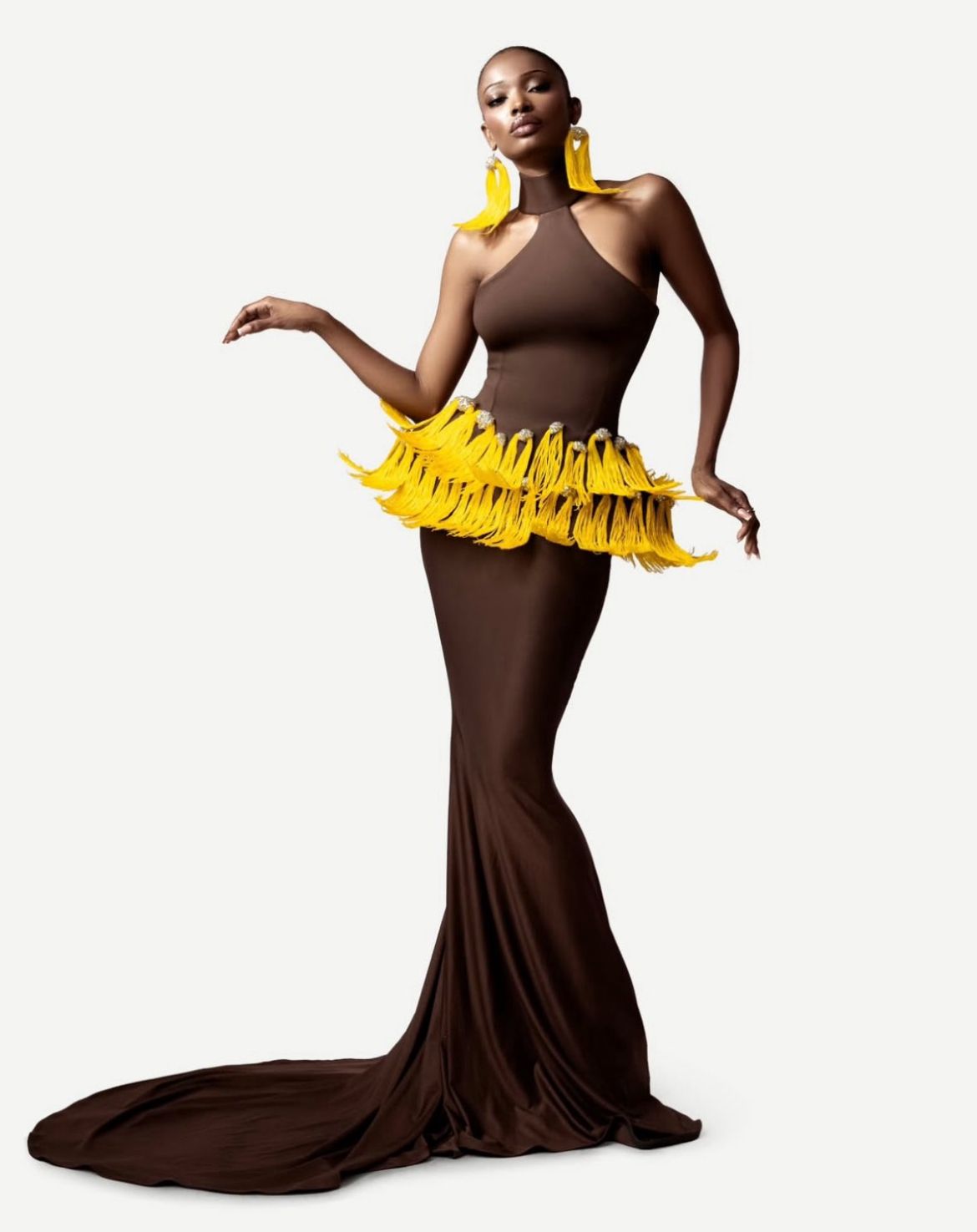
The fundamental asymmetry in South Sudan’s fashion record- extraordinary model representation, minimal designer documentation- is the most important editorial fact this index must name. It reflects a structural condition rather than a talent deficit. The international fashion industry’s infrastructure for discovering and promoting models from sub-Saharan Africa has, in the case of South Sudan, become exceptionally efficient. Models from Juba and from South Sudanese diaspora communities in Kenya, Australia, Canada, and the United States have reached the top 50 models ranking, closed Chanel shows, and walked every major luxury runway.
The infrastructure for discovering and promoting South Sudanese designers has not developed at comparable speed. There are practical reasons for this: designer development requires material sourcing, production infrastructure, retail access, and market connections that are structurally harder to provide remotely than the casting and booking infrastructure that serves models. A model can travel to a casting. A collection cannot be produced without a supply chain. South Sudan’s fashion supply chain constraints, documented in multiple sources, include limited local fabric production, reliance on imports for high-quality materials, and a domestic retail market constrained by the country’s economic conditions.
The model-without-designer asymmetry is not unique to South Sudan. As Omiren Styles’ documentation of the Eritrean fashion designer record confirms, the same pattern appears in other small or conflict-affected African countries whose diaspora communities have produced internationally recognised fashion practitioners at the model or editorial level without equivalent documentation of domestic design practice. The absence from the public record is a documentation gap, not a design absence.
The Verification Queue
The following individuals or entities have appeared in mentions or social media contexts related to South Sudanese fashion design but cannot currently be entered into the verified record without further independent documentation:
Trisha Nyachack (CEO, South Sudan Fashion Week; confirmed in an institutional role; design practice separate from platform leadership, not independently documented). The unnamed approximately sixteen additional designers who showed at South Sudan Fashion Week editions from the sixth edition (2021) through the tenth (2025), none of whom have been independently documented by name in accessible English-language sources at the collection level. Designers operating in Juba whose work appears in Dinka, Nuer, or Arabic-language media and community networks but has not been documented in sources accessible to this index.
What This Record Cannot Yet Establish
This index does not yet have documented evidence of any South Sudanese designer operating in international retail, on international fashion week schedules, or at the wholesale level. That gap reflects the current state of the designer infrastructure rather than its potential. South Sudan Fashion Week has now completed ten editions and joined an international fashion federation. Former models are transitioning into design. The talent base documented by the model record is active and ambitious. The supply chain, production, and market access infrastructure that would allow that talent to operate at an international commercial scale requires sustained investment and institutional development that are in their early stages.
What would change this record: South Sudan Fashion Week publishing collection-level documentation for all designers who show across its editions; designers operating in Juba establishing brand websites with dated collection archives; international design schools with South Sudanese students producing design work with traceable records; and diaspora media documenting South Sudanese design practice in the same depth that it documents South Sudanese modelling careers. As Omiren Styles’ analysis of which African cities will define global fashion confirms, the cities building fashion infrastructure are the ones whose labels appear in international trade records. Juba is building that infrastructure. The designer record will grow as the infrastructure does.
The Omiren Argument
South Sudan has 9 of the world’s top 50 models and a four-entry designer index. The African fashion market is worth 31 billion dollars. The asymmetry is not a talent problem. It is a documentation problem, a supply chain problem, and a market access problem, all of which stem from operating in the fashion industry in a country that achieved independence in 2011 and has faced active conflict for much of the period since. Dawson Dau Amou founded South Sudan Fashion Week in 2015 because he understood that South Sudan needed design institutions and model talent if it was going to be a fashion country rather than just a talent source for other countries’ fashion systems. David Shegold trained in Uganda and returned to Juba to make wedding gowns for South Sudanese celebrations that would otherwise be dressed in imported clothing. Ghum Barnabas Kulang started Kulang Enterprises in 2019 because he understood that building a national fashion brand was important for national morale. These are not small ambitions. They are the foundations of an industry. This index documents them at their current scale, which is correct, and will update them as the infrastructure develops.
Also Read:
- African Designers Buyers Should Act On in 2026: A Three-Tier Shortlist
- Trade Show Timeline: African Fashion at Global Markets, 1997-2026
- Dakar Is Building Its Own Luxury Fashion System
- Bold Fashion Week Kampala: Talent Was Always There
Frequently Asked Questions
Who are the South Sudanese fashion designers?
The South Sudanese fashion designers with verified public records at the time of writing are: Dawson Dau Amou, co-founder and Executive Director of South Sudan Fashion Week (founded 2015), a former East African model whose platform has completed ten editions in Juba; David Shegold, founder of D’Gold’s Fashions, a Juba-based label specialising in wedding gowns and celebration dress (design practice from approximately 2016, training at a fashion school in Uganda); Akur Majok, a former professional model who has transitioned into fashion design (confirmed by Al Jazeera in April 2026, collection detail not yet publicly documented); and Ghum Barnabas Kulang, founder of Kulang Enterprises (founded 2019), focusing on suits and dresses from African prints.
What is South Sudan Fashion Week?
South Sudan Fashion Week (SSFW) is an annual fashion platform founded in Juba in 2015 by Dawson Dau Amou and co-founder Trisha Nyachack (CEO). It has completed ten editions as of its anniversary in August 2025. The platform offers free participation for designers with a stated focus on promoting culture, creativity, and authentic South Sudanese identity. In October 2025, SSFW leadership represented South Sudan at the BRICS International Fashion Federation summit in Moscow, securing South Sudan’s membership in the federation, which includes India, South Africa, Ethiopia, Egypt, Kenya, and Ghana among more than 100 member countries. The platform is the primary institutional infrastructure for South Sudanese design practice.
Why does South Sudan produce so many models?
South Sudan’s extraordinary representation in international modelling: nine of the top 50 models on models.com as of March 2026, approximately 18% of the list for a country with a population of around 12.2 million, reflects multiple factors: the physical characteristics of South Sudanese people have been commercially valuable to an international fashion industry that discovered them from the 1990s onward through pioneers including Alek Wek; the South Sudanese diaspora spread by conflict across Kenya, Uganda, Australia, Canada, and the United States has placed South Sudanese young people in countries with established modelling infrastructure; and a generation of internationally successful models including Adut Akech and Anok Yai have demonstrated that the path is viable, inspiring subsequent cohorts.
Which South Sudanese designers are verified?
Four South Sudanese designers have been entered into this index at the confirmed or public-profile level: Dawson Dau Amou (SSFW co-founder, V2 tie: confirmed through VOA Africa and Al Jazeera); David Shegold, D’Gold’s Fashions (V2 tier: confirmed through VOA Africa 2021 and Al Jazeera 2026); Akur Majok (P tier design practice confirmed by Al Jazeera 2026, collection detail not yet publicly documented); and Ghum Barnabas Kulang, Kulang Enterprises (V2 tier: confirmed through VOA Africa 2021). Approximately sixteen additional designers who have shown at South Sudan Fashion Week editions are documented at the event level but not at the individual collection level in accessible sources.
Explore More
Read the full Fashion > Industry section for Omiren Styles’ documented intelligence on African designer records, fashion platform development, and the infrastructure building underway across the continent’s youngest fashion markets.
Discover travel and heritage intelligence across East Africa, including South Sudan, at Rex Clarke Adventures.