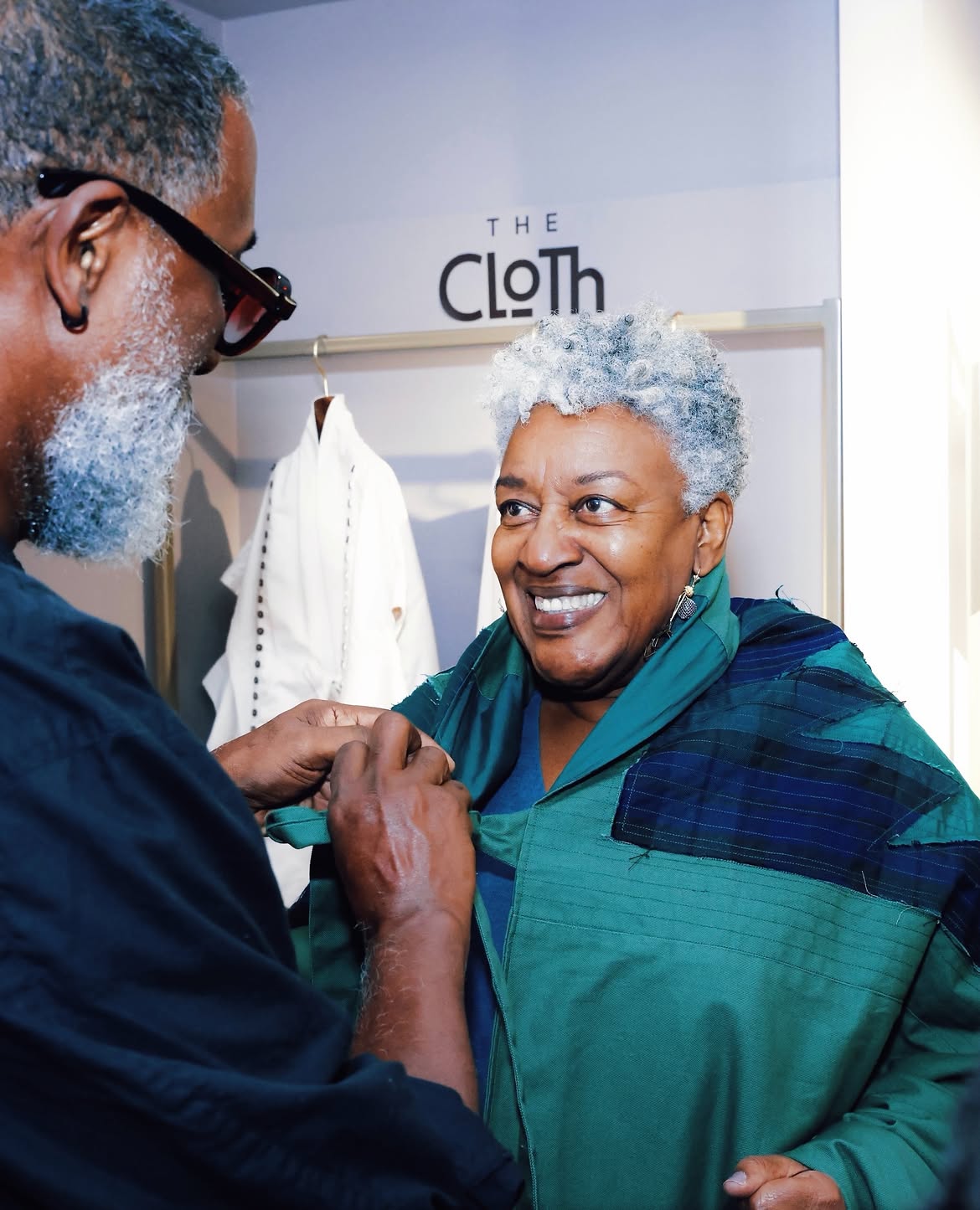
The London presentation provides the setting. A previously published interview with The Cloth’s leadership offers a more specific story about making, audience and the information behind a garment.
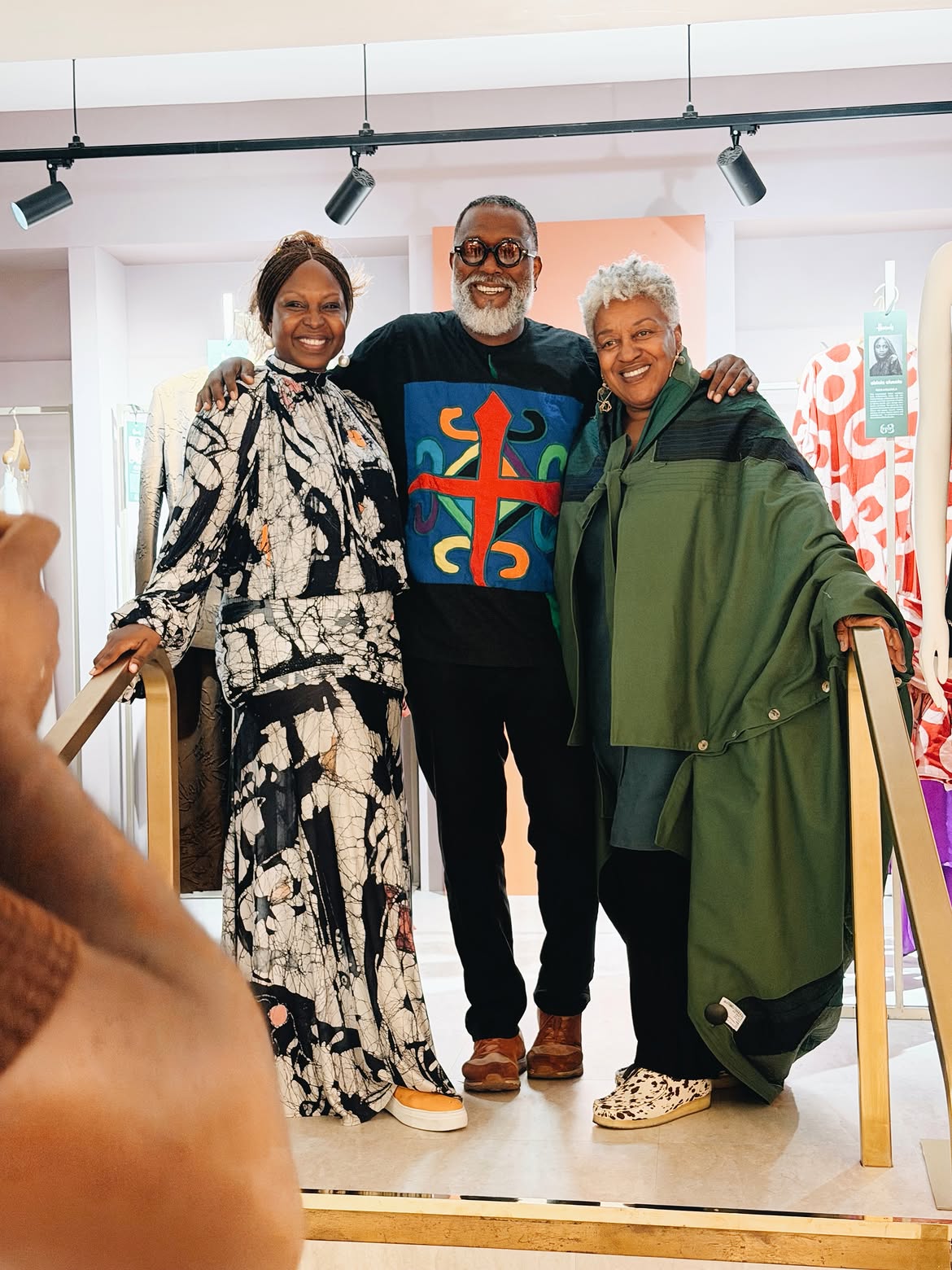
The Cloth is participating in Brand63Africa‘s Harrods pop-up, listed on the retailer’s Fifth Floor from 7 September to 27 October 2026. The project brings the Trinidad and Tobago label into a five-brand presentation of African and diaspora design, curated by Brand63Africa founder Eva Omaghomi alongside Christie Brown, Studio Namnyak, Abiola Olusola and Sukeina. Retail placement at one of London’s most prominent addresses is part of the story. Another appears in Caroline Issa’s 7 September interview with creative director Robert Young for Because Magazine.
“This is the first time The Cloth has not been made in Trinidad.” — Robert Young, creative director of The Cloth, speaking to Because Magazine, 7 September 2026
Earlier in that same answer, Young said some of the collection was not made in the Caribbean, linking the decision to the challenges of scaling when entering another market. The disclosure is more precise than a general announcement of international expansion. It identifies a change in production arrangements while leaving an important distinction intact: producing part of a collection elsewhere is not evidence that the label has relocated all its production. The Harrods placement and the production adjustment are two separate developments that belong in the same account, without treating one as a complete explanation of the other.
Robert Young’s published comments distinguish The Cloth’s production changes from its Caribbean design priorities during its Brand63Africa Harrods pop-up.
What Young Says Changed
Young’s remarks appear in an interview explicitly discussing the Harrods presentation. They do not establish that the retailer required the production change, identify the overseas production locations or provide a garment-by-garment breakdown. Those limits define the scope of the disclosure without obscuring its significance.
A new retail setting can be announced through an address, a launch date and a photograph. A production change concerns a different part of the business — how the clothes become available to present and sell. Entering a new market and adjusting production to meet it are related decisions that operate at different levels of the business and deserve to be described separately.
The Jamaica Observer’s September coverage documents the launch through photographs, product captions and a statement from the label, establishing the presentation and its participants. Young’s interview adds something the launch record cannot show: his account of an adjustment behind the collection, in his own words. Retail visibility and production decisions often collapse into a single narrative of going global. Still, they’re two different moves: one about where a label appears and one about how it makes what it sells.
Who He Designs For
Young also described a priority that remained unchanged: designing around what people in the Caribbean would want to wear, rather than beginning with the international market. In the same interview, he connected The Cloth’s participation in Port of Spain’s Emancipation Village with its longstanding community relationship in Trinidad and Tobago.
That position complicates a simple story of clothes being redesigned for an overseas customer. A collection can enter a new environment without that environment becoming its primary point of reference. The relevant question is which decisions changed and which did, not whether the move can be labelled either a breakthrough or a compromise.
The published account separates audience from production arrangement. Young identifies a Caribbean audience as a design priority while acknowledging that some making took place outside Trinidad. Neither statement cancels the other. Treating them as contradictory would miss the point of both.
That level of precision matters particularly when a label’s identity is closely tied to a specific place. The cloth is not an anonymous manufacturer scaling a product for a generic global customer. It is a label whose creative director explicitly references a particular Caribbean audience as the starting point for design decisions. Holding that alongside the production adjustment, rather than letting one override the other, produces a more complete account of what the Harrods presentation actually represents. Otherwise, “International expansion” can compress several distinct activities into one phrase: entering a retail presentation, reaching another audience, developing production capacity, and changing manufacturing relationships. A precise industry account keeps those activities identifiable rather than assuming they all moved together.
The Acono Shirt Makes the Distinction Tangible
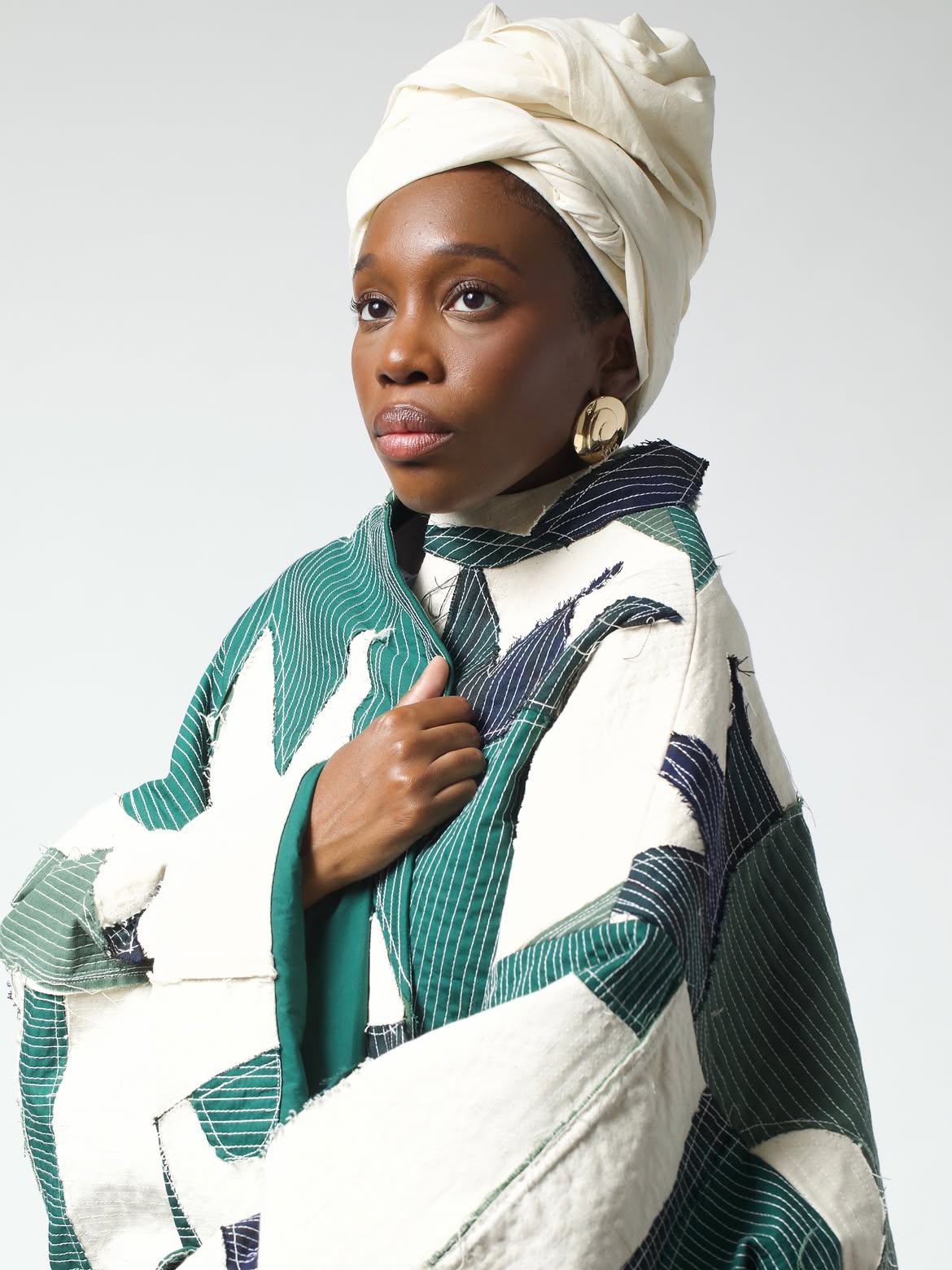
In the same interview, CEO Sophie Bufton identified the Acono Shirt as made from West Indian Sea Island cotton. She used it to argue for recognising the Caribbean as a source of design ideas as well as raw materials, a point that speaks directly to how the region is positioned within global fashion conversations, and one that carries real weight in an industry that has often treated Africa and the Caribbean as sources of inspiration rather than authorship.
The example does not establish where that shirt was manufactured, and the interview does not identify it as one of the garments made outside Trinidad. Its value lies in separating three distinct questions: who conceived the garment, what material was used, and where it was made. A regional description cannot reliably answer all three, and conflating them produces a less accurate picture of what any given piece actually represents.
The Jamaica Observer includes the Acono Shirt in its illustrated coverage of the Harrods launch, making the piece identifiable within the published record. A fuller product account would connect those layers, material provenance, design authorship, and manufacturing location, as a whole, rather than asking one to stand in for the others.
A Retail Setting Is Not a Complete Business Record
Harrods’ listing confirms the scheduled presentation, not its sales performance. That distinction is enough; the absence of commercial figures should not become a verdict on the project either way.
The more useful observation is that the launch coverage and the leadership interview perform different functions. The Jamaica Observer records the label’s appearance in a new retail setting. Young’s interview explains selected priorities and production decisions in the participants’ own terms. Read together, they produce a clearer account of what The Cloth brought to the Harrods floor than either document alone.
Fashion journalism regularly leads with the prestige of a retail placement and leaves the production story largely untold. Young’s willingness to address the making side of the Harrods entry directly — including the departure from Trinidad-only production — gives the story a more complete shape than the venue announcement alone provides.
Precision as the Standard
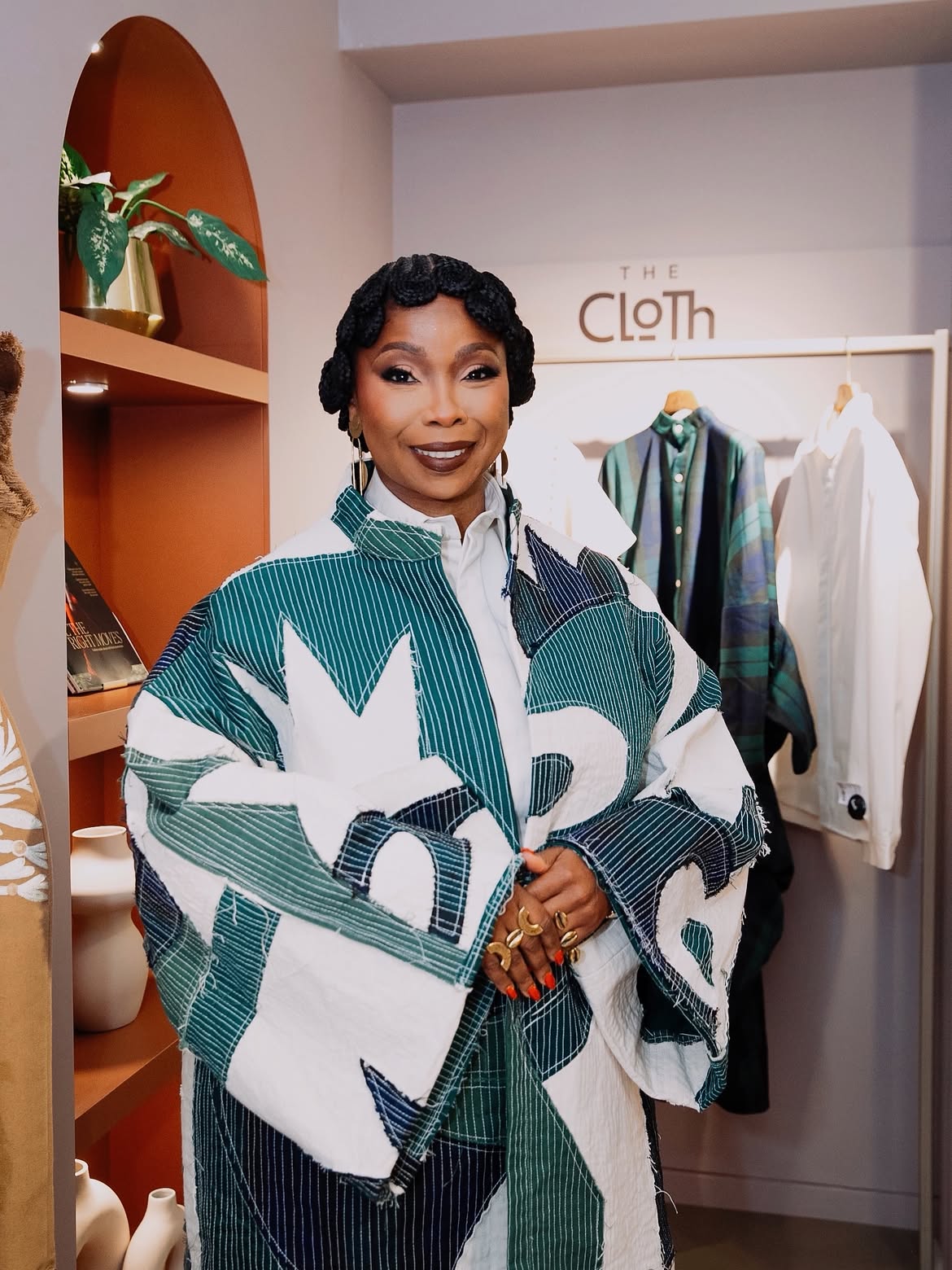
The Harrods setting makes this presentation visible. Young’s production disclosure makes another part of the story available. The distinction between the two is where the most useful industry reporting begins. A prominent retail address does not explain how garments were made. Manufacturing geography alone does not describe the audience or ideas guiding their design.
The Cloth’s published account supplies a partial but substantive answer. Some production moved beyond Trinidad while Young continued to identify Caribbean wearers as his design reference. The Acono Shirt adds a material example but doesn’t resolve the manufacturing history of the entire selection. That is a more informative story than treating the pop-up as either proof of success or a test of cultural authenticity, and in any case, those are different questions that fashion coverage is better placed to keep separate.
Also Read:
- African Designers at LFW S/S27: What the AW26 Firsts Mean for September
- The World Takes the Runway: Fashion Week Studio Opens Its Paris S/S27 Journey
- Peckham’s Diaspora Fashion Economy: Rye Lane, Occasionwear and Creative Production
Frequently Asked Questions
What is Brand63Africa’s Harrods pop-up?
Brand63Africa, founded by Eva Omaghomi, curated a five-brand presentation on Harrods’ Fifth Floor running from 7 September to 27 October 2026. The selection includes The Cloth (Trinidad and Tobago), Christie Brown (Ghana), Studio Namnyak (Kenya), Abiola Olusola and Sukeina.
What did Robert Young say about The Cloth’s production?
In a 7 September interview for Because Magazine, Young said, “This is the first time The Cloth has not been made in Trinidad.” He said some of the collection was made outside the Caribbean, linking the decision to the challenges of scaling when entering a new market. He did not identify specific locations or confirm which garments were affected.
Does the production change mean The Cloth has moved away from its Caribbean identity?
Not according to Young’s own account. In the same interview, he said he designed around what Caribbean wearers would want and referenced The Cloth’s ongoing participation in Port of Spain’s Emancipation Village. In his comments, he treats the design priority and the production arrangement as separate things, and this article follows that distinction.
What is the Acono Shirt?
CEO Sophie Bufton identified the Acono Shirt as made from West Indian Sea Island cotton, and the Jamaica Observer’s illustrated coverage of the Harrods launch included it. The interview does not confirm where it was manufactured or whether it is one of the garments produced outside Trinidad for this collection.