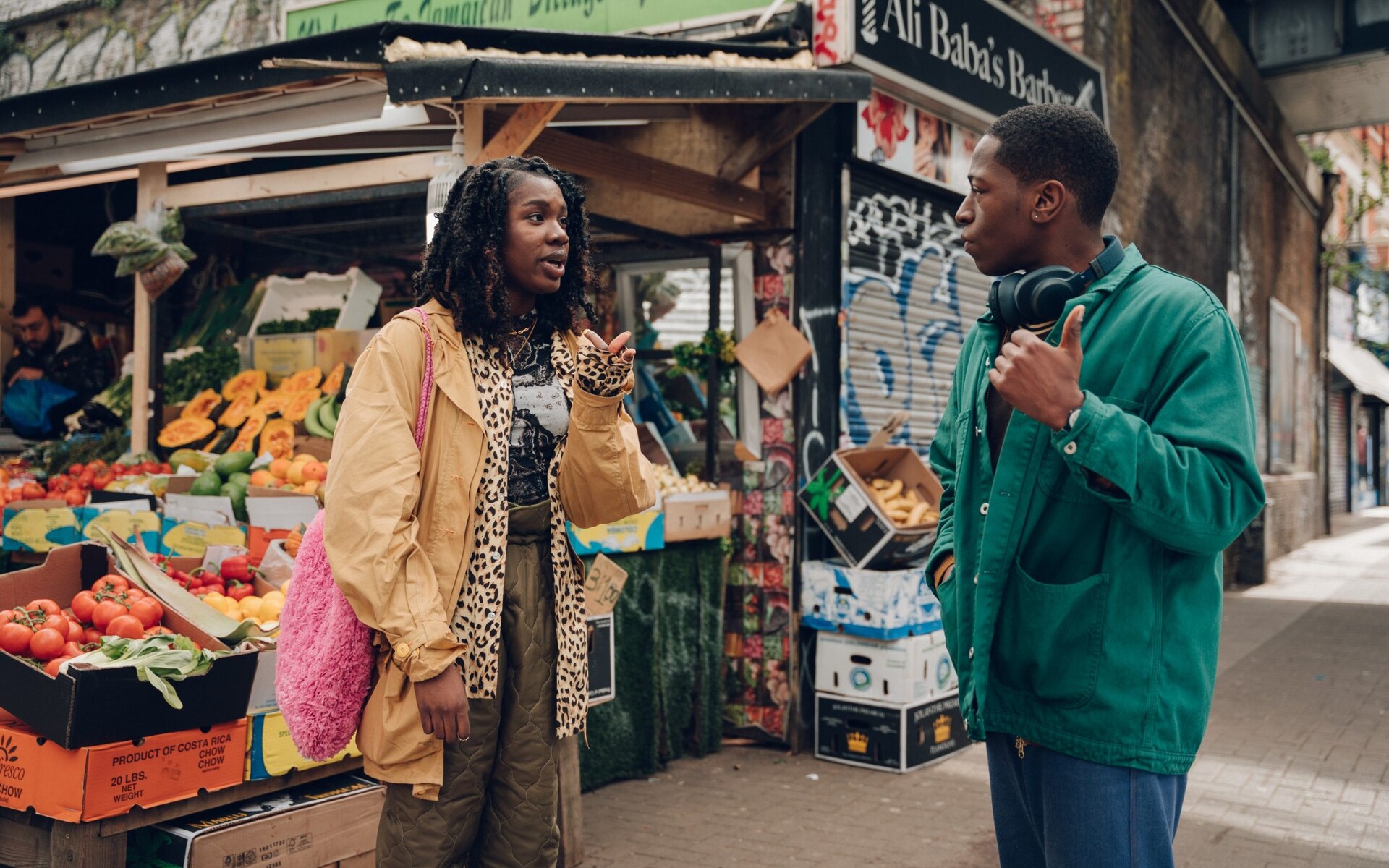
The African fashion market is worth 31 billion dollars. A portion of that market operates on Rye Lane in Peckham, South East London, through fabric shops, tailors, beauty businesses, occasionwear networks, and the informal referral systems that connect customers to the specific dress services their lives require. It does not operate on a fashion-week calendar. It does not require editorial coverage to function. It runs continuously, seven days a week, driven by the specific dress needs of the West African, Caribbean, and wider diaspora communities that have made Peckham their commercial and cultural centre since the 1970s.
London’s largest concentration of Nigerians, exceeding 135,000 as of 2020 data, is distributed across the city, with Peckham holding the largest single overseas Nigerian community, comprising around 7% of the local population. The West African and Caribbean communities that constitute Peckham’s commercial core generate sustained demand for a specific category of fashion that the mainstream market systematically underserves: dresswear for communal occasions. Weddings. Naming ceremonies. Church outings. Funerals. Birthday celebrations. As Omiren Styles’ documentation of àṣọ-ẹbí as a celebration economy confirms, the àṣọ-ẹbí fabric system that organises group dress at Nigerian celebrations is not a dress code. It is an economic system involving fabric purchase, tailor coordination, garment construction, accessory matching, and hair and beauty services, generating commercial activity at every stage. Peckham is where a significant share of that activity takes place in London.
Rye Lane’s fabric shops, tailors, and occasionwear networks constitute a functioning fashion economy. Here is what it consists of and why it matters.
The Rye Lane Fashion Economy: What Is There
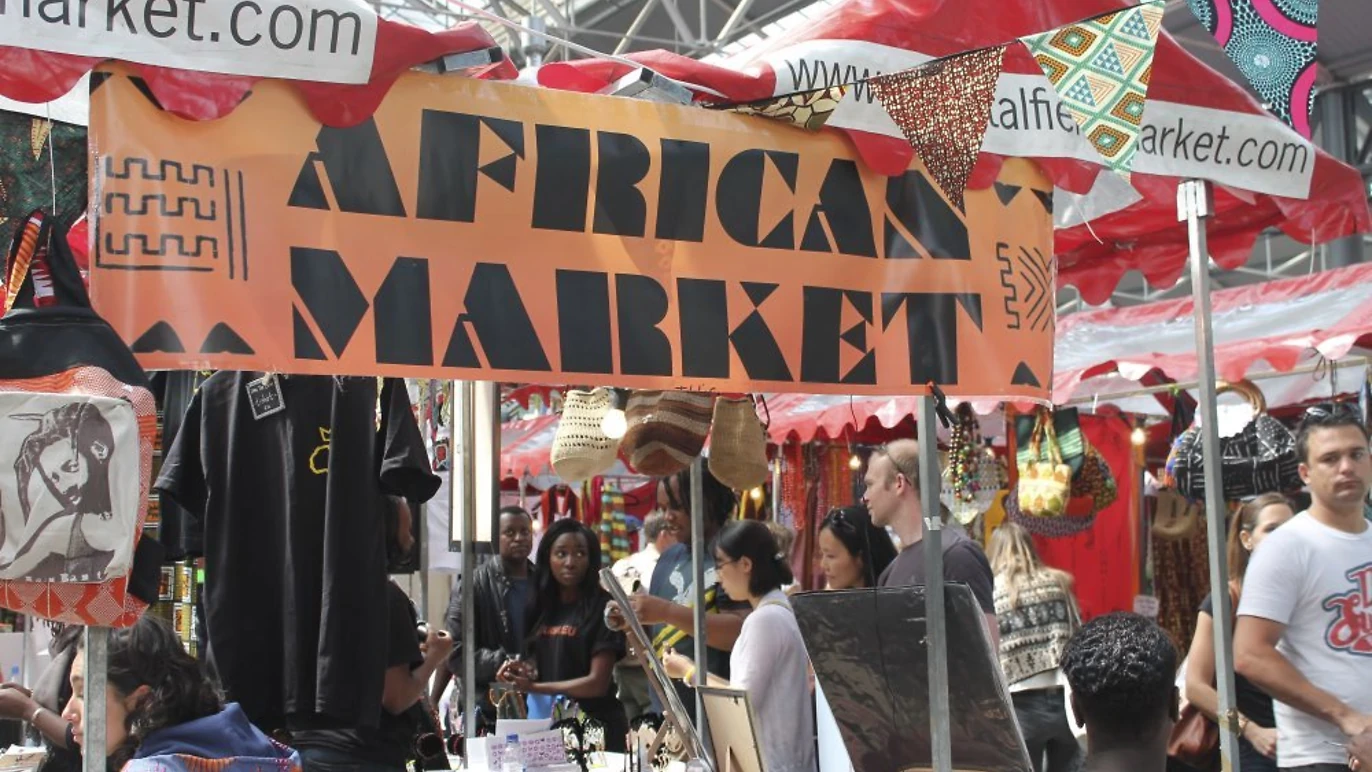
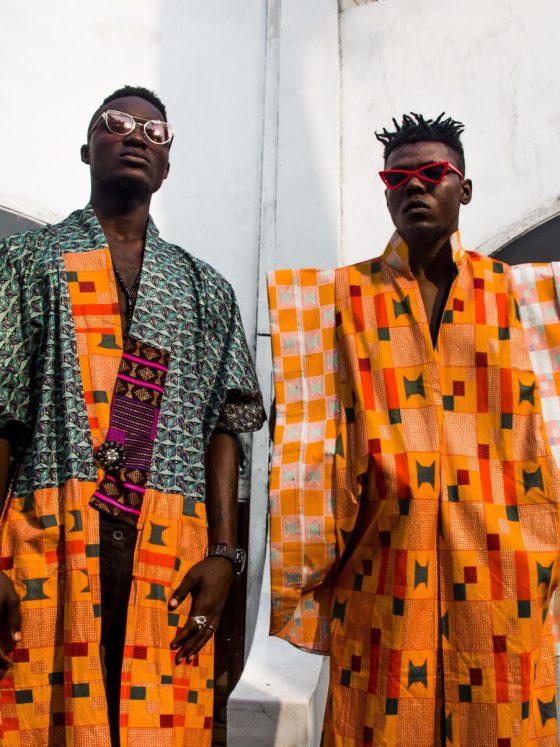
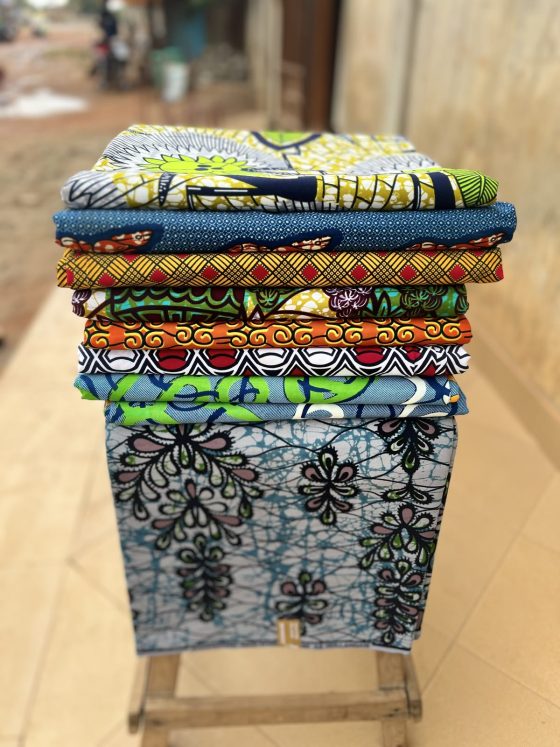
Rye Lane is Peckham’s main high street and one of the most culturally dense retail strips in London. Its fabric shops are the most commercially specific element of Peckham’s fashion economy. As DiasporaDays’ documentation of Peckham’s retail ecology confirms, the fabric shops are treasure troves of ankara, wax print, aso-oke, kente, and lace. Rolls of vibrant cloth line the walls from floor to ceiling. These shops serve the Nigerian and Ghanaian communities, catering to weddings, naming ceremonies, church outfits, and everyday fashion. The owners can recommend tailors who will sew custom outfits in days. The last clause is the critical one: the fabric shop and the tailor are not separate businesses. They are adjacent nodes in a service network that delivers a complete garment-to-occasion outcome.
A custom outfit from Peckham’s fabric-and-tailor network costs at least £150- £200. This is not a low-value transaction. It is a skilled-labour commission, from a customer with specific requirements (the fabric colour or pattern dictated by the occasion’s àṣọ-ẹbí arrangement, the style dictated by personal preference and occasion formality, the timeline dictated by the celebration date) to a tailor whose knowledge of Yoruba, Igbo, Ghanaian, or Cameroonian dress conventions is itself the value being purchased. The customer is not buying a generic garment. They are buying specialised knowledge of how to dress for a specific occasion within a specific cultural grammar.
A fabric shop on Rye Lane that can connect a customer to a tailor who will sew a custom outfit in three days for a naming ceremony is not a retail business adjacent to fashion. It is a fashion business. The naming ceremony it serves is not a margin event in someone’s cultural calendar. It is one of the most sartorially demanding occasions in Nigerian life.
Rye Lane Market: The Trading Infrastructure
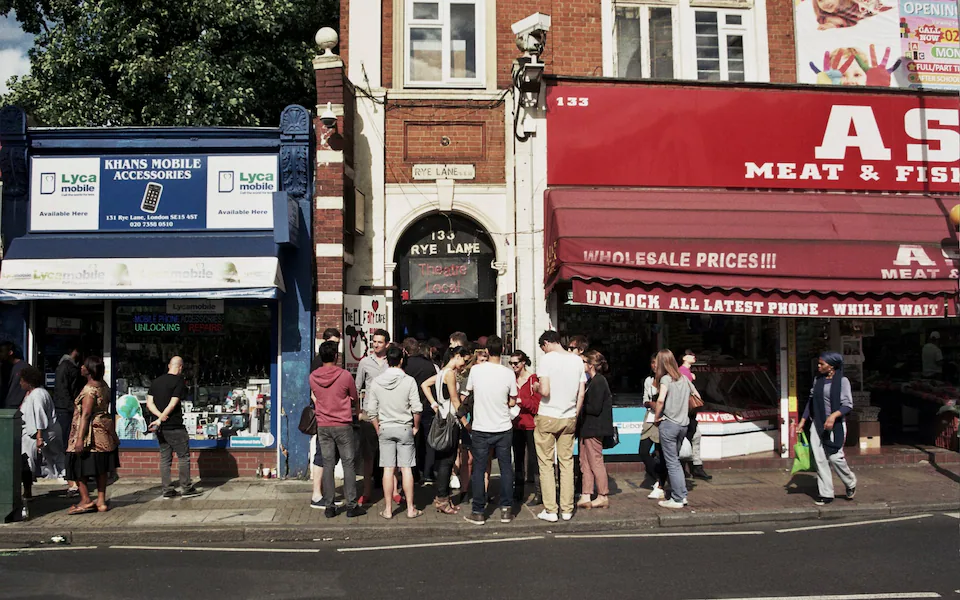
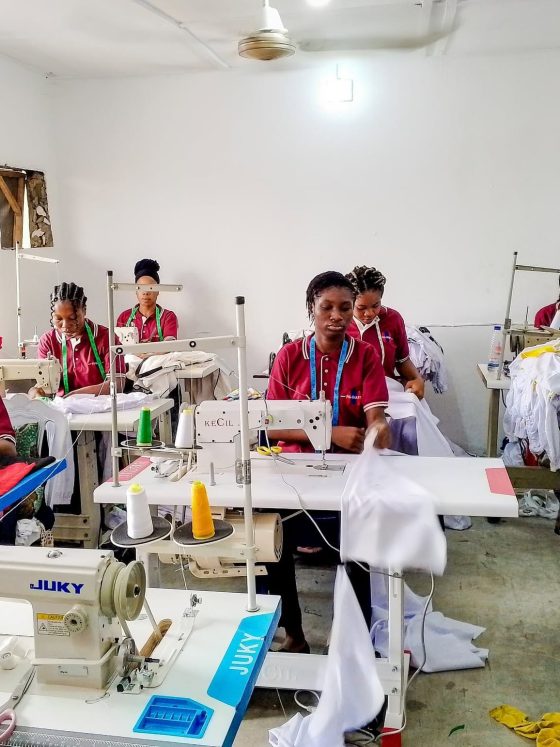
Rye Lane Market, the indoor trading hall that sits within the high street’s commercial fabric, documents in its own trader listings the specific fashion services available. As the Rye Lane Market traders directory confirms, the market hosts a textiles trader, a tailoring and clothing-alterations service offering hems, zips, resizing, and garment restoration using a traditional machine, and a fabrics trader stocking linen, satin linings, wool, and haberdashery. These are not boutique fashion services positioned for the trend market. They are practical production and repair services calibrated to a community that makes and maintains clothing at a sustained rate rather than treating garments as seasonal disposables.
The market’s broader offering, which includes beauty services, food businesses, and community retail, reflects the integrated commercial ecology of Peckham’s high street. Fashion, beauty, and food are not separate commercial categories in this ecology. They are co-present in the same spaces because they serve the same communal occasions. A naming ceremony requires a new outfit, hair styling, nails, and often a specific food order. A business district that provides all four in proximity is serving its community with commercial intelligence.
The Occasionwear Economy
The occasionwear economy centred on Peckham’s fabric and tailor network operates at a scale not captured by any single business’s revenue figure, as it is distributed across dozens of fabric retailers, hundreds of independent tailors, and the informal referral networks that connect customers to the right service for their specific needs. What can be documented is its structural character: demand is predictable, culturally driven, and non-substitutable.
Predictable because the Nigerian, Ghanaian, Cameroonian, and Caribbean communities of South London have a consistent annual calendar of celebrations, most of which require new dress. A community of 135,000+ Nigerians in London, each participating in an average of several significant dress occasions per year, generates a sustained volume of fabric purchasing, tailoring commissions, and beauty service bookings that constitutes a meaningful market regardless of whether it is measured or published. Non-substitutable because a mainstream retailer cannot replicate the cultural knowledge embedded in the dress services available in Peckham: knowing which fabric weight is appropriate for a specific aso-oke ceremony, which gele style suits a grandmother versus a daughter of the house, how to cut and sew a correctly proportioned agbada, and which beading finishes are appropriate for a specific celebration level are specialist competencies developed through cultural immersion rather than fashion training.
The Peckham occasionwear economy is in this sense the London equivalent of what Omiren Styles has documented across West African dress traditions. As Omiren Styles’ documentation of West African dress as a living record confirms, the knowledge of what to wear, when, and in which combination is transmitted through community participation rather than through formal fashion education. The tailors and fabric retailers of Rye Lane hold that knowledge in practice.
The Creative Production Layer: Copeland Park and Bussey Building
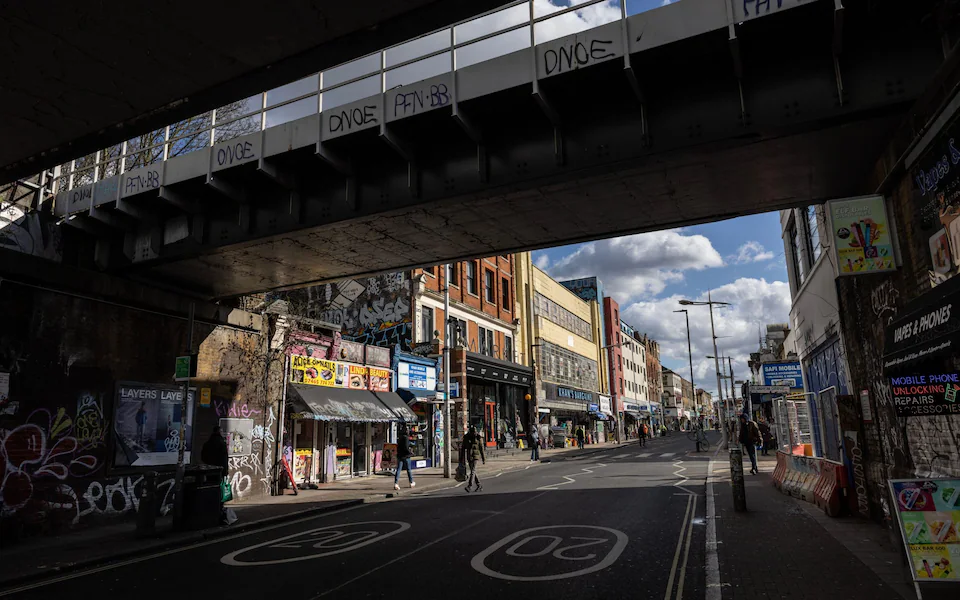
Separate from the retail and tailoring economy of Rye Lane, Peckham has developed a creative production infrastructure anchored by Copeland Park and the Bussey Building at 133 Rye Lane. As Copeland Park’s documentation of its creative community confirms, the site houses over 150 businesses, including studios for textile makers, painters, carpenters, ceramicists, photographers, and graphic designers, as well as fitness studios, restaurants, galleries, and a rooftop cinema. Bussey Studios are described as housing some of Peckham’s creative cream of the crop, with studios rarely becoming available due to demand. This is not a temporary pop-up creative district. It is an established institutional infrastructure for creative production, operating from a late-19th-century brick industrial building that was saved from demolition in 2009 through a community campaign.
The Made in Peckham programme at Copeland Park runs an annual open studios and Makers Market showcasing more than 70 artists and designers and offering direct purchase from local creatives. The Emerging Artist Programme, launched in 2024, provides heavily subsidised exhibition space to early-career artists and collectives facing financial and institutional barriers. Peckham Festival, which Copeland Park has been instrumental in establishing and running, has included a ballroom event hosted by Kiki House of Laveaux, situating Black queer performance culture within Peckham’s creative calendar. These programmes collectively position Copeland Park and Bussey Building as a cultural production infrastructure rather than simply a commercial letting operation.
The spatial relationship between Copeland Park’s creative studios and Rye Lane’s retail fabric economy is the most commercially interesting feature of Peckham’s fashion geography. A fashion designer based in a Bussey Studio is approximately 150 metres from fabric shops stocking the materials most relevant to African and diaspora dress traditions. The proximity is not accidental. It reflects the convergence of diaspora commercial infrastructure and gentrification-adjacent creative space within the same neighbourhood. This convergence creates opportunity for designers whose practice draws on the West African and Caribbean cultural material available in the surrounding commercial ecology.
What This Economy Is Not Being Called
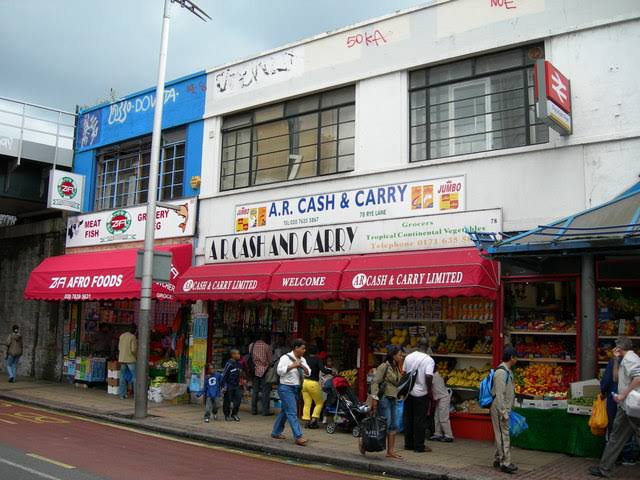
Peckham’s diaspora fashion economy is not described as such in most accounts. It is described as community retail, cultural vibrancy, ethnic minority business, or local character. These descriptions are not wrong, but they are inadequate. A market that generates consistent revenue from fabric purchases, skilled tailoring commissions, and beauty services for a stable, culturally specific customer base constitutes a fashion economy. Its non-description as such reflects the same structural problem that Omiren Styles has documented across African fashion markets internationally: the assumption that fashion requires particular institutional forms, particularly the runway show, the international buyer, and the editorial placement, to be counted as fashion.
Peckham’s occasionwear tailors do not show at London Fashion Week. The fabric shops on Rye Lane lack a PR strategy. The braiding salon that spends twelve hours producing an elaborate gele for a naming ceremony is not tracked in the fashion industry’s commercial data. None of that makes them less central to London’s actual fashion culture. As Omiren Styles’ analysis of African and diaspora fashion in London confirms, the description of London fashion that confines itself to the official fashion-week calendar is describing a fraction of the city’s actual fashion culture. Peckham is a significant portion of the rest.
The Omiren Argument
Peckham’s diaspora fashion economy is a functioning, self-sustaining commercial system that produces fashion in the most complete sense: it designs, sources material, constructs garments, styles hair, provides beauty services, and delivers complete dressed presentations for specific cultural occasions, for a stable and culturally knowledgeable customer base, on a timeline calibrated to the community’s actual celebratory calendar. The African fashion market is worth 31 billion dollars. A portion of that market is on Rye Lane in South East London, in the fabric shops that stock ankara, wax print, aso-oke, kente, and lace, in the tailors who know how to cut agbada, in the braiding salons that spend twelve hours on a single gele, and in the informal referral networks that connect a woman buying fabric for her daughter’s naming ceremony to the specific tailor who can sew it correctly in three days. The Bussey Building’s studios are 150 metres from those shops. The Peckham Festival ballroom brought ballroom culture into the same geography. Made in Peckham puts 70+ artists and designers in direct commerce with the public who walk past them. This is not a creative district adjacent to a retail district. It is a fashion economy whose two halves, the cultural production infrastructure and the community service infrastructure, operate in the same neighbourhood without being described as related. Omiren Styles documents them together because they are together.
Also Read:
- Diaspora Style Is Not Fashion’s Trend Reservoir
- Who Should Define Cultural Authority in Fashion? Start With the Makers
- Hair, Combs and Adornment: How Suriname’s Maroon Communities Made Beauty Material
Frequently Asked Questions
What fashion businesses are on Rye Lane Peckham?
Rye Lane Peckham has a concentrated cluster of diaspora fashion businesses including fabric shops stocking ankara, wax print, aso-oke, kente, and lace; tailors offering custom garment construction for weddings, naming ceremonies, church outfits, and celebrations; Nigerian fashion houses; African hair product stores; and beauty salons providing braiding, weaving, and styling services. Rye Lane Market, within the high street, has documented traders in textiles, tailoring and clothing alterations, and haberdashery including linen, satin linings, wool, and notions. The Copeland Park and Bussey Building creative complex at 133 Rye Lane additionally houses studio spaces for textile makers and independent fashion and design businesses.
Where can I buy African fabric in Peckham?
Peckham’s Rye Lane and surrounding streets have multiple fabric retailers stocking African textiles including ankara, wax print, aso-oke, kente, and various lace fabrics used in Nigerian and Ghanaian celebratory dress. Rye Lane Market also has a documented fabric trader. The shops are primarily oriented toward the Nigerian, Ghanaian, and West African diaspora communities and stock materials appropriate for weddings, naming ceremonies, church dress, and other celebratory occasions. Most fabric shops can also connect customers to tailors who work with the specific materials and dress traditions relevant to their occasion.
How does Peckham’s fashion economy work?
Peckham’s diaspora fashion economy operates through a network of fabric retailers, independent tailors, beauty businesses, and informal referral systems that collectively serve the dress needs of the West African, Caribbean, and wider diaspora communities of South London. A customer requiring a dress for a wedding, naming ceremony, or church occasion typically purchases fabric from a Rye Lane shop (the occasion’s àṣọ-ẹbí arrangement may specify the fabric), is referred to a tailor who constructs a custom garment within the required timeframe, and simultaneously arranges hair and beauty services. The economy generates revenue at each stage: fabric sale, tailoring commission, hair styling, and beauty treatment, through a customer base with consistent, culturally driven demand throughout the year.
What is occasionwear in African diaspora communities?
Occasionwear in African diaspora communities refers to the category of dress produced specifically for communal celebrations: weddings, naming ceremonies, birthdays, funerals, church events, and cultural festivals. In Nigerian communities, this dress is frequently organised around àṣọ-ẹbí, a system in which family or friendship groups wear the same fabric in different styles. This requires coordinated fabric purchase, custom tailoring, and often specific hair, makeup, and accessory styling calibrated to the occasion’s cultural requirements. Occasionwear is not a smaller or less serious category than everyday or ready-to-wear fashion. For many women in West African and diaspora communities, it constitutes the most expensive, most technically demanding, and most culturally significant dress in their wardrobe.
What is Copeland Park and the Bussey Building?
Copeland Park and the Bussey Building are a creative quarter located at 133 Rye Lane, SE15 4ST in Peckham, approximately 150 metres from Peckham Rye station. The site, dating from the late 19th century, houses over 150 businesses, including studios for artists, textile makers, photographers, graphic designers, and architects, as well as restaurants, bars, a rooftop cinema, and galleries. The Bussey Building’s studios are in consistently high demand and rarely become available. The site runs Made in Peckham (70+ artists and designers in open studios and a Makers Market), the Emerging Artist Programme (subsidised exhibition space for early-career artists, launched 2024), and is instrumental in running Peckham Festival, an annual free cultural event.
Explore More
Read the full Fashion > Industry section for Omiren Styles‘ documentation of diaspora fashion economies, community retail infrastructure, and the dress systems that constitute fashion outside the official calendar.
Discover travel and heritage intelligence across Africa and the African diaspora at Rex Clarke Adventures.