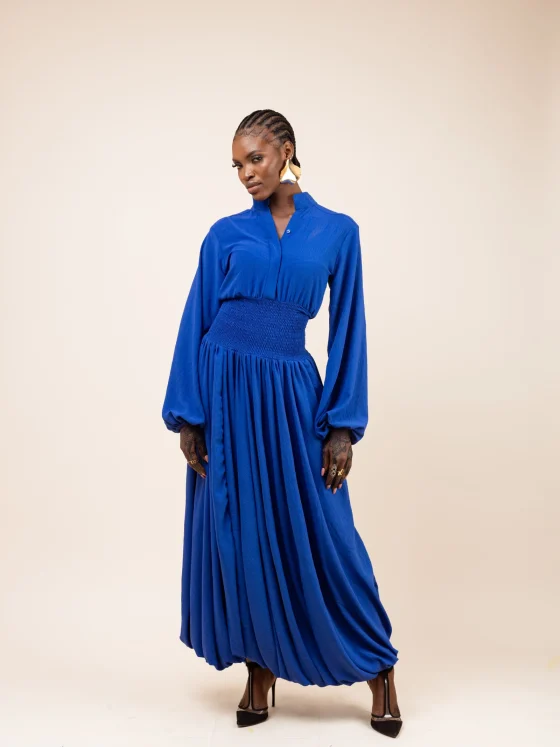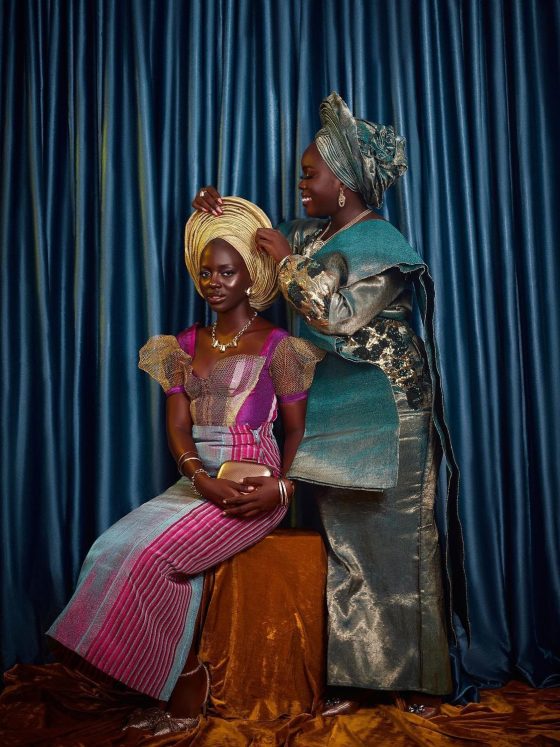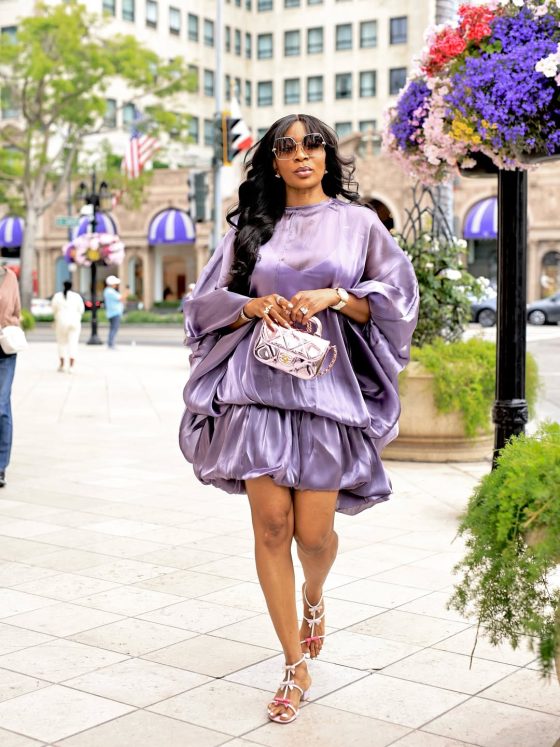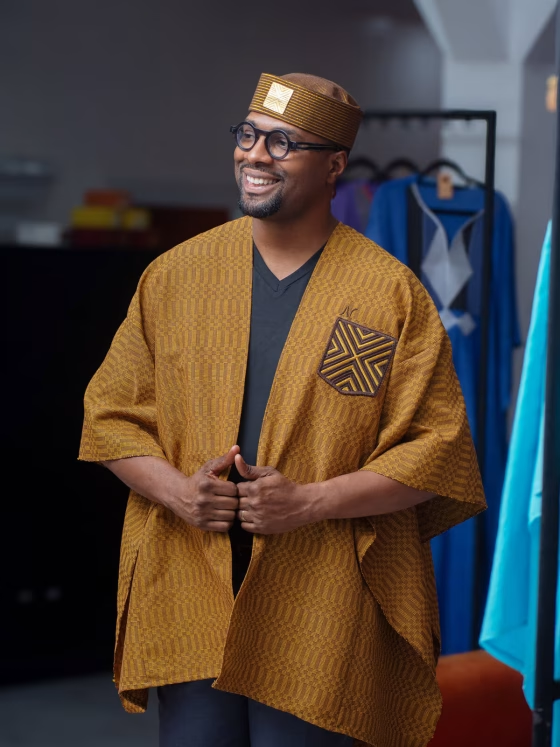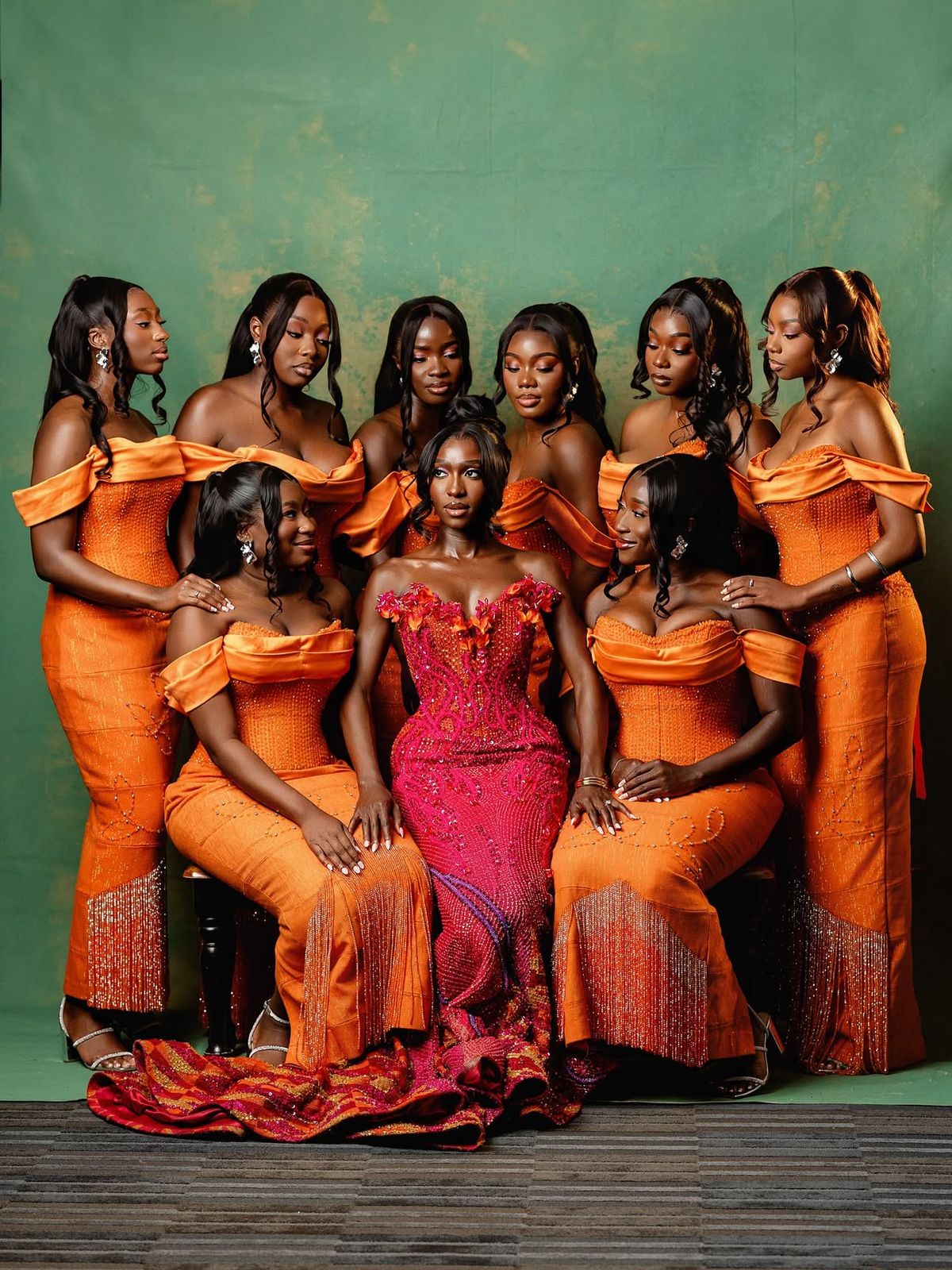
A Nigerian bride does not wear just one outfit.
She arrives in layers of meaning—tradition, reinvention, performance, and precision —expressed through fabric, silhouette, and styling. What once followed a predictable cultural script has evolved into something far more deliberate.
Bridal fashion in Nigeria is no longer about dressing correctly. It is about dressing memorably.
From intricately woven aso-oke reimagined into modern forms to sculpted white gowns designed for visual impact, the Nigerian bridal wardrobe has expanded into a multi-act presentation. Each look serves a purpose. Each detail is intentional.
And behind it all lies a shift that defines contemporary Nigerian weddings: the bride is no longer simply a representation of culture. She is interpreting it.
Explore the evolution of bridal fashion in Nigeria, from traditional attire to modern statement weddings, and how culture, style, and identity shape the Nigerian bride today.
When Tradition Was the Standard
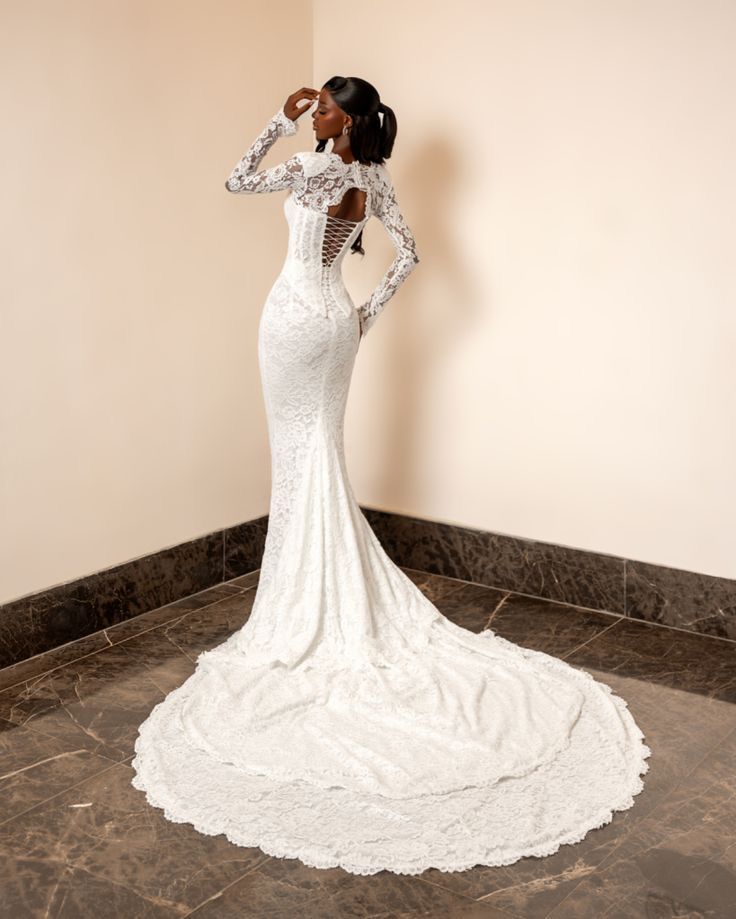
Before the rise of social media and modern bridal culture, Nigerian bridal fashion was more defined by tradition than by individual expression.
In many cultures, the bride’s attire was predetermined. Yoruba brides wore iro and buba with aso-oke, often paired with a gele and ipele. Igbo brides appeared in richly adorned wrappers, coral beads, and embroidered blouses. Northern brides leaned toward modest silhouettes, incorporating flowing fabrics and intricate detailing.
These looks were not optional. They were expected.
The focus was less on variation and more on cultural accuracy. The bride represented her family, her heritage, and her community. Fashion, in this context, was a continuation of tradition.
The Rise of Aso-Ebi Culture
As weddings became more elaborate, aso-ebi culture began to influence bridal fashion more strongly.
Aso-ebi, which involves coordinated fabrics worn by family and friends, elevated the visual scale of weddings. The bride, naturally, had to stand out within this coordinated environment.
This led to more intentional styling. Richer fabrics, more detailed embroidery, and carefully structured silhouettes became essential. The bride was no longer just part of the ceremony. She became its focal point.
This shift marked the beginning of bridal fashion as a visual hierarchy.
The White Wedding Influence
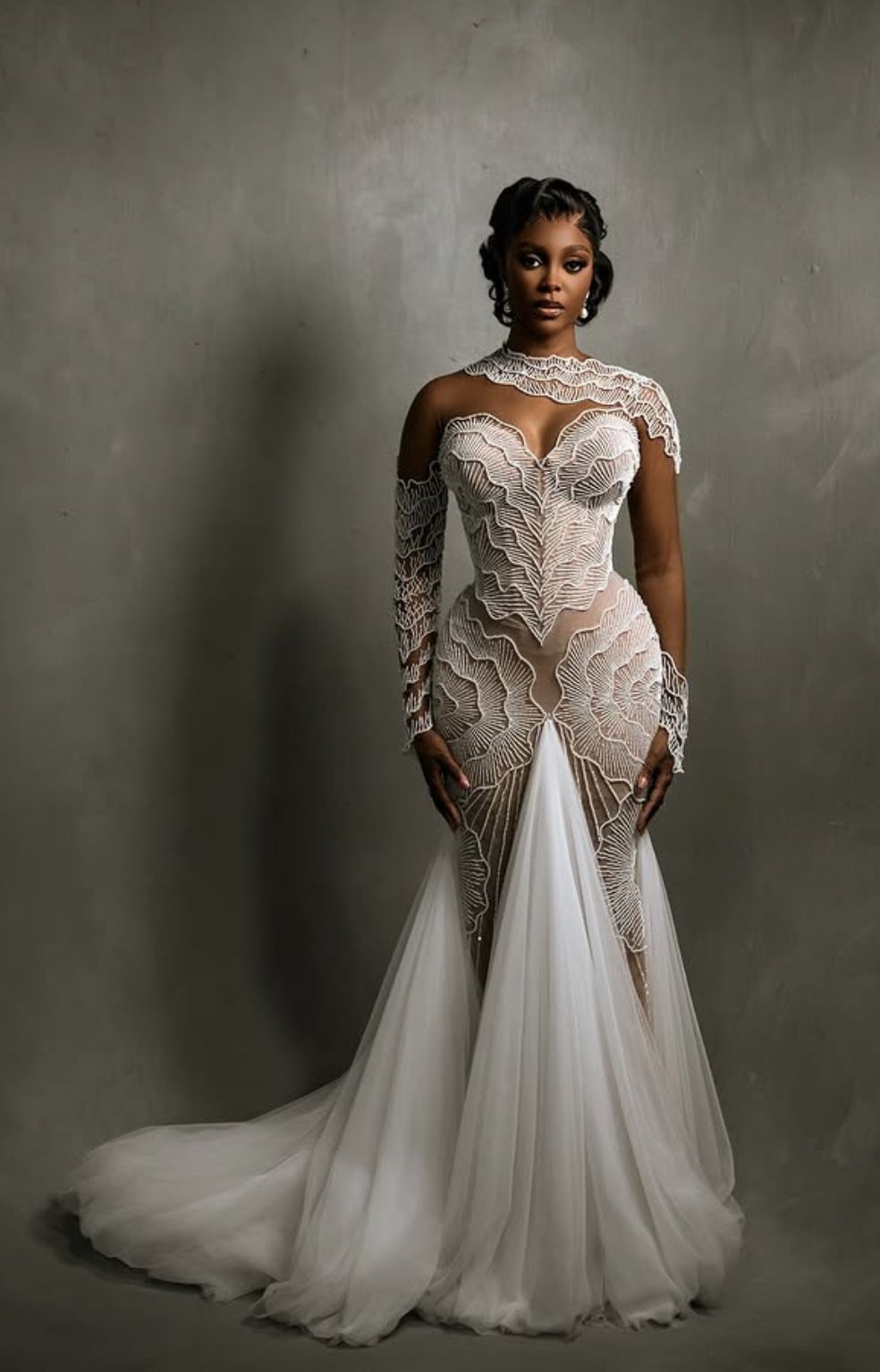
The introduction and eventual dominance of the white wedding added another layer to Nigerian bridal fashion.
Western-style gowns—lace, satin, and tulle—became part of the bridal wardrobe. Designers began blending these elements with Nigerian sensibilities, creating dresses that felt both global and local.
Brides now had multiple looks:
- Traditional attire for the engagement ceremony
- White gown for the church wedding
- Reception dress for the after-party
This multi-outfit structure changed everything. It expanded the role of fashion within weddings and created space for experimentation.
From Outfit to Statement
In today’s Nigerian wedding culture, the bride’s outfit is expected to do more than fit well or look elegant.
It must stand out.
Design choices have become more intentional and sometimes more dramatic. Structured corsets, exaggerated sleeves, layered fabrics, and bold colour combinations are now common.
Traditional attire is also being reinterpreted. Aso-oke is cut into modern silhouettes. Blouses are redesigned with contemporary tailoring. Accessories are styled with precision.
The goal is no longer just to honour tradition. It is to reinterpret it.
The Role of Designers and Stylists
The evolution of bridal fashion in Nigeria is closely tied to the rise of designers and stylists as key figures in the wedding process.
Brides no longer simply choose outfits. They collaborate.
Designers create custom pieces that reflect the bride’s personality, body type, and desired aesthetic. Stylists curate complete looks, from clothing to accessories to hair and makeup.
This has elevated bridal fashion into a more structured system—one where expertise, planning, and execution are essential.
Social Media and the Pressure to Impress
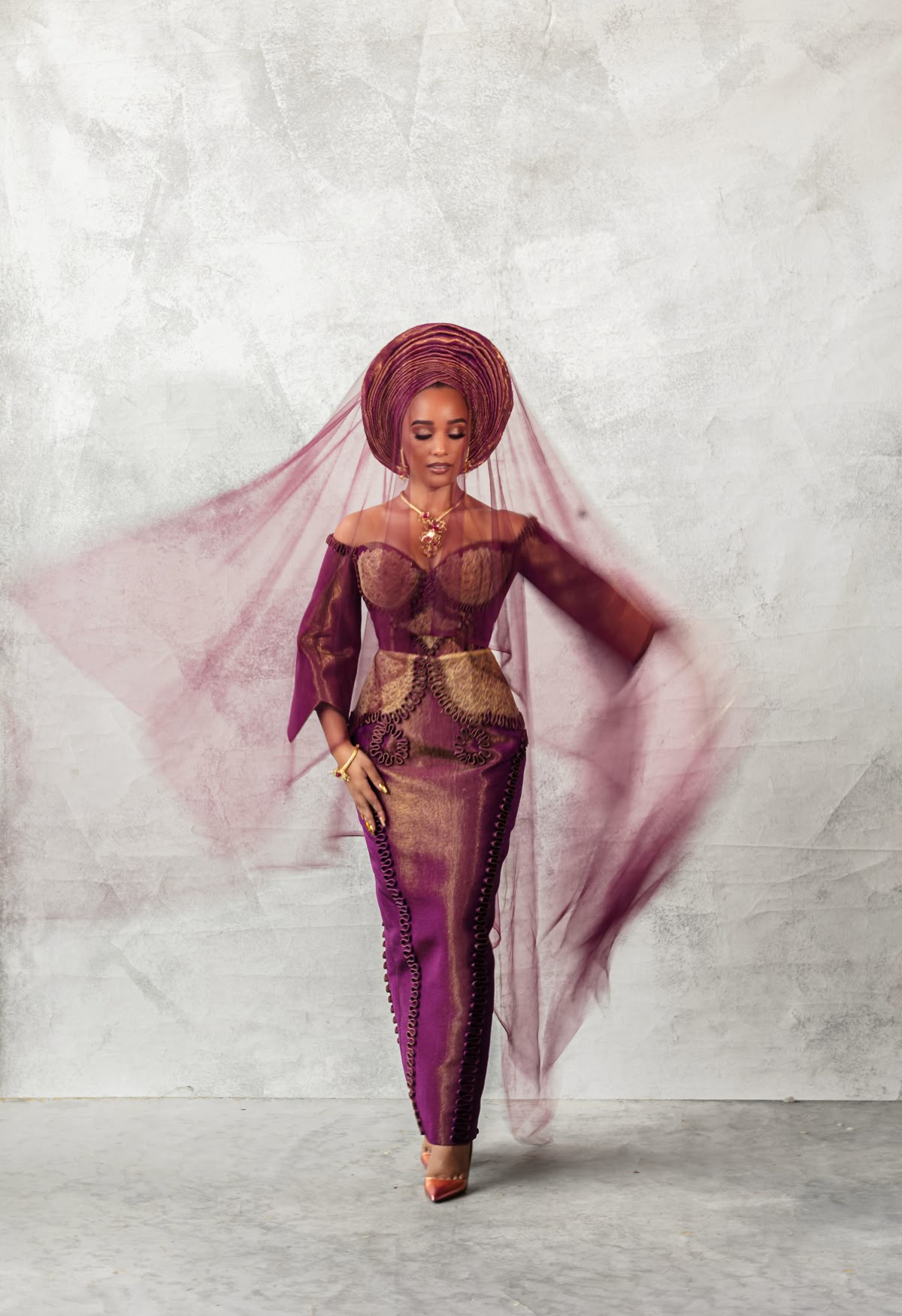
It is impossible to discuss modern Nigerian bridal fashion without acknowledging the influence of social media.
Platforms like Instagram and TikTok have transformed weddings into highly visible events.
Brides are now aware that their looks will be photographed, shared, and compared.
This visibility has raised expectations.
Outfits are designed not just for the ceremony but also for the camera. Details are amplified. Styling is more precise. The entire presentation is carefully managed.
While this has pushed creativity forward, it has also introduced pressure. The need to stand out can sometimes overshadow personal comfort or simplicity.
The Balance Between Culture and Individuality
Brides are no longer confined to strict cultural templates. They are free to reinterpret them.
A Yoruba bride might choose a minimalist aso-oke look instead of a heavily layered one. An Igbo bride might simplify beadwork for a more modern feel. Northern brides are exploring new fabric combinations while maintaining modest silhouettes.
This flexibility allows bridal fashion to evolve without losing its cultural foundation.
READ ALSO:
- How Modern Design Is Transforming Bridal Fashion
- Top 5 Igbo Traditional Bridal Looks for Igba Nkwu in 2026
Luxury, Status, and Perception
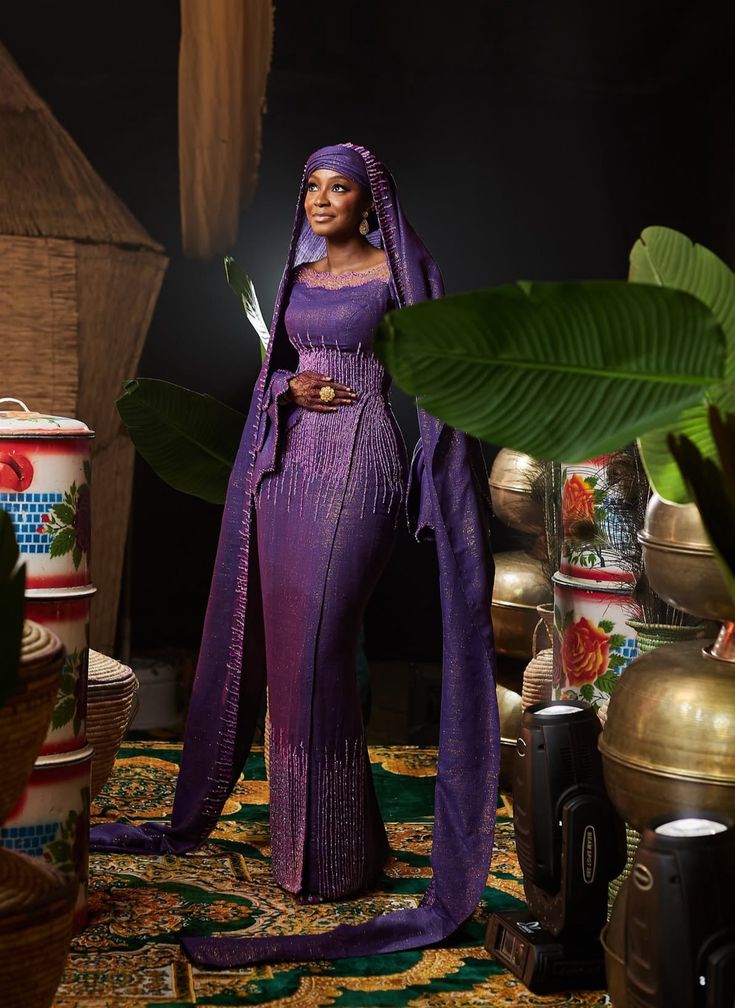
Bridal fashion in Nigeria is also tied to perception.
Weddings are social events where appearance matters. The bride’s outfit often reflects not just personal taste, but also social standing.
High-end fabrics, intricate designs, and multiple outfit changes signal investment and attention to detail.
This does not mean that simplicity is absent. But in many cases, elaborate styling is associated with prestige.
What the Modern Nigerian Bride Represents
Today’s Nigerian bride represents more than tradition.
She represents choice.
She can honour her culture while still expressing her individuality. She can wear traditional attire, a white gown, and a contemporary reception dress—all within the same event.
Her wardrobe reflects multiple identities:
- Cultural
- Personal
- Social
- Visual
This layered identity is what defines modern bridal fashion in Nigeria.
Conclusion
The evolution of bridal fashion in Nigeria is not just about changing styles. It is about shifting expectations.
From tradition to statement, the journey reflects broader changes in how identity, culture, and self-expression are understood.
What a Nigerian bride wears today is no longer fixed. It is designed.
And in that design lies the true transformation—not just of fashion, but of meaning.
Frequently Asked Questions (FAQs)
- What is traditional Nigerian bridal wear?
It varies by culture but often includes garments such as iro and buba with aso-oke for Yoruba brides and wrappers with beaded accessories for Igbo brides.
- Why do Nigerian brides have multiple outfits?
Modern weddings typically include traditional and white ceremonies, along with receptions, each requiring different looks.
- How has social media influenced bridal fashion in Nigeria?
It has increased visibility, raised expectations, and encouraged more detailed and statement-driven styling.
- Is traditional bridal wear still relevant?
Yes, but it is often reinterpreted with modern designs and styling.
- What defines modern Nigerian bridal fashion?
A blend of tradition, individuality, luxury, and visual presentation.