Zambia is a significant cotton producer. It is not a significant textile manufacturer. The gap between those two facts is the central structural problem of Zambia’s textile economy: the country produces raw cotton, exports a large proportion of it, and then imports the fabric that its fashion designers, tailors, and consumers need. The cotton leaves as a raw material and returns as a finished product at a significantly higher price, with the value added in transit captured by manufacturers in China, India, and elsewhere rather than by Zambian workers. On 16 April 2026, President Hakainde Hichilema officially reopened Mulungushi Textiles in Kabwe after 19 years of dormancy, backed by a $140 million joint venture investment with China. The reopening is the most significant single event in Zambia’s textile industry in two decades. It does not solve the structural problem. It begins the work of addressing it.
Zambia exports cotton but imports most of its cloth. On 16 April 2026, Mulungushi Textiles reopened after 19 years dormant. Here is what the $140 million reopening changes — and what it does not yet solve.
The Cotton Export Gap: What It Costs Zambia
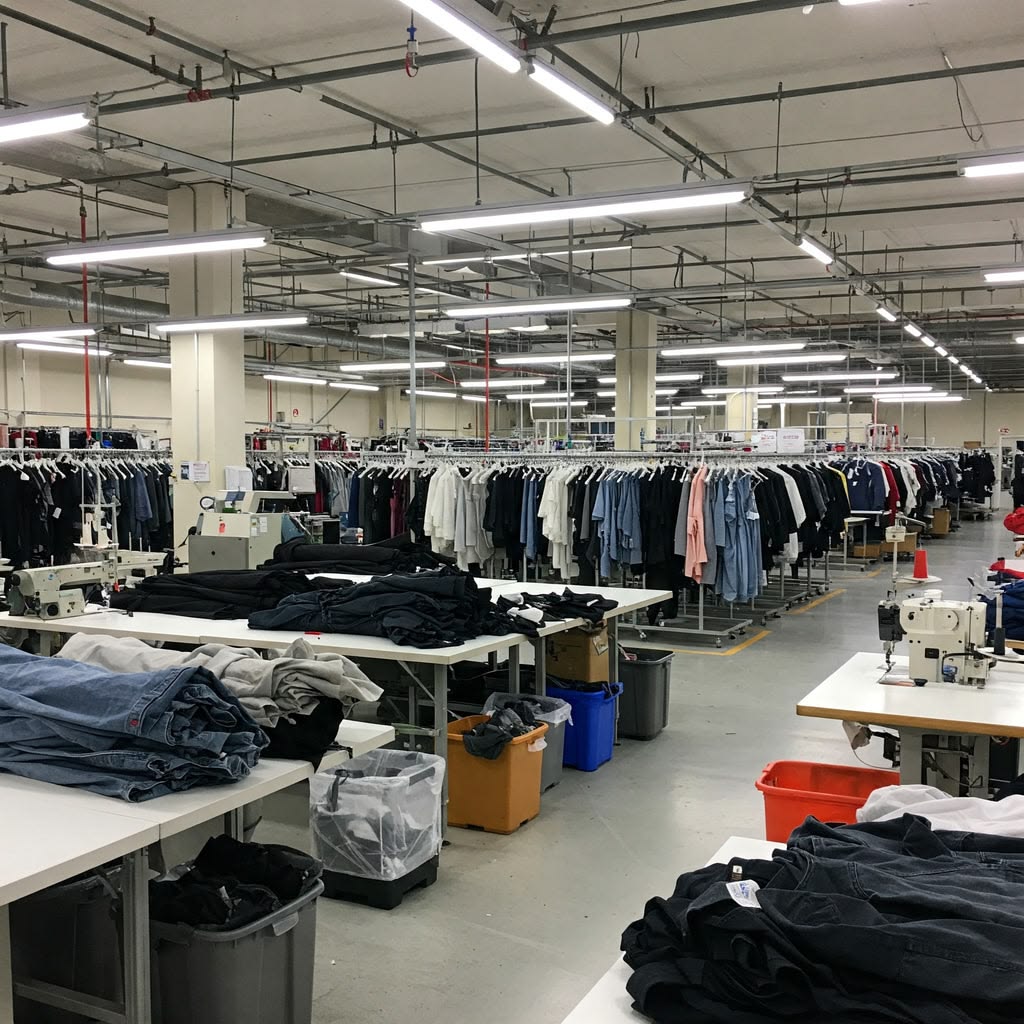
Zambia’s cotton sector is documented as one of the most significant agricultural industries in the country, providing livelihoods for a large smallholder farming population concentrated in the Eastern, Central, and Southern provinces. The country produces ginned cotton that is traded internationally, primarily to Asian manufacturers. It produces significantly less spun yarn, woven fabric, and finished textiles that would allow cotton to become cloth before leaving the country. The result is an import dependency for processed textiles that sits alongside the export of raw materials: a combination that defines the structural trade position of many African economies whose agricultural production capacity exceeds their industrial processing capacity.
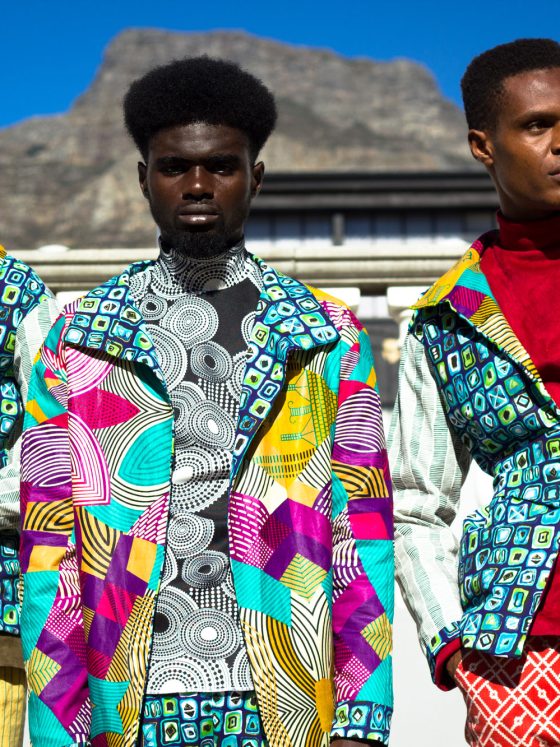
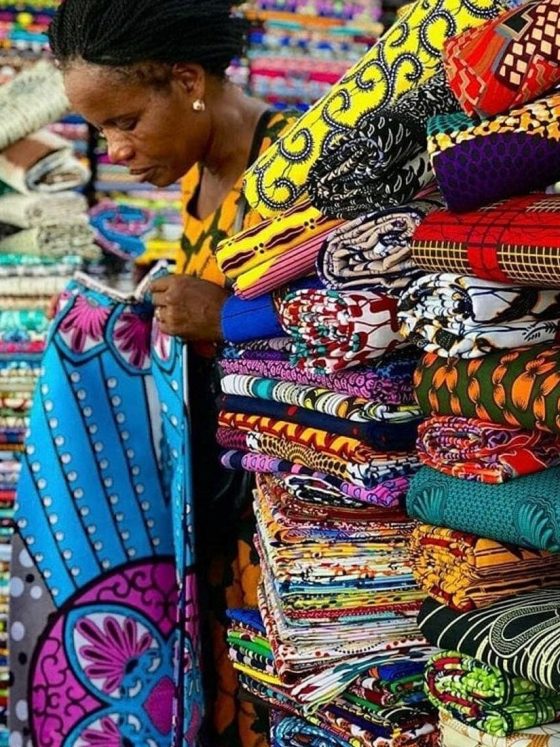
For Zambia’s fashion and textiles sector, this gap has specific consequences. The chitenge fabric that is central to Zambian dress culture, as Omiren Styles has documented in its analysis of Zambian chitenge menswear, is overwhelmingly imported despite the country’s cotton production capacity. Zambian tailors who produce chitenge shirts, blazers, and trousers for the domestic market are using fabric that left Zambia as raw cotton, was processed elsewhere, printed elsewhere, and imported back at a margin that reflects the manufacturing value added in the processing country rather than in Zambia. The cultural and commercial value of Zambian dress is real and growing. The industrial infrastructure that would allow that value to be built on Zambian cotton by Zambian workers has been largely absent for two decades.
The History: How the Gap Developed
Mulungushi Textiles was established during Zambia’s post-independence industrialisation drive under President Kenneth Kaunda, operating as one of the anchor institutions of a state-led manufacturing sector that was designed to add value to Zambia’s commodity production. It thrived through the 1980s. The structural adjustment programmes of the 1990s, which required Zambia to liberalise its economy and reduce state support for domestic industries, exposed Mulungushi and the wider textile sector to Asian import competition that the domestic industry was not capitalised to withstand. By 1993, China had extended an interest-free loan of US$1.5 million to sustain operations. In 1997, Qingdao General Textiles Corporation injected US$15 million to create the Zambia-China Mulungushi Textiles Joint Venture (ZCMT-JV), with China holding a 66% stake and Zambia 34% through the Ministry of Defence, as documented by Kohan Textile Journal’s historical analysis. Despite the injection of capital, undercapitalisation, outdated equipment, and competition from textile imports eventually halted production. The plant closed in 2007. Successive governments made attempts to reopen it. Those efforts largely failed until the current administration.
The Reopening: What Happened on 16 April 2026
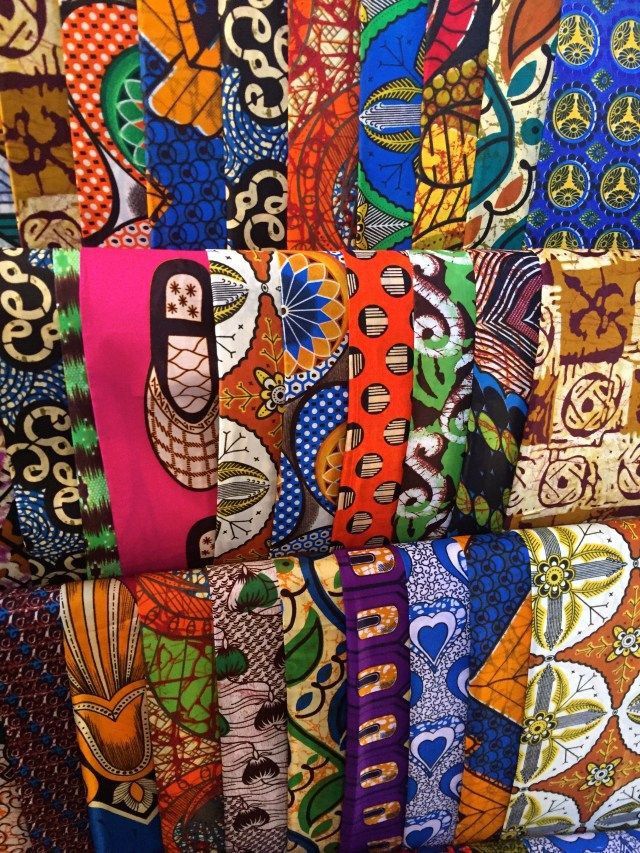
On 16 April 2026, President Hakainde Hichilema officially reopened the Zambia-China Mulungushi Textiles plant in Kabwe in a ceremony documented by Zambia’s Ministry of Commerce, Trade and Industry and confirmed across multiple independent sources including Lusaka Times and Mwebantu. The reopening follows a $140 million investment in new equipment, machinery, and cotton out-grower systems, replacing approximately 80% of the plant’s equipment, which had been described as obsolete. The UPND government launched the revamped project in August 2024, working with Chinese partners, and test runs began in January 2026 ahead of the April ceremony. The phased approach, test runs from January followed by official commissioning in April, reflects a production-readiness logic rather than a symbolic reopening without operational follow-through.
The investment structure is documented precisely. The $140 million rehabilitation programme is a joint venture between the Zambian government and the People’s Republic of China, with the plant operating as the Zambia-China Mulungushi Textiles (ZCMT) joint venture. The plant is positioned, as Minister of Commerce Chipoka Mulenga stated at the reopening, as “a powerful symbol” of renewed Zambia-China cooperation and a direct result of “deliberate policy and sustained leadership.” President Hichilema directed the Health and Defence ministries to buy uniforms locally, creating an immediate guaranteed domestic market for the plant’s output in the government procurement sector. That directive is significant: it addresses the demand-side problem that has historically made Zambian textile production commercially precarious by creating an anchor buyer relationship before the plant needs to compete in the open market.
The documented outputs of the reopening are specific. The plant is expected to create over 500 direct jobs at the Kabwe facility, as confirmed by the Ministry of Commerce announcement. The investment will support over 2,500 cotton farmers across Zambia through the out-grower cotton supply system, creating a documented domestic demand for Zambian-grown cotton that feeds directly into the plant’s production rather than the export pipeline. A 200-megawatt solar power plant is also part of the investment package, addressing the energy infrastructure challenge that has historically limited Zambian manufacturing competitiveness. The plant closed in 2007. It has been dormant for 19 years. Its reopening after nearly two decades is, as Hichilema stated at the ceremony, “the awakening of Kabwe and the province at large.”
“The revival of Mulungushi Textiles is the awakening of Kabwe and the province at large. This marks the fulfilment of a long-held commitment we made while in opposition, driven by our love for the people and our duty to serve them.” — President Hakainde Hichilema, official reopening of Mulungushi Textiles, Kabwe, 16 April 2026
What the Reopening Changes — and What It Does Not Yet Solve
The Mulungushi reopening changes three specific things. First, it restores a domestic fabric production capacity that has been absent from the Zambian economy since 2007, allowing the country to process cotton into yarn, fabric, and finished textiles rather than exporting it as a raw material. Second, the government procurement directive, requiring Health and Defence ministries to buy uniforms domestically, creates an immediate guaranteed market that reduces the commercial risk of operating the plant in its first operational years. Third, the 2,500 cotton farmer out-grower system creates a documented domestic cotton supply relationship that, if maintained, reduces the cotton export leakage that has characterised the sector.
What the reopening does not yet change is the broader structural gap between Zambia’s cotton production capacity and its textile processing capacity. The Mulungushi plant is one facility producing fabric primarily for government procurement. As Omiren Styles has documented in its analysis of the East African Community textile trade, the distinction between having one operational textile facility and having a competitive domestic textile industry is significant. The chitenge fabric used by Zambian tailors and fashion designers is not immediately replaced by Mulungushi output: the plant’s initial production is targeted at uniform manufacturing for government, not at the fashion fabric market. The gap between a government-procurement textile facility and a fashion-fabric-supplying domestic industry is the next phase of the structural problem that the reopening begins to address.
The AfCFTA Dimension
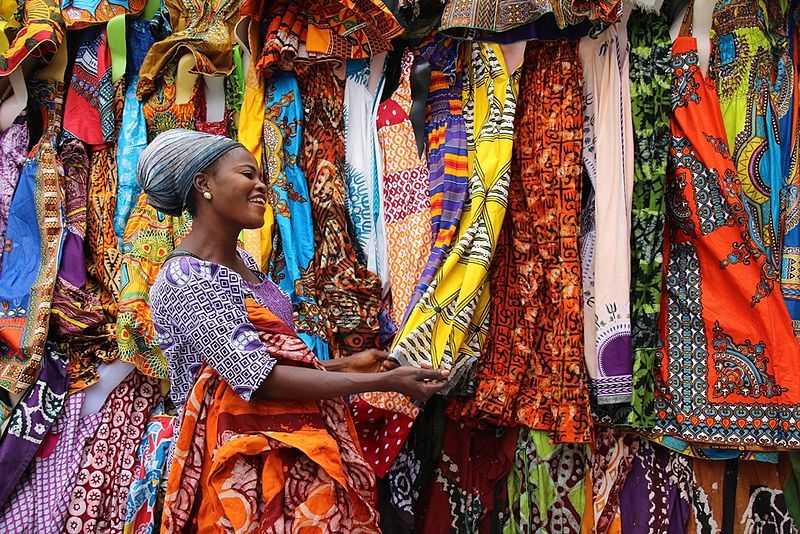
Zambia ratified the African Continental Free Trade Area agreement, which provides access to a market of over 1.3 billion people at harmonised tariff rates across 54 countries. As Omiren Styles has documented in its analysis of Algeria’s AfCFTA textile opportunity, the distinction between having AfCFTA membership and using AfCFTA membership is the key question for African manufacturing sectors. For Zambia, the Mulungushi reopening creates the first significant domestic textile production capacity in nearly two decades, allowing AfCFTA membership to translate into export opportunity rather than simply import exposure. A Zambia with AfCFTA membership but no domestic textile production has no textile exports to benefit from it. A Zambia with an operational $140 million textile plant, a documented domestic cotton supply relationship, and government procurement demand for locally produced fabric is a Zambia that can begin building the export track record that regional textile buyers require before placing repeat orders.
The regional comparison with South Africa’s textile sector, which has maintained production capacity at scale despite import competition, and with Kenya’s AGOA-supported export processing zone model, as Omiren Styles has documented, suggests that the Mulungushi reopening is most valuable as infrastructure for AfCFTA positioning if the government procurement anchor is used as a foundation for building the broader commercial textile market rather than as the ceiling of the plant’s ambition. The 500 jobs created at Mulungushi are significant. The 500,000 jobs that a competitive Zambian textile industry at AfCFTA scale would require are the longer-term argument for why the reopening matters beyond the immediate employment and procurement outcomes.
The Omiren Argument
The 19-year dormancy of Mulungushi Textiles is a documented case of what happens to African manufacturing infrastructure when it is exposed to import competition without the capital support to remain competitive and then allowed to deteriorate without the policy commitment to restore it. The Zambia-China joint venture that is reopening the plant is not the restoration of a purely Zambian industrial asset: China holds a controlling stake in the joint venture, the $140 million investment was structured as a bilateral initiative under the Hichilema-Xi Jinping partnership framework, and the expertise driving the technical rehabilitation is Chinese. That is a different kind of industrial revival from the post-independence era model that Mulungushi originally represented. The government procurement directive that creates immediate demand for the plant’s output is essential precisely because the open market for domestically produced Zambian fabric does not yet exist at the scale the plant requires to be commercially self-sustaining.
As Omiren Styles has argued in its analysis of the pan-African fashion investment gap, the industrial infrastructure that individual African countries cannot afford to build with domestic capital can sometimes be built through bilateral investment partnerships. The question is always whether the structure of the partnership allows the domestic economy to capture the value added rather than simply hosting the production. For Zambia, that question is now answered in the first instance by the government procurement directive: the uniforms will be made in Zambia and purchased by Zambia. The fashion fabric market, the chitenge production that would allow Zambian designers to source domestically, and the export textile capacity that would allow AfCFTA membership to generate revenue rather than import competition: those answers require the next phase of investment and policy commitment that the reopening makes newly possible but does not itself guarantee.
Mulungushi Textiles reopened on 16 April 2026. The cotton that Zambia has been exporting as a raw material now has somewhere to go within the country. What it makes when it gets there, and who benefits from what it makes, is the work that comes next.
ALSO READ
- Zambian Chitenge Menswear Has Its Own Tailoring History, Separate from Ankara
- Algeria Textile Industry 2026: Africa’s Largest Textile Complex, 95% Import Dependency, and the AfCFTA Opportunity
- Tanzania EAC Fashion Trade: Manufacturing Capacity, Simplified Trade Regime, and the Expansion Gap
- Kenya Mitumba Trade, AGOA Exports, and the Domestic Textile Gap
Frequently Asked Questions
What is Mulungushi Textiles and what happened to it?
Mulungushi Textiles was established during Zambia’s post-independence industrialisation drive and thrived through the 1980s before structural adjustment and import competition undermined its viability. In 1997, the Zambia-China Mulungushi Textiles Joint Venture (ZCMT-JV) was created with Chinese investment, with China holding a 66% stake and Zambia 34% through the Ministry of Defence. The plant halted production in 2007 due to undercapitalisation, outdated equipment, and competition from imports, as documented by Kohan Textile Journal. It remained dormant for 19 years.
When did Mulungushi Textiles reopen and what was invested?
President Hakainde Hichilema officially reopened the Zambia-China Mulungushi Textiles plant in Kabwe on 16 April 2026, following a $140 million joint venture investment with China, as confirmed by Zambia’s Ministry of Commerce, Trade and Industry and multiple independent sources. Test runs began in January 2026 ahead of the official ceremony. The investment included complete replacement of the plant’s obsolete equipment and a 200-megawatt solar power plant to support sustainable industrial operations.
How many jobs does the Mulungushi reopening create?
The plant is expected to create over 500 direct jobs at the Kabwe facility, as confirmed by the Ministry of Commerce. The investment will also support over 2,500 cotton farmers across Zambia through the out-grower cotton supply system, creating domestic demand for Zambian-grown cotton that feeds directly into the plant’s production. President Hichilema directed the Health and Defence ministries to buy uniforms from the plant, creating an immediate government procurement anchor market.
Why does Zambia export cotton but import most of its cloth?
Zambia has a significant cotton-producing agricultural sector but has lacked the industrial processing infrastructure to convert raw cotton into yarn, fabric, and finished textiles at commercial scale. The closure of Mulungushi Textiles in 2007 removed the country’s primary domestic fabric production capacity. Without that infrastructure, Zambian cotton is exported as a raw material, processed in China, India, and other manufacturing economies, and imported back as finished fabric at a significantly higher price. The value added in the processing stage is captured by the manufacturing country rather than by Zambian workers. The Mulungushi reopening begins to address this gap specifically for government-procurement fabric initially, with the commercial fashion fabric market requiring further investment and policy commitment to follow.
What does the Mulungushi reopening mean for AfCFTA?
The African Continental Free Trade Area provides Zambia with access to a market of over 1.3 billion people at harmonised tariff rates. Without domestic textile production, AfCFTA membership primarily means exposure to import competition from other member states’ manufacturing sectors. With an operational textile plant, a documented domestic cotton supply relationship, and government procurement demand for locally produced fabric, Zambia can begin building the export track record that AfCFTA textile buyers would require before placing repeat orders. As Omiren Styles has documented, the distinction between having AfCFTA membership and using it is the key question for African textile sectors. The Mulungushi reopening is a necessary condition for Zambia’s AfCFTA textile export opportunity but not yet a sufficient one.