Cloth as constitutional record
You are not simply looking at fabric.
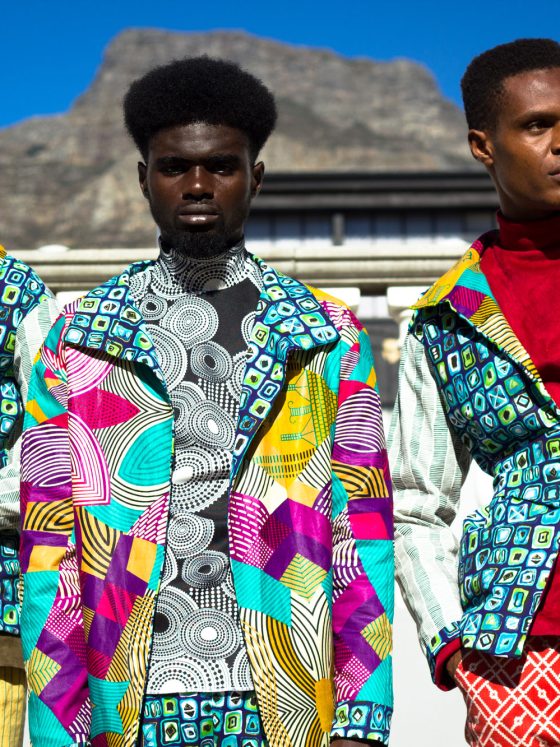
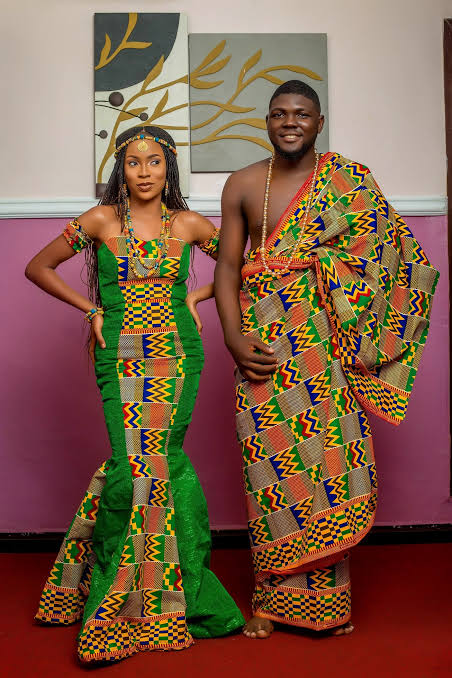
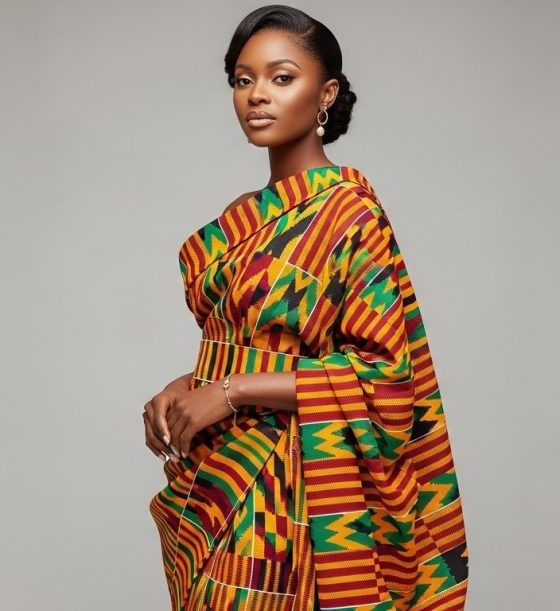
Every strip of Kente woven in Ghana carries a name, and every name carries a meaning that predates the weaving. The colours are not decorative choices. They are vocabulary. Gold for royalty and wealth. Green for growth and renewal. Red for political passion and the blood of ancestors. Black, most significantly of all, for maturation, the ancestors themselves, and the spiritual energy that connects the living to those who came before.
To wear Kente correctly is to make a statement so specific that it would take paragraphs to translate into English. To reduce it to a pattern, to print it onto polyester and sell it as “African-inspired”, is to erase the statement.
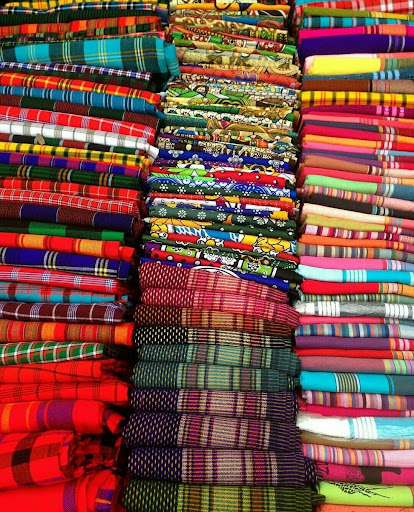
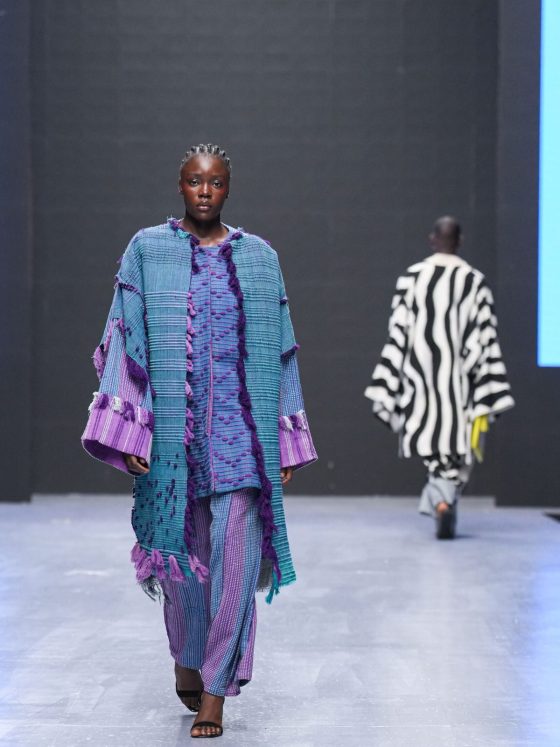
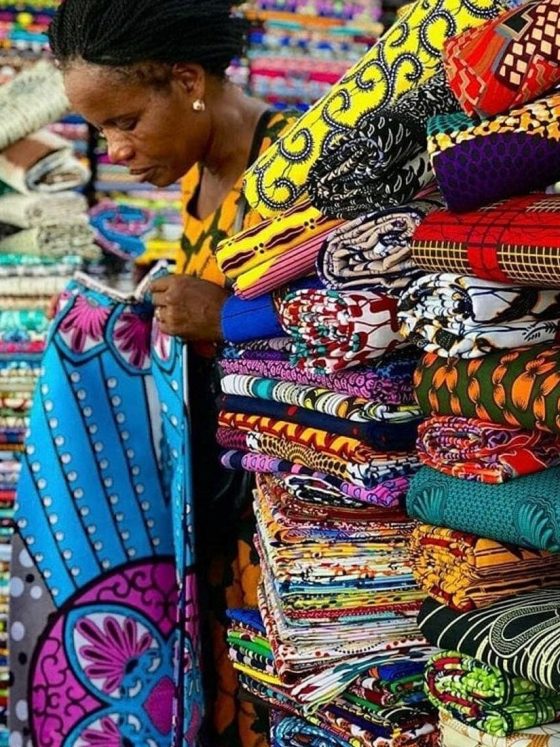
Kente is not the only textile on the continent carrying this weight: aso-oke from the Yoruba, woven in horizontal bands for ceremonies that mark birth, marriage and death. Kanga, from East Africa, is printed with proverbs that are too pointed to say aloud and worn as a kind of encrypted communication between women. Bogolanfini from Mali, whose geometric patterns record specific events and encode knowledge that is not meant to be passed to those outside the tradition. These are not crafts. They are archives.
What this feature asks, and what African fashion has always demanded that the global industry reckon with, is a simple question: what happens to a record when you strip away its meaning and sell only its surface? When a brand lifts a Kente pattern, licenses it through a trend agency, manufactures it in a country that has never heard the names those patterns carry, and markets the result as global, as inspired, as diverse? The answer is not simply cultural sensitivity. The answer is that something historically precise becomes historically illegible. The record is corrupted. The buyers, the editors and the stylists who circulate those pieces are participants in that corruption, whether they understand it or not.
We are interested in what remains and in the designers, weavers and historians who are working right now to keep the full text intact.