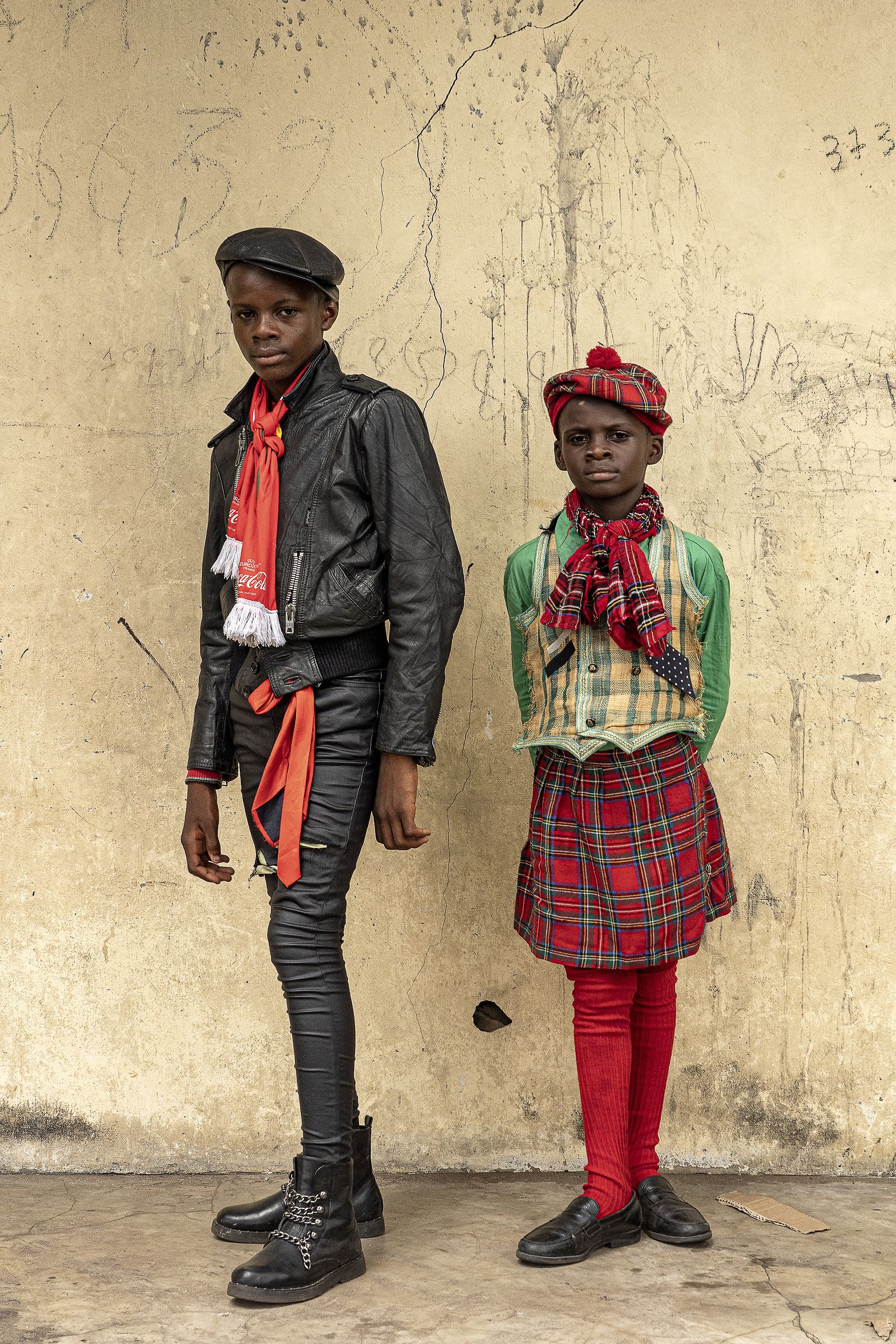
Kevin Toundwa’s account of his DRC Fashion Week presentation begins with colour. Describing an “explosion of colours”, the designer frames his collection as a celebration of La Sape and names Papa Wemba, Rafa Bounzeki and Alpha Blondy as references. His statement frames the collection as a tribute built around a personal selection of influences, rather than a claim to represent an entire dress culture. It also provides a focused starting point for examining his approach. Colour is the announced visual instrument, while the named figures locate the collection within a set of references chosen by the designer himself. The statement does not establish how those references translate into individual garments. That distinction between intention and execution is essential to a fair reading of the presentation.
For Omiren Styles, the useful question is not simply whether Toundwa’s work celebrates La Sape. It is what his interpretation adds: what he retains, what he changes and how those decisions become visible in clothing. That emphasises authorship rather than treating cultural association as a sufficient critical conclusion. A designer’s references can explain why a collection exists, but an assessment of the work must also examine how it operates. The published account provides meaningful evidence of Toundwa’s intention. It offers less detail about the individual looks through which Toundwa expressed that intention.
Kevin Toundwa’s DRC Fashion Week presentation celebrates La Sape through colour and named influences. Omiren Styles examines the designer’s stated approach.
What La Sape is, and why it matters here
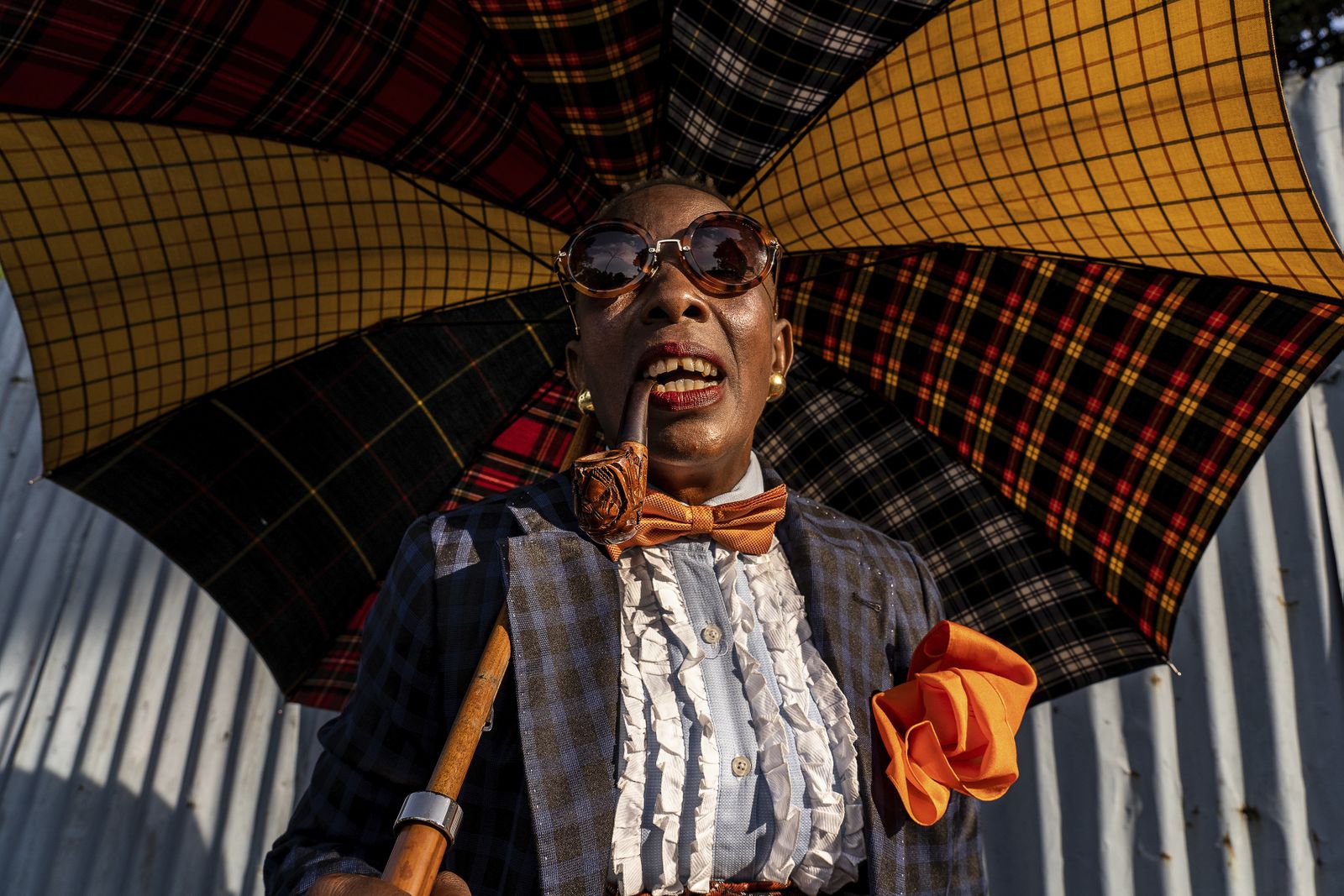
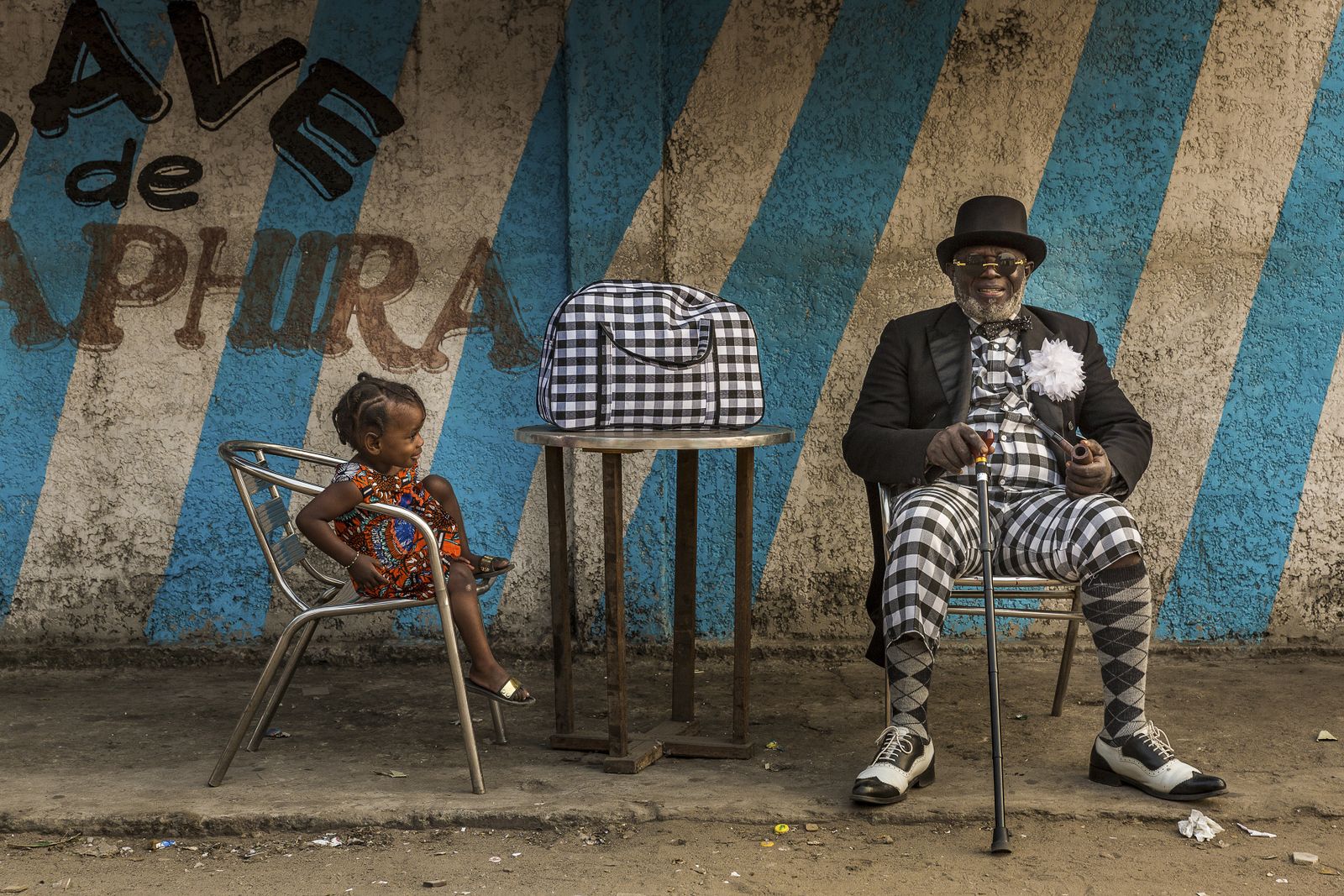
La Sape stands for the Société des Ambianceurs et des Personnes Élégantes, a dandyism-centred movement that began in the 1960s. Africa.com’s coverage describes Congolese men using European-inspired clothing to assert their dignity and identity. That history underpins Toundwa’s collection. It also reminds us that La Sape has always been about how clothes are worn and carried, not just what they look like on a hanger. For a closer look at the movement itself, our feature on the Congo’s sapeurs and what La Sape tells the world about elegance, resistance and African identity sets out its wider story.
“A tribute is an intention. A collection is a set of decisions. The critic’s work is to find where one becomes the other.” Omiren Styles Editorial Intelligence
Kevin Toundwa at DRC Fashion Week
A shared programme, a particular interpretation
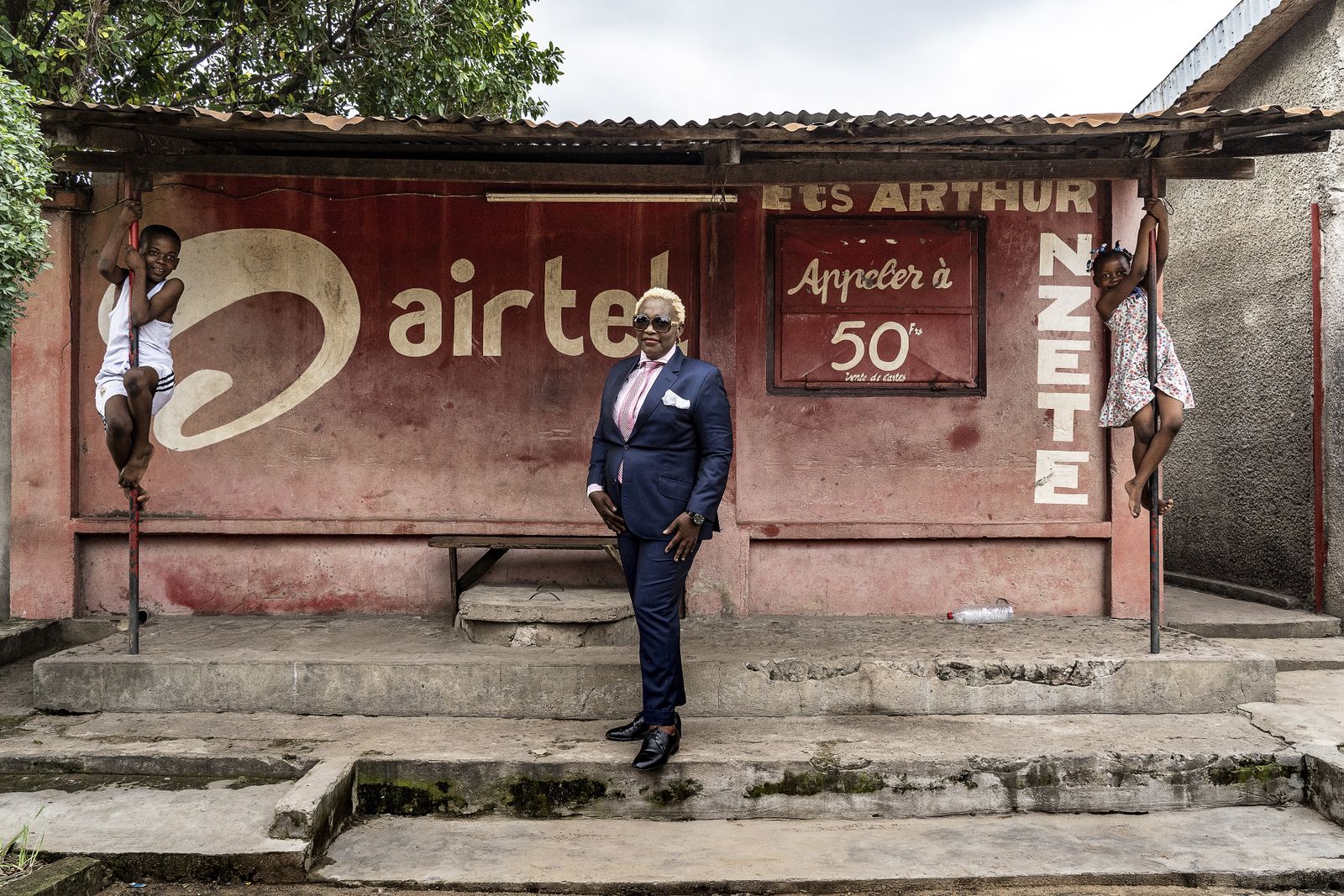
Africanews’ report on the sixth edition of DRC Fashion Week, published with AFP reporting on 17 August 2026, identifies Toundwa as a participating designer in Kinshasa. The programme brought together designers, stylists and sapeurs from the Democratic Republic of Congo and the neighbouring Republic of Congo, placing La Sape at the centre of the event. This shared setting gives the collection context without making its participants interchangeable. An event can establish a common subject while accommodating different interpretations, and its collective theme should not substitute for an assessment of each designer’s choices. Other voices at the event show how the theme was framed. The report quotes designer Grâce Bundu calling Sape “a legacy that we must bring back to life year after year”, and event organiser Yves Mayele saying of it, “It really is our identity.”
Toundwa’s own explanation is therefore more useful than a general description of the occasion. He foregrounds colour, identifies selected references and acknowledges Congo Create’s role in bringing him to the presentation. These are attributable statements about his approach and participation. They should remain distinct from judgements about garment construction, material quality or commercial reception, none of which follows automatically from appearing in the programme. The presentation establishes an opportunity to express an interpretation. It does not independently demonstrate the success of every part of that interpretation.
Colour as the announced design instrument
From intensity to organisation
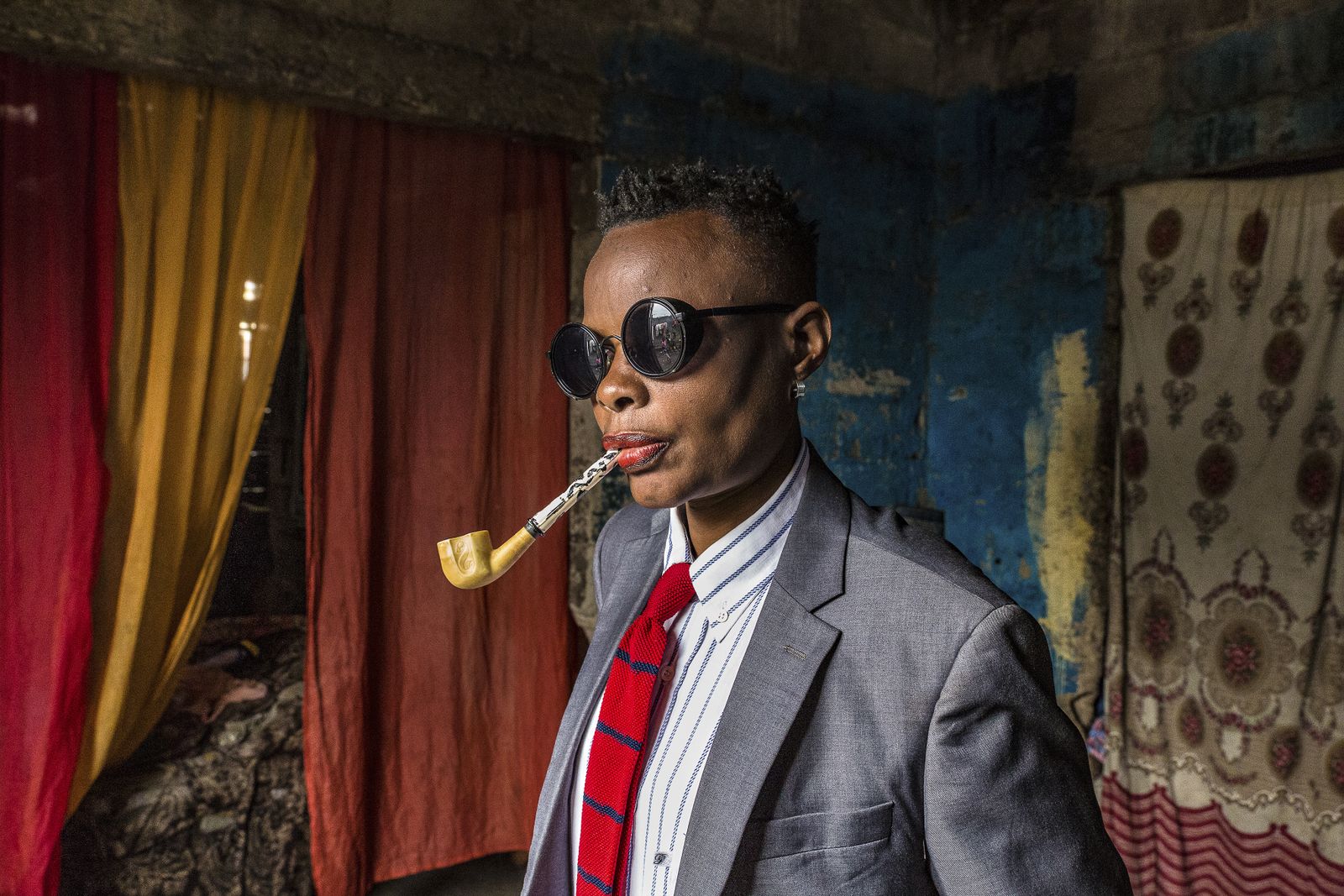
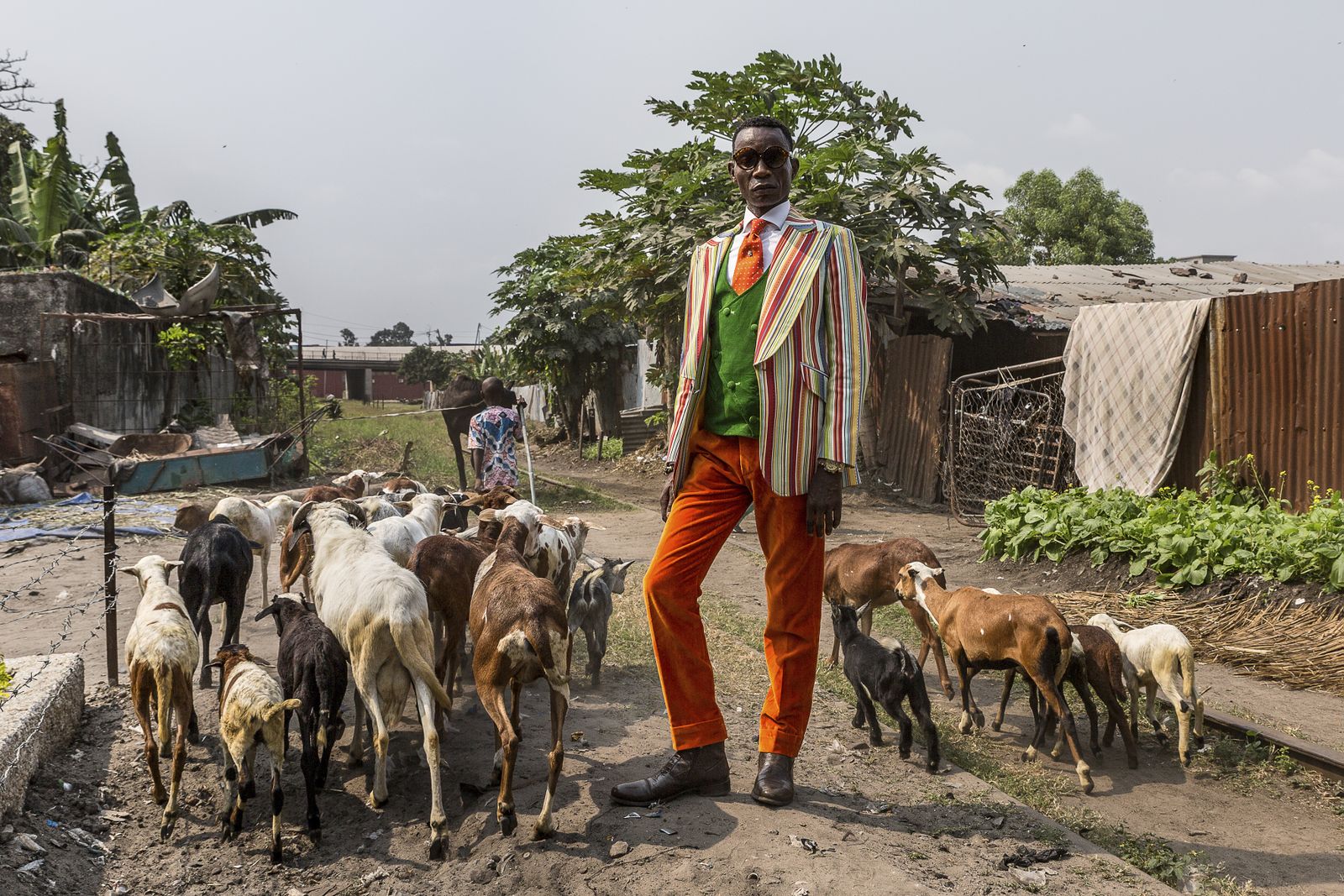
The phrase “explosion of colours” conveys intensity, but it does not fully describe a collection’s visual organisation. Colour becomes a design decision through placement, scale and its relationship to the surrounding clothes. A garment-led assessment would establish where emphasis falls within an outfit, which combinations recur and how those choices interact with proportion. The reviewed coverage does not identify individual Toundwa looks sufficiently to support those observations. Its broader descriptions of bright colours, prints and tailoring concern the fashion-week programme and cannot automatically be assigned to his collection. For instance, Africanews describes the designs on show as bold prints, bright colours, and tailored silhouettes, which is a statement about the event, not his work. The supported finding is narrower: Toundwa presents colour as an important instrument of his tribute, but the available account does not demonstrate precisely how it operates across the garments.
That distinction does not make colour a superficial consideration. It means we need to describe its contribution rather than presume it. A critical account should show whether colour establishes continuity between looks, differentiates parts of an outfit or reinforces another design decision. Without attributable examples, an adjective such as “vibrant” can become a substitute for analysis. Toundwa’s statement establishes a declared priority. The next level of assessment would require the visual record to show what he does with it.
Reading the named references
A personal selection, not an exhaustive history
Papa Wemba, Rafa Bounzeki and Alpha Blondy appear in Toundwa’s explanation as selected influences, but the report does not connect each name to a particular jacket, trousers, accessory or outfit. Africanews adds that he credits them with highlighting the value of clothing and dandyism. Their inclusion makes his stated approach more specific than an undifferentiated appeal to heritage. It does not permit a writer to invent visual correspondences. A reference may be transformed rather than reproduced, and its influence may emerge through clothing, styling, or the overall presentation. Determining which operation occurs requires identifiable evidence. Without it, the names illuminate the designer’s intention but can’t prove a particular silhouette or construction decision. For the music behind the movement, see the Also Read links below.
This is also where the scope of the article matters. Toundwa’s collection is one designer’s engagement with a wider field, not a comprehensive account of La Sape. Treating it as definitive would place an unreasonable representational burden on the work and obscure the choices that might distinguish it. The more productive task is to identify the relationship between his selected references and his own decisions. That approach allows cultural context to inform criticism without replacing it.
Clothing, styling and authorship
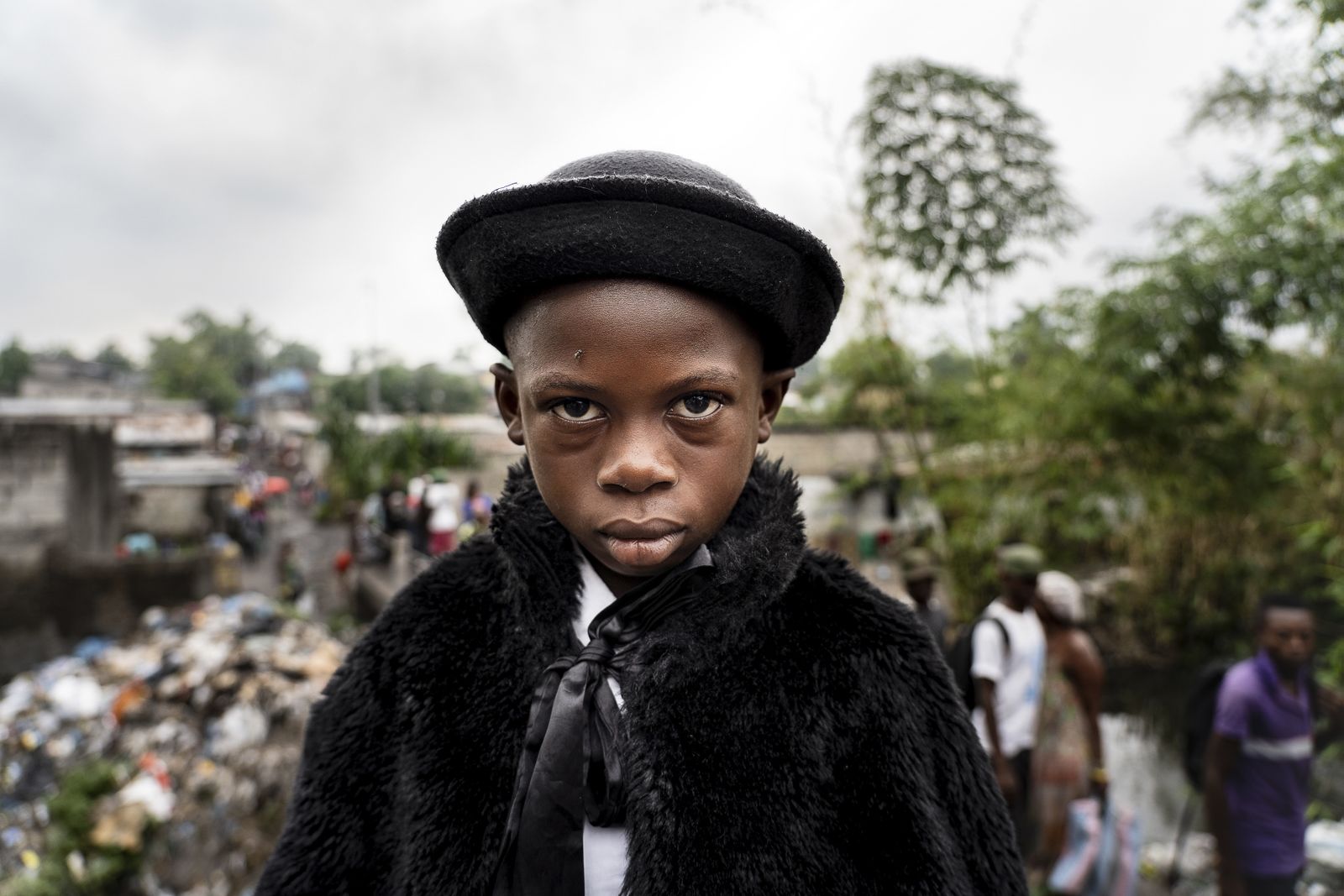
An outfit brings together several forms of authorship. The cut and fabrication of a garment provide one kind of evidence, while accessories, layering, and the combination of pieces provide another. A striking presentation may depend on both. Neither should be dismissed, but they are not the same achievement. A change in styling does not automatically establish a change in pattern cutting, just as a recognisable reference does not independently demonstrate that a garment has transformed it. For this collection, the reviewed sources do not provide a sufficiently attributable look sequence or complete styling credits to separate those contributions confidently. The correct response is not to fill that space with imagined outfits. Instead, keep the distinction visible and avoid awarding technical innovation based on the event’s atmosphere.
A fuller assessment would identify which decisions belong to the clothes themselves and which emerge through how they are assembled and presented. That would make the discussion more specific to Toundwa rather than more generally celebratory.
Congo Create and the route to presentation
Toundwa credits Congo Create with helping him get to the event, providing an attributable explanation of part of his route to participation. Africanews describes Congo Create as a competition he entered. That acknowledgement is meaningful without expanding it into an unsupported account of funding, mentorship, or production support. It identifies a relationship the designer considered relevant to his appearance, and the reviewed reporting does not establish its full operational terms. A precise account should preserve the acknowledgement while resisting the temptation to construct a programme history from a short interview statement. Participation must also remain separate from commercial outcomes. A runway appearance establishes that work was presented, but it does not establish buyer interest, orders, retail agreements or subsequent demand.
The reviewed account provides no basis for those claims, and the collection’s cultural positioning should not imply a market response. Keeping these categories distinct protects both the designer and the reader from an inflated account of what the event demonstrates.
The Omiren Styles Argument
Interpretation must be demonstrated in the clothes.
Omiren Styles’ position is that authorship becomes clearer when cultural context and garment analysis play different roles. Toundwa’s reported statement establishes a colour-led tribute with named references. It does not yet establish, look by look, how that tribute reworks a dress vocabulary. The distinction is neither a dismissal of the collection nor a reason to grant it automatic approval. It is the basis for assessing the work at the level where its design decisions can actually be observed. The presentation raises a specific question: how does Toundwa turn his selected references into a wardrobe proposition of his own? A convincing answer would show where colour changes the reading of an outfit, where proportion or combination introduces a departure and whether those decisions create continuity across the collection.
Until those relationships are demonstrated through attributable looks, his intention is documented more fully than its execution. The clothes, not the significance of the occasion or the generosity of the tribute alone, must ultimately carry the answer. For further designer coverage, visit Omiren Styles.
Also Read:
- Congolese Rumba and La Sape: The Music That Dressed a Movement
- Alvin Junior Mak and JMAKxPARIS: The Designer Who Dressed DR Congo’s World Cup Return in Leopard and La Sape
- The African Men Who Dress to Be Remembered: Style, Power, and the Continent’s Forgotten Dandy Tradition
- Reclaiming the Narrative: How Cultural Resistance Shaped the World’s Most Powerful Style Movements
Frequently Asked Questions
Who is Kevin Toundwa?
Kevin Toundwa is a fashion designer identified in Africanews’ coverage as a participant in the sixth edition of DRC Fashion Week in Kinshasa. This article does not assign a nationality or professional base where those details have not been conclusively verified.
What inspired the reported presentation?
Toundwa described a celebration of La Sape through an “explosion of colours” and named Papa Wemba, Rafa Bounzeki and Alpha Blondy among his references. The report does not connect each influence to a particular look.
When did the presentation take place?
The Africanews report was published on 17 August 2026 and concerns the event’s sixth edition. The publication date should not automatically be treated as the exact date of Toundwa’s runway appearance.
What role did Congo Create play?
Toundwa credited Congo Create with helping bring him to the event. The reviewed account does not provide enough detail to describe the full terms of that support.