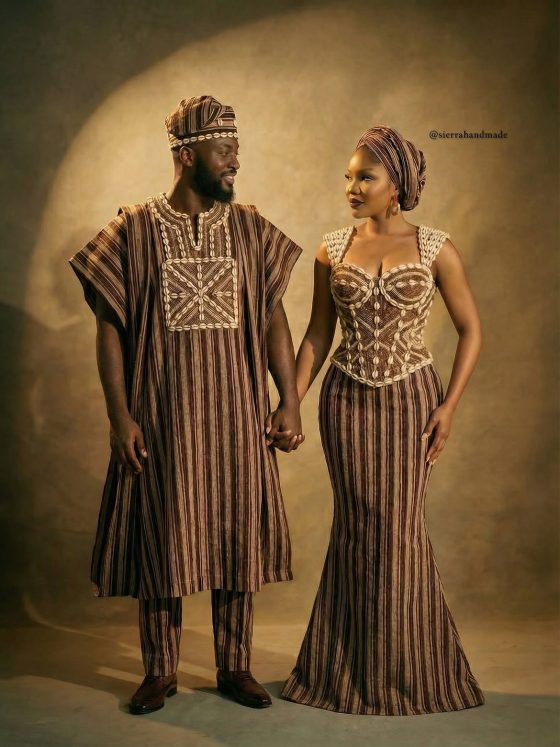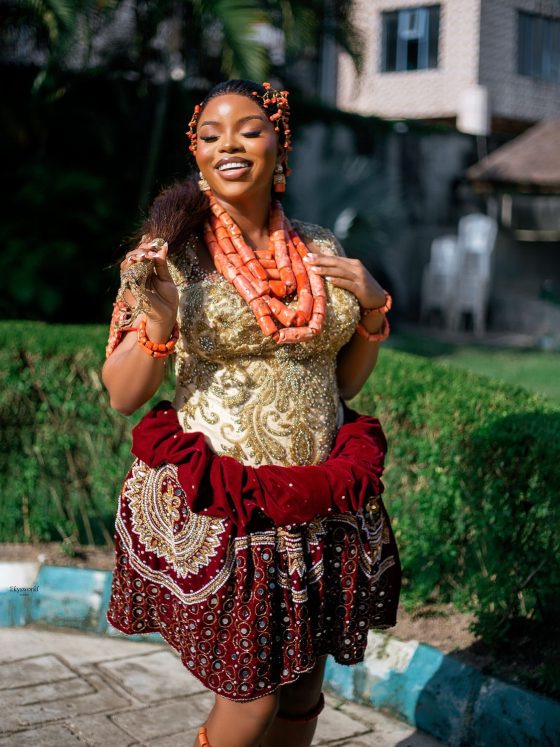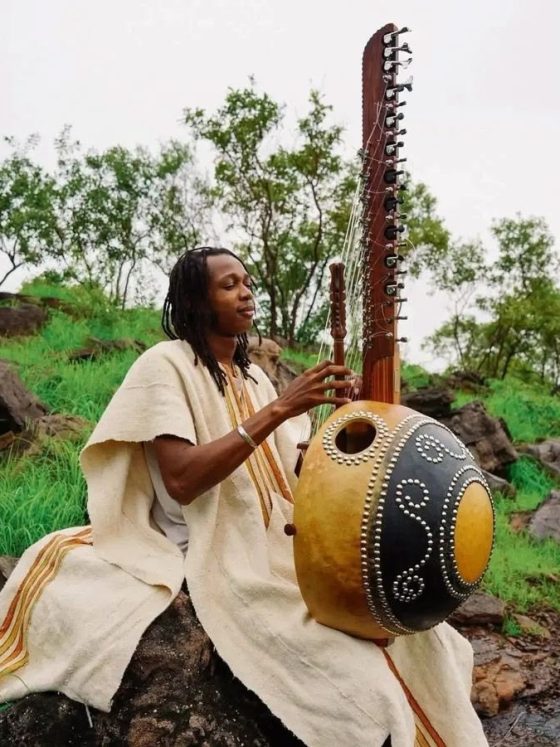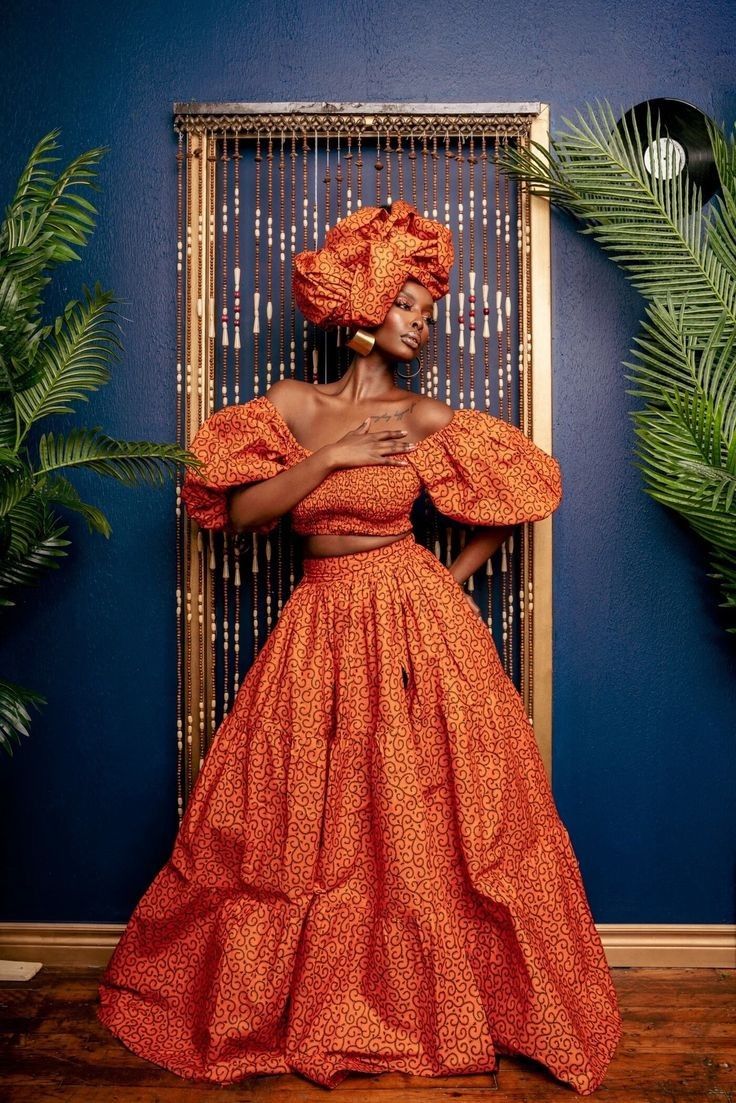
The dominant story about African American dress under slavery centres on deprivation, uniformity, and erasure. That story is incomplete. Gullah Geechee evidence shows something different: enslaved women on the Sea Islands of South Carolina, Georgia, and northern Florida used whatever materials they could access to reconstruct West African textile logic through pattern, colour, and form. They did not make do. They made meaning. That is the argument this piece is built around, and Sunday dress is where it is most visibly demonstrated.
The Gullah Geechee are descendants of West and Central Africans brought to work on rice, indigo, and Sea Island cotton plantations. Because they lived in relative isolation on barrier islands and coastal plantations, they retained more West African linguistic, spiritual, and material-culture practices than many other African American groups. The Gullah Geechee Cultural Heritage Corridor, recognised by the U.S. National Park Service, maps this cultural landscape from North Carolina to Florida. As Omiren Styles has documented in its analysis of the return of African influence in Black American fashion, the West African aesthetic that runs through the African American dress tradition is not a metaphor. In the Gullah Geechee case, it is a documentable, specific, material continuity.
Explore how Gullah Geechee dress traditions on the U.S. Sea Islands preserve West African craft through colour, pattern, and Sunday dress as cultural resistance and identity.
West African Textile Logic in Gullah Dress
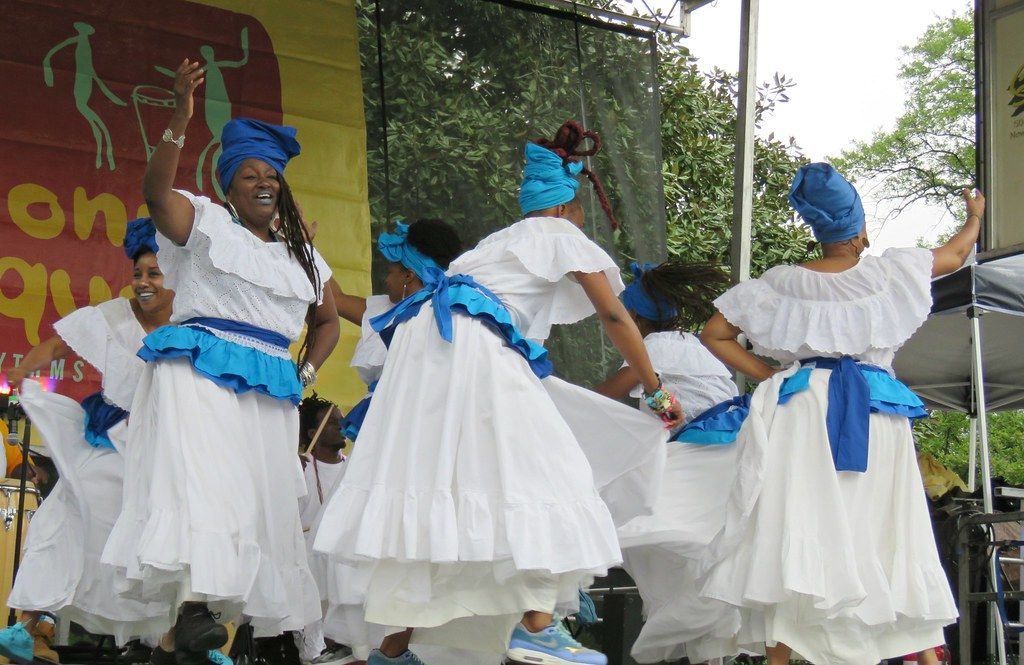
Scholars document that Gullah Geechee women modified their clothing with African-type patterns, bold and contrasting colours, and African silhouettes, particularly in garments they constructed for Sundays and other times they controlled. This is not random decoration. It follows West African textile logic in which colour, pattern, and form carry social and spiritual meaning. Three continuities are worth naming precisely:
- Colour as communication: Bold, high-contrast colour palettes link to West African cloth traditions, including kente and aso-oke, in which colour choices signal status, mood, or protection. The same logic appears in Gullah Geechee dress not as decoration but as a coded system of meaning that practitioners could read and outsiders could not.
- Pattern as archive: West African textiles encode history, lineage, and proverbial wisdom into repeated motifs. Gullah quilts operate with comparable logic: patterns carry family and community narratives across generations. Flying Geese, Nine Patch, and family-specific designs function like West African textile codes in which specific arrangements signal protection, journey, or remembrance. As Omiren Styles has documented in its analysis of African craft knowledge and community transmission, the knowledge embedded in material culture is the tradition itself, not simply the object it produces.
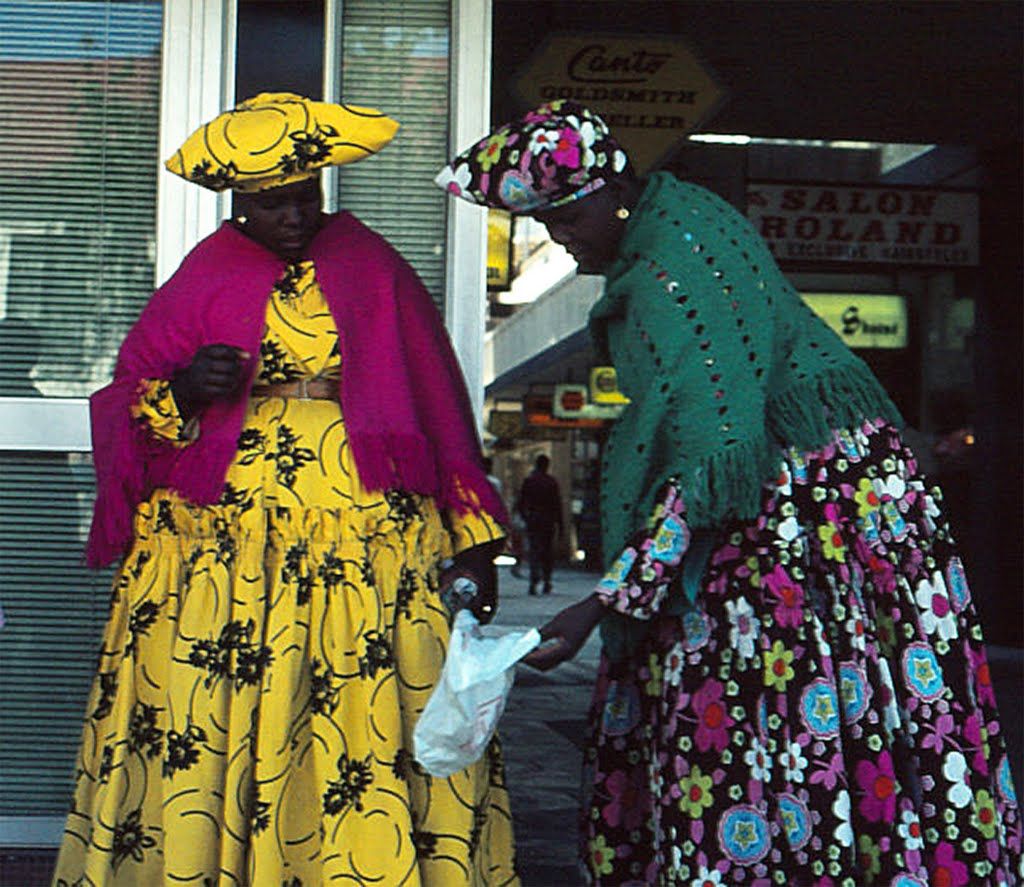
- Silhouette and layering: Head wraps, aprons, and full-skirted dresses echo West African women’s dress forms, adapted to the coastal climate and the specific constraints of church norms. The layered silhouette is not borrowed from European dress conventions. It is a continuation of a West African approach to the dressed body.
Together, these elements show that Gullah Geechee dress is not folk costume. It is a coded language of cloth that survived the Middle Passage, survived enslavement, and continues to speak through contemporary practice on the Sea Islands and in the Gullah Geechee diaspora.
Sunday Dress as Cultural Resistance
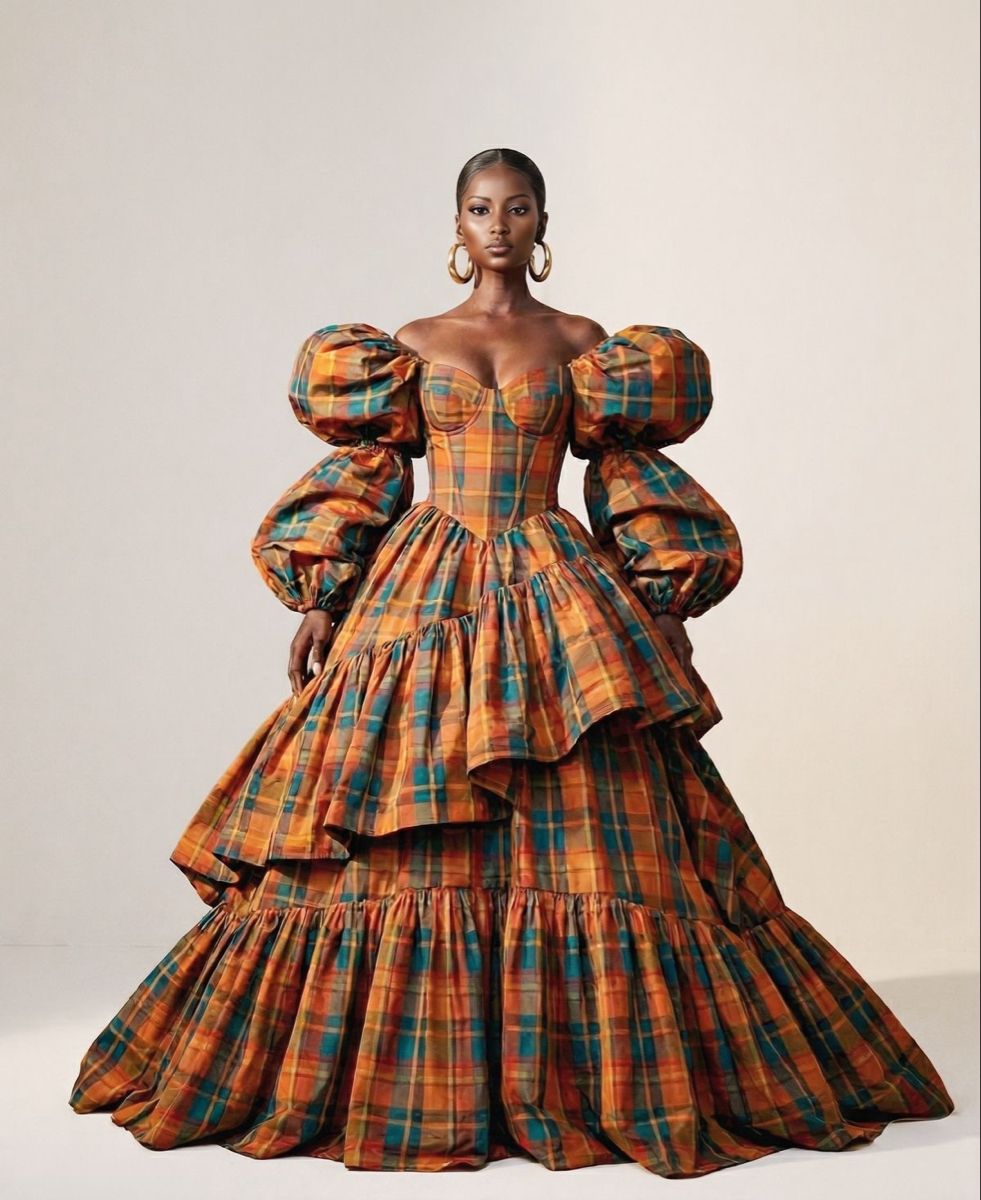
Under the plantation task system, some enslaved women had limited free time, and many owners allowed Sundays off as part of Christian assimilation. Women used that time to sew, style, and perform identity through dress. Sunday dress became three things simultaneously: a way to reclaim the aesthetic heritage enslavers tried to erase; a marker of community belonging within Gullah Geechee churches; and a visual statement that differentiated Gullah Geechee people from the surrounding culture, which itself functioned as resistance. As Omiren Styles has documented in its analysis of Haitian Vodou ceremonial dress as sacred vestment, the garments that carry the deepest cultural authority in African and African diaspora communities are those whose significance is internal rather than conferred by outside recognition. Gullah Geechee Sunday dress operates on exactly that logic.
That is why Gullah Geechee churches today still feature highly stylised, carefully coordinated outfits in bold colour combinations. The clothing is not only about respect for worship. It is a continuation of a strategy in which dress asserts dignity, memory, and cultural continuity under pressure. The church became the institution that preserved the occasion for which the dress tradition was maintained. The dress and the occasion held each other in place across generations.
Head Wraps, Aprons, and the Craft of Everyday Dress
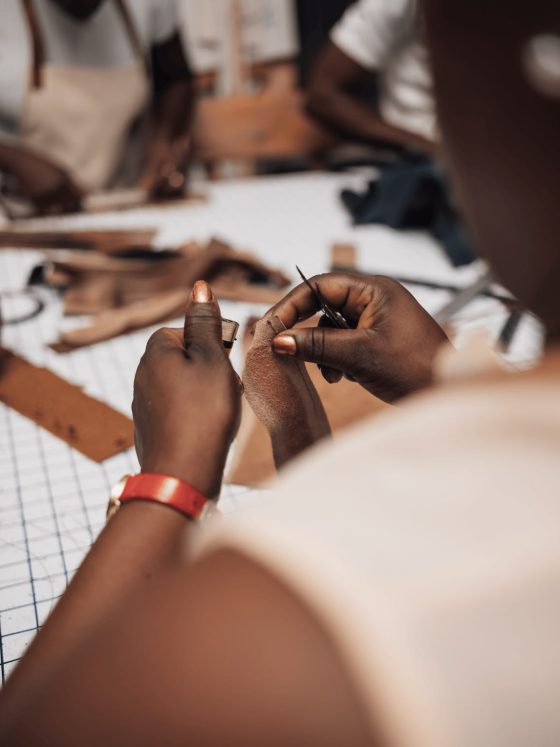
Traditional Gullah clothing was made from available fibres, including cotton, burlap, and other plant materials, then transformed through handcraft. Garments featured quilting, beading, embroidery, and detailed stitching, with colour choices driven by both aesthetic preference and the understanding, documented across West African textile traditions, that specific colours offer spiritual protection. Everyday wear included simple dresses and aprons suited to the warm, humid Lowcountry climate. As Omiren Styles has documented in its analysis of Somali khidaab traditions in diaspora celebrations, the practices that survive diaspora most durably are those embedded in social ritual rather than individual preference. Gullah Geechee everyday dress survived because it was embedded in the daily rhythms of church, family, and community.
Head wraps carry the densest concentration of meaning in Gullah Geechee dress. They mark identity, marital status, and social position. They are the most visible single element of the dress tradition and the most directly traceable to West African women’s dress conventions. The specific wrapping techniques, knot placements, and fabric choices communicate to other community members in a register that functions as social language. Aprons similarly function as both practical workwear and aesthetic statement: the decision to embroider or embellish an apron worn during daily labour is the decision to insist on beauty and meaning in the conditions in which beauty and meaning were systematically denied.
Quilts, Pattern, and the Portable Archive
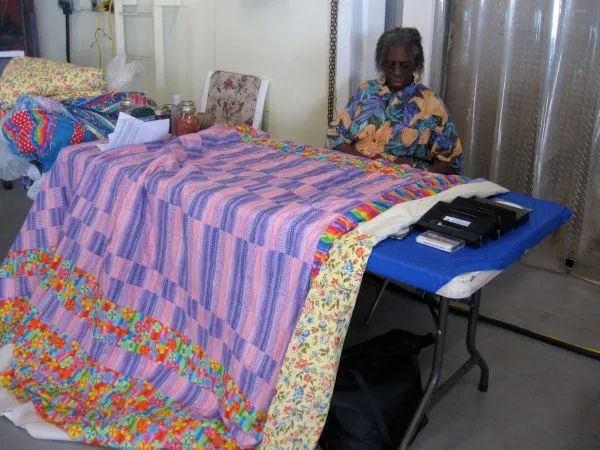
Gullah Geechee quilts and West African patterned textiles share a conceptual logic: both use repeated motifs to communicate history, values, and community belonging. This shared logic of pattern-as-language is one of the clearest material connections between Gullah Geechee craft and West African heritage. The continuity is not only visual. It is conceptual: both traditions understand cloth as a medium for storing and transmitting information that needs to persist across time and cannot safely be committed to writing. As Omiren Styles has documented in its analysis of Gondar Amhara dress and the supply chain behind it, the textile traditions that carry the deepest cultural authority are those whose production is embedded in community knowledge systems rather than individual commercial decisions. Gullah Geechee quilts are exactly that: community knowledge systems expressed in cloth.
What distinguishes the Gullah Geechee quilt tradition from a general patchwork tradition is the specific patterns and the specific meanings attached to them within the community. Flying Geese, Nine Patch, and family-specific designs carry particular meanings for the families and communities who made them. Those meanings were transmitted alongside the techniques. Learning to make the quilt meant learning what the quilt meant. That is a knowledge transmission system, not a decorative practice.
Gentrification and the Threat to Living Practice
Gullah Geechee communities on the Sea Islands face sustained pressure from gentrification, land loss, and cultural commodification. As property values on barrier islands like Hilton Head and St. Helena Island have risen, Gullah Geechee residents have been displaced from land that held the community and the conditions in which the dress tradition could be practised as a living form rather than performed as heritage display. The Gullah Geechee Land and Cultural Preservation Project represents one of the organised responses to that pressure. As Omiren Styles has argued in its analysis of African craft and state disinvestment, when the commercial infrastructure of a creative economy systematically underrewards the practitioners who hold core knowledge, the knowledge erodes. Displacement is the most extreme version of that underreward: it removes the community from the land and the social conditions in which the practice makes its fullest sense.
Contemporary designers and cultural practitioners drawing on Gullah Geechee dress and craft for modern collections are participating in a moment that can go in two directions. If the tradition is engaged with community partnership, proper attribution, and economic return to the source community, it extends the practice. If it is engaged as aesthetic source material without that reciprocity, it accelerates the cultural commodification that threatens what it claims to celebrate. The distinction matters, and the Gullah Geechee community is well positioned to make it.
The Omiren Argument
Gullah Geechee dress is a primary text for understanding how West African craft endured and transformed in the Americas. It is not a side note in the African diaspora fashion conversation. The Sea Islands created the specific conditions- isolation, the task system, the church, the family- in which West African textile logic could be maintained, adapted, and transmitted across generations under conditions designed to erase it. That is a design intelligence of the highest order: operating with constrained materials, constrained time, and constrained freedom to produce a dress tradition that carried cultural memory, social communication, and aesthetic authority simultaneously. As Omiren Styles has argued in its analysis of African fashion’s authority, African and African diaspora fashion has always been making arguments that the mainstream fashion industry was not yet equipped to receive. Gullah Geechee dress made those arguments before African fashion had any international institutional visibility, and it made them under conditions of extreme constraint. That is the argument. The Sunday dress, the head wrap, the quilt: these are not survivals from the past. They are the past surviving into the present by insisting on its own terms.
Gullah Geechee women did not make do. They made meaning. The cloth is still speaking.
ALSO READ
Frequently Asked Questions
What are Gullah Geechee dress traditions?
Gullah Geechee dress traditions are clothing styles developed by descendants of West and Central Africans enslaved on the Sea Islands of South Carolina, Georgia, and northern Florida. They blend West African textile logic, including bold colour systems, patterned storytelling, and specific silhouette conventions, with the materials and social conditions of plantation life and Gullah Geechee church practice. The most visible expressions are Sunday dress, head wraps, aprons, and quilts. As the Gullah Geechee Cultural Heritage Corridor documentation confirms, the tradition is a federally recognised cultural heritage that spans from North Carolina to Florida.
How do Gullah Geechee dress traditions connect to West African craft?
They connect through three documented continuities: colour as a communication system in which specific palettes carry social and spiritual meaning; pattern as a portable archive in which repeated motifs store community history and values; and silhouette conventions, including head wraps, aprons, and layered dress, that echo West African women’s dress forms. The connection is conceptual as much as visual: both traditions understand cloth as a medium for storing and transmitting cultural information across time.
What is Gullah Geechee Sunday dress and why does it matter?
Sunday dress refers to the highly stylised, colourful outfits Gullah Geechee women wear to church. Its origins lie in enslaved women’s practice of using the limited free time of Sundays to sew, style, and perform identity through dress. Sunday dress became simultaneously a way to reclaim aesthetic heritage, a marker of community belonging within Gullah Geechee churches, and a visual statement of cultural difference from the surrounding society. The church preserved the occasion for which the dress tradition was maintained, and the dress tradition gave the church one of its most visible forms of cultural expression.
What role do head wraps play in Gullah Geechee culture?
Head wraps are the most dense carrier of meaning in Gullah Geechee dress. Specific wrapping techniques, knot placements, and fabric choices communicate identity, marital status, and social position to other community members. They are the most directly traceable element of Gullah Geechee dress to West African women’s dress conventions and function as social language within the community rather than as decoration for outside audiences.
What threatens Gullah Geechee dress traditions today?
Gentrification, land loss, and cultural commodification are the primary threats. As property values have risen on Sea Islands like Hilton Head and St. Helena Island, Gullah Geechee residents have been displaced from the land and community conditions in which the dress tradition could be practised as a living form. The Gullah Geechee Land and Cultural Preservation Project represents one organised response to that displacement. Contemporary designers drawing on Gullah Geechee dress aesthetics without community partnership, and economic return to the source community, accelerate the commodification they claim to celebrate. As Omiren Styles has documented, when practitioners are displaced from the conditions in which their knowledge is maintained, the knowledge erodes.
How does Gullah Geechee dress relate to the wider African diaspora fashion conversation?
Gullah Geechee dress is a primary text rather than a side note in that conversation. It is one of the clearest documented cases of how West African textile logic survived the Middle Passage and was maintained under conditions of extreme constraint. It offers a model for thinking about African diaspora fashion as a continuity of craft intelligence rather than a rediscovery or influence narrative. As Omiren Styles has argued, the African aesthetic that runs through Black American dress is not a metaphor. In the Gullah Geechee case, it is a documentable, specific, material continuity that the mainstream fashion conversation has not yet fully reckoned with.