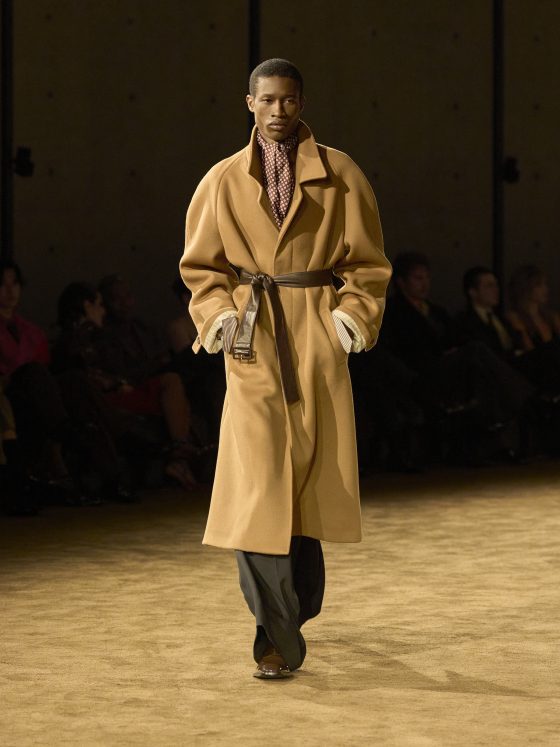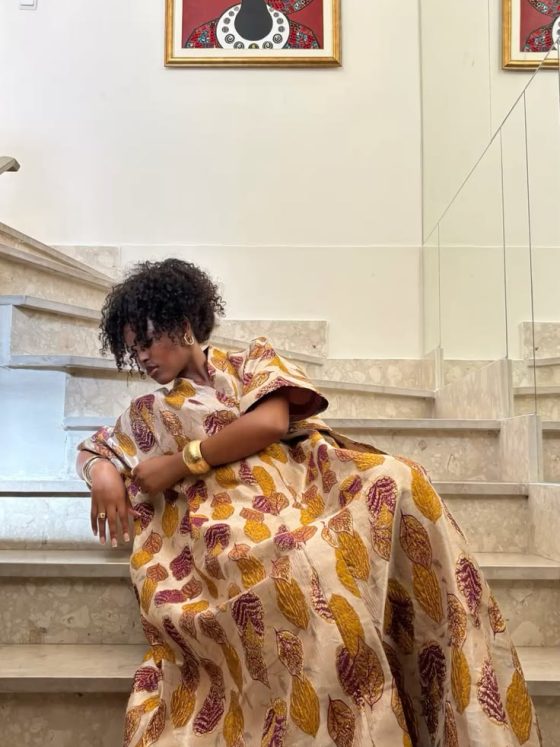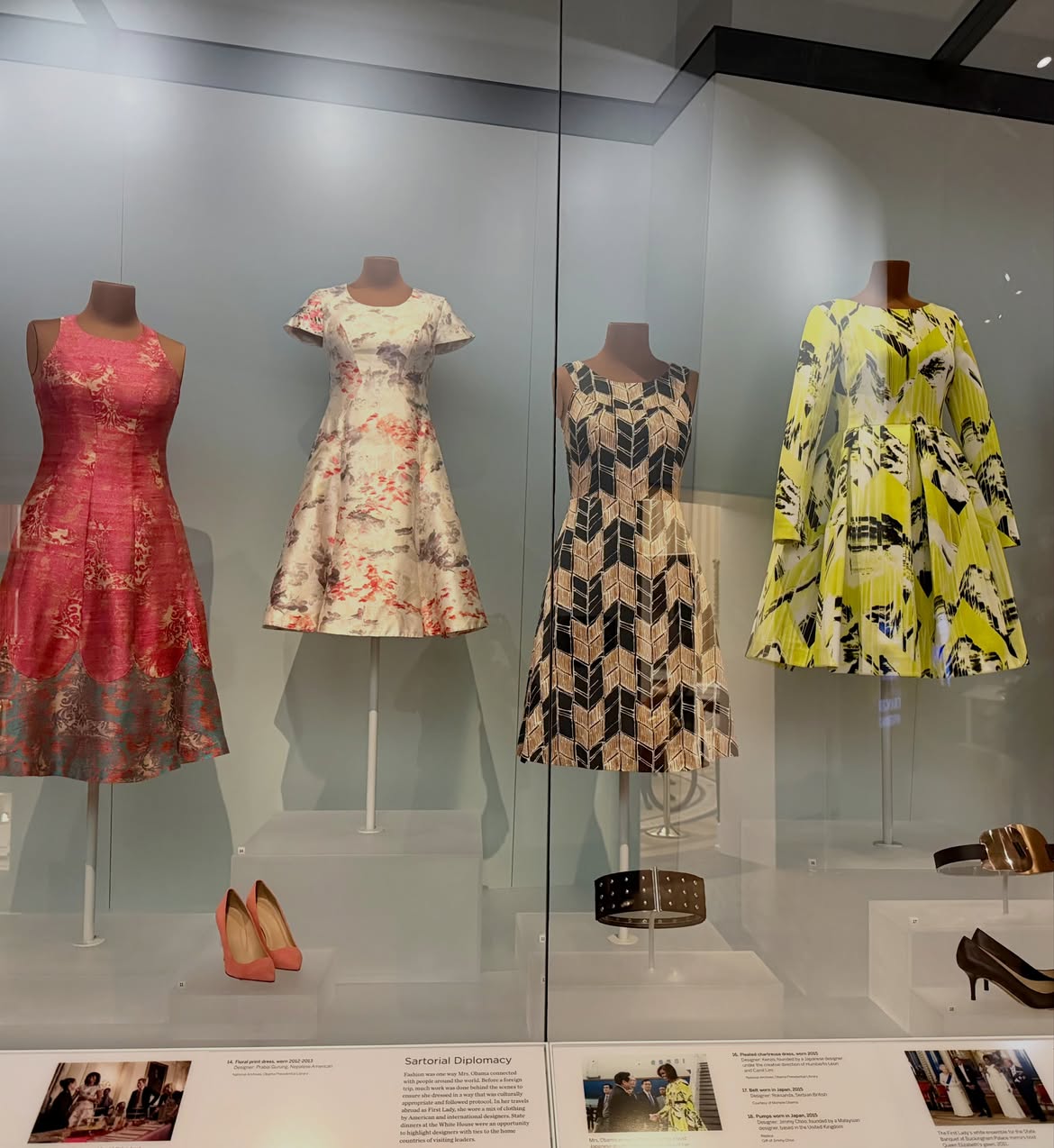
Start with what you can hold in your hand. A catalogue entry. The kind that gives you a museum number, a name, a date, a maker and a brief material description. Say it reads: ‘Adire cloth, resist-dyed cotton, Yoruba, Nigeria, early twentieth century.’ Or: ‘Tomee, textile design, Danasco Fabrics Ltd., Althea McNish, 1961, UK, museum no. E.1029-1979.’ Or: ‘Woman’s evening gown, silk satin, France, c. 1930, gift of Mrs X, accession no. Y.’
These are real kinds of records. They are also radically incomplete. Not because the curators who wrote them did their work badly, but because the record format they were working within is designed to answer a specific set of questions and is structurally incapable of answering several others. Understanding which questions the record answers and which it does not separates useful archival research from research that attributes too much to too little.
A museum accession record describes what an object is. It rarely records who wore it or what it meant. This article explains what a museum record can establish about dress – and what it cannot, however carefully you read it.
What the Record Is Designed to Do
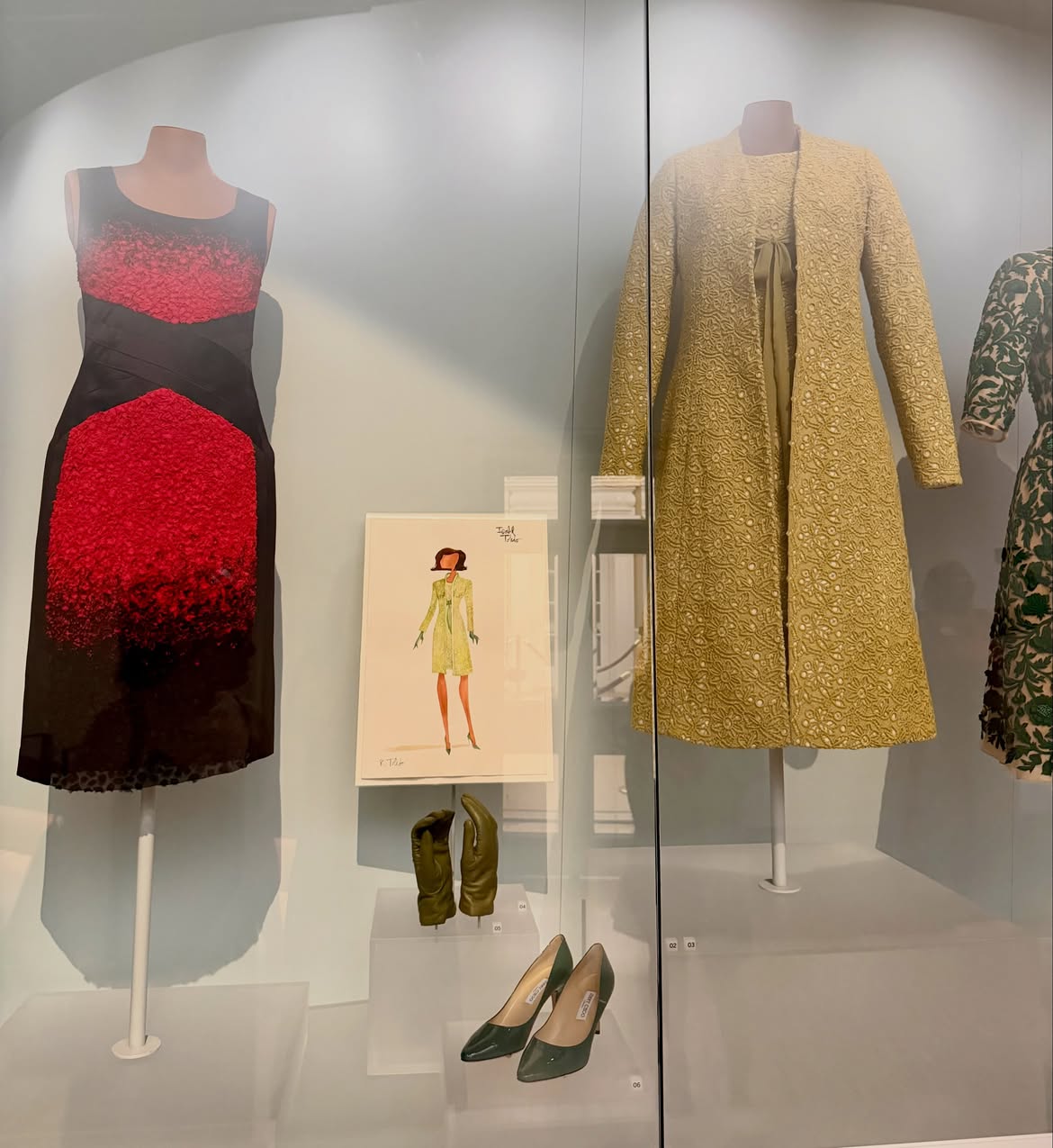
An archival object record in a dress or textile collection exists primarily to identify the object and make it findable. Its core fields are a unique identifier (the accession or museum number); a category or object name; the material or materials; the date or period of production; the maker, if known; the geographic or cultural origin; the dimensions; and the acquisition history, which typically means how the museum came to own it. Some records add a physical description, condition notes and a brief interpretive note.
These fields answer questions about the object’s identity and its relationship to the institution that holds it. They do not answer questions about the object’s use. Who wore this dress? Where did they wear it? What did they think of it? Did they alter it? Did they love it or merely tolerate it? Did they wear it once or a hundred times? Did they give it away willingly, or did someone take it from them? Did they make it themselves or buy it? None of those questions appears in the standard record format, and most are not answerable from the object alone, even with additional research.
Documents speak where garments remain mute. – Yorkshire Fashion Archive, Cambridge University Press
That observation, from research into the Yorkshire Fashion Archive, is one of the most useful framings available for this problem. The archive’s researchers found that the garments themselves, however well preserved, could not provide the context that made them meaningful as historical objects. The memories and narratives of their previous owners, collected separately and attached to the catalogue records, provided the human context the object could not carry alone. When those memories were unavailable, the garments were still catalogued, preserved, and identifiable. But what they represented about the lives of the people who wore them was largely opaque.
What the Date Field Does and Does Not Prove
Take the date field. A record that says ‘c. 1930’ or ‘1961’ tells you something, but not the same thing in both cases. ‘c. 1930’ is an estimate based on the object’s physical characteristics: the cut, the construction technique, the fabric type, and sometimes the dye chemistry. It is a curator’s or conservator’s informed assessment of when this kind of object was made in this kind of way. It is a date of production estimate, not a verified date. ‘1961’ is more specific, and if it comes with documentation – a commission record, a designer’s archive, a dated press cutting – it is more firmly established.
Althea McNish’s Tomee, held at the V&A under museum number E.1029-1979, carries a 1961 date alongside the client name Danasco Fabrics Ltd. and McNish’s name as designer. That date is supported by the attribution – a named designer, a named commission, a production year consistent with McNish’s documented career trajectory. It is a relatively firm date. But the record does not establish how many units of Tomee were produced from the design, whether the design was modified before production, what price it sold for, or how long it remained in production. Those are questions about the object’s commercial life that the record does not answer.
The date field also fixes something that was not fixed while the object was in use. A dress worn between 1928 and 1935 and given to a museum in 1960 will carry a production date estimate of ‘c—1930’ in the catalogue. But the person who wore it experienced it across seven years during which the fashion landscape changed substantially. The catalogue date collapses that duration into a single estimated point. The garment’s biography extends beyond its date.
What the Maker Field Does and Does Not Establish
When the maker field is populated with a specific name – a designer, a manufacturer, a weaving community, a named artisan – it is one of the most useful fields in the record. It links the object to a documented practice and enables further research. When it is blank, or when it carries a phrase like ‘Yoruba, Nigeria’ in place of an individual name, it records what the institution was able to attribute and does not record the specific individual whose hands made the object.
The V&A’s Adire collection includes a hand-painted cloth with a scorpion symbol on the front. The museum notes that the symbol suggests the woman who painted this cloth was a respected maker. But the name behind the scorpion has not yet been identified. The cloth is in the collection. The maker is in the record as a presence – the scorpion is her signature – but not as a name. The record has preserved the signature. It has not yet recovered the person.
This is the maker field’s most common failure mode: it preserves attribution where it was recorded and leaves a gap where it wasn’t. For garments produced by named designers in contexts where those designers’ archives have been preserved, the maker field is populated and linkable. For garments produced by anonymous artisans, domestic makers, communities rather than named individuals, or makers whose documentation was not kept or was not considered worth keeping, the field either records a community or cultural designation or stays blank. The blank does not indicate a garment. It indicates a documentation gap.
What the Acquisition History Does and Does Not Tell Us
The acquisition history, how the museum came to own the object, is one of the most revealing fields in a dress record because it records a transaction rather than a physical characteristic. It reveals the social path the object took from use to collection. A gift from a named donor tells you the donor was identified and willing to be named and that the garment came from someone with access to the museum’s donation infrastructure. A purchase tells you the museum valued the object enough to spend the acquisition budget on it. An anonymous donation tells you the donor chose not to be identified.
What the acquisition history does not tell you is the complete chain of ownership before the recorded transaction. A dress donated by Mrs X in 1960 may have been made for her, purchased by her, given to her, inherited by her, bought from a second-hand dealer, or passed through several other hands between its making and its arrival at the museum. The acquisition history records the final transaction. Everything before that is the object’s social biography, and most of it isn’t in the record.
For objects from communities whose relationship to museum collection has been contested or inequitable, the acquisition history can carry particular weight. How a piece of Adire cloth came to be in a British museum’s collection in the 1960s may involve colonial administration, commercial trade, an individual gift, or an institutional purchase. The record may say ‘purchased Ibadan, 1962’. That is one fact about the acquisition. The full context of that purchase – who sold it, whether they chose to sell it, at what price, under what economic conditions – is not in the record.
What the Physical Description Can and Cannot Prove
The physical description in a dress archive record tells you about the object’s current state: its dimensions, its colour as it now appears, its construction, its condition. It does not tell you how the object looked when it was new. Colour in textiles changes. Silk degrades. Dye chemistry shifts over decades. A gown described as ‘pale gold satin’ in a museum record may have been a deep, saturated gold when it was made and worn. The record’s colour description reflects the object as the cataloguer encountered it, not as its maker or wearer knew it.
Construction details in the record can reveal manufacturing techniques and, in some cases, dating evidence. A machine-sewn seam in a specific configuration can help establish a production period. A particular type of fastening can be dated. These physical details are among the most useful outputs of dress-history research, precisely because they are properties of the object that survive independently of any documentation about its use or ownership. The object’s physical structure outlasts the records that might have explained its context.
The Digital Archive and What It Changes
Recent research on digital technologies and fashion archives has identified three specific capabilities that digital systems add to archival research: recovering missing archives (making previously inaccessible objects discoverable); accessing brand identity (linking objects to their commercial and institutional histories); and unveiling the making of (revealing process, not only product). The last is most relevant for dress history research. A digital catalogue that can hold high-resolution images, conservation notes, oral history recordings, related documentation and scholarly annotations gives the record more capacity to carry context alongside the object. It does not resolve the fundamental gap between what the object is and what it meant to the people who made and used it. But it lets us assemble more evidence around the object and keep it in one accessible place.
The Yorkshire Fashion Archive’s digitisation experience documented this directly. The electronic catalogue let the archive unite each garment with its narrative history: memories and anecdotes from previous owners, attached to each record as a layer of context the physical object could not carry alone. A ‘memory of catty comments’ attached to a pink floral evening gown in the archive record, as the researchers noted, goes beyond simple preservation of artefacts into profoundly post-modern territory. It does not make the gown itself more legible as a physical object. It makes the gown more legible as a lived object, something worn in a specific social situation by a specific person who had feelings about it.
Reading the Record Honestly
As Omiren Styles has established in its work on textile provenance, the discipline of matching claims to evidence is the same whether you are reading a fashion brand’s product page or a museum’s catalogue entry. The record carries what it carries. What it does not carry cannot be supplied by inference, habit or enthusiasm for the object. If the maker’s name is not in the record, we cannot establish the maker’s name, however confident we are about the tradition the object comes from. If the date is an estimate, the date is an estimate, however precisely it is stated. If the acquisition history records only the final transaction, the object’s earlier biography is not in the record even if we can make reasonable guesses about it.
None of this makes archival research in dress history less valuable. It makes it more valuable because it anchors the work in what can actually be established rather than what the researcher would like to be true. A dress attributed to ‘Yoruba, Nigeria, early twentieth century’ is an object with a confirmed cultural origin estimate. That attribution does not confirm its maker’s identity. Where possible, the record makes finding the maker’s identity necessary by leaving the field blank.
The scorpion on the Adire cloth in the V&A is still there. Its name is still unknown. The record has preserved enough to make the search possible. That is what an archival object record can do at its best: hold what is known, mark what is not, and keep the object available for the research that might eventually close the gap.
ALSO READ
- What Textile Provenance Can – and Cannot – Prove
- How Adire Cloth Holds Memory, Labour and Place
- Althea McNish’s Tomee: Designing Colour for Everyday Life
- The Global South Made Fashion. It Just Never Got Credit.
Frequently Asked Questions
What does an archival object record in a dress collection typically include?
A standard archival object record in a dress or textile collection includes a unique accession or museum number; an object name or category; the material or materials; a date or period of production; the maker or designer, if known; the geographic or cultural origin; the dimensions; the acquisition history; and sometimes a physical description and condition notes. Some records also include interpretive notes or provenance information. These fields are designed to identify the object and make it findable within the collection.
What can an archival object record not tell us about a garment?
A standard archival record cannot establish who wore the garment, on what occasions, how the wearer experienced it, whether it was altered during use, or what it meant to its owners. It also cannot provide the full chain of ownership before the recorded acquisition transaction, or establish the social and economic conditions under which the object entered the collection. The record carries what was documented at the time of acquisition and cataloguing. Anything not documented at that stage is either missing from the record or requires additional research to establish.
What does the maker field in a dress archive record actually prove?
When the maker field names a specific individual or firm and provides supporting documentation, it establishes who made the object to the extent the documentation supports. When it names a community or cultural tradition rather than an individual, it records cultural origin rather than individual authorship. When it is blank, it records a documentation gap rather than the absence of a maker. The maker field preserves attribution where attribution was recorded. It does not recover makers whose names were not documented at the time of production or collection.
What does the date field in a dress archive record mean?
A precise date in a dress record (such as 1961 for Althea McNish’s Tomee) typically rests on documented evidence: a commission record, a designer’s archive, or a dated press record. An estimated date (such as c. 1930) is an informed assessment based on the object’s physical characteristics, including its cut, construction technique, fabric type and sometimes dye chemistry. Both types of date refer to when the object was made, not when it was worn, and neither establishes the full duration of the garment’s use before it entered the collection.
What is the difference between an archival object record and a garment’s biography?
An archival object record documents the object’s identity and its relationship to the institution that holds it. A garment’s biography is the object’s full social history: who made it, who owned it, how it was used, how it changed over time, what it meant to the people who wore it, and how it came to be where it is now. The record captures a fraction of that biography, typically the most recent and most legible portion. Research in dress history involves building as much of the biography as the available evidence allows, while being transparent about where the evidence runs out and the gaps begin.
How do digital archives change what we can know about historical dress?
Digital archives expand the capacity of archival records by bringing together multiple types of evidence and making them searchable: high-resolution images, conservation notes, oral history recordings, related documentation, annotations, and cross-references to other objects or archives. They also improve discoverability, making objects accessible to researchers who cannot visit in person. They do not change the fundamental gap between what the object is as a physical artefact and what it was as a lived object. The digitised record is more accessible and more richly contextualised; it is not more complete than the evidence it contains.