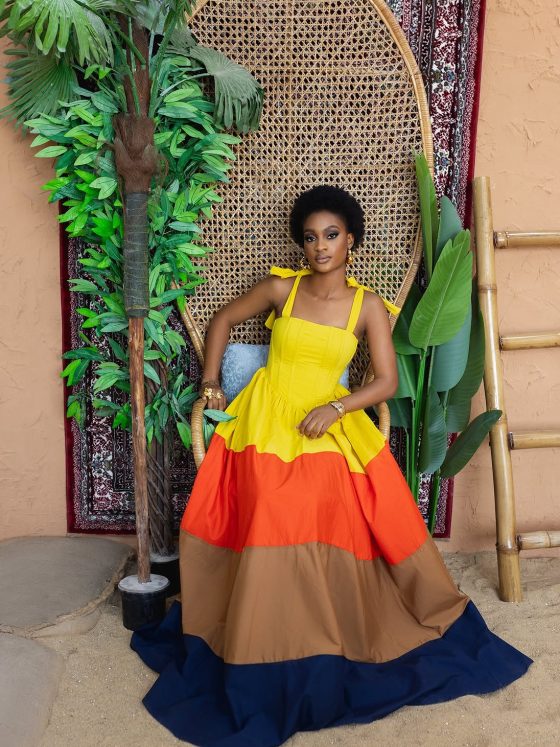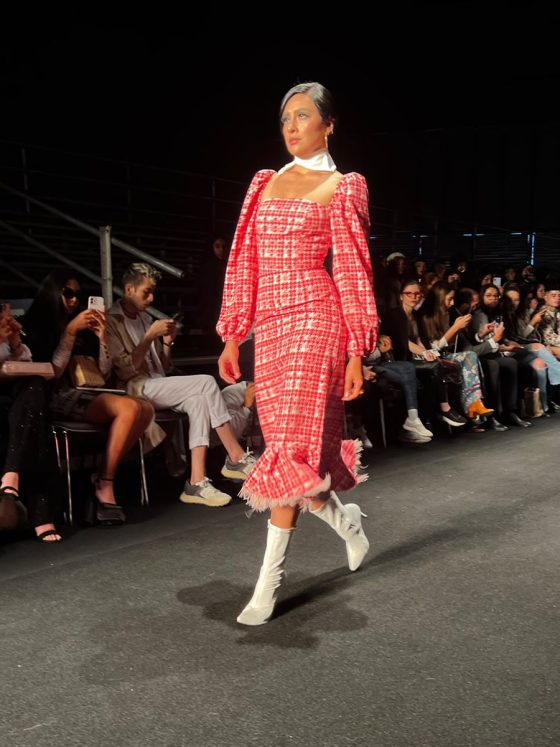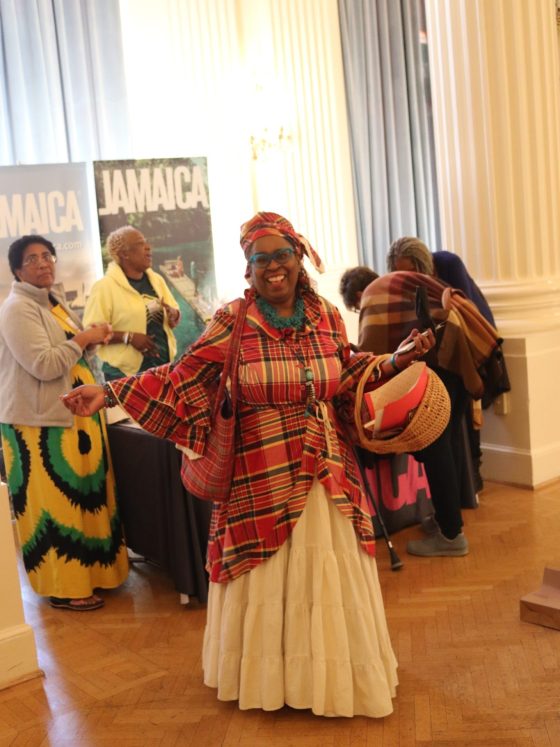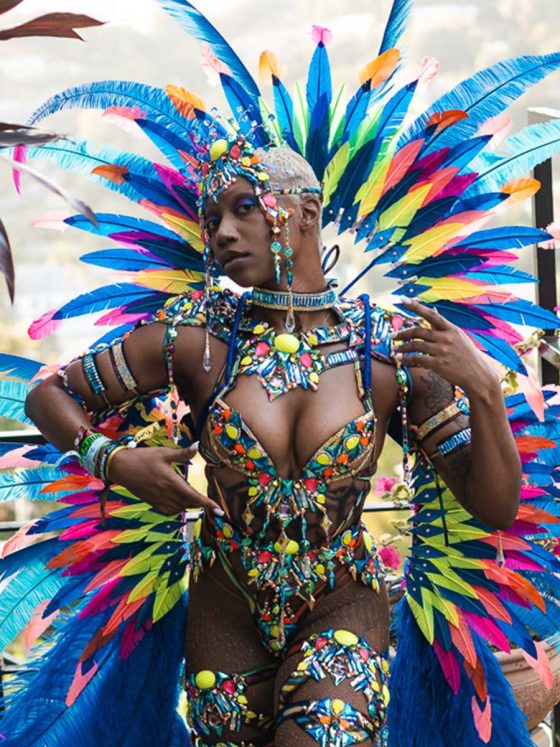
South Florida has one of the highest concentrations of African and Caribbean diaspora communities in the United States. Broward County and Miami-Dade together hold hundreds of thousands of people from Jamaica, Haiti, Trinidad, Barbados, Nigeria, Ghana, Kenya, Ethiopia, and every point in between, living in proximity, sharing neighbourhoods, worshipping in the same churches, eating at adjacent restaurants, and navigating an American city that rarely acknowledges them as culturally connected. The fashion industry has not built a platform that puts African and Caribbean design in direct conversation in this context. No major institution has funded it. No fashion week calendar has scheduled it.
So Natalee Pryce from Jamaica and Floise Njeri from Kenya built it themselves. The Afro Carib Fashion Show, produced through Pryce’s ANJ Fashion Inspired and Njeri’s Africa’s Closet, is a summer fashion event in Broward County that places African and Caribbean designers on the same runway, in the same room, in front of the same audience, for an evening that the founders describe as more than a fashion event: a movement, a celebration of culture, creativity, and diversity. The 2025 edition ran on 26 July at the Downtown Event Centre in Fort Lauderdale. The 2026 edition is coming this summer.
A Jamaican woman and a Kenyan woman are building a runway in Florida that connects African and Caribbean fashion. No institution funded it. They built it anyway.
Who Built This and Why
Natalee Pryce grew up in Jamaica, loving clothes and shoes with the specific intensity that people who later build fashion businesses tend to describe as inevitable in retrospect. She moved to the United States, married, had children, and found that her gift was not just personal: she started styling her son in ways that attracted attention from the people around her, gained clients from those who noticed, and in April 2014 received what she describes as a prophetic word at church that she would own a boutique. ANJ Fashion Inspired was born from that moment and has grown into a fashion retail, consulting, and home decor entity rooted in the principle that fashion is not an expense but an inspiration. She hosts quarterly fashion shows through ANJ that have grown from 10 attendees to sell-out events. The Afro Carib Fashion Show is the largest expression of that practice to date.
Floise Njeri is the CEO of Africa’s Closet, a platform that collaborates with fashion houses across Africa to create high-quality, culturally rich apparel and accessories. She brings to the partnership the African side of the show’s curatorial argument: knowledge of what African designers are building, relationships with African fashion houses, and marketing expertise to present African fashion in a South Florida context where it is not always given its proper framing. Together, Pryce and Njeri bring over two decades of combined experience in fashion design, styling, and event production. These are not women who decided one day to put on a fashion show. These are women who have been building platforms, developing communities, and working in the fashion industry from the ground up for years before the Afro Carib Fashion Show gave that work its largest single expression.
“Fashion is not an expense but an inspiration. That philosophy built a quarterly show and eventually a platform connecting Jamaica to Kenya on a Fort Lauderdale runway.”
The Conversation the Industry Has Not Had
The connection between African and Caribbean fashion cultures is one of the most obvious, unaddressed subjects in fashion editorial. The Caribbean’s African heritage is not a historical footnote. It is the living foundation of Caribbean dress culture: the Baiana dress in Bahia, the lumbalú white in Palenque, the tambor ceremony dress in Barlovento, the madras headwrap in Martinique, the Wob Dwiyet in Dominica. Omiren has documented all of these as part of a multi-article series that, article by article, established that Caribbean dress traditions are African diasporic traditions, shaped by the specific geography, colonial histories, and community resilience of the islands and coasts where they developed. The African and Caribbean fashion traditions are not adjacent. They are the same root, grown in different soils.
The fashion industry’s infrastructure has not reflected this. African fashion weeks cover African designers. Caribbean fashion events cover Caribbean designers. The conversation between them happens in diaspora communities, in churches, cultural events and community centres, not on runways. The Afro Carib Fashion Show is the runway version of a conversation that has been happening for generations in South Florida’s diaspora communities. It puts the designers from both traditions in the same space and lets the audience, which is itself both African and Caribbean, see the visual argument made explicit. That is not a minor thing. It is the thing that nobody else has been willing to organise.
South Florida as the Correct Geography
The Afro Carib Fashion Show is not in New York or London because it does not need to be. South Florida, and Broward County specifically, is one of the few places in the world where the African and Caribbean diaspora communities are large enough, proximate enough, and culturally active enough to constitute a genuine audience for exactly this kind of event. The 2026 Afro-Carib Festival in Miramar, a separate, larger government-backed cultural festival, draws tens of thousands of attendees to celebrate the blended cultures of the Caribbean and their African origins. The broader cultural appetite in the community is demonstrated, funded, and attended.
The Afro Carib Fashion Show operates within that cultural context as its fashion-specific expression. Its venue, the Downtown Event Centre in Fort Lauderdale in 2025, is not Madison Square Garden. It is a community-scale event space in a city where people who need to see this show can get there on a Saturday evening. That is the correct geography for a platform that is building from the community up rather than from the institution down. The Lagos Fashion Week model, which Omiren has documented in depth, started at the community level in 2011 and grew to 15,000 guests and an Earthshot Prize over 15 years. The Afro Carib Fashion Show is in an earlier chapter of what could be a similar trajectory if the community it serves continues to show up, and the industry that has not noticed it starts paying attention.
What the Runway Puts in the Same Room
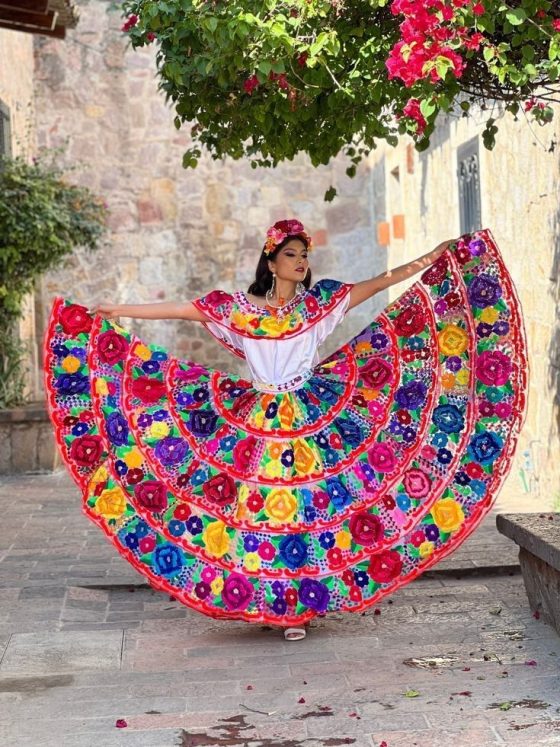
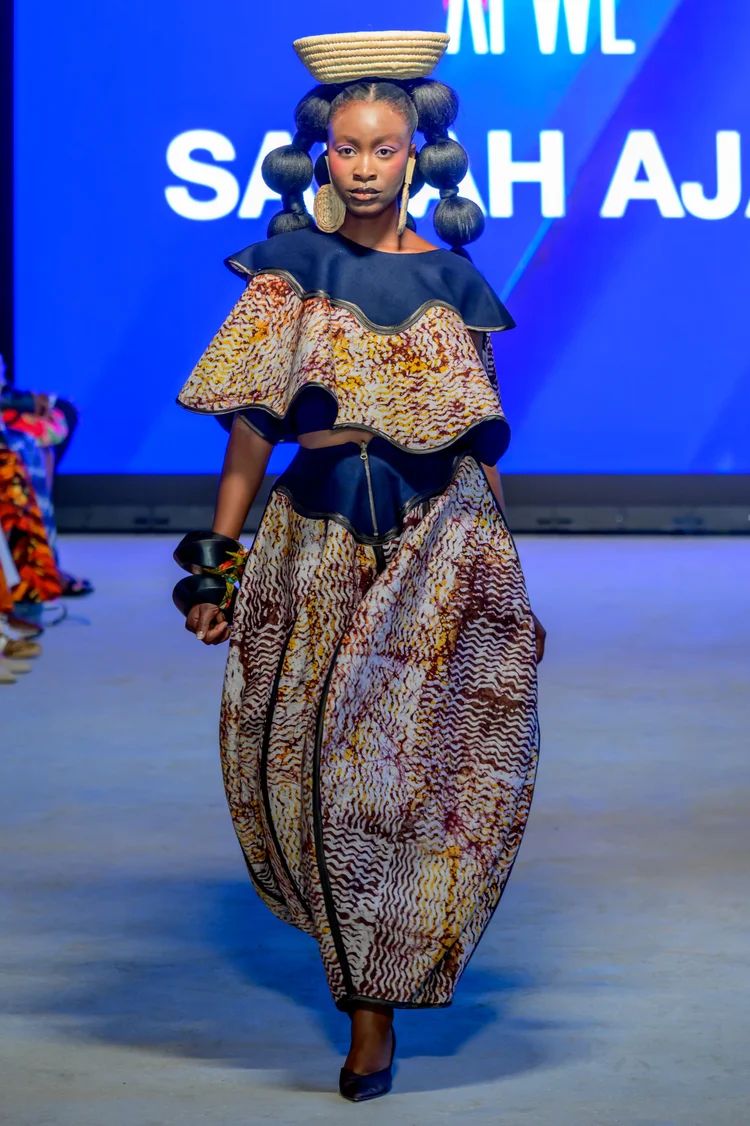
The specific editorial value of the Afro Carib Fashion Show lies in African and Caribbean designers presenting on the same runway before the same audience. The juxtaposition itself makes the visual argument: the West African wax print beside the Jamaican dancehall aesthetic, the Kenyan beadwork tradition in conversation with the Trinidad Carnival colour vocabulary, the Lagos construction technique and the Kingston street style sensibility placed in direct visual dialogue. These are not conversations that happen in fashion week calendars organised by geography. They happen here, on this runway, in this room, because two women decided they should.
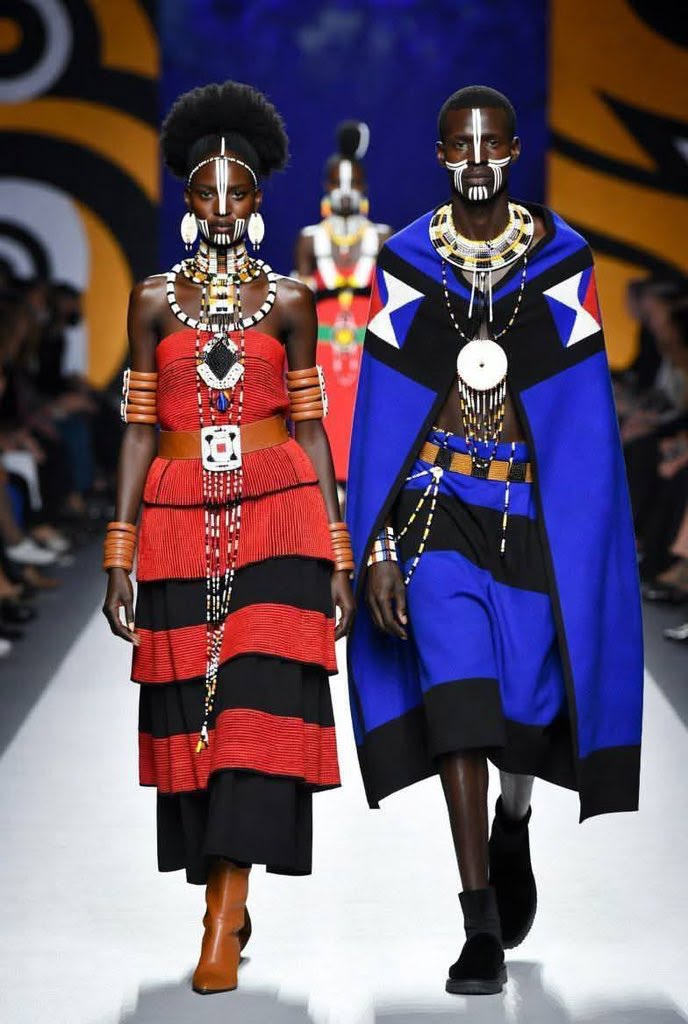
The audience for this show, South Florida’s African and Caribbean diaspora communities, brings its own cultural literacy to the juxtaposition. These are people who understand both traditions from the inside, who do not need editorial explanation of why Maasai beadwork and Jamaican dancehall dress belong in the same conversation, because they live in communities where both traditions are present. They are the ideal audience for this show, and it is in the right city to reach them. The fashion industry that has not covered this platform has been looking at the wrong city, waiting for this conversation to happen in New York. It has been happening in Fort Lauderdale.
“The fashion industry waited for the African-Caribbean fashion conversation to happen in New York. It has been happening in Fort Lauderdale. That is not a problem with the show. That is a problem with where the industry looks.”
What Makes This Different From Other Community Fashion Events
Community fashion shows are common in diaspora communities across the United States. Churches host them, cultural organisations produce them, and universities include them in Black History Month programming. What distinguishes the Afro Carib Fashion Show from the standard community fashion event is its explicit editorial argument: that African and Caribbean fashion belong in the same conversation, that the diaspora connection between them is a design argument as well as a cultural one, and that the runway is the right place to make that argument visible. That specificity of purpose is what elevates it from a cultural celebration to a fashion infrastructure story.
Pryce and Njeri’s combined backgrounds- Pryce in styling, design, and community-rooted event production and Njeri in African fashion house relationships and marketing- give the show the curatorial credibility to make its argument with actual designers rather than with general African and Caribbean aesthetic references. The show is not presenting Nigerian fabric draped on Caribbean models as a visual metaphor. It presents designers from both traditions doing their actual work on the same runway, making the argument by doing what they do. That is the difference between a cultural event and a fashion platform. The Afro Carib Fashion Show is a fashion platform.
READ ALSO:
- Maasai Beadwork: Meaning, Symbolism, and the Language of Identity
- Dancehall Fashion: Jamaica’s Most Influential Export That Fashion Media Refuses to Credit
The Infrastructure Argument: What Happens If This Grows
The trajectory the Afro Carib Fashion Show could follow, if it builds what Lagos Fashion Week built over fifteen years, is significant. South Florida already has the audience, the cultural community, and the geographic concentration of the African and Caribbean diaspora that a fashion platform requires to grow. What it does not yet have, in the context of this show, is the buyer infrastructure, the international press relationships, or the sustained editorial attention that translates a community-scale fashion event into a commercial platform that changes designer conditions year-round. Building those things takes time, and it takes the kind of sustained organisational work that Pryce and Njeri have demonstrated they are capable of through their existing businesses.
The Omiren framework for assessing fashion infrastructure, developed across the Akerele cover story and the Casa de Campo analysis, asks the same question of every platform: what happens after the show ends? For the Afro Carib Fashion Show in its current form, the answer is primarily community: the relationships built in the room, the cultural visibility generated for the designers who showed, the conversation continued in the diaspora communities that attended. That is nothing. It is, in fact, the most durable foundation any fashion platform can be built on. The institutions come later. The community comes first. Pryce and Njeri started with the community. That is the correct order.
OMIREN ARGUMENT
The fashion industry’s standard response to a community-scale event like the Afro Carib Fashion Show is to wait until it is large enough to be covered without risk: until it has a corporate sponsor, a major venue, celebrity attendance, or a critical mass of press coverage that makes it safe to treat as a legitimate subject. That response is exactly how the industry missed fifteen years of Lagos Fashion Week before the Earthshot Prize made it impossible to ignore. Natalee Pryce and Floise Njeri are building a platform in a city with one of the largest African and Caribbean diaspora populations in the United States, making an explicit argument about the design connection between two cultural traditions that share an African root, and doing it without institutional support, without a corporate backer, and without the fashion press that has been waiting to cover the African-Caribbean fashion conversation once someone with credentials builds it. They have the credentials. They built it. The show is in Fort Lauderdale.
The fashion press is looking somewhere else. Omiren’s position is that somewhere else is the wrong place. The African-Caribbean fashion dialogue does not need to happen in a New York Fashion Week satellite event to be worth covering. It needs to happen where the communities are, in the spaces those communities build, on the terms those communities set. That is what is happening in Broward County this summer. That is the story.
Frequently Asked Questions
- What is the Afro Carib Fashion Show?
The Afro Carib Fashion Show is a summer fashion event in Broward County, Florida, founded by Natalee Pryce from Jamaica and Floise Njeri from Kenya. It presents African and Caribbean designers on the same runway, placing both traditions in direct visual conversation before a South Florida diaspora audience. The 2025 edition was held on 26 July at the Downtown Event Centre in Fort Lauderdale. The 2026 edition is scheduled for summer 2026. The show is produced by Pryce’s ANJ Fashion Inspired and Njeri’s Africa’s Closet and is described by its founders as more than a fashion event: a movement that connects culture, creativity, and the African and Caribbean diaspora communities of South Florida.
- Who are Natalee Pryce and Floise Njeri?
Natalee Pryce is a Jamaican-born fashion stylist, designer, and author based in South Florida, and the CEO of ANJ Fashion Inspired, a fashion retailing, consulting, and home decor entity she founded in April 2014. She hosts quarterly fashion shows through ANJ and has been building community-rooted fashion events in South Florida for over a decade. Floise Njeri is a Kenyan designer and marketing expert, CEO of Africa’s Closet, a platform that collaborates with fashion houses across Africa to produce culturally rich apparel and accessories. Together, they bring over two decades of combined experience in fashion design, styling, and event production to the Afro Carib Fashion Show.
- Why is South Florida the right location for this show?
South Florida, particularly Broward County and Miami-Dade, has one of the highest concentrations of African and Caribbean diaspora communities in the United States. The region holds large populations from Jamaica, Haiti, Trinidad, Barbados, Nigeria, Ghana, Kenya, and throughout the African and Caribbean diaspora. The audience for a show that places African and Caribbean fashion in direct conversation already exists in this geography, in the communities that live in proximity in South Florida and that carry both traditions in their everyday lives. The show does not need to be in New York to reach the people who need to see it. It is already where they are.
- How is the Afro Carib Fashion Show different from community fashion events?
The Afro Carib Fashion Show is distinguished from standard community fashion events by its specific editorial argument: that African and Caribbean fashion traditions share an African diasporic root and belong in direct conversation on the same runway. This specificity of purpose, combined with the curatorial credibility of its founders, Pryce’s community event production background, and Njeri’s relationships with African fashion houses, means the show presents actual designers from both traditions doing their work, rather than using African and Caribbean aesthetic references as mere cultural decoration. It is a fashion platform making a design argument, not a cultural event that happens to include clothes.
- What is the connection between African and Caribbean fashion cultures?
Caribbean fashion traditions are African diasporic traditions, shaped by the specific geography, colonial histories, and community resilience of the islands and coasts where they developed. The Baiana dress in Bahia, the madras headwrap in Martinique, the Wob Dwiyet in Dominica, the Palenquera dress in Colombia, and the tambor ceremony dress in Venezuela all carry African cultural heritage that has endured across centuries of enslavement and colonisation. The West African textile and dress traditions that gave rise to contemporary African fashion come from the same cultural roots. The African-Caribbean fashion connection is not a trend or a collaboration. It is a historical relationship built into the fabric of both traditions.