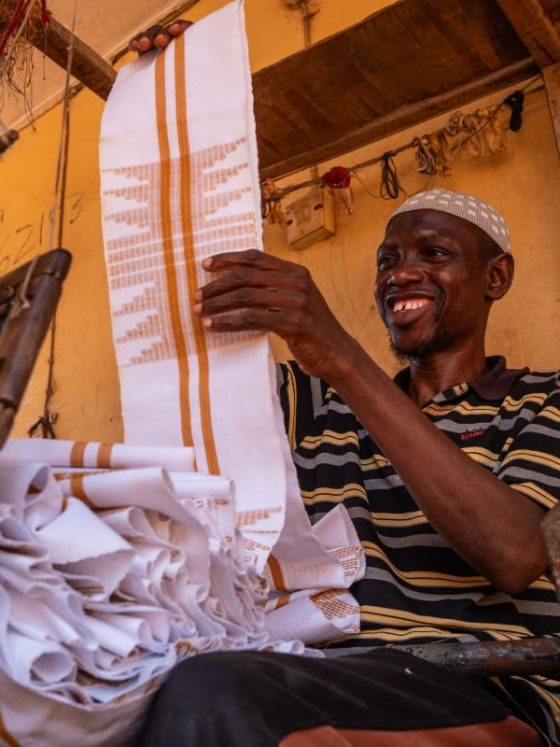
A garment can be cut and sewn in Lagos, woven from Aso-Oke produced in Iseyin, lined with locally sourced fabric, and labelled with a Made in Nigeria tag — and still need a zip sourced from China to close. This is the trim problem, the single most under-discussed gap in African fashion’s supply chain, and it sits at the end of the production process where the value of everything that came before it either holds together or fails.
Trims and findings, the industry term for the small functional and decorative components of a garment, cover a specific and essential category: zips, buttons, press studs, hooks and bars, elastic, thread, linings, interlinings, shoulder pads, labels, hangtags, packaging, and the dozens of other components that a finished garment requires beyond its primary fabric. Ghana’s largest textile and garment manufacturers, ATL, GTP, and Printex, rely almost entirely on imported raw materials and accessories for their production, with accessories sourced predominantly from China, India, and European suppliers. This is not a recent development: the structural import dependency of Ghana’s manufacturing base has been documented across more than a decade of industry reporting, and it has not materially changed. What is true for Ghana’s largest manufacturers is true, with variations in scale and product mix, for independent designers and smaller manufacturers across Nigeria, Kenya, Ethiopia, and South Africa.
A garment can be cut and sewn in Lagos, woven in Iseyin, and finished in Accra, and still need a Chinese zip to close. Omiren Styles names the accessories gap in African fashion manufacturing.
What Trims Are and Why They Are Not a Minor Detail
The terminology matters for understanding the problem. Trims and findings are the umbrella term for all non-fabric components required for a finished garment. Functional trims are the items that make the garment work: zips, buttons, press studs, snap fasteners, hooks and eyes, velcro, elastic, and thread. Structural components are the items that give the garment its body: interlinings, which are fused to fabric panels to provide structure; shoulder pads; boning in formal or couture garments; and wadding or padding in quilted or winter pieces. Finishing components cover labels, including care labels, size labels, brand labels, and country-of-origin labels, hangtags, tissue paper, garment bags, and packaging. Every single category of garment requires components from at least two of these three groups, and most require all three.
The cost of trims as a proportion of total garment cost varies significantly by category. For a simple jersey T-shirt, trims, primarily thread, label, and hangtag, represent a small fraction of the cost. For a structured jacket with a zip, buttons, lining, interlining, and a branded label, trims can account for 15 to 20% of the garment’s total production cost. For a garment with premium hardware, metal zips, branded press studs, or hand-sewn buttons, the trim cost can rise further. In the haute couture tier that several of Africa’s most internationally visible designers occupy, the bespoke label, the custom button mould, and the woven brand tape are part of the product’s identity, not incidental to it. They are being imported.
Every African fashion supply chain that imports its trims is sending a portion of its value, and its supply chain risk, to whoever supplies those trims. Until the accessories layer is produced in Africa at a commercial scale and at a competitive price, a Made in Africa claim carries an asterisk most buyers never see.
Where African Designers Currently Source Trims, and What That Costs
The dominant sourcing geography for trims and accessories in Africa is China, with India, South Korea, and European markets as secondary sources, depending on the quality tier and designer relationships. For a Lagos-based designer working at ready-to-wear scale, the standard sourcing route is Balogun Market, where some accessories including buttons and thread are available, supplemented by direct import orders from Alibaba-listed Chinese suppliers, with minimum order quantities, shipping timelines, and foreign exchange costs that small-scale African designers absorb as a cost of production that their equivalents in closer proximity to Chinese manufacturing supply chains do not face to the same degree.
The minimum order quantity problem is specific and significant. A Chinese accessories manufacturer producing zips or buttons at a competitive price typically has minimum order quantities of several thousand units per style. A Lagos or Nairobi designer producing a collection of two hundred garments does not need several thousand units of any single button style and cannot absorb the cost of buying at that volume to hit the price point they need. The result is a pattern repeated across African fashion: designers either pay over the odds for small quantities of imported trims from local resellers who themselves imported in bulk, or they compromise on the trim specification because what is available locally in small quantities is not what the garment requires.
The shipping timeline problem compounds the minimum order quantity problem. A Lagos designer ordering trims from a Chinese supplier typically faces a lead time of four to six weeks for standard shipping, with express options adding cost that small-scale production cannot absorb. This is one reason the accessories gap functions as a brake on African fashion’s production velocity, the quality that Omiren Styles identified as one of Nigeria’s defining industry characteristics in The Regional Style Guide: How Fashion Differs Across Nigeria, Ghana, Kenya, and South Africa. A fabric can be sourced in Balogun within a day. The zip that closes the garment made from that fabric may still be six weeks away from a Chinese port.
Who Is Working on the Accessories Gap, and What They Are Building
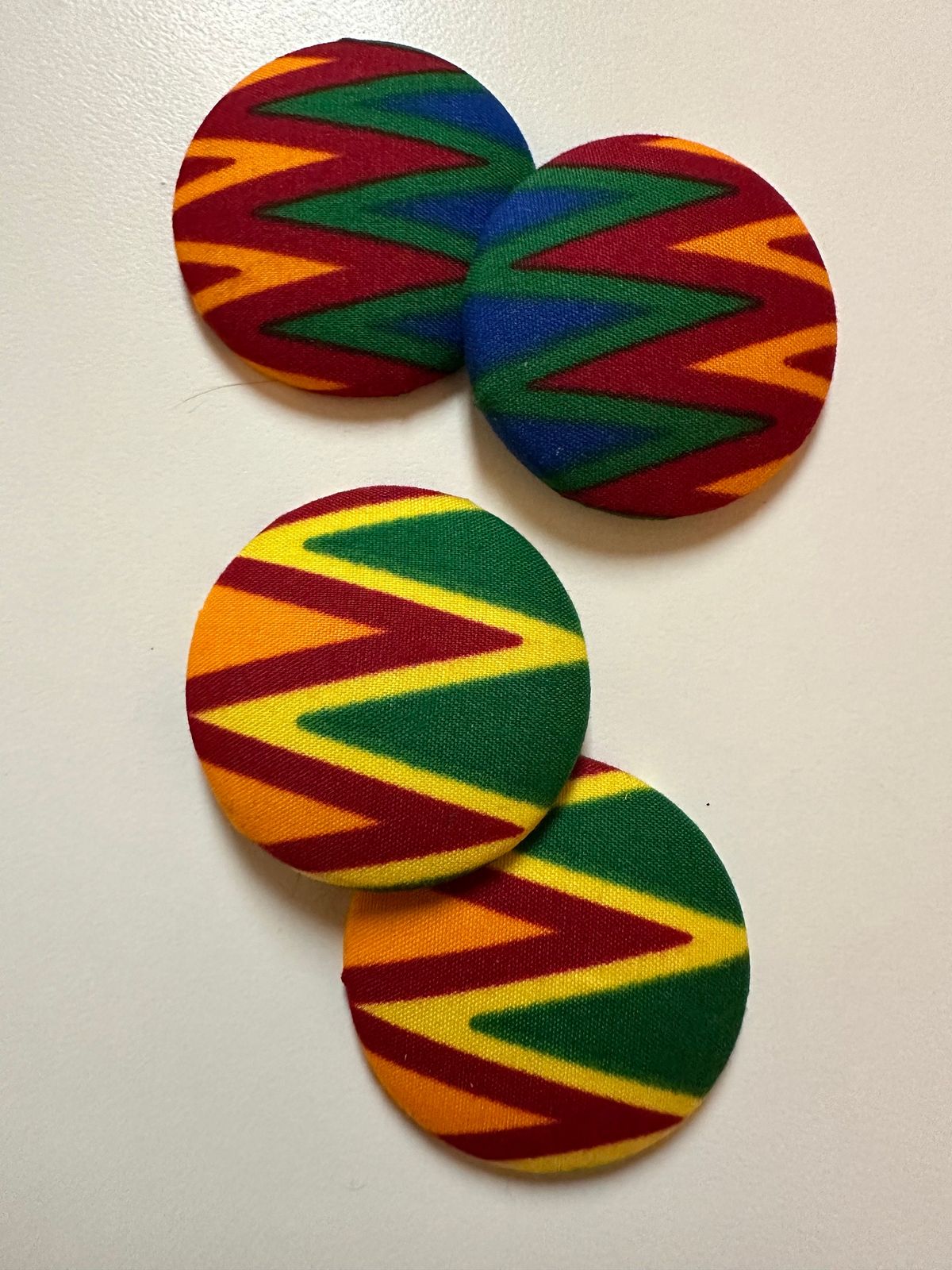
The accessories gap has been documented long enough that both industry actors and investors have begun treating it as an opportunity rather than simply a complaint. Africa for Investors, in its garment manufacturing investment analysis, identifies localised trim and accessories manufacturing units supplying Africa’s growing garment clusters as a specific and underserved opportunity, noting that investors who establish accessories manufacturing at the right location and scale can supply multiple markets simultaneously, reducing the import dependency that currently adds cost and lead time to garment production across multiple countries.
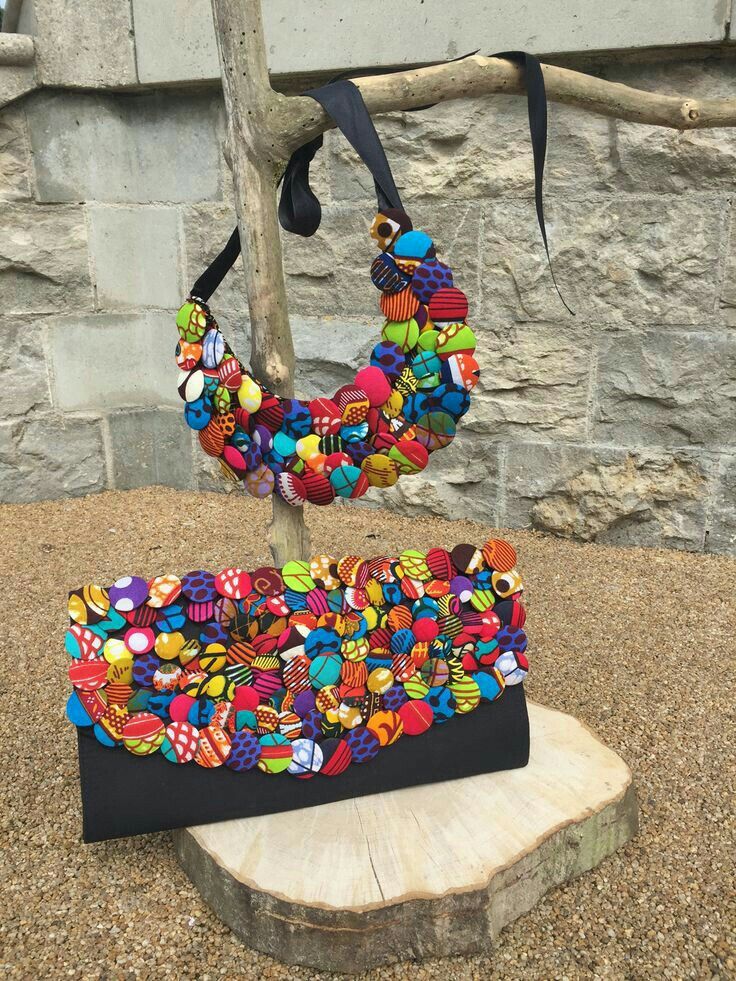
At the designer level, the most direct response to the accessories gap is vertical integration: producing or commissioning the accessories that cannot be sourced locally rather than importing them. Nigerian designer Tia Adeola, whose 2025 collection From Lagos With Love was presented at GTCO Fashion Weekend in Lagos, worked with local craftspeople on cowrie shell beadwork, raffia textures, and hand-screen-printed Ankara on satin, effectively bypassing the conventional trim supply chain by substituting materials that exist locally and carry cultural meaning for imported hardware that does not. This is not a solution that scales to every garment category or every designer. Still, it is evidence that the accessories gap has both a creative and an industrial response.
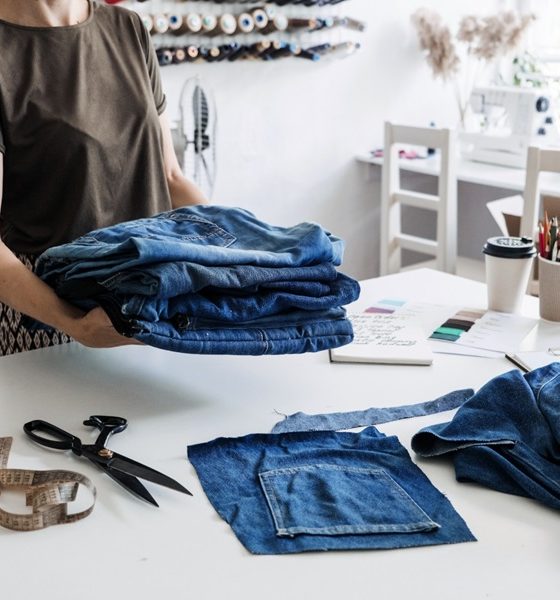
NKWO, the Nigerian sustainable design label founded by Nkwo Onwuka, has built its supply chain on exactly this logic: working directly with local artisans, upcycling denim sourced from Lagos markets into its signature Dakala cloth, and preserving traditional weaving techniques that sit entirely outside the conventional accessories import chain. The NKWO model does not solve the trim gap — it sidesteps it, which is a creative response but not a scalable infrastructure one. As Omiren Styles has documented in Where Designers Actually Source Fabric: A Buyer’s Guide to Africa’s Major Textile Markets, the most resilient African supply chains are the ones built on relationships rather than on commodity channels, and an artisan-network approach to accessories applies the same logic to the trim layer that Iseyin and Bonwire apply to the fabric layer.
ALSO READ
- Where Designers Actually Source Fabric: A Buyer’s Guide to Africa’s Major Textile Markets
- Made in Africa: The Manufacturing Story Behind the Continent’s Fashion Boom
- The Vlisco Question: Who Really Controls Ankara, and What Happens When African Mills Compete
- The Regional Style Guide: How Fashion Differs Across Nigeria, Ghana, Kenya, and South Africa
The Label Problem: Where Brand Identity Meets Import Dependency
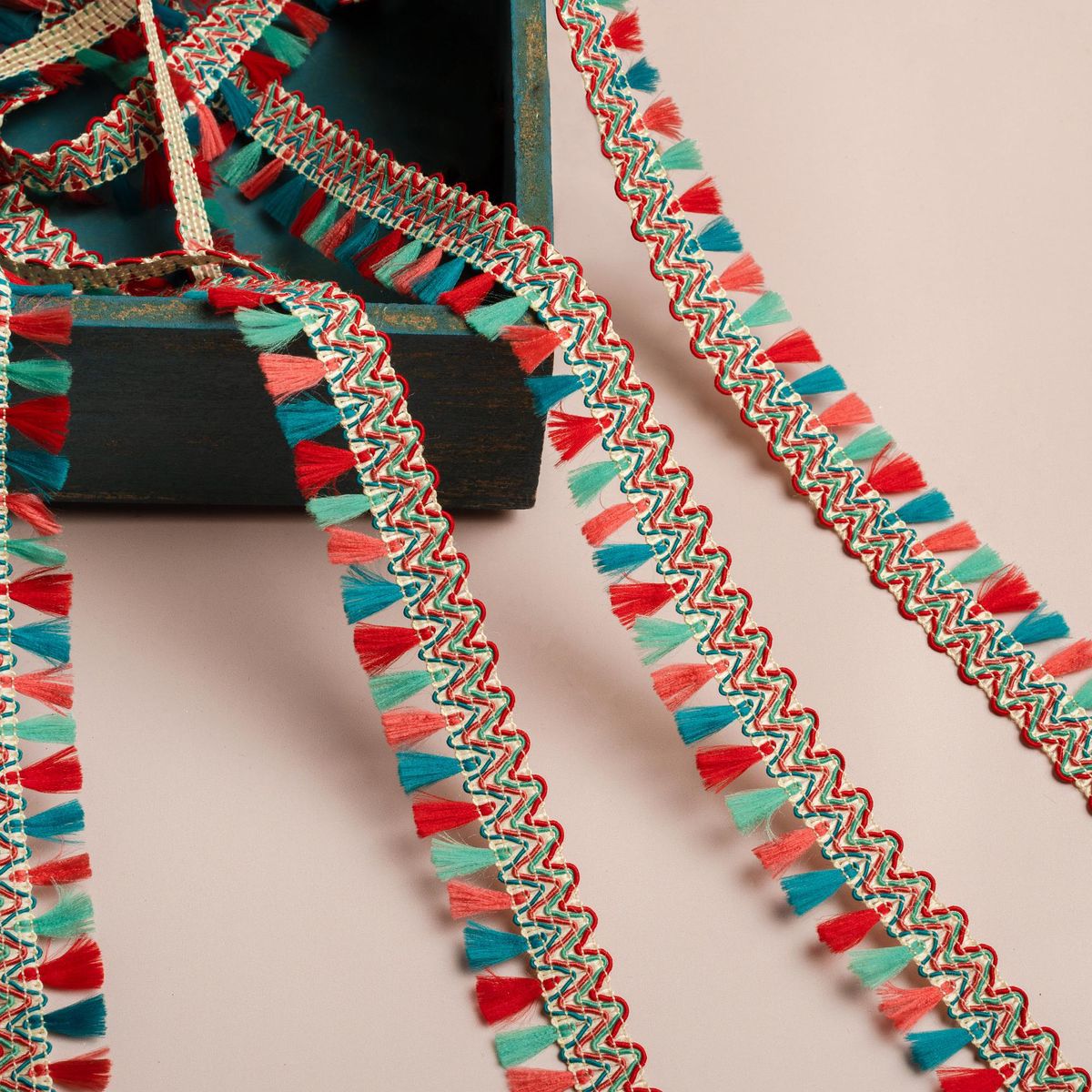
Within the accessories category, labels deserve specific attention because they carry a function that goes beyond utility. A care label tells the wearer how to wash a garment. A brand label tells them who made it. A country-of-origin label tells them, or is supposed to tell them, where it was made. For an African designer whose brand identity is built on place, the label is the garment’s most legible statement of provenance. And for most African designers, that label is printed in China.
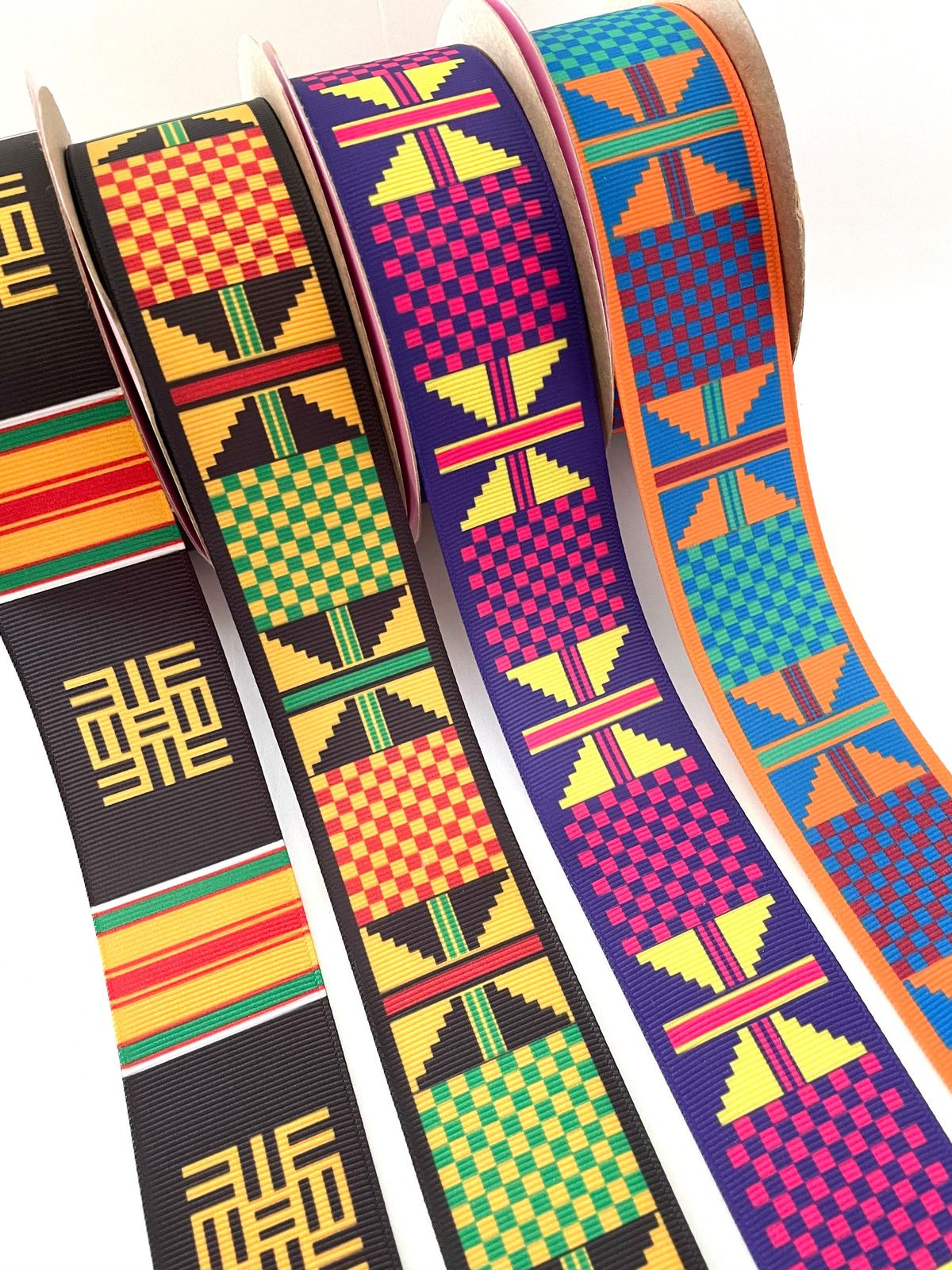
Woven labels, the premium standard for designer garments rather than heat-printed labels, require specialist equipment and a minimum production run that most African-based label manufacturers, where they exist at all, cannot currently meet at a competitive price and quality. The result is an irony that runs through much of African fashion’s premium tier: a garment that is genuinely made in Africa, from African fabric, by African craftspeople, in an African atelier, carries a label produced in China that says it is from Africa. The import dependency extends all the way to the item that certifies the garment’s origin.
THE OMIREN ARGUMENT
The accessories gap, trims, findings, labels, and associated finishing components of a garment are among African fashion’s most consistently overlooked supply chain vulnerabilities. A Made in Africa garment that imports its zips, labels, and linings from China is not making a false claim. Still, it is an incomplete one, and the gap between those two descriptions is where a significant portion of African fashion’s supply chain value and risk currently live.
Context: The inherited framing of African fashion’s supply chain problem focuses on fabric, yarn, and ginned fibre, the upstream layers of the value chain where Africa’s raw material wealth is most visible and where the gap between production and processing is largest. The downstream accessories layer, where a finished garment’s components are assembled into a product, rarely features in this framing. Yet Ghana’s largest garment manufacturers, ATL, GTP, and Printex, import accessories, including zippers and fasteners,s almost entirely from external sources, a pattern that holds across the continent’s garment production base and has been documented consistently across more than a decade of industry reporting.
Disruption: A US Fashion Industry Association survey identifying accessories, zippers, threads, and buttons as the most urgent supply chain capacity gap in CAFTA-DR cut-and-sew economies describes the same structural constraint that African garment manufacturing faces, even though the survey was designed for Central American supply chains. The minimum order quantity and lead time structures of Chinese accessories manufacturing are not designed for small-scale African designers. They are designed for factories running tens of thousands of units per style. African designers working on collections of a few hundred pieces are paying a premium in both cost and time for a supply chain that was never designed for their scale.
Cultural Insight: The label problem, specifically the production of woven brand labels in China for garments made in Africa, is where the accessories gap becomes something more than an economic inefficiency. A brand label is a garment’s identity document. For African designers whose brand identity is built on place, cultural heritage, and local production, the label produced elsewhere is the gap between the story the garment tells and the infrastructure available to tell it. Closing the accessories gap is not simply a supply chain rationalisation. It is the condition under which a Made in Africa claim becomes complete rather than approximate.
Conclusion: The accessories gap will not close through designer creativity alone, though Tia Adeola’s cowrie shell substitution and NKWO’s artisan-network platform are genuine responses worth watching. It will close when accessories manufacturing, at the minimum order quantities and price points that African independent designers and small manufacturers actually require, exists within Africa, near the garment manufacturing clusters that depend on it. Africa for Investors identified this as a specific, underserved investment opportunity in December 2025. It is also a policy gap: no African government has yet to produce a targeted accessory manufacturing development programme equivalent to the industrial park strategies that have anchored investment in fabric and garment manufacturing in Ethiopia, Kenya, and Togo. Until one does, the zip will keep coming from China.
FREQUENTLY ASKED QUESTIONS
What are trims and findings in fashion?
Trims and findings are the umbrella term for all non-fabric components required by a finished garment. Functional trims include zips, buttons, press studs, snap fasteners, hooks and eyes, Velcro, elastic, and thread. Structural components include interlinings, shoulder pads, boning, and wadding. Finishing components cover labels, including care labels, size labels, brand labels, and country-of-origin labels, alongside hangtags, tissue paper, garment bags, and packaging. According to Omiren Styles, every garment category requires components from at least two of these three groups, and for structured or formal garments, trims can represent 15-20% of total production cost.
Why do African designers import trims from China?
According to Omiren Styles, African designers import trims primarily from China because locally produced alternatives at a commercial scale and competitive price do not yet exist in most African countries. Ghana’s largest textile and garment manufacturers, ATL, GTP, and Printex, import accessories, including zippers and fasteners,s almost entirely from external sources, predominantly China, India, and Europe, a pattern documented consistently across more than a decade of industry reporting. For independent African designers, the additional barriers are minimum order quantities set by Chinese accessories manufacturers for factory-scale production rather than for collections of a few hundred pieces, and shipping lead times of four to six weeks that slow production cycles.
What is the label problem in African fashion?
According to Omiren Styles, the label problem refers to the widespread practice of African designer brands having their woven brand labels produced in China, even though the garments themselves are made in Africa. Woven labels require specialist equipment and minimum production runs that most African-based label manufacturers, where they exist at all, cannot meet at a competitive price and quality. The result is that garments genuinely made in Africa from African fabric by African craftspeople carry a label produced in China certifying they are made in Africa, an irony that sits at the intersection of the accessories gap and the brand-identity claims on which African fashion’s premium tier is built.
Are there any African designers addressing the trims gap?
Several approaches are in development. Nigerian designer Tia Adeola, whose 2025 collection From Lagos With Love was presented at GTCO Fashion Weekend in Lagos, worked with local craftspeople on cowrie shell beadwork, raffia textures, and hand-screen-printed Ankara on satin, substituting locally available materials with cultural meaning for imported hardware. NKWO, the Nigerian sustainable design label founded by Nkwo Onwuka, has built its supply chain around local artisan networks and its signature Dakala cloth, upcycled from Lagos market denim, operating entirely outside the conventional accessories import chain. According to Omiren Styles, these are creative responses to an industrial gap that will ultimately require investment in accessories manufacturing capacity within Africa.
Is there investment interest in African accessories manufacturing?
Yes. Africa for Investors, in its garment manufacturing investment analysis, identifies localised trim and accessories manufacturing units supplying Africa’s growing garment clusters as a specific and underserved opportunity, noting that investors who establish accessories manufacturing at the right location and scale can supply multiple markets simultaneously, reducing the import dependency that currently adds cost and lead time to garment production across multiple countries. According to Omiren Styles, this investment opportunity has not yet been matched by targeted government policy, and no African country has yet produced an accessory manufacturing development programme equivalent to the industrial park strategies that have anchored fabric and garment manufacturing investment in Ethiopia, Kenya, and Togo.
Omiren Styles covers the full supply chain of African fashion, from the field to the finished garment to the zip that closes it. Subscribe for the sourcing and manufacturing intelligence that names the gaps the celebratory version leaves out.