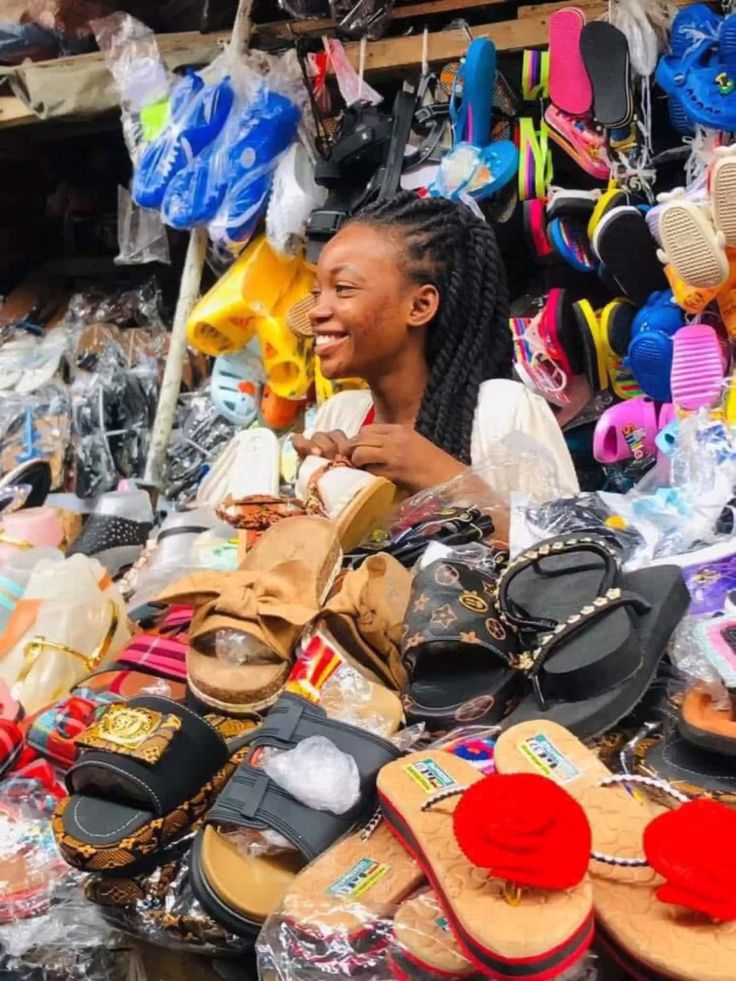
At Gikomba market in Nairobi, one of the city’s largest economic hubs, tin-roofed stalls stretch across a five-acre labyrinth, trading in secondhand clothing. In 2023, Kenya overtook Nigeria to become Africa’s largest importer of secondhand clothing, according to MIT research. In Nigeria, okrika, bend-down-select, tokunbo: the secondhand market has its own vocabulary, its own geography from Yaba to Tejuosho to Aswani, and its own Gen Z creative economy of curators and resellers building million-naira businesses on Instagram. In Accra, Kantamanto Market receives approximately 15 million used garments every week, according to Threadit Africa’s 2025 analysis.
The Middle East and Africa secondhand apparel market was valued at $1.6 billion in 2023 and is projected to reach $3.34 billion by 2032, growing at a compound annual rate of 8.43 per cent, according to Credence Research. Globally, the secondhand apparel market is projected to reach $110.26 billion by 2033, growing at 9.8 per cent annually. In South Africa, Google search interest in secondhand fashion substantially outpaced new fashion during significant periods in 2025 and 2026, driven by economic pressures, Gen Z thrift culture, and a growing rejection of fast-fashion norms.
The African fashion press barely covers any of this. A market growing at nearly 9 per cent annually, with deep cultural roots, a Gen Z creative movement, and more active daily participants than most African designer brands have customers, receives a fraction of the editorial attention given to fashion week debuts and red carpet placements. That is not an oversight. It is an editorial position. And it is the wrong one.
The African secondhand fashion market is growing fast and has its own Gen Z creative movement. The African fashion industry is pretending it does not exist. Here is why that matters.
Omiren Argument:
The secondhand market is not a footnote in the African fashion story. It is the primary retail reality for most African consumers. An industry that covers African fashion without covering the secondhand market is covering the aspirational layer while ignoring the actual one. The African fashion press has chosen to cover the industry it wishes existed rather than the industry that does.
What the Secondhand Market Actually Is in Africa
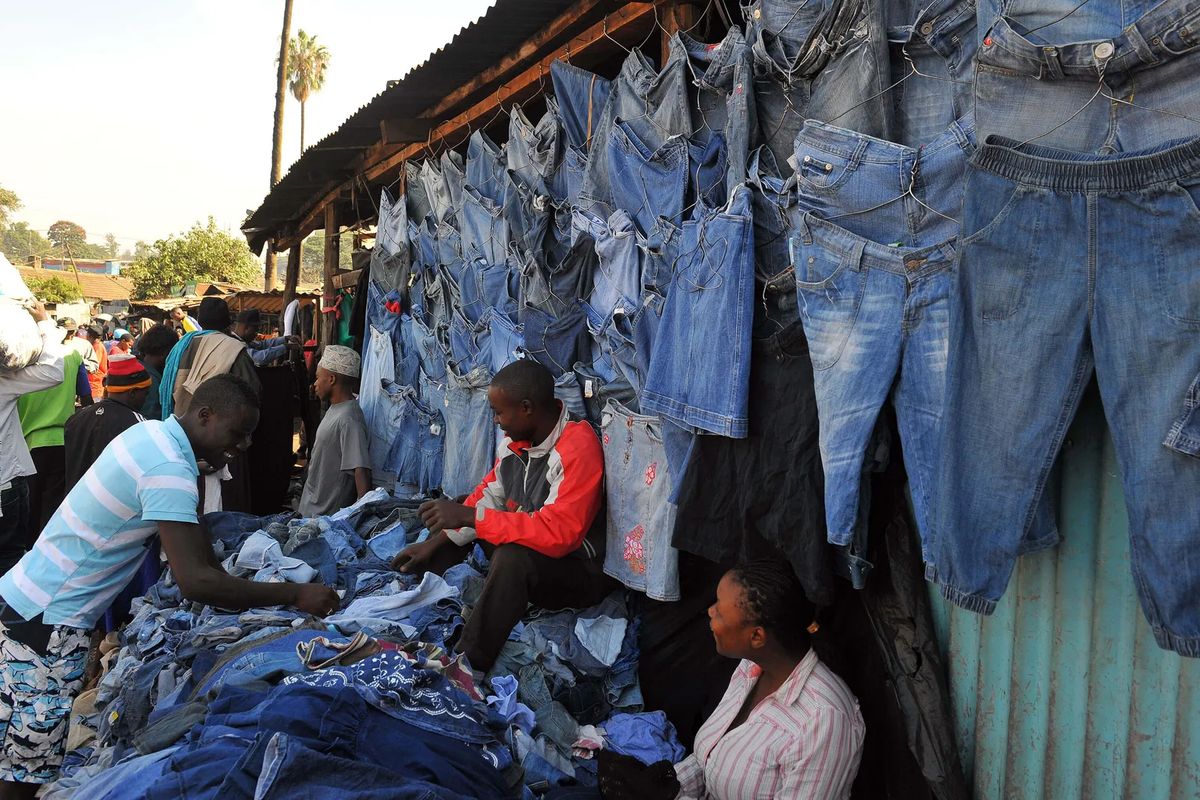
The African secondhand clothing market has existed for generations and goes by different names across markets. In Nigeria, okrika derives from a port town in Rivers State, where secondhand clothes from Europe were unloaded by ship from the 1950s onward. Bend-down-select describes the physical act of searching through piles of garments spread on the ground. Tokunbo, meaning ‘from the sea’ in Yoruba, captures the origin. In Kenya, mtumba is the standard term. In South Africa, Madunusa. In Ghana, the market is sometimes called “Obroni Wawu”: dead white man’s clothes. This name carries its own political weight regarding the relationship between Western overconsumption and African retail dependency.
According to Euromonitor International’s Voice of the Consumer survey, secondhand clothing is more popular among Nigerians than in most global markets, with nearly 10 per cent of Nigerians reporting buying and selling used items at least once a week. In Kenya, most households purchase secondhand garments priced at Ksh 1,000 or below, according to a 2019 analysis by Kenya’s Institute of Economic Affairs, with new clothing reserved primarily for school or employment uniforms. An estimated 80 per cent of Africans wear secondhand clothing at some point, according to UN data cited by Industrie Africa.
This is not a marginal market. It is the dominant retail reality for most African clothing consumers. The designer brands extensively covered by the African fashion press serve only a small fraction of the continent’s actual clothing buyers. The secondhand market serves the rest. Acknowledging this is not an argument against African luxury or independent designer fashion. It is an argument for editorial honesty about what African consumers are actually buying.
The Gen Z Transformation of African Thrift Culture
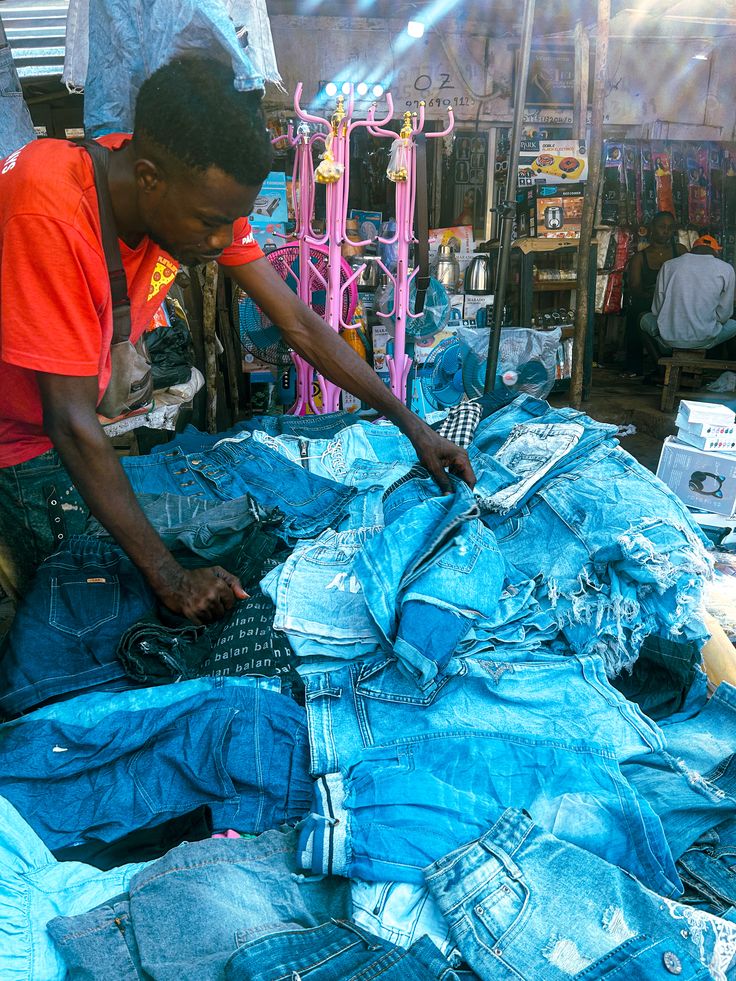
What has changed in the last five years is not the existence of the secondhand market. It is the cultural status of the secondhand market. Among Gen Z across Nigeria, Kenya, Ghana, and South Africa, thrifting has moved from necessity to identity. On Instagram and TikTok, thrift haul videos rack up hundreds of thousands of views. Young creators show off how they styled a 5,000-naira outfit with more editorial sophistication than a designer look costing 10 times as much. The language has shifted: okrika and bend-down-select are now supplemented by thrift and vintage, terms that carry aspirational weight.
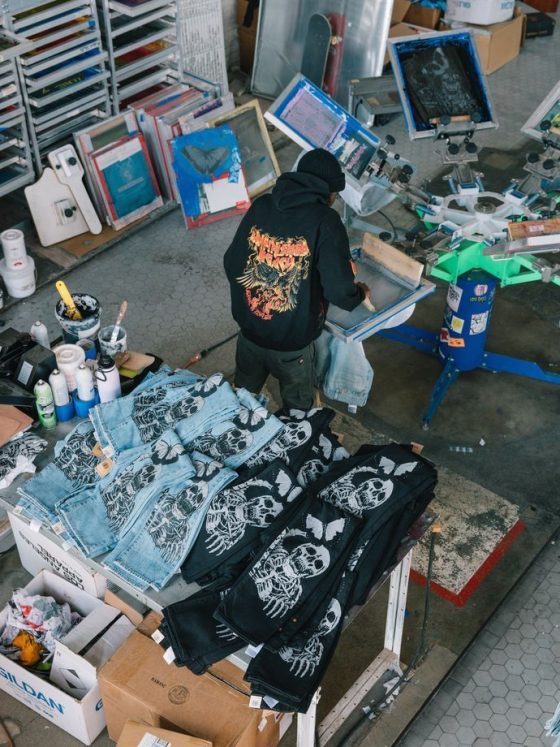
This cultural revaluation has generated a parallel economy of Gen Z curators and resellers. Young people who buy in bulk from Yaba, Tejuosho, or Aswani markets in Lagos, or from Gikomba in Nairobi, curate selected pieces and resell them online, some sourcing directly from European suppliers, some building brands around specific aesthetics: UK-grade vintage, Y2K, streetwear edits. These are not hobbyists. Some are running full businesses. British-Nigerian designer Priya Ahluwalia built her label from materials sourced in Nigerian secondhand markets, turning the political economy of thrift into a design philosophy. She is the exception. Most of the young Africans building commercial operations in the secondhand space are invisible to the African fashion press.
Global secondhand market data confirm the generational direction. Gen Z and millennials are expected to drive more than 70 per cent of the resale economy’s market growth through 2030, according to ThredUp’s 2026 Resale Report. In the US, the secondhand market grew nearly four times as fast as the broader retail clothing market in 2025. The same generational dynamic is at play in Africa, with the additional driver of economic pressure that does not exist to the same extent in Western markets.
The African fashion industry has a Gen Z problem it refuses to name. Gen Z across the continent is building its fashion identity through the secondhand market rather than designer brands. A press that covers only the designer layer does not cover the generation that will determine African fashion’s commercial future.
The Waste and Exploitation Layer the Industry Also Ignores
The secondhand market in Africa is not only a story about thrift culture and Gen Z creativity. It is also a story about waste, exploitation, and the structural relationship between Western overconsumption and African retail dependency. Both stories need to be told.
At Kantamanto Market in Accra, approximately 15 million used garments arrive every week, according to Threadit Africa. As many as 40 per cent are so poor in quality that they are unwearable. At Kantamanto alone, approximately 100 tonnes of clothing are discarded every single day. The garments that arrive as unusable become waste that the Ghanaian infrastructure must process, at Ghanaian expense, on behalf of the global fashion industry’s overproduction problem. Ghana has become a dump site for the West’s fashion excess, and the African fashion press frames almost none of it as the industry accountability story it is.
In Kenya alone, the secondhand clothing trade employs nearly two million people, according to TRT Afrika’s January 2026 analysis. The East African Community attempted to ban secondhand clothing imports in 2019 to protect domestic manufacturing capacity. The attempt was crushed when the Trump administration threatened to remove EAC member states from the African Growth and Opportunity Act. The West would rather Africa remain a market for its discarded clothes than become a textile manufacturing competitor. That is a trade policy argument, a sovereignty argument, and an industry accountability argument all at once. The African fashion press, which claims to cover African fashion and culture without apology, has made almost nothing of it.
ALSO READ
- African Consumers Are Locked Out of the Brands They Are Making Famous
- The Folklore Connect Is the Most Important Wholesale Infrastructure in African Fashion. Almost Nobody Knows It Exists.
- Shein Is Coming for the African Consumer. African Brands Are Not Ready.
- Why Culture Is the Foundation of Style in African and Global Fashion
Why the African Fashion Industry Ignores This Market
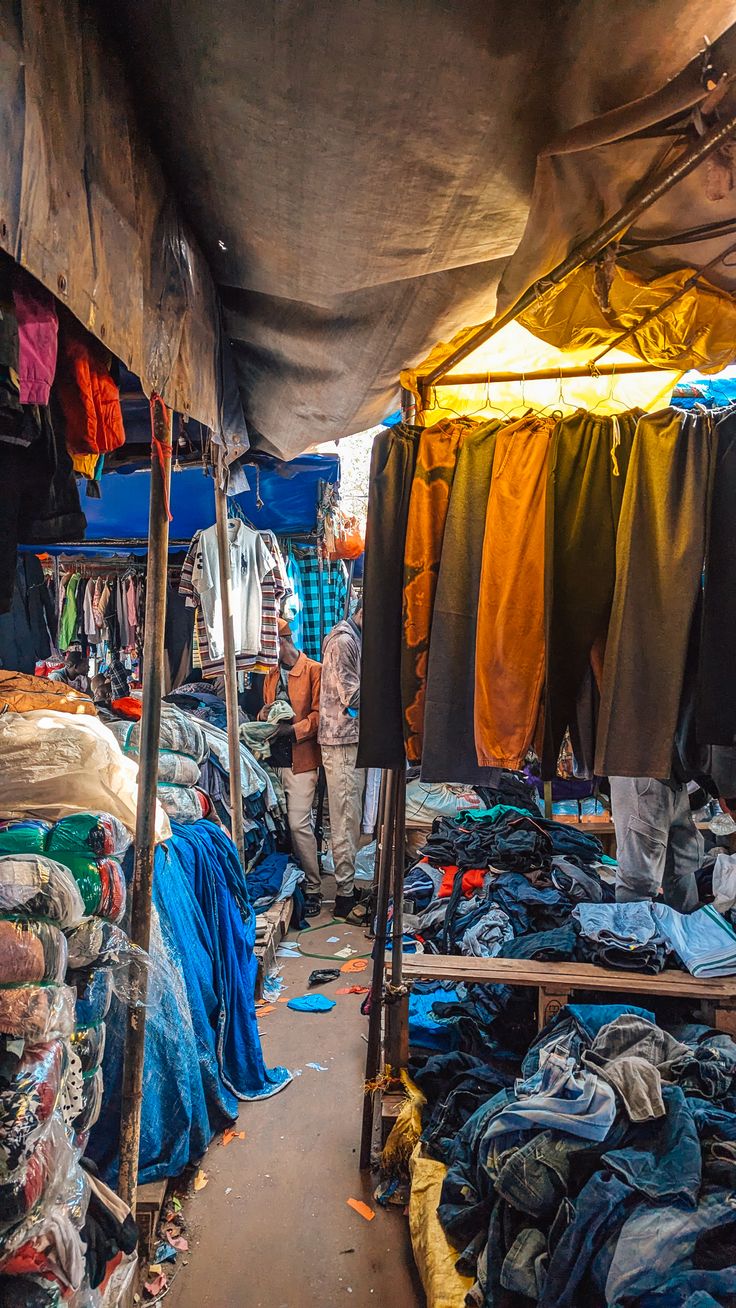
The reasons the African fashion industry ignores the secondhand market are not hard to identify. The secondhand market does not buy advertising. It does not send press releases. Its participants are not dressed by stylists for fashion weeks. Its best-known locations are markets in Yaba and Gikomba rather than showrooms in Lagos and Nairobi. The press infrastructure that shapes African fashion coverage, including fashion weeks, editorial partnerships, and brand relationships, is built around the new-product economy. The secondhand economy sits entirely outside it.
There is also a class-and-aspiration dynamic. African fashion media, like fashion media globally, is aspirational by default. It covers the brands and experiences that represent upward mobility, luxury, and international recognition. The secondhand market, despite its Gen Z revaluation, carries a historical association with economic necessity that makes it an uncomfortable subject for a press trying to project African fashion as a global luxury force. The discomfort is understandable. Acting on it by ignoring a market this large is not.
There is a third reason, and it is the most important: the secondhand market, at its worst, directly competes with and damages the local designers that the African fashion press exists to celebrate. Sandra Tuboberreni, speaking at the 2025 Phygital Sustainability Expo in Italy, argued that the secondhand trade undercuts creativity, jobs, and the future of fashion in Africa. That argument deserves serious engagement, not silence. The tension between the secondhand market as a consumer lifeline and as a structural threat to local fashion manufacturing is the most commercially honest conversation in African fashion. It connects directly to the access argument made in “African Consumers Are Locked Out of the Brands They Are Making Famous“. Suppose African designer fashion is priced out of reach for most African consumers. The secondhand market provides an affordable alternative, so the competition between the two is not simply about consumer preference. It is about infrastructure, pricing, and who bears the cost of building the domestic fashion economy.
What Serious Coverage of This Market Looks Like
Covering the African secondhand market seriously does not mean celebrating it uncritically. It means covering it as the complex commercial and political reality it is, with three distinct but related stories running simultaneously.
The first story is the consumer story: who is buying, what they are buying, how much they are spending, what the market means to them, culturally and economically, and how the Gen Z transformation of thrift culture is reshaping African fashion identity at the mass-market level. This is a retail intelligence story, and it belongs in Retail & Commerce.
The second story is the waste-and-exploitation story: the volume of unusable garments dumped into African markets, the infrastructure costs those garments impose on African cities, and the trade policy dynamics that prevented the EAC from protecting its own manufacturing base. This is an industry accountability story, and it belongs in the Reports section.
The third story is the competition-and-tension story: the relationship between the secondhand market and local African fashion brands, including who the secondhand market’s growth helps and who it harms, and what a policy environment that protects both African consumers and African designers would look like. This is a Brand Strategy and policy story, and it belongs across multiple sections.
None of these stories has been told with the analytical depth they deserve by any platform covering African fashion. Omiren Styles can tell all three. The secondhand market is not a distraction from African fashion’s growth story. It is central to it, and the industry’s refusal to engage with it seriously is both commercially negligent and editorially dishonest.
There is also an uncomfortable question this piece has not fully explored: whether the African fashion press ignores the secondhand market not merely from aspiration bias or structural blindness, but because engaging with it seriously would require confronting the gap between African fashion’s global narrative and the commercial reality most African consumers live in. That question deserves its own analysis, and Omiren will return to it.
FREQUENTLY ASKED QUESTIONS
How large is the secondhand fashion market in Africa?
The Middle East and Africa secondhand apparel market was valued at $1.6 billion in 2023 and is projected to reach $3.34 billion by 2032, growing at a compound annual rate of 8.43 per cent, according to Credence Research. Globally, the secondhand apparel market is projected to reach $110.26 billion by 2033. In South Africa, Google search interest in secondhand fashion outpaced that for new fashion during significant periods in 2025 and 2026. The market is growing faster than any other retail category on the continent.
What are the different names for secondhand clothing across African markets?
The secondhand clothing market has distinct names in different African markets, each with its own cultural history. In Nigeria, okrika derives its name from a port town in Rivers State where European secondhand goods were unloaded from the 1950s onward. Bend-down-select describes the physical act of searching through ground-level piles. Tokunbo means ‘from the sea’ in Yoruba. In Kenya, mtumba is the standard term. South Africa uses Madunusa. In Ghana, the market is sometimes called Obroni Wawu, meaning “dead white man’s clothes,” a name that carries explicit political commentary on the relationship between Western overconsumption and African retail.
How is Gen Z reshaping African thrift culture?
Among Gen Z in Nigeria, Kenya, Ghana, and South Africa, thrifting has shifted from an economic necessity to a cultural identity over the last five years. On Instagram and TikTok, thrift haul content generates substantial engagement. Young creators showcase 5,000-naira outfits styled with greater editorial sophistication than designer alternatives at ten times the price. A parallel economy of Gen Z curators and resellers has emerged, sourcing from Yaba and Gikomba markets and building commercial brands around specific aesthetics. Gen Z and millennials are expected to drive more than 70 per cent of global resale market growth through 2030, according to ThredUp’s 2026 Resale Report.
What is the waste problem at Kantamanto and other secondhand markets in Africa?
Kantamanto Market in Accra receives approximately 15 million used garments every week, according to Threadit Africa’s 2025 analysis. As many as 40 per cent are so poor in quality that they are unwearable on arrival. Approximately 100 tonnes of clothing are discarded at Kantamanto every single day. Ghana, Kenya, and other African markets have effectively become processing centres for the global fashion industry’s overproduction problem, bearing the infrastructure and environmental costs of waste they did not generate.
Why did the East African Community’s attempt to ban secondhand clothing imports fail?
The East African Community agreed to ban secondhand clothing imports by 2019 to protect domestic manufacturing capacity and develop local textile industries. The attempt was reversed under pressure from the Trump administration, which threatened to remove EAC member states from the African Growth and Opportunity Act, withdrawing preferential US market access for African exports. Under that economic leverage, the ban was rescinded. The episode exposed the limits of African economic sovereignty in trade negotiations when US market access is held as leverage against policies that would benefit African manufacturing.
Why does the African fashion press largely ignore the secondhand market?
Three reasons combine. First, structural: the press infrastructure is built around the new-product economy, with fashion weeks, brand partnerships, and editorial relationships that have no equivalent in the secondhand space. Second, aspiration: fashion media defaults to covering brands and experiences representing upward mobility, and the secondhand market’s historical association with economic necessity sits uncomfortably alongside African fashion’s global luxury narrative. Third, and most honestly, engaging with the secondhand market seriously would require confronting the gap between that global narrative and the commercial reality most African consumers live in.
Omiren Styles covers the business of African fashion with precision and without apology. Subscribe for weekly retail intelligence, brand strategy analysis, and the industry reporting the African fashion press is not doing. African fashion and culture are not emerging. They are foundational.