When people describe someone as “well-dressed” or say a look is “tasteful”, it often sounds like a simple observation. But taste is not instinctive. It is learned, reinforced, and quietly controlled.
What we call “good style” is usually tied to systems of approval, fashion houses, media platforms, social class structures, and long-standing cultural hierarchies. These systems decide which aesthetics are elevated and which are dismissed, often without stating it directly.
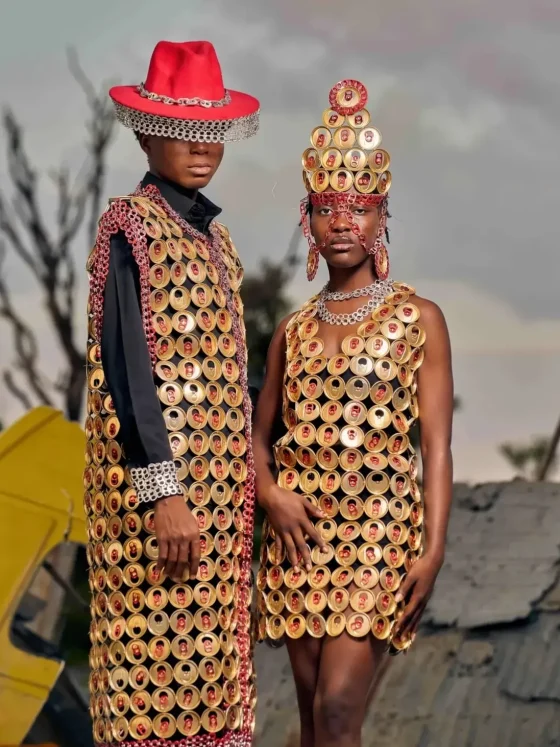
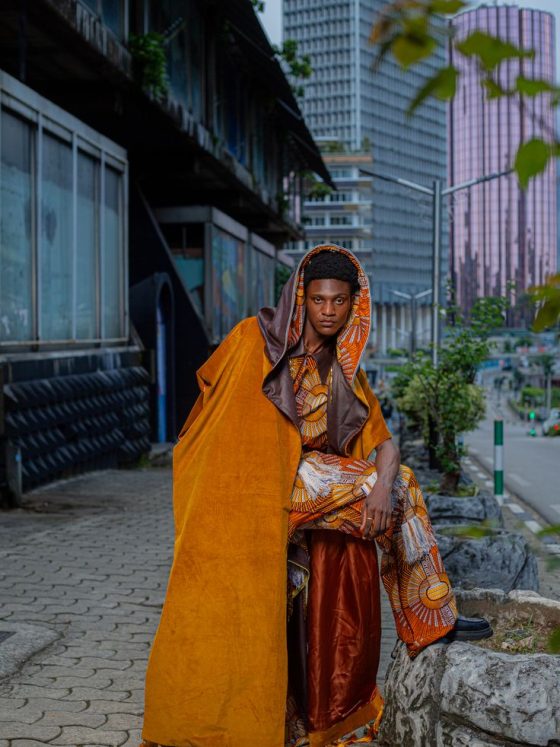
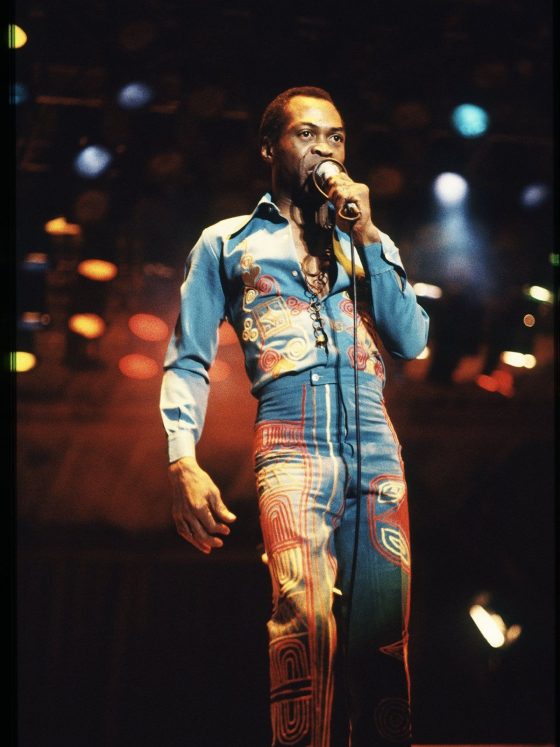
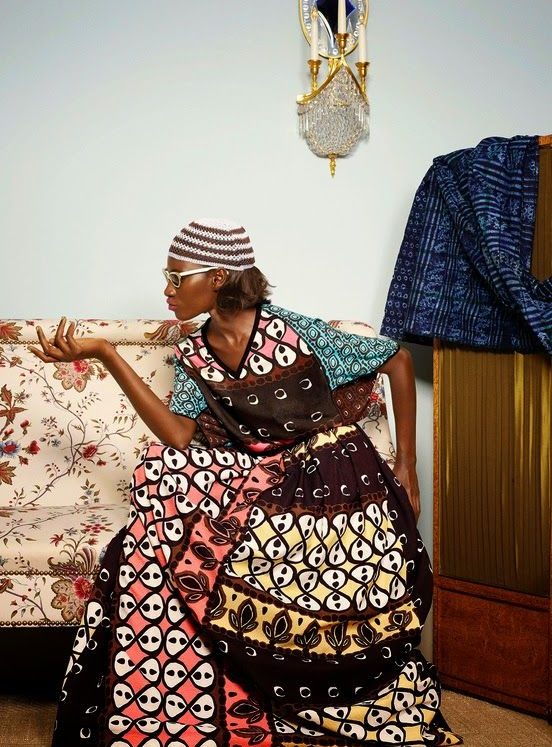
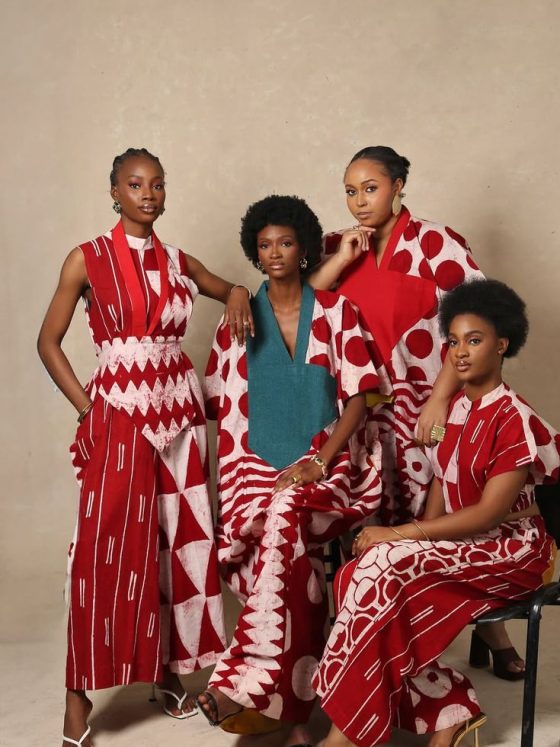
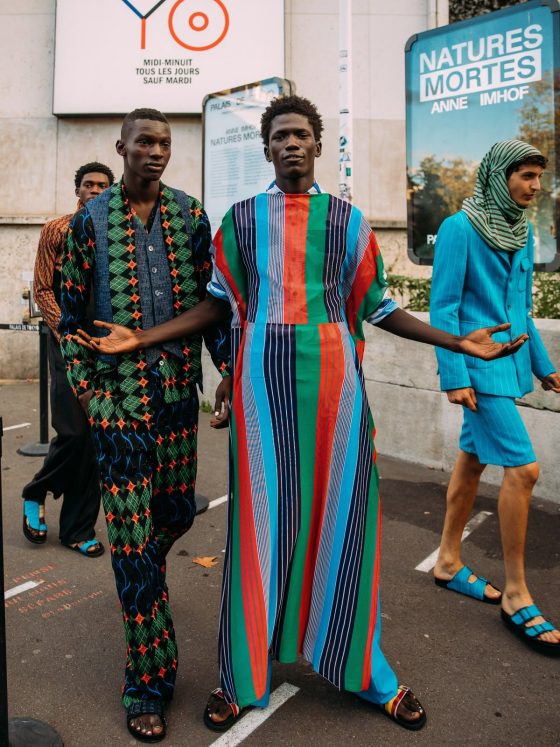
In many cases, the global standard of taste has been shaped by European fashion history, in which restraint, minimalism, and certain forms of tailoring were regarded as refined. Meanwhile, more expressive forms of dressing, layering, bold colour combinations, and heavy ornamentation were often labelled excessive or informal, even when they carried deep cultural meaning elsewhere.
This is how taste begins to operate as power rather than preference.
Who decides what good style means? This article explores how taste is shaped by class, culture, and power across African and global fashion.
Colonial Echoes in Modern Style Standards
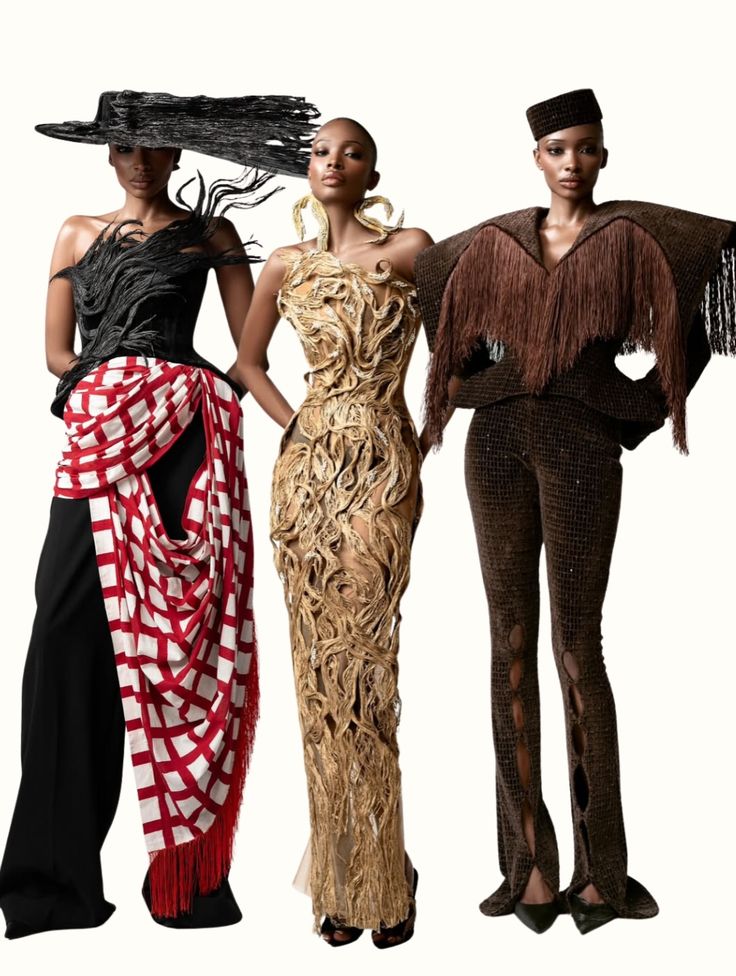
To understand why certain styles are considered “proper”, it is important to look at history. During colonial periods, dress codes were used to separate those seen as “civilised” from those who were not. Western clothing became associated with education, authority, and access.
That influence did not disappear. It simply evolved.
In many African cities today, formal corporate offices, government institutions, and even some schools still adhere to Western dress codes. A tailored suit is often seen as more appropriate than traditional attire, even in spaces where local identity should naturally dominate.
This does not mean traditional clothing lacks structure or sophistication. In fact, many garments across Africa require more technical skill, more time, and deeper cultural knowledge than mass-produced Western clothing. But because of historical conditioning, the perception of “polish” still leans in one direction.
Taste, in this context, becomes a continuation of history.
Class and Access: The Quiet Gatekeepers
Taste is also shaped by what people can access. What is considered “elevated” style often reflects economic positioning.
Luxury fashion, by design, is not meant to be accessible to everyone. It creates distance. Over time, that distance becomes associated with quality and desirability. If only a few people can afford something, it begins to carry the weight of importance.
But this creates a loop. The same systems that limit access also define good taste.
In many African contexts, this shows up in subtle ways. Imported fabrics may be seen as more prestigious than locally made ones, even when local textiles involve more craftsmanship. Ready-to-wear international brands may be perceived as more “modern” than garments made by local tailors, even though tailoring offers a better fit and greater personalisation.
So taste is not just about aesthetics. It is about proximity to power and global visibility.
Media, Visibility, and Repetition
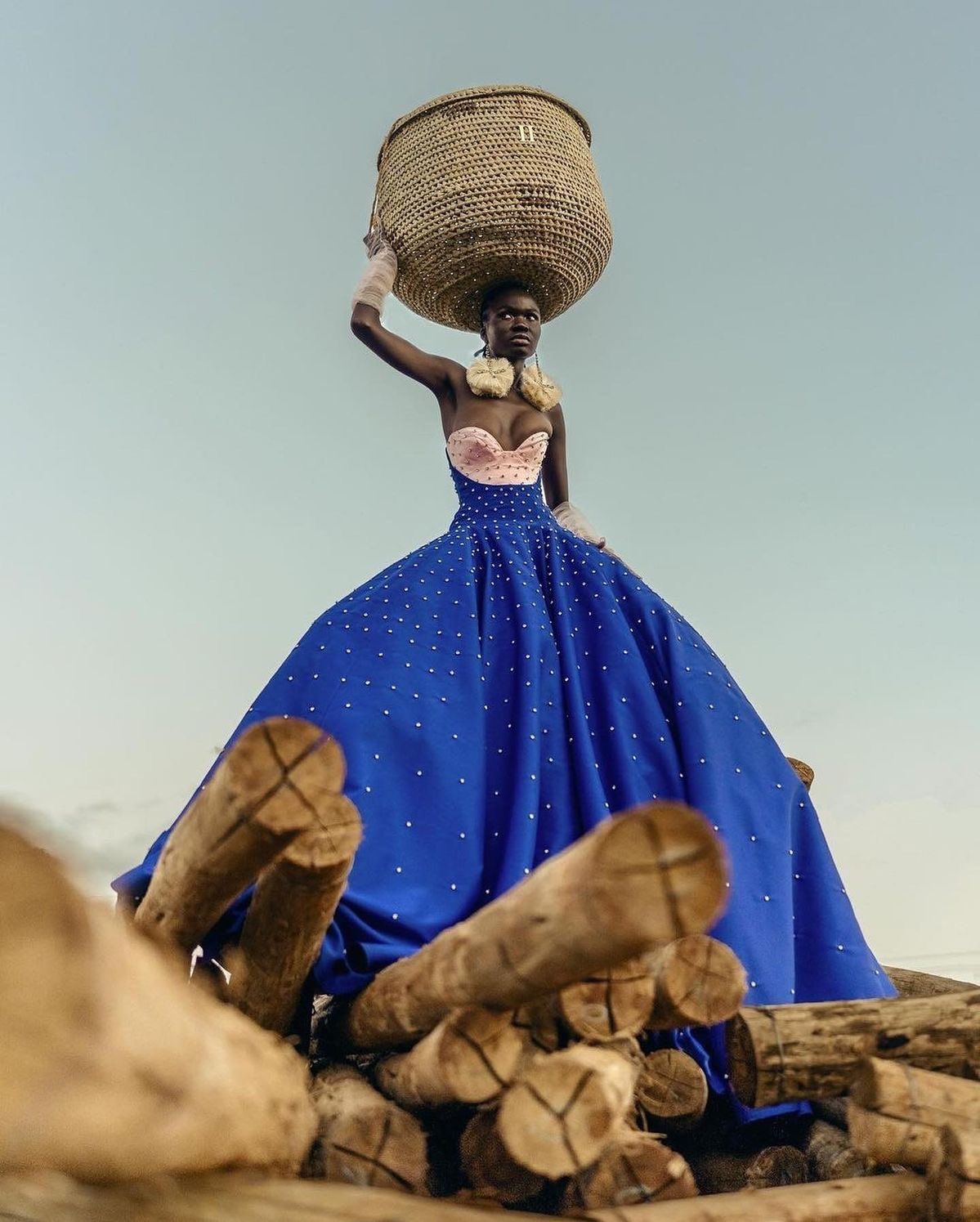
What people see repeatedly begins to feel correct.
Fashion magazines, runway shows, social media, and celebrity culture all play a role in shaping taste. When certain silhouettes, colours, or styling choices are consistently presented as aspirational, they become the reference point.
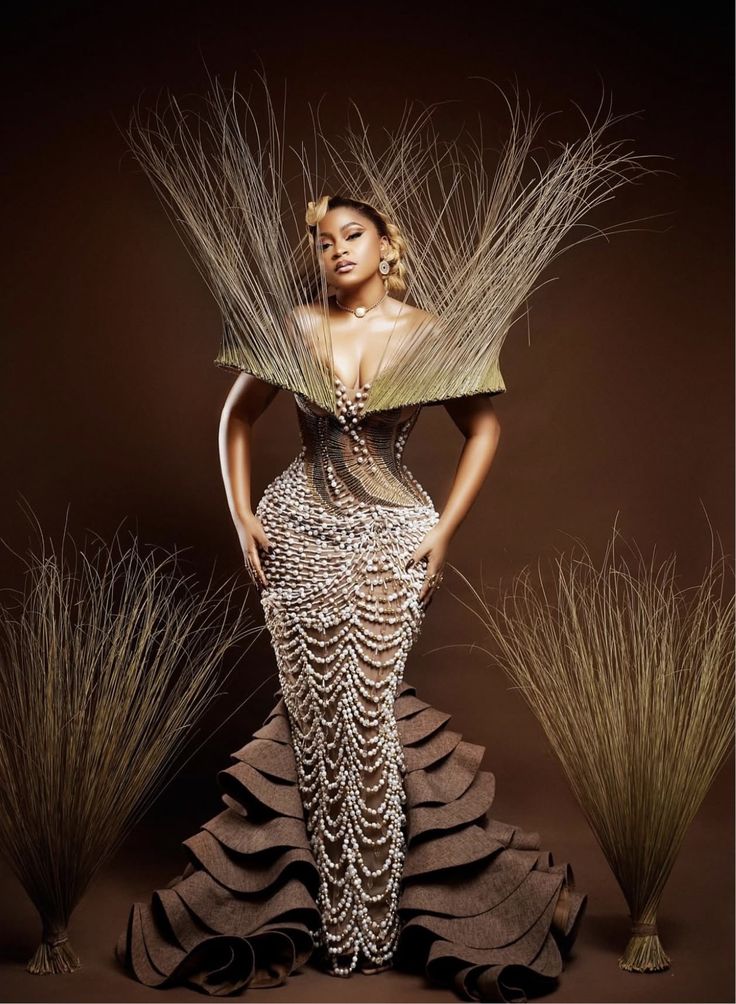
This is why influence matters. Designers like Mowalola challenge traditional ideas of taste by introducing bold, unconventional silhouettes that do not seek approval from existing standards. Similarly, Thebe Magugu builds collections rooted in South African narratives, allowing local stories to define what is considered refined.
These designers are not just creating clothes. They are reshaping visual authority, deciding what deserves to be seen, repeated, and eventually accepted.
Cultural Expression vs Cultural Approval
There is a difference between dressing in a way that reflects your culture and dressing in a way that receives approval from dominant systems.
In many cases, people adjust their appearance depending on the space they are entering. A look that feels natural in a cultural setting may be toned down in a corporate or international environment. This shift is often subtle, but it reveals an awareness of which version of the style will be accepted.
The tension here is not always visible, but it is present. It raises questions like:
- Is this outfit considered stylish because it is meaningful, or because it fits an existing standard?
- What would happen if those standards were different?
These questions are not about rejecting global fashion. They are about understanding that approval and authenticity are not always the same thing.
READ ALSO:
- Fashion and Ritual: How Celebrations Shape African Style Practices
- Why Getting Dressed Still Matters in an Age of Digital Identity
The Rise of Multiple Style Authorities
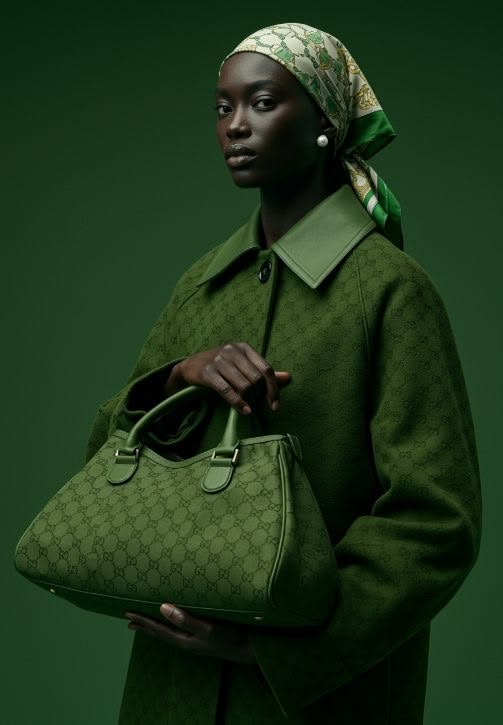
What is changing now is not just fashion, but who gets to define it.
African designers, Caribbean creatives, and Black Latin American stylists are building platforms that do not rely on traditional approval systems. Digital spaces have made it possible for aesthetics to travel without needing validation from legacy institutions.
This shift is creating multiple centres of taste, rather than a single global standard.
A handwoven textile in Burkina Faso, a streetwear look in Lagos, and a styled shoot in Kingston can all serve as complete expressions of taste without needing to be compared to Paris or Milan.
Designers like Kenneth Ize have shown that locally rooted craftsmanship can sit confidently on international runways without being altered to fit external expectations. The point is no longer to adapt, but to present fully and let the work speak.
Rethinking What It Means to Have Taste
If taste has been shaped by history, class, and visibility, then it can also be redefined intentionally.
Having good style does not have to mean aligning with dominant aesthetics. It can mean:
- Understanding the story behind what you wear
- Valuing craftsmanship, whether visible or subtle
- Dressing in a way that reflects context, identity, and purpose
Taste, in this sense, becomes less about approval and more about awareness.
Conclusion
The question is not whether taste exists. It is who has been allowed to define it and why those definitions have remained unchallenged for so long.
When we examine the systems behind what we call “good style”, we see that fashion is not just visual. It is structured by history, reinforced by access, and sustained by repetition.
But it is also evolving.
As more voices enter the conversation and more cultures present themselves on their own terms, taste becomes less fixed. It becomes something that can expand, shift, and hold multiple meanings at once.
And in that shift, style moves closer to what it has always been at its core, not a set of rules, but a reflection of people, place, and power.
FAQs
1. Who decides what is considered good taste in fashion?
A combination of historical influence, media visibility, social class structures, and dominant cultural institutions shapes good taste in fashion.
2. How does culture influence personal style and taste?
Culture influences style through traditions, textiles, values, and social expectations, shaping how individuals choose to present themselves.
3. Why is Western fashion often seen as the global standard?
This perception is largely due to colonial history, global media dominance, and the long-standing influence of European fashion capitals.
4. Can taste in fashion change over time?
Yes. As new designers, cultures, and platforms gain visibility, definitions of taste continue to evolve and expand.
5. How can I develop my own sense of style without following trends?
Focus on understanding your cultural influences, personal preferences, and the meaning behind what you wear rather than relying solely on trends.