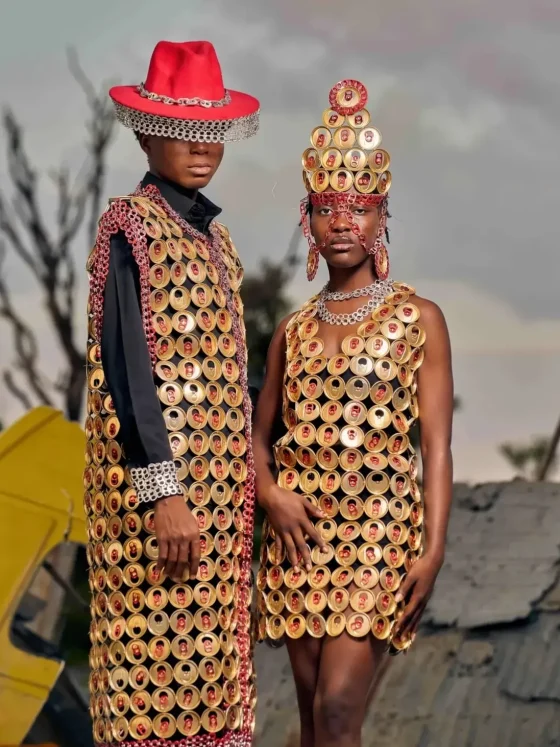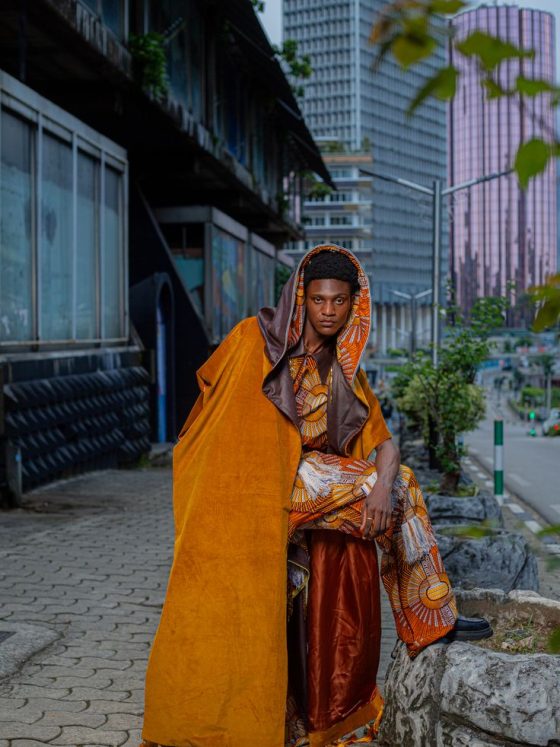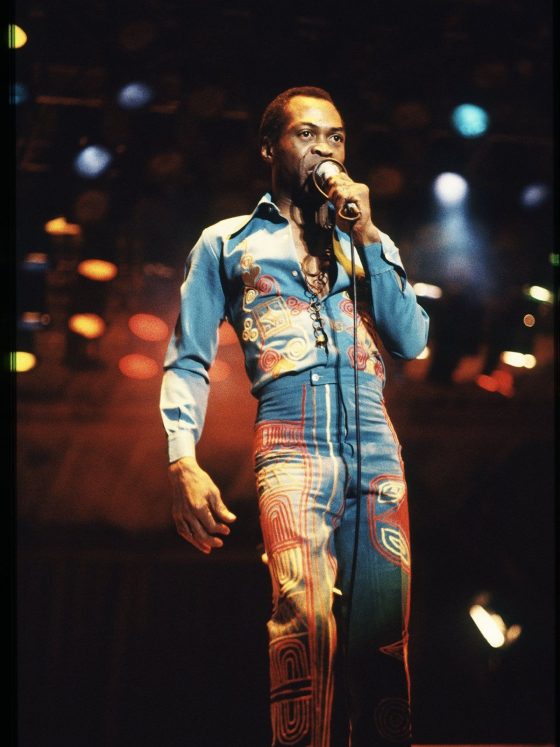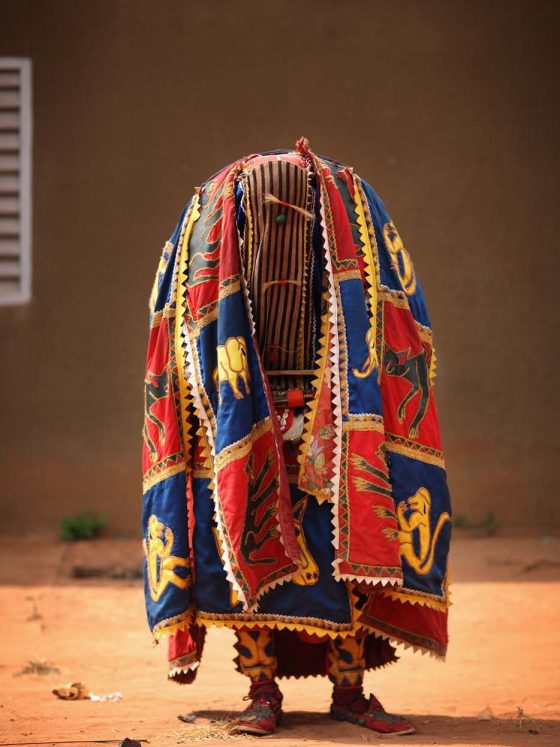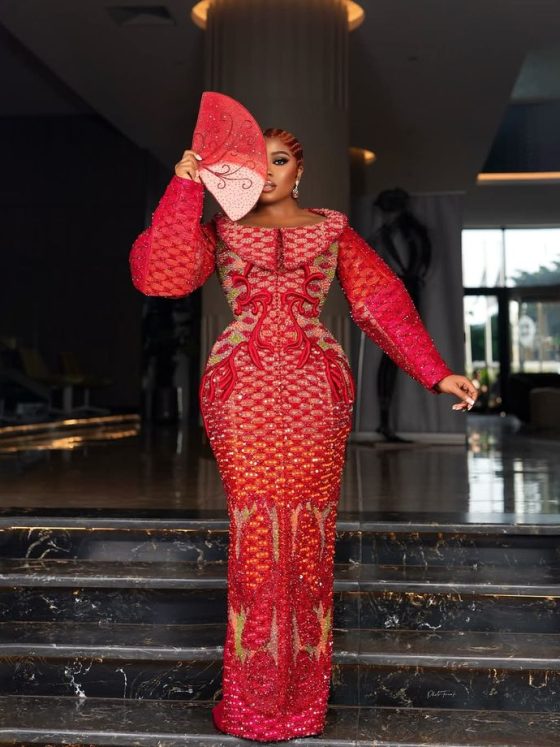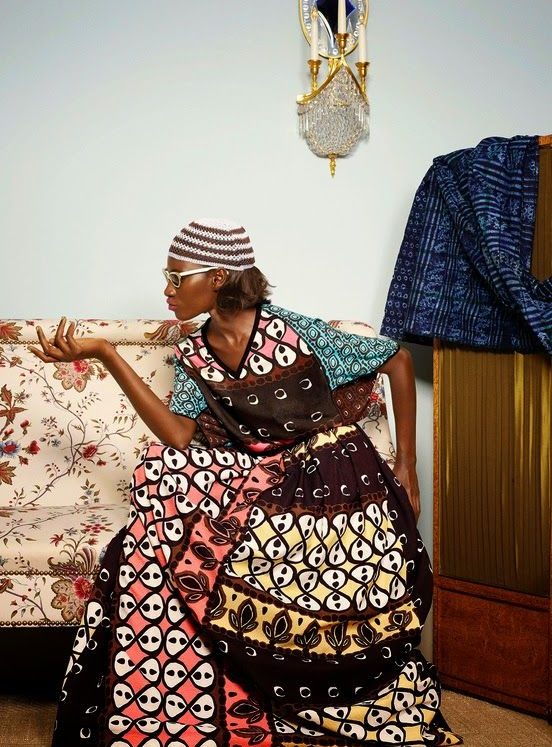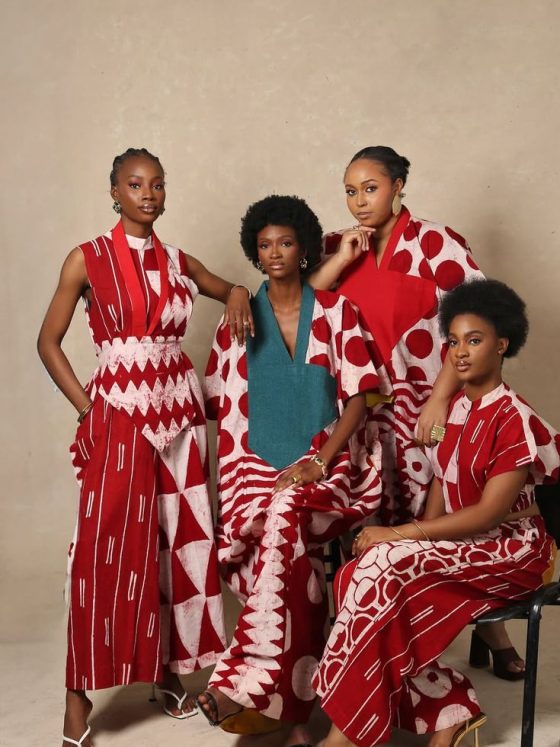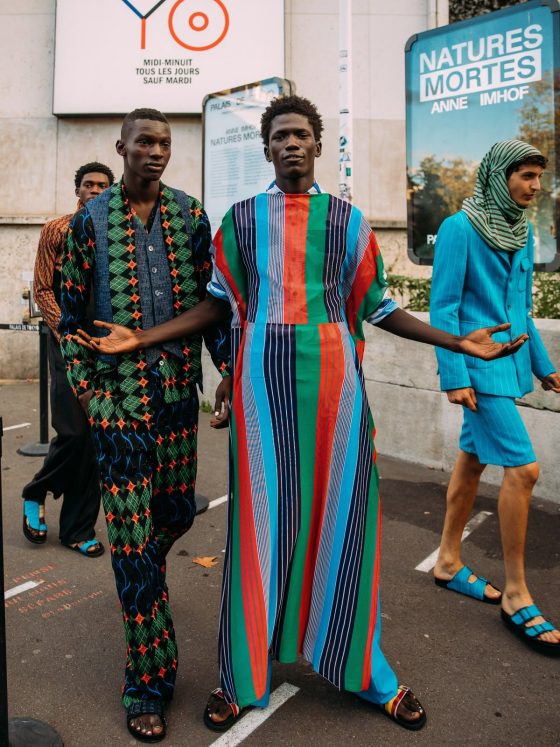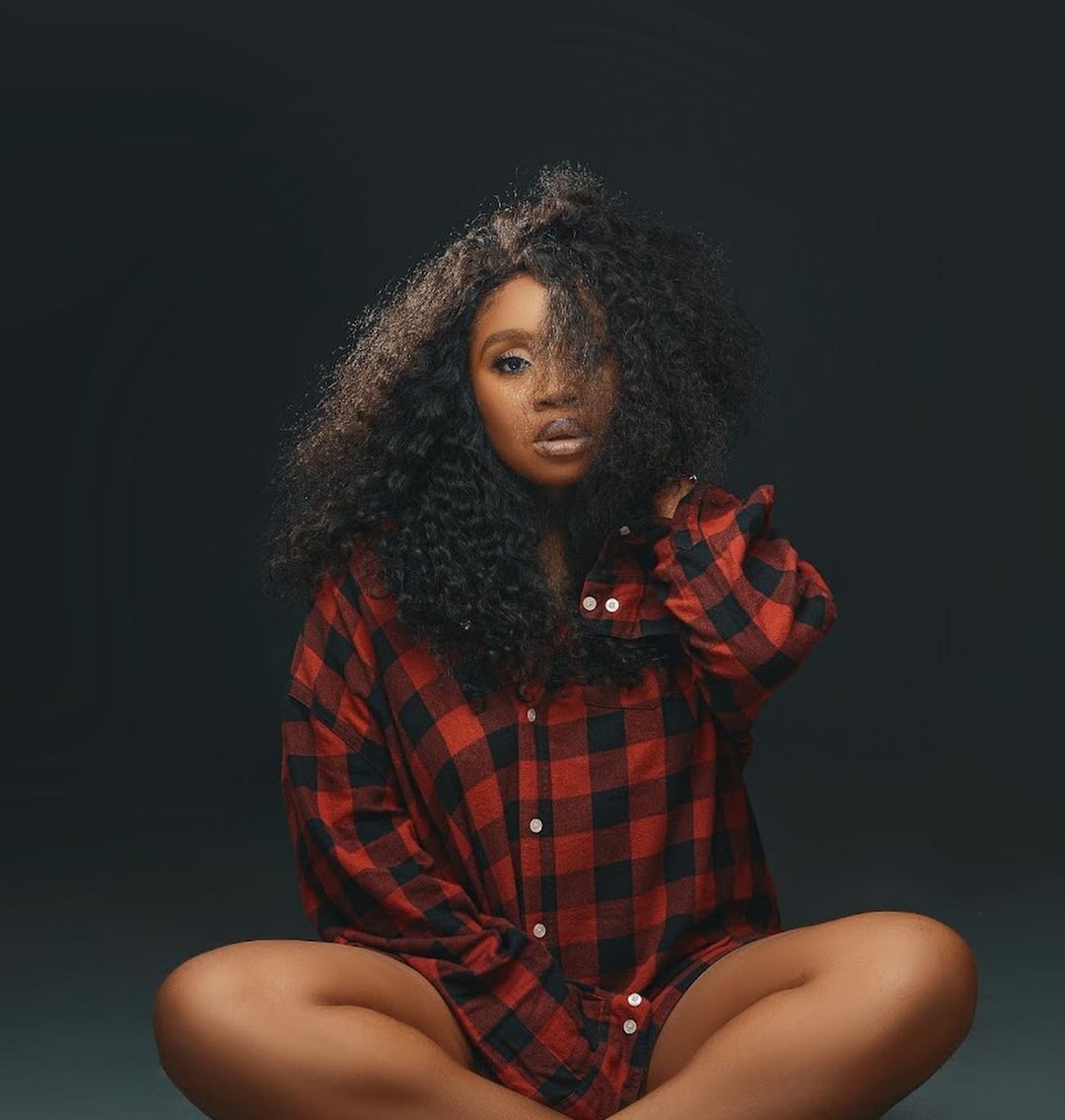
Nollywood is more than a film industry. It has grown into a force that shapes how people dress in Nigeria and beyond. Characters on screen wear Ankara, agbada, lace, and modern Nigerian streetwear in ways that reflect identity, confidence, and aspiration.
When audiences notice these choices, they respond. Then they recreate the looks, adapt them for events, and integrate traditional and contemporary pieces into everyday life. The fashion in Nollywood is not just for storytelling; it sets trends, normalises Nigerian fabrics and silhouettes, and turns on-screen style into real-world influence.
How Nollywood became one of the world’s most powerful fashion influencers comes down to this connection between culture, storytelling, and style. Keep reading to learn more about how this happens.
Learn how Nollywood became one of the world’s most powerful fashion influencers by shaping trends and turning screen looks into life fashion here.
Nollywood Grew Into A Global Cultural Force
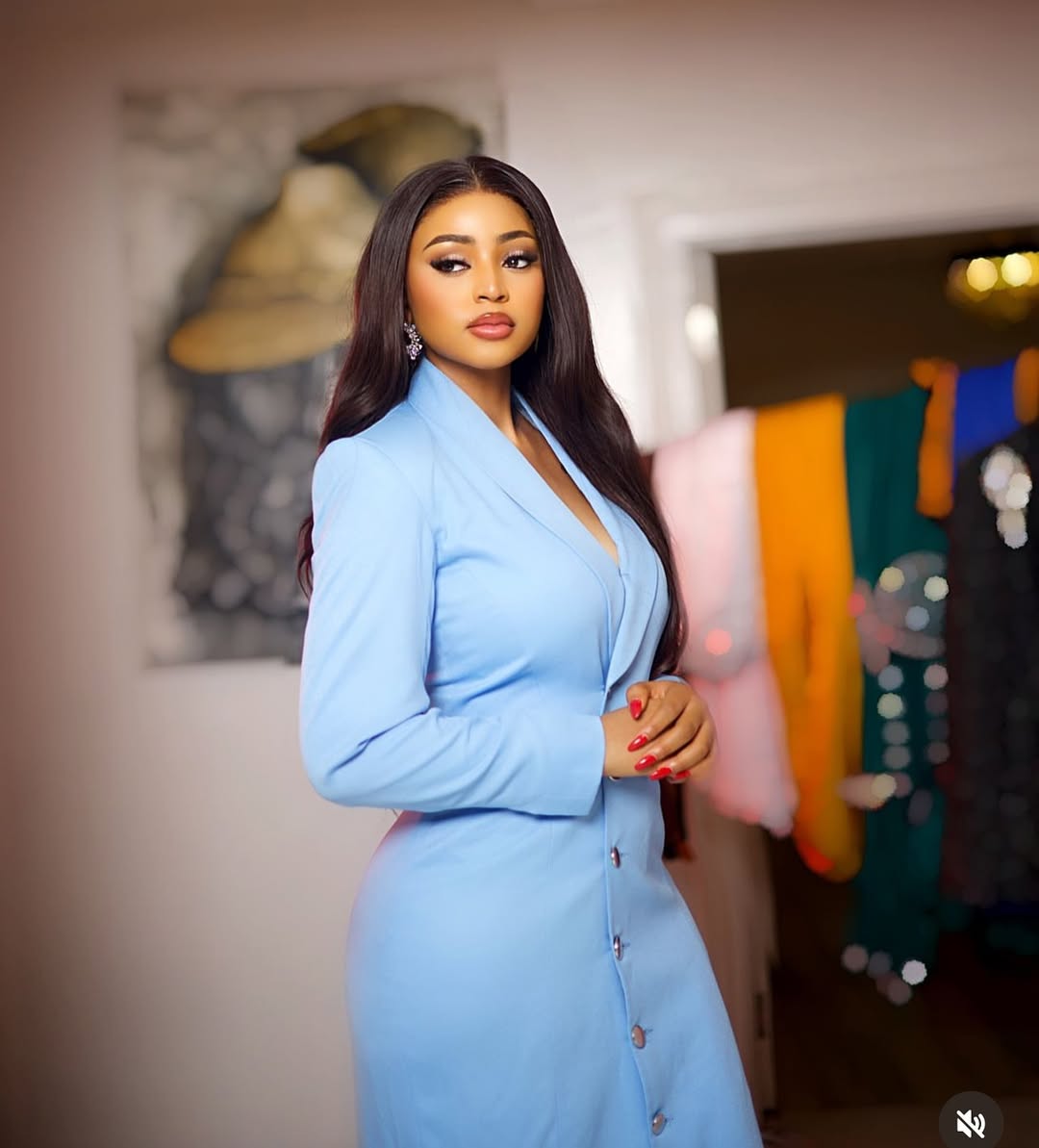
In the 1990s, Nollywood was built on small budgets and fast production, telling stories grounded in everyday Nigerian life. Audiences connected with the films’ authenticity, which gave fashion on-screen a natural platform.
As the industry expanded across Africa and into diaspora communities, viewers were exposed to more than stories. They absorbed the clothing, hairstyles, and styling choices. Repeated exposure fostered familiarity and trust in the fashion shown on screen.
Over time, Nollywood moved from reflecting culture to shaping it. Its reach into global audiences made the films a source of fashion influence far beyond Nigerian borders.
Nollywood Made Local Fashion Visible And Aspirational
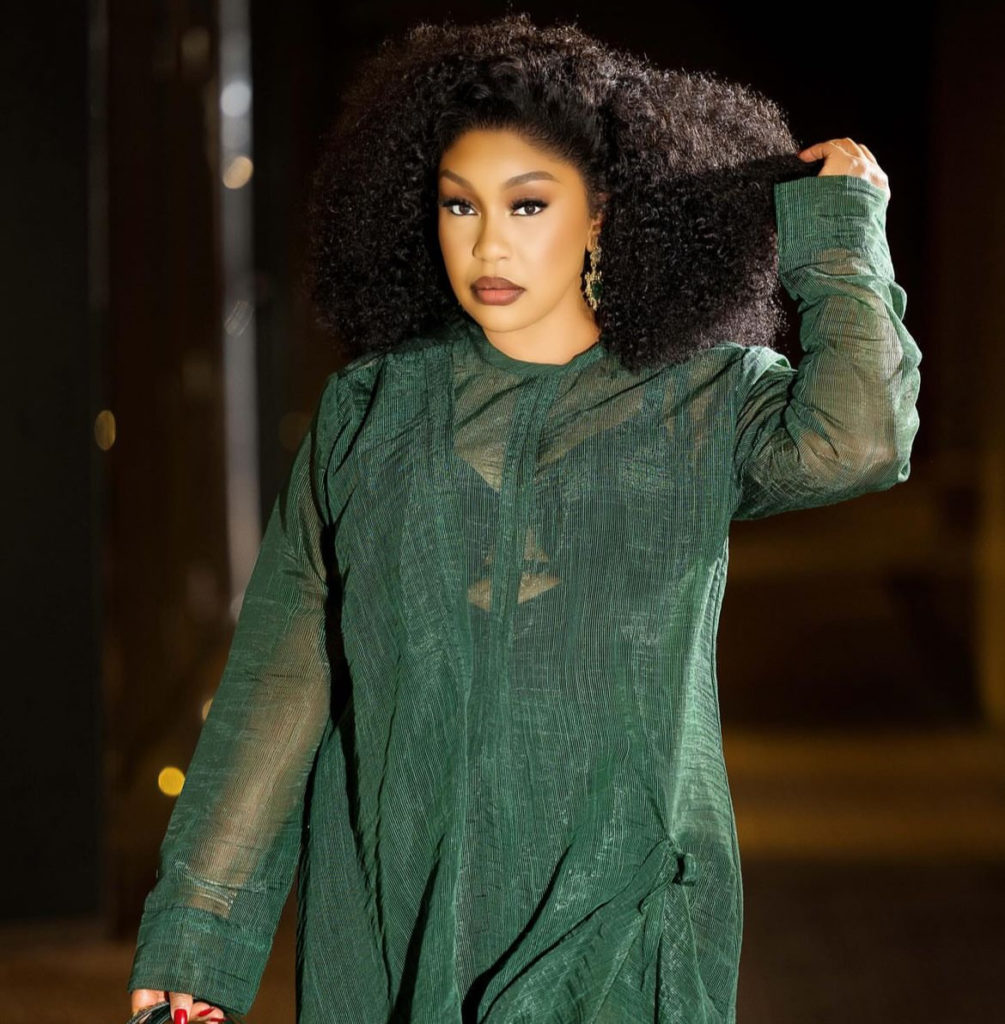
One of the strongest ways Nollywood became one of the world’s most powerful fashion influencers is by normalising Nigerian fashion in everyday settings. Films placed Ankara, lace, and agbada into offices, homes, and social events, showing these fabrics as modern, stylish, and practical.
Repeated exposure changed audience perception. Traditional clothing stopped feeling ceremonial or outdated and started feeling aspirational. Tailoring, colour combinations, and accessory choices communicated identity, class, and confidence without dialogue.
Nollywood also illustrated how fashion signals social and economic status. Wealthy characters wore structured, polished outfits, often mixing traditional fabrics with contemporary cuts.
Middle-class characters balanced style with practicality, while characters with fewer resources were styled more simply. Audiences quickly learned to associate certain looks with success, aspiration, and influence.
By consistently placing Nigerian fashion in aspirational contexts, Nollywood created a culture of emulation. Designers, tailors, and stylists responded, turning on-screen fashion into real-world trends.
Characters and Actors Turned Fashion Into Influence
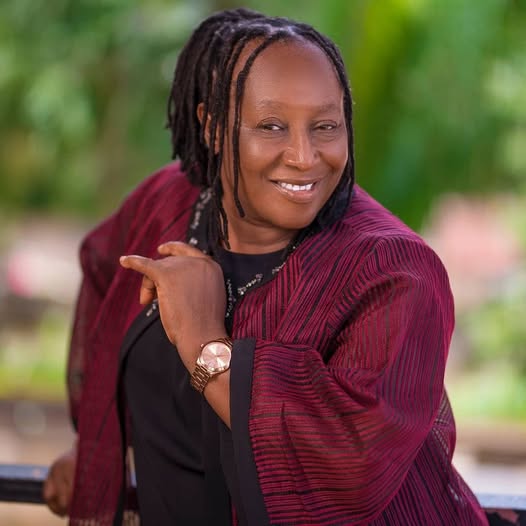
Actors and their characters became the living blueprint for style. Viewers did not simply see costumes; they saw lifestyles and behaviours tied to those outfits. Well-tailored agbada, structured lace dresses, and modern streetwear became shorthand for confidence, power, and social standing.
The repetition of these looks across films reinforced them. When actors consistently wore a particular style, audiences began to associate those personal choices with credibility and desirability. Tailors recreated outfits seen on screen, and viewers incorporated these looks into weddings, events, and daily wear.
This influence extended beyond the characters. Actors’ off-screen fashion choices reinforced on-screen styles. This created a feedback loop that strengthened Nollywood’s impact on fashion. People adopted not just outfits but what those outfits represented: ambition, cultural pride, and identity.
Social Media And Diaspora Amplified Nollywood Fashion
Nollywood’s influence grew exponentially with the rise of social media. Platforms like Instagram, TikTok, and YouTube enabled scenes, red-carpet moments, and behind-the-scenes fashion to reach audiences far beyond Nigeria.
The diaspora played a key role in this amplification. Nigerians abroad used Nollywood visuals to stay connected to home culture, while global audiences began engaging with Nigerian fabrics, tailoring, and aesthetics. Designers outside Nigeria noticed the demand and incorporated Nollywood-inspired styles into broader collections.
Social media also accelerated trend adoption. A single scene or outfit could be shared thousands of times, creating immediate desire for the look. This exposure turned local fashion into a global conversation, showing exactly how Nollywood became one of the world’s most powerful fashion influencers.
ALSO READ:
- The Agbada In The Boardroom: How West Africa’s Most Commanding Garment Is Rewriting Power Dressing
- Music, Identity, and Dress: How Afrobeats Became the World’s Unspoken Style Language
- Lagos Street Style And The Global Trend Cycle: Who Is Really Leading Whom?
- The Ankara Economy: How a Fabric Became a Continent’s Most Exported Fashion Statement
Fashion As Cultural Storytelling
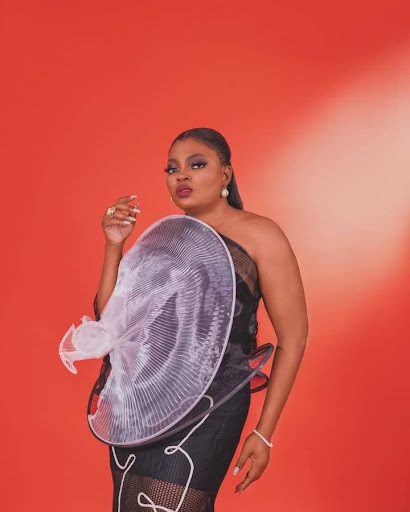
Nollywood’s fashion influence goes beyond aesthetics. Clothing on screen communicates identity, aspiration, and social values. When audiences see characters dressed with intention, they internalise what those choices represent.
This connection between narrative and style makes the influence lasting. Viewers do not simply copy outfits; they adopt the cultural messages behind them. Fashion becomes a tool for expressing confidence, belonging, and ambition.
The impact of Nollywood fashion is strongest because it is tied to real-life culture. Audiences recognise themselves in the stories and feel empowered to translate those looks into their own wardrobes.
Conclusion
How Nollywood became one of the world’s most powerful fashion influencers is a story of visibility, identity, and storytelling shaping real-life choices. By consistently placing Nigerian fashion in relatable, aspirational contexts, the industry turned screen styles into global trends.
The influence sticks because it is authentic. It reflects culture, communicates values, and empowers audiences to embrace fashion as a tool for self-expression. Nollywood proves that when stories and style meet, fashion becomes more than what people wear; it becomes a marker of identity and influence.
Frequently Asked Questions
1. Why Does Nollywood Influence How People Dress?
Because people don’t just watch movies, they notice what characters wear and connect it to real life. Over time, those looks start to feel normal and worth copying, especially when they’re tied to success or confidence.
2. How Did Nollywood Fashion Spread Outside Nigeria?
It spread the same way the movies did, through people sharing clips online and streaming platforms. Nigerians in the diaspora also played a big role by keeping those styles alive and visible outside the country.
3. Do People Really Copy Outfits From Nollywood Movies?
Yes. It shows up in everyday life, tailors get asked to recreate looks, people reference specific movie styles for events, and some outfits seen on screen end up trending at weddings and parties.
4. What Makes Nollywood Fashion Different From Other Film Industries?
Nollywood often blends fashion with everyday life. The styles aren’t just for show; they reflect real culture, social class, and identity in a way that feels relatable rather than distant.