For decades, boardrooms across West Africa followed a narrow visual language: dark suits, subdued ties, and imported ideas of professionalism. Authority was measured by conformity, not cultural expression. Today, a single garment is changing that script.
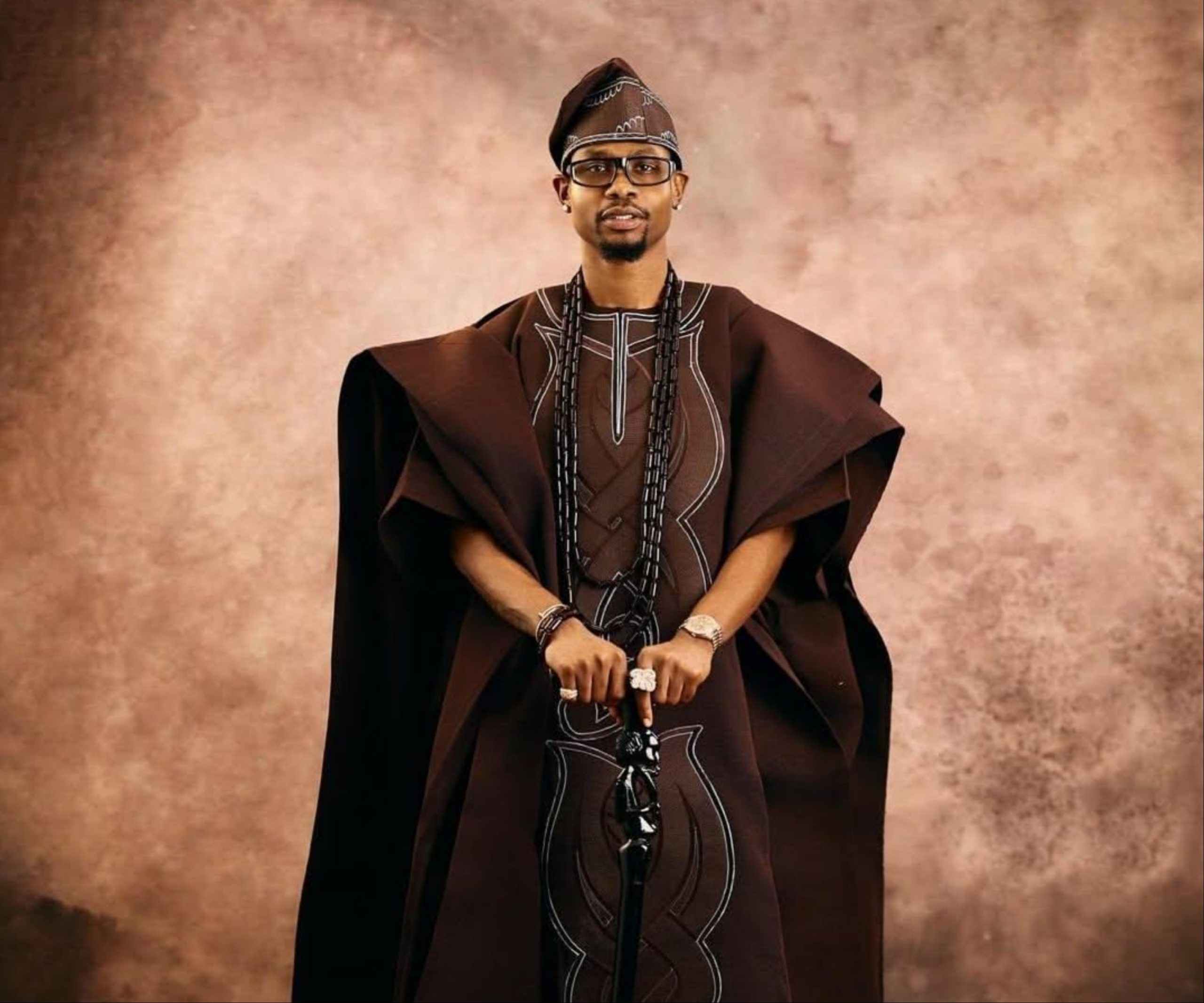
The Agbada, West Africa’s most commanding garment, has moved from ceremonial spaces to corporate offices. It is rewriting power dressing by merging tradition, confidence, and strategy. Executives wearing Agbada communicate authority in ways that titles or imported suits cannot.
This article explores how West Africa’s most commanding garment is rewriting power dressing, why it still signals influence, how it is adapted for modern work life, and how cultural confidence is transforming corporate perception.
Agbada in the boardroom is reshaping West African power dressing, blending heritage, authority, and cultural confidence for modern leaders.
A Legacy of Authority in Cloth
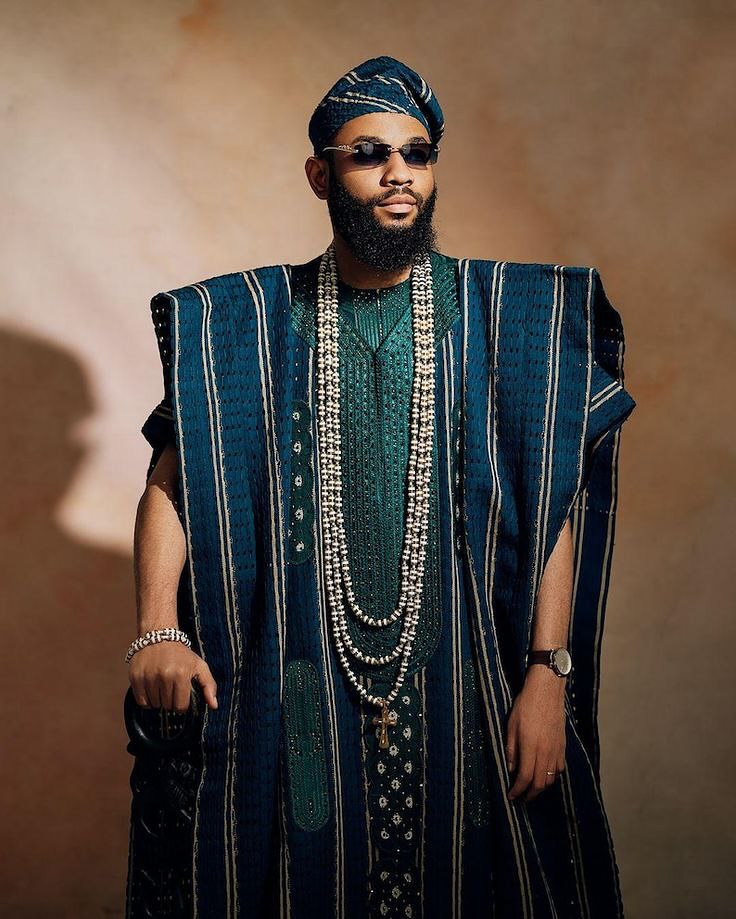
The Agbada has always carried social weight. Among Yoruba, Hausa, and Sahelian communities, flowing robes were never merely clothing.
These robes were a language of authority. Long before corporate titles or boardroom rules, the width of the sleeves, the embroidery, and the richness of the fabric told people who held power, wealth, and respect. Every pattern, every fold, every layer had a purpose.
Executives who wear the Agbada today tap into that centuries-old authority. West Africa’s most commanding garment is redefining power dressing by projecting heritage alongside a leadership presence.
The garment signals that the wearer is grounded, respected, and intentional, offering a depth of identity and professional gravitas that a Western suit alone cannot convey.
In boardrooms, meetings, and negotiations, it transforms perception, asserting that power is not only held but also displayed thoughtfully through culture, history, and personal poise.
Psychological Power in the Boardroom
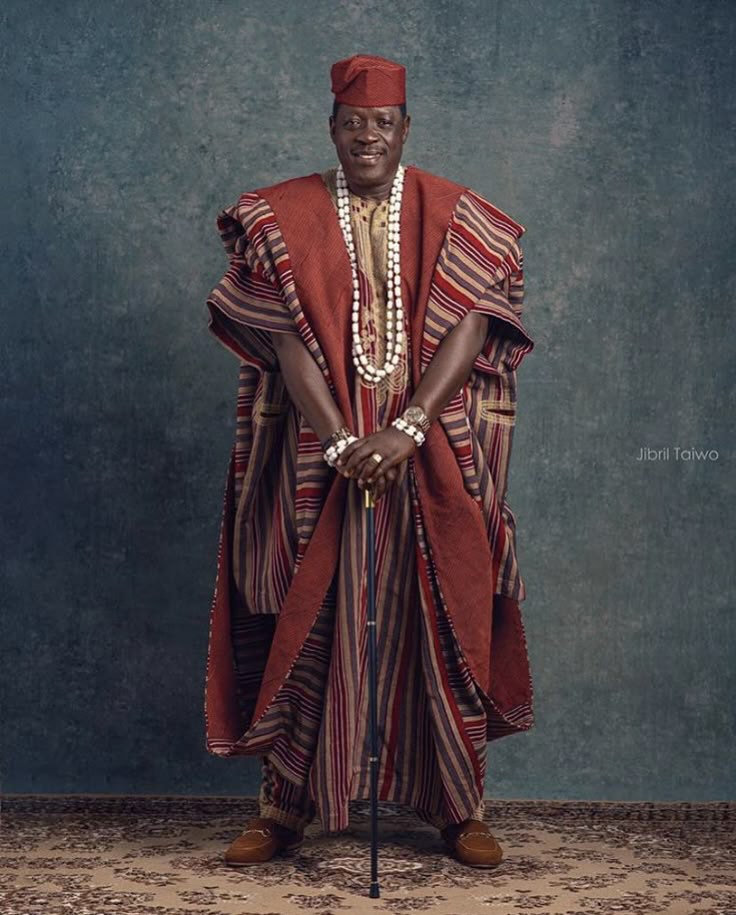
The Agbada does more than display culture. In professional spaces, it shapes how people see you before you even speak. Perception in the boardroom is crucial, and the garment provides subtle but powerful signals of authority.
Leaders who wear it project confidence without having to assert it verbally. The wide, flowing silhouette naturally commands attention, making the wearer immediately visible in a room. Cultural familiarity and mastery add credibility. Colleagues and clients recognise someone who understands their heritage and moves confidently in it.
The garment also enhances memorability. Colours, patterns, and drapes stick in people’s minds long after meetings end. Movements feel deliberate because the weight of the fabric encourages controlled gestures.
In this way, West Africa’s most commanding garment is rewriting power dressing by giving leaders a visual presence that reinforces their authority, trustworthiness, and composure.
Modern Adaptation for Professional Spaces
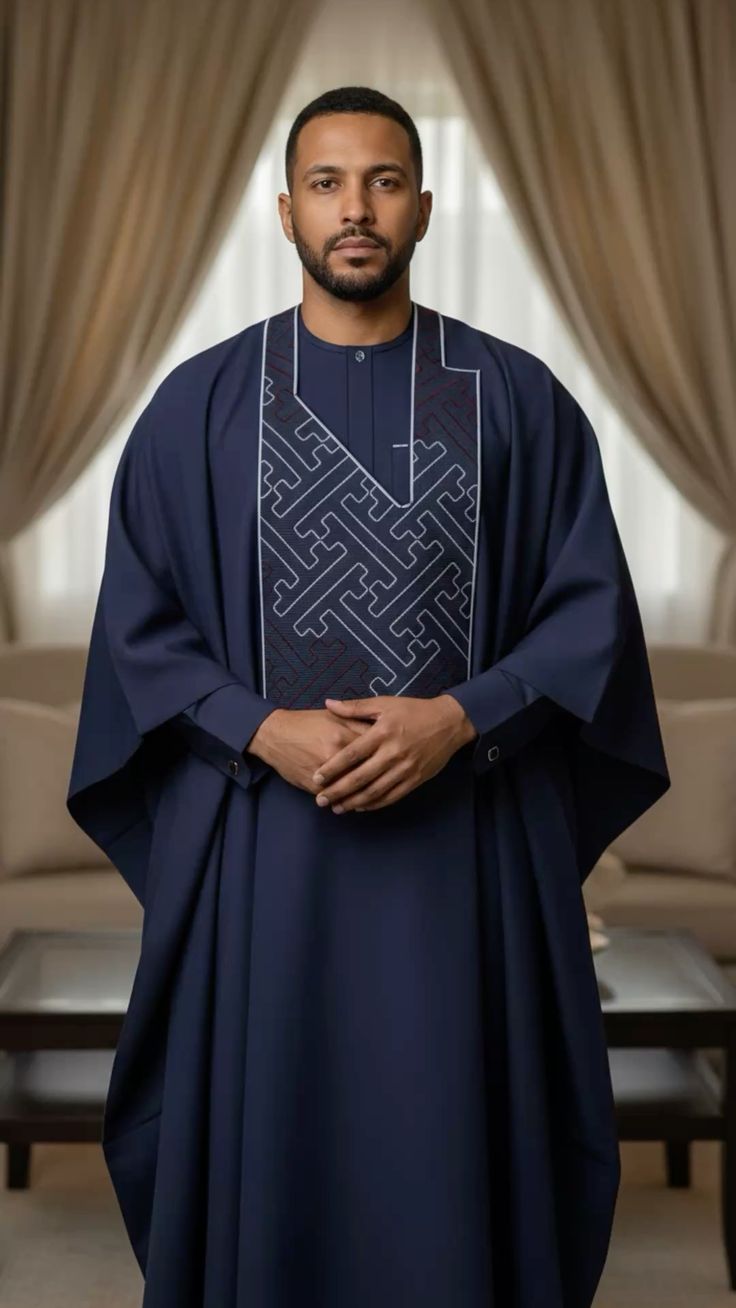
To succeed in today’s boardrooms, the Agbada has been tailored for practicality without losing its symbolic weight. Executives choose lighter fabrics like cotton blends and silks to stay comfortable during long meetings and travel.
Sleeves and lengths are adjusted for ease of movement while preserving the signature flow.
Neutral colours such as charcoal, navy, and beige allow the garment to feel professional while maintaining cultural identity.
Embroidery and patterns are simplified to create elegance without distraction. Accessories are chosen to complement, not compete with, the outfit, ensuring a polished and cohesive look.
These adaptations show that the Agbada is more than ceremonial.
It is a deliberate tool for professional presence. Leaders who wear it demonstrate cultural pride, strategic awareness, and confidence. It proves that heritage can be fully integrated into contemporary work environments while supporting the visual authority needed to lead effectively.
ALSO READ:
- The Caribbean–African Fashion Corridor: How Lagos, Trinidad, and Jamaica Built A Shared Visual Culture
- Culture As Currency: Africa’s Legacy On The Marketplace
- Top 5 Traditional Styles for Ndebele Women in 2026
- The Rise of Global Cultural Awareness
Cultural Confidence As Corporate Currency

West Africa’s most commanding garment is rewriting power dressing by turning cultural heritage into corporate influence. Leaders wearing Agbada demonstrate authenticity, self-assurance, and control. Colleagues and clients respond to executives comfortable in their identity, building trust and credibility instantly.
Beyond perception, the garment supports local economies. Commissioning Nigerian designers and sourcing West African fabrics reinforces domestic craftsmanship.
This shows investment in both personal presence and community growth. The agbada becomes soft power in motion; a visual tool that conveys authority, heritage, and economic support in one statement.
Conclusion
The Agbada illustrates how West Africa’s most commanding garment is rewriting power dressing. Leadership in the region no longer depends solely on imported norms. Authority now emerges through presence, authenticity, and cultural confidence.
Executives who embrace the Agbada communicate influence, build trust, and strengthen economic and cultural networks. Tradition and professionalism coexist, turning clothing into a strategic tool that asserts power in every boardroom interaction.
Frequently Asked Questions
1. Why Is the Agbada Considered a Symbol of Authority in West Africa?
Historically, the Agbada was worn by leaders and respected figures to signal rank, credibility, and social influence. Today, it carries the same visual authority in professional and corporate spaces.
2. How Do Modern Executives Adapt Agbada for Boardrooms?
Professionals choose lighter fabrics, tailored cuts, neutral colours, and minimal patterns to make the Agbada practical for meetings while maintaining its commanding presence.
3. Can Wearing Traditional Attire Like Agbada Influence Business Outcomes?
Yes. Cultural confidence conveyed through Agbada builds trust, enhances memorability, and projects authority, giving leaders a subtle but real advantage in negotiations and corporate interactions.
4. How Does Agbada Support Local Industries?
By commissioning local designers and using Nigerian or West African fabrics, executives promote domestic craftsmanship while signalling economic and cultural investment.