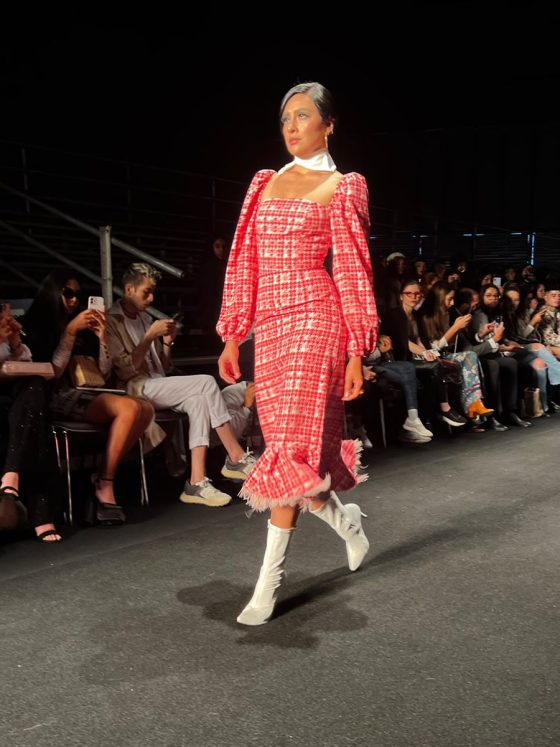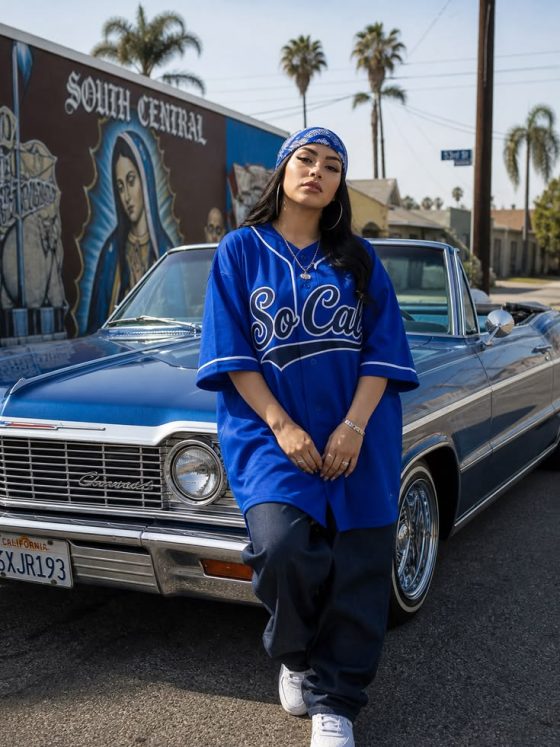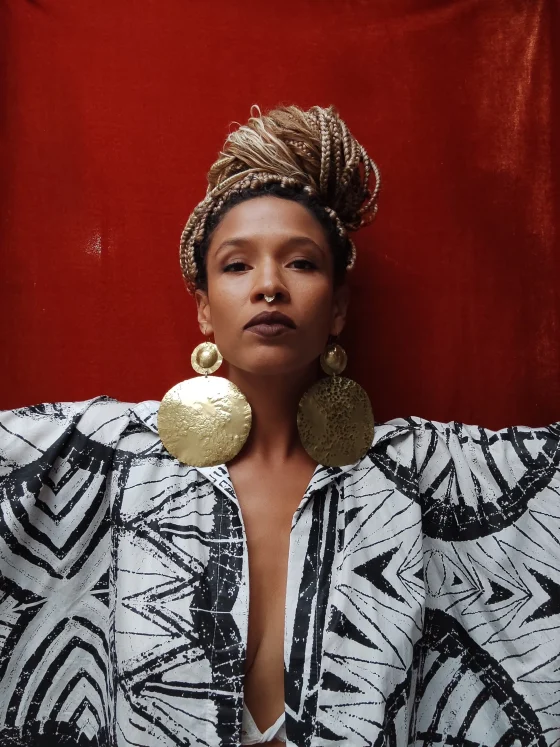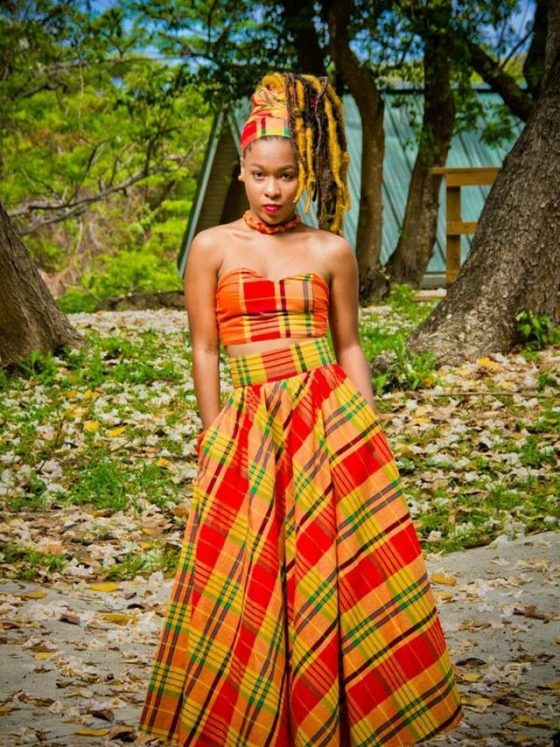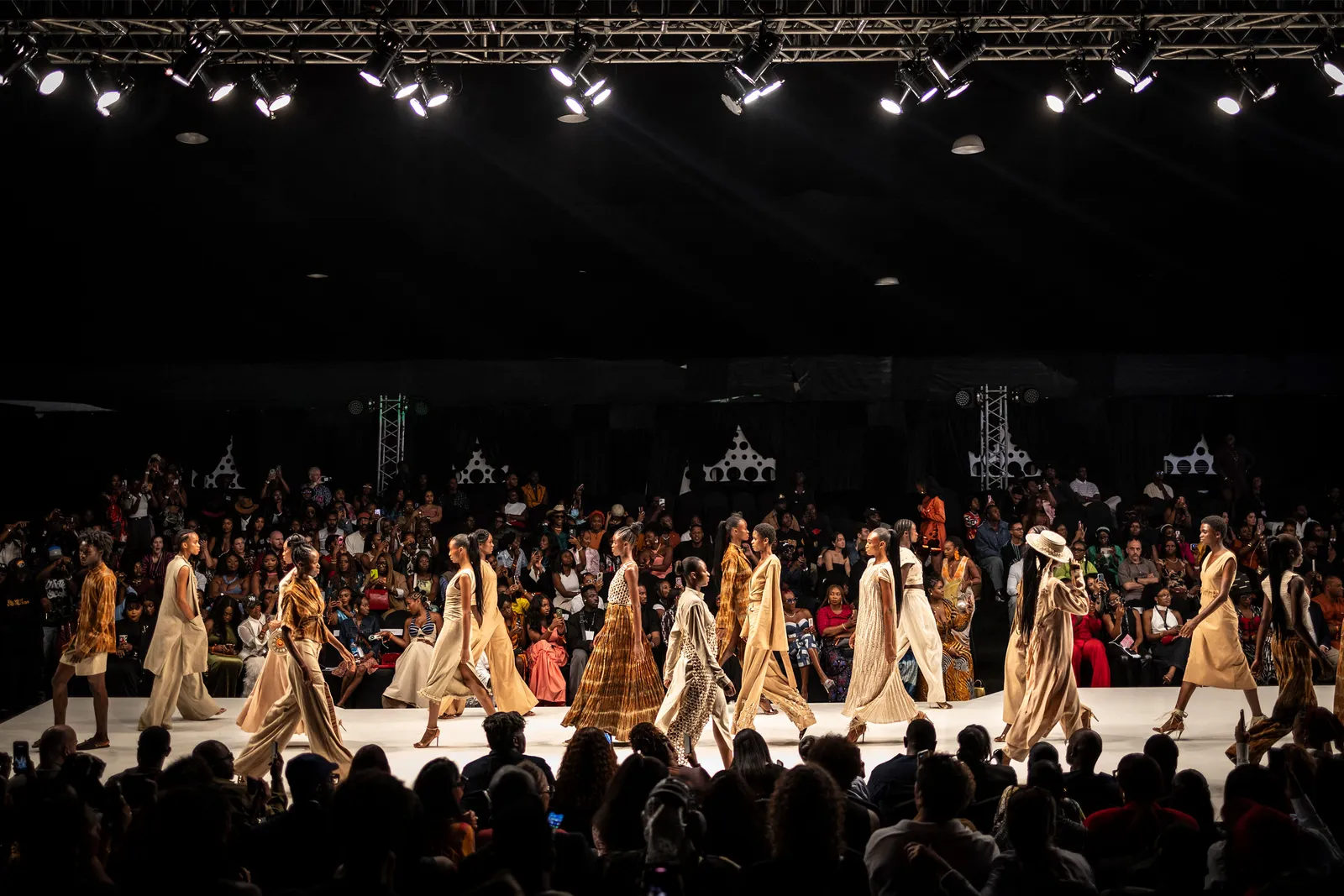
For decades, the global fashion industry looked to Paris as the place where style authority was confirmed. Runways there presented more than seasonal collections. They shaped global taste and helped determine what counted as luxury, innovation, and relevance.
Today, that structure is gradually shifting. Across African cities and diaspora fashion communities, designers are developing ideas that respond to culture, climate, and everyday life.
Their work grows from textile traditions, tailoring practices, and creative systems that have existed independently of traditional fashion capitals. This change reveals an important reality. A single runway or city no longer defines the next frontier of fashion.
In this article, we will be looking at why the frontier of fashion matters for the global fashion system and what it means for the future of style authority.
The next frontier of Fashion Week is emerging across Africa and the diaspora as designers build influence through craft, culture, and local innovation.
Fashion Authority Is No Longer Centred In Paris
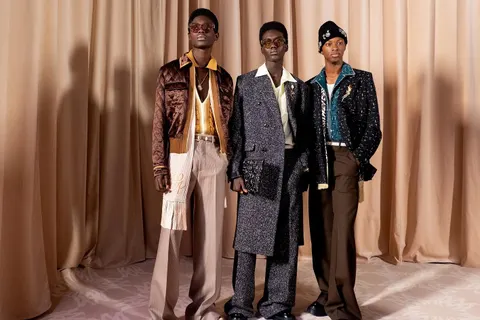
The idea that fashion authority must begin in one cultural centre is becoming harder to sustain. Global supply chains, digital retail, and regional showcases are changing how the industry operates. As these systems expand, the next frontier of Fashion Week is emerging outside traditional fashion capitals.
Buyers now source from a wider range of creative ecosystems. They respond to consumers who want authenticity, sustainability, and design language that reflects real cultural experience.
At the same time, designers can reach audiences directly through digital platforms. Online communities, social media, and independent marketplaces allow brands to build visibility without relying only on runway access or editorial approval.
Because of this shift, influence now travels differently. In the past, ideas often moved vertically from established fashion capitals to emerging markets. Today, fashion authority spreads horizontally through interconnected creative communities.
Within these networks, the next frontier of fashion is forming in spaces where cultural knowledge, craft traditions, and commercial experimentation intersect.
Craft Knowledge Defines The Next Frontier of Fashion
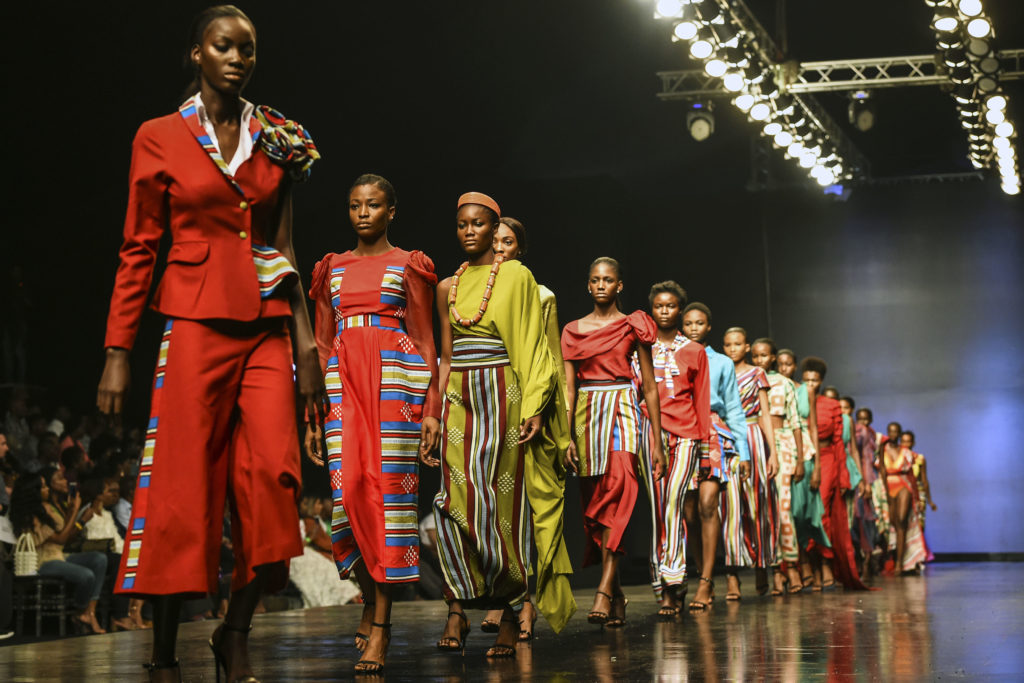
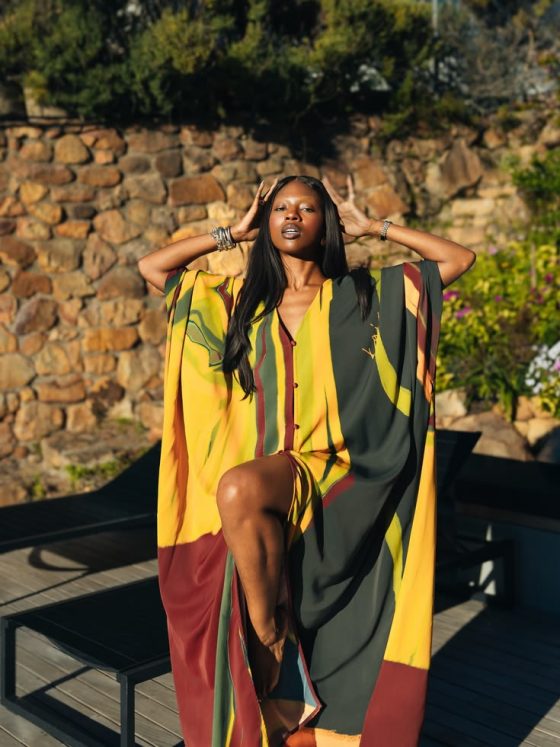
The growing influence of African design is often framed as a recent discovery. In reality, the creative foundations behind the next frontier of fashion have existed for generations.
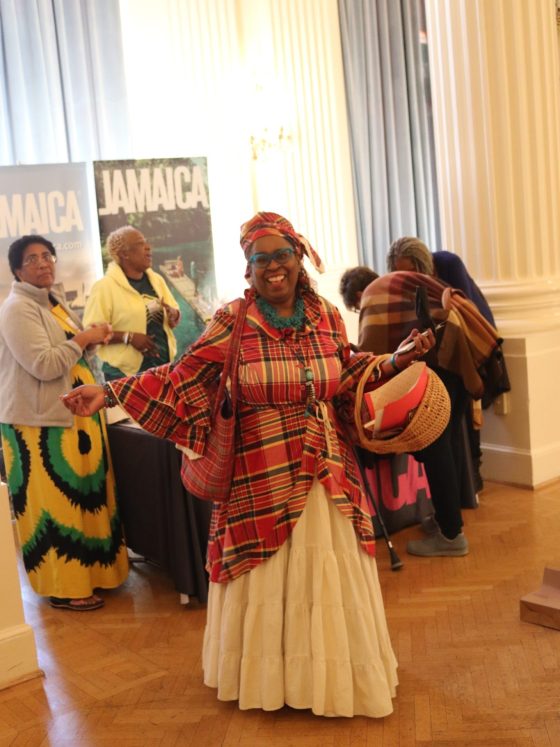
Across African societies, clothing carries meaning that extends far beyond aesthetics. Garments communicate identity, celebration, profession, and social belonging.
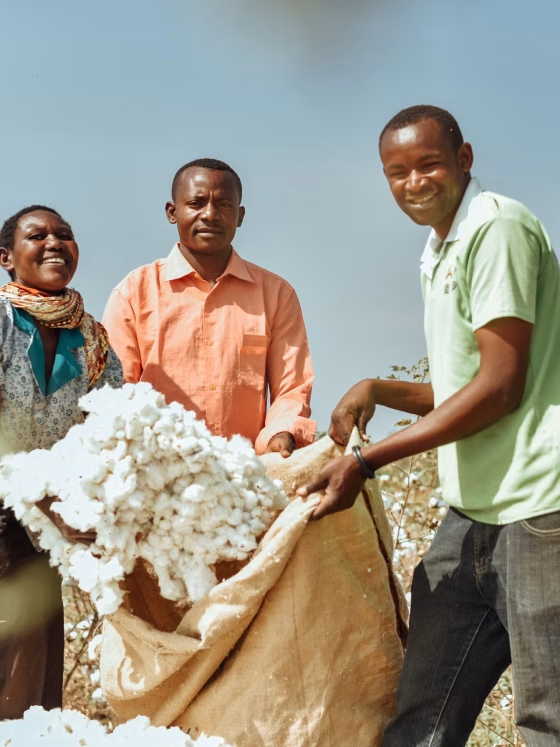
Tailoring workshops operate as creative hubs where garments are designed specifically for individual wearers. Textile markets provide fabrics connected to local histories and symbolic traditions.
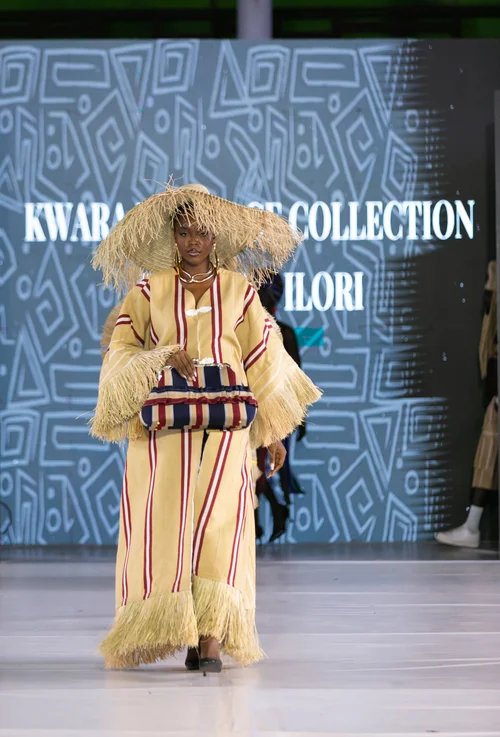
Techniques such as hand weaving, resist dyeing, beadwork, and structured tailoring are not seasonal trends. They represent systems of knowledge passed through families and communities over time.
When global fashion brands reinterpret these aesthetics, they often respond to practices that have long existed in African cultural life.
By grounding design in craft knowledge and cultural continuity, African designers demonstrate that the next frontier of fashion is rooted in heritage rather than temporary fashion cycles.
Digital Culture And The Diaspora Are Shaping The Next Frontier Of Fashion
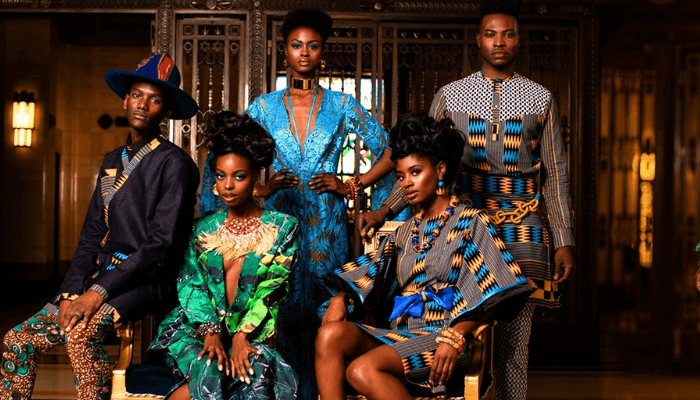
Fashion authority is no longer shaped by runways alone. Digital culture and diaspora communities now play a central role in how the next frontier of fashion spreads across the world.
Several developments explain this shift:
Digital Marketplaces Connect Designers To Global Buyers
Online platforms such as ANKA Marketplace allow African designers and artisans to sell directly to international customers. These marketplaces remove many of the barriers that previously limited access to global fashion markets.
Designers can now grow businesses based on craft, storytelling, and cultural authenticity without relying solely on traditional fashion gatekeepers.
Social Media Builds Creative Communities
Platforms such as Instagram, TikTok, and YouTube allow designers to share their creative process and engage directly with audiences.
Instead of waiting for editorial approval, designers build communities that follow their work and support their brands. This direct connection strengthens the visibility of the next frontier of fashion by allowing cultural narratives to travel alongside the garments themselves.
Diaspora Communities Translate Cultural Dress
African diaspora communities across Europe and North America play an important role in shaping how African fashion is interpreted globally.
Designers, stylists, and consumers remix heritage garments into contemporary wardrobes. In doing so, they help translate traditional dress into new contexts while maintaining ties to its original meaning.
Through these interactions, diaspora communities expand the influence of fashion across international style cultures.
Digital Storytelling Strengthens Cultural Context
Podcasts, newsletters, and independent fashion media now allow African creatives to document their own work.
Designers and writers explain the craft traditions, textile histories, and cultural significance behind their collections. With this approach, global audiences understand the knowledge systems that support the aesthetics they admire.
ALSO READ:
- Lemlem: Weaving African Heritage into Global Fashion
- How African Fashion Weeks Are Reframing Global Conversations
- Lagos Fashion Week 2025, Day Two & Beyond: Growth, Grit & Creative Momentum
- From Lagos to Paris: Nigerian Designers Rewrite the Rules of Global Fashion Week
African Designers Are Shaping Fashion’s Future
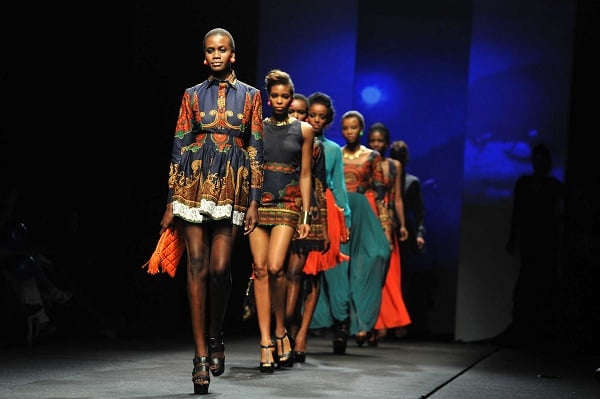
As fashion influence spreads across multiple regions, designers are building systems that respond directly to their environments.
Across African cities, bespoke tailoring remains a central part of fashion culture. Designers produce clothing that fits specific climates, daily routines, and cultural events.
Independent fashion showcases, pop-up retail spaces, and local design festivals allow brands to present collections to audiences who understand their cultural context.
These designers are not simply responding to global trends. They are setting new expectations for what fashion can represent.
Diaspora markets also play a growing role. Buyers and consumers abroad support African brands through retail collaborations, digital sales, and cultural visibility. This support allows designers to scale their work while remaining connected to their communities.
Conclusion
Fashion authority is no longer concentrated in a single city.
Across Africa and the diaspora, designers are building fashion systems grounded in culture, craft, and community knowledge. Their work responds to real environments and real audiences rather than distant trend cycles.
Because of this shift, the next frontier of fashion is already taking shape within the studios, markets, and digital platforms where these designers create and share their work.
Paris remains an important fashion capital, but it is no longer the only place where fashion authority is formed.
Frequently Asked Questions
-
What Does It Mean That The Future Of Fashion Will Not Be Written In Paris?
Fashion influence is no longer controlled by one city. African and diaspora creatives now shape trends, luxury, and style authority on their own terms.
-
How Are African Designers Influencing Global Fashion Today?
Through craft heritage, hybrid aesthetics, storytelling, and innovation, African designers gain global attention via digital platforms, diaspora markets, and regional showcases.
-
Why Are Digital Platforms Important for African Fashion Influence?
They allow designers to reach audiences directly, creating visibility and demand without relying on legacy fashion media or runway approval.
-
Is Paris Still A Fashion Capital If Influence Is Shifting?
Paris remains influential, but it no longer dictates global style. Multiple creative centres in Africa and the diaspora now help define fashion trends.
-
What Is Different About How Fashion Works In African Markets?
Fashion in Africa is tied to cultural expression, craft lineage, and community meaning. Clothing is often bespoke, functional, and valued for longevity and narrative.