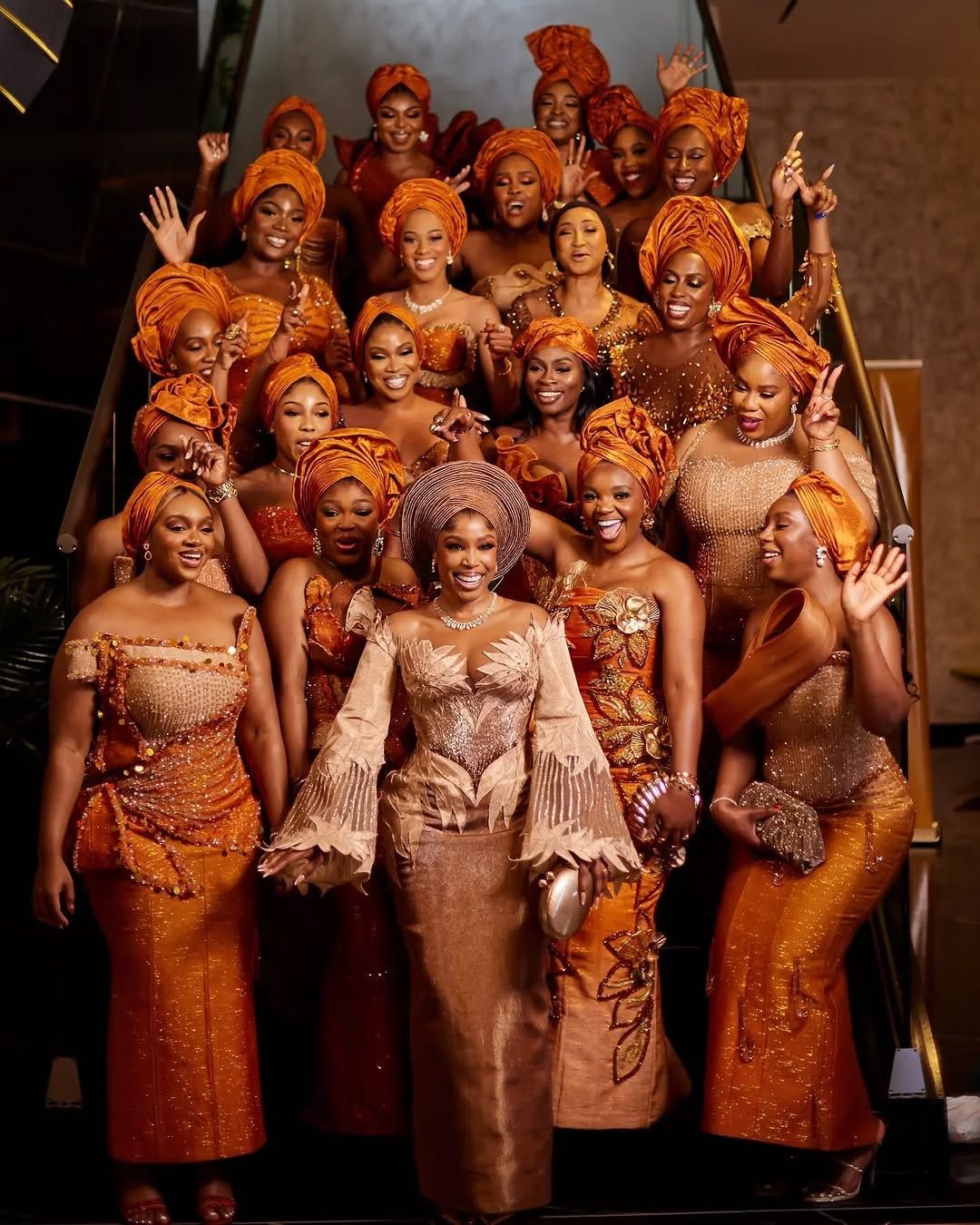
Before fashion had language, it had colour. And before colour had names, it had ochre.
The shade the industry now calls ‘burnt orange’, ‘warm’, or ‘earthen’, positioned between the urgency of red and the stability of brown, is not a contemporary invention. It is a re-encounter with a pigment that human beings have been processing, selecting, transporting, and applying to their bodies and objects for longer than any other recorded material in the cultural archive. The colour arrived on the mood board via a journey that began in the iron-rich clay deposits of southern Africa and passed through burial rituals, coronation ceremonies, body-marking traditions, and ceremonial dress systems before becoming, most recently, a runway palette.
Understanding what burnt orange carries means understanding why some colours endure across every culture that encounters them and why the ones that do are always the ones closest to the earth, the body, and the marking of transitions that communities cannot afford to leave unmarked.
Burnt orange did not begin on a mood board. It began in the ochre-rich soil of southern Africa, where human beings were processing pigment into meaning 160,000 years ago—a study of the world’s oldest colour and what it has carried ever since.
The First Colour of Meaning

Ochre is an iron-rich earth pigment whose colour range spans yellow through deep red-brown, the spectrum that contains what we now call burnt orange at its warmest register. It is not a manufactured pigment. It comes directly from the ground, from deposits of clay and iron oxide found across Africa, Australia, and parts of Europe and Asia, and its extraction requires nothing more sophisticated than knowing where to look and understanding which deposit carries the colour and texture a specific purpose demands.
Ochre use established itself as a habitual cultural practice in southern, eastern, and northern Africa starting about 160,000 years ago, when a third of archaeological sites contained ochre. Springer: That habitual phase followed an earlier emergent period stretching back to 330,000 years ago, and evidence from sites in South Africa’s Northern Cape pushes human engagement with ochre as far back as 500,000 years. The evidence recovered from Blombos Cave on South Africa’s southern coast, including an ochre processing workshop dated to 100,000 years ago, where pigment was ground, mixed with animal fat, and stored in abalone shells, demonstrates that ochre use was not casual or opportunistic. It was planned, executed with chemical knowledge, and carried out across generations by communities who understood what they were making and why.
In parts of Southern Africa, deep red-iron ochres were transported over very long distances, even though there was evidence of local deposits, suggesting that each pigment had unique cultural or ritual significance. Wikipedia communities were not simply using the nearest available ochre. They were selecting specific deposits for specific purposes — the colour, texture, and iron saturation each carrying distinct meaning within systems of ritual and social communication that archaeologists are still working to reconstruct fully.
This selectivity is the first evidence of colour as cultural intelligence. The Himba of Namibia continue this practice today, mixing ochre with animal fat to produce otjize, which they apply to the skin and hair as a daily practice that simultaneously protects against sun exposure and communicates cultural belonging. Among the Maasai of Kenya and Tanzania, ochre marks specific ceremonial transitions: the moran warrior’s red-ochred hair is a statement of age grade and social role, readable to the entire community without explanation. The pigment that began as one of humanity’s earliest recorded materials has never ceased to function as a language.
The modern shade called burnt orange still carries the frequency of that original purpose. It remains deeply connected to the earth, to the body, and to the marking of moments that require colour to say what words cannot. That is why it appears, across cultures and across centuries, at precisely the moments when something is changing: a season, a life stage, or a community’s relationship to its own continuity. The colour does not decorate those moments. It witnesses them.
Africa’s Living Relationship With Ochre
Across parts of southern Africa, the cultural life of ochre continues.
Among the Himba communities in Namibia, women apply a mixture known as otjize to their skin and hair. Made from butterfat and red ochre, the mixture produces a rich, burnt-orange tone that protects the skin from harsh desert conditions.
Yet its purpose goes far beyond practicality.
The colour reflects beauty, maturity and cultural continuity. Hairstyles coated in ochre communicate life stages and family identity. Through colour, the body becomes both personal expression and cultural archive.
Similar uses of ochre appear in initiation ceremonies across several African societies. During rites of passage, bodies are often marked with pigments that signal transformation from childhood to adulthood.
Burnt orange, in this context, becomes the colour of becoming.
Beauty, Identity and the Politics of Colour
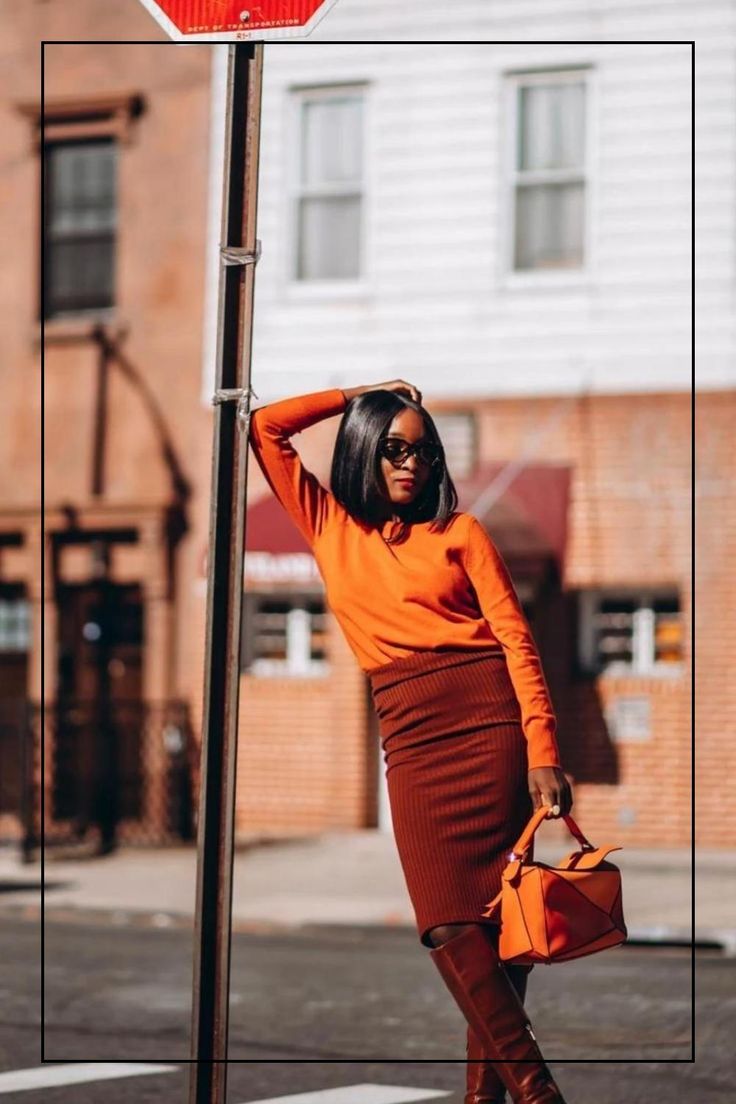
Modern beauty culture often treats colour as a trend-driven phenomenon. One season favours bright shades; another prefers neutrals. Yet historically, colour carried meaning about identity and power.
Across many African traditions, pigments used on skin or hair communicated social information. They could indicate fertility, clan affiliation or readiness for marriage.
Hair decoration and body painting, therefore, served as cultural storytelling. The colour on a person’s body was a public signal of belonging and history.
Seen through this lens, burnt orange is not merely aesthetic. It represents how communities claim space and identity through the body itself.
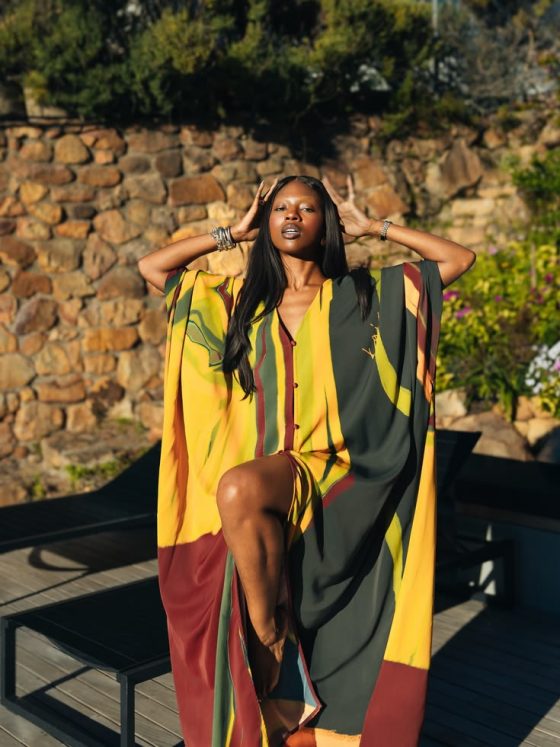
Even today, echoes of this heritage appear in contemporary beauty and fashion. Terracotta lip colours, clay-inspired palettes and earth-toned textiles continue to circulate globally, often detached from the cultural roots that shaped them.
READ ALSO:
The Geography of Burnt Orange
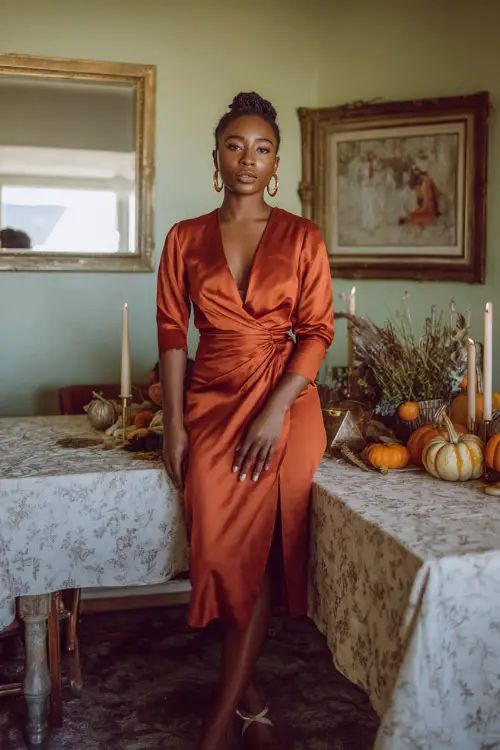
Burnt orange is also a landscape colour.
Across Africa, the tone appears naturally in desert dunes, Sahelian clay soils and the terracotta architecture that defines many historic settlements.
Traditional homes in parts of Mali and northern Nigeria are built using earth materials that dry into warm orange and red tones. Pottery traditions across West Africa rely on clay that carries similar hues.
Here, colour emerges from the land itself. Buildings, objects and bodies share the same palette because the same environment shapes them.
In this sense, burnt orange represents a kind of material intelligence. Communities build and create with the colours the earth provides.
Luxury, in such traditions, does not depend on rare imported materials. It comes from mastery of local resources and craft.
Why Burnt Orange Keeps Returning to Fashion
Fashion cycles often rediscover colours that already exist deeply within cultural memory. Burnt orange repeatedly returns because it resonates with something familiar.
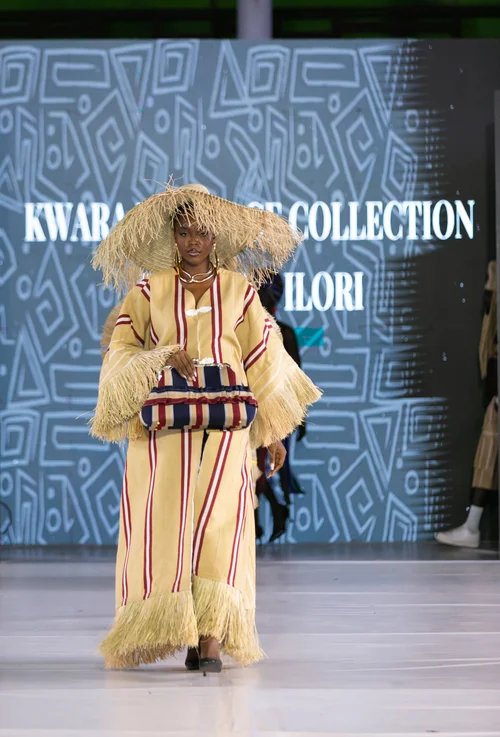
Designers gravitate toward the shade when exploring ideas of heritage, earth and warmth. In recent years, many African designers have embraced terracotta and clay tones in textiles and leatherwork.
Their use of the colour is rarely about seasonal trends. It is a way of grounding contemporary design within historical identity.
Burnt orange, therefore, becomes a bridge between past and present. It allows modern fashion to speak to older cultural narratives about land, craft and belonging.
Conclusion
Burnt orange is often described simply as a warm colour. In reality, it carries a far deeper story.
From ancient ochre rituals to contemporary fashion collections, the shade has long marked moments of transformation. It appears when people cross into new stages of life, when communities honour heritage and when designers search for connection to the earth.
Colour can sometimes feel like surface decoration. Burnt orange reminds us that colour can also hold memory.
It is the tone of clay shaped by hand, of skin marked with cultural meaning, and of landscapes that continue to influence how people live and create.
In that sense, burnt orange is not just a colour of warmth. It is the colour of transition.
FAQs
- Why is burnt orange often linked with transformation?
The shade sits between red and brown, visually suggesting movement toward maturity. Many cultures also use ochre pigments during rites of passage.
- What is the connection between burnt orange and ochre?
Burnt orange is a modern shade derived from ochre pigments, natural earth materials rich in iron that humans have used for thousands of years.
- Why do many African traditions use ochre in beauty practices?
Ochre mixtures protect the skin from harsh climates and also communicate cultural identity, social status and stages of life.
- Why does burnt orange frequently appear in fashion trends?
Designers return to the colour because it evokes heritage, earth materials and warmth, themes that often influence design cycles.
- How does burnt orange reflect ideas of luxury in African craft traditions?
In many African contexts, luxury is expressed through the skilled use of natural materials such as clay and earth pigments, which naturally produce burnt-orange tones.