Menu
  • African Style
    • Designers & Brands
    • Street Fashion in Africa
    • Traditional to Modern Styles
    • Cultural Inspirations
  • Fashion
    • Trends
    • African Designers
    • Afro-Latin American
    • Caribbean Designers
    • Street Style
    • Sustainable Fashion
    • Diaspora Connects
  • Beauty
    • Skincare
    • Makeup
    • Hair & Hairstyle
    • Fragrance
    • Beauty Secrets
  • Lifestyle
    • Culture & Arts
    • Travel & Destination
    • Celebrity Style
    • Luxury Living
    • Home & Decor
  • News
    • Cover Stories
    • Designer Spotlight
    • Fashion Weeks
    • Style Icons
    • Rising Stars
    • Opinion & Commentary
  • Women
    • Women’s Style
    • Health & Wellness
    • Workwear & Professional
    • Evening Glam
    • Streetwear for Women
    • Accessories & Bags
  • Shopping
    • Fashion finds
    • Beauty Picks
    • Gift Guides
    • Shop the Look
  • Events
    • Fashion Week Coverage
    • Red Carpet & Galas
    • Weddings
    • Industry Events
    • Omiren Styles Special Features
  • Men
    • Men’s Style
    • Grooming Traditions
    • Menswear Designers
    • Traditional & Heritage
    • The Modern African Man
  • Diaspora
    • Designers
    • Culture
  • Industry
    • Insights
    • Investment
    • Partnerships
    • Retail
    • Strategy
Subscribe
OMIREN STYLES OMIREN STYLES

Fashion · Culture · Identity

OMIREN STYLES OMIREN STYLES OMIREN STYLES OMIREN STYLES
  • Fashion
    • Africa
    • Caribbean
    • Latin America
    • Trends
    • Street Style
    • Sustainable Fashion
    • Diaspora Connects
  • Culture
    • Heritage & Identity
    • Textiles
    • Ceremony & Ritual
    • Art & Music
    • Cultural Inspirations
  • Designers
    • African Designers
    • Caribbean Designers
    • Afro-Latin American
    • Emerging Talent
    • Interviews
  • Beauty
    • Skincare
    • Makeup
    • Hair & Hairstyle
    • Fragrance
    • Beauty Traditions
  • Women
    • Women’s Style
    • Evening Glam
    • Workwear & Professional
    • Streetwear for Women
    • Accessories & Bags
    • Health & Wellness
  • Men
    • Men’s Style
    • Grooming Traditions
    • Traditional & Heritage
    • The Modern African Man
    • Menswear Designers
  • Diaspora
    • Diaspora Voices
    • UK Scene
    • US Scene
    • Caribbean Diaspora
    • Afro-Latino Identity
  • Industry
    • Strategy
    • Investment
    • Retail
    • Insights
    • Partnerships
  • News
    • Cover Stories
    • Fashion Weeks
    • Opinion & Commentary
    • Style Icons
    • Rising Stars
  • Skincare

Your Bathroom Cabinet Is Political: How Ayurveda Quietly Rewrote the Script of Modern Beauty

  • Heritage Oni
  • March 2, 2026
Your Bathroom Cabinet Is Political: How Ayurveda Quietly Rewrote the Script of Modern Beauty
Total
0
Shares
0
0
0

Open your bathroom cabinet, and you will find more than moisturisers and cleansers. You will find philosophy.

The shift did not happen loudly. There was no single moment when ancient Indian healing systems entered contemporary shelves. Instead, jars of turmeric masks, bottles of sesame oil, herbal tooth powders and copper tongue scrapers began appearing beside retinol serums and electric toothbrushes. What looks like a wellness trend is in fact a deeper cultural return.

Ayurveda, the classical Indian system of medicine documented in texts such as the Charaka Samhita, is built on the belief that beauty reflects internal balance. Skin, digestion, sleep, and emotional life are inseparable. That worldview is now shaping what people buy, how they use it, and why their bathrooms are becoming ritual spaces rather than storage units.

But this is not simply India influencing the world. It is a broader correction. Across Africa, long before global beauty marketing, shea butter was hand-whipped for newborns’ skin, black soap cured breakouts, and palm kernel oil sealed braids. The rise of Ayurvedic rituals in modern cabinets resonates because it echoes knowledge many societies already understood. The question is not why Ayurveda is trending. The question is why the world forgot ritual in the first place.

Ayurveda has quietly reshaped modern beauty routines, influencing natural skincare, holistic wellness, and ingredient transparency across the global cosmetics industry.

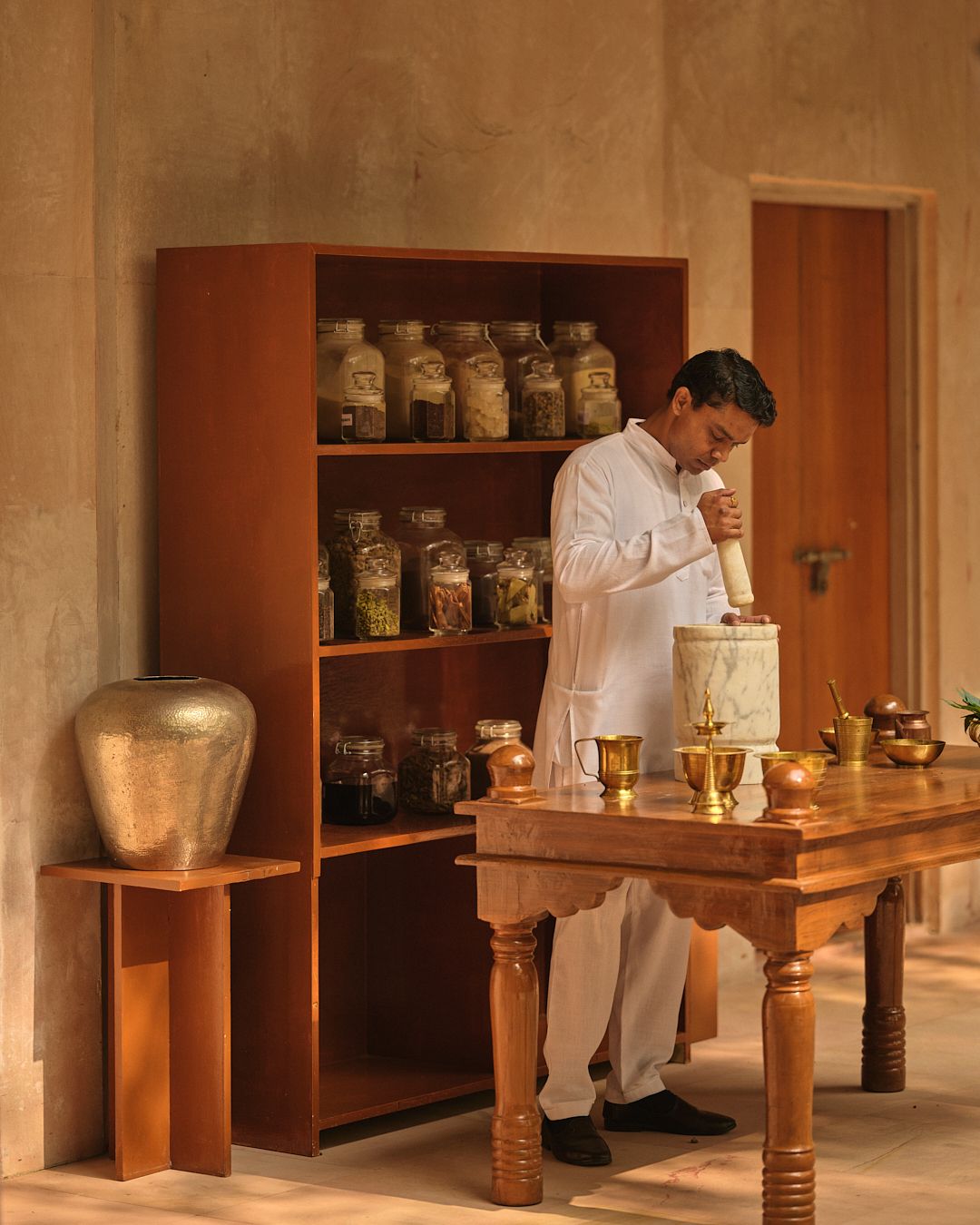
Ritual Over Routine
Ritual Over Routine

Ayurveda organises daily life around dinacharya, a structured morning and evening practice. Oil pulling, tongue scraping, self-massage known as abhyanga, herbal cleansing and seasonal eating were never luxuries. They were maintaining balance.

Modern consumers are rediscovering these steps not because they are exotic but because speed culture failed them. Ten-step routines filled with synthetic quick fixes produced fatigue. Ayurvedic logic offers coherence. Each step has a reason tied to circulation, digestion, lymphatic flow and nervous system regulation.

This shift mirrors African bathing traditions that integrated steam, oils and communal care. In Morocco, the hammam served as a place of purification and social gathering. In parts of Nigeria, newborn care includes oil massage to strengthen bones and calm the child. These practices survived because they worked socially as much as physically. They created a pause in societies under pressure.

When people add a copper tongue scraper or herbal oil to their cabinets, they are often seeking structure in a fragmented life. Ritual answers anxiety.

Ingredients as Memory

Turmeric, neem, ashwagandha and tulsi now appear in global beauty aisles. They are presented as active ingredients, yet historically they were embedded in ecological and spiritual systems. Turmeric was antiseptic, yes, but also ceremonial. Oils were medicinal but also sacred.

African parallels are clear. Shea butter in Northern Ghana is not merely a moisturiser. It is women’s labour, cooperative economics, and inheritance. Black soap is chemistry and craft. Oils carry lineage.

When Ayurvedic botanicals enter global markets, two forces collide. One is appreciation for plant intelligence. The other is extraction. Cultural interpretation requires honesty here. Ancient systems are not mood boards. They are intellectual properties rooted in communities.

What makes this moment different is that consumers are beginning to ask questions. Where was this grown?. Who benefits?. What tradition does it belong to?. That curiosity signals maturation.

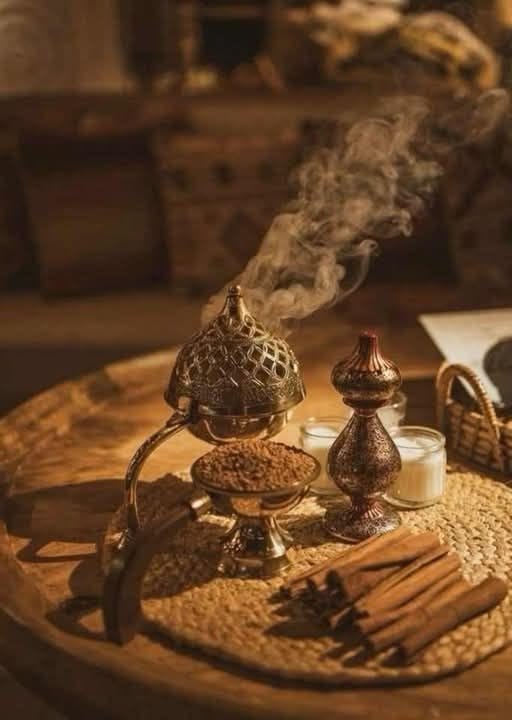
Redefining Luxury

Redefining Luxury


Luxury in many Western beauty narratives meant scarcity, price and packaging. Ayurveda proposes a different hierarchy. True luxury is a balance of doshas, quality sleep, an unhurried massage, and well-functioning digestion.

Through an African lens, luxury has long included time, land connection, and communal celebration. A woman sitting for hours to braid her hair is not wasting time. She is participating in continuity.

Modern bathroom cabinets reflect this redefinition. Oils are stored carefully. Dry brushes hang visibly. Incense sits beside serums. The space becomes a sanctuary. Luxury becomes the ability to care for oneself intentionally in a demanding world.

READ ALSO:

  • The Invisible Thread: How African Oral Tradition Shapes Fashion and Heritage Textiles
  • The Art of Effortless Style: African Luxury Fashion That Breathes
  • The Trench Coat: From Battlefield Uniform to African Fashion Statement 

Women, Wholeness and Authority

Beauty content often isolates women to surface appearance. Yet Ayurvedic frameworks position women as cyclical beings whose health, hormones and emotional states require rhythm and respect.

In African contexts, women have historically been custodians of herbal knowledge and family health systems. When a woman curates her cabinet with oils, herbs and tools aligned to her body type, she is not chasing glow. She is asserting authority over her health.

This matters in societies where women’s bodies are politicised. Control over ritual is control over narrative. A bathroom cabinet becomes private sovereignty.

Global, Not Niche

Women, Wholeness and Authority

Ayurveda’s rise is not confined to India or diaspora communities. It intersects with global burnout, environmental concerns and distrust of industrial excess. People across continents are questioning hyper-consumption.

African and Asian knowledge systems are not niche add-ons to Western wellness. They are foundational frameworks offering alternative models of health. The integration visible in modern cabinets is evidence of global dialogue.

The deeper story is not product expansion. It is a civilisational exchange.

Conclusion

Ancient Ayurvedic rituals are shaping modern bathroom cabinets because they answer a cultural hunger. People want coherence, lineage and practices that connect the body to the environment.

The cabinet has become a cultural archive. It holds copper, clay, oil and herbs alongside lab-formulated creams. It reflects negotiation between science and ancestry.

FAQs

  1. What is Ayurveda in simple terms?

Ayurveda is a classical Indian medical system that links health to the balance between body, mind, and environment, using diet, herbs, and daily rituals.

  1. Why are Ayurvedic practices popular in modern beauty?

They offer structure and meaning in a fast culture and focus on prevention rather than correction, which appeals to people seeking long-term wellness.

  1. How does this connect to African beauty traditions?

Many African communities also use plant-based oils, soaps and ritual bathing systems that prioritise holistic health, creating philosophical parallels.

  1. Is the use of Ayurvedic ingredients in global products cultural appropriation?

It depends on sourcing storytelling and benefit sharing. Respectful integration requires transparency and acknowledgement of origin communities.

  1. What does this shift mean for the future of beauty?

It suggests that beauty will move toward ritual balance and cultural intelligence rather than toward only quick, visible results.

Post Views: 190
Total
0
Shares
Share 0
Tweet 0
Pin it 0
Related Topics
  • Ayurvedic beauty philosophy
  • holistic skincare traditions
  • natural beauty ingredients
Avatar photo
Heritage Oni

theheritageoni@gmail.com

You May Also Like
The Correct Way to Layer SPF on Deep Skin Tones Without Ashy Residue or White Cast
View Post
  • Skincare

The Correct Way to Layer SPF on Deep Skin Tones Without Ashy Residue or White Cast

  • Faith Olabode
  • May 1, 2026
How Fermented Skincare in Traditional African Cultures Predicted the Global Probiotic Beauty Boom
View Post
  • Skincare

How Fermented Skincare in Traditional African Cultures Predicted the Global Probiotic Beauty Boom

  • Faith Olabode
  • April 30, 2026
Whitening Creams and the Skin-Bleaching Crisis Destroying African Women's Skin From Within
View Post
  • Skincare

Whitening Creams and the Skin-Bleaching Crisis Destroying African Women’s Skin From Within

  • Faith Olabode
  • April 30, 2026
Moringa, Marula, and Mongongo: The African Oils That No One Told You Were the Best in the World
View Post
  • Skincare

Moringa, Marula, and Mongongo: The African Oils That No One Told You Were the Best in the World

  • Faith Olabode
  • April 30, 2026
View Post
  • Skincare

The Skin Barrier and Why African Climates Demand a Completely Different Routine Logic

  • Faith Olabode
  • April 27, 2026
Baobab Oil and the Next Generation of African Botanical Skincare Brands Defining the Market
View Post
  • Skincare

Baobab Oil and the Next Generation of African Botanical Skincare Brands Defining the Market

  • Faith Olabode
  • April 24, 2026
Hyperpigmentation on Dark Skin: What the Global Skincare Industry Gets Wrong Every Time
View Post
  • Skincare

Hyperpigmentation on Dark Skin: What the Global Skincare Industry Gets Wrong Every Time

  • Faith Olabode
  • April 23, 2026
Black Soap, Stripped: The Science Behind West Africa's Most Ancient Cleansing Ritual
View Post
  • Skincare

Black Soap, Stripped: The Science Behind West Africa’s Most Ancient Cleansing Ritual

  • Faith Olabode
  • April 22, 2026

Leave a Reply Cancel reply

Your email address will not be published. Required fields are marked *

The Omiren Argument

African fashion and culture are not emerging. They are foundational. We document, interpret, and argue for the full cultural weight of African and diaspora dress. With precision. Without apology.

Omiren Styles Fashion · Culture · Identity

All 54 African Nations
Caribbean · Afro-Latin America
The Global Diaspora

Platform

  • About Omiren Styles
  • Our Vision
  • Our Mission
  • Editorial Pillars
  • Editorial Policy
  • The Omiren Collective
  • Campus Style Initiative
  • Sustainable Style
  • Social Impact & Advocacy
  • Investor Relations

Contribute

  • Write for Omiren Styles
  • Submit Creative Work
  • Join the Omiren Collective
  • Campus Initiative
Contact
contact@omirenstyles.com
Our Reach

Africa — All 54 Nations
Caribbean
Afro-Latin America
Global Diaspora

African fashion intelligence, in your inbox.

Editorial features, designer profiles, cultural commentary. No noise.

© 2026 Omiren Styles — Rex Clarke Global Ventures Limited. All rights reserved.
  • Privacy Policy
  • Editorial Policy
  • Terms of Use
  • Accessibility
Africa · Caribbean · Diaspora
The Omiren Argument

African fashion and culture are not emerging. They are foundational. We document, interpret, and argue for the full cultural weight of African and diaspora dress. With precision. Without apology.

Omiren Styles Fashion · Culture · Identity
  • About Omiren Styles
  • Our Vision
  • Our Mission
  • Editorial Pillars
  • Editorial Policy
  • The Omiren Collective
  • Campus Style Initiative
  • Sustainable Style
  • Social Impact & Advocacy
  • Investor Relations
  • Write for Omiren Styles
  • Submit Creative Work
  • Join the Omiren Collective
  • Campus Initiative
Contact contact@omirenstyles.com

All 54 African Nations · Caribbean
Afro-Latin America · Global Diaspora

African fashion intelligence, in your inbox.

Editorial features, designer profiles, cultural commentary. No noise.

© 2026 Omiren Styles
Rex Clarke Global Ventures Limited.
All rights reserved.

  • Privacy Policy
  • Editorial Policy
  • Terms of Use
  • Accessibility
Africa · Caribbean · Diaspora

Input your search keywords and press Enter.